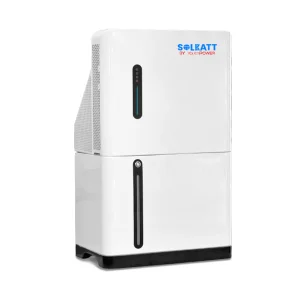
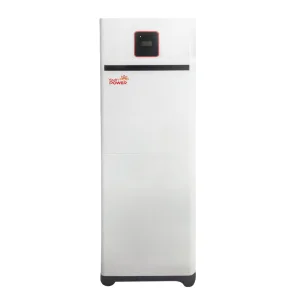
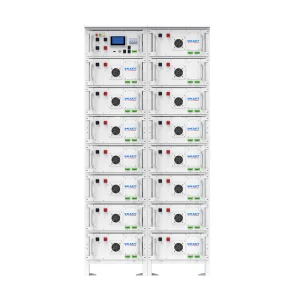
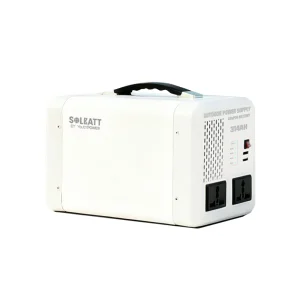
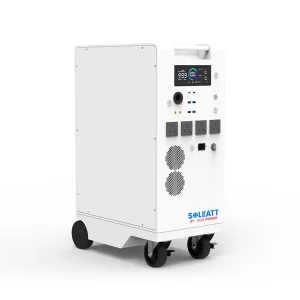
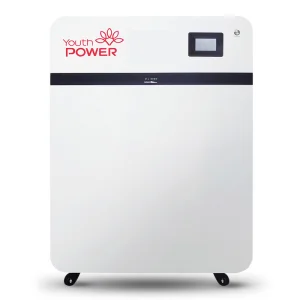
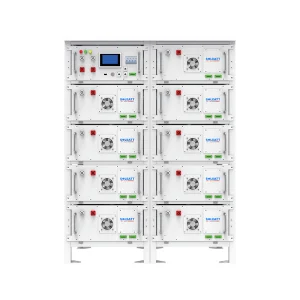
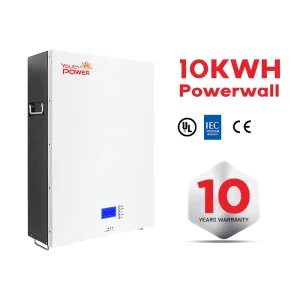
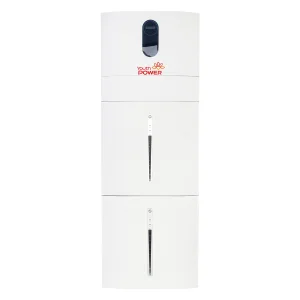
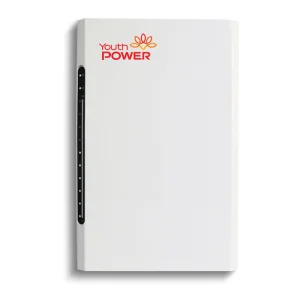
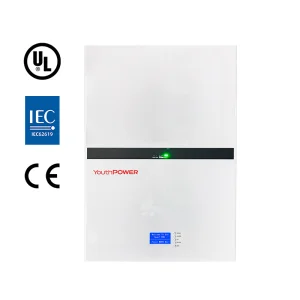
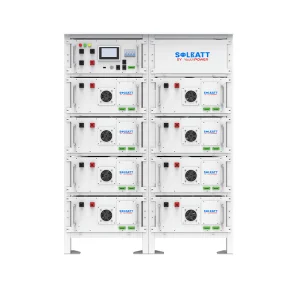
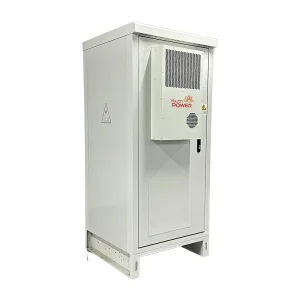
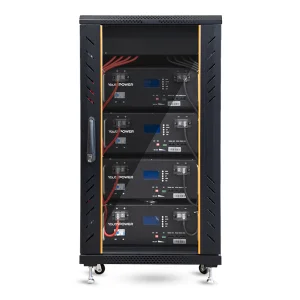
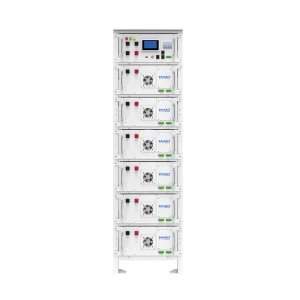
Explore our industrial and residential grade high-capacity energy storage systems engineered for long backup times and maximum stability.
A whitepaper breakdown of the metrics determining operational battery backup durations across diverse load specifications.
Evaluating the runtime of a 200Ah battery system requires parsing multiple physical properties: voltage configurations, depth of discharge (DoD), inverter translation overhead, and total load size. The fundamental equation is formulated as:
Backup Time (Hours) = [Battery Capacity (Ah) × System Voltage (V) × DoD (%) × Efficiency (%)] / Load Power (Watts)
For instance, a standard 51.2V 200Ah battery (commonly labeled as a 10kWh class energy storage module) configured to output power for a continuous 2,000W load at a 90% DoD and 95% inverter efficiency yields:
Runtime = (200Ah × 51.2V × 0.90 × 0.95) / 2,000W = 8.75 Hours
Amperage capacity (200Ah) only constitutes half of the mathematical expression. System voltage directly scales the total energy reserve. A 12V 200Ah lead-acid or LiFePO4 battery stores significantly less energy than a 48V or 51.2V 200Ah industrial module:
Therefore, running a 1,000W commercial server system on a 12V system runs dry four times faster than on a corresponding 48V assembly.
| Battery Configuration | Total Capacity (Wh) | Recommended DoD | Runtime at 500W Load | Runtime at 1,500W Load | Ideal Application Scenario |
|---|---|---|---|---|---|
| 12.8V 200Ah LiFePO4 | 2,560 Wh | 90% (2,304 Wh usable) | ~4.4 Hours | ~1.4 Hours | RV, Small Cabins, Balcony Solar |
| 25.6V 200Ah LiFePO4 | 5,120 Wh | 90% (4,608 Wh usable) | ~8.7 Hours | ~2.9 Hours | SME Backup, Residential Off-Grid |
| 51.2V 200Ah LiFePO4 | 10,240 Wh | 95% (9,728 Wh usable) | ~18.5 Hours | ~6.1 Hours | Whole-Home Solar, Telecom Hubs |
| 12V 200Ah Gel Lead-Acid | 2,400 Wh | 50% (1,200 Wh usable) | ~2.2 Hours | ~0.7 Hours | Emergency UPS, Marine Engine Start |
Analyzing how specific regions and critical micro-economies deploy high-capacity lithium configurations.
Driven by rising electricity tariffs, storm-related grid vulnerability, and virtual power plant (VPP) incentives (such as Net Billing in California under NEM 3.0), homeowners in the USA and Canada utilize stacked 51.2V 200Ah LiFePO4 wall systems. Combined with hybrid inverters, these units charge during low-cost morning PV hours and discharge during peak demand phases, lowering energy bills while securing uninterrupted home operation.
In highly urbanized areas like Germany and the Netherlands, high-density residential properties deploy compact 2.5kWh - 5kWh battery packs. These balcony installations bypass extensive grid-interconnection permits. Storing surplus solar energy harvested through portable solar panels, they ensure localized self-consumption during evening hours, maximizing ROI.
Unstable grids in regions such as India, South Africa, and Southeast Asia demand robust battery storage to protect base transceiver stations (BTS). Scaled 48V 200Ah cabinet setups replace high-maintenance diesel generators. These storage systems charge during brief windows of grid availability and output sustained power over hours of load shedding.
The progression of chemical compositions and intelligent management software in energy storage technology.
Lithium Iron Phosphate (LiFePO4) remains the industry benchmark for commercial solar storage. Its stability, high thermal runaway thresholds (>60°C), and exceptional lifecycle profiles (often exceeding 6,000 charge/discharge cycles at 80% DoD) outperform ternary chemistries (NMC) in safety and lifespan.
Recent developments focus on doping olivine crystal configurations with trace elements to lower internal resistance, improving cold-weather charging parameters down to -20°C without risk of lithium plating.
Looking ahead, battery factories are investing in two distinct technical branches:
Hardware upgrades are paired with next-generation Battery Management Systems (BMS). Modern BMS architectures use AI algorithms to monitor cell voltages, internal resistance values, and temperature variations in real time. Features include:
How China's vertically integrated supply chain delivers cost efficiency, manufacturing scale, and high product reliability.
Chinese battery factories benefit from a complete upstream and downstream industrial ecosystem. From raw material refining (processing over 60% of the world’s lithium and cathode active materials) to automated cell manufacturing, every production step is localized. This minimizes international transit bottlenecks and lowers procurement and freight costs.
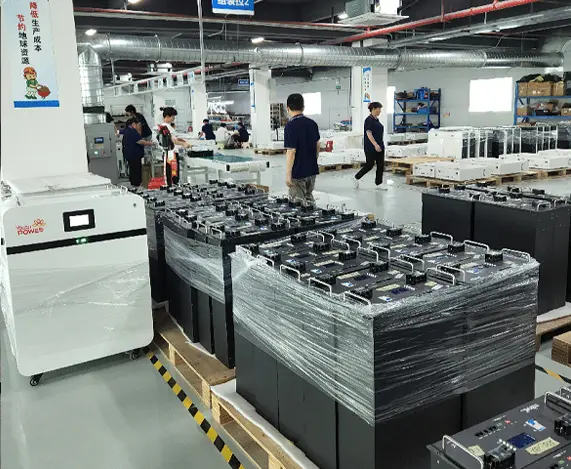
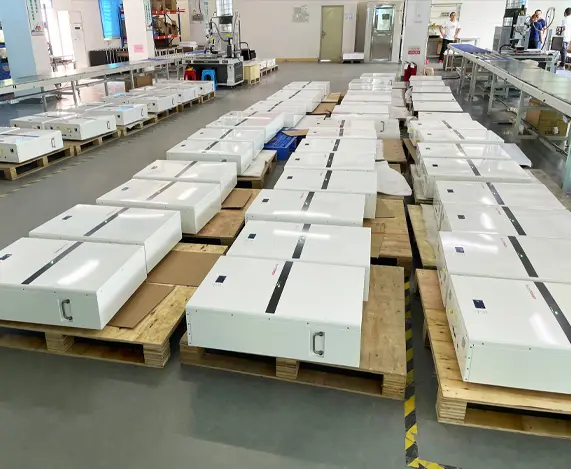
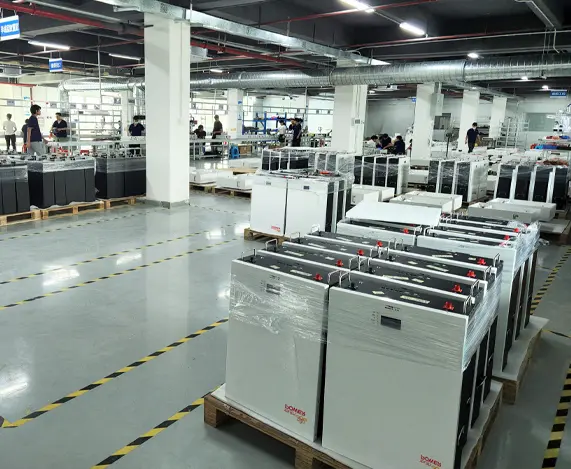
Leading Chinese plants utilize fully automated, intelligent production systems. Digital twin environments, laser welding, and automated cell matching ensure minimal variance in cell resistance and capacity. This consistency prevents premature pack degradation and ensures balanced, long-term performance.
By coordinating with domestic raw material suppliers, Chinese manufacturers optimize cost-per-watt-hour metrics, allowing global commercial partners to scale energy infrastructure economically. YouthPOWER has deployed reliable solar storage systems to over 1,000,000 families globally, backed by nearly two decades of production and R&D experience.
A closer look at YouthPOWER’s background, production facilities, and milestones.
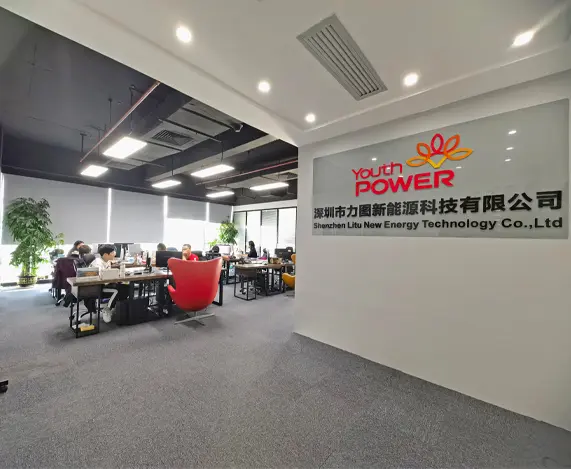
Founded in 2003, YouthPOWER has now become one of the leading suppliers of solar storage lithium batteries in the world. With a broad range of energy storage solutions, it covers a series of 24V, 48V and higher voltage lithium batteries solutions.
YouthPOWER has engaged in the battery technology and production for almost 20 years, with abundant manufacturing experience and strong new product R & D capability. Through many years of hard work and market promotion, we have created our own brand "YouthPOWER" in 2019.
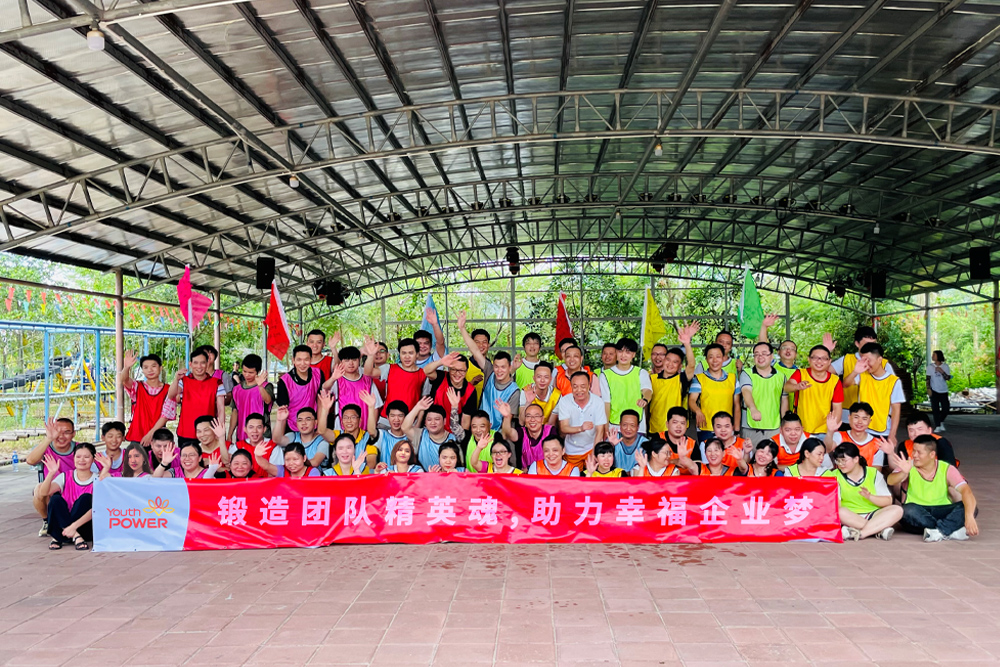
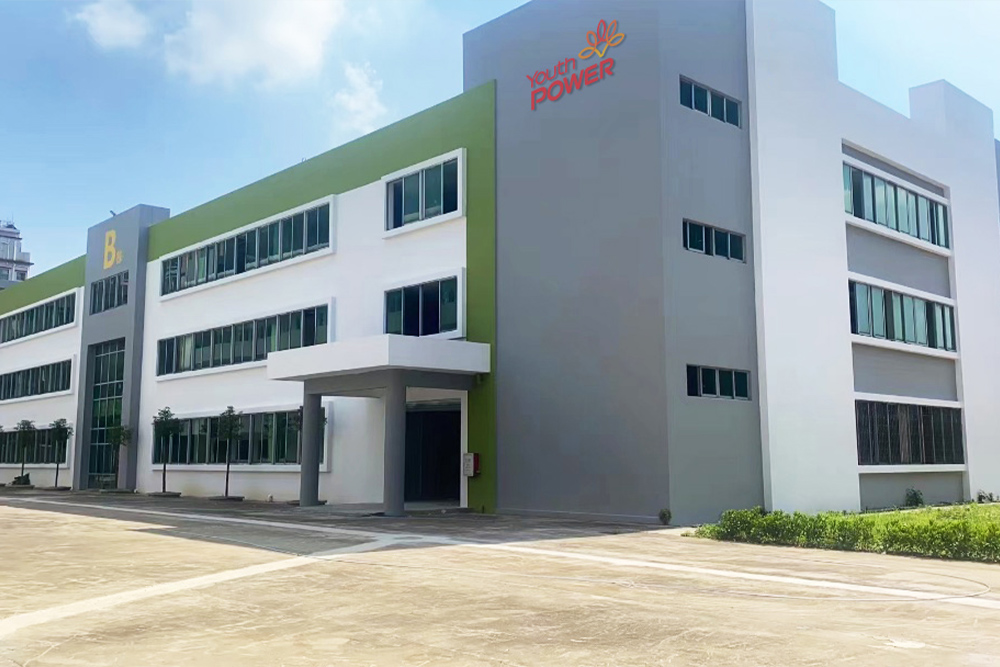
With nearly 20 years’ experience in the battery industry, we have the capability to provide you with both the products you need and the most suitable products you want. We are always ready to supply the first-class products and meet the various needs of the customers.
We have established good business relationships with our customers from all over the world. And we have a good cooperation with all our customers as well for many years running. Supported by our local vendors of raw materials, we can certainly offer you the best prices.
We are so proud that YouthPOWER has offered the reliable solar storage solution for over 1,000,000 families now in the world.
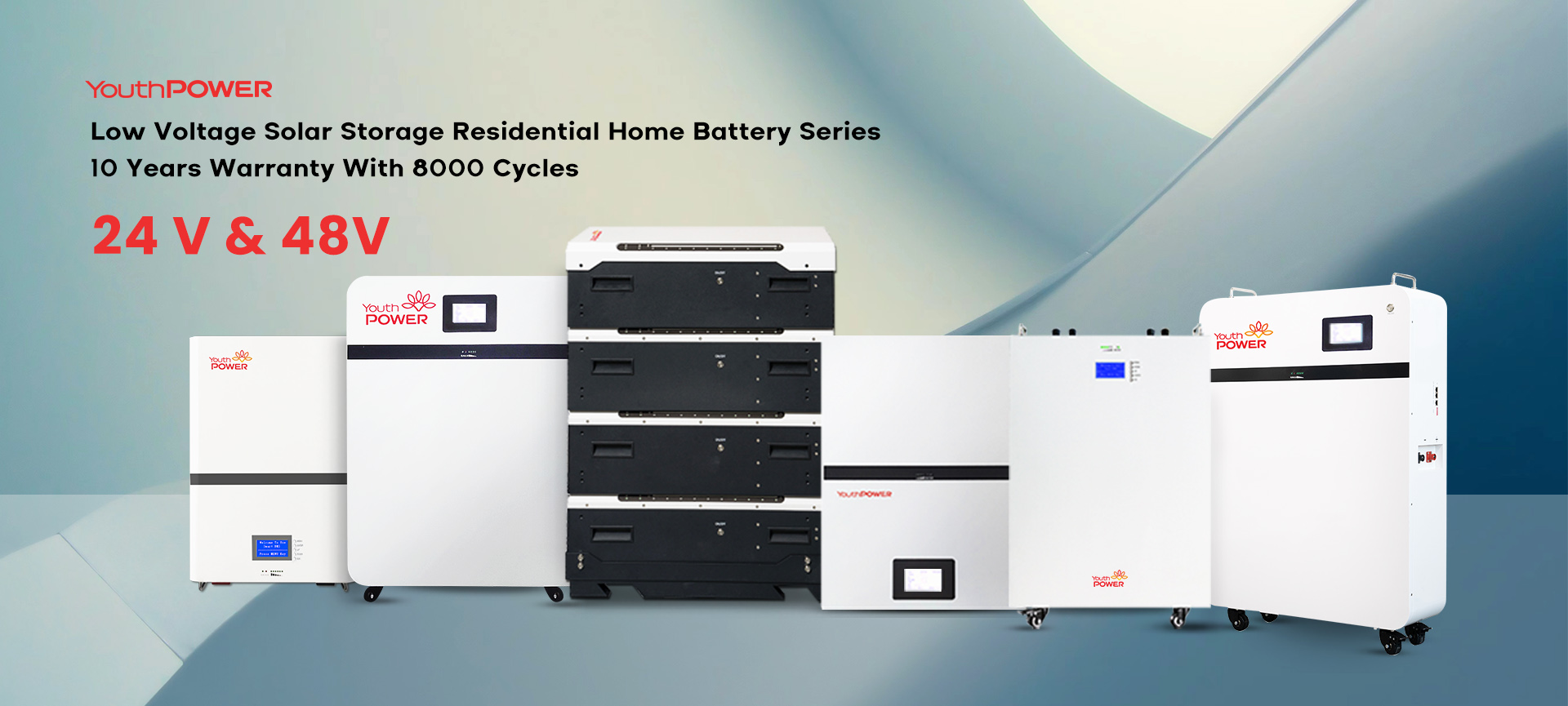
Our facilities utilize strict quality assurance systems to certify every product before dispatch. Partnering with top-tier raw material suppliers, we maintain stable production cycles even during challenging global economic windows.
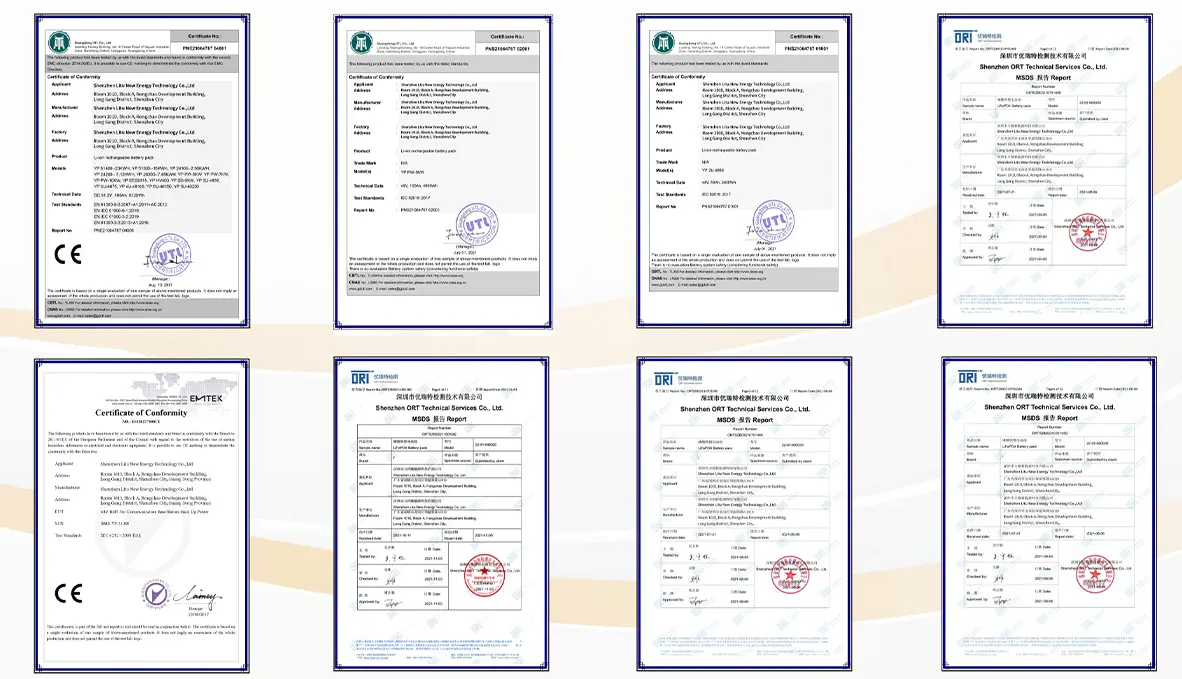
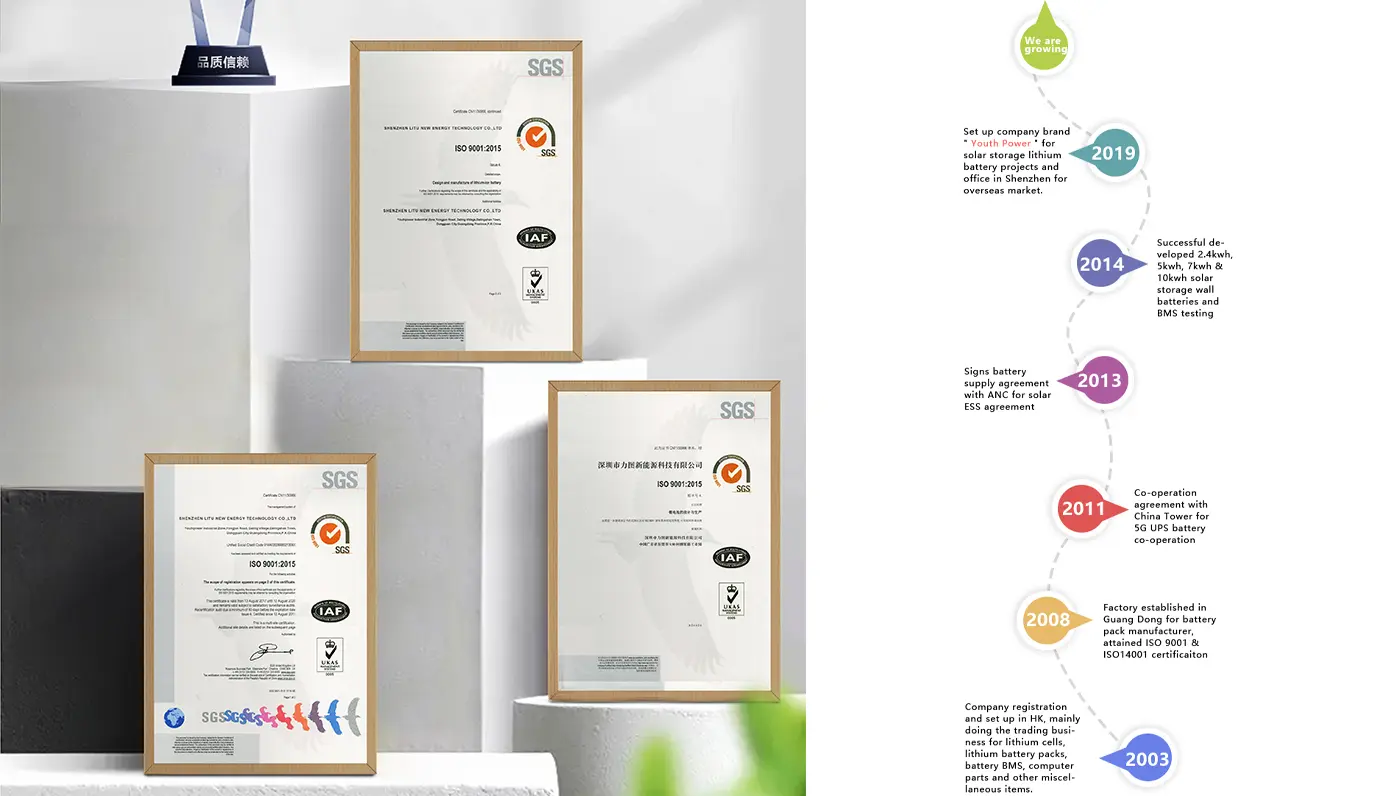
Meeting the safety and grid compatibility requirements of international markets.
For international deployment, our products meet key safety benchmarks. Certification parameters include **UN38.3** for safe transport, **UL1973** for stationary energy storage batteries, and **IEC62619** for cell and system safety in commercial and industrial environments.
To support grid connection, modern hybrid battery systems are certified under standards such as **UL1741** (North America) and **CEI 0-21** (Europe). These protocols safeguard the grid during backfeeding, preventing overload events and facilitating net-metering integration.
Our manufacturing aligns with global environmental directives, including **RoHS** (Restriction of Hazardous Substances) and **REACH**, ensuring low heavy metal footprint and simplified disposal and recycling processes.
Technical answers to common questions about 200Ah battery system operations.
Select industrial and modular energy solutions designed for scalable configurations.
 YouthPOWER