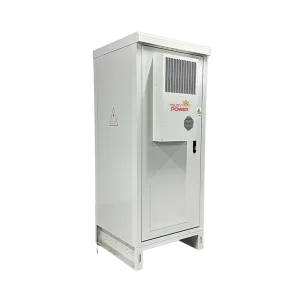
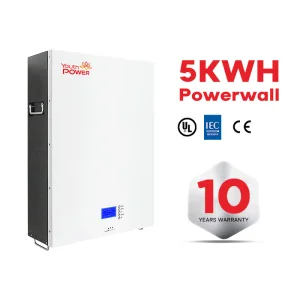
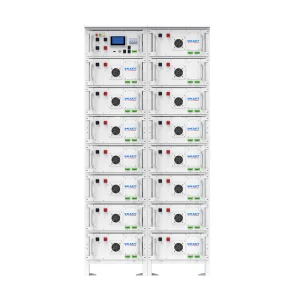
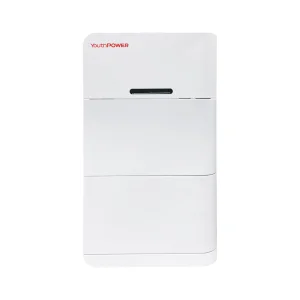
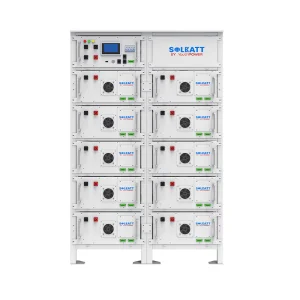
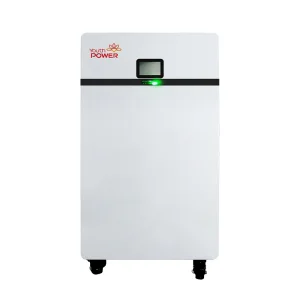
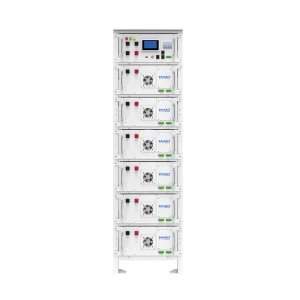
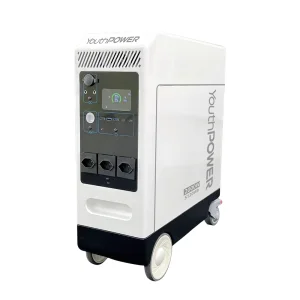
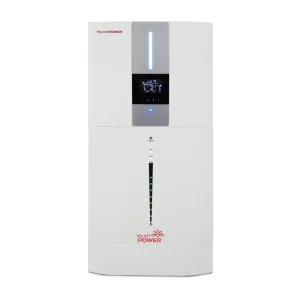
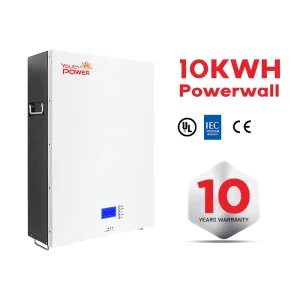
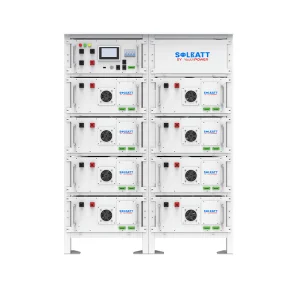
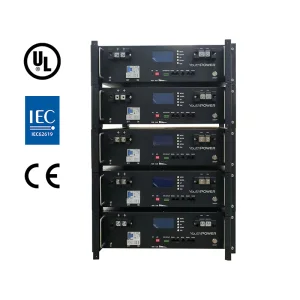
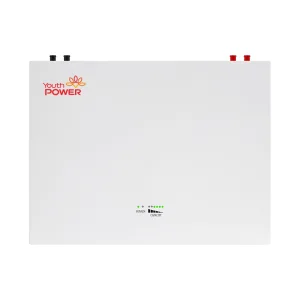
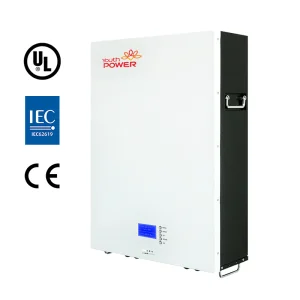
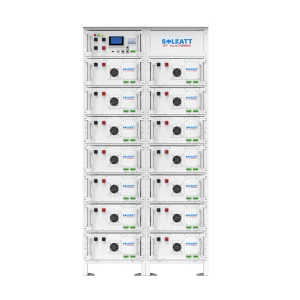
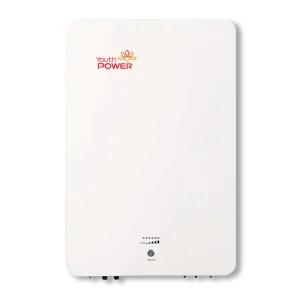
Explore our industrial energy storage cabinets and modular battery systems engineered for integration with 20kW solar systems.
When searching to buy a 20kW solar system, industrial managers, commercial operators, and large-scale residential stakeholders find themselves at a crucial engineering and financial intersection. The 20kW threshold is no longer simply a "scaled-up" residential solution; it has evolved into a key commercial and industrial (C&I) building block. This capacity delivers the optimal balance between initial capital investment (CAPEX) and long-term operating efficiency (OPEX).
In modern microgrid development, a 20kW system yields approximately 80 to 100 kWh of electrical energy daily (dependent on seasonal irradiance levels). This generation profile perfectly aligns with small-to-medium enterprise (SME) daytime load distributions, agricultural operations, and energy-intensive private residences. By combining 20kW PV arrays with advanced lithium storage cabinets (such as our 85KWH, 133KWH, or 215KWH setups), businesses can achieve peak-load reduction, run off-grid irrigation networks, and secure reliable multi-day emergency backup.
Understanding the global supply chain dynamics—specifically the role of direct Chinese manufacturers—is essential to evaluating the real cost structure of these components. This direct sourcing strategy enables buyers to optimize project yields and realize shorter investment payback periods.
The system excels across several design parameters:
An honest analysis of the cost structures for tier-one component procurement, factory-direct shipments, and full system deployment.
The cost of a 20kW solar installation varies based on battery storage choices, inverter technologies, and mounting requirements. Sourcing components directly from our production plants in China helps eliminate intermediary margins, ensuring your project remains highly cost-competitive.
| System Component | Technical Description & Standards | Direct Factory Pricing Range (USD) | Share of Total CAPEX |
|---|---|---|---|
| PV Panels (20kW Array) | N-Type TOPCon or HJT Monocrystalline Panels (550W+ modules, >22% efficiency) | $3,200 – $4,800 | 25% - 30% |
| Hybrid Inverter (20kW - 25kW) | 3-Phase Dual MPPT, IP65 protection, support for high-voltage DC batteries, V2G interface | $1,800 – $3,200 | 15% - 20% |
| Battery Energy Storage | LiFePO4 high-voltage rack systems (e.g., YouthPOWER YP BOX HV 10kW-25kW) | $4,500 – $12,000 (varies by capacity) | 35% - 45% |
| BOS (Balance of System) | DC/AC distribution boxes, solar cables, safety breakers, MC4, grounding elements | $800 – $1,500 | 5% - 8% |
| Mounting & Racking | Anodized Aluminum Alloy or Hot-dip Galvanized structures for ground/roof applications | $900 – $1,800 | 5% - 10% |
*Note: The prices listed above reflect factory-direct FOB rates. Global shipping fees, customs duties, local grid interconnection permits, and localized field engineering costs are calculated separately based on project conditions.
Analyzing how different geographic locations, environmental conditions, and utility grid regulations shape the deployment of 20kW solar installations.
High grid electricity tariffs drive the demand for maximized self-consumption. Here, a 20kW PV system is commonly paired with high-voltage battery cabinets (16KWH to 85KWH) to capture peak solar generation. Smart dynamic pricing strategies allow users to store energy when rates are low and discharge it during peak grid pricing hours.
Focus centers on compliance with NEC 2020 / NEC 2023 rapid shutdown requirements and UL 9540A certification for energy storage systems (ESS). Residential and commercial projects frequently utilize hybrid configurations. These support critical loads during grid events and manage demand charges (peak-shaving) for commercial facilities.
These systems function as microgrids, powering remote lodges, processing facilities, and agricultural water pumps. High-capacity battery storage (such as the 133KWH and 200KWH commercial models) is critical here, ensuring robust, reliable operation during cloudy weather and throughout the night.
Extreme environments demand durable designs. Hardware must feature IP65/IP66 enclosure ratings and anti-corrosive structural elements (C5 class) to withstand high humidity and saline coastal air, while retaining full thermal management capabilities at high altitudes.
China is at the heart of the global solar and lithium-ion battery supply chain, accounting for over 80% of global manufacturing capacity across ingot growth, wafer slicing, cell doping, module encapsulation, and lithium-iron-phosphate (LFP) cell synthesis. This concentration of raw materials and manufacturing expertise provides significant advantages for buyers looking to procure high-quality equipment.
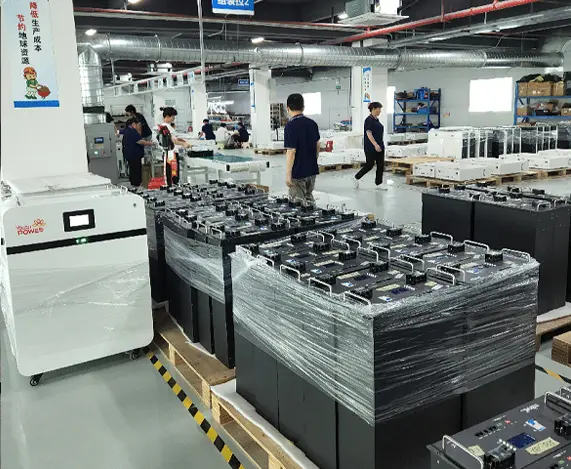
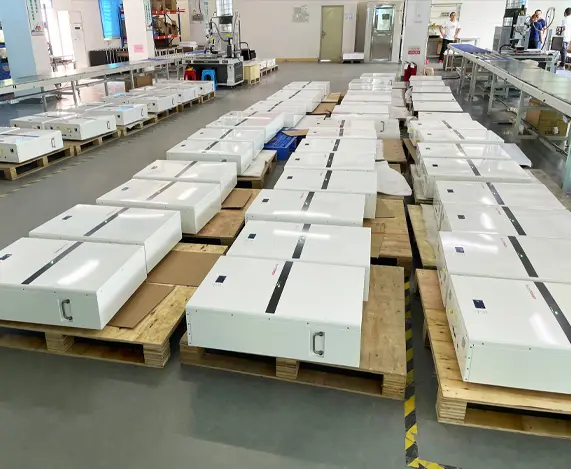
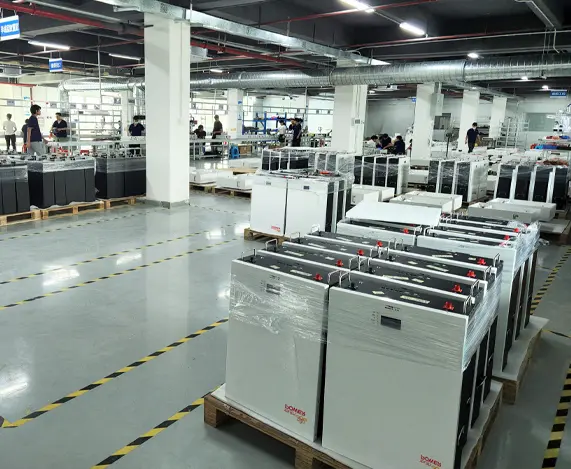
For example, YouthPOWER leverages vertically integrated production structures in industrial battery manufacturing. With nearly 20 years of experience, we maintain close relationships with local raw material suppliers, allowing us to insulate our customers from sudden price swings and guarantee consistent supply. Sourcing factory-direct from China means your commercial systems benefit from:
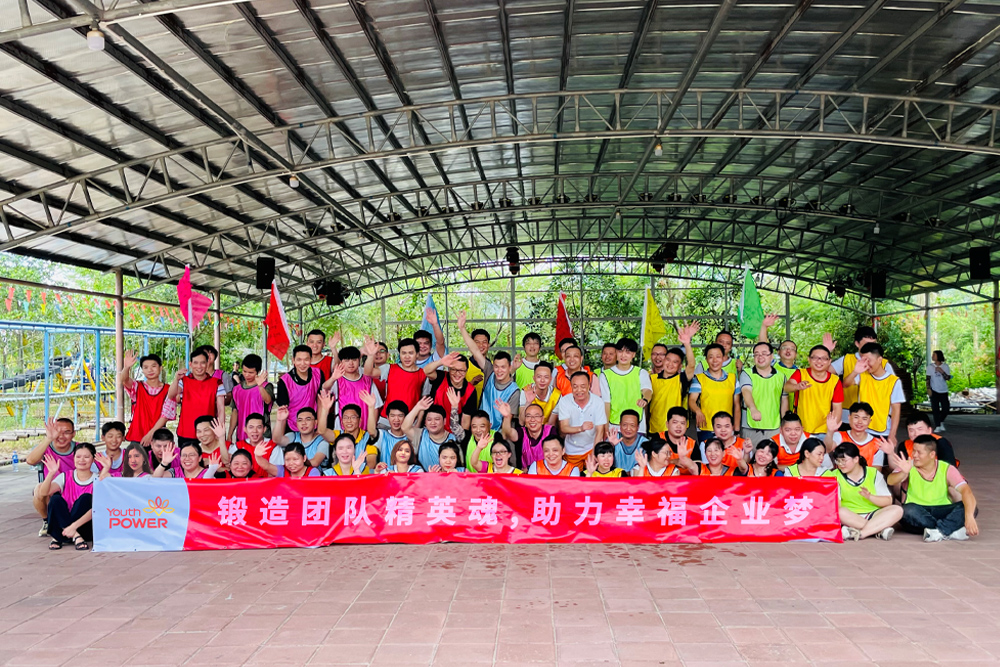
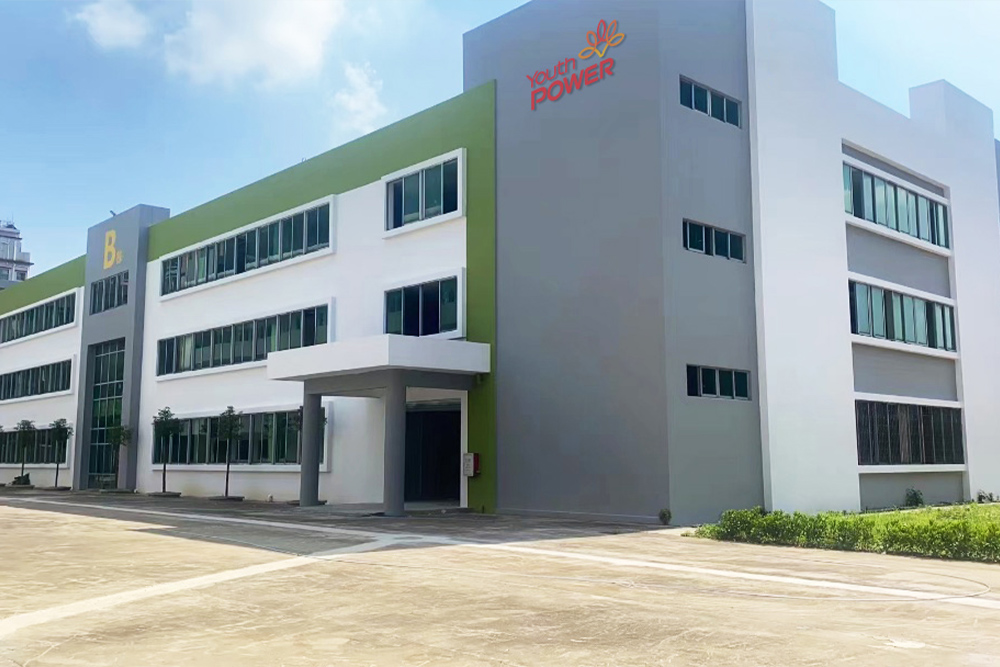
A detailed engineering look at wiring, electrical layouts, and safety strategies for high-performance 20kW solar installations.
Modern 20kW solar architectures are transitioning from low-voltage (48V) battery topologies to high-voltage (HV) systems (typically 200V–800V DC). Increasing system voltage lowers operating currents, reducing resistive energy losses in cabling and allowing for smaller, more cost-effective cable cross-sections.
Using systems like our YouthPOWER High Voltage Battery Cabinets (from 307V to 768V configurations), solar power goes through fewer voltage conversion stages. Power from the solar array matches the battery bus voltage, maximizing round-trip efficiency (RTE) up to 95.5%.
Every storage system uses a Master-Slave BMS controller. This coordinates cell balance, over-voltage protection, under-voltage cutoffs, and thermal monitoring, communicating directly with hybrid inverters via CAN/RS485 interfaces.
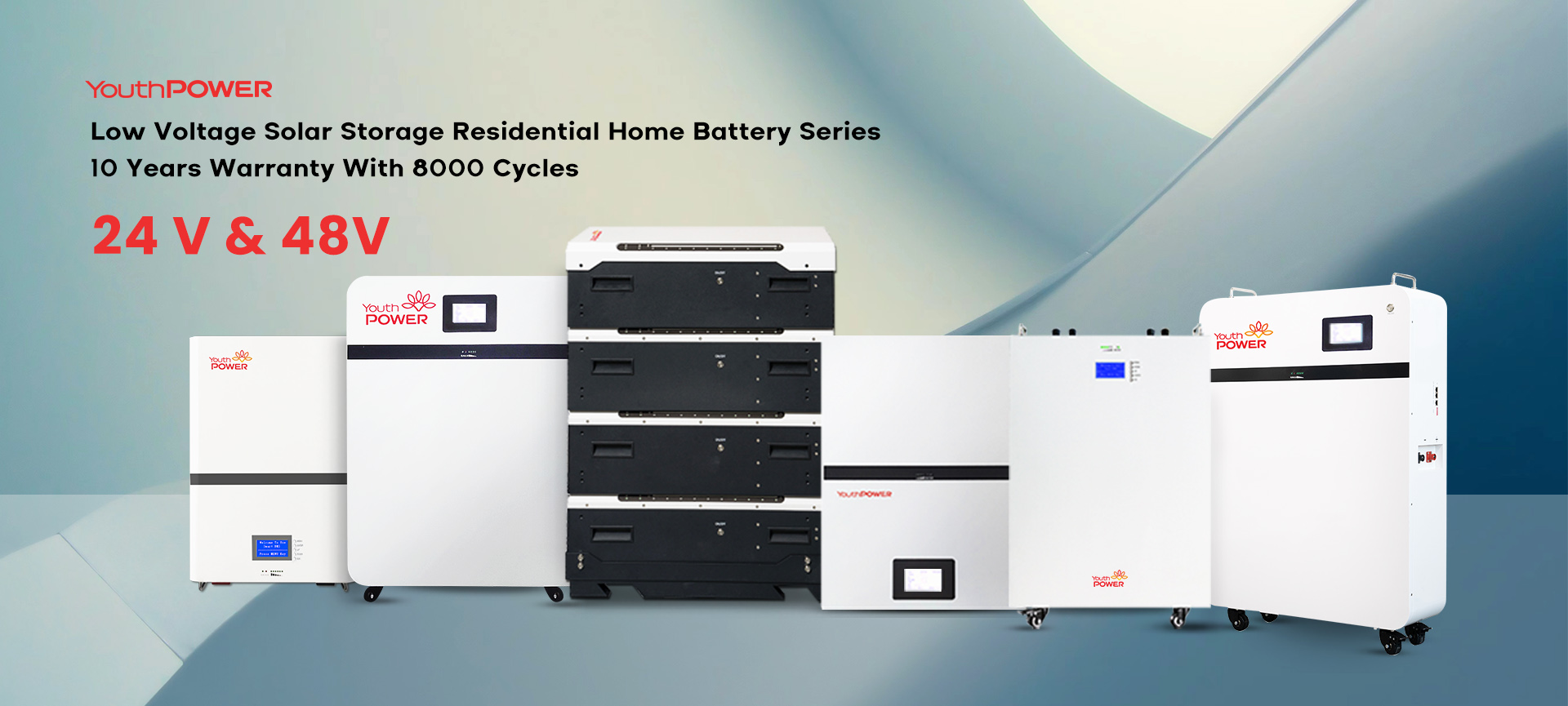
Leading global provider of advanced solar storage lithium battery systems with nearly two decades of engineering expertise.
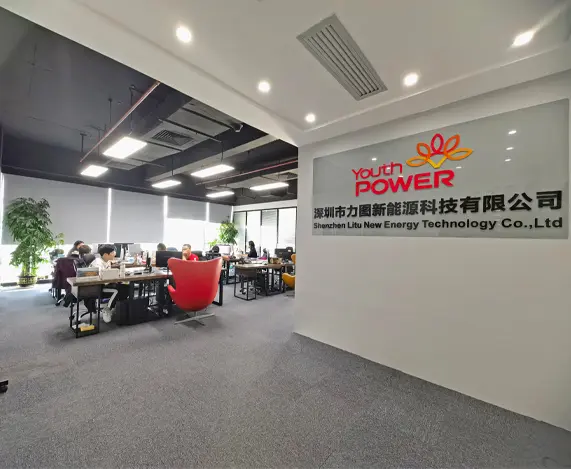
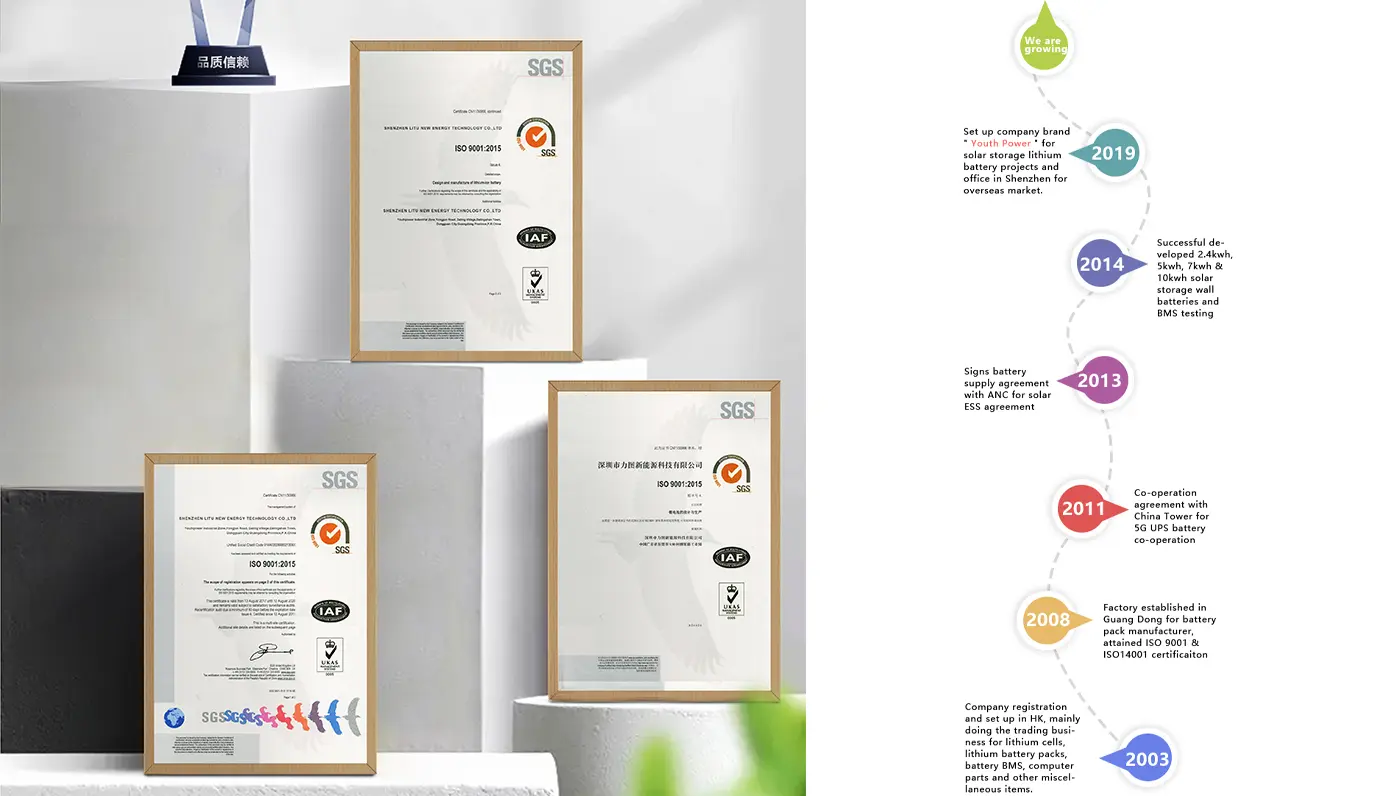
Founded in 2003, YouthPOWER has now become one of the leading suppliers of solar storage lithium batteries in the world. With a broad range of energy storage solutions, it covers a series of 24V, 48V and higher voltage lithium batteries solutions.
YouthPOWER has engaged in the battery technology and production for almost 20 years, with abundant manufacturing experience and strong new product R & D capability. Through many years of hard work and market promotion, we have created our own brand "YouthPOWER" in 2019.
With nearly 20 years’ experience in the battery industry, we have the capability to provide you with both the products you need and the most suitable products you want. We are always ready to supply the first-class products and meet the various needs of the customers.
We have established good business relationships with our customers from all over the world. And we have a good cooperation with all our customers as well for many years running. Supported by our local vendors of raw materials, we can certainly offer you the best prices.
We are so proud that YouthPOWER has offered the reliable solar storage solution for over 1,000,000 families now in the world.
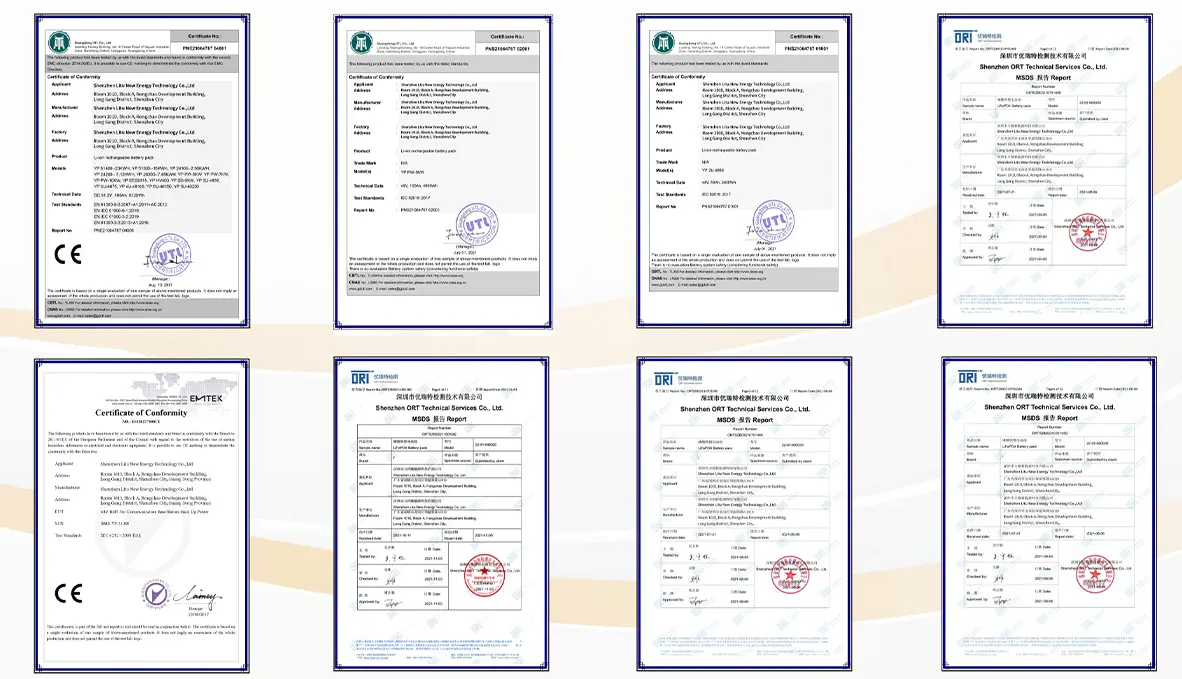
Where commercial solar generation and chemical energy storage are headed over the next decade.
We are working to transition our energy storage cabinets from standard LiFePO4 cells to high-performance, semi-solid-state architectures. This development path aims to increase energy density by 30% and expand operating temperature ranges without requiring active liquid cooling systems.
Future system iterations will integrate cloud-connected, machine-learning algorithms to monitor cell health. By analyzing small changes in internal cell resistance and temperature, the system can predict maintenance needs before issues occur, improving overall battery safety.
Next-generation 20kW smart inverters will come equipped with hardware to support Vehicle-to-Home (V2H) and Vehicle-to-Grid (V2G) power flow. This allows electric vehicles to serve as supplementary battery storage, helping users optimize energy use and participate in grid services.
Detailed answers to key engineering, safety, and logistical questions surrounding 20kW solar storage projects.
Select from our industry-grade battery storage systems, wall-mounted units, and backup packages to complete your system configuration.
 YouthPOWER