Direct supply channel from certified industrial facilities for commercial, industrial, and micro-grid systems.
Lithium Iron Phosphate (LiFePO4) chemistry has redefined safety and longevity standards in energy storage. Within the low-to-medium voltage domain, 24V architectures represent the ideal equilibrium between safety limits and electrical efficiency. Compared to traditional 12V configurations, 24V systems cut line losses by up to 75% under identical power loads, making them the preferred framework for telecom transceivers, low-speed automated guided vehicles (AGVs), light industrial backup systems, and marine recreational power networks.
Key technological factors that favor 24V LiFePO4 over lead-acid variants include:
Understanding cost structures, chemical variables, and manufacturing margins for industrial batteries.
When procurement managers buy 24V LiFePO4 battery modules, pricing calculations go beyond simple unit costs. An analysis of pricing variables demonstrates that structural costs are driven by cell selection, active BMS cooling integration, local distribution overheads, and regulatory compliance. Below is an overview of the structural pricing elements for industrial-grade 24V packs:
| Component Group | Proportion of Cost | Primary Drivers | Impact on Quality & Lifespan |
|---|---|---|---|
| Grade-A Prismatic Cells | 50% - 60% | Lithium Carbonate spot price, cell capacity pairing consistency | Ensures system remains balanced; avoids premature module degradation. |
| Smart BMS (Battery Management System) | 15% - 20% | CANbus/RS485/Modbus communication capability, thermal sensors | Governs over-current, thermal limits, and cell balancing regimes. |
| Enclosure & Structural Busbars | 10% - 15% | IP rating (IP20 vs. IP65/IP67), anti-vibration framing, insulation sheets | Determines seismic protection, thermal dissipation, and safety integrity. |
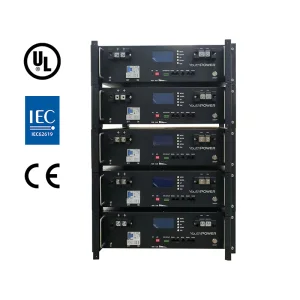
| Compliance Certification | 5% - 10% | UL1973, IEC62619, CE, UN38.3 compliance testing costs | Required for legal importation, local installation, and insurance approval. |
While SLA options require lower initial capital expenditure, the Total Cost of Ownership (TCO) of LiFePO4 over 10 years is approximately 50-60% lower due to minimal maintenance and zero cell replacement cycles.
Securing direct procurement pathways with manufacturers avoids agent premiums, giving enterprise purchasers customized structural and software designs directly from the engineering source.
24V LiFePO4 packs operate consistently across variable loads, maintaining flat voltage curves during discharge phases for reliable energy delivery.
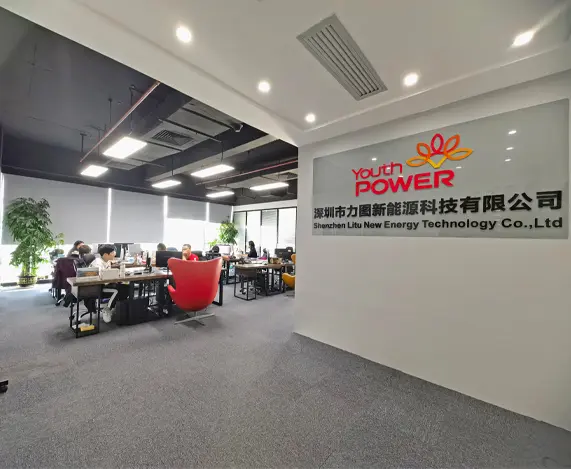
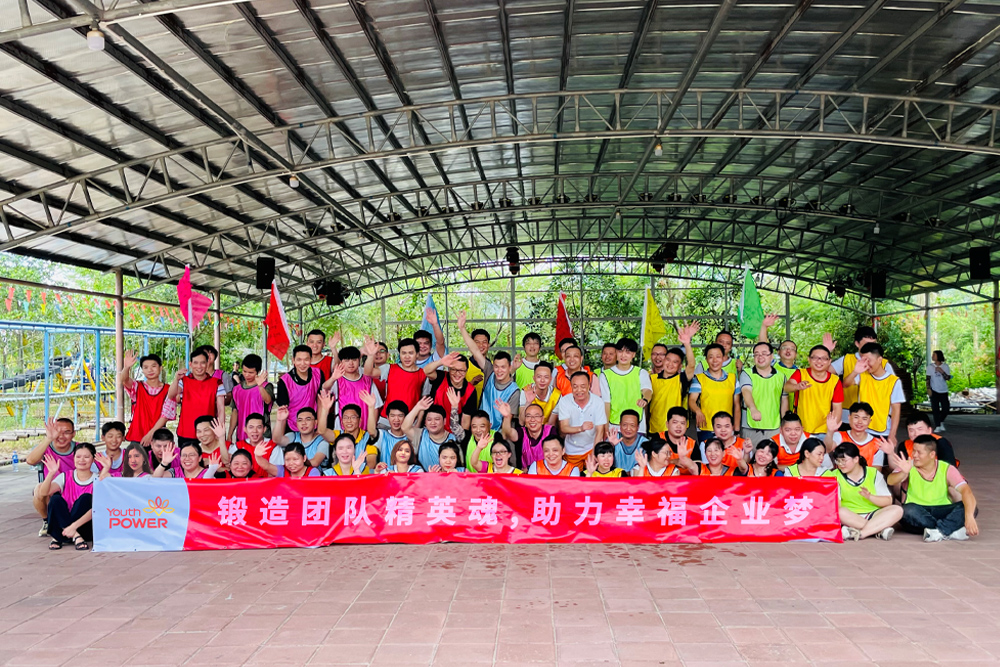
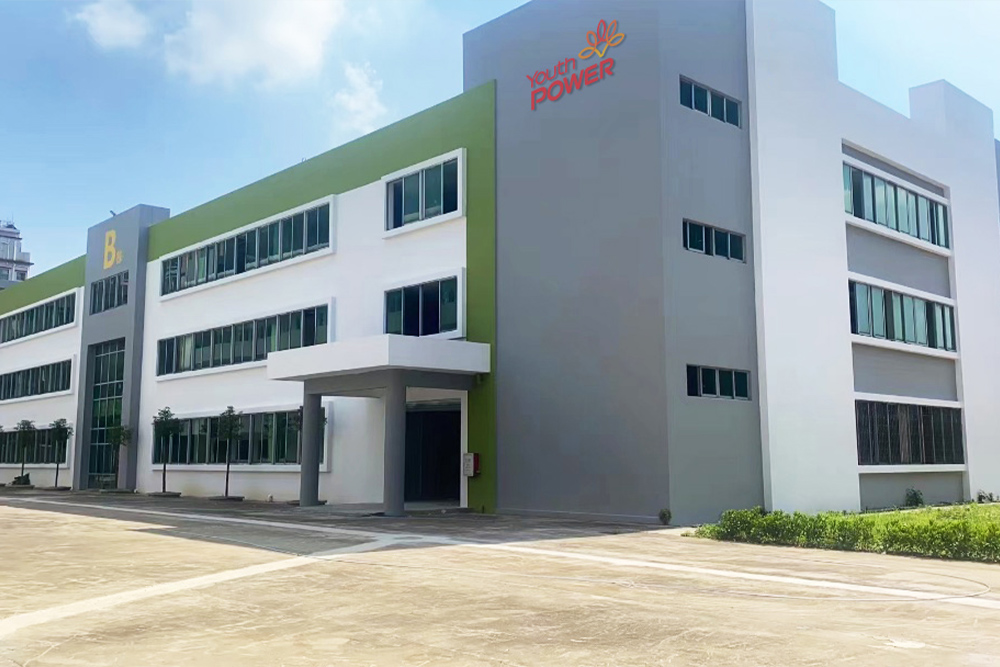
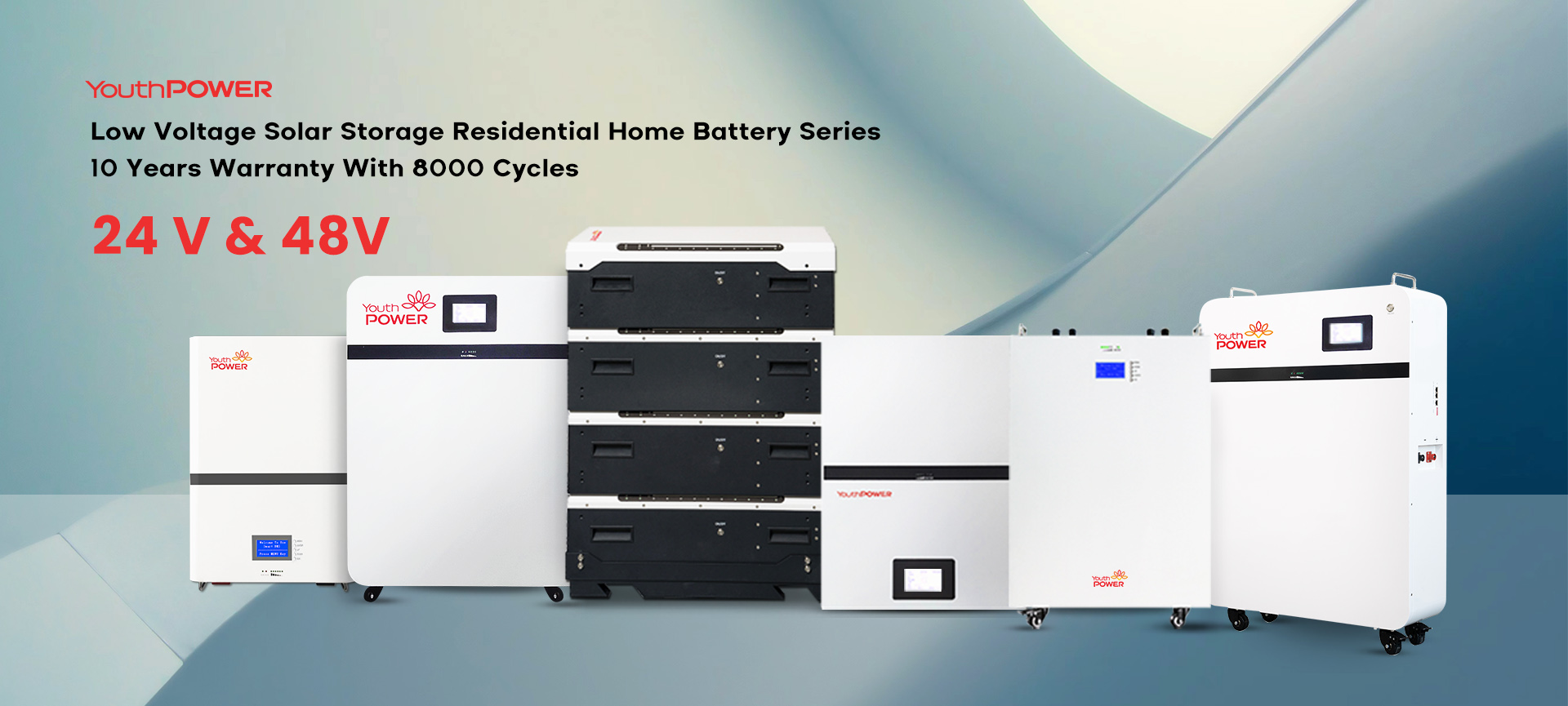
Founded in 2003, YouthPOWER has become one of the leading suppliers of solar storage lithium batteries in the world. With a broad range of energy storage solutions, our portfolio covers a series of 24V, 48V, and higher voltage lithium battery systems designed for industrial, residential, and commercial projects.
YouthPOWER has engaged in battery technology development and manufacturing for almost 20 years, building extensive manufacturing experience and strong R&D capabilities. Through dedication and market expansion, we established our own brand "YouthPOWER" in 2019, focused on supplying high-performance energy storage options.
Supported by local raw material supply chains, we offer competitive pricing models without compromising structural reliability. Today, YouthPOWER is proud to have delivered dependable solar storage systems to over 1,000,000 families globally.
Our progress from a regional battery cell supplier to an international energy storage brand reflects our focus on innovation, quality control, and long-term partnership development.
With nearly 20 years’ experience in the battery industry, we have the capability to provide both the standard products you need and customized solutions designed for your project. We maintain strict quality management to ensure consistent performance for all client requests.
Through close cooperation with material vendors, we keep raw material supply lines stable and pass these savings on to our global customer base.
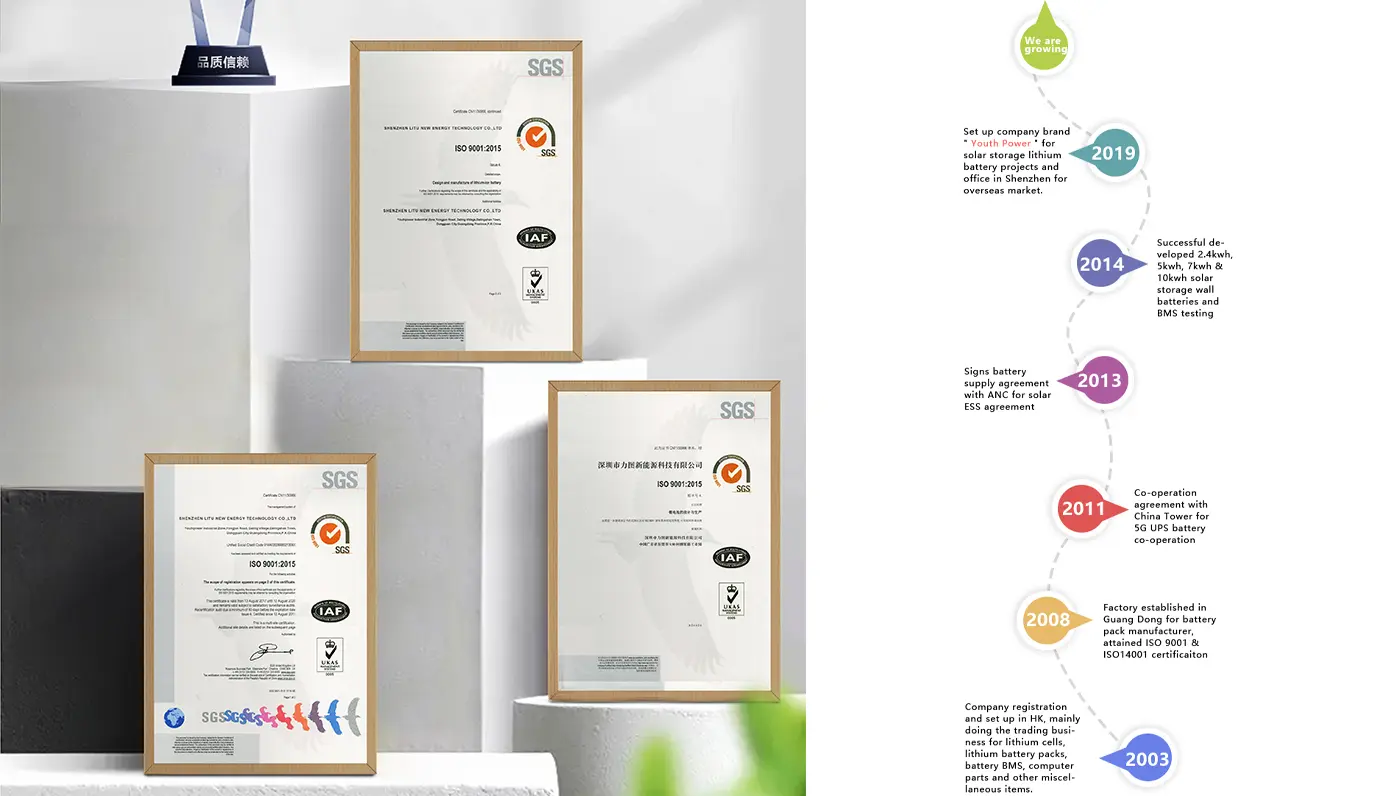
How direct partnerships with Chinese manufacturing clusters optimize quality and cost structures.
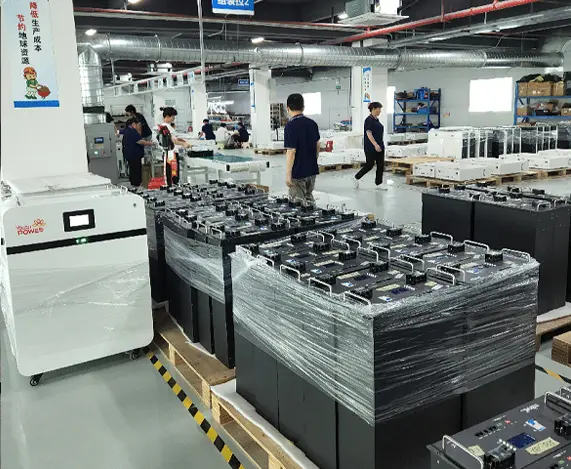
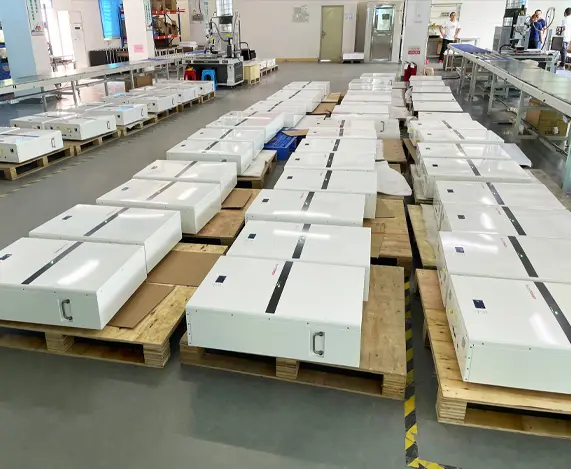
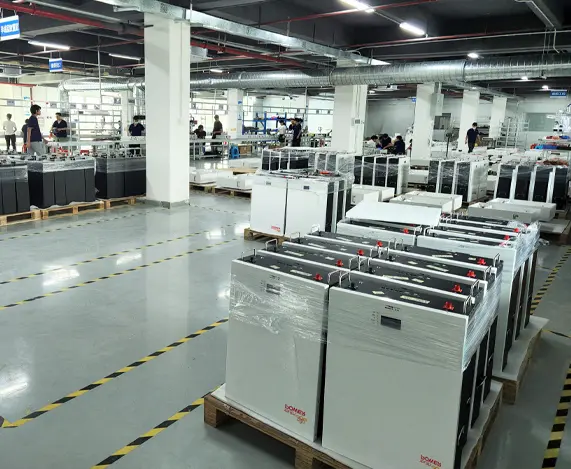
Our production facilities are situated in prime battery technology hubs, allowing direct access to raw materials, electrolyte components, and automated sorting equipment.
Every batch of cells undergoes rigorous internal screening, including laser welding diagnostics, mechanical drop verification, high-temperature testing, and capacity matching checks.
We configure packs to meet custom physical dimensional constraints, specific voltage requirements, and integrated BMS protocols for seamless communication with existing host systems.
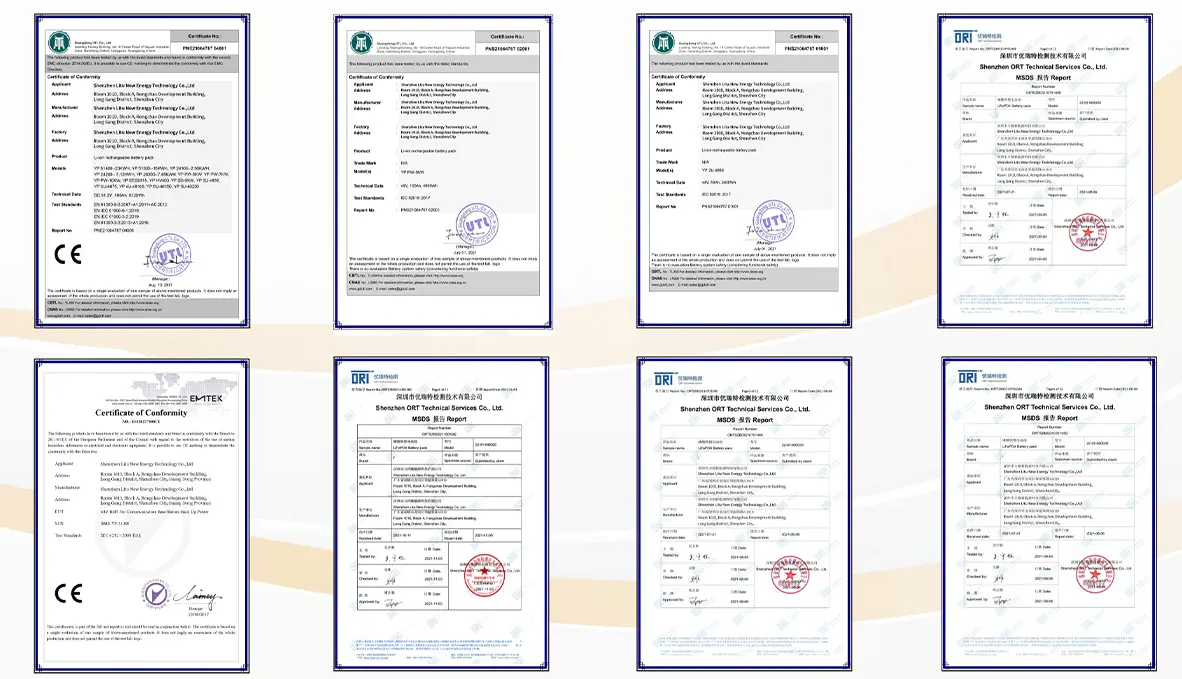
Navigating global compliance and lithium battery import/safety regulations requires experienced engineering partners. All YouthPOWER systems undergo thorough verification to ensure trouble-free customs clearance and local code approval.
Choosing certified products speeds up site commissioning and simplifies underwriting approvals for solar storage integrations.
Robust energy performance optimized for harsh field environments, logistics equipment, and backup configurations.
Provides dependable base storage for cabin solar arrays, residential energy packages, and agricultural pump systems, delivering high cycle lifetimes in remote regions.
Delivers steady backup power for transmission masts in variable environments. Protects sensitive systems from voltage sags and drops.
Powers warehouse automated guided vehicles and electric forklifts, offering fast charging support to maximize fleet uptime.
Detailed technical answers to assist engineering teams and procurement officers during project evaluation.
At standard temperatures of 25°C, our Grade-A LiFePO4 prismatic cells deliver over 6,000 charge and discharge cycles at 80% Depth of Discharge (DoD) before capacity drops below 80% of its initial rating. If discharged conservatively at 50% DoD, the overall cycle life can exceed 8,000 cycles, translating to 10 to 15 years of daily cycling.
Yes, our modules can be connected in parallel configurations to increase system capacity. However, series connections to increase system voltage require prior coordination with our engineering team to ensure the integrated BMS is rated for higher voltages and that cell voltage balancing is managed correctly across all packs.
Our smart BMS features integrated low-temperature charging cut-off protection. Charging lithium batteries below 0°C (32°F) can cause lithium plating, which permanently degrades the cells. The BMS halts charging current under freezing conditions while still allowing safe discharge to continue. Systems intended for cold environments can also be configured with internal heating mats that preheat the cells using input solar/grid power before charging begins.
Standard OEM production runs average 25 to 35 days from technical design sign-off to port delivery. We offer complete OEM services, including custom enclosure designs, laser-printed client branding, customized communication profiles, and custom packaging boxes.
Every shipment is prepared according to UN38.3 standards for dangerous goods transport. Packs are placed inside shock-insulated UN-approved boxes and accompanied by MSDS reports, drop-testing certificates, and official sea transport safety documentation.
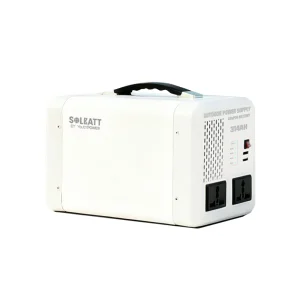
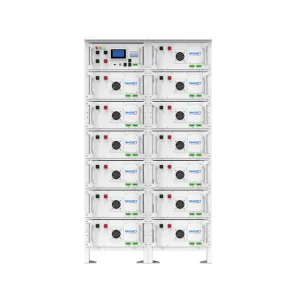
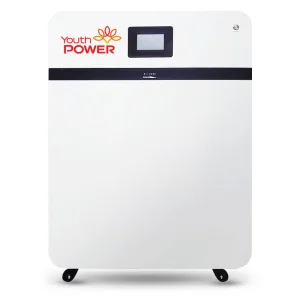
Explore our selection of heavy-duty, rack-mount, and portable power configurations designed for critical operation profiles.
 YouthPOWER