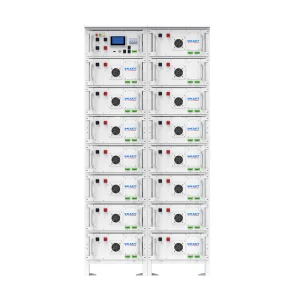
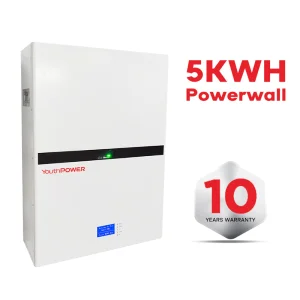
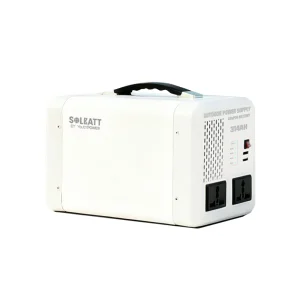
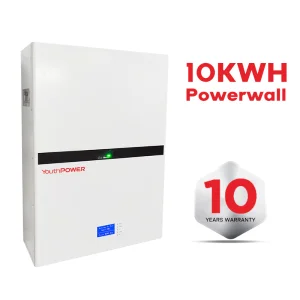
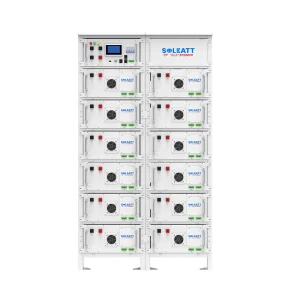
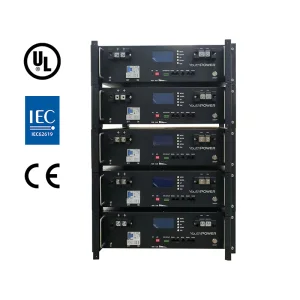
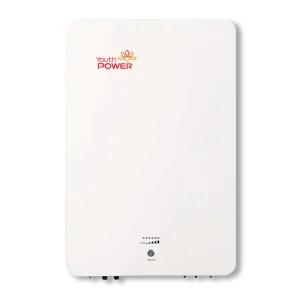
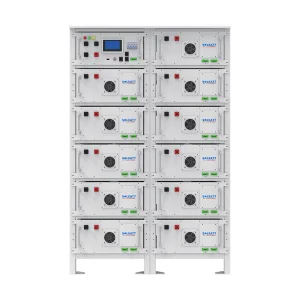
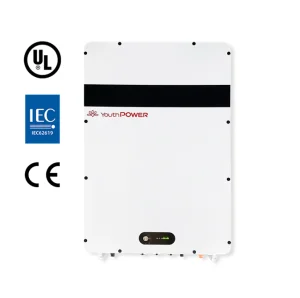
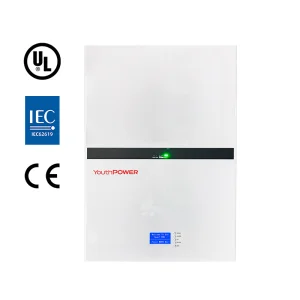
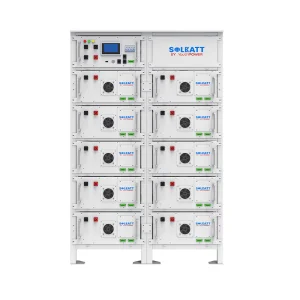
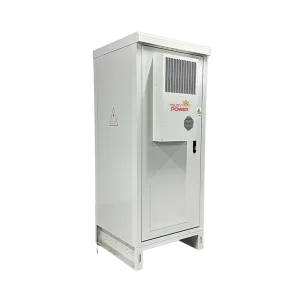
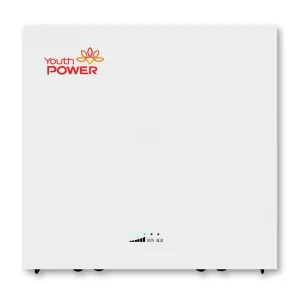
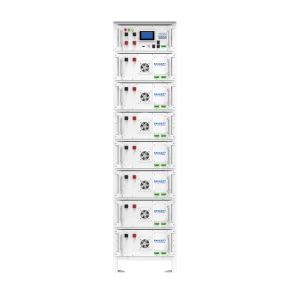
Explore our top industrial-grade, marine, and powerwall battery systems built for global enterprises seeking raw performance, compliance certifications, and modular scale.
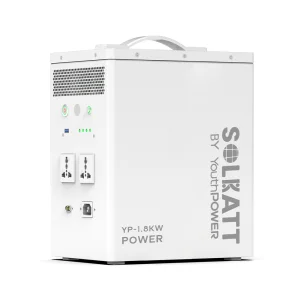
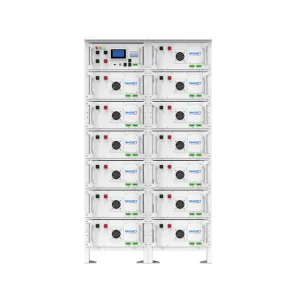
The global transition toward decentralized clean energy infrastructure has driven massive demand for high-density electrochemical energy storage systems (ESS). Among these, the 300Ah Lithium Iron Phosphate (LiFePO4) cell has emerged as the definitive benchmark for commercial, industrial, marine, and high-performance solar battery applications. By offering an optimal sweet spot between volumetric energy density, system configuration simplicity, thermal resilience, and manufacturing scale, 300Ah cells represent the core platform for forward-thinking engineering teams worldwide.
When sourcing from lithium battery factories, procurement managers are faced with choices between various cell configurations. The 300Ah prismatic cell represents a major iteration over previous 280Ah and 100Ah formats. With advanced lithium chemistry configurations, these systems reduce physical footprints, minimize the overall cell count in series-parallel configurations, and significantly lower the potential failure points in the Battery Management System (BMS) busbar architectures.
Key chemical parameters distinguishing Tier-1 300Ah cells from generic offerings include:
| Cell Chemistry / Parameter | Standard 100Ah LFP | Standard 280Ah LFP | Premium 300Ah LFP (YouthPOWER Spec) |
|---|---|---|---|
| Nominal Energy (Wh) | 320 Wh | 896 Wh | 960 Wh |
| Lifecycle (80% DoD @ 25°C) | 3,000 - 4,000 Cycles | 5,000 - 6,000 Cycles | 6,000 - 8,000+ Cycles |
| Self-Discharge Rate / Month | < 3.0% | < 2.5% | < 1.5% |
| System Design Complexity | High (Requires more cells/BMS lines) | Moderate | Very Low (Highly integrated packs) |
Procuring 300Ah lithium batteries directly from Chinese manufacturers provides significant efficiency and cost benefits. Factories in China control over 75% of the worldwide lithium refining and manufacturing supply chain. This concentration of raw material sourcing (including lithium, synthetic graphite, cobalt, and nickel) enables unmatched production scale and cost efficiencies.
At YouthPOWER, our established partnerships with domestic raw material vendors allow us to bypass intermediaries and mitigate supply chain disruptions. This structure enables us to provide high-quality 300Ah cells at stable, competitive prices while adhering to international compliance standards.
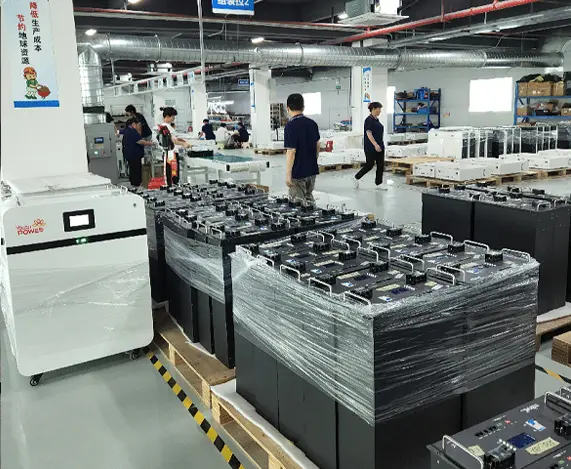
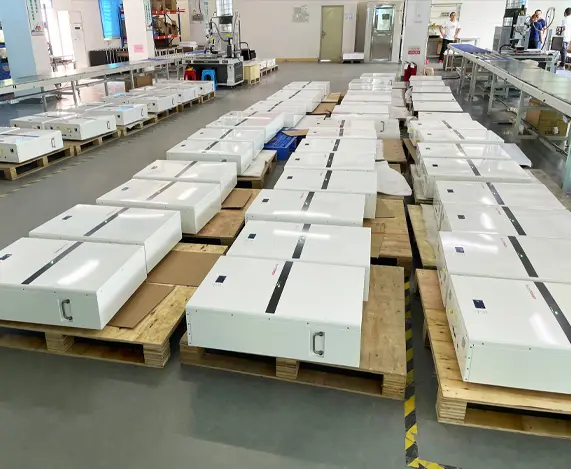
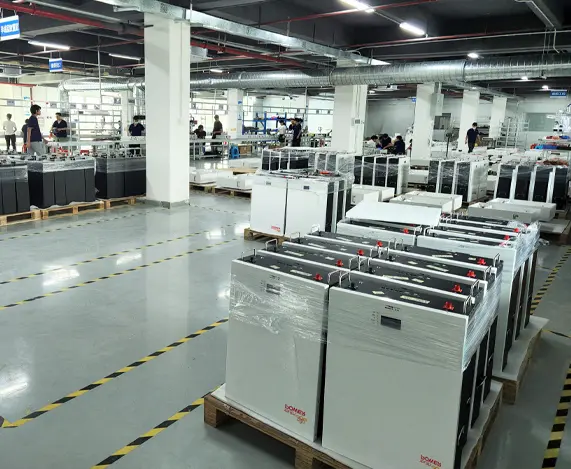
Reputable Chinese factories prioritize safety and precision throughout production. Highly automated facilities utilize state-of-the-art Roll-to-Roll (RTR) electrode coating, laser welding, and automated formation systems to minimize human error and ensure cell consistency.
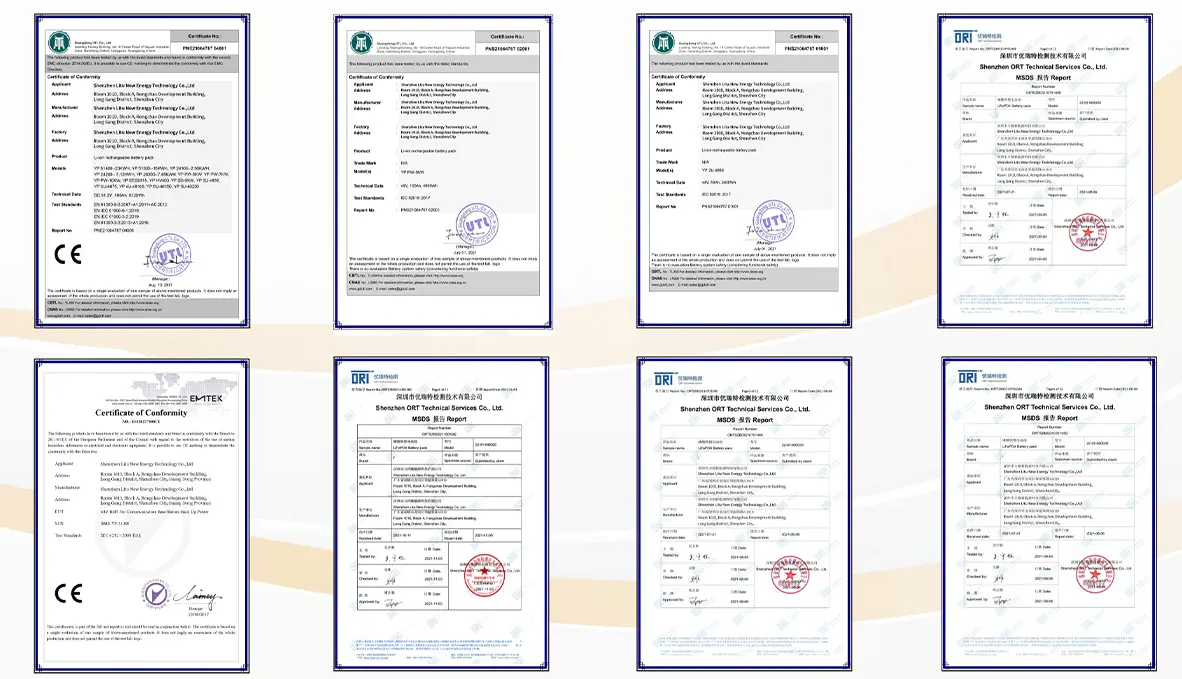
To meet the strict safety standards of international commercial projects, products are subjected to rigorous testing, including nail penetration, drop tests, high-temperature thermal exposure, and heavy mechanical vibration. These evaluations ensure that cells meet critical safety certifications, including UN38.3, UL1973, IEC62619, and CE.
When evaluating 300Ah battery factories, verify the following credentials:
From grid-tied backup systems to demanding off-road maritime applications, 300Ah systems deliver scalable, reliable power.
High-voltage containerized designs rely on 300Ah packs to optimize rack space, reduce mechanical connections, and manage peak shaving and load shifting dynamically.
Boats and long-haul recreational vehicles utilize 12V and 24V 300Ah modules to power onboard systems and main propulsion motors without the weight of lead-acid banks.
Agricultural water pumps, remote communication towers, and isolated community setups utilize 300Ah batteries to store intermittent solar energy for 24/7 reliability.
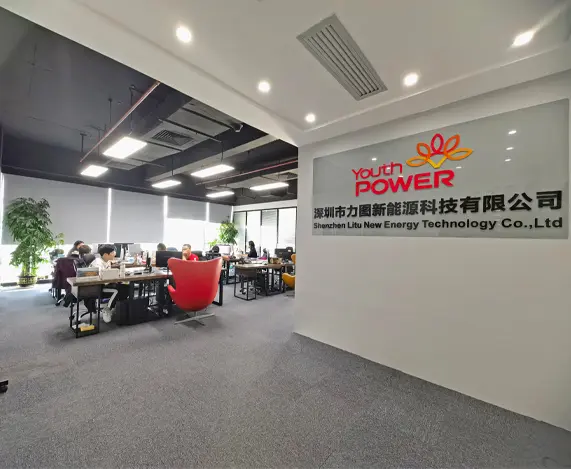
Developing advanced solar lithium batteries and energy storage solutions since 2003.
Founded in 2003, YouthPOWER has now become one of the leading suppliers of solar storage lithium batteries in the world. With a broad range of energy storage solutions, it covers a series of 24V, 48V and higher voltage lithium batteries solutions.
YouthPOWER has engaged in the battery technology and production for almost 20 years, with abundant manufacturing experience and strong new product R & D capability. Through many years of hard work and market promotion, we have created our own brand "YouthPOWER" in 2019.
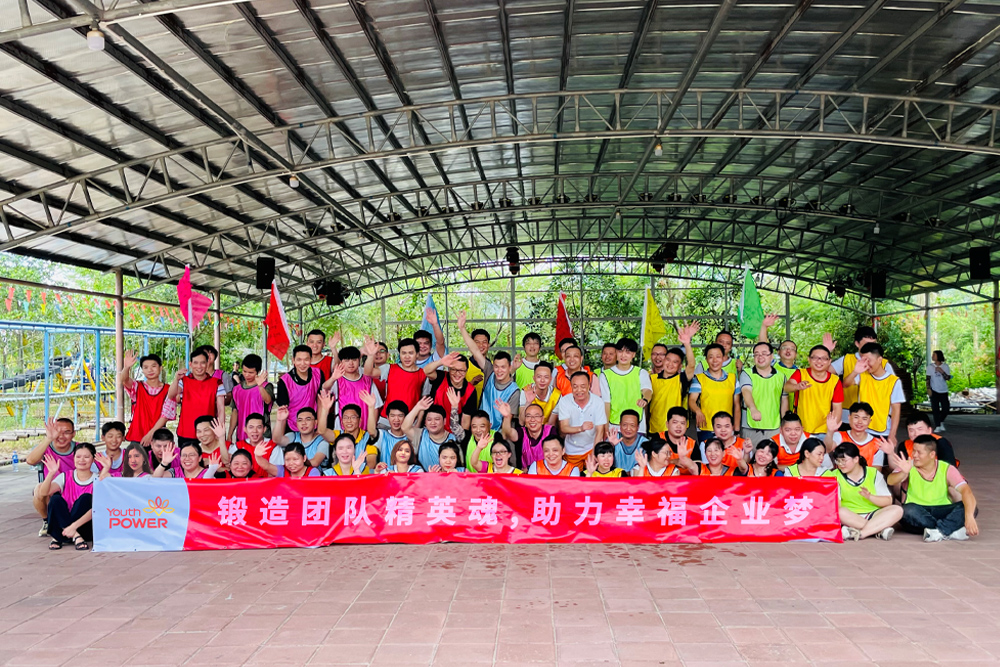
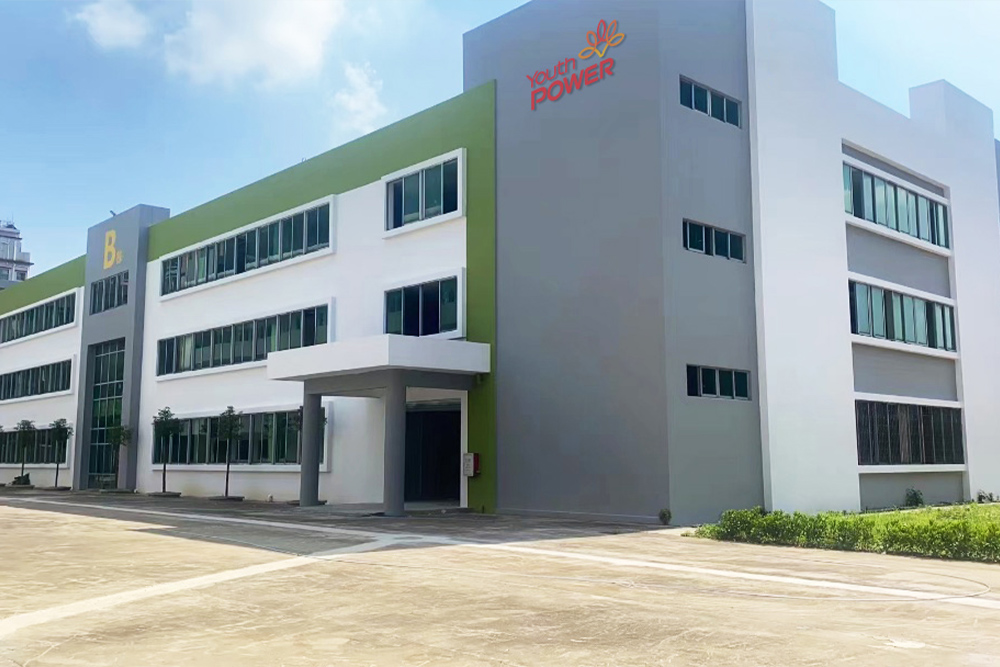
With nearly 20 years’ experience in the battery industry, we have the capability to provide you with both the products you need and the most suitable products you want. We are always ready to supply the first-class products and meet the various needs of the customers.
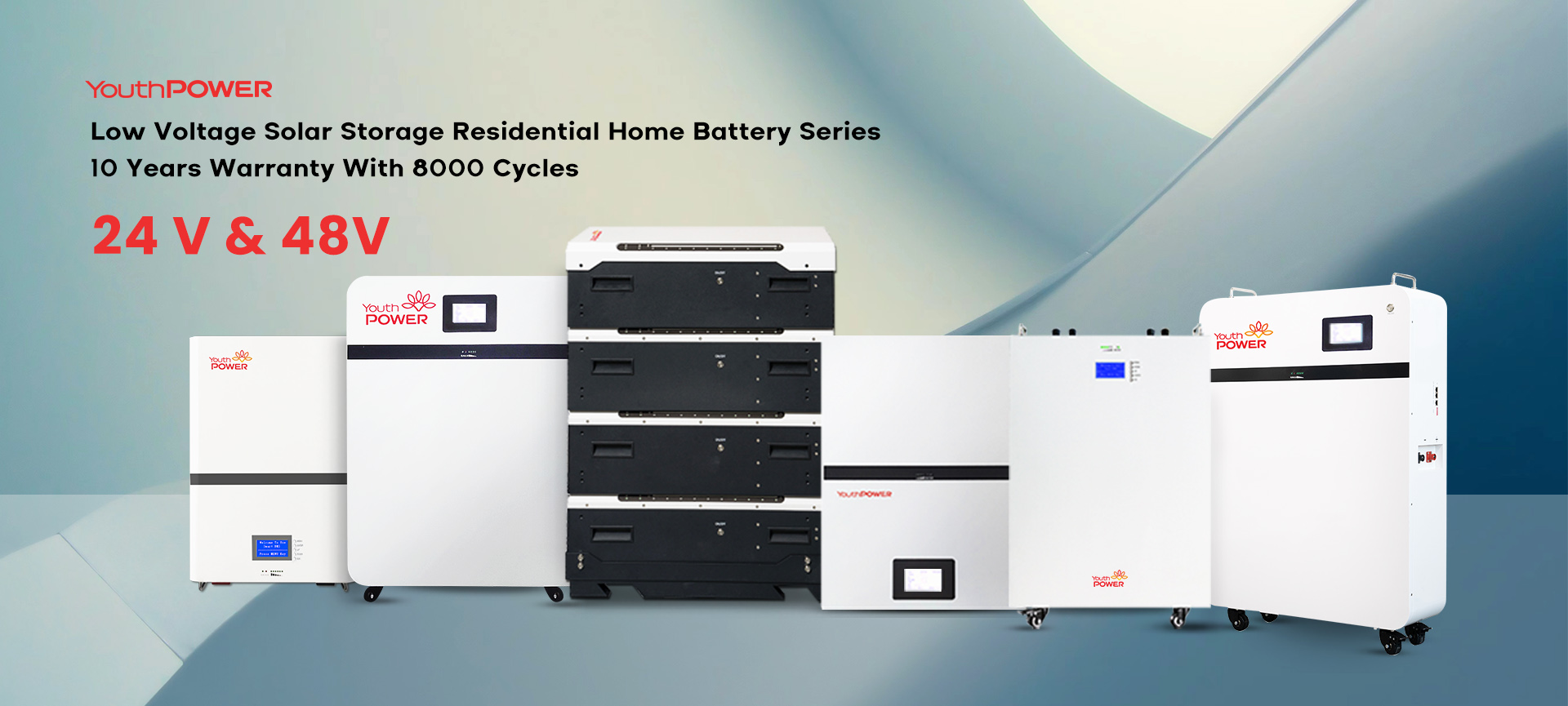
We have established good business relationships with our customers from all over the world. And we have a good cooperation with all our customers as well for many years running. Supported by our local vendors of raw materials, we can certainly offer you the best prices.
We are so proud that YouthPOWER has offered the reliable solar storage solution for over 1,000,000 families now in the world.
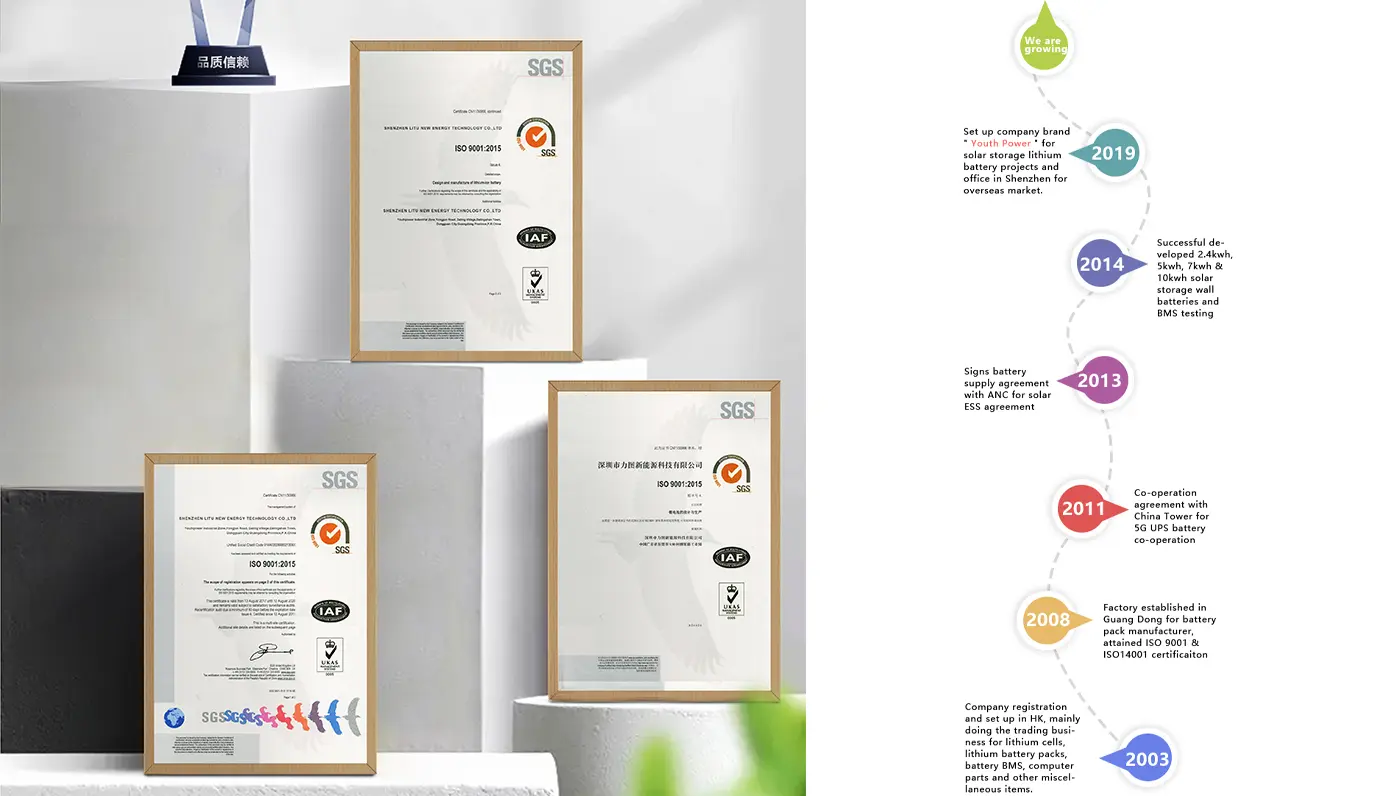
Key developments shaping the next generation of energy storage and procurement strategies.
As technology advances, procurement strategies are adapting to key trends in high-capacity energy storage:
Key technical and logistical questions answered by our engineering and supply chain teams.
From waterproof residential battery systems to high-voltage commercial cabinets, discover the ideal capacity and setup for your next project.
 YouthPOWER