Engineered for long life-cycles, absolute thermal safety, and dynamic inverter communication protocols.
Within modern battery technologies, the 48V (specifically 51.2V nominal, 16S LiFePO4 configuration) standard represents the optimal balance of safety, high efficiency, and cost-effectiveness for decentralized energy applications. Operating beneath the standard human electric-shock threshold of 60V DC, 48V architectures eliminate the complex safety isolations and specialized high-voltage training costs required for multi-hundred-volt grid designs.
By leveraging Lithium Iron Phosphate (LiFePO4) chemistry, a 48V system secures thermal stability, structural resilience, and up to 6,000+ deep charge-discharge cycles at 80% DOD. For EPCs, developers, and solar installers, opting for a mature 48V supplier ensures seamless compatibility with mainstream hybrid inverters, simpler expansion via parallel topologies, and simplified regulatory compliance across worldwide energy markets.
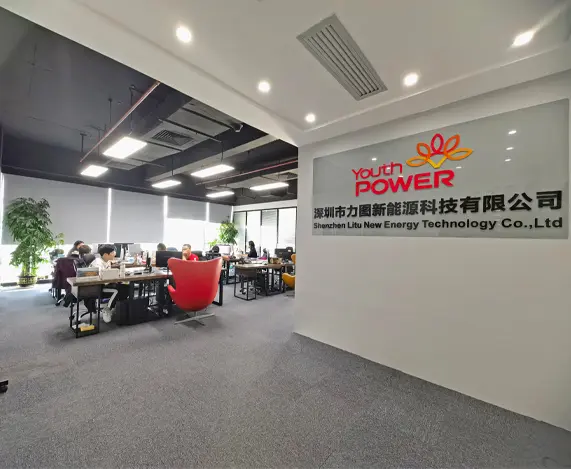
Established in 2003, our journey spans the evolution of battery intelligence to power global microgrids.
Founded in 2003, YouthPOWER has established itself as one of the leading global suppliers of solar storage lithium batteries. With an expansive product line, we cover a series of 24V, 48V, and higher voltage lithium battery solutions designed for robust industrial, commercial, and residential use.
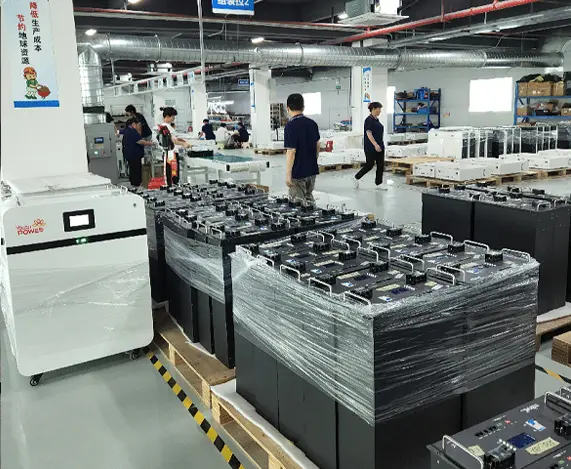
YouthPOWER has been actively engaged in battery technology development and advanced production for nearly 20 years. Supported by rich manufacturing experience and deep R&D capabilities, we officially registered and launched our global proprietary brand "YouthPOWER" in 2019, focused on supplying premium, Tier-1 equivalent storage systems direct from our advanced manufacturing lines.
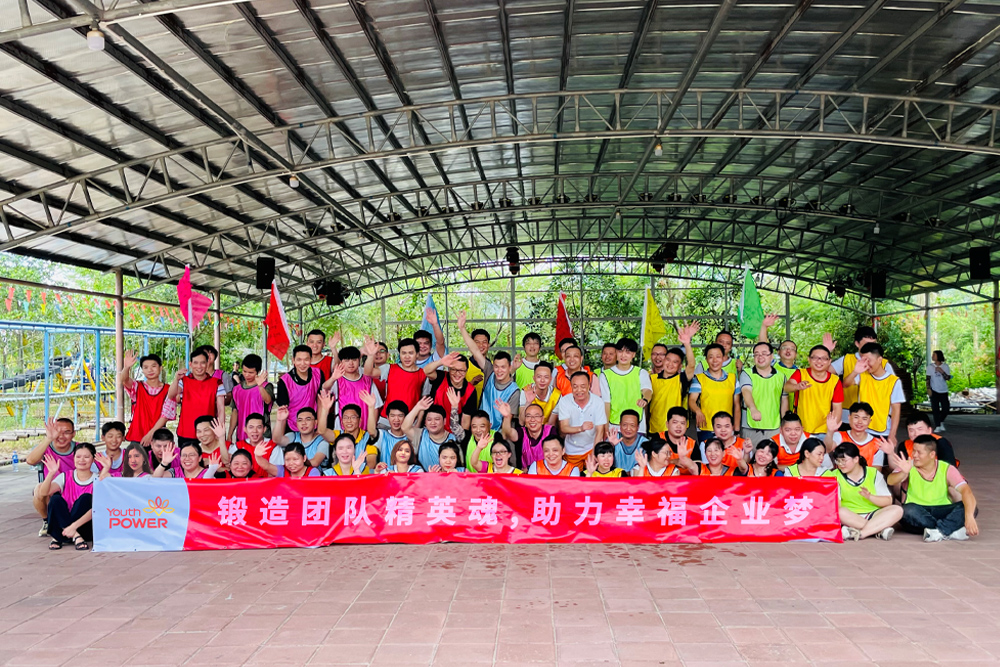
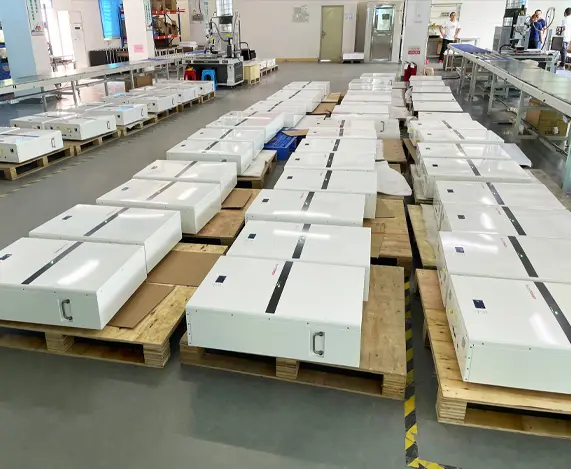
Leveraging nearly 20 years of experience in the battery industry, we possess the unique capability to deliver both standard solutions and custom, application-specific products. Our engineers design storage systems that meet rigorous localized grid demands across different climates and continents.
We maintain deep collaborations with trusted raw material suppliers, optimizing raw material procurement and cell screening to ensure cost savings are passed directly to our clients. Today, YouthPOWER is proud to have delivered reliable solar storage solutions to over 1,000,000 families worldwide, reducing carbon footprints while enhancing local energy security.
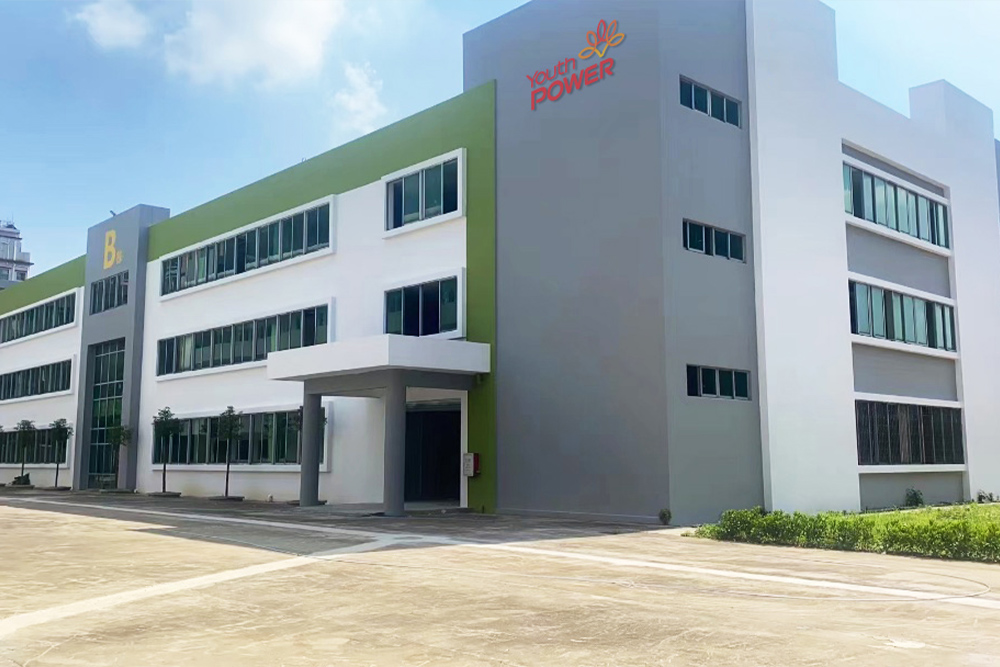
Understanding the technical criteria and microgrid trends that are shaping modern procurement.
Enterprise buyers require standard CANbus, RS485, and RS232 protocols to enable seamless closed-loop communication with tier-one hybrid inverters (e.g., Victron, SMA, Growatt, Deye, Solark). This integration ensures accurate State of Charge (SOC) tracking and cell balancing.
Modern commercial project specifications demand cell-level heat dispersion and aerosol fire-suppression interfaces. Advanced low-voltage designs utilize structural thermal barriers and high-integrity aluminum casings to prevent thermal propagation.
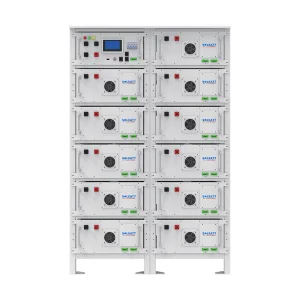
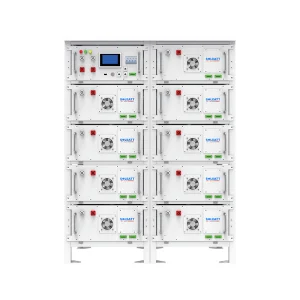
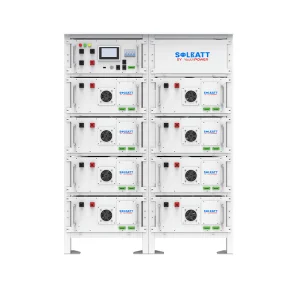
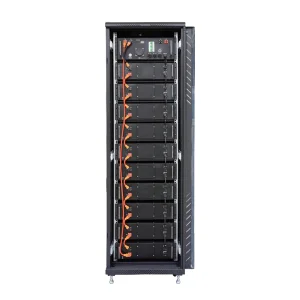
For scalable microgrids, commercial operations look for modular rack enclosures that allow hot-plugging. YouthPOWER's 48V designs support up to 15 modules in parallel without needing external battery combiners or master BMS hubs.
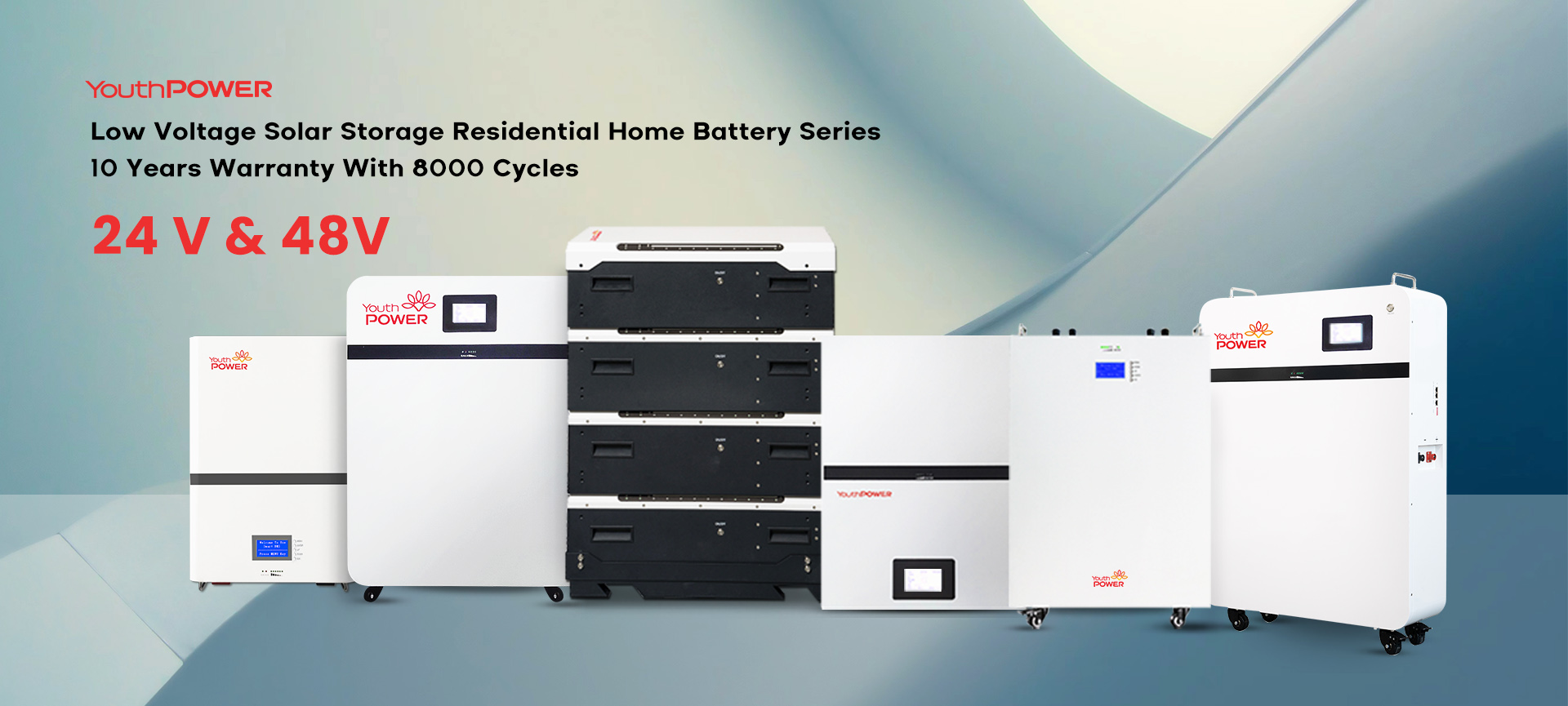
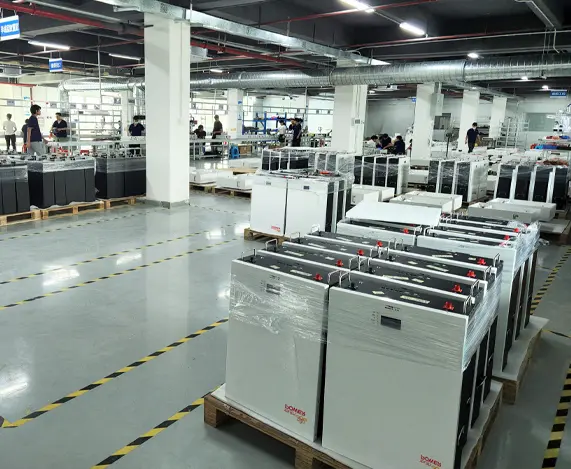
Ensuring battery reliability starts with a reliable supply chain. YouthPOWER coordinates production with domestic raw material vendors, ensuring access to Grade-A LiFePO4 cells with low internal resistance and high chemical purity.
Our production facilities utilize automated sorting machinery that matches cell capacities within a strict 50mAh window, while verifying voltage variances stay below 2mV. Every completed pack undergoes rigorous thermal cycling, high-current load testing, and vibration testing before leaving the factory floor to ensure field reliability.
We work closely with structural design engineers and software developers to provide comprehensive customer support, ensuring that our products can be tailored to the installation rules and dynamic tariff settings of regional markets.
Over nearly two decades, we have established long-term business partnerships with distributors, EPC contractors, and system integrators across the Americas, Europe, Africa, and APAC. This reliable network makes global delivery, warranty management, and product support seamless and straightforward.
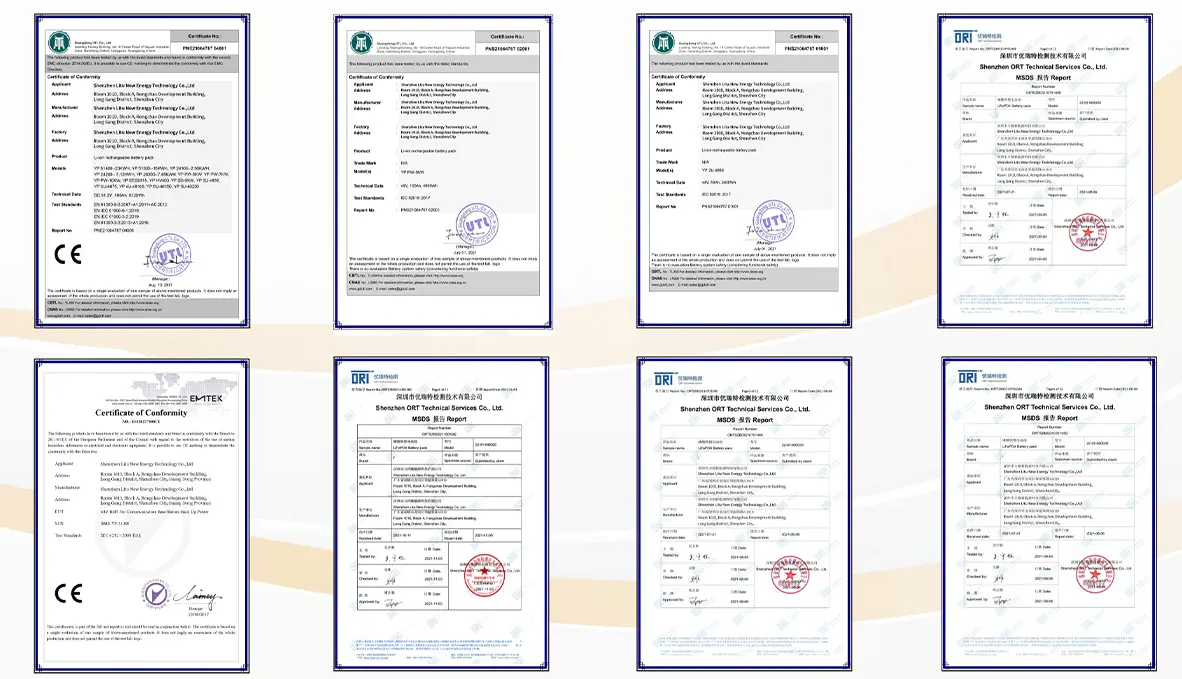
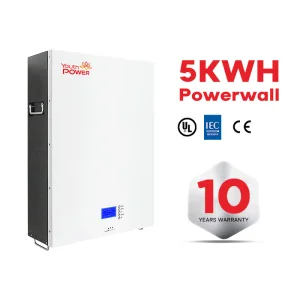
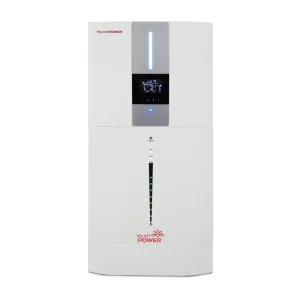
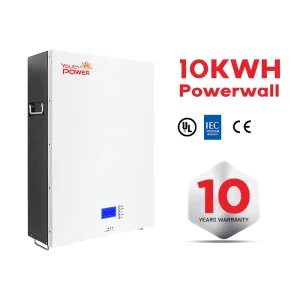
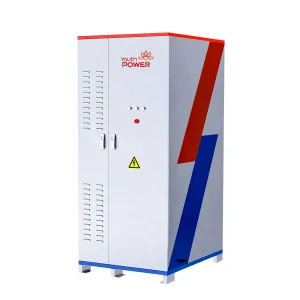
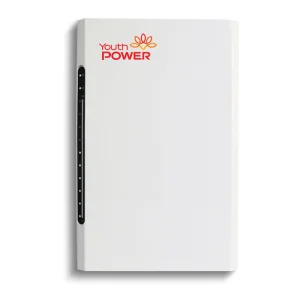
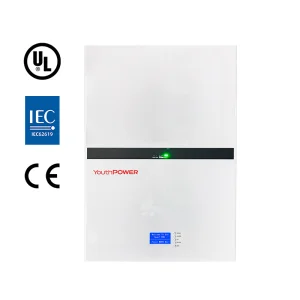
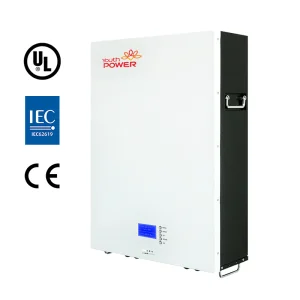
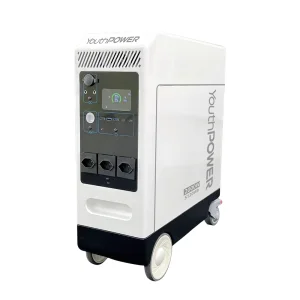
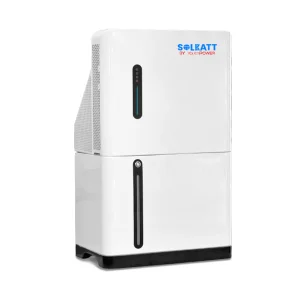
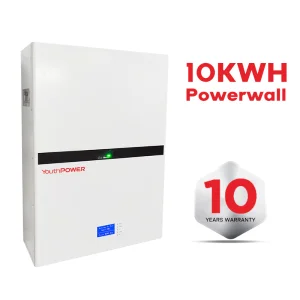
From modular, space-saving wall-mounted batteries to large-scale, high-capacity commercial container systems.
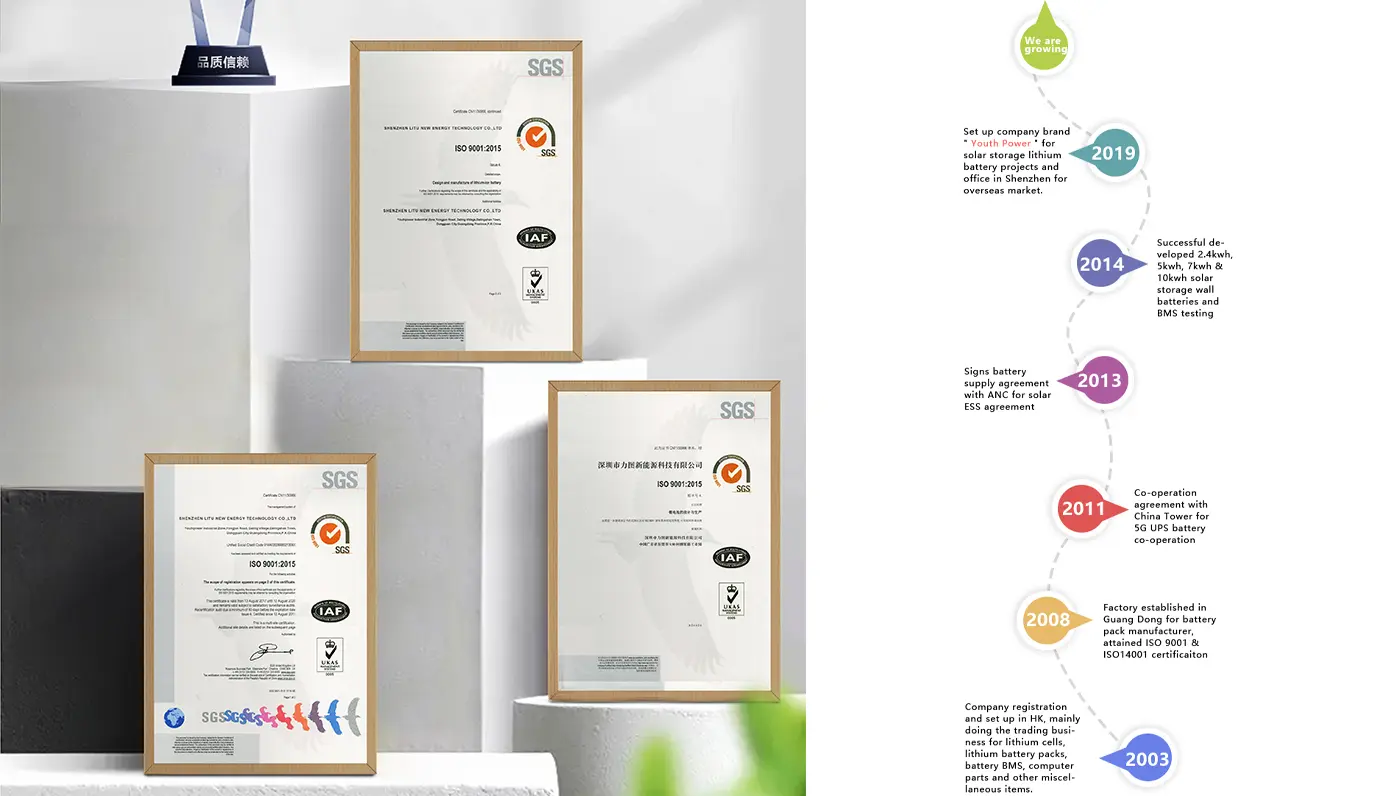
Our development timeline showcases 20 years of focus on quality, safety certifications, and design innovation.
Our path in energy storage has been defined by continuous R&D and refining our cell balancing algorithms. We have transitioned from standard lead-acid replacements to intelligent, high-density LFP storage platforms equipped with IoT remote monitoring capabilities.
Every product line undergoes certified safety evaluations, including UL 1973, CE, IEC 62619, and UN 38.3 compliance protocols. This ensures smooth customs clearance and straightforward permitting with local utility providers.
A comparative overview designed to help procurement managers select the appropriate battery architecture.
| Evaluation Factor | 48V (51.2V) LFP System (YouthPOWER) | High-Voltage (HV) Systems (>200V) |
|---|---|---|
| System Safety & Touch Voltage | Extremely High (Under 60V threshold, safe for basic maintenance) | Requires dedicated isolators and qualified high-voltage technicians |
| System Scale Configuration | Simple parallel scalability; no adjustments to system voltage needed | Requires complex series matching and specialized balancing controllers |
| BMS Design Complexity | Streamlined, cost-effective cell management at module level | Complex multi-tiered BMS architecture with higher failure points |
| Balance of System (BOS) Cost | Lower overall cost for standard distribution boards and components | Higher cost due to specialized DC isolators and robust conduit systems |
Frequently asked technical questions answered by our system engineers and factory managers.
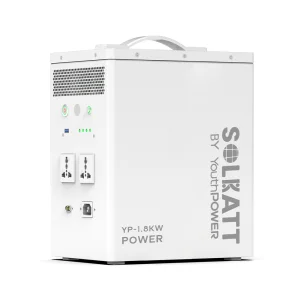
Explore our wider catalog, including outdoor cabinets, high-voltage battery banks, and portable power stations.
 YouthPOWER