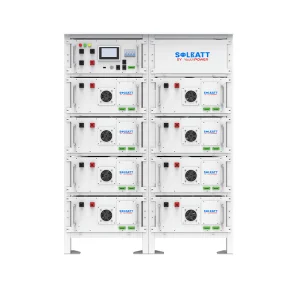
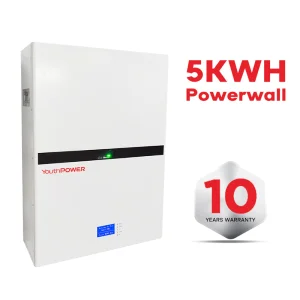
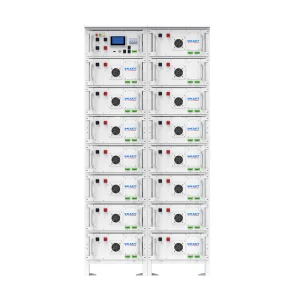
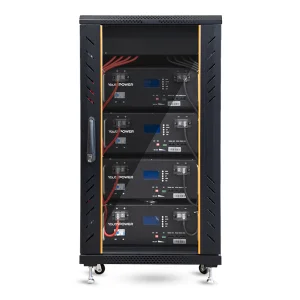
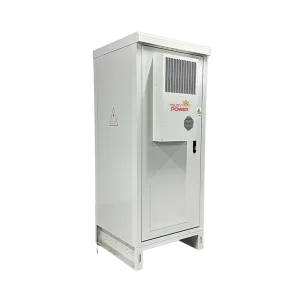
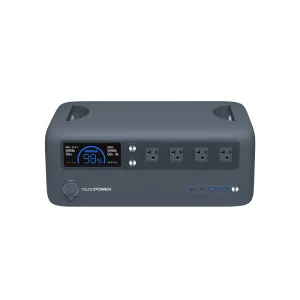
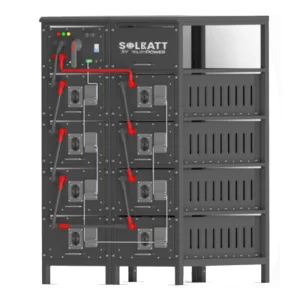
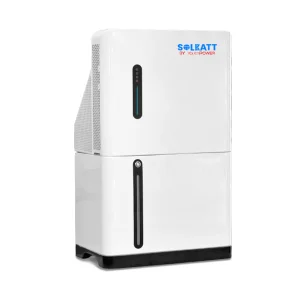
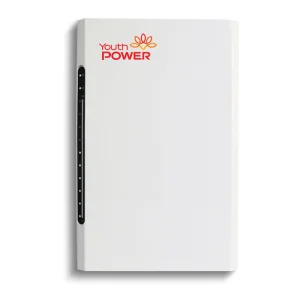
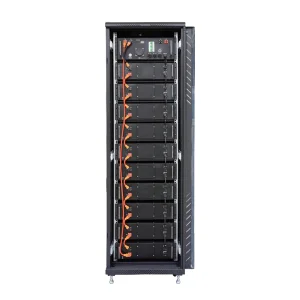
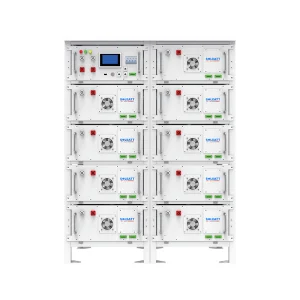
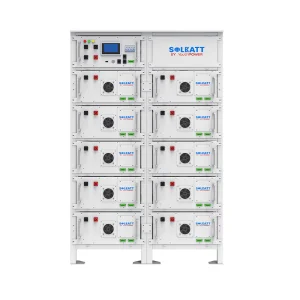
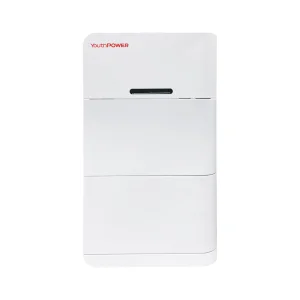
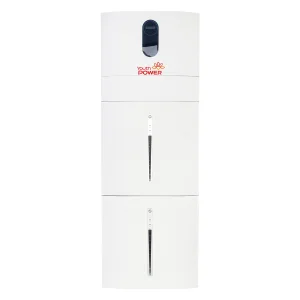
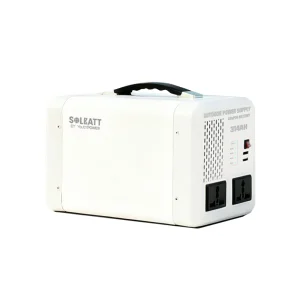
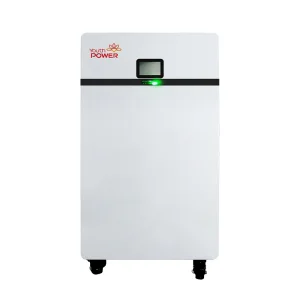
Engineered to deliver high thermal stability, optimal packing factor, and seamless utility grid integration.
Bridging the gap between raw battery stack architecture and dynamic utility-scale storage management.
In modern industrial and utility-scale energy projects, a battery storage organizer is no longer just a passive rack or container. It is a highly engineered system that provides structural protection, thermal regulation, safety mitigation, and electrical management. High-performance organizers incorporate cell monitoring protocols, passive fire isolation, and integrated liquid or forced-air cooling interfaces. Finding the right manufacturer means sourcing systems that can sustain mechanical rigidity under high seismic loads while optimizing spatial packaging configurations for cell modules.
SEO Insight & Technical Trend: Modern battery storage organizers are critical components for meeting NFPA 855 fire protection standards, preventing cascade failures in high-capacity configurations like 280Ah and 314Ah lithium iron phosphate (LiFePO4) systems.
Global procurement offices and EPC (Engineering, Procurement, and Construction) companies emphasize three main pillars when evaluating battery storage organizer factories:
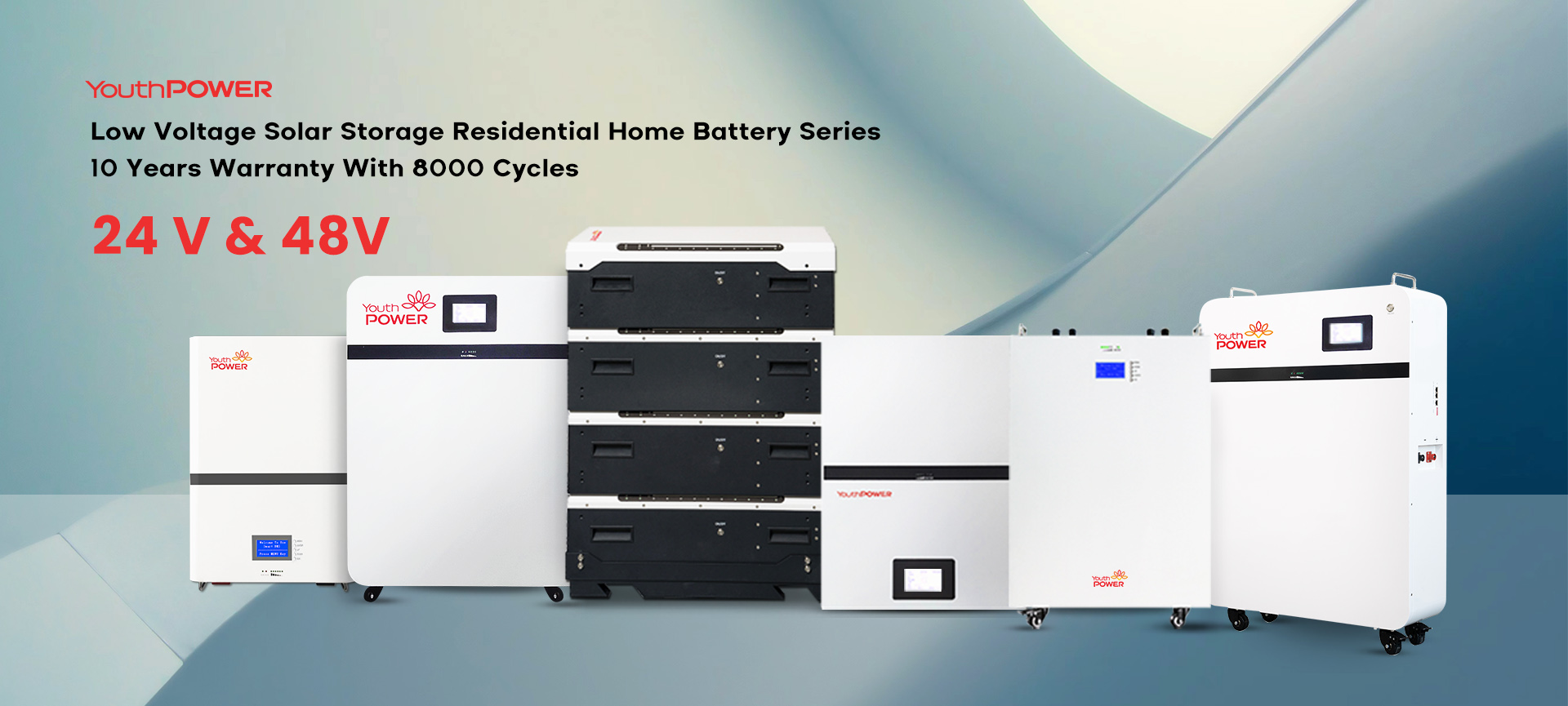
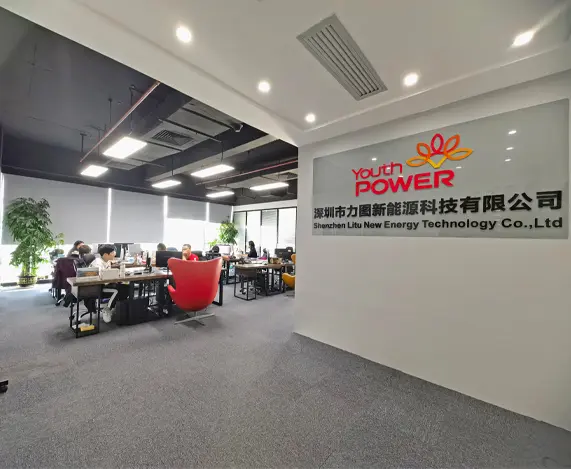
Founded in 2003, YouthPOWER has now become one of the leading suppliers of solar storage lithium batteries in the world. With a broad range of energy storage solutions, it covers a series of 24V, 48V and higher voltage lithium batteries solutions.
YouthPOWER has engaged in the battery technology and production for almost 20 years, with abundant manufacturing experience and strong new product R&D capability. Through many years of hard work and market promotion, we have created our own brand "YouthPOWER" in 2019.
With nearly 20 years’ experience in the battery industry, we have the capability to provide you with both the products you need and the most suitable products you want. We are always ready to supply the first-class products and meet the various needs of the customers.
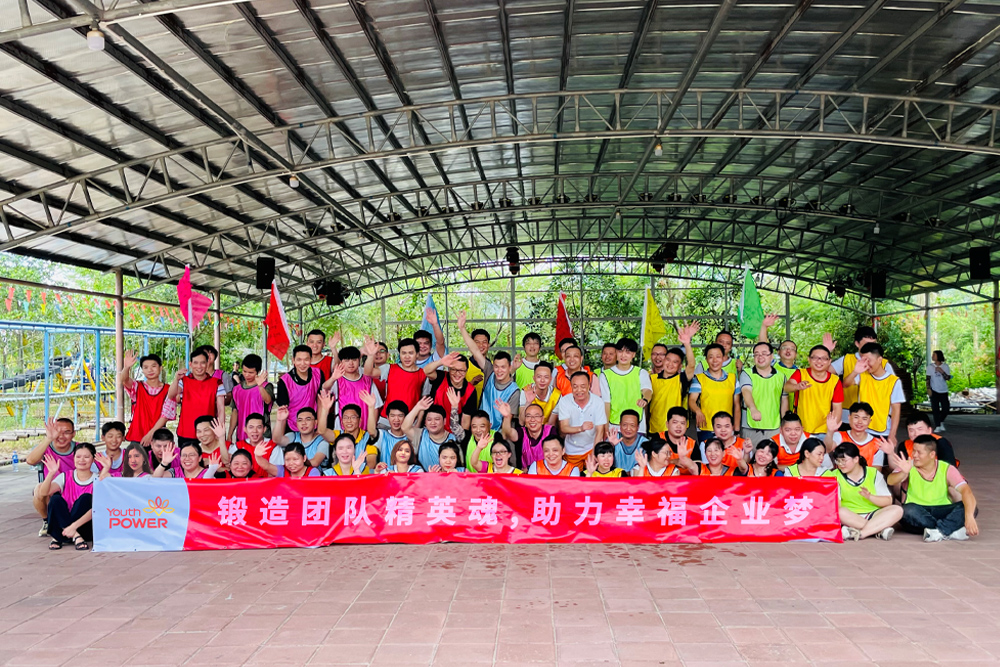
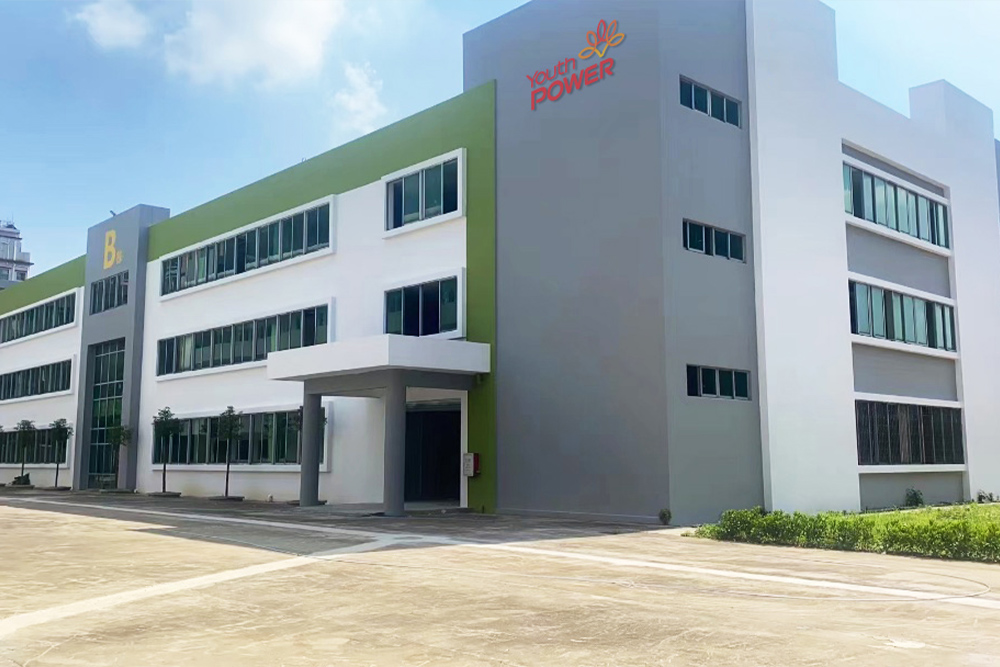
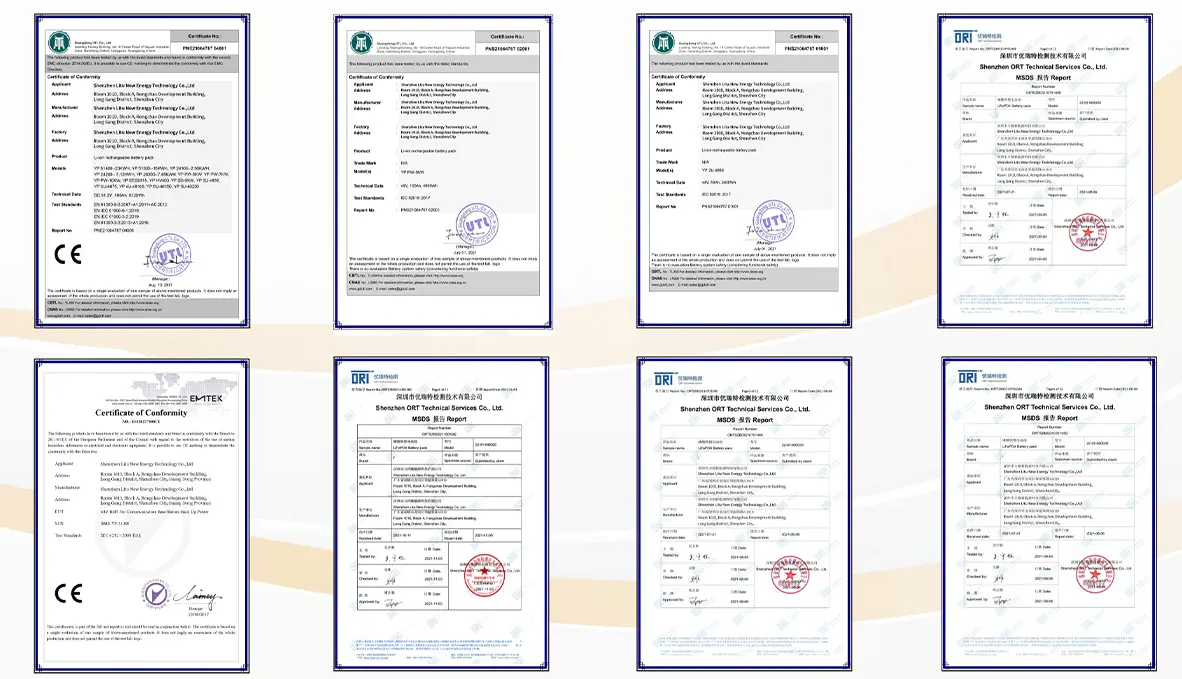
We have established good business relationships with our customers from all over the world. And we have a good cooperation with all our customers as well for many years running. Supported by our local vendors of raw materials, we can certainly offer you the best prices.
We are so proud that YouthPOWER has offered the reliable solar storage solution for over 1,000,000 families now in the world.
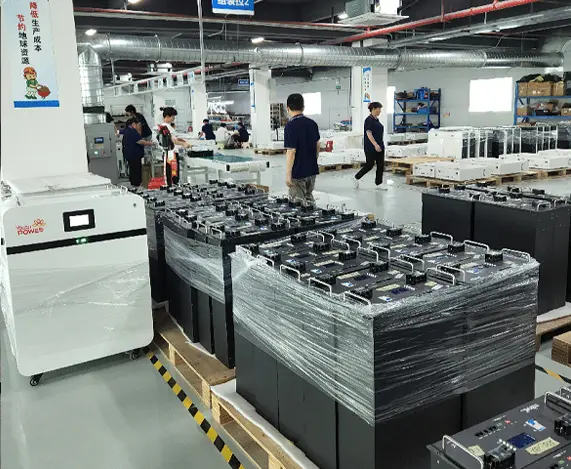
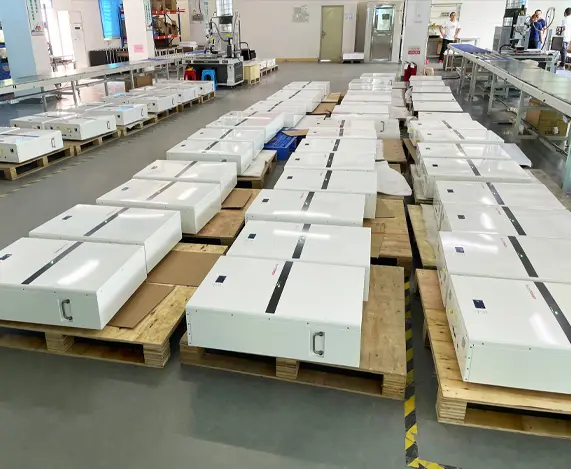
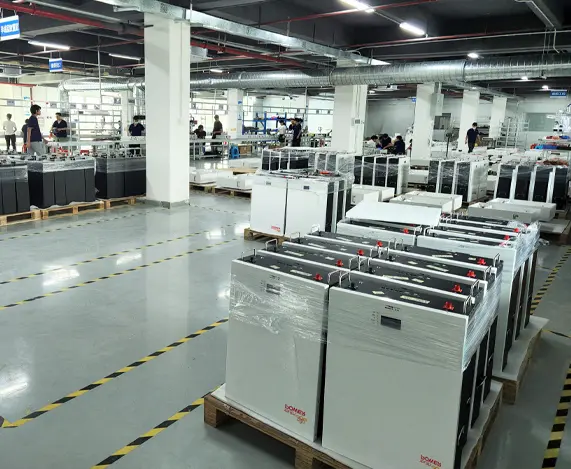
Precision execution from metal cabinet welding to automatic cell matching and final high-voltage container packaging.
Scale efficiencies, advanced cell engineering, and unmatched vertical integration economies.
China is the global center of gravity for the lithium energy storage supply chain, housing over 75% of the world's battery cell refining and production capacity. Purchasing directly from a dedicated manufacturer like YouthPOWER provides immense advantages over sourcing via third-party integrators:
Our localized proximity to major lithium carbonate refiners, anode/cathode material producers, and high-frequency BMS semiconductor fabs reduces inbound logistical costs and lead times. This allows us to offer competitively priced high-voltage cabinets (e.g., 512V 260Ah, 768V 280Ah) without compromising on component quality.
Unlike Western system integrators locked into fixed structural frame designs, our factory offers fluid structural adjustments. Whether your project requires an outdoor-rated IP65 double-layer insulated cabinet, tailored container height clearances, or integrated gaseous fire extinguishing agents (e.g., Novec 1230), our engineering team executes customized structural layouts quickly.
Cell consistency is the most important factor determining a battery bank's lifespan. Our production lines feature automated matching systems sorting cells by internal resistance and capacity values down to microscopic tolerance ranges. This guarantees balanced voltage levels during operation, preventing cell hot-spotting and thermal runaways.
Ensuring system safety and structural compliance across North American, European, and Australian markets.
Compliance with UL 9540 (for integrated systems) and UL 9540A (thermal runaway fire propagation testing) is a mandatory requirement for grid connection in the United States and Canada. Our structural designs feature built-in gas exhaustion ducts, isolated compartments, and structural barriers configured specifically to pass site-level safety audits under NFPA 855.
For European installations, systems must comply with IEC 62619 for safety requirements of large industrial batteries, along with CE-LVD and CE-EMC certifications. The battery storage organizer needs to provide excellent protection against mechanical impacts (IK10 rating) and environmental ingress (IP55/IP66 ratings) to support reliable outdoor deployment.
Engineered configuration scenarios designed to meet distinct municipal and operational profiles.
Specifically engineered for factories, dynamic data centers, and heavy commercial complexes. Incorporates 215KWh / 143KWh storage blocks to discharge energy during peak tariff rates, directly lowering demand charge costs and providing high-voltage power backup.
Designed for compact urban settings like townhomes and high-density apartments. Sized at 2.5KWh, these balcony battery organizers allow renters and homeowners to store clean energy from micro-inverters, maximizing self-consumption metrics without taking up indoor space.
High-voltage battery rack cabinets installed at remote telecom towers and utility sub-stations. Designed to endure harsh outdoor conditions, utilizing intelligent thermal dissipation and remote-monitoring software to ensure 99.999% uptime.
A history of innovation, technology expansion, and global scaling.
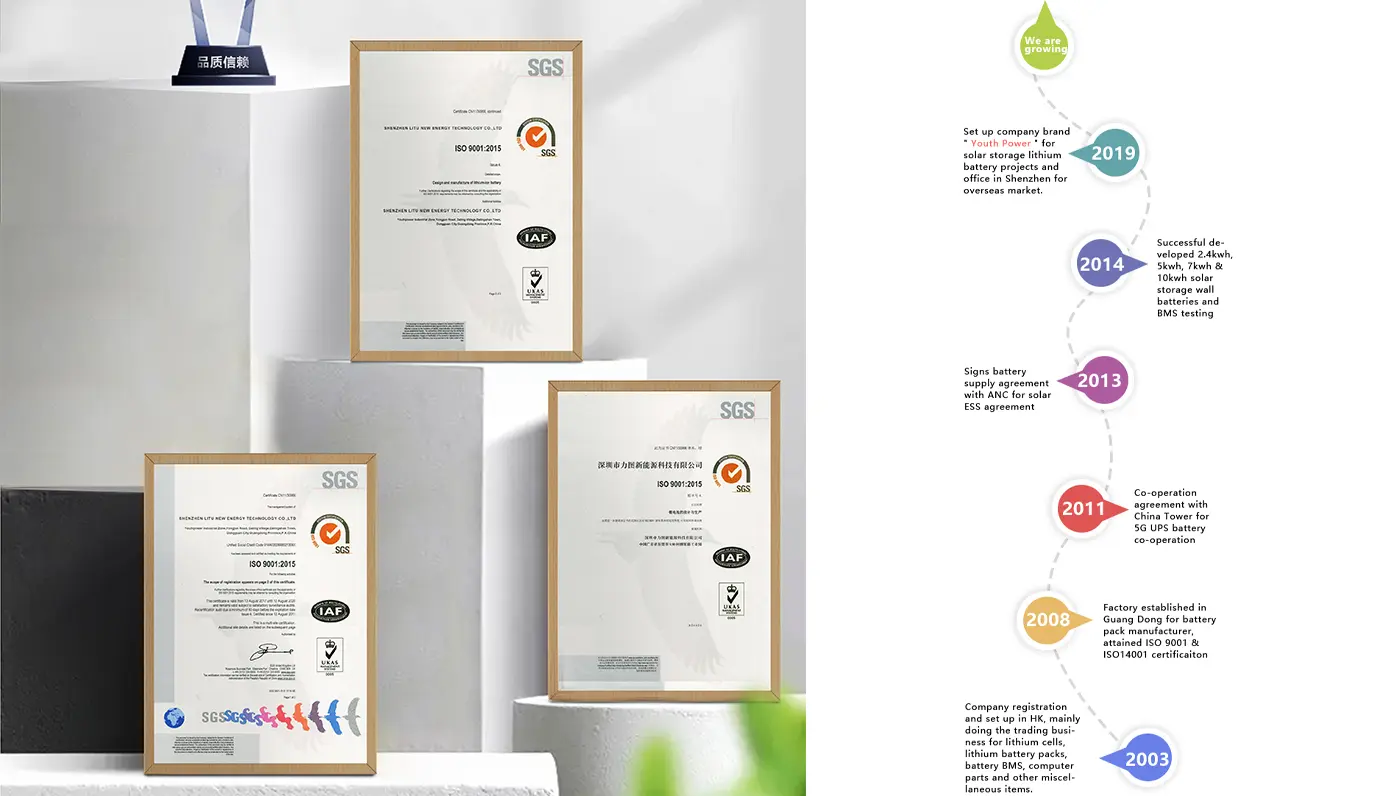
Innovative paths leading toward greater volumetric capacity, improved safety profiles, and intelligent thermal management.
The energy storage industry is undergoing rapid changes, driven by advancements in battery chemistry and electronic controls. Key trends influencing modern battery storage organizer systems include:
Answering major technical, compliance, and engineering queries from procurement managers and project developers.
High-voltage battery setups, modular brick storage systems, and mobile power stations for commercial and residential projects.
 YouthPOWER