Engineered for deep-cycle reliability, residential grid independence, and high-density industrial scaling.
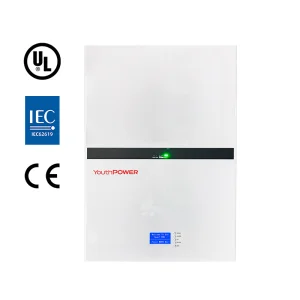
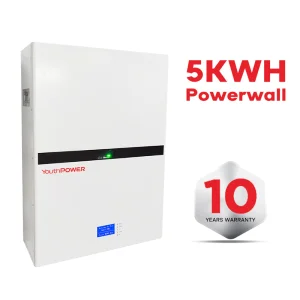
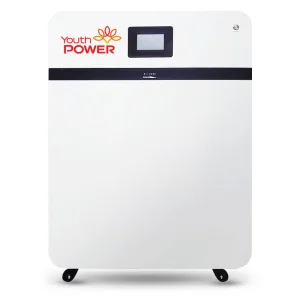
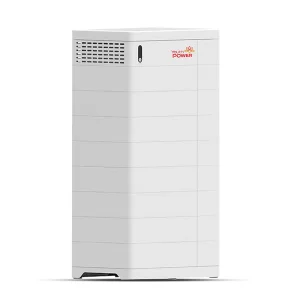
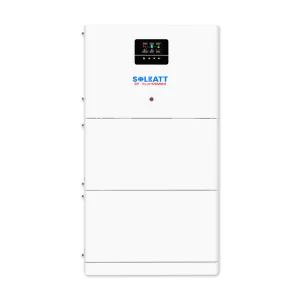
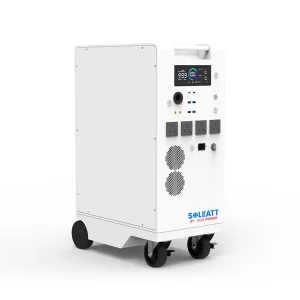
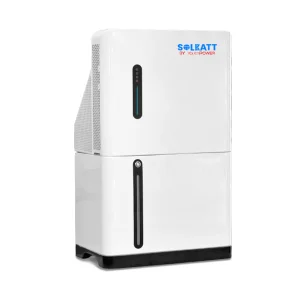
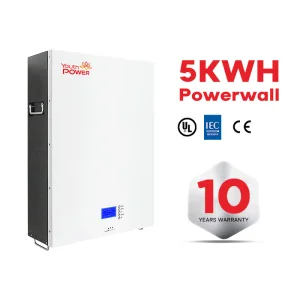
The global transition toward decentralized clean energy infrastructure has accelerated demand for Lithium Iron Phosphate (LiFePO4) storage walls. Over the last decade, the levelized cost of energy storage (LCOS) has experienced steady refinement driven by raw material availability, manufacturing optimization, and cell technology evolution. A comprehensive pricing strategy requires deep analysis of cell chemistries, installation complexities, and overall cycle lifespan.
Traditional cobalt-based chemistries are yielding to safer, longer-lasting alternatives. Lithium Iron Phosphate (LiFePO4) has emerged as the global standard for high-capacity backup systems, offering superior thermal stability, higher cycle counts (often exceeding 6,000 deep-discharge cycles at 80% Depth of Discharge), and eco-friendly composition. These elements combined significantly lower the true cost of ownership compared to initial equipment expenses.
Founded in 2003, YouthPOWER has established itself as one of the preeminent global suppliers of advanced lithium solar storage batteries. Delivering scalable energy storage solutions across the spectrum, the company manufactures high-grade 24V, 48V, and high-voltage stackable battery architectures designed to match and exceed the operational requirements of tier-1 energy storage systems.
For nearly two decades, YouthPOWER has been at the forefront of battery development, compounding extensive manufacturing expertise with an aggressive R&D roadmap. In 2019, the proprietary brand "YouthPOWER" was introduced, reflecting a commitment to innovation, reliability, and international standard compatibility.
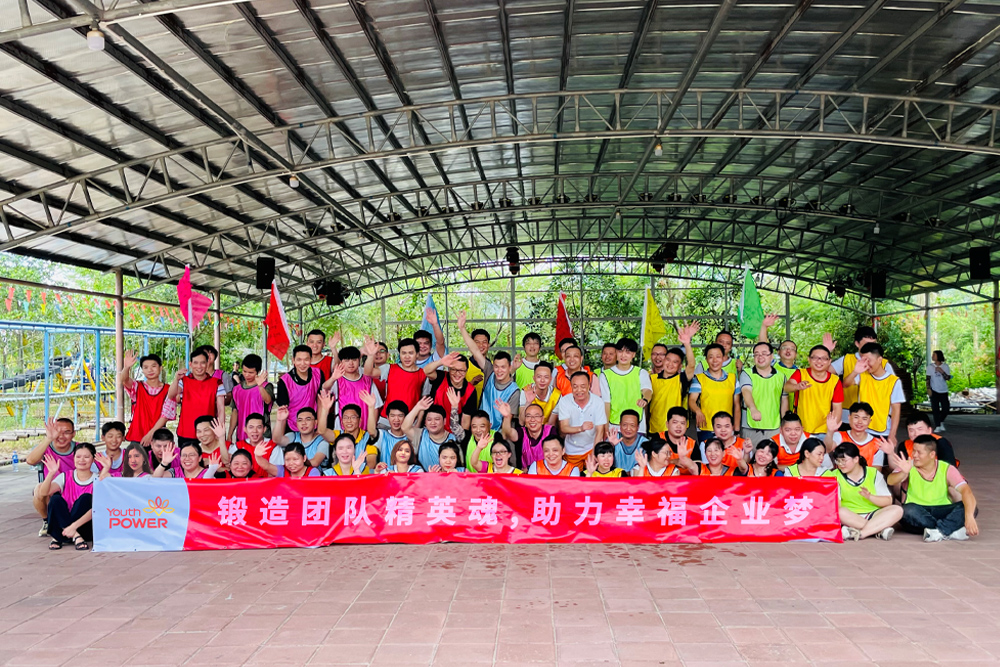
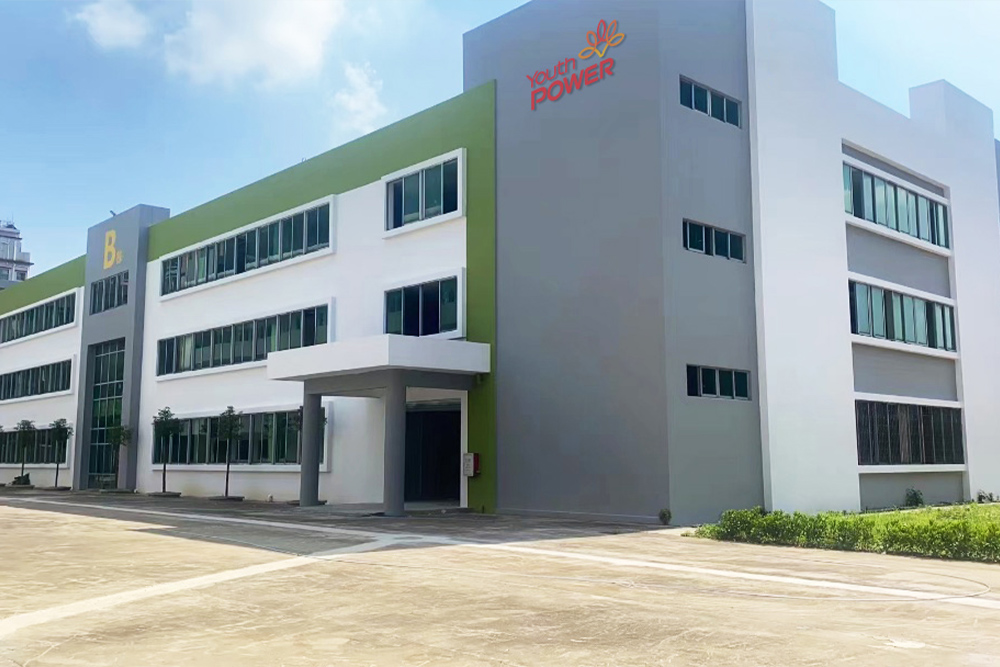
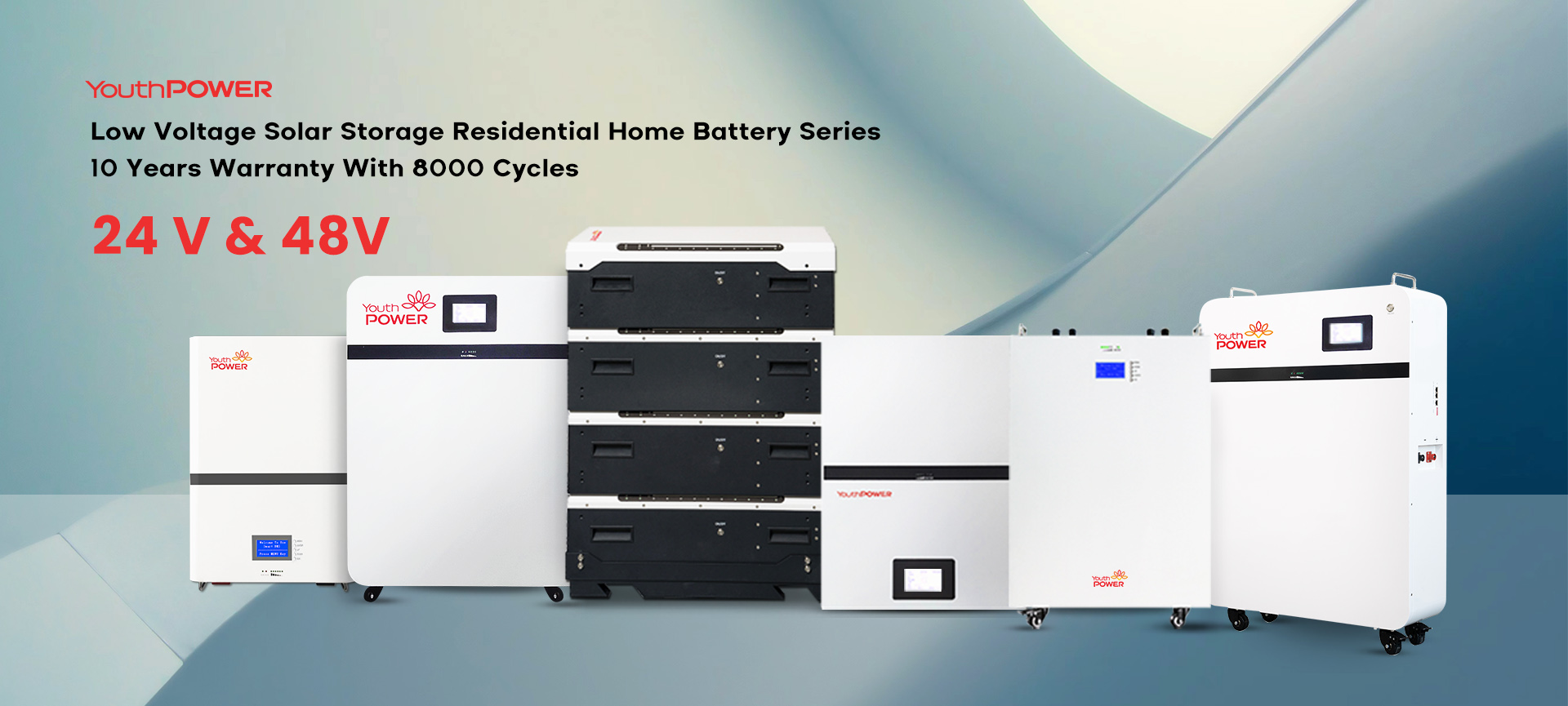
With nearly 20 years’ experience in the battery industry, we possess the capability to deliver both premium stock units and customized architectures tailored to specific commercial demands. From residential backup arrays to commercial microgrid installations, YouthPOWER meets complex integration targets with competitive pricing models backed by direct raw material supply alliances.
Understanding supply-chain cost variables, regulatory compliance, and scalable design for enterprise buyers.
Procuring at scale requires raw material transparency. YouthPOWER leverages direct supplier alliances to stabilize costs during high lithium market volatility, ensuring predictable unit economics for EPC contractors and solar system distributors.
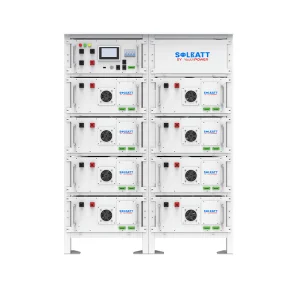
Industrial configurations utilize high-voltage stackable platforms to minimize distribution line losses and simplify integration with utility-scale hybrid inverters. This design effectively lowers the system balancing (BOS) costs.
Urban settings demand localized compact footprint designs. Modern plug-and-play balcony solar storage systems offer high spatial efficiency, allowing high-density multi-family properties to deploy independent energy arrays.
By establishing long-term business partnerships across Europe, the Americas, Africa, and Asia-Pacific, YouthPOWER has built a resilient distribution and support architecture. Supported by local networks, we optimize freight configurations and minimize import tariffs to supply premium energy storage systems at highly competitive price-to-performance ratios.
We are proud to state that over 1,000,000 households and businesses globally trust YouthPOWER solutions to secure their critical power grid demands, achieve carbon-neutrality targets, and mitigate rising utility rates.
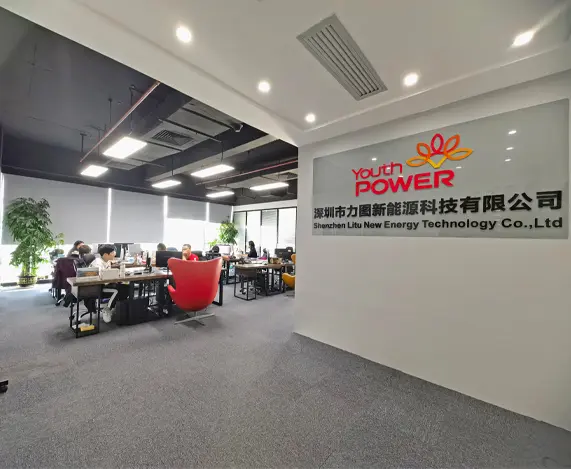
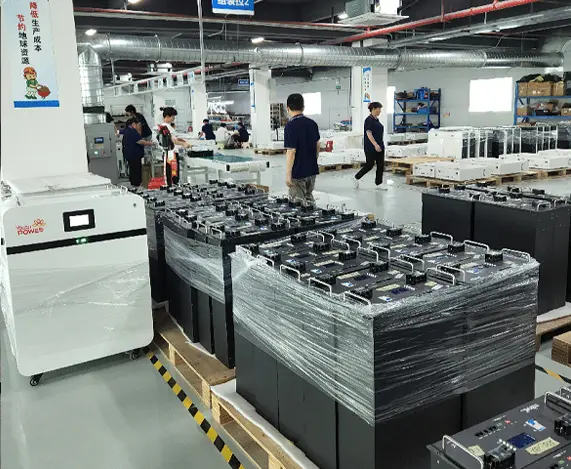
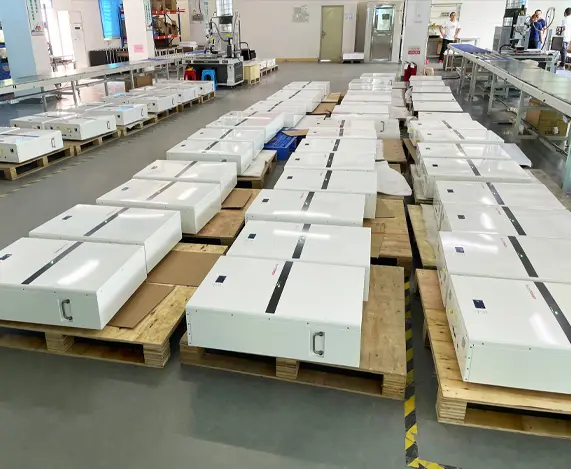
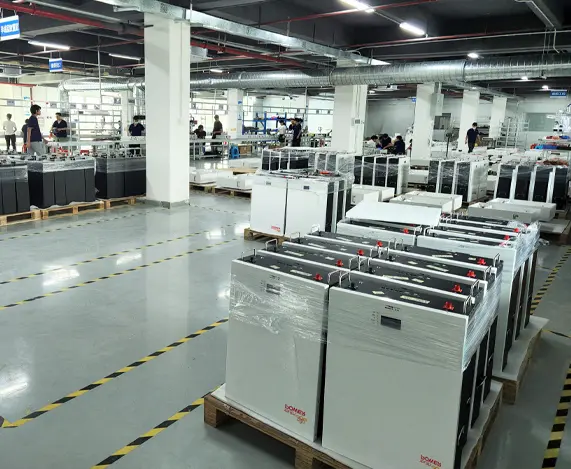
Decades of systematic scaling, innovation, and international compliance milestones.
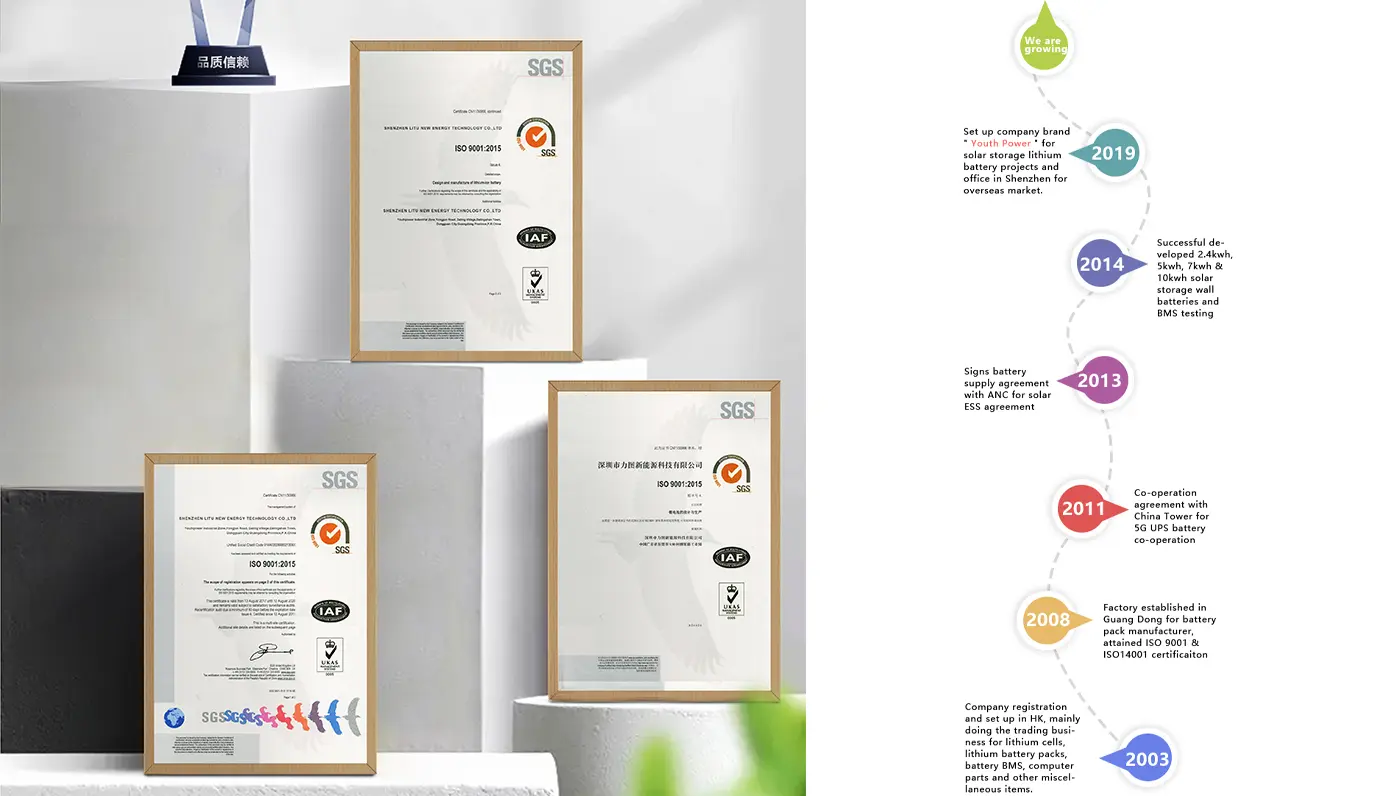
From initial R&D focus on lithium cell packaging to industrial-scale assembly lines of hybrid systems, YouthPOWER’s expansion demonstrates our commitment to engineering longevity. By refining BMS architecture and cell balancing technologies, we guarantee that each modular battery pack maintains cell symmetry and limits capacity degradation over long operational horizons.
When reviewing quotes from Powerwall companies, procurement managers should focus on the Levelized Cost of Storage (LCOS) rather than just upfront capital expenditure (CAPEX). LCOS measures the cost per unit of electricity discharged over the system’s lifetime, which is calculated as:
Standard storage systems that utilize premium LiFePO4 cells might feature a higher initial CAPEX but achieve an LCOS that is 30% to 50% lower than lower-tier cells. This reduction is driven by their high round-trip efficiency (92-95%) and extended operational lifespan (6,000+ cycles at 80% depth of discharge).
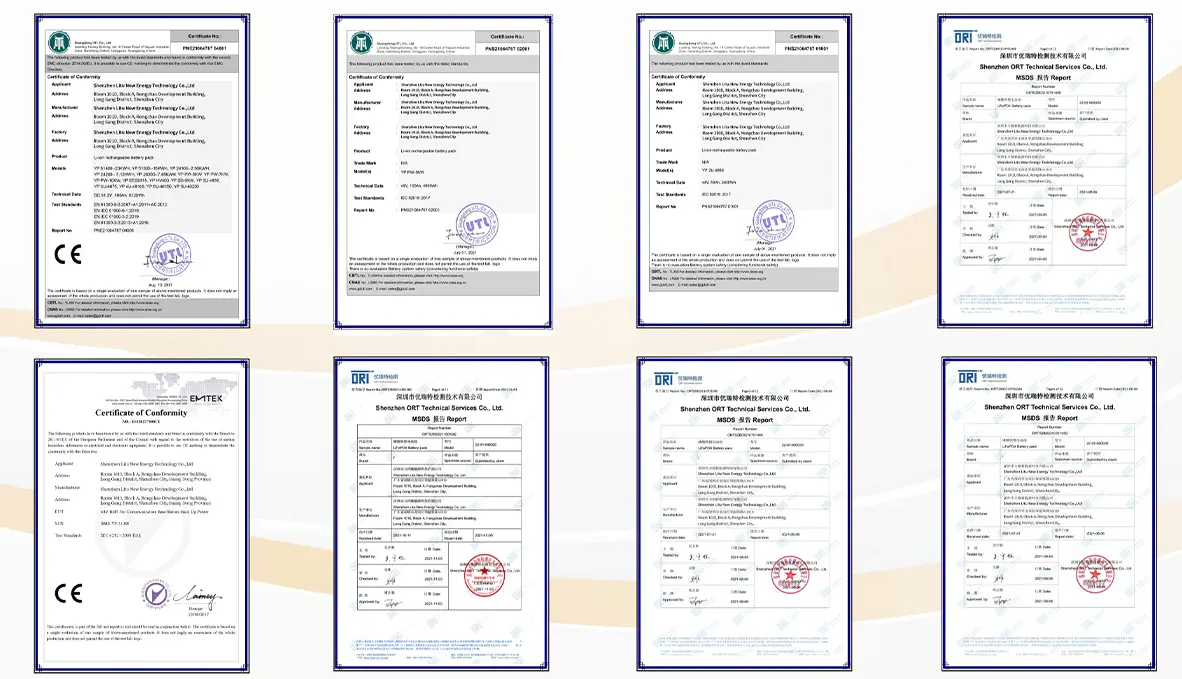
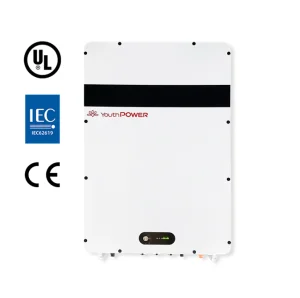
Entering international energy markets requires adherence to diverse technical standards. YouthPOWER ensures that all energy storage installations comply with local safety and grid requirements. Our product certifications guarantee seamless integration and safety assurance:
Safety compliance standards for battery energy storage systems, ensuring thermal runway protection and cell reliability under extreme conditions.
Certified safe transport standards for lithium batteries under varying physical pressure, vibration, and impact conditions.
Designed to sync with national grid systems, complying with both European CE directives and localized safety codes.
YouthPOWER continues to evolve energy storage design. Our future development focus centers on three key areas:
Expert technical answers for engineers, procurement agents, and residential installers.
The system cost depends primarily on: battery capacity (kWh), battery cell chemistry (LiFePO4 vs. NCM), integrated inverter capacity, installation complexity, and grid interaction setup (off-grid, hybrid, or grid-tied). Smart battery management systems (BMS) and dynamic thermal engineering also play key roles in upfront costs but significantly reduce maintenance overhead down the line.
LiFePO4 (Lithium Iron Phosphate) offers better thermal stability, an extended cycle lifespan (6,000+ cycles compared to ~1,500 for standard NCM cells), and contains no cobalt or nickel, making it a safer and more environmentally friendly choice. For stationary storage applications, the longer lifespan of LiFePO4 results in a much lower cost per cycle.
High-voltage systems reduce distribution line currents, minimizing heat losses and cabling requirements. They link directly to high-voltage hybrid inverters, which improves overall system round-trip efficiency and cuts down on conversion equipment costs.
Ensure the battery systems hold certifications like IEC 62619, CE, and UN38.3. These certify that the units have passed rigorous testing for structural stability, electrical isolation, and safe transport.
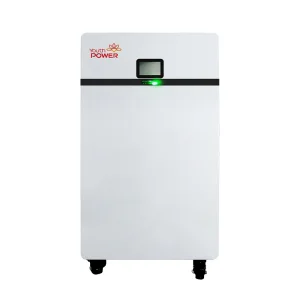
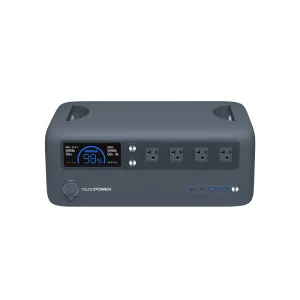
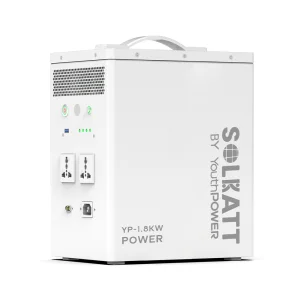
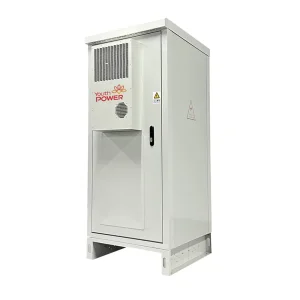
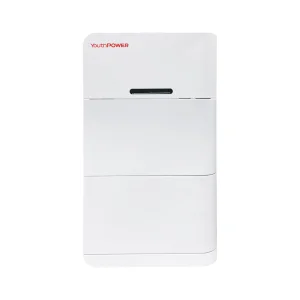
From modular balcony systems to robust utility-scale cabinet architectures.
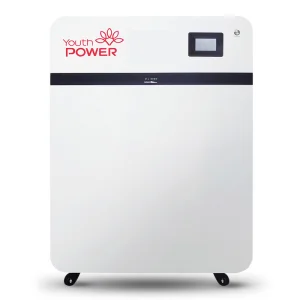
 YouthPOWER