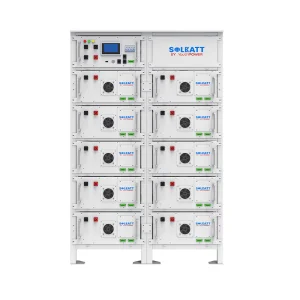
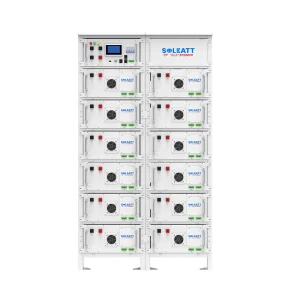
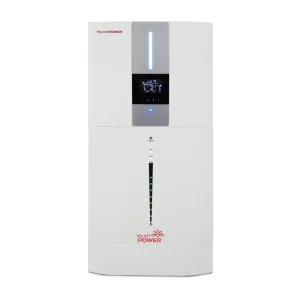
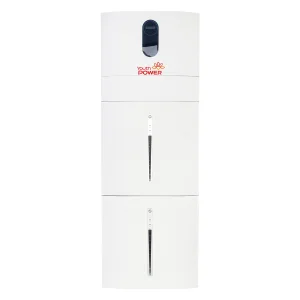
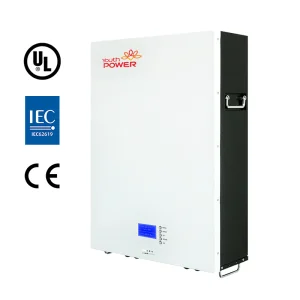
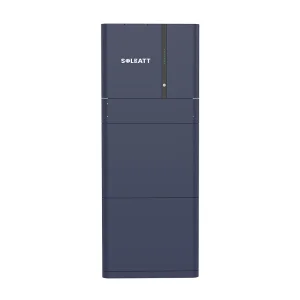
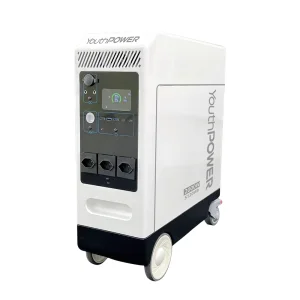
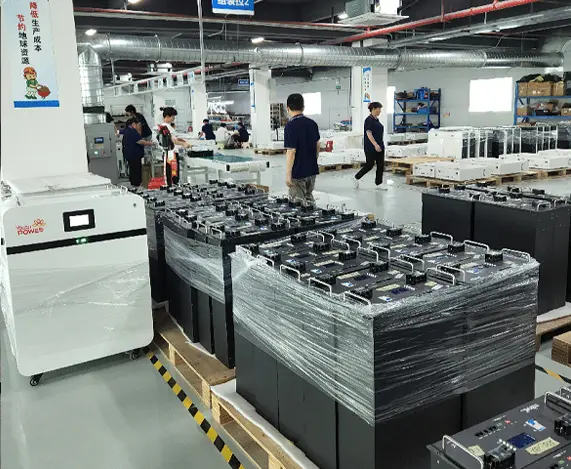
Procure premium lithium storage configurations directly from advanced automated factories. Engineered for longevity, certified safety, and seamless inverter compatibility.
Discover our history in manufacturing reliable energy storage systems for markets across the globe.
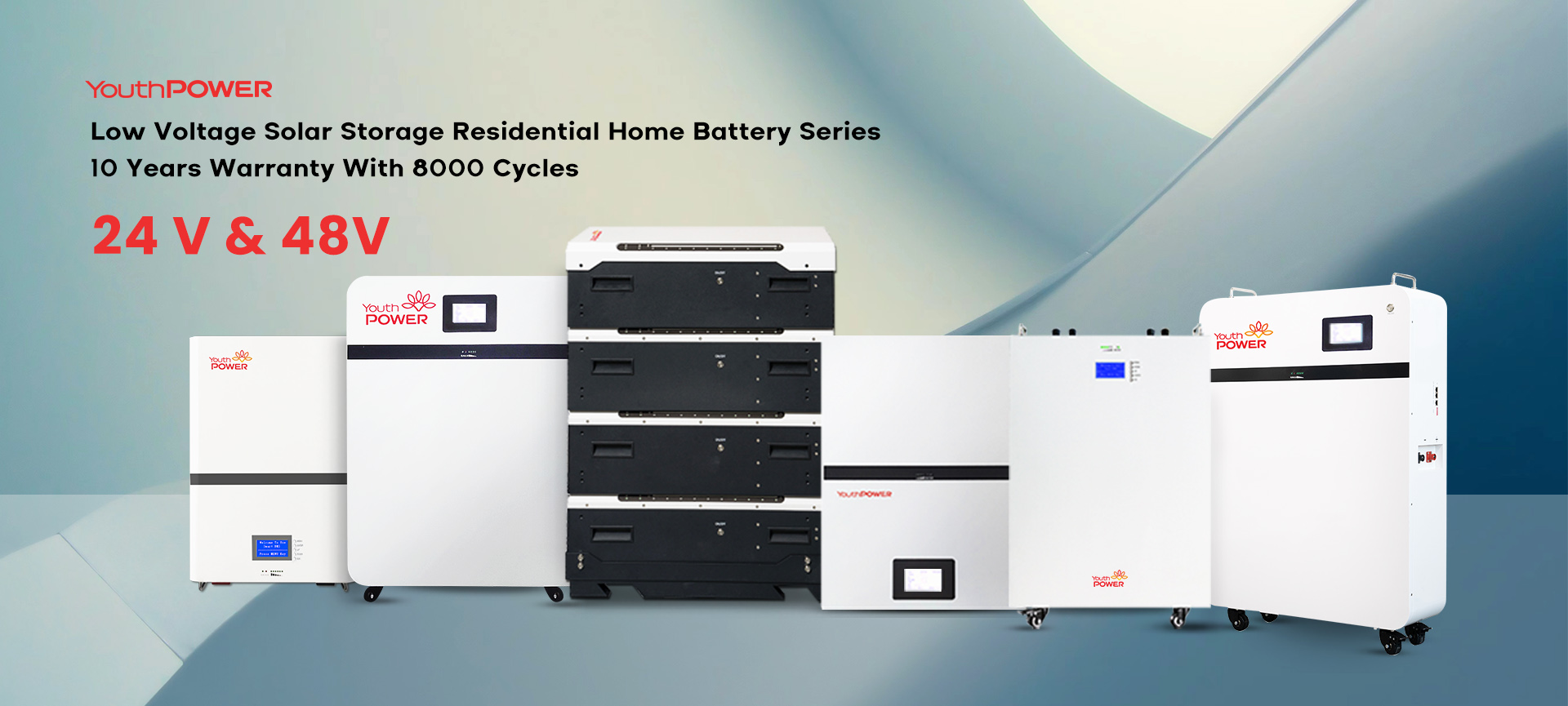
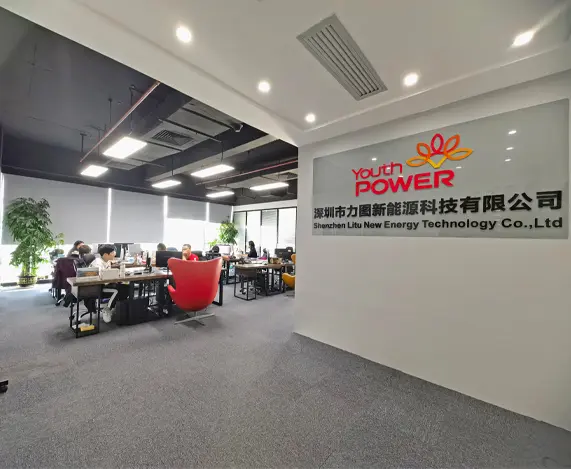
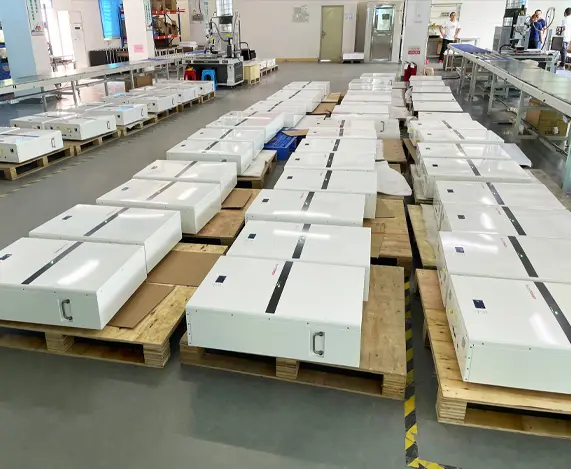
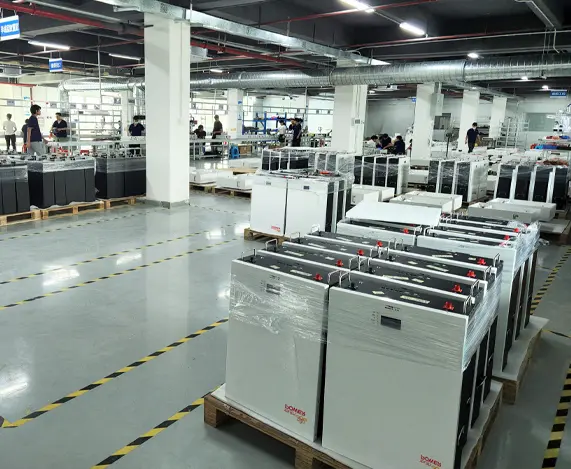
Founded in 2003, YouthPOWER has now become one of the leading suppliers of solar storage lithium batteries in the world. With a broad range of energy storage solutions, it covers a series of 24V, 48V and higher voltage lithium batteries solutions.
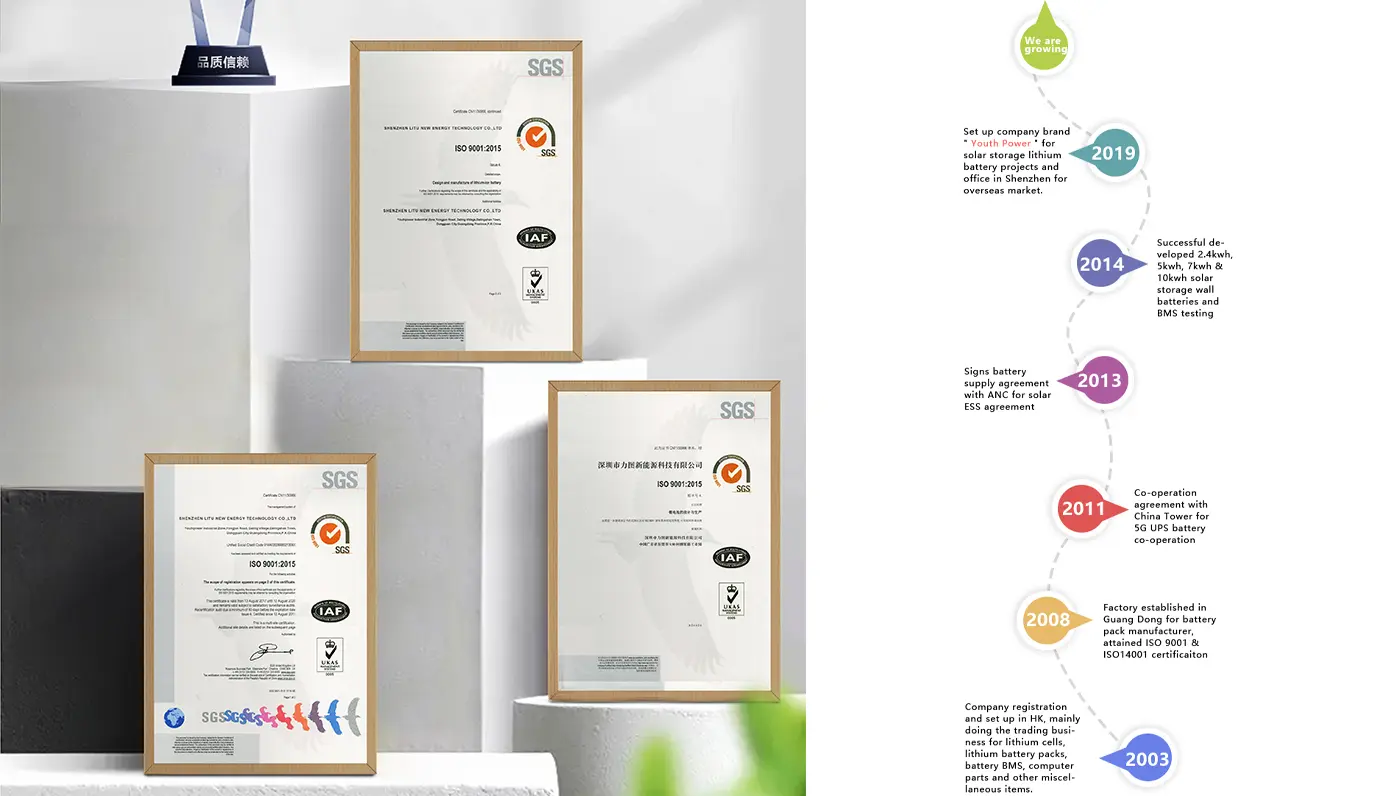
YouthPOWER has engaged in the battery technology and production for almost 20 years, with abundant manufacturing experience and strong new product R & D capability. Through many years of hard work and market promotion, we have created our own brand "YouthPOWER" in 2019.
With nearly 20 years’ experience in the battery industry, we have the capability to provide you with both the products you need and the most suitable products you want. We are always ready to supply the first-class products and meet the various needs of the customers.

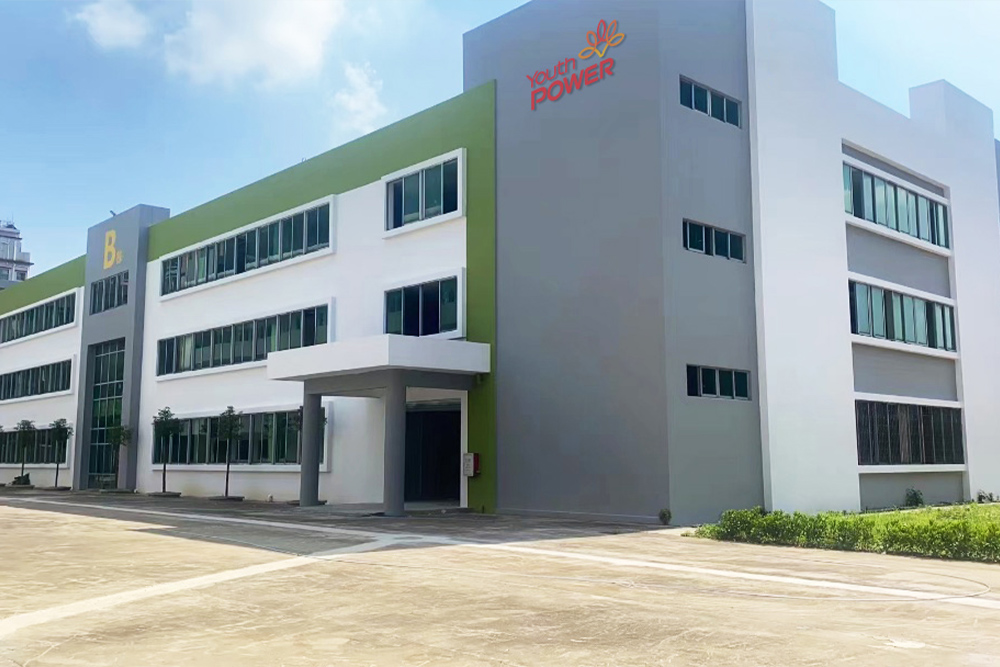
We have established good business relationships with our customers from all over the world. And we have a good cooperation with all our customers as well for many years running. Supported by our local vendors of raw materials, we can certainly offer you the best prices.
We are so proud that YouthPOWER has offered the reliable solar storage solution for over 1,000,000 families now in the world.
Navigating grid instabilities, high peak-demand tariffs, and the global transition to localized energy storage infrastructure.
Commercial entities bear steep utility tariffs calculated via peak demand windows. Industrial-scale lithium energy storage systems (BESS) release stored solar power during high tariff segments. This peak-shaving utility strategy drastically lowers Levelized Cost of Storage (LCOS) and balances regional grids.
By aggregating residential Powerwalls and scalable industrial racks into centralized cloud networks, storage systems can act as a massive Virtual Power Plant (VPP). Systems automatically export electricity during grid stress events, yielding high-yield revenue under utility demand-response models.
Operating home storage or commercial assets at elevated voltages (300V to 600V+) reduces system losses and lowers required wire cross-sections. Combined with high-efficiency multi-phase hybrid inverters, modern C&I cabinets provide seamless off-grid backup with millisecond power transfer times.
In modern electrical systems, decentralization is no longer optional. Fluctuations in wind and solar assets introduce grid instability. Standard lithium iron phosphate (LiFePO4) chemistry acts as the primary tool to regulate frequency response and voltage sags. Implementing reliable factory-direct systems guarantees consistent cell matching—crucial for continuous cycle lifespans exceeding 15 years.
Our global engineering projects validate that aligning cell charge/discharge states directly at the cell assembly facility minimizes thermal runaway risks. Implementing an advanced Battery Management System (BMS) with RS485/CAN communication layers enables seamless integration with mainstream hybrid inverters, including SMA, Victron, Deye, and Growatt.
Simplifying system authorization and permitting across strict jurisdictional zones through international tier-1 certification standards.
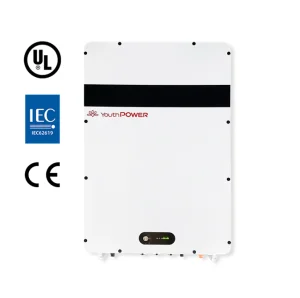
Compliance with UL 9540 (system safety) and UL 9540A (thermal runaway fire spread assessment) is necessary for SGIP subsidies and rapid local building permit sign-offs.
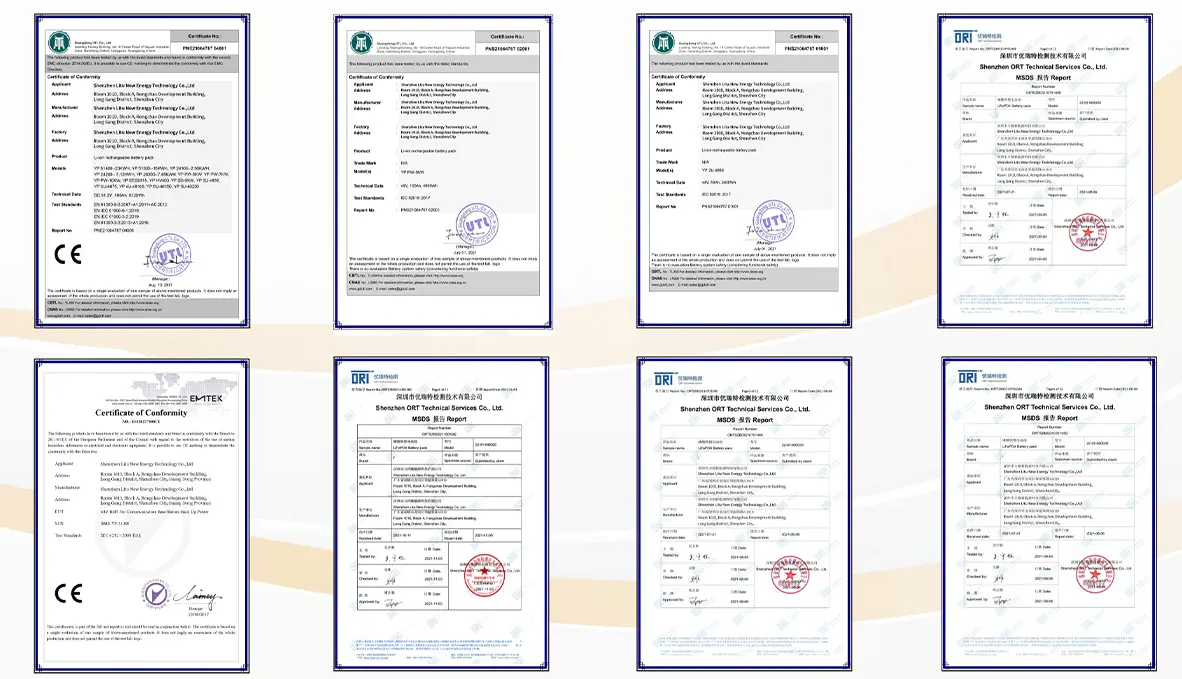
Conformity under CE, IEC 62619, and VDE-AR-E 2510-50 guarantees residential installation safety, electromagnetic compatibility, and safe modular assembly practices.
Full verification of UN 38.3 transport safety protocols ensures secure air/ocean freight logistics, verified to withstand violent impacts, pressure differentials, and thermal shocks.
A primary challenge for EPC contractors and local solar installers is receiving approval from regional utilities for grid interconnection. Without formal certifications from verified laboratories, local authorities can block battery commissions. Our factories verify and record detailed testing parameters for each manufactured batch. System parameters can be retrieved from internal diagnostic registries, giving municipal engineers the clear verification required for quick installation approvals.
A forward-looking trajectory detailing battery chemistry improvements, BMS designs, and energy density scaling.
Implementing active balancing protocols across high-capacity lithium iron phosphate cell configurations. Active balancing redistributes current during charge cycles, increasing usable capacity by 5% compared to standard passive systems.
Developing modular stackable architectures running up to 800V DC. This configuration directly feeds modern three-phase hybrid commercial inverters without step-up transformer loss, lowering system-level installation costs.
Integrating semi-solid-state designs to double energy density per kilogram while maintaining non-flammable operation. Cloud telemetry systems provide real-time degradation forecasting and optimization for utility grid trading.
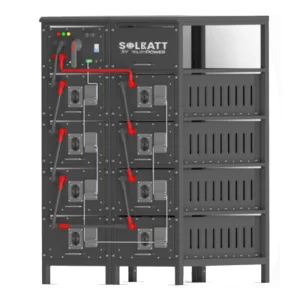
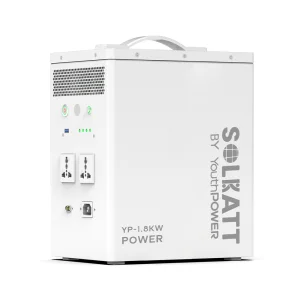
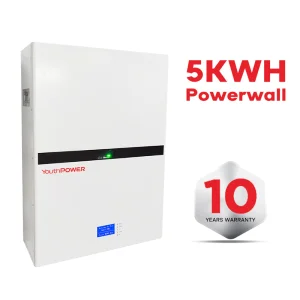
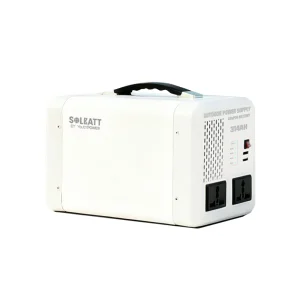
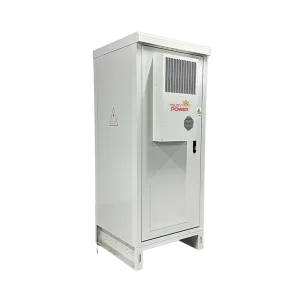
From high-voltage factory storage cabinets to portable power generators, discover our versatile solutions for grid resilience.
Direct, engineering-focused answers to the most common integration, purchasing, and design questions.
 YouthPOWER