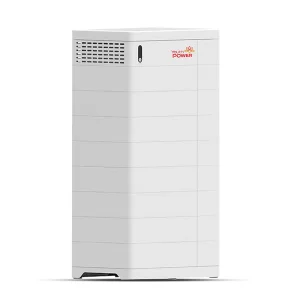
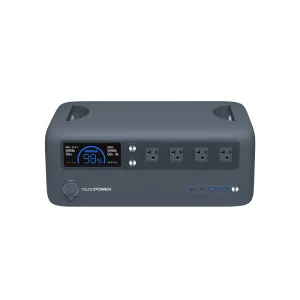
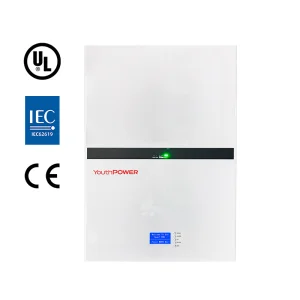
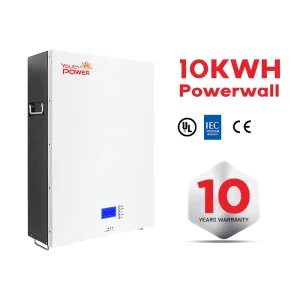
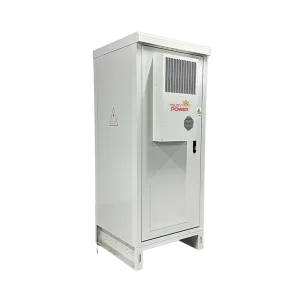
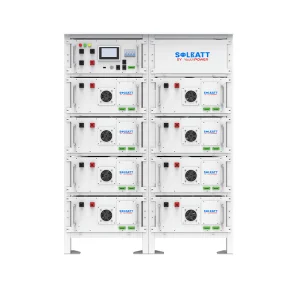
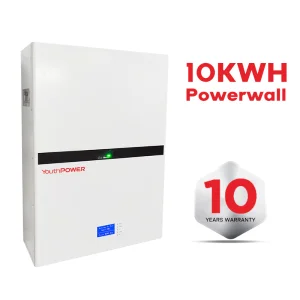
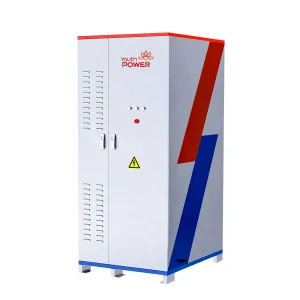
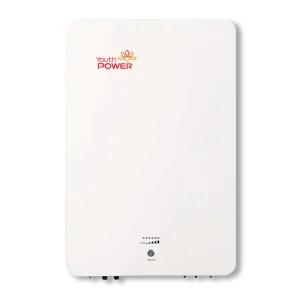
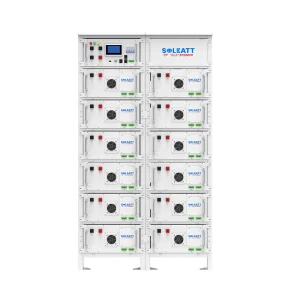
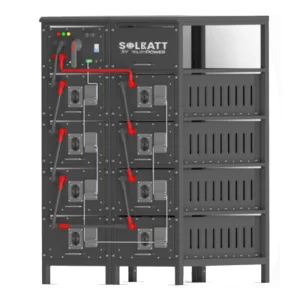
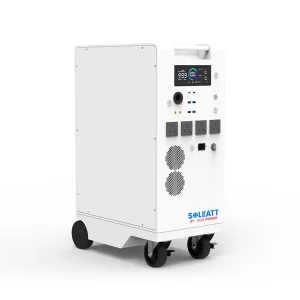
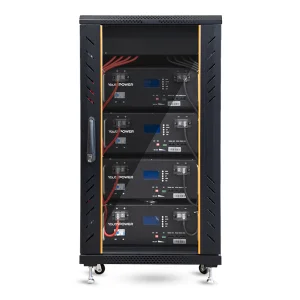
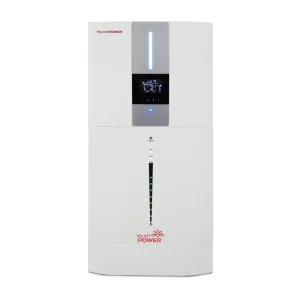
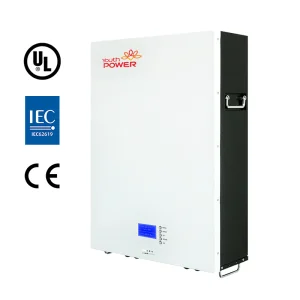
Explore our top-tier catalog of stackable, wall-mounted, high-voltage, and decentralized commercial energy storage systems.
Founded in 2003, YouthPOWER has now become one of the leading suppliers of solar storage lithium batteries in the world. With a broad range of energy storage solutions, it covers a series of 24V, 48V and higher voltage lithium batteries solutions.
YouthPOWER has engaged in the battery technology and production for almost 20 years, with abundant manufacturing experience and strong new product R&D capability. Through many years of hard work and market promotion, we have created our own brand "YouthPOWER" in 2019.
With nearly 20 years’ experience in the battery industry, we have the capability to provide you with both the products you need and the most suitable products you want. We are always ready to supply the first-class products and meet the various needs of the customers.

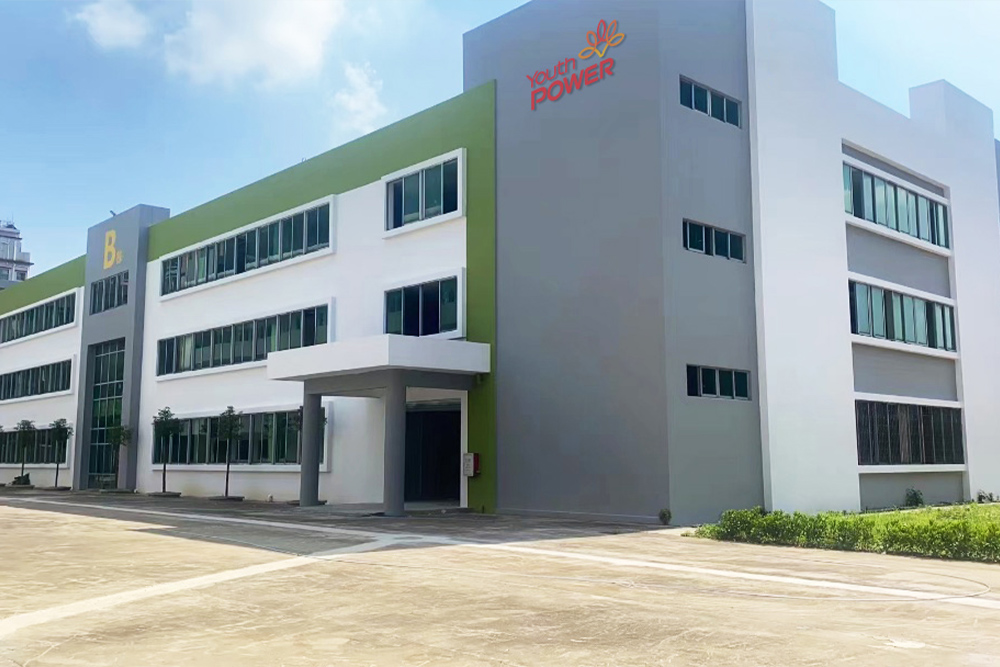
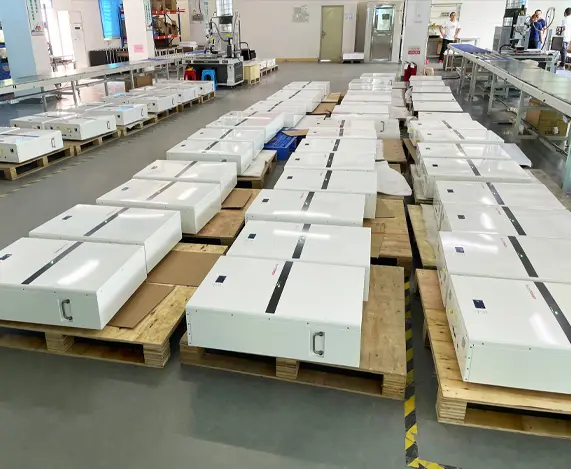
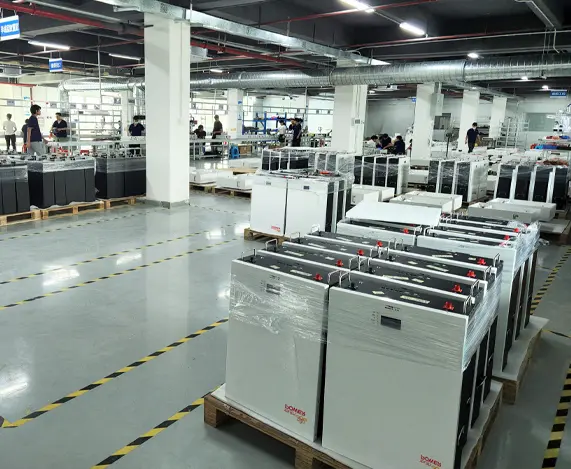
We have established good business relationships with our customers from all over the world. And we have a good cooperation with all our customers as well for many years running. Supported by our local vendors of raw materials, we can certainly offer you the best prices. We are so proud that YouthPOWER has offered the reliable solar storage solution for over 1,000,000 families now in the world.
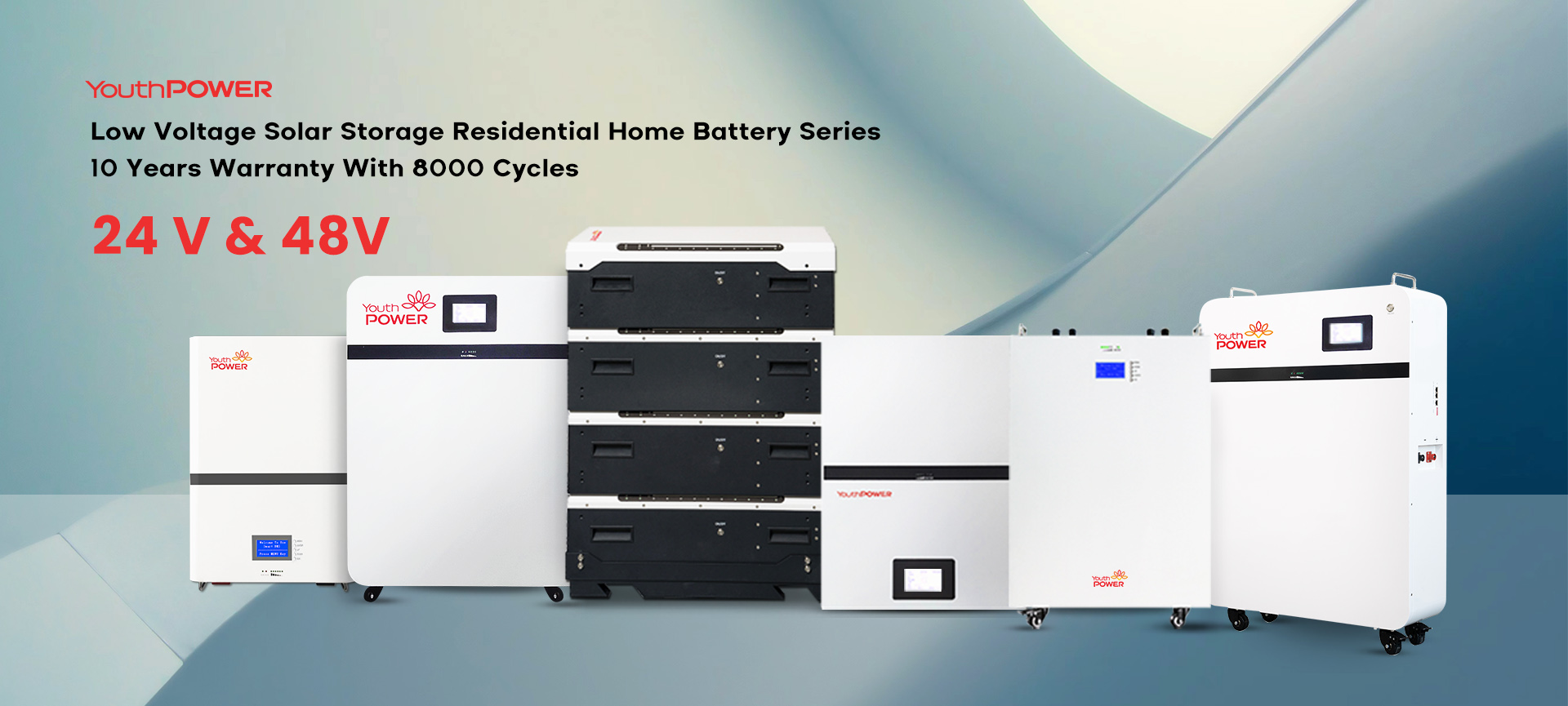
An executive summary of technology shifts, battery chemistry choices, and policy-driven global demand dynamics.
Industrial and residential energy storage systems are moving rapidly towards High-Voltage (HV) stackable configurations. Traditional low-voltage (48V) battery packs require thick copper cables to manage high currents, which increases structural energy losses, cable costs, and installation complexity. High-voltage architectures (typically 300V to 800V) reduce currents, improve round-trip efficiency by 3-5%, and integrate seamlessly with modern three-phase hybrid inverters.
Due to thermal runaway risks, cobalt geopolitical bottlenecks, and lifecycle durability concerns, Lithium Iron Phosphate (LiFePO4) has become the undisputed choice for stationary energy storage. LFP batteries offer up to 6,000 to 8,000 cycles at 80% Depth of Discharge (DoD), whereas standard NMC (Nickel Manganese Cobalt) chemistries generally degrade after 2,000 to 3,000 cycles. For commercial utility and residential projects, LFP minimizes levelized cost of storage (LCOS).
LiFePO4 features a higher thermal runaway threshold (270°C) compared to NMC (210°C), eliminating oxygen release during failure events.
15-year operational lifespan with minimal capacity degradation, lowering long-term system amortization costs.
Proprietary dual-microprocessor cloud BMS tracks internal state-of-charge (SoC) and state-of-health (SoH) instantly.
Breakdown of the manufacturing, chemical, supply chain, and certification parameters defining global procurement pricing.
When planning to buy hybrid batteries at scale, procurement managers must evaluate factors beyond upfront CapEx. Sourcing costs are primarily structured by the Levelized Cost of Storage (LCOS), cell grading (Tier 1 vs. Tier 2), and BMS system sophistication. Below is a realistic baseline of market cost structures as of 2024.
| Product System Class | Average Cell Grade | Price Range (FOB USD/kWh) | Optimal Target Scenarios | System Lifecycle Expectations |
|---|---|---|---|---|
| Residential ESS (Low Voltage) | Grade A LiFePO4 | $130 - $180 / kWh | Residential self-consumption, backup, peak tariff shifting | > 6,000 cycles @ 80% DoD |
| Residential Stackable (HV) | Grade A+ Smart BMS | $160 - $220 / kWh | High-power heating loads, backup, fast EV charging compatibility | > 6,500 cycles @ 90% DoD |
| Commercial & Industrial (C&I) | Premium Grade A Utility Cells | $180 - $260 / kWh | Factory peak shaving, grid-scale microgrids, backup storage | > 7,000 cycles @ 80% DoD |
| Containerized Utility ESS | Fully Integrated Container LFP | $150 - $210 / kWh | Large-scale VPP (Virtual Power Plants), frequency regulation | > 8,000 cycles @ 80% DoD |
Tailored high-performance energy solutions designed for commercial infrastructures and next-generation smart grids.
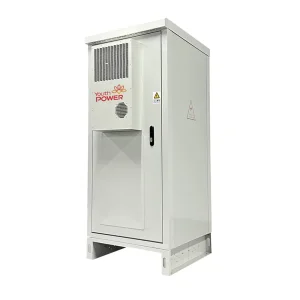
Maximize utility savings by charging high-voltage battery cabinets (such as our 114kWh or 172kWh lines) during low-tariff off-peak hours and discharging them during peak-demand periods. This offsets high industrial demand charges and reduces localized thermal stress on distribution transformers.
Addressing the growing demand for dense urban residential energy setups, balcony solar systems and plug-and-play generators enable individual apartments to offset base-load consumption. These systems utilize compact, modular designs that install in under 15 minutes.
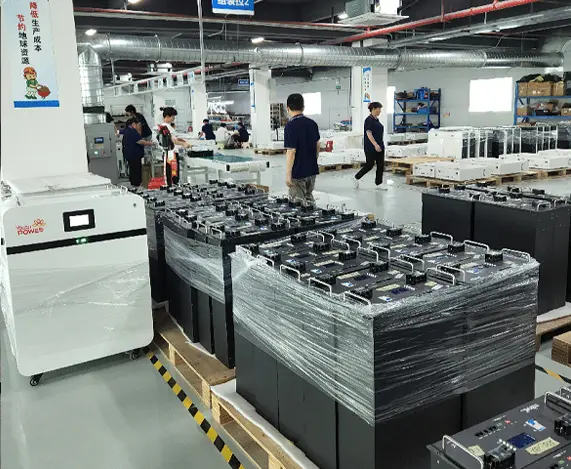
Leveraging raw material vendor networks established over 20 years, YouthPOWER maintains deep inventory buffers of high-grade cells, guaranteeing lead times that outperform typical market standard timeframes by 20-30%.
Every hybrid battery system undergoes multi-stage hardware-in-the-loop (HIL) testing before shipping.
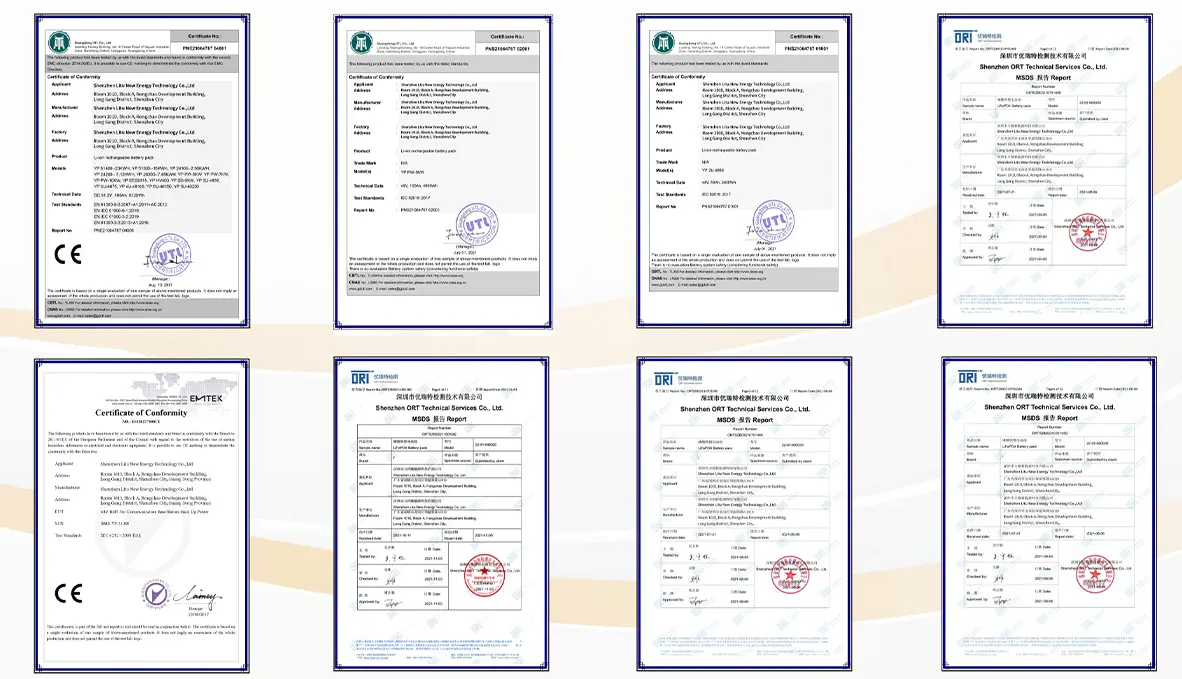
Tracing the timeline of YouthPOWER's technical innovation and global scaling milestones.
Company founded. Initiated operations focusing on industrial battery tech and high-performance cell manufacturing.
Expanded R&D team to develop high-safety LFP cell integration strategies and custom-made BMS structures.
Launched initial industrial-grade battery cabinets for microgrids and commercial scaling projects globally.
Officially established the global brand "YouthPOWER" to supply proprietary, high-voltage stackable ESS products.
Successfully deployed solar storage systems in over 1,000,000 households globally, establishing localized support networks.
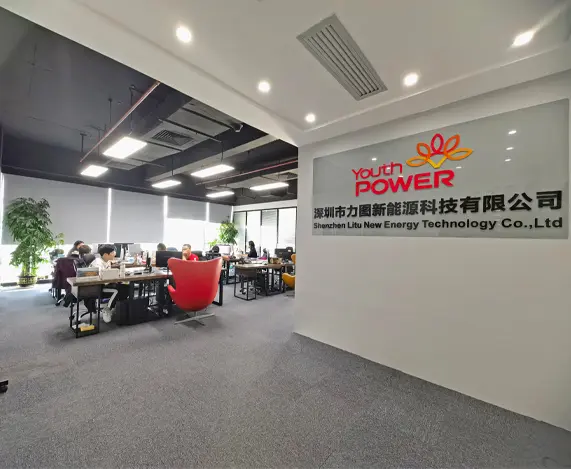
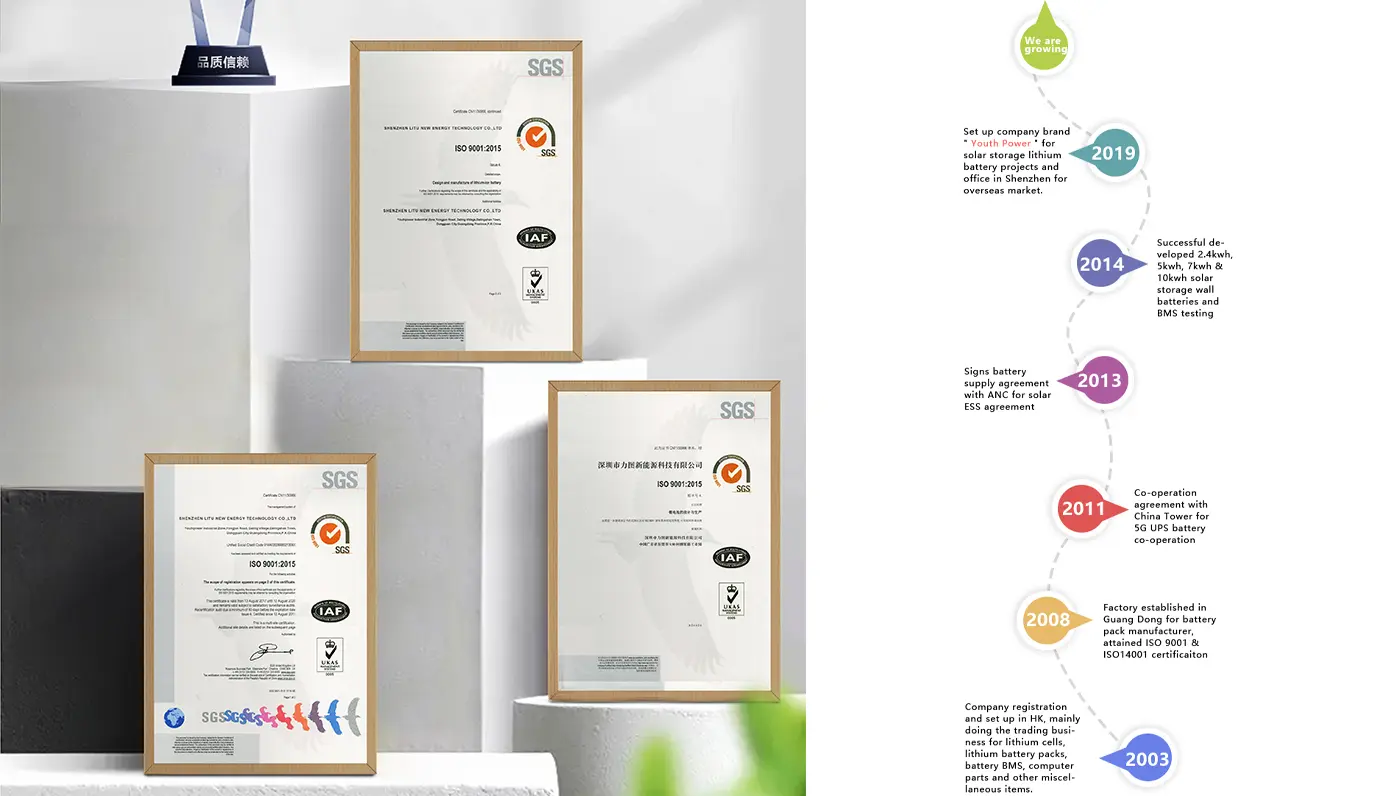
Navigating complex international certifications and grid interconnection requirements for utility safety compliance.
Exporting and installing large-scale energy storage systems demands strict adherence to rigorous international standards. Systems lacking proper global certifications face severe custom clearance hold-ups, insurance invalidation, and grid interconnect rejection.
UL 1973 (battery safety standard), UL 9540A (large-scale fire thermal runaway testing), and NEC NFPA 855 regulations.
CE-EMC, CE-LVD compliance, EN 62619 for lithium batteries safety, and VDE-AR-N 4105 grid interface parameters.
UN 38.3 test report and Safety Data Sheets (SDS) for safe maritime, land, and air lithium battery shipping.
To streamline localized service deployment, we establish dynamic technical partnerships with regional developers and certified EPC installers. This ensures local site configuration, firmware adjustments, and remote system diagnostics occur within localized time zones.
Innovations shaping the future of industrial battery systems, focusing on solid-state tech, cloud BMS, and dynamic grid balancing.
Over the next five years, the hybrid battery industry will experience three transformative technology phases. We are actively aligning our manufacturing lines and software stack to spearhead these advancements:
Key technical insights and purchasing guidance regarding industrial and residential hybrid batteries.
Select high-voltage modular cabinets and plug-and-play energy storage units for large projects.
 YouthPOWER