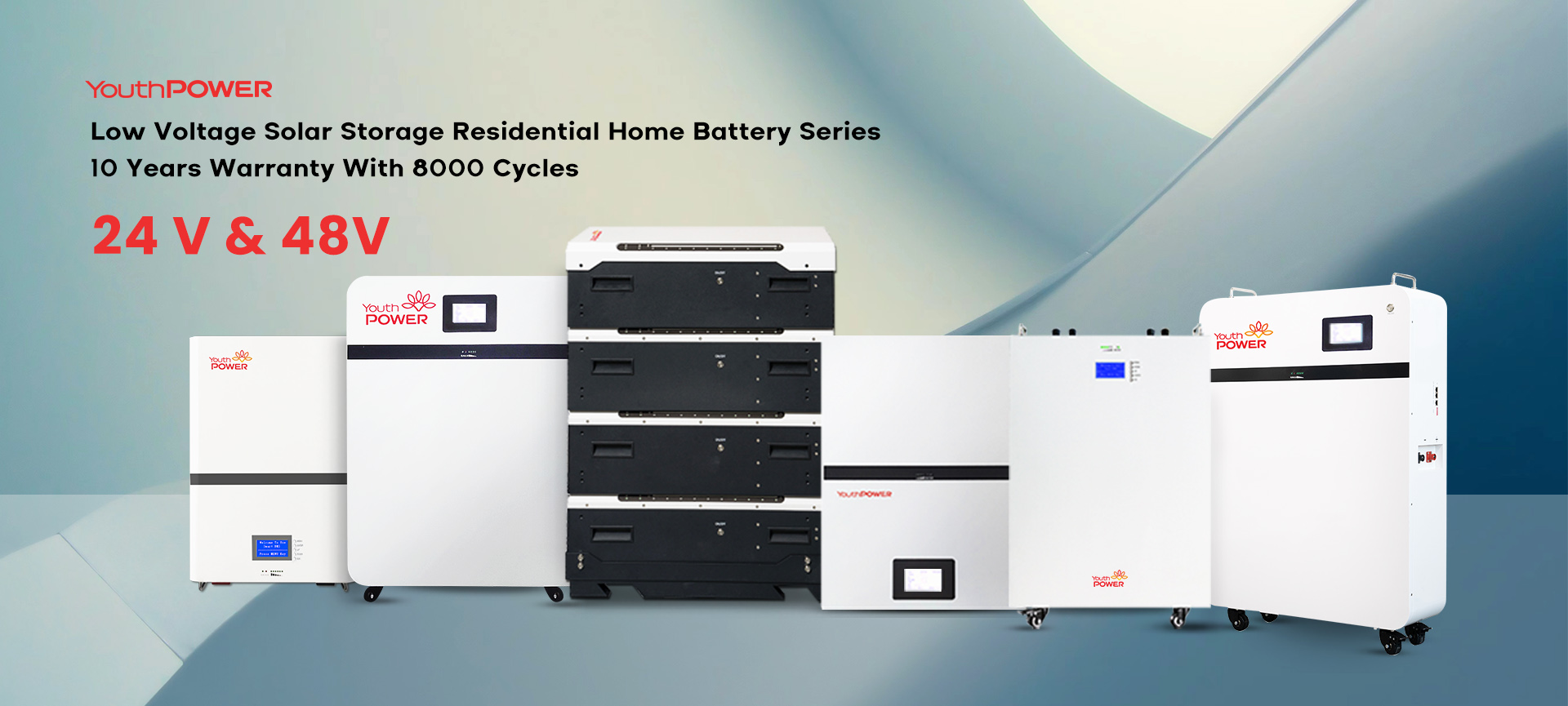
Deploy verified LFP technologies engineered for high cyclic stability, intelligent BMS monitoring, and seamless inverter compatibility.
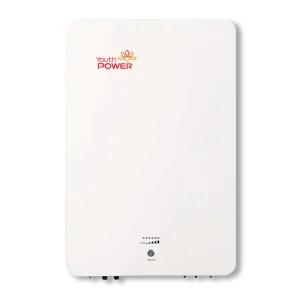
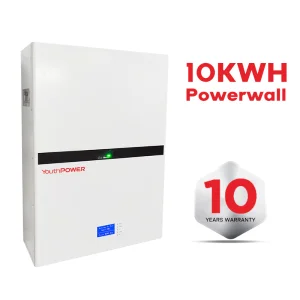
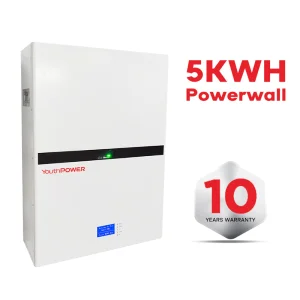
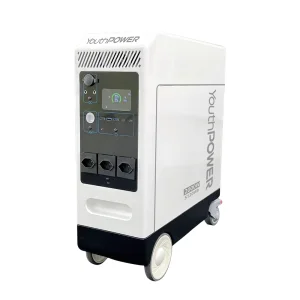
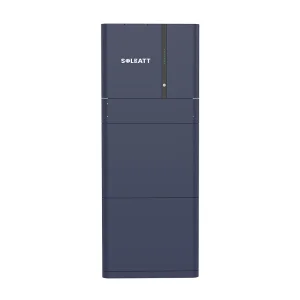
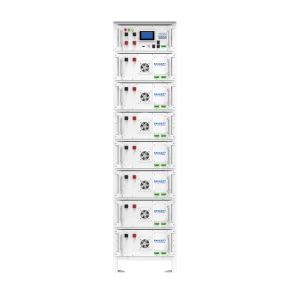
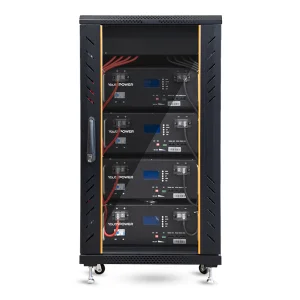
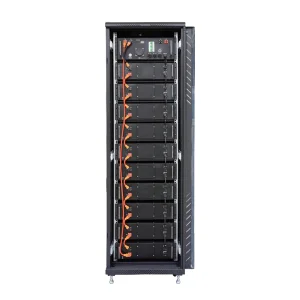
Decentralized power grid requirements are accelerating the adoption of standardized LiFePO4 architectures globally.
Governments worldwide are implementing strict corporate mandates for ESG (Environmental, Social, and Governance) targets. The transition from legacy lead-acid configurations to 48V 200Ah (nominal ~9.6-10.24 kWh) lithium systems constitutes the core of clean microgrid transformations. LFP (Lithium Iron Phosphate) delivers non-toxic, non-combustible energy storage with a physical footprint 70% smaller than counterpart lead-acid installations.
Modern battery energy storage systems (BESS) are no longer passive buffers. Utilizing high-speed CAN/RS485 communications, 48V 200Ah systems aggregate into Virtual Power Plants (VPPs). This allows developers to participate in frequency response services, peak shaving, and load shedding strategies, transforming the battery system from a cost center into a yield-generating corporate asset.
An engineering evaluation of chemistry safety, battery management system (BMS) architecture, and structural physics.
Unlike NMC (Nickel Manganese Cobalt) chemistries, the olivine crystal structure of LiFePO4 is thermally stable at temperatures up to 600°C. High structural stability prevents oxygen release, the primary driver of thermal runaway. LFP chemistry offers a superior compromise between safety, lifecycle density, and dynamic charge acceptance.
A dual-microprocessor intelligent BMS controls balancing currents (active/passive), overvoltage thresholds, low-voltage cutoffs, and over-current events. Communication integration with Tier-1 solar hybrid inverters (including SMA, Victron, Deye, and Growatt) ensures real-time SoC and SoH calculation telemetry via CANbus networks.
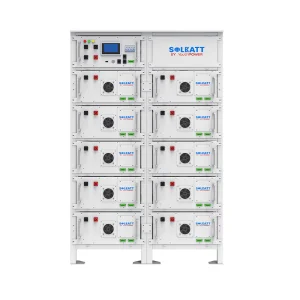
Modern architectural setups utilize 48V 200Ah blocks as scalable modules. High copper busbar configurations and smart addresses allow parallel connections of up to 15 or 32 units, building system capacity up to 327 kWh without requiring auxiliary system balance controllers.
| Parameter Profile | Technical Metric (51.2V 200Ah Nominal) | Engineering Benefit |
|---|---|---|
| Nominal Capacity | 10.24 kWh (51.2V × 200Ah) | Optimized density for medium-scale residential & commercial applications. |
| Recommended Charge Current | 100A (0.5C rate) | Secures prolonged molecular health and avoids lithium plating. |
| Maximum Discharge Current | 150A - 200A peak | Handles high surge loads during inductive motor startups. |
| Communications Interface | CAN2.0, RS485, RS232 | Allows telemetry polling by local edge controllers and remote EMS. |
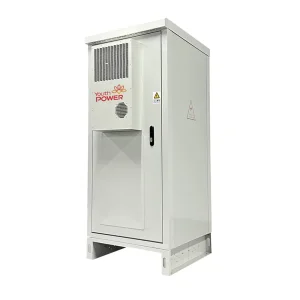
| Enclosure Protection Class | IP21 (indoor rack mount) / IP65 (outdoor wall mount) | Protects internal system boards against dust ingress and humidity. |
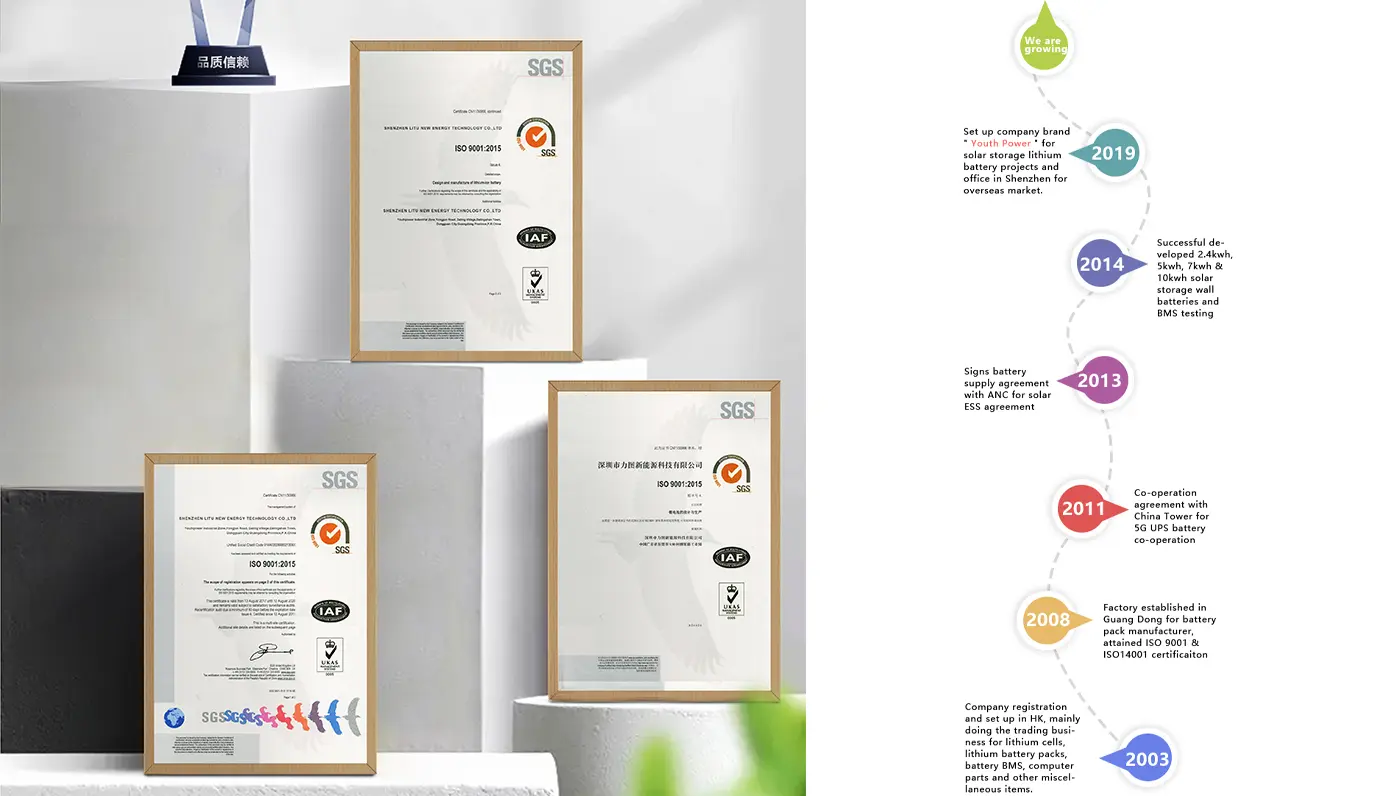
Over two decades of research and deployment in industrial electrochemical storage solutions.
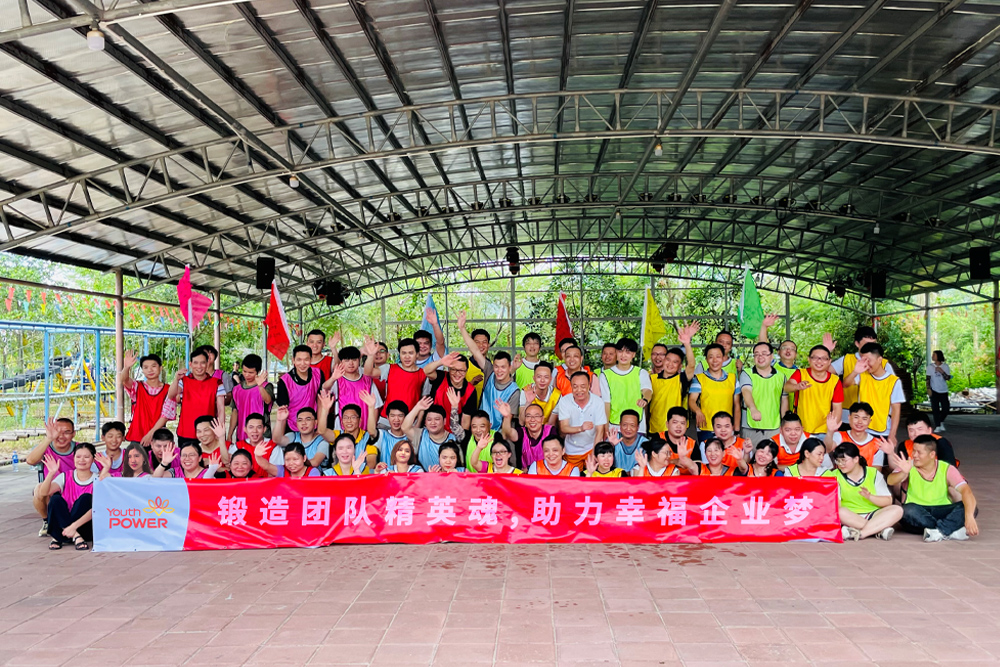
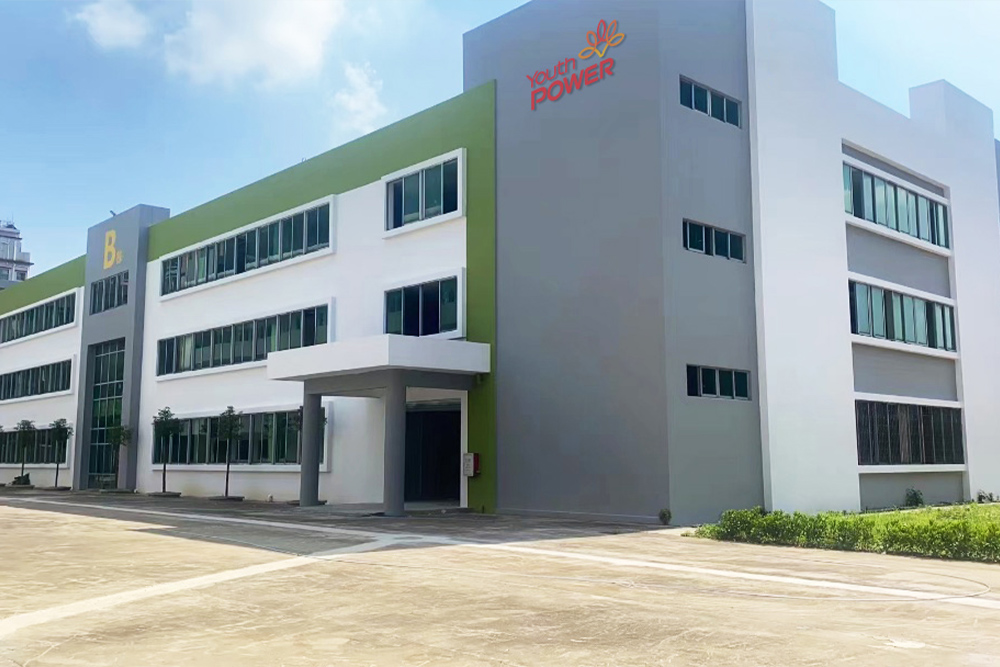
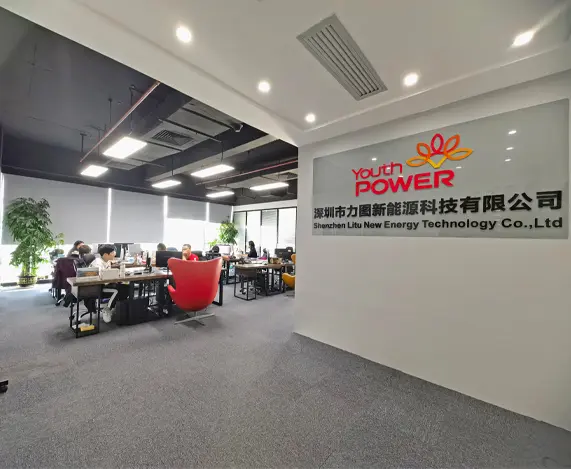
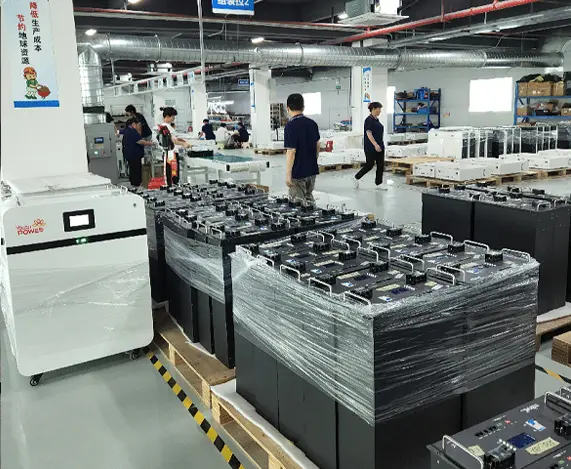
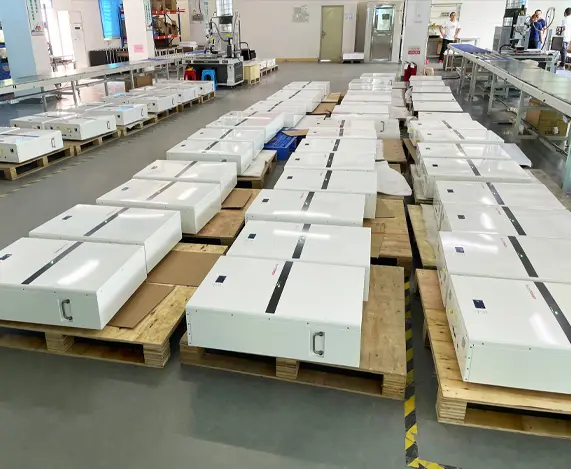
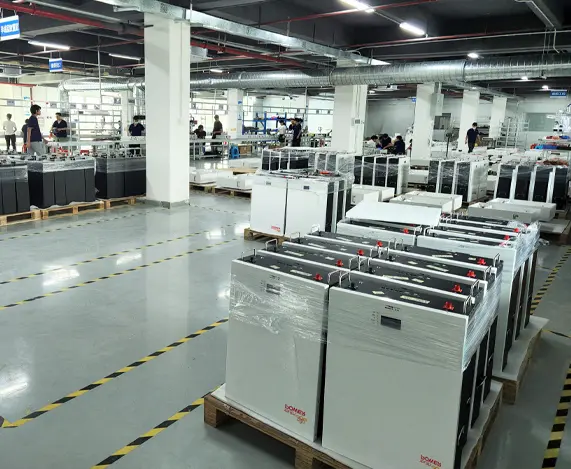
Founded in 2003, YouthPOWER has now become one of the leading suppliers of solar storage lithium batteries in the world. With a broad range of energy storage solutions, it covers a series of 24V, 48V and higher voltage lithium batteries solutions.
YouthPOWER has engaged in the battery technology and production for almost 20 years, with abundant manufacturing experience and strong new product R & D capability. Through many years of hard work and market promotion, we have created our own brand "YouthPOWER" in 2019.
With nearly 20 years’ experience in the battery industry, we have the capability to provide you with both the products you need and the most suitable products you want. We are always ready to supply the first-class products and meet the various needs of the customers.
We have established good business relationships with our customers from all over the world. And we have a good cooperation with all our customers as well for many years running. Supported by our local vendors of raw materials, we can certainly offer you the best prices.
We are so proud that YouthPOWER has offered the reliable solar storage solution for over 1,000,000 families now in the world.
Engineered to deliver high resiliency and seamless energy management across primary commercial and industrial segments.
In high demand-charge markets such as California (PG&E) and New York (ConEd), commercial operations leverage the 48V 200Ah systems to mitigate peak usage metrics. The BMS schedules discharge phases during regional high-tariff hours, saving commercial operators thousands in monthly demand penalties.
With feed-in-tariffs (FiT) declining across Germany, France, and Italy, local solar users rely on LFP battery systems to maximize internal consumption of rooftop solar arrays. By storing excess solar generation in the 48V 200Ah modules, operators achieve up to 90% energy independence from volatile wholesale markets.
Remote agricultural and telecom infrastructure in Western Australia demands rugged systems capable of tolerating extreme heat. Built with high thermal efficiency and operating parameters up to 55°C without active HVAC cooling, YouthPOWER systems supply continuous electricity to localized sites.
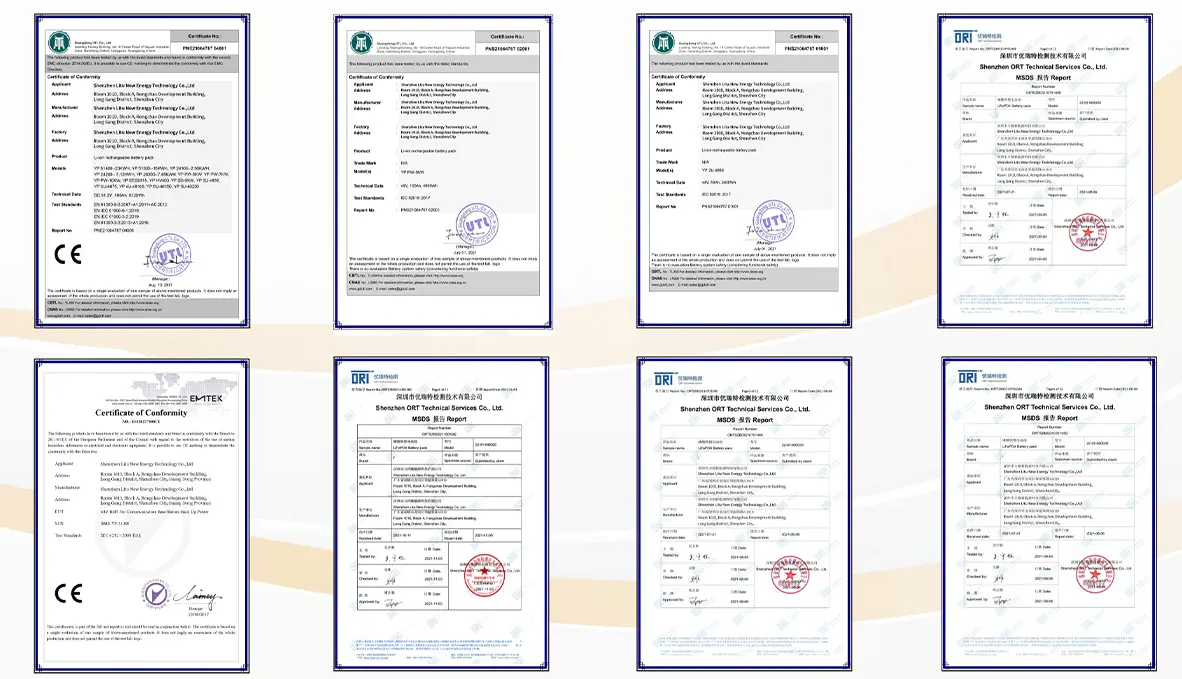
Legal security and reliable field operation begin with internationally recognized laboratory certifications.
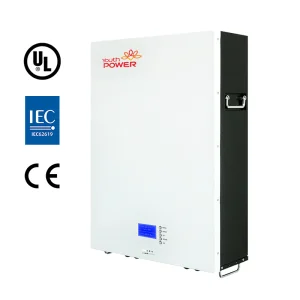
Our batteries are fully tested and certified under global safety frameworks to ensure safety and compliance during maritime logistics and onsite deployment:
Every internal safety mechanism is engineered to align with SIL 2 (Safety Integrity Level). Redundant sensor networks read individual cell voltages and temperatures, triggering fast contactor cutoffs in less than 10 milliseconds when out-of-spec parameters are detected.
How raw material indices, cell grades, and volume negotiations dictate overall project capital expenditure.
The cost of finished batteries is linked to high-grade lithium carbonate (Li2CO3) and lithium hydroxide (LiOH) market indices. Direct-from-factory pricing contracts include mechanisms to adjust component prices based on global metal spot prices, protecting buyers from market volatility.
Sourcing low-cost batteries often risks utilizing downgraded "Grade B" or recycled EV pouch cells. YouthPOWER uses Grade A EV-certified prismatic cells, guaranteeing tight capacity ranges and low internal resistance, which ensures a balanced lifespan of over 6,000 cycles.
Procuring direct from our China factory offers flexible transaction conditions (FOB, CIF, DDP). By utilizing optimized container load limits (e.g., 20ft / 40ft container layouts), logistics costs per kilowatt-hour are significantly minimized.
Pioneering tomorrow's solid-state and carbon-neutral technologies to drive industrial efficiency.
Within the next five years, YouthPOWER is planning the gradual integration of semi-solid and solid-state materials into its modular formats. This migration offers higher specific energy densities (>280 Wh/kg), faster charging limits, and improves stability at low operating temperatures.
Leveraging machine learning algorithms, our next-generation BMS systems upload telemetry data to secure cloud storage. Here, predictive maintenance software forecasts cell anomalies, thermal risks, and expected end-of-life cycles before faults occur, helping to prevent unscheduled outages.
Technical and logistics answers compiled by our application engineering department.
From modular balcony configurations to megawatt container systems, YouthPOWER provides reliable, high-quality manufacturing solutions.
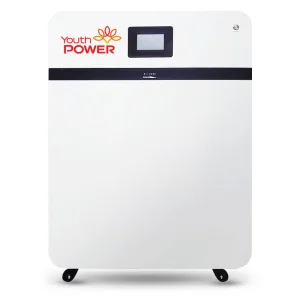
 YouthPOWER