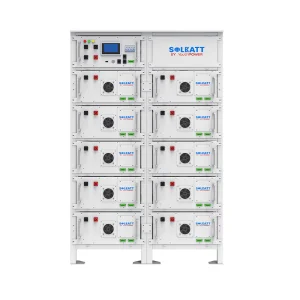
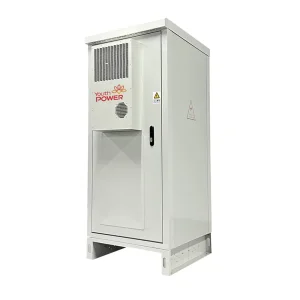
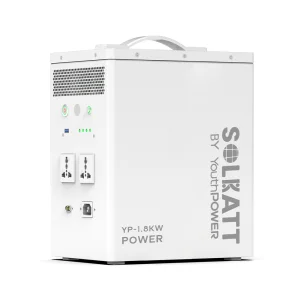
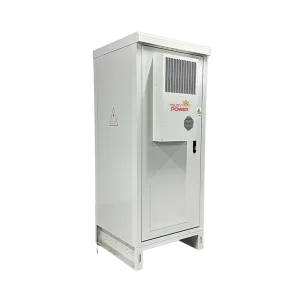
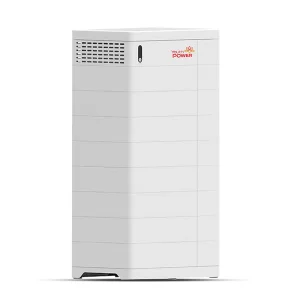
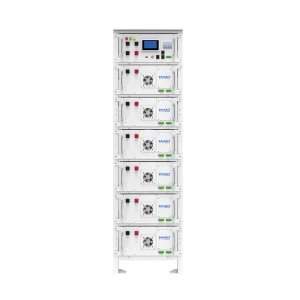
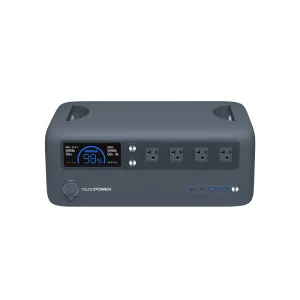
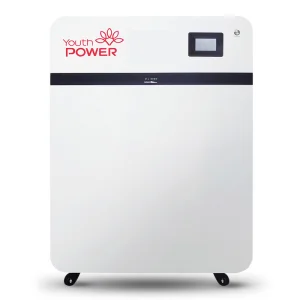
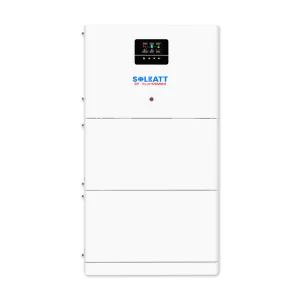
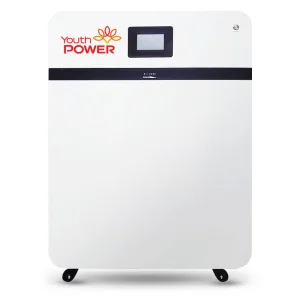
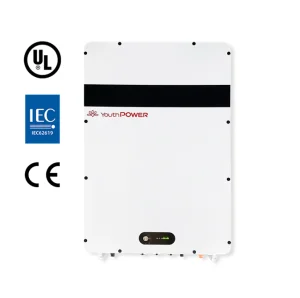
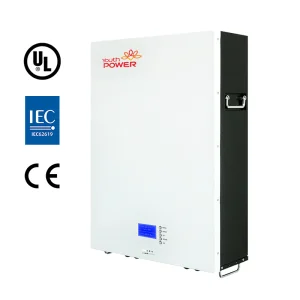
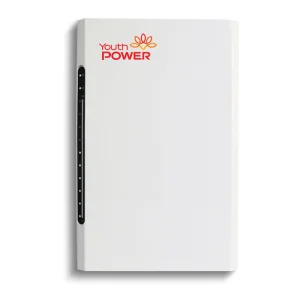
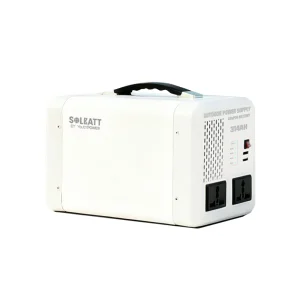
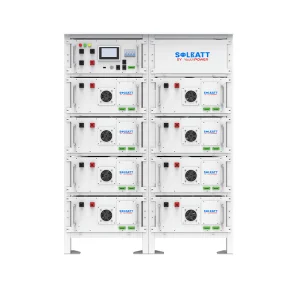
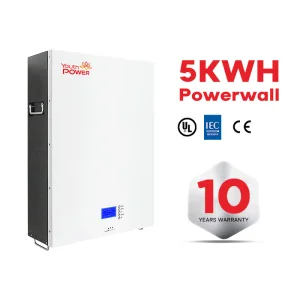
Deploy top-rated engineered battery energy storage system cabinets and custom wall-mounted arrays built to withstand rigorous high-cycle loads.
As the global grid migrates from centralized fossil generation to intermittent renewable energy models, battery storage capacities have graduated from simple backup reserve options to essential load-shifting network nodes. Under the broader umbrella of "Powerwall Capacity," today's industrial design incorporates lithium-iron phosphate (LiFePO4) chemistries, robust Battery Management Systems (BMS), and thermal dissipation protocols that dictate how energy storage systems deliver value over their life cycle.
To evaluate a battery energy storage system (BESS), utility buyers and procurement engineers must inspect the intersection of Nominal Capacity (the theoretical maximum charge a cell can hold) and Usable Capacity (the practical quantity of energy extractable under specific depth-of-discharge constraints). While consumer-oriented storage units hover around 10kWh to 15Wh capacities, commercial operations require scalable arrays. Systems like the 143KWH 512V 280Ah and 133KWH 512V 260AH cabinets showcase how higher voltages reduce line losses, optimizing Round-Trip Efficiency (RTE) to figures exceeding 95%.
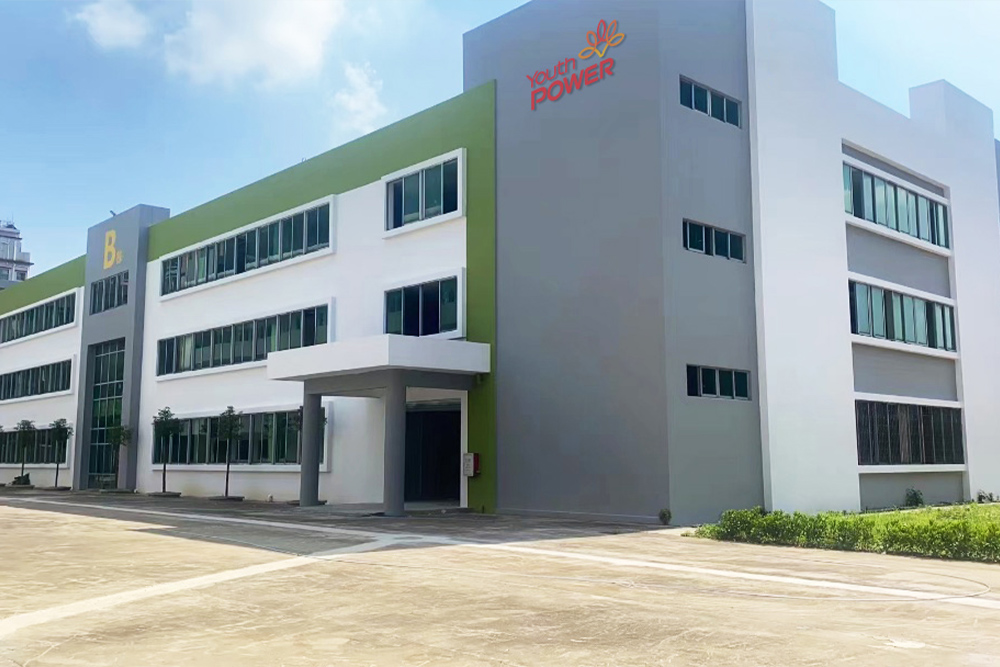
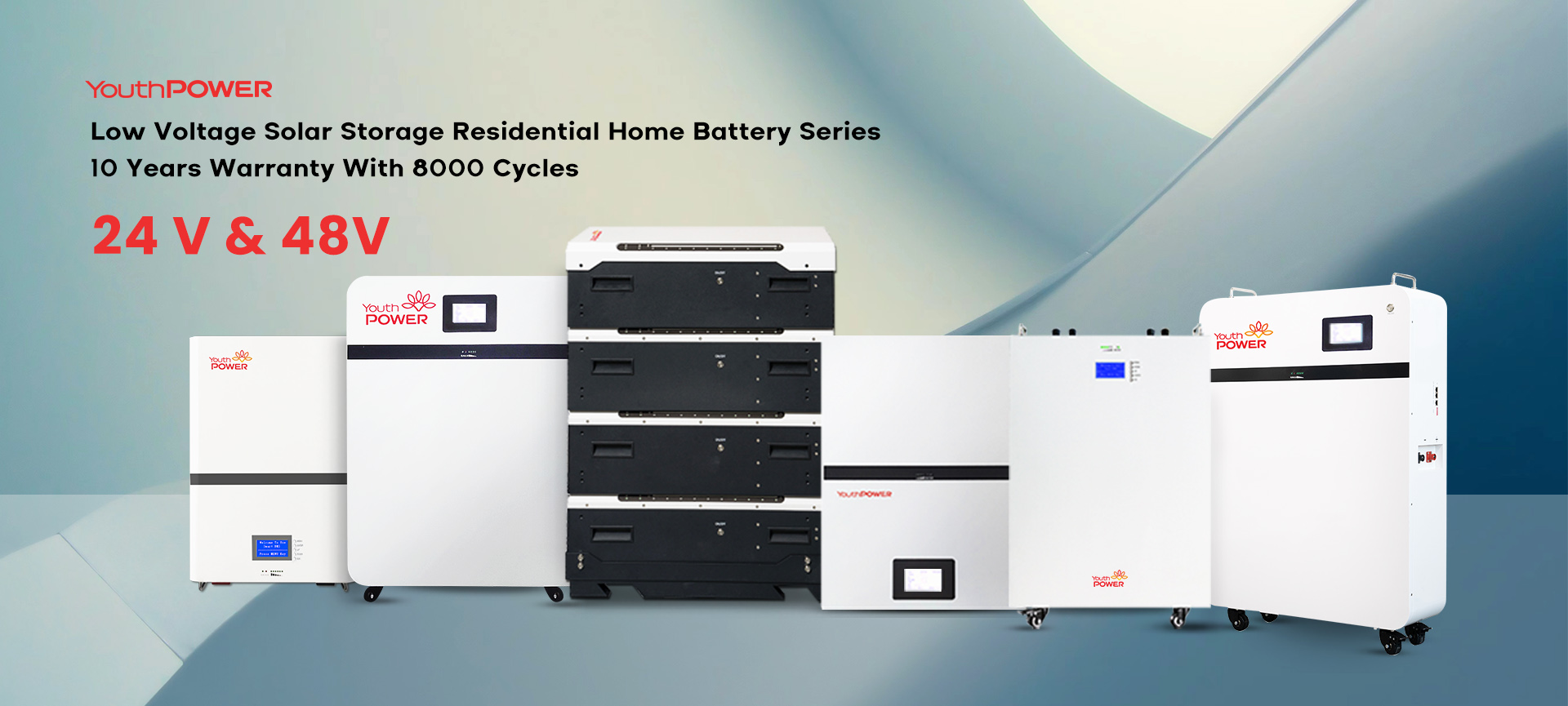
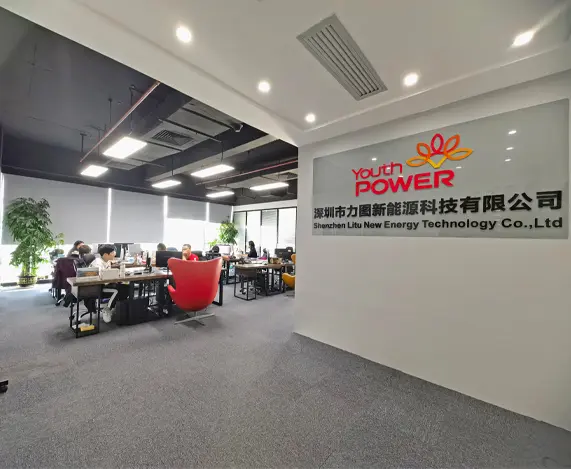
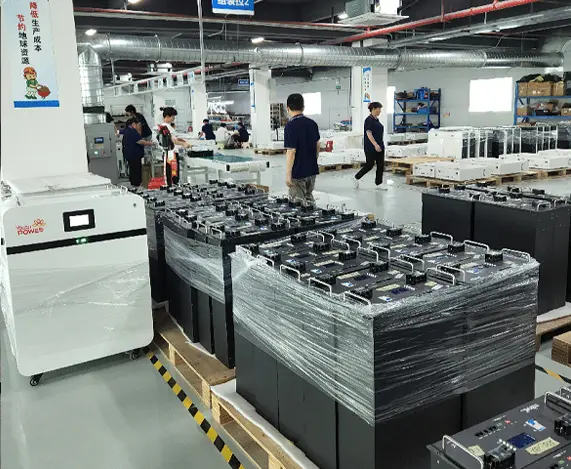
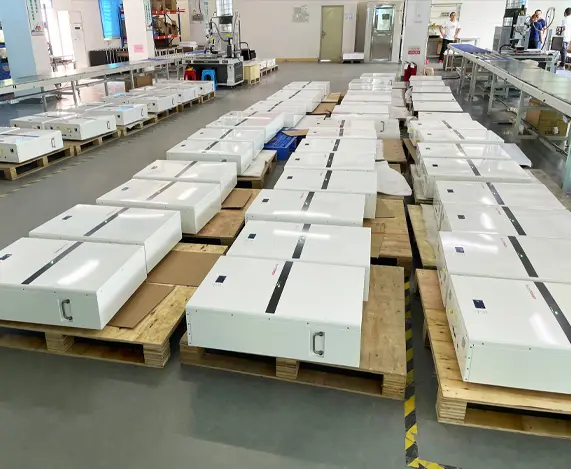
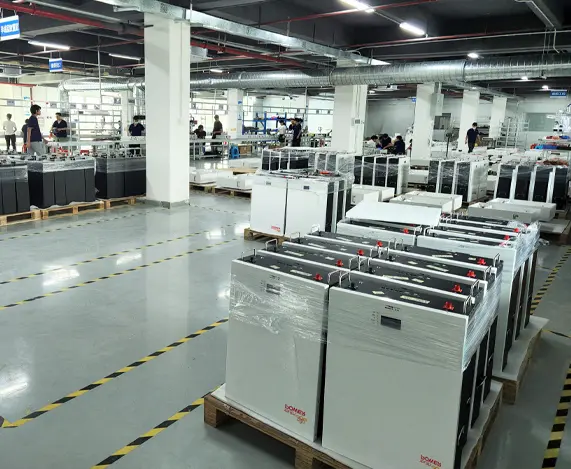
Founded in 2003, YouthPOWER has now become one of the leading suppliers of solar storage lithium batteries in the world. With a broad range of energy storage solutions, it covers a series of 24V, 48V, and higher voltage lithium batteries solutions.
YouthPOWER has engaged in the battery technology and production for almost 20 years, with abundant manufacturing experience and strong new product R&D capability. Through many years of hard work and market promotion, we have created our own brand "YouthPOWER" in 2019.
Supported by our local vendors of raw materials, we can certainly offer you the best prices. With nearly 20 years’ experience in the battery industry, we have the capability to provide you with both the products you need and the most suitable products you want. We are always ready to supply the first-class products and meet the various needs of the customers.
We are so proud that YouthPOWER has offered the reliable solar storage solution for over 1,000,000 families now in the world.

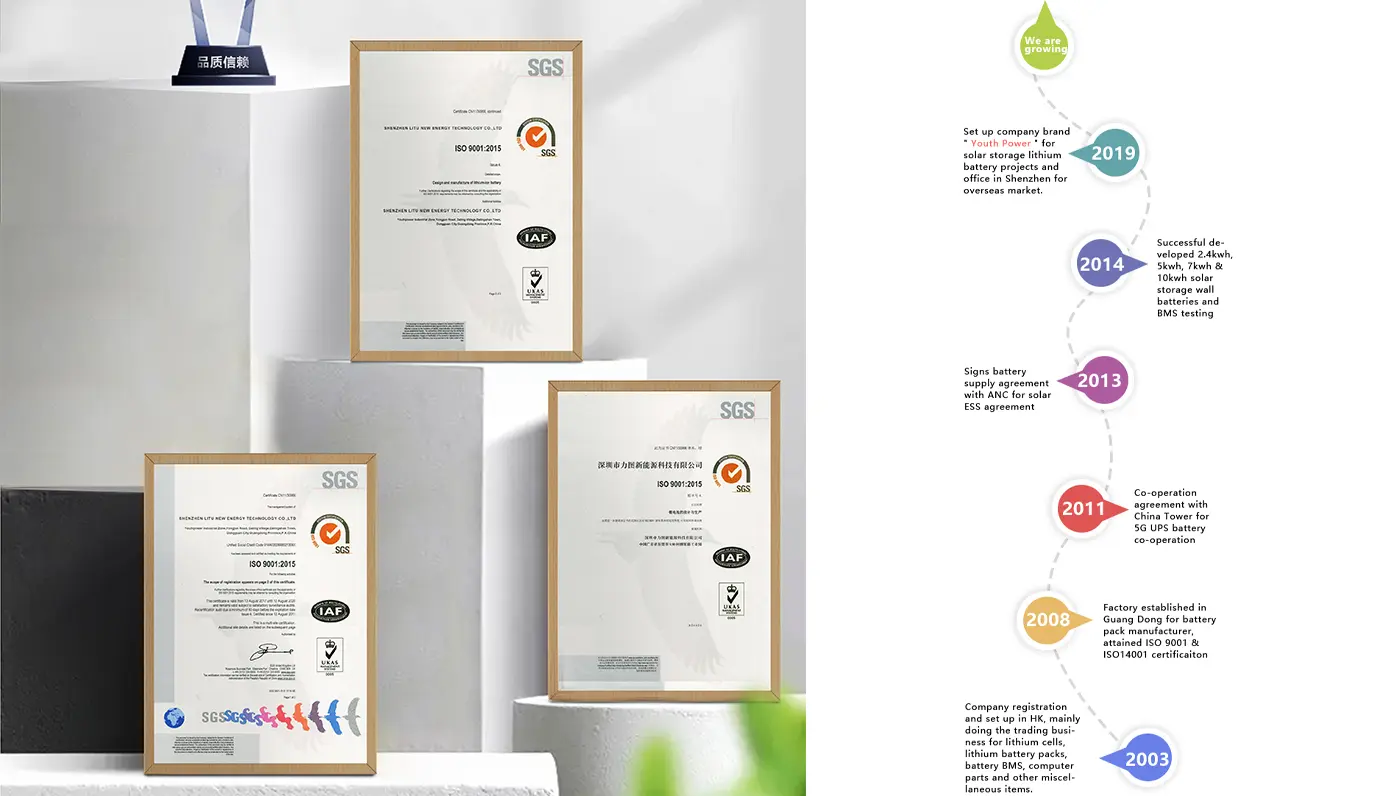
Tracing decades of innovations in solar storage lithium formulations, cell optimization, and global logistics structures.
Commercial energy procurement managers evaluate battery storage not as a capital expense, but through the lens of LCOS (Levelized Cost of Storage) and ROI timelines. Commercial peak shaving, voltage stabilization, and emergency grid ride-through demand systems that are highly modular and communicative with native Building Management Systems (via Modbus, CAN bus, or RS485 interfaces).
BESS installations are shifting globally. In the European Union, dynamic utility pricing has made immediate self-consumption highly lucrative. In North America, regulatory guidelines such as SGIP (Self-Generation Incentive Program) mandate high-capacity systems that qualify for federal tax credits under strict domestic content criteria.
Mitigate demand charges by discharging the Powerwall capacity during high-tariff periods, reducing corporate operational costs by up to 40%.
Transition seamlessly within 10 milliseconds from grid failure to battery storage power, eliminating reliance on diesel generators.
Pre-engineered cabinet systems compliant with global safety standardizations including CE, UN38.3, IEC 62619, and UL 9540A.
Buying battery capacity at scale requires more than sourcing cell manufacturers; it demands local distribution support, post-installation troubleshooting, and strict transport compliance. Because lithium-based chemistry is classified under Class 9 Dangerous Goods, logistics chains require UN38.3 certification and explosion-proof containment shipping.
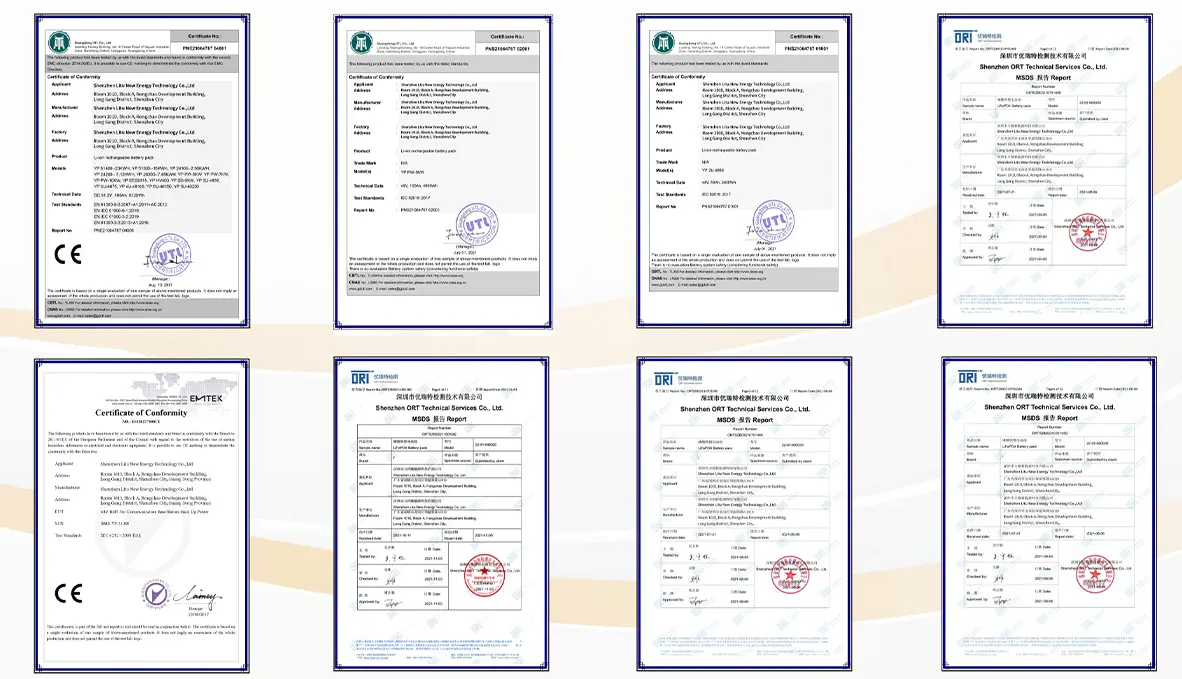
YouthPOWER coordinates with localization partners to verify that installations conform to local electrical regulations (such as NEC Article 706 in the US and EN 50549 in Europe). Each system is backed by comprehensive material test reports, structural design parameters, and an adjustable 5-to-10-year operational warranty overseen by local technical representatives.
The transition toward higher voltage architectures represents the immediate future of industrial battery chemistry. As nominal cell capacities reach their thermodynamic limits, research focuses on anode/cathode structural upgrades, such as silicon-carbon anodes and semi-solid-state designs. Solid-state formulations offer to scale safety parameters and double energy densities over traditional chemistries.
Simultaneously, EMS (Energy Management System) programming is adopting machine learning protocols to predict weather cycles and energy consumption patterns. Future YouthPOWER architectures will combine these predictive elements with native active-balancing BMS components, boosting battery lifespan by 20% even under severe cycle demands.
Low voltage systems are simpler to configure, highly modular, and offer exceptional safety in residential applications. High voltage configurations (300V-600V+) reduce current flow for the same power output, leading to lower copper loss, smaller wire cross-sections, and higher efficiency in long-run commercial installations.
Pricing is primarily defined by capacity density, cell classification (Grade A vs. Grade B), target safety certifications (e.g. UL9540A), and the integration level of the thermal management and active balancing BMS. Direct-from-factory models like YouthPOWER lower costs by purchasing directly from local raw material vendors.
Static balancing only corrects voltages during full charge, whereas active dynamic balancing transfers energy between cells continuously during charging, discharging, and idling. This minimizes individual cell stress and maintains optimal usable capacity over time.
Examine alternative form-factors and specific micro-grid integration solutions designed for various localized applications.
 YouthPOWER