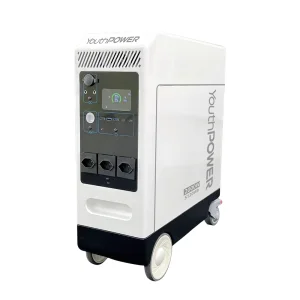
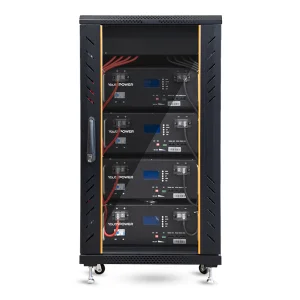
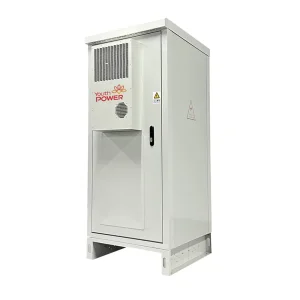
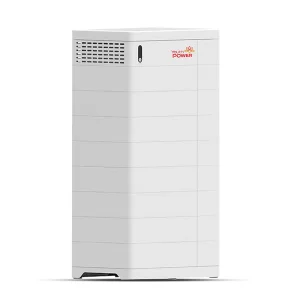
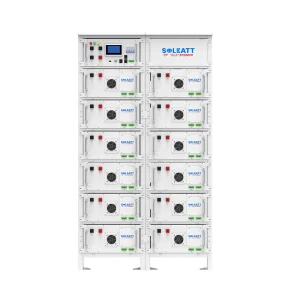
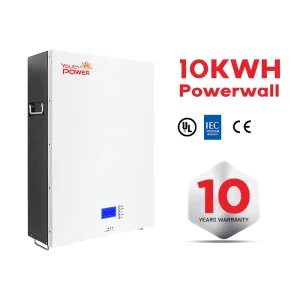
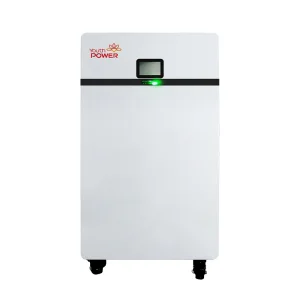
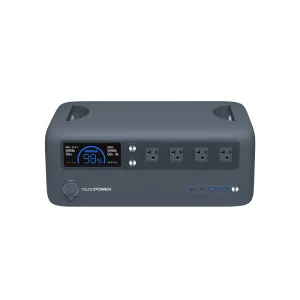
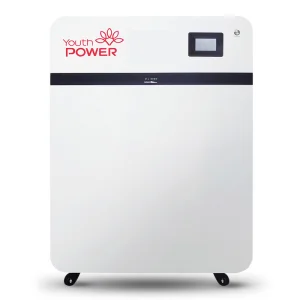
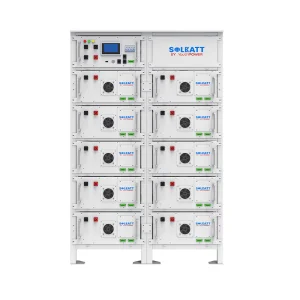
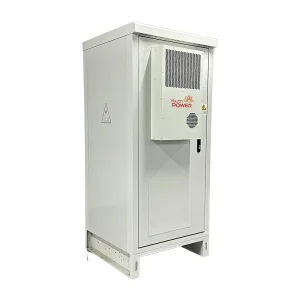
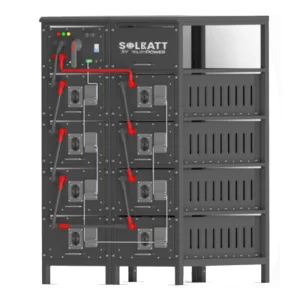
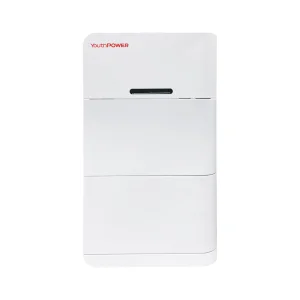
High-efficiency, scalable LiFePO4 rack cabinets and portable server storage backup units from the direct factory.
In today's hyper-connected economy, data centers and critical server rooms serve as the digital backbone of global enterprises. System downtime, even if only lasting for a millisecond, can trigger massive financial loss, disrupt essential operations, and compromise sensitive user databases. Thus, procurement parameters for server battery backup systems have shifted from basic, short-term emergency runtimes toward long-lasting, deep-cycle, smart modular configurations.
Historically, enterprise data storage facilities utilized Lead-Acid (VRLA) batteries. However, modern procurement officers are transitioning strictly to Lithium Iron Phosphate (LiFePO4) technology. LiFePO4 battery backups boast a cycle life extending beyond 6,000 cycles at 80% Depth of Discharge (DoD), compared to the mere 500-1,000 cycles typical of VRLA variants. This technological leap reduces the Total Cost of Ownership (TCO) by over 60% across the operational lifespan, saving enterprise budgets thousands of dollars in replacement labor and system maintenance.
Global companies now require multi-layered protection architectures that integrate smart Battery Management Systems (BMS). The BMS must actively communicate with existing network infrastructures via protocols like SNMP, RS485, and CANBUS, enabling predictive maintenance, cell-level balancing, thermal runaway forecasting, and real-time remote capacity alerts.
LiFePO4 chemistry presents superior chemical and thermal stability, mitigating standard lithium dangers of combustion or thermal runaway.
Providing 6,000+ deep charge/discharge cycles. Lasts up to 10-15 years, aligning perfectly with server shelf life.
Real-time tracking of cell voltages, internal temperature, state of charge (SoC), and current regulation limits.
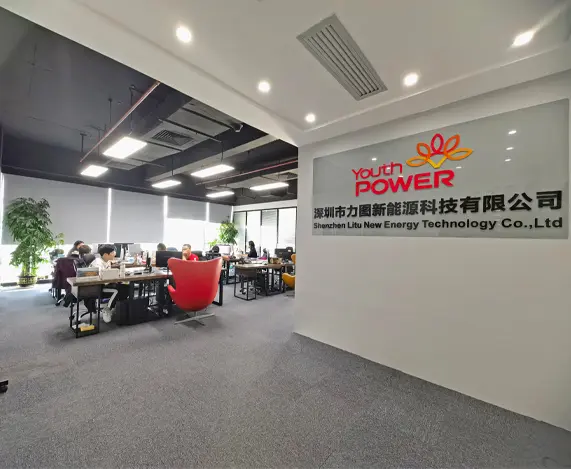
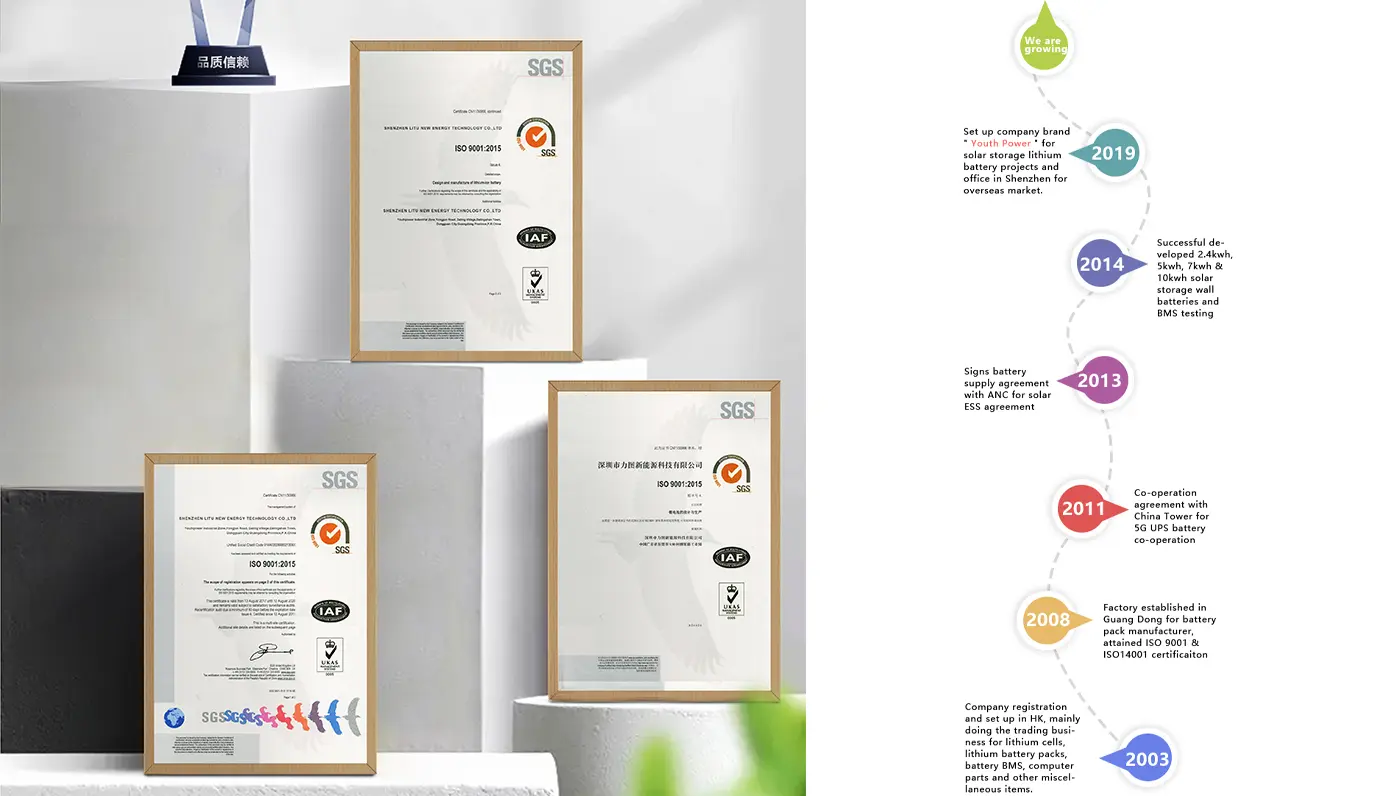
Founded in 2003, YouthPOWER has now become one of the leading suppliers of solar storage lithium batteries in the world. With a broad range of energy storage solutions, it covers a series of 24V, 48V and higher voltage lithium batteries solutions.
YouthPOWER has engaged in the battery technology and production for almost 20 years, with abundant manufacturing experience and strong new product R & D capability. Through many years of hard work and market promotion, we have created our own brand "YouthPOWER" in 2019.
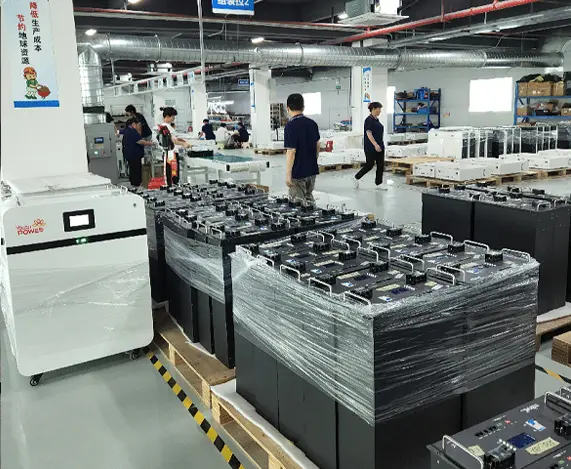
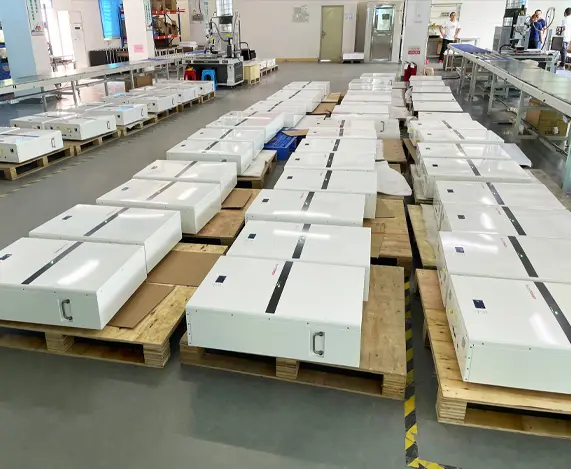
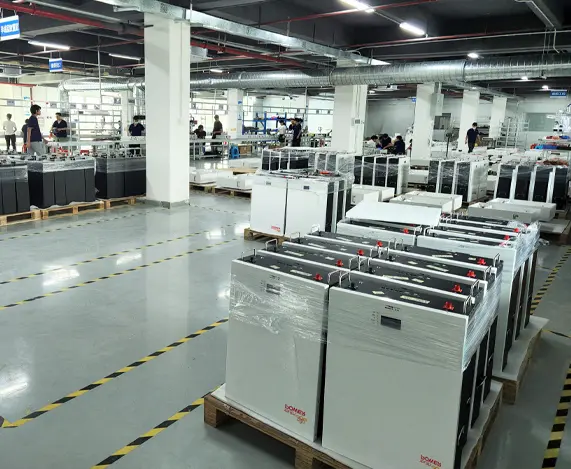
Our state-of-the-art production lines utilize automated assembly setups and robust testing facilities to guarantee every cell integrated into our server backup systems is matched perfectly. By engineering custom energy solutions, we help companies secure zero-latency backup systems for mission-critical equipment.
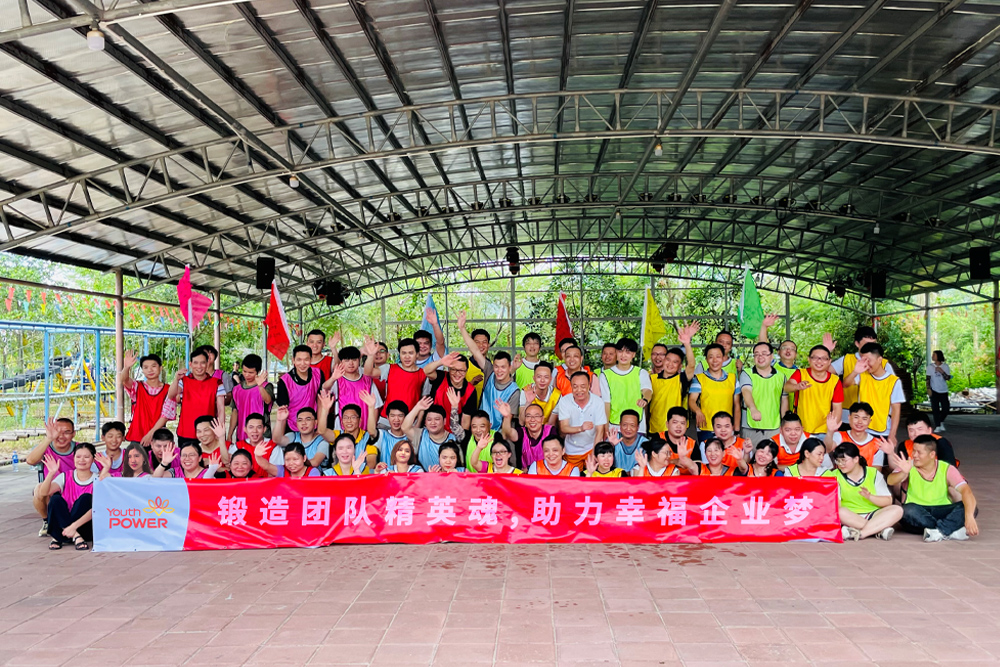
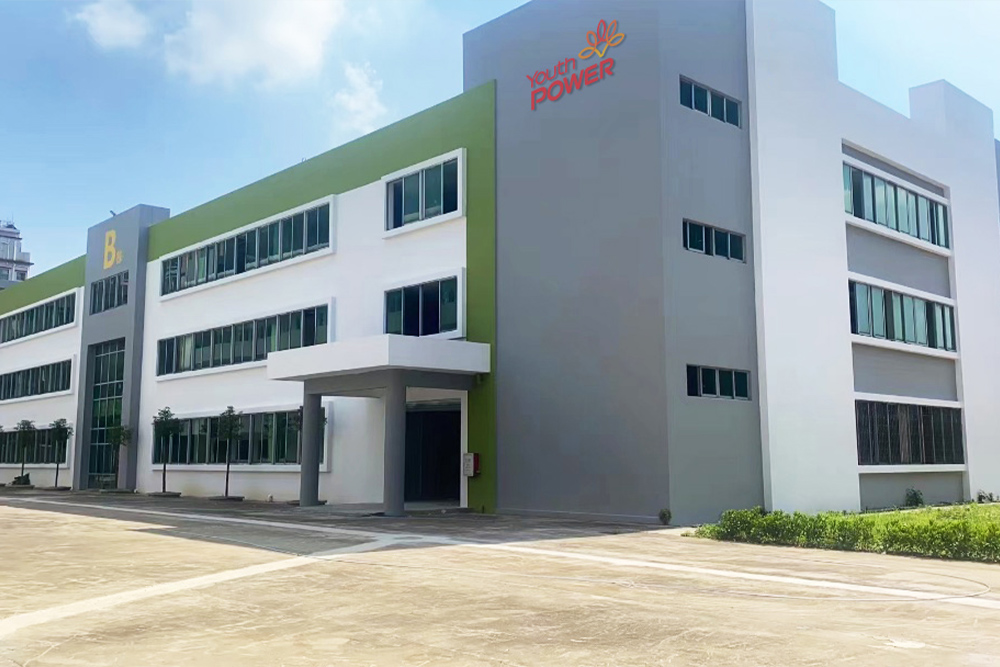
With nearly 20 years’ experience in the battery industry, we have the capability to provide you with both the products you need and the most suitable products you want. We are always ready to supply the first-class products and meet the various needs of the customers.
We have established good business relationships with our customers from all over the world. And we have a good cooperation with all our customers as well for many years running. Supported by our local vendors of raw materials, we can certainly offer you the best prices.
We are so proud that YouthPOWER has offered the reliable solar storage solution for over 1,000,000 families now in the world. Our global deployment scales from domestic off-grid solutions to high-capacity commercial server arrays and localized power hubs.
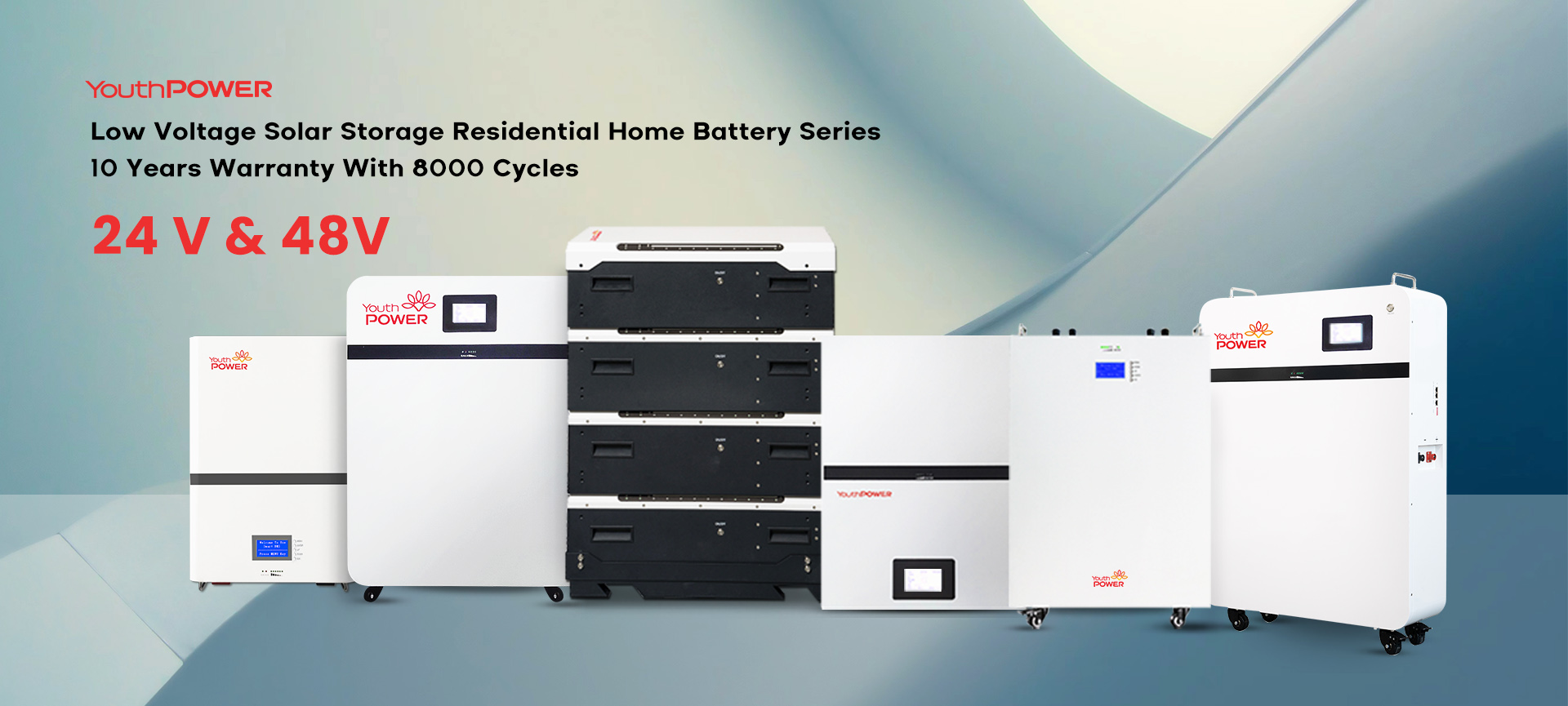
Selecting the correct server backup voltage profile is a critical design requirement for enterprise datacenters. Low voltage (48V / 51.2V) configurations are standard for isolated racks and small server closets, while high voltage systems (spanning 400V to over 600V) are optimal for large-scale microgrids and megawatt data facilities.
| Specification Metric | Low Voltage Systems (e.g. 51.2V 200Ah) | High Voltage Systems (e.g. 614V BESS) | Enterprise Advantage |
|---|---|---|---|
| Nominal System Voltage | 48V to 51.2V | 409V to 656V | High Voltage lowers installation current and cable costs. |
| Thermal Losses (I²R) | Moderate to High | Extremely Low | HV arrays reduce heat buildup, improving cooling efficiency. |
| Expansion Method | Parallel Rack Modules | Series / Stackable Cabinets | Stacking scales capability for larger commercial loads. |
| Interconnect Cost | High (thick copper busbars required) | Low (standard thinner wiring works) | Saves overall material expenses on long rack rows. |
| Ideal Deployment | Single rack servers, local telecom towers | Centralized Enterprise Data Centers | Configures modular capacity matching load requirements. |
The global distribution of energy storage equipment relies heavily on China’s manufacturing ecosystem. For international procurement managers looking to source high-reliability server backup setups, buying direct from Chinese manufacturers like YouthPOWER offers distinct economic and logistical benefits:
Raw Material Integration: Chinese factories benefit from close proximity to the world's most advanced lithium processing operations and cathode manufacturing hubs. This minimizes shipping overheads on raw components, leading to lower per-kilowatt-hour (kWh) costs.
Component Assembly Ecosystem: Having access to local vendor markets for sheet metal cabinets, custom smart BMS systems, and precision cooling arrays allows for rapid prototyping, agile customization, and rapid lead times.
Uncompromising Quality Standards: High production volume translates to automated manufacturing lines, stringent quality inspection protocols, and consistent cell-matching performance parameters.
By maintaining long-term partnerships with local raw material vendors, YouthPOWER delivers highly competitive factory pricing models. We offer global buyers enterprise-grade server battery backup solutions that balance cost-performance ratios without sacrificing long-term product durability.
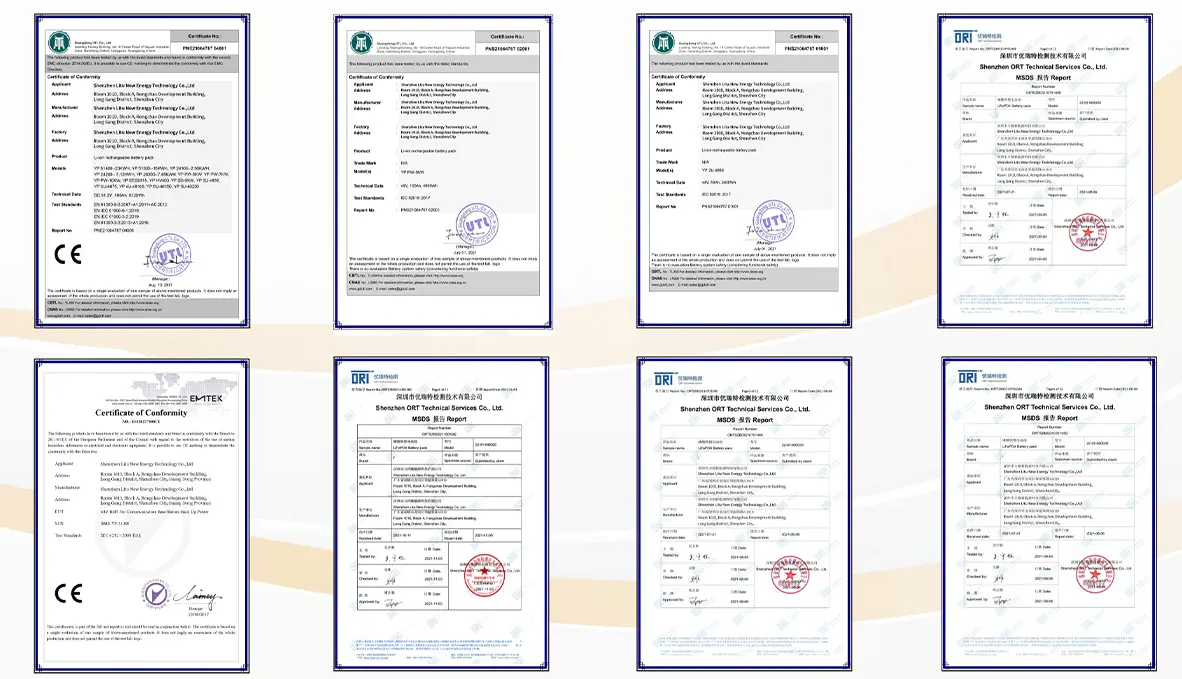
Installing storage equipment into grid networks requires strict compliance with international testing protocols. Depending on the target geographic market, server battery backups must carry certifications proving their stability under electrical faults, seismic events, and thermal stress.
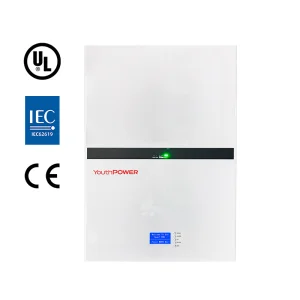
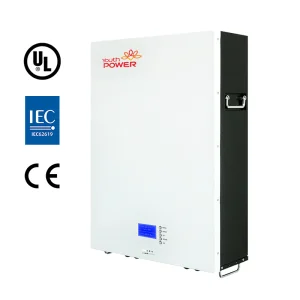
For the North American market, compliance with standards like UL 1973 (for batteries used in stationary applications) and UL 9540A (evaluating thermal runaway fire propagation) is critical for commercial building permits. For European deployments, systems must carry CE markers and adhere to IEC 62619 guidelines, which test safe operations under extreme vibration, drop hazards, overcharging conditions, and short circuits.
Furthermore, clean communication between the battery pack BMS and local energy management architectures (such as Modbus TCP/IP, CAN, or SNMP) is required. This integration allows building management systems to automatically trigger site isolation protocols during anomalies, safeguarding human life and costly server assets.
Since our entry into the energy storage market in 2003, YouthPOWER has consistently advanced through innovation and close industry collaboration. From manufacturing standard batteries to developing high-density, high-voltage intelligent cabinets, our trajectory mirrors the progress of global lithium storage technology.
Technical answers to help engineers and procurement teams select and configure server battery backup systems.
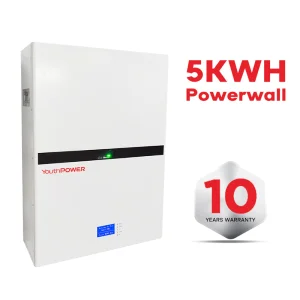
High-capacity commercial battery backup systems, Powerwalls, and cabinet solutions for global enterprises.
 YouthPOWER