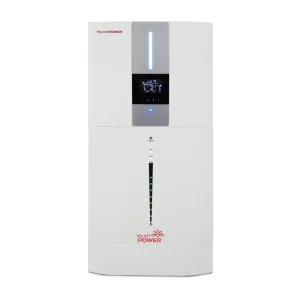
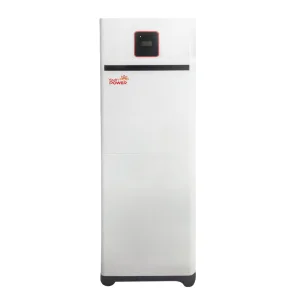
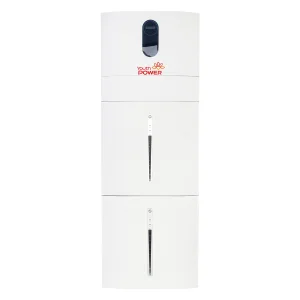
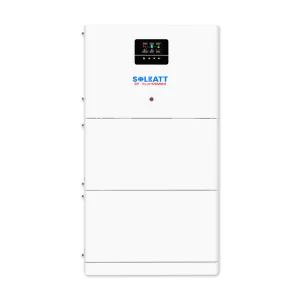
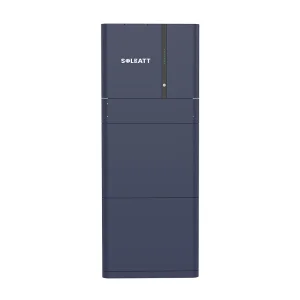
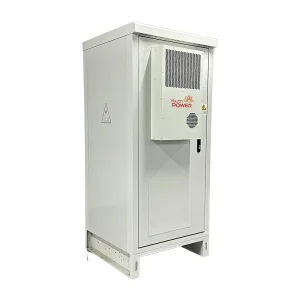
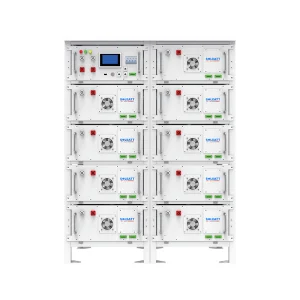
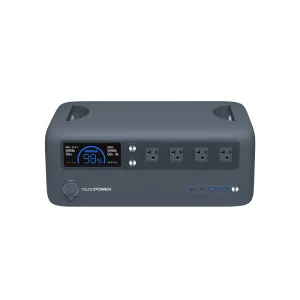
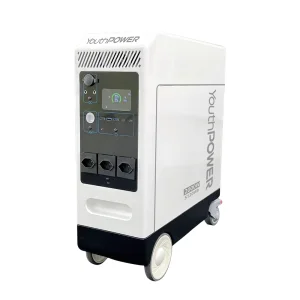
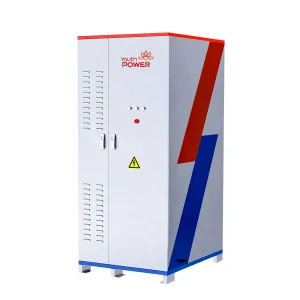
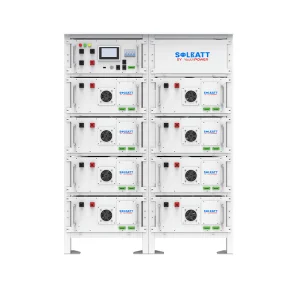
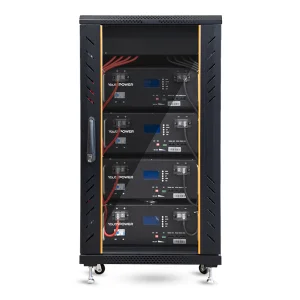
Premium all-in-one residential energy storage units certified and optimized for Net Billing implementation across mainland Greece and Aegean islands.
Greece is undergoing a profound structural shift in its energy landscape. Driven by the National Energy and Climate Plan (NECP), the Hellenic Republic is aiming to deploy more than 8 GW of storage systems and boost the share of renewables in electricity generation to over 80% by 2030. In this environment, dynamic tariff structures, the transition from traditional Net Metering to Net Billing, and the high dependence on diesel generation in non-interconnected islands (NIIs) have made reliable, high-performance inverter batteries the cornerstone of local energy security.
As a leading global inverter battery manufacturer, YouthPOWER supplies state-of-the-art LiFePO4 (Lithium Iron Phosphate) technologies designed to withstand high operating temperatures, offer outstanding cycle lifetimes, and interface seamlessly with local grid configurations. Whether deployed in industrial plants in Attica, agricultural cooperatives in Thessaly, or off-grid resorts in the Cyclades, our systems ensure grid compliance, maximum self-consumption, and high power reliability.
Mediterranean climates present distinct challenges to lithium batteries. High ambient temperatures during summer months (often exceeding 40°C in Central Greece and the Peloponnese) can accelerate battery degradation and trigger thermal runaway in substandard systems. YouthPOWER utilizes high-density Grade-A LiFePO4 chemistry with integrated aerosol fire suppression and advanced smart thermal management systems. This configuration ensures peak performance up to 55°C without compromising the 6,000-cycle life expectancy.
The Greek commercial sector is experiencing high grid tariffs and power quality issues in industrial zones. Companies are turning to Commercial and Industrial Battery Energy Storage Systems (BESS) for load leveling, peak shaving, and backup power during grid disturbances.
With the Greek Regulatory Authority for Energy, Waste and Water (RAEWW) executing grid-connection limitations, behind-the-meter storage systems have become highly valuable. A standard 100kWh or 215kWh commercial storage solution allows factories to capture solar energy produced during peak GHI (Global Horizontal Irradiation) hours and utilize it during high-tariff evening windows, significantly lowering the Levelized Cost of Storage (LCOS).
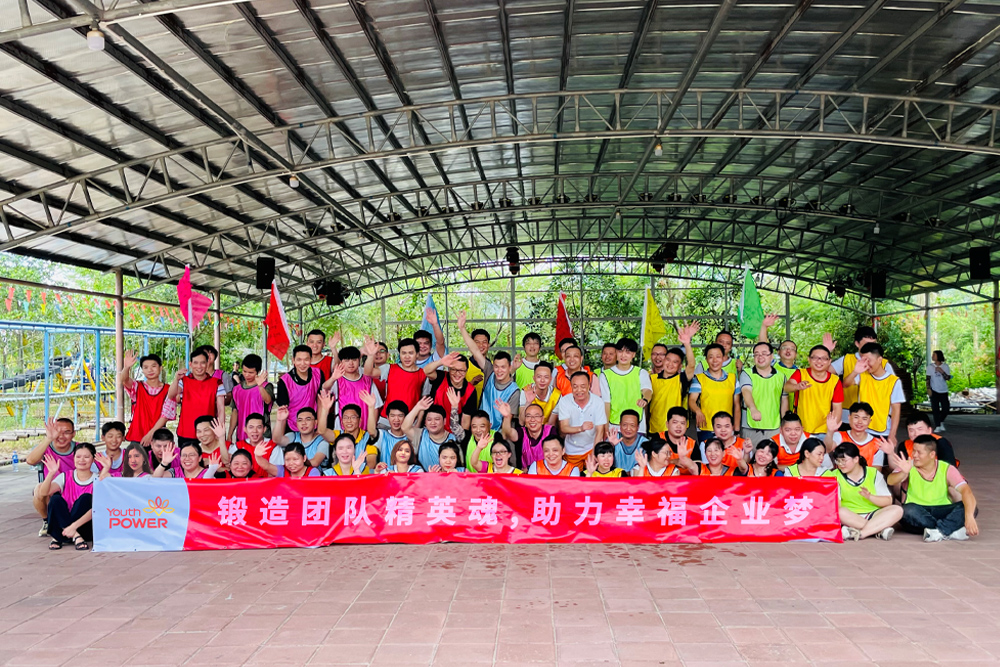
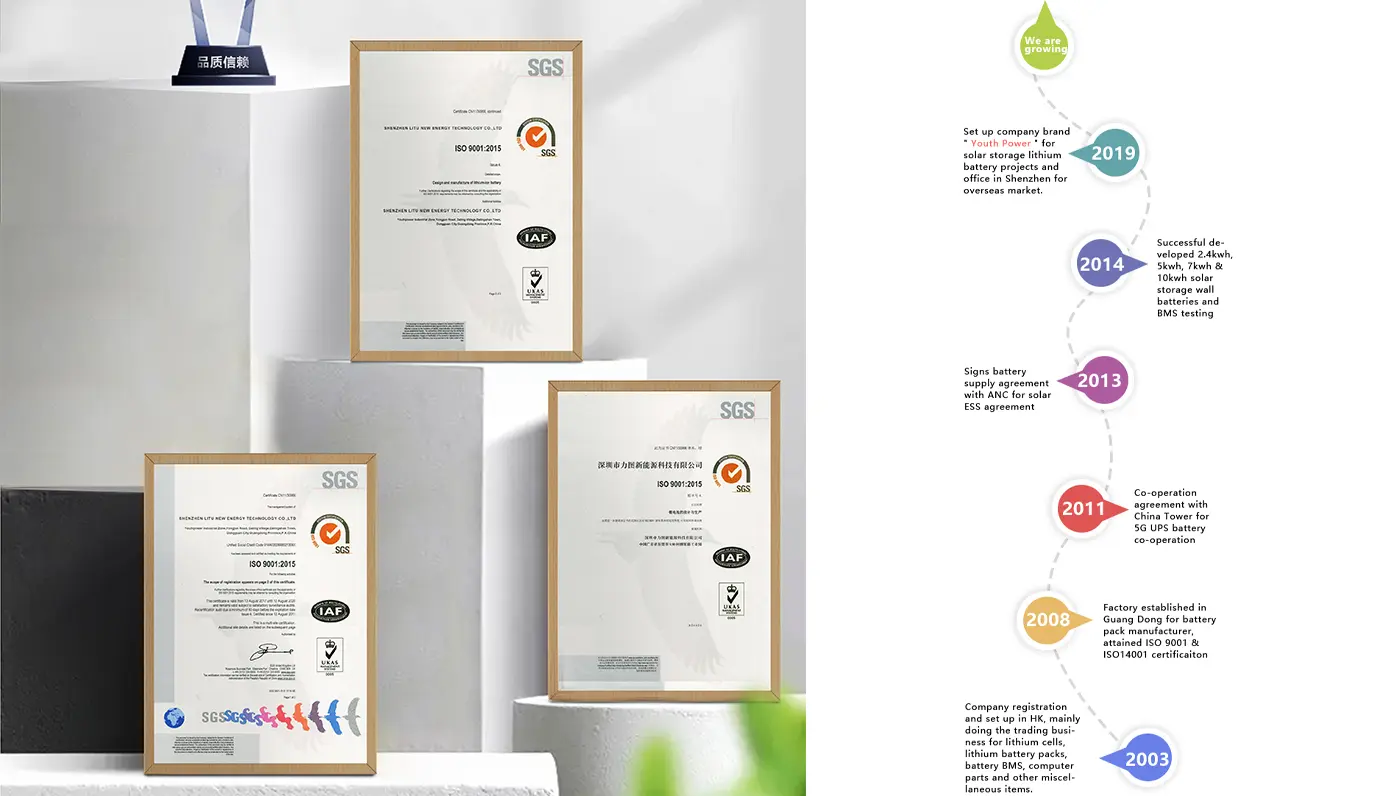
Founded in 2003, YouthPOWER has established itself as a leading global developer and manufacturer of solar storage lithium batteries. Our history spans nearly two decades of research, engineering, and manufacturing refinement. We have built strong partnerships across the globe and brought reliable energy storage options to over 1,000,000 families worldwide.
Our deep technical expertise allows us to offer optimized solutions covering 24V, 48V, and high-voltage rack systems. Supported by our reliable local vendors of raw materials, we provide cost-effective Tier-1 quality systems. We control the complete lifecycle of our products, ensuring that every cell meets rigorous safety and performance guidelines.
In 2019, we introduced our primary brand, "YouthPOWER," focusing on high-density residential and commercial lithium battery modules integrated with hybrid inverters. This vertical integration guarantees compatibility, reduces field commissioning times, and ensures a dependable single point of contact for system warranty.
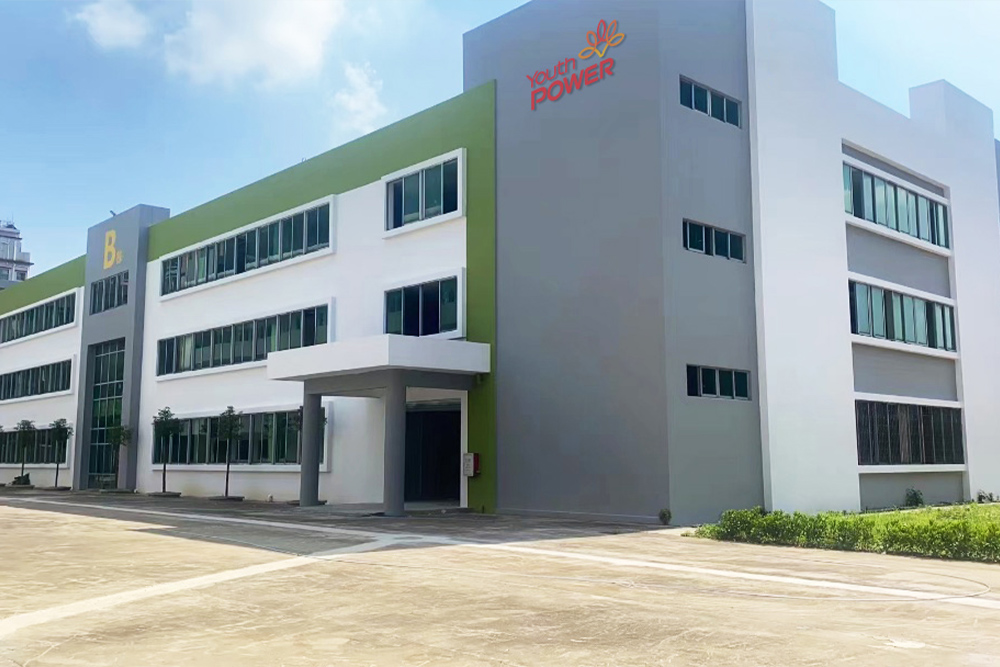
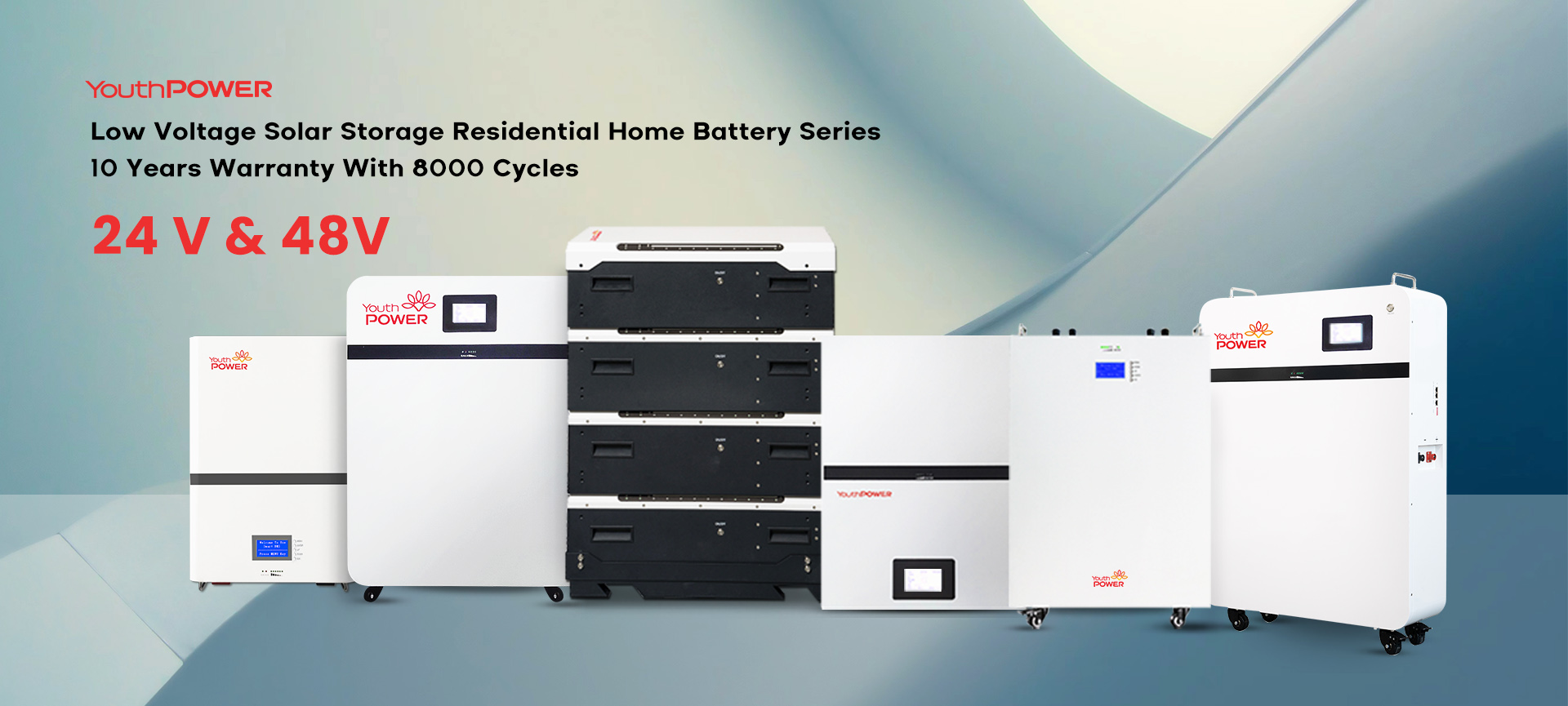
Equipped with advanced automated assembly lines, our cleanroom manufacturing facility ensures cell consistency, optimal thermal spacing, and high-standard electrical insulation. By focusing on smart BMS design, our batteries support multiple communication protocols (CAN, RS485, RS232) to communicate with major European inverter brands such as Victron Energy, SMA, Growatt, Deye, and Solis.
We continue to invest in testing facilities where batteries undergo lifecycle simulations, thermal chambers, and mechanical impact tests. Our systems are engineered to withstand the demanding load profiles of remote island microgrids and heavy industrial operations.
Our global reach is built on strong long-term relationships with EPC contractors, energy project developers, and regional distributors. We support our customers through every phase of project execution—from system sizing and engineering simulations to grid-connection application preparation and commissioning.
With regional warehousing hubs and specialized logistics partners, we offer flexible shipping options, including door-to-door delivery with cleared custom duties (DDP) for commercial projects within the European Union.
One of the primary failure points in multi-vendor energy storage installations is communication mismatch between the battery management system (BMS) and the power conversion system (PCS) or hybrid inverter. YouthPOWER addresses this by offering native plug-and-play integration. Our firmware includes pre-configured protocol profiles that auto-detect the inverter brand, ensuring safe charging and discharging parameters.
In the Greek market, where dynamic grid curtailment is common, the integration of smart energy management systems (EMS) is required. Our systems support Modbus TCP/IP, allowing remote dispatch centers and virtual power plants (VPPs) to control battery states of charge, set scheduling windows, and adjust frequency response functions in real time.
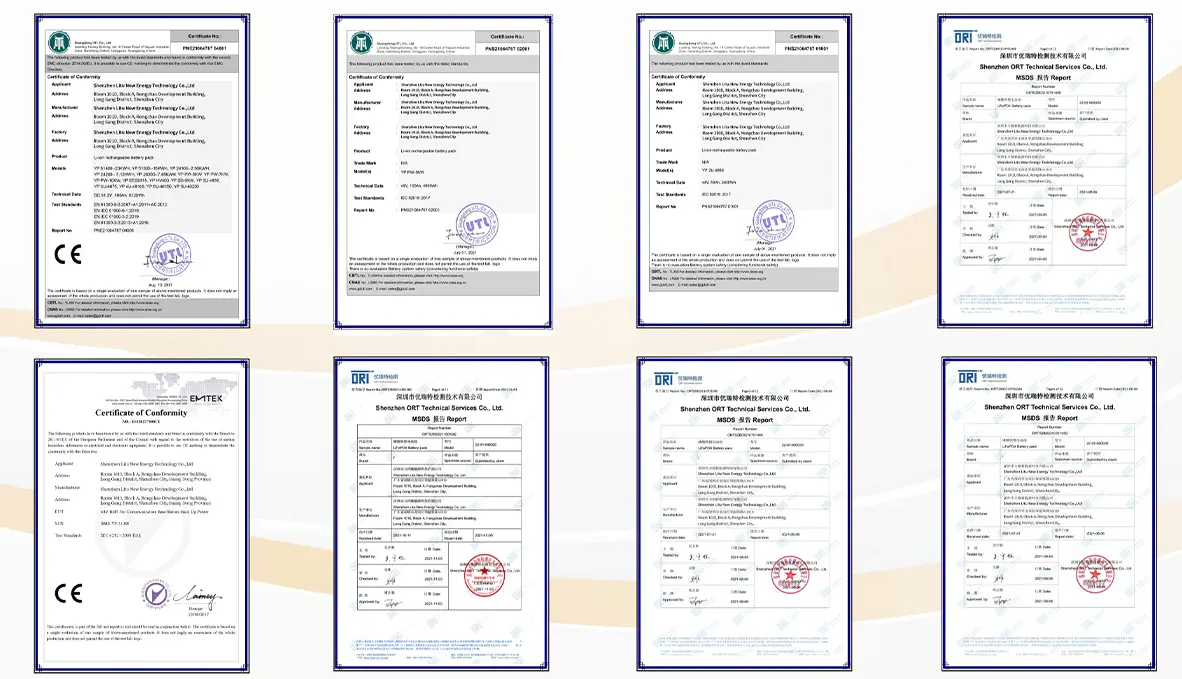
Installing storage systems in Greece requires compliance with European Standard EN 50549-1/2 and HEDNO grid code guidelines. Our high-voltage battery cabinets and commercial units are fully certified for under-voltage ride-through (UVRT), active frequency control, and reactive power compensation, making the local approvals process fast and secure.
Providing the technology required for highly reliable energy storage systems in residential, agricultural, and industrial applications.
Maximizing financial returns under the Greek Net Billing framework through high round-trip efficiency (>95%) and extended cycle life.
Specifically engineered air-channel and liquid-cooling designs that prevent heat build-up during intense summer operation in Greece.
Flexible cabinet designs that can scale from 51.2V rack modules to multi-megawatt high-voltage centralized energy storage container setups.
Every battery pack shipped from YouthPOWER's manufacturing facilities meets international safety guidelines. We utilize reliable sea and land logistics links to deliver fully customized battery systems to ports like Piraeus and Thessaloniki.
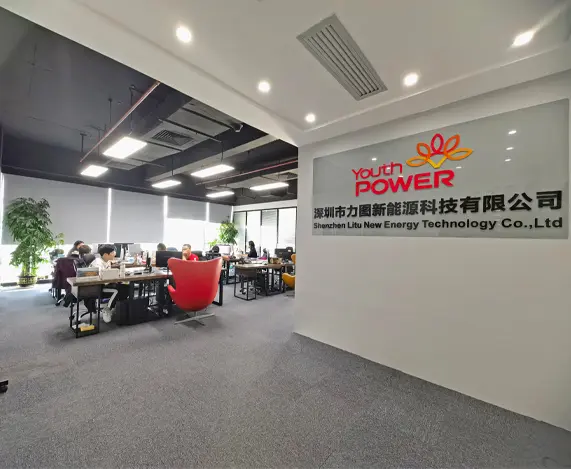
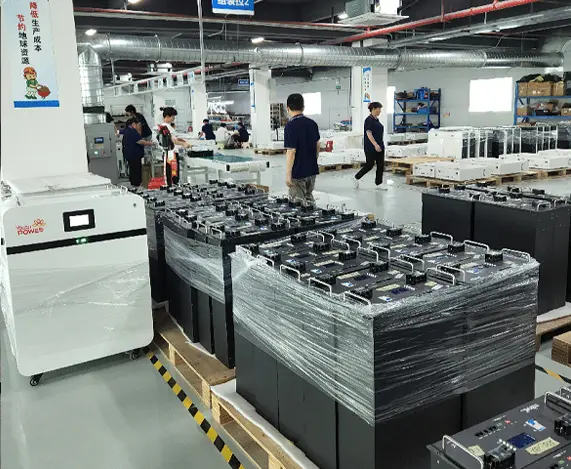
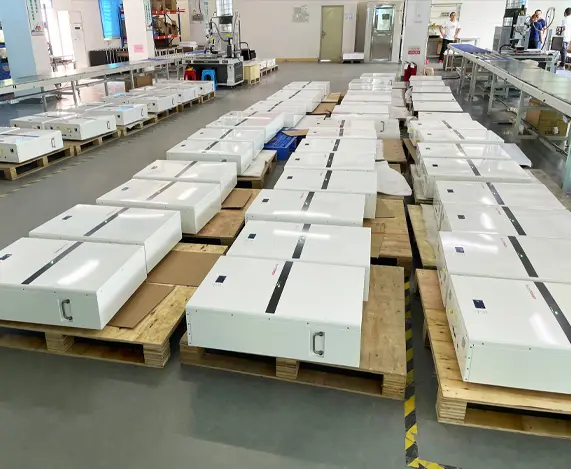
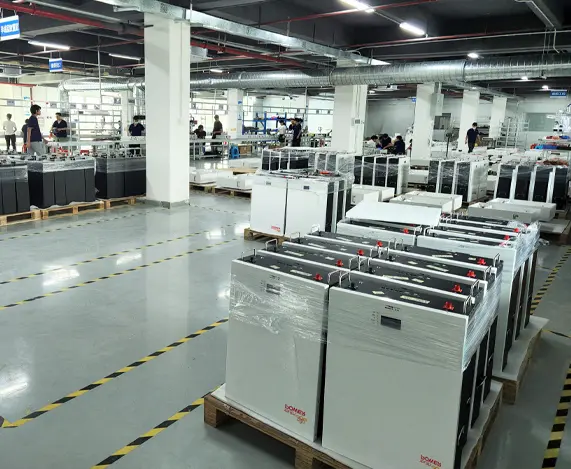
Technical and regulatory queries answered by YouthPOWER's core engineering group.
Heavy-duty, high-voltage battery racks, outdoor powerbox enclosures, and smart grid storage solutions for agricultural cooperatives and industrial clients.
 YouthPOWER