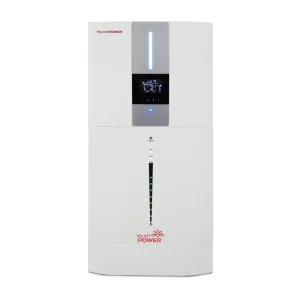
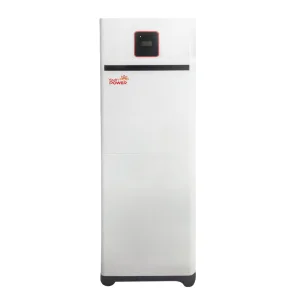
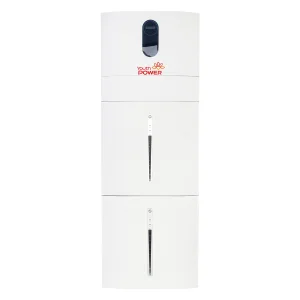
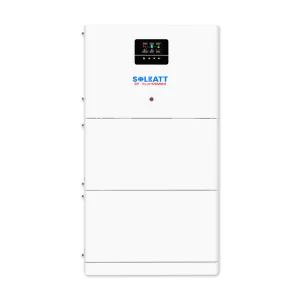
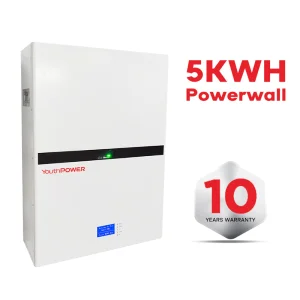
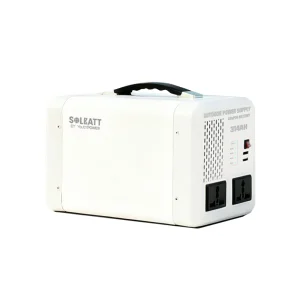
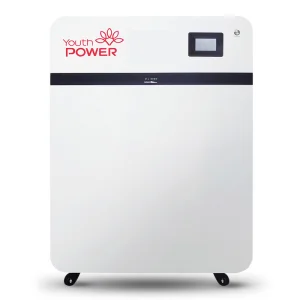
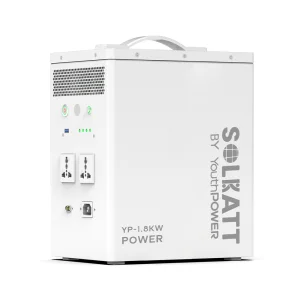
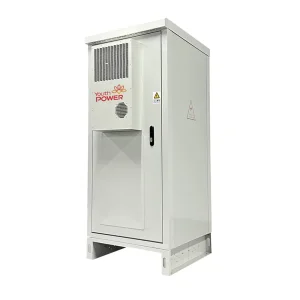
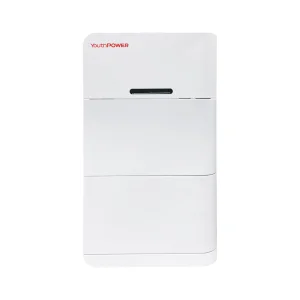
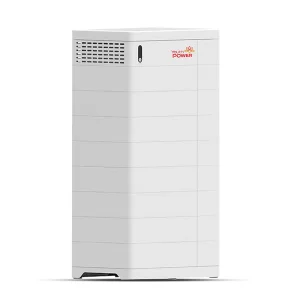
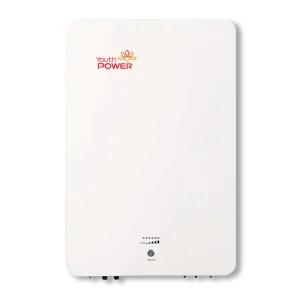
Engineered for seamless integration with rooftop solar installations, providing optimized backup during peak temperatures.
Understanding the shifting regulatory landscape, climate demands, and economic variables governing battery storage in the GCC.
The United Arab Emirates is aggressively pivoting its power generation profiles under the UAE Net Zero by 2050 Strategic Initiative. Historically dependent on natural gas, sectors spanning residential real estate, agriculture, and industrial manufacturing are moving toward microgrid solar models coupled with battery energy storage systems (BESS). In cities like Dubai and Abu Dhabi, decentralized solar storage serves a dual role: offsetting steep peak-tariff structures from utilities like DEWA (Dubai Electricity and Water Authority) and ADDC, and securing critical power continuity against grid strains induced by HVAC overloads during summer.
For large-scale agricultural enterprises in the Al Ain desert region or high-consumption logistics hubs within Jebel Ali Free Zone (JAFZA), localized inverter battery storage is no longer a luxury. Modern off-grid structures require high-performance Lithium Iron Phosphate (LiFePO4) storage chemistry capable of withstanding ambient environment extremes without suffering from accelerated degradation or thermal runaway.
Designing energy storage systems for the Middle East demands engineering tolerances fundamentally different from those deployed in Europe or East Asia. When ambient temperatures surpass 50°C, typical domestic batteries require aggressive active air conditioning, directly reducing round-trip efficiency (RTE). Inverter systems must be rated for high-ambient operations, incorporating derating protection algorithms to prevent thermal trip-outs.
Our custom LFP cell integration features robust multi-layered active thermal management, using dynamic phase change materials (PCM) alongside intelligent heat-sink distribution to ensure long-term cycle reliability (up to 6,000 cycles at 80% Depth of Discharge).
Pioneering high-voltage and low-voltage lithium battery solutions for industrial and residential applications worldwide since 2003.
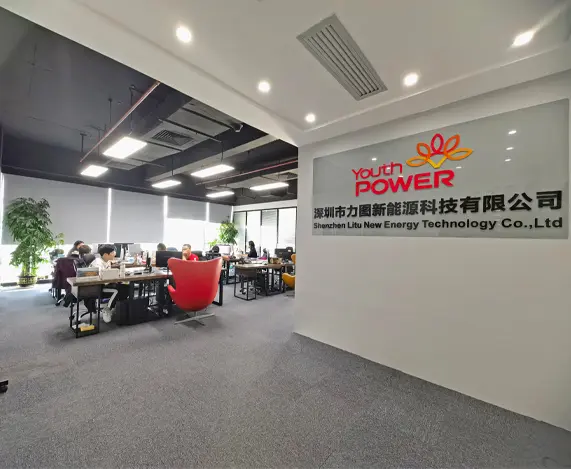
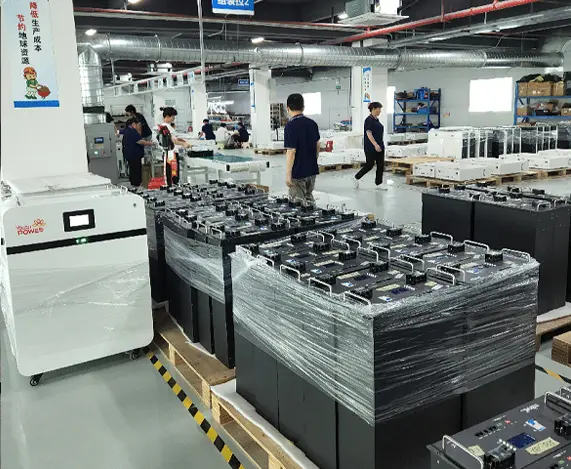
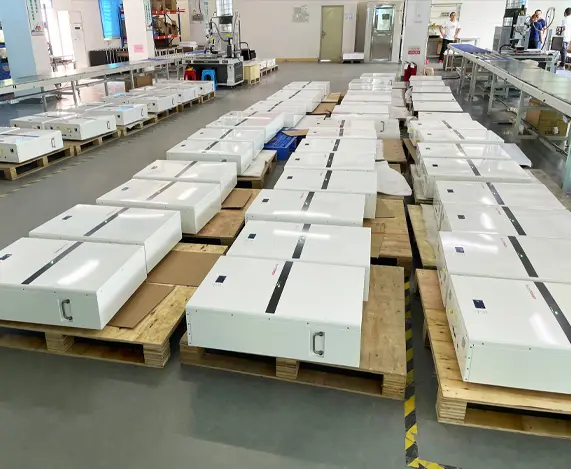
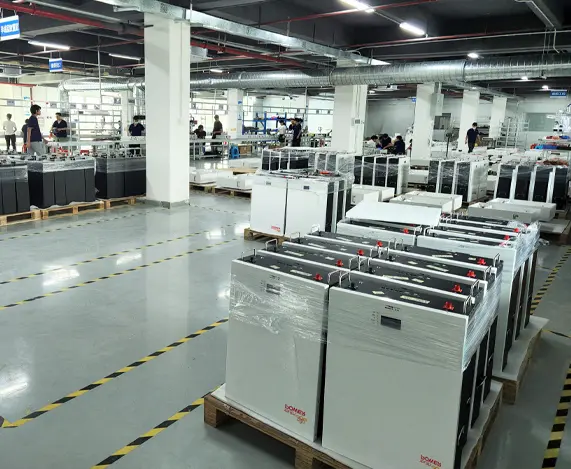
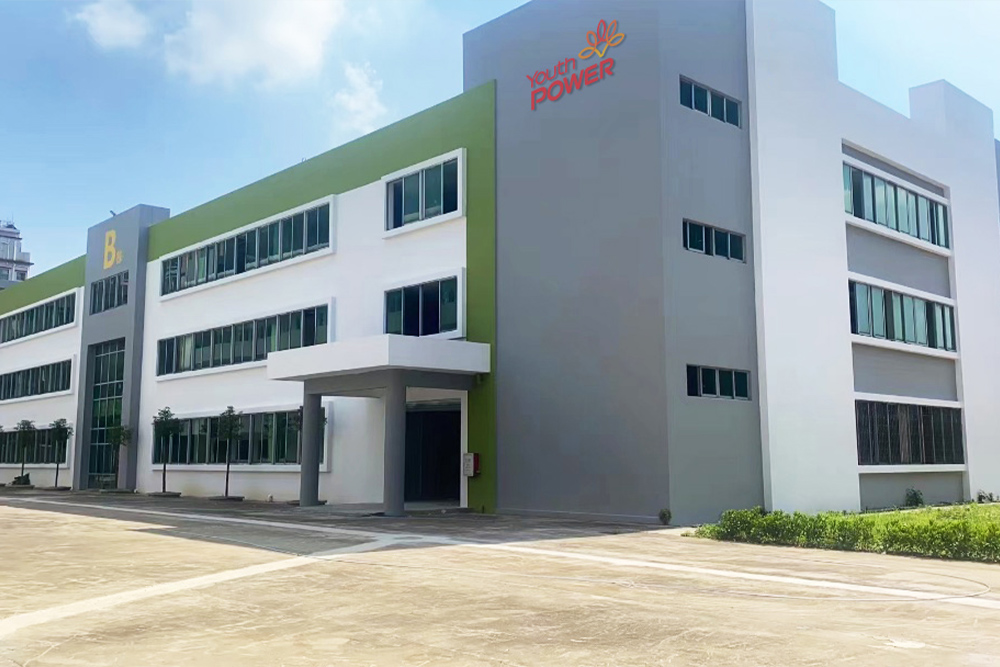
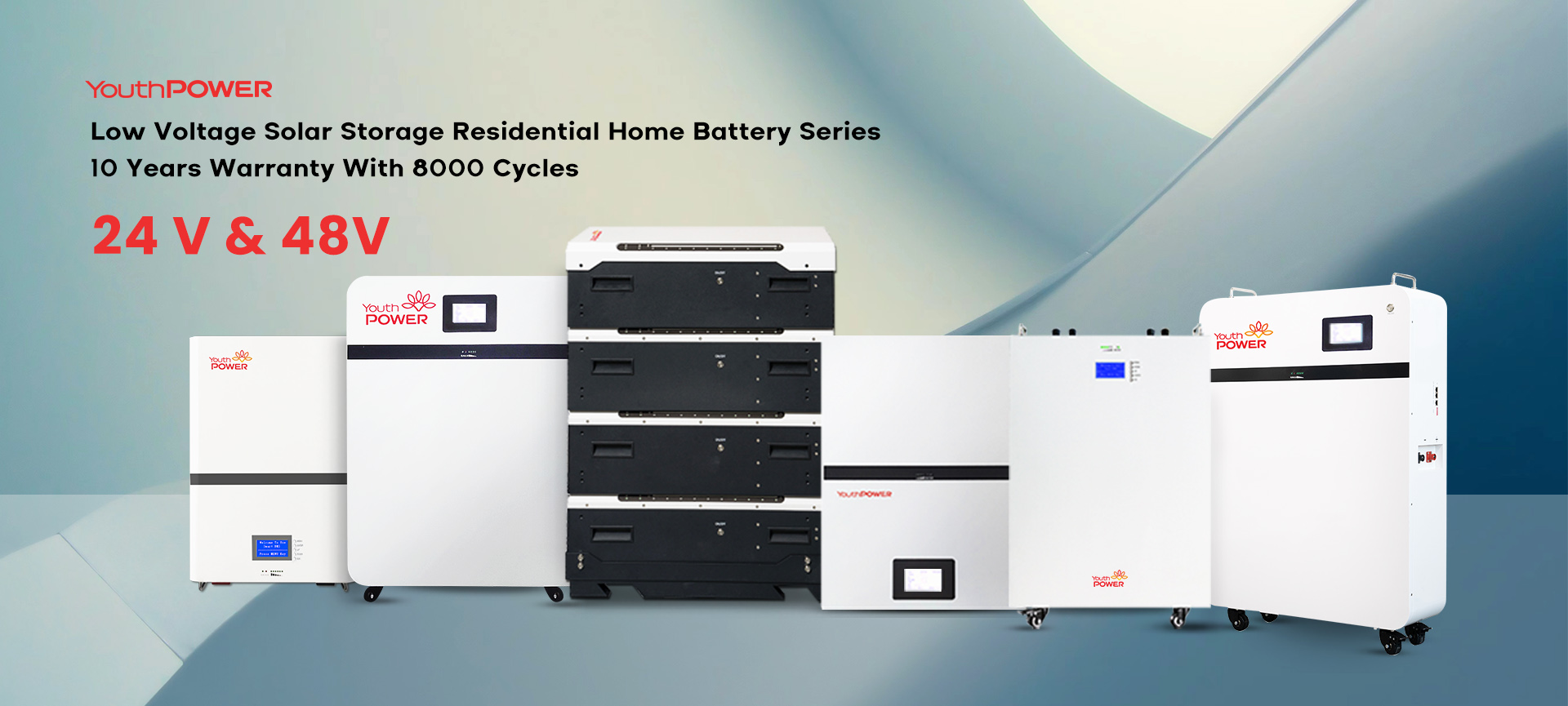
Founded in 2003, YouthPOWER has now become one of the leading suppliers of solar storage lithium batteries in the world. With a broad range of energy storage solutions, it covers a series of 24V, 48V, and higher voltage lithium batteries solutions. With nearly 20 years’ experience in the battery industry, we have the capability to provide you with both the products you need and the most suitable products you want. We are always ready to supply the first-class products and meet the various needs of the customers.
We have established good business relationships with our customers from all over the world. And we have a good cooperation with all our customers as well for many years running. Supported by our local vendors of raw materials, we can certainly offer you the best factory prices. We are so proud that YouthPOWER has offered reliable solar storage solutions for over 1,000,000 families now in the world.
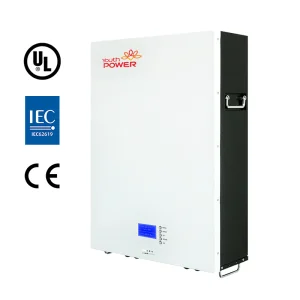
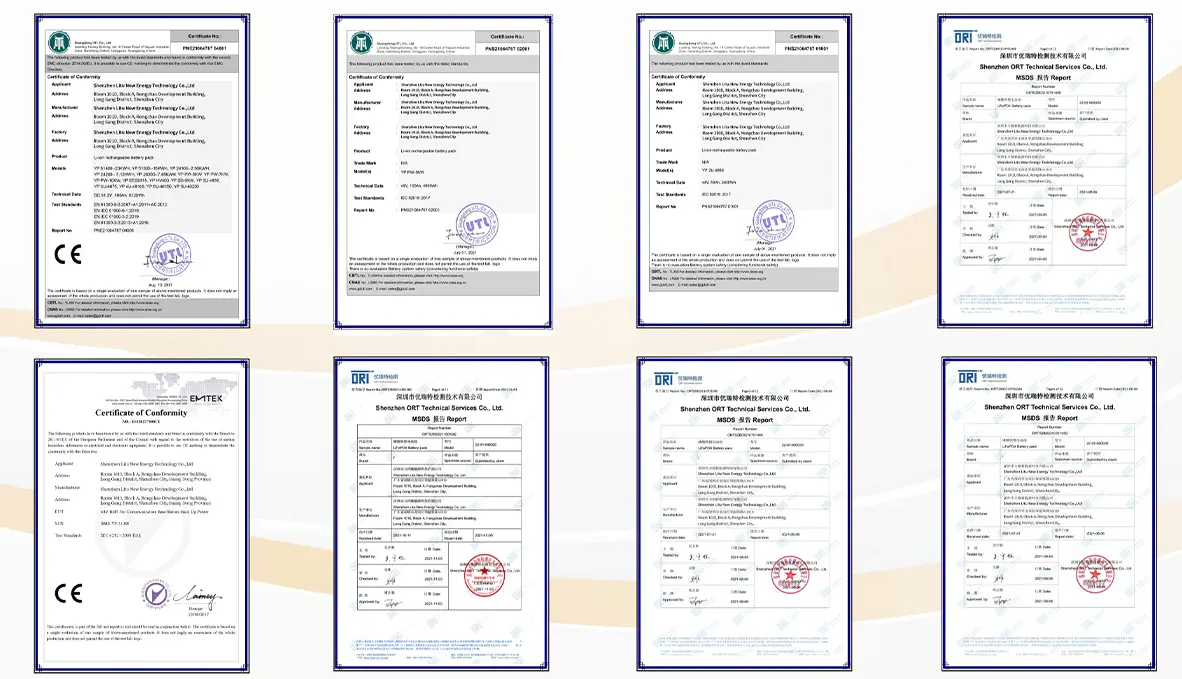
From initial design phases to continuous quality checks, YouthPOWER products satisfy the stringent fire safety, thermal containment, and smart connectivity requirements specified by standard organizations including UL, CE, UN38.3, and IEC.
A data-driven breakdown of capital expenditures, operation costs, and localized logistics driving solar storage prices.
Pricing for solar storage setups in the GCC region depends on a range of factors: raw cell chem dynamics, system-level safety compliance, localized import logistics, and warranty-backed local support structures. In Dubai and Abu Dhabi, average market prices vary according to system architectures:
While Lead-Acid battery technologies present a lower initial capital expenditure, their restricted life cycles (500 to 1,500 cycles at only 50% depth of discharge) in the hot Middle Eastern climate translate to continuous replacement cycles. High-grade LiFePO4 structures provide a significantly lower Levelized Cost of Storage (LCOS). Over a typical 10-year span, LiFePO4 cells maintain over 80% state of health, delivering superior operational cost savings.
| Parameters | Lead-Acid Systems | YouthPOWER LiFePO4 ESS |
|---|---|---|
| Operating Life in UAE | 2 - 3 Years | 10+ Years (6000 Cycles) | Depth of Discharge (DoD) | 50% Max Recommendation | Up to 90% - 95% |
| Thermals & AC Demand | Extremely Sensitive (Needs continuous AC) | High Tolerance (Integrated BMS active safety) |
| Estimated 10-Yr Cost | High (Requires 3-4 replacements) | Minimal (Single initial investment) |
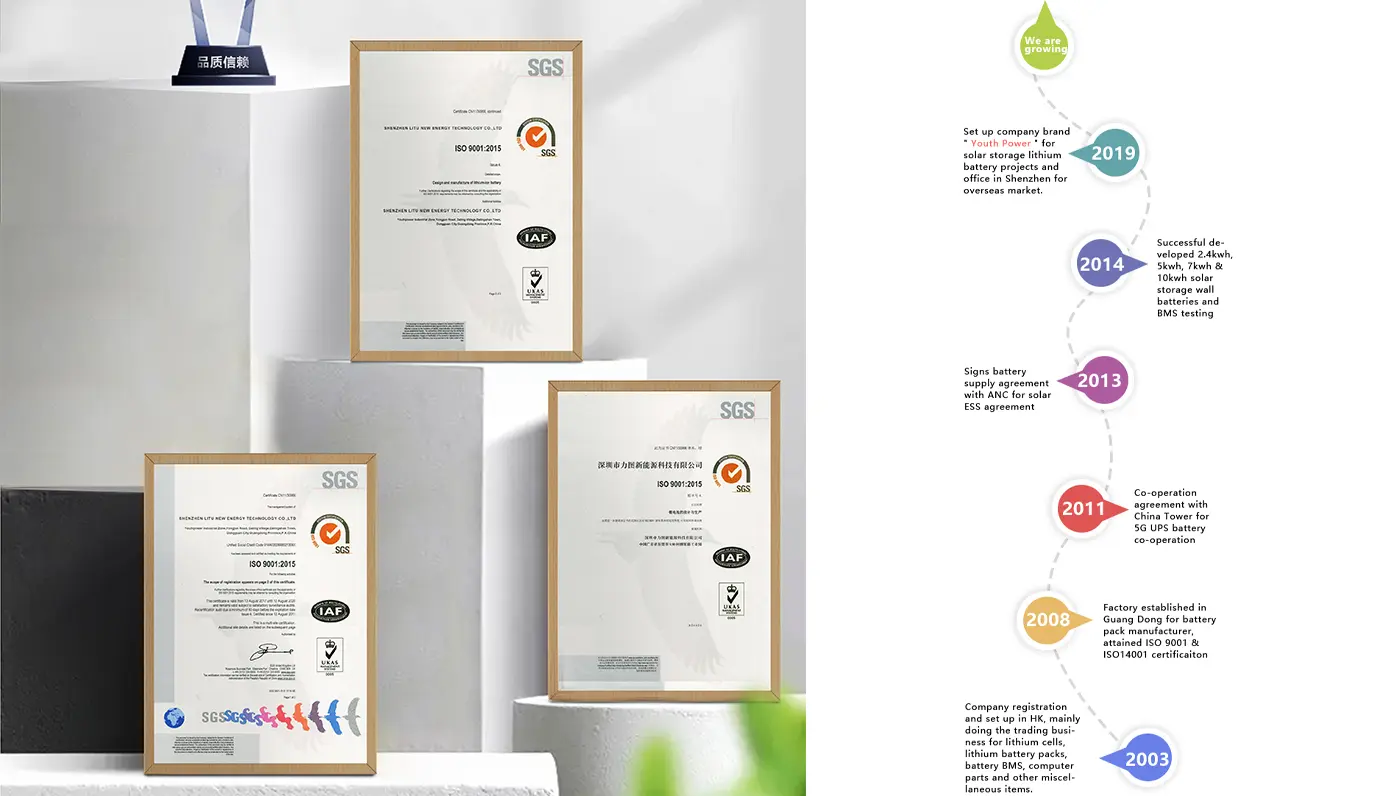
A historical overview of YouthPOWER's engineering milestones, manufacturing expansions, and international partnerships.
We source our raw battery materials from trusted, high-grade manufacturers, allowing us to insulate clients from global pricing shifts while guaranteeing consistent quality.
Our in-house BMS delivers real-time cell balancing, state-of-charge calculation, temperature monitoring, and protection against over-voltage.
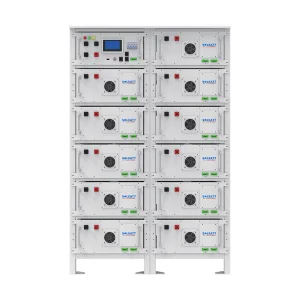
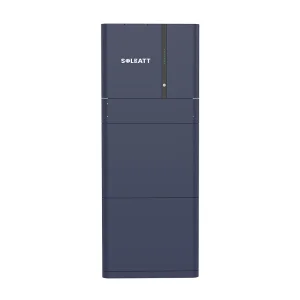
Designed for scalable layouts, our battery systems configure easily into custom commercial cabinets or simple household stackable arrays.
Optimized for microgrids, commercial facilities, emergency infrastructure, and high-voltage grid connections.
From desert off-grid estates to multi-floor urban business parks, our systems offer adaptable, grid-independent reliability.
Integrated seamlessly with rooftop solar systems in areas like Dubai Hills, Emirates Hills, and Saadiyat Island. Provides off-peak charging and critical backup during summer grid constraints.
Perfect for corporate offices, retail complexes, and hospitals requiring uninterrupted power supply (UPS) systems to safeguard transaction servers, operations, and HVAC systems.
Reliable power for remote desert installations, oil & gas exploratory outposts, agricultural farms, and telecom towers, replacing traditional diesel generators.
Explore our engineering product line designed for Middle Eastern smart grids and residential electrification projects.
Safeguarding solar investments through industry safety standards and local grid connectivity certifications.
For solar storage installations in Dubai or Abu Dhabi to connect to the municipal grid, compliance with local utility regulations is mandatory. Under the Shams Dubai initiative, grid-connected solar storage must pass testing against strict local requirements, including anti-islanding parameters, harmonic distortion limits, and reactive power control. Our high-voltage inverter battery designs are engineered to interface smoothly with grid requirements, easing the approval process with local municipalities.
In Abu Dhabi, compliance with the Department of Energy (DoE) standards ensures our systems are suitable for local high-temperature grid connections and meet local commercial fire safety guidelines.
Safety is a priority when installing high-capacity lithium-ion batteries in hot climates. YouthPOWER systems are tested against international standards:
Expert answers addressing pricing, temperature tolerances, battery life, and installation parameters in the Gulf region.
For residential systems (5kWh to 10kWh), prices generally range from $1,500 to $4,500, depending on the integration type (modular stackable vs. simple wall-mounted). Larger commercial installations (50kWh to 150kWh+) are customized based on project parameters, local grid connections, and cooling requirements. For factory-direct wholesale pricing, contact our sales engineers.
Extreme heat accelerates chemical aging in standard lithium batteries. YouthPOWER systems use premium Lithium Iron Phosphate (LiFePO4) chemistry paired with an advanced Battery Management System (BMS). This setup monitors cell temperatures, manages charge parameters, and utilizes optimized thermal pathways, ensuring a reliable lifespan of up to 6,000 cycles at 80% Depth of Discharge.
Yes, our low-voltage (48V) and high-voltage stackable configurations are designed to interface with major hybrid inverter brands popular in the UAE, including SMA, Victron Energy, Growatt, Deye, and Sunsynk. We offer direct configuration support to ensure seamless communication between components.
Yes, our manufacturing systems conform to IEC 62619, UL 1973, and UN 38.3 standards. These safety certifications are essential for local utility registration and meet GCC fire safety and electrical regulations.
 YouthPOWER