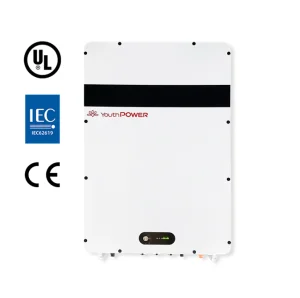
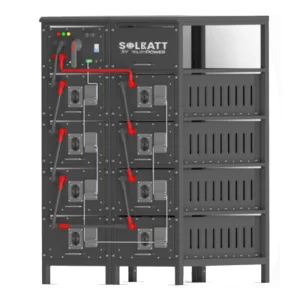
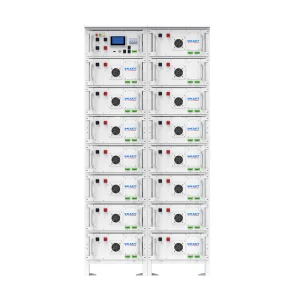
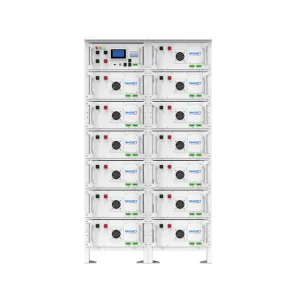
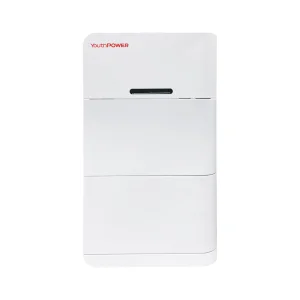
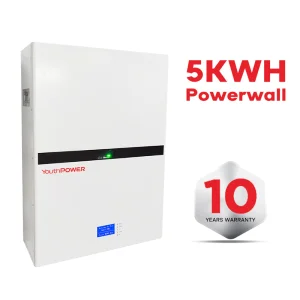
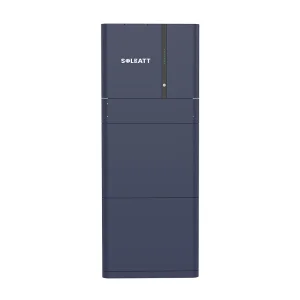
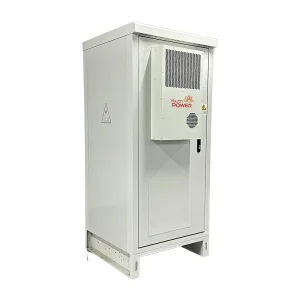
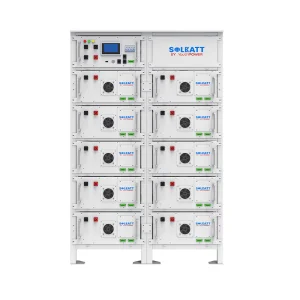
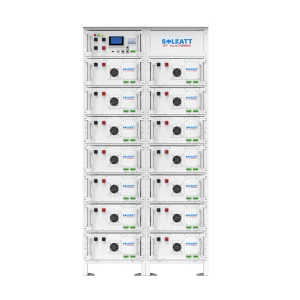
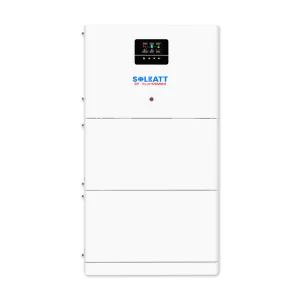
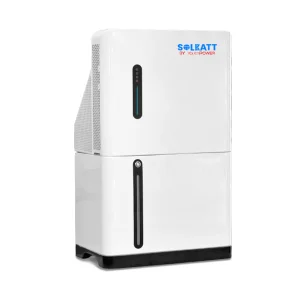
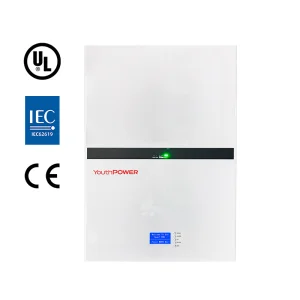
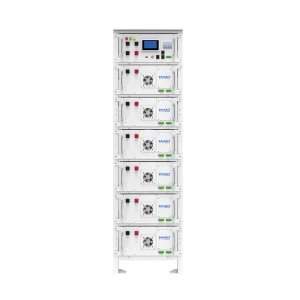
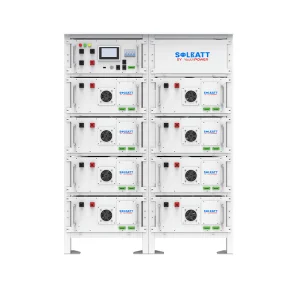
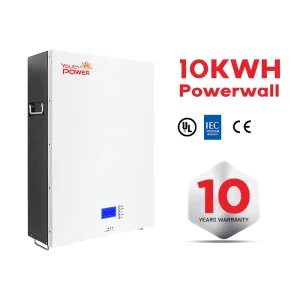
Explore our state-of-the-art scalable systems engineered for high efficiency, durability, and seamless smart grid integration.
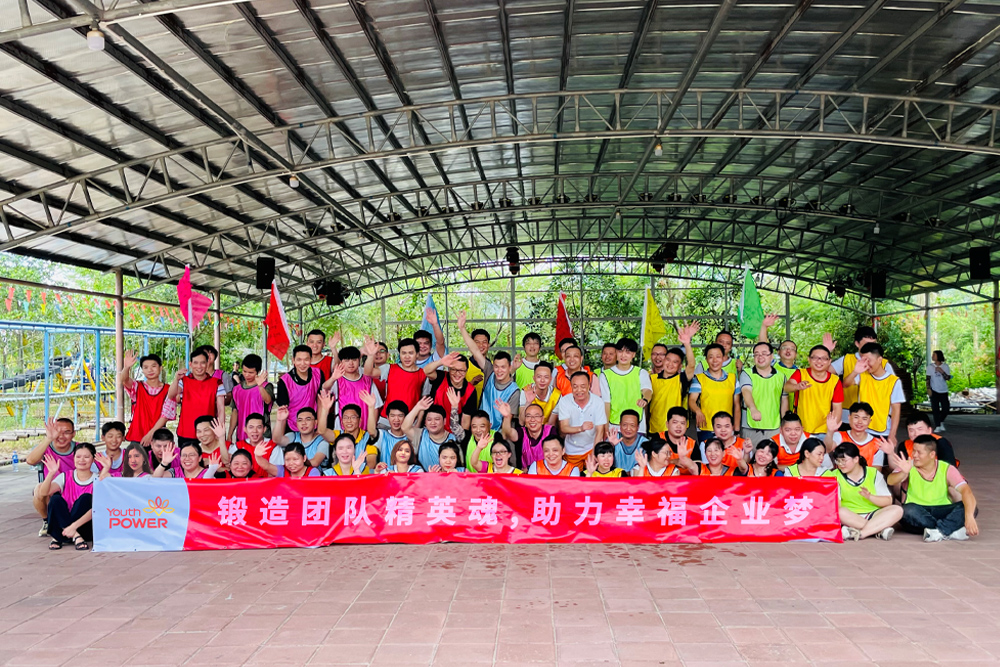
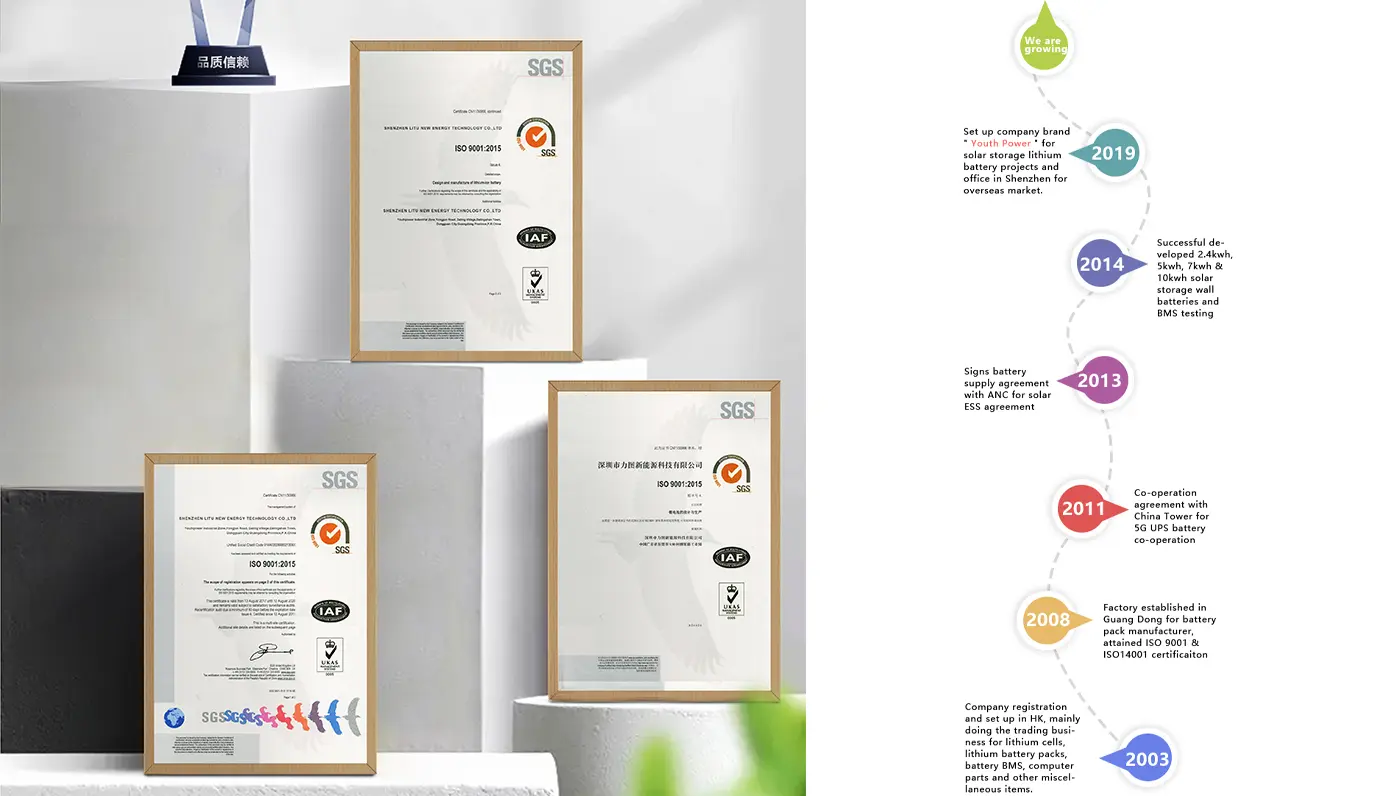
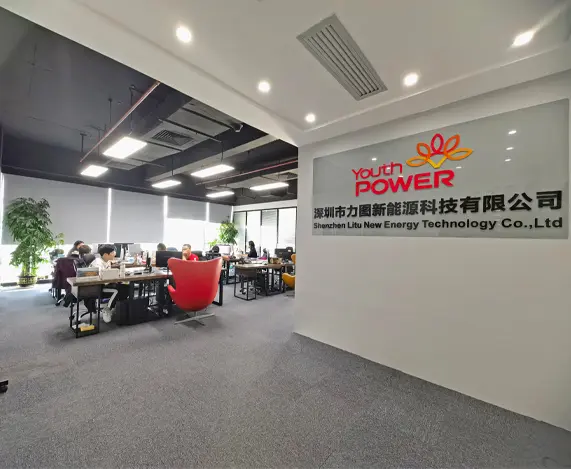
Founded in 2003, YouthPOWER has evolved into one of the world's foremost Tier-1 suppliers of residential, industrial, and commercial solar storage lithium batteries. With a comprehensive research paradigm and extensive manufacturing vertically integrated in China, our technological ecosystem encompasses a broad array of scalable energy solutions. We deliver modular configurations spanning 24V, 48V, and highly engineered high-voltage commercial options (up to 700V+).
With almost 20 years of active production and proprietary R&D in battery pack integration, functional safety, and smart battery management systems (BMS), we built our signature global brand "YouthPOWER" in 2019. Over the past decade, this dedication to quality has allowed us to deliver stable, high-efficiency solar storage configurations to over 1,000,000 families worldwide.
"Our dual focus on industrial structural resilience and integrated battery management topologies ensures that every 20 kWh module we construct optimizes Levelized Cost of Storage (LCOS) and delivers safe energy storage for decades."
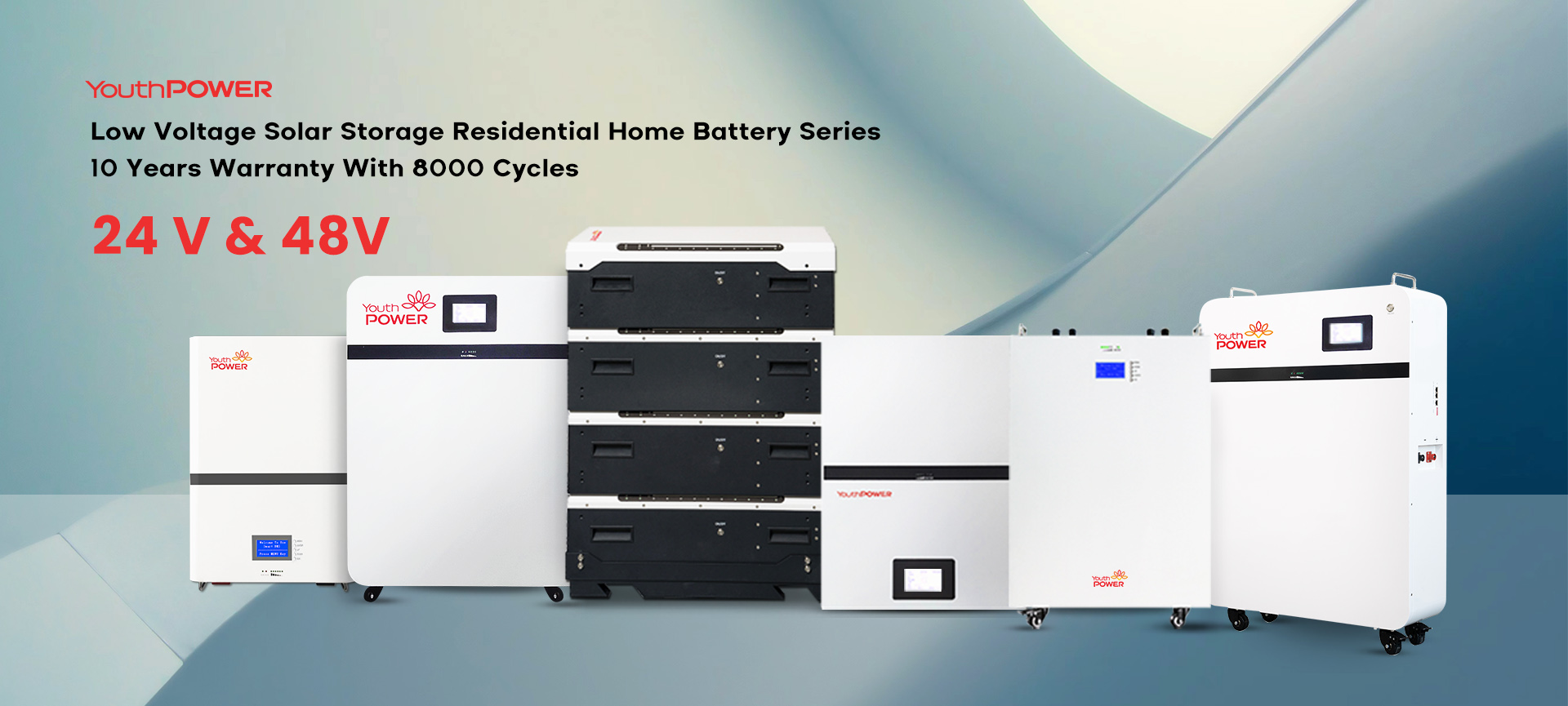
A 20 kWh solar battery is a major investment for both larger residential properties and small-to-medium enterprises (SMEs). When procuring at scale, engineers must determine whether to deploy a Low Voltage (LV - 51.2V nominal) system in parallel or a High Voltage (HV - 200V to 400V+) series-connected stack. Each system architecture exhibits distinct parameters that directly impact energy conversion efficiency, installation complexity, and thermal management.
| Technical Parameter | Low Voltage Architecture (51.2V Parallel) | High Voltage Architecture (Series Stack) |
|---|---|---|
| Module Configuration | 4x 5.12 kWh Packs in parallel configuration | Multiple cells/modules connected in series (up to 400V+) |
| Round-Trip Efficiency | ~92% (higher current conduction losses) | ~97% (minimized DC-DC conversion steps) |
| BMS Complexity | Moderate; requires robust parallel cell balancing | High; advanced cell-by-cell voltage matching required |
| Cable Cross-Section Needed | Thick (e.g., 2/0 AWG to handle currents >200A) | Thin (standard PV wire; currents typically <50A) |
| Expansion Safety | Hot-swapping is safer due to lower voltage | Requires isolation verification and specialist setup |
For high-power applications (such as 3-phase hybrid systems, EV fast charging integration, or heavy machinery backup), High Voltage solutions reduce resistive losses (I²R losses) dramatically. Conversely, for off-grid operations where safety, modular maintenance, and direct DC loads are priority, 51.2V Low Voltage setups offer unparalleled safety profiles and plug-and-play maintenance.
How YouthPOWER drives chemistry and hardware evolution to future-proof commercial and utility-grade storage systems.
While Lithium Iron Phosphate (LiFePO4) remains the industry gold standard for safety and cycle life (exceeding 6,000 cycles at 80% DoD), our R&D roadmap is actively validating semi-solid-state cells. This transition will increase energy density by up to 35%, cutting the footprint of a 20 kWh cabinet significantly while maintaining zero thermal propagation.
Modern power grids require predictive balancing. Our next-generation BMS implements edge-computed state-of-health (SoH) diagnostics, utilizing machine learning algorithms to predict micro-short circuits or cell degradation up to 100 cycles before failure. This ensures zero unplanned downtime for industrial applications.
Future energy storage is dynamic. YouthPOWER's high-voltage energy storage systems (ESS) are designed to support advanced grid-forming inverters. This enables virtual power plant (VPP) integration and Vehicle-to-Grid (V2G) handshakes, allowing enterprises to monetize stored energy during peak tariff hours.
Modern clean energy goes beyond simple residential powerwalls. Scalable 20 kWh battery configurations form the building blocks for microgrids, commercial facilities, and off-grid agricultural operations.
By monitoring commercial load curves, our 20 kWh modules discharge during peak billing periods, minimizing demand charges. When scaled to 100 kWh or 200 kWh, they provide a fast return on investment (ROI) for manufacturers, retail centers, and cold-storage facilities.
Farms require highly reliable, weather-sealed energy systems for irrigation pumps, automated feeding systems, and indoor climate control. Our dust-proof and waterproof designs ensure stable operations under challenging outdoor conditions.
Reliable backup power is essential for modern communications. The rapid charging capability (up to 1C rates) and extensive cycle life of our LFP solutions make them an ideal replacement for lead-acid batteries, reducing maintenance overheads to zero.
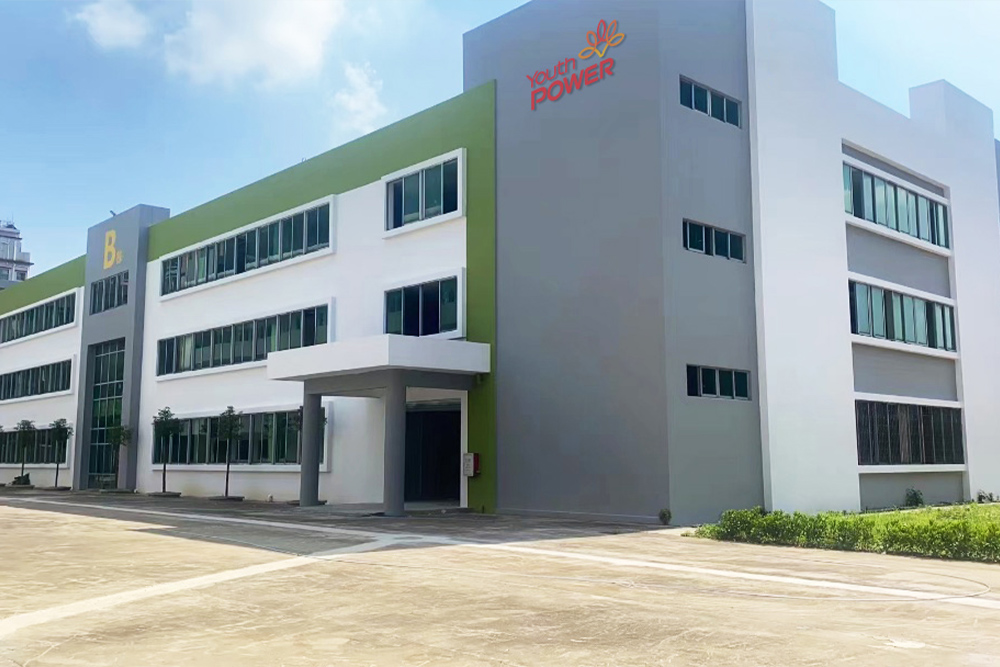
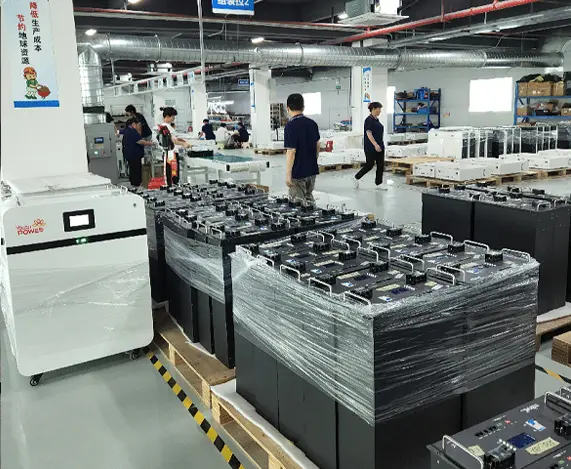
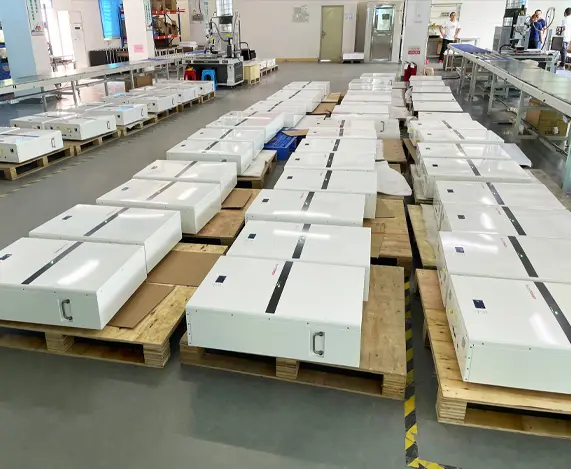
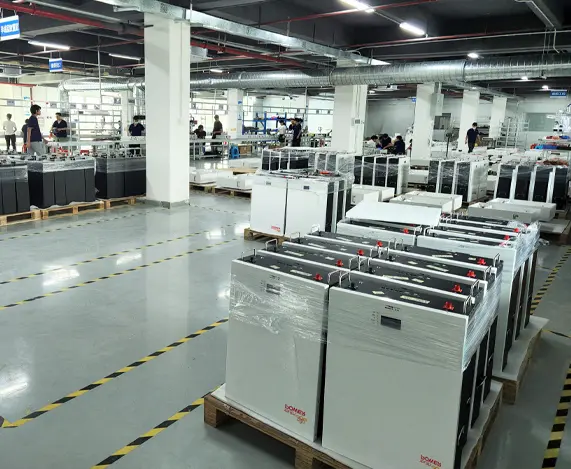
The global energy storage industry faces constant supply chain disruptions. YouthPOWER mitigates these risks through a vertically integrated Factory 4.0 infrastructure in China. Our production facility leverages automation, quality control systems, and raw material procurement channels to deliver cost-effective and highly reliable battery modules.
To prevent localized cell mismatch (which can limit total pack capacity and reduce lifespan), our automated assembly lines sort and match LFP cells by capacity, internal resistance, and voltage within strict margins (<5mV deviation). Robotic laser-welding units then secure internal cell-to-cell busbars, reducing contact resistance and preventing failure modes caused by thermal cycling.
Our Manufacturing Execution System (MES) records every step of a battery pack's creation. From the initial automated cell test to the final capacity grading cycle, each module is assigned a unique tracking barcode. This gives procurement managers complete transparency and guarantees that every cell matches its specification sheet.
Before packing and shipment, every 20 kWh and high-voltage system undergoes exhaustive load testing, simulating real-world charge/discharge profiles. This aging process screens out early cell failures, ensuring that our products perform reliably from the day they are installed.
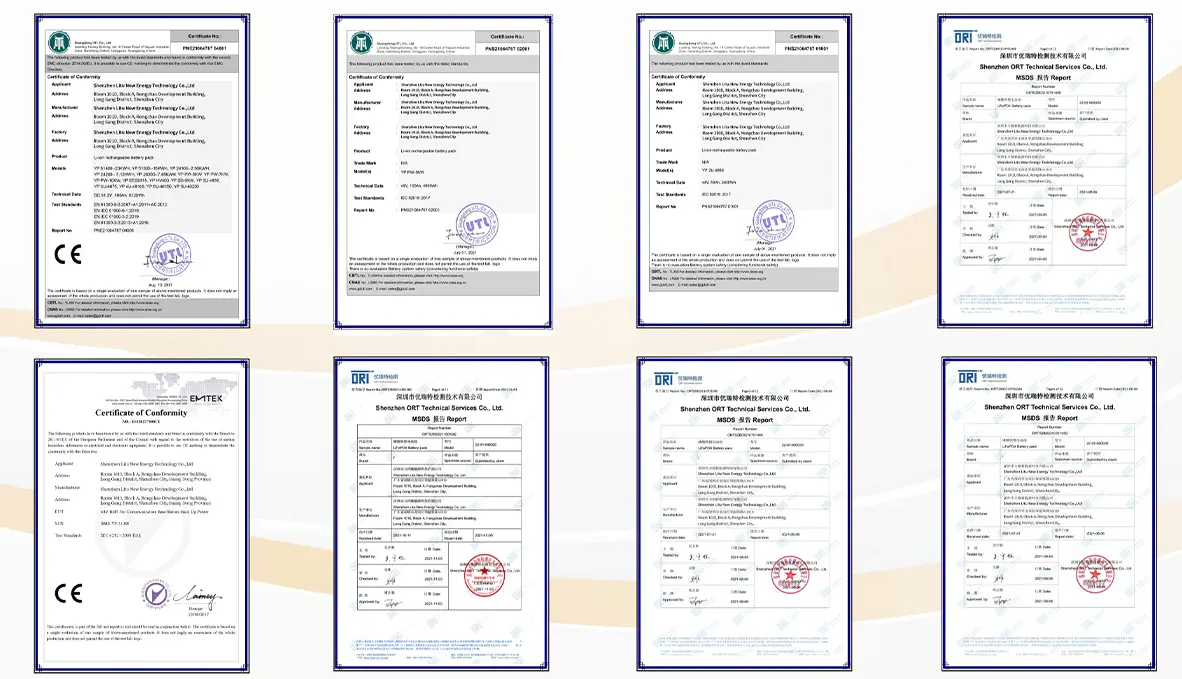
Navigating different regional utility grid codes requires an experienced manufacturing partner. YouthPOWER's energy storage solutions are certified to meet international safety and environmental regulations, ensuring smooth project approvals and grid connections worldwide.
We work closely with local engineering partners and certified installers to offer troubleshooting, replacement parts, and firmware updates. By providing remote API access, our engineers can assist local teams with diagnostics, saving on-site maintenance costs and maximizing system uptime.
Purchasing batteries at scale requires evaluating key technical parameters beyond basic capacity metrics. Experienced procurement managers focus on the following details to ensure long-term reliability and performance:
Ensure your vendor utilizes 100% brand-new, A-grade cells with verified manufacturing batch codes. Secondary or repurposed cells can lead to imbalance issues, reduced lifetime, and safety risks. YouthPOWER uses high-quality cells with traceable test records for every project.
Check the charge and discharge current ratings of the system. A 0.5C configuration is standard for residential applications, while commercial operations often require a continuous 1C rating to handle high startup loads. We design our thermal management and busbars to prevent hot spots, keeping temperatures uniform throughout the cabinet.
An energy storage system must communicate reliably with the site's hybrid inverters. YouthPOWER's BMS is pre-configured with CANbus and RS485 communication protocols, ensuring plug-and-play compatibility with leading global inverter brands such as SMA, Victron, Deye, Growatt, and GoodWe.
Get answers to the most common technical questions about 20 kWh solar batteries and commercial ESS systems.
Our premium LiFePO4 cells are rated for over 6,000 complete charge/discharge cycles at 80% Depth of Discharge (DoD) under standard operating temperatures (25°C). After 6,000 cycles, the system retains approximately 75-80% of its original capacity.
Yes, our modular systems support easy expansion. Our low-voltage cabinets can be configured in parallel to scale up to 150 kWh. For larger commercial installations, our high-voltage cabinets can scale up to several megawatt-hours (MWh) by connecting modules in series and parallel configuration.
YouthPOWER's integrated BMS monitors individual cell temperatures. If temperatures exceed safe operating limits, the system dynamically adjusts the charge and discharge current to protect the cells. In cold climates, optional integrated thermal heating elements keep the battery at its optimal temperature for reliable charging.
We provide a comprehensive 5 to 10-year warranty, depending on the project requirements and operational conditions. This warranty is backed by raw material suppliers and includes clear support protocols for replacement parts, firmware updates, and technical assistance.
High-capacity solutions designed for demanding industrial applications and scalable off-grid systems.
 YouthPOWER