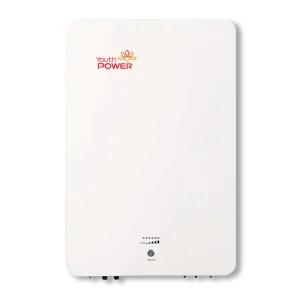
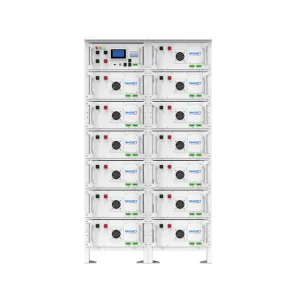
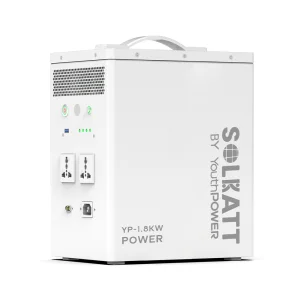
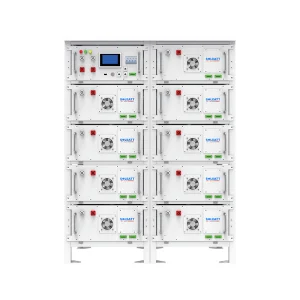
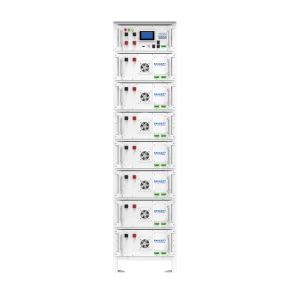
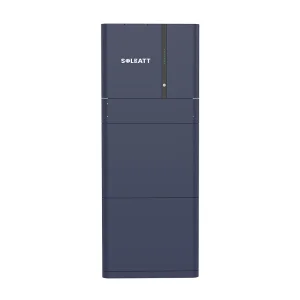
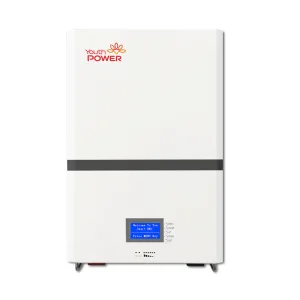
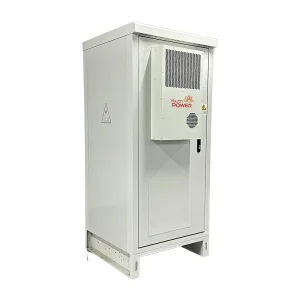
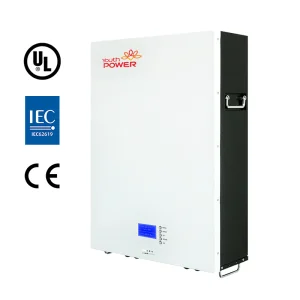
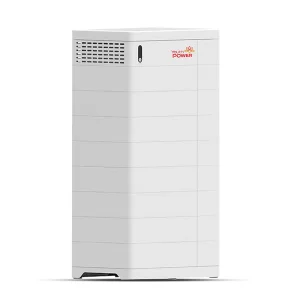
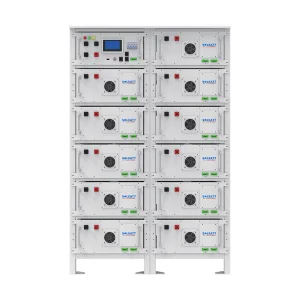
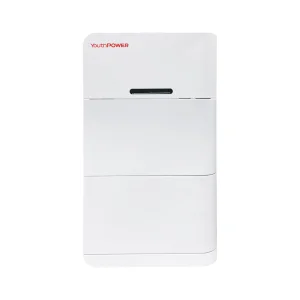
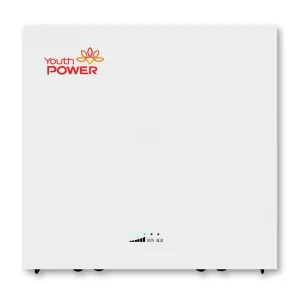
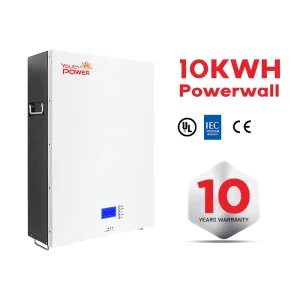
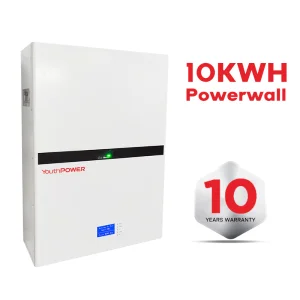
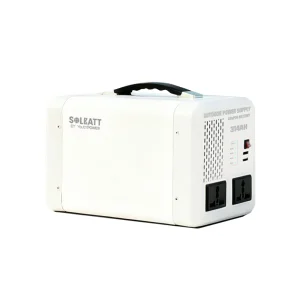
Explore our high-performance line of high-voltage systems, stackable modules, and industrial utility battery boxes.
A technical deep-dive into the architectural shifts, chemistry optimizations, and economic returns of 20 kWh capacity configurations.
As the global electrical grid experiences unprecedented pressure due to volatile peak loads and the acceleration of localized electrification (EV charging infrastructure, heat pumps, smart building automation), energy storage has transitioned from a passive backup system to an active asset class. Within this transformation, the 20 kWh solar system has emerged as the global benchmark for both premium high-demand residential estates and light commercial/industrial (C&I) properties.
A 20 kWh capacity point is not an arbitrary scale. It represents the thermodynamic sweet spot where energy generation, storage density, and load profiling align to maximize self-consumption and ensure full microgrid autonomy during sustained grid dropouts. At YouthPOWER, our systems leverage advanced Lithium Iron Phosphate (LiFePO4) chemistry to deliver sustained thermal stability, enhanced cycle life, and a lower total cost of ownership (LCOS) compared to traditional NMC configurations.
To understand the utility of a 20 kWh battery system, one must evaluate daily energy usage profiles. In typical mid-to-large-scale residences and micro-commercial sites, average daily consumption ranges between 30 kWh and 50 kWh. A 20 kWh storage capacity, coupled with a properly dimensioned solar array (typically 10 kWp to 15 kWp), ensures that the building can cycle through peak-tariff hours without drawing power from the utility grid, achieving self-sufficiency ratios exceeding 85%.
Utilizing high-grade LiFePO4 cells with a thermal runaway threshold exceeding 270°C. Fully integrated with multi-point automated temperature monitoring sensors.
Supporting stackable, high-voltage configurations (up to 400V+) that minimize round-trip conversion losses, keeping system efficiency above 95%.
Supporting high discharge rates (up to 1C continuous) to comfortably power heavy inductive loads like air conditioning compressors and water pumps.
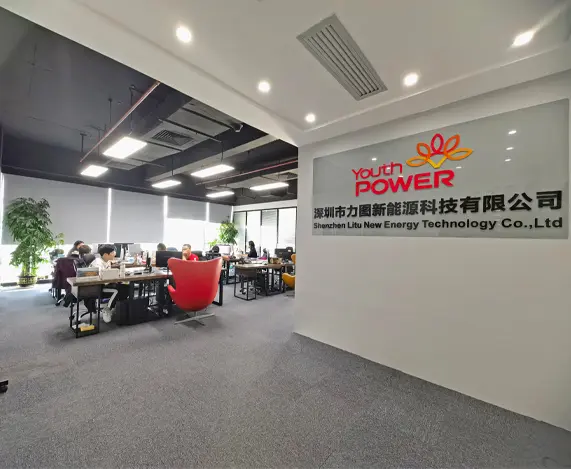
Over two decades of engineering excellence in battery technology, powering over a million families worldwide.
Founded in 2003, YouthPOWER has now become one of the leading suppliers of solar storage lithium batteries in the world. With a broad range of energy storage solutions, it covers a series of 24V, 48V and higher voltage lithium batteries solutions.
YouthPOWER has engaged in the battery technology and production for almost 20 years, with abundant manufacturing experience and strong new product R&D capability. Through many years of hard work and market promotion, we have created our own brand "YouthPOWER" in 2019.
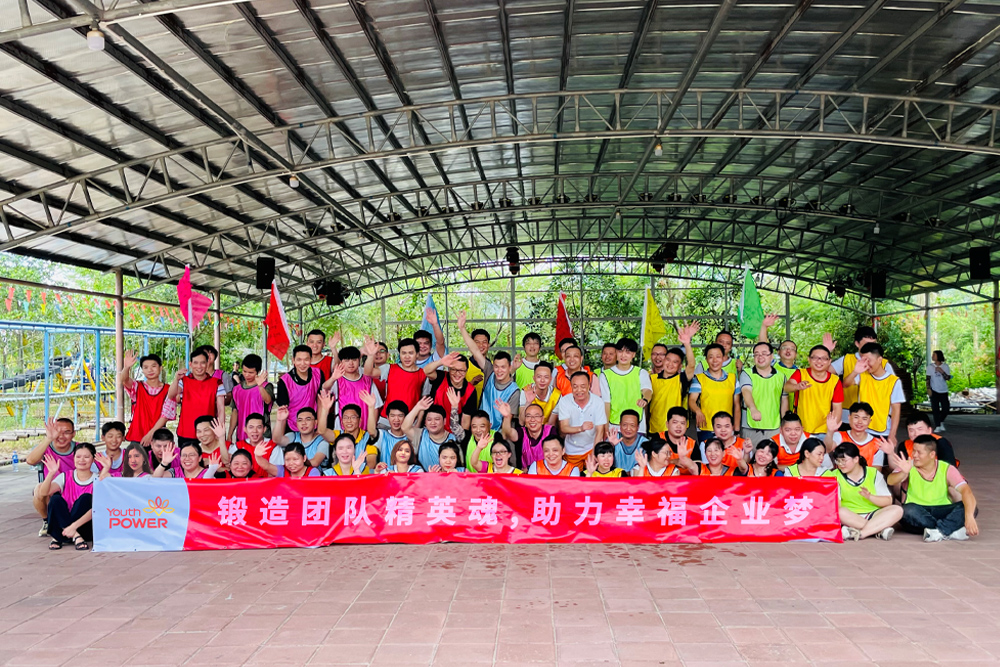
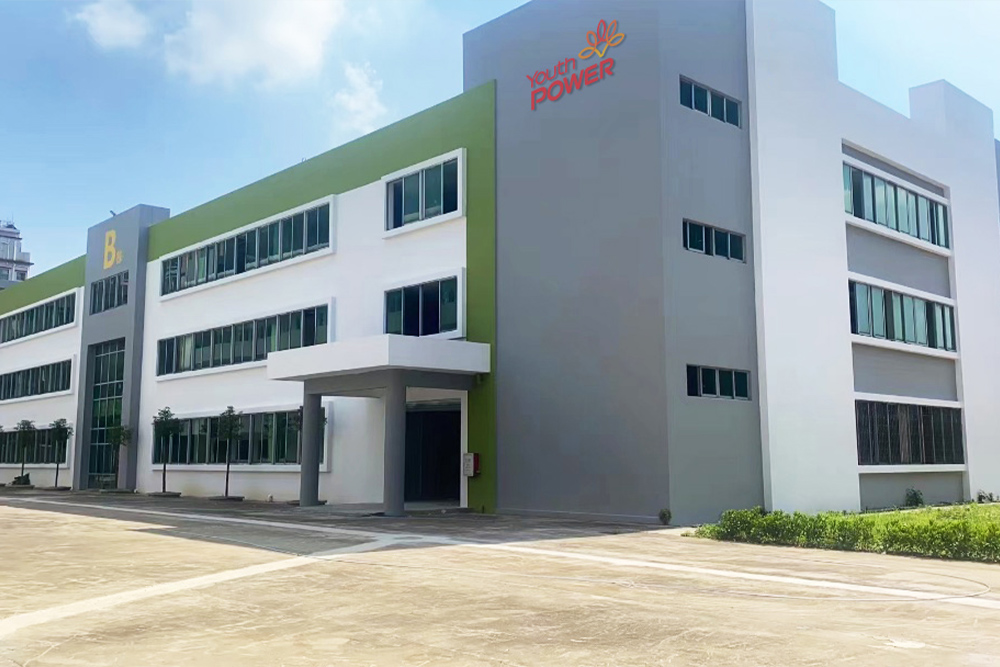
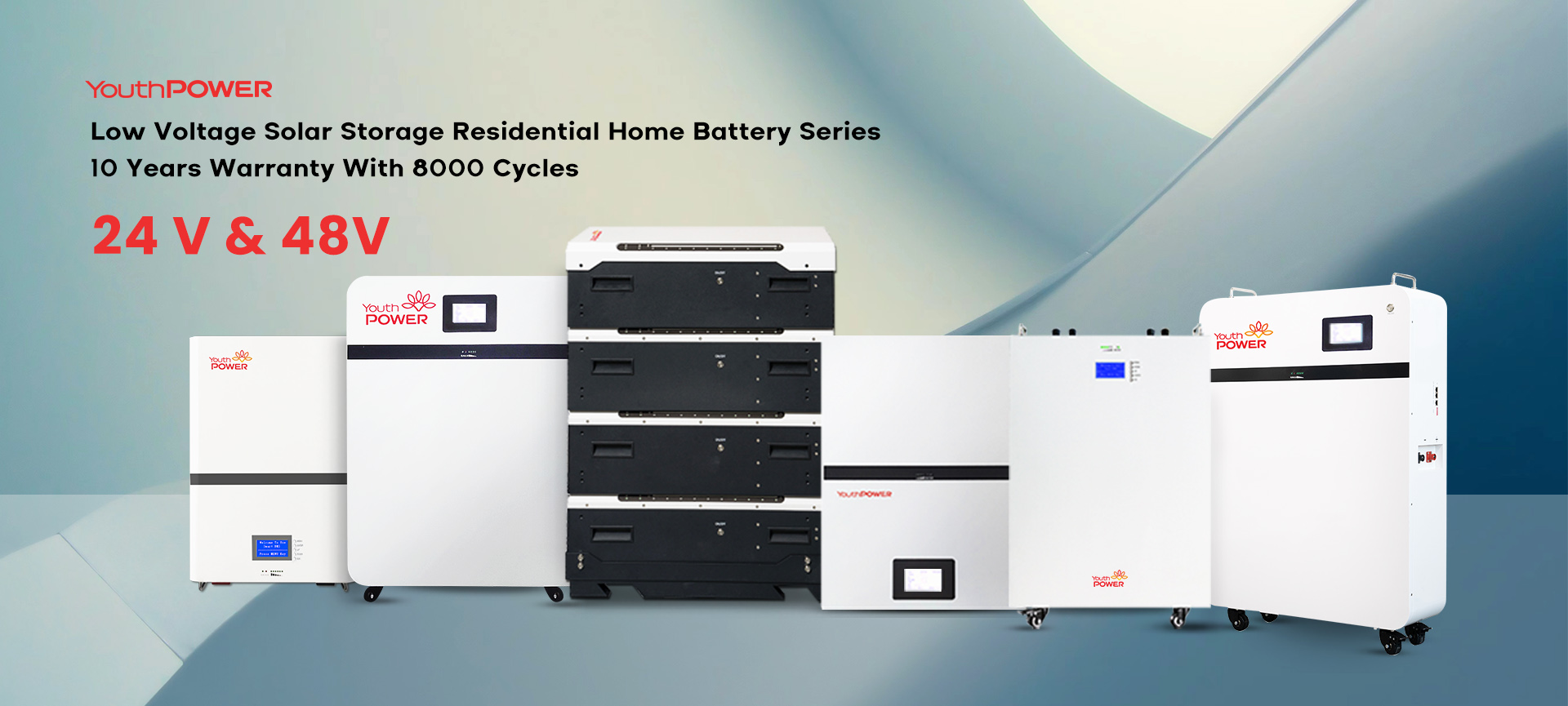
With nearly 20 years’ experience in the battery industry, we have the capability to provide you with both the products you need and the most suitable products you want. We are always ready to supply the first-class products and meet the various needs of the customers.
We have established good business relationships with our customers from all over the world. And we have a good cooperation with all our customers as well for many years running. Supported by our local vendors of raw materials, we can certainly offer you the best prices. We are so proud that YouthPOWER has offered the reliable solar storage solution for over 1,000,000 families now in the world.
Families Powered Globally
Pioneering next-generation lithium battery engineering for resilient microgrids.
The transition of solar energy storage from standard 48V low-voltage configurations to advanced, stacked, high-voltage architectures represents the core of YouthPOWER's technical roadmap. By rising the system voltage to 400V and beyond, we significantly reduce copper conductor cross-sections, minimize system heat dissipation, and drastically improve DC-to-DC conversion efficiency.
Next-generation YouthPOWER 20 kWh systems are shifting from reactive battery management to predictive, AI-driven energy optimization. Our updated BMS platforms incorporate cloud-linked machine learning models that analyze regional weather forecasts, historical load patterns, and dynamic time-of-use (TOU) electricity pricing. This allows the battery to dynamically calculate when to store solar power, when to discharge for maximum shaving of peak demand, and when to reserve capacity for potential grid outages.
While LiFePO4 remains the safest commercial technology for high-capacity applications, YouthPOWER is actively investing in semi-solid-state and solid-state battery technology. Our R&D laboratories are designing energy storage models that will eventually offer double the volumetric density of traditional LFP cells, guaranteeing a 20 kWh system that takes up half the space, operates efficiently in temperatures ranging from -30°C to 60°C, and offers a lifecourse of over 10,000 charge cycles.
We are engineering our high-voltage battery arrays to interface natively with bidirectional EV chargers. In this setup, a YouthPOWER 20 kWh home battery functions as the primary energy coordinator, balancing energy between solar inputs, residential demands, and the EV battery, creating an unified home energy ecosystem.
How businesses leverage customized lithium storage configurations to secure business continuity and slash carbon footprint.
For commercial enterprises, agricultural processing plants, remote medical facilities, and light industrial facilities, power instability is an operational threat. A 20 kWh solar storage stack serves as a modular building block. By wiring our 10 kWh, 15 kWh, and 20 kWh modules in parallel, engineering teams can configure larger battery arrays ranging from 100 kWh to 1 MWh.
In commercial settings, peak demand charges often account for up to 50% of the total monthly electrical bill. YouthPOWER's energy storage systems feature sub-10ms automatic transfer switches (ATS) that function as uninterrupted power supplies (UPS). When building loads spike, the battery immediately injects power to keep total grid demand below the utility's penalty threshold, ensuring stable operation of sensitive computerized systems and manufacturing lines.
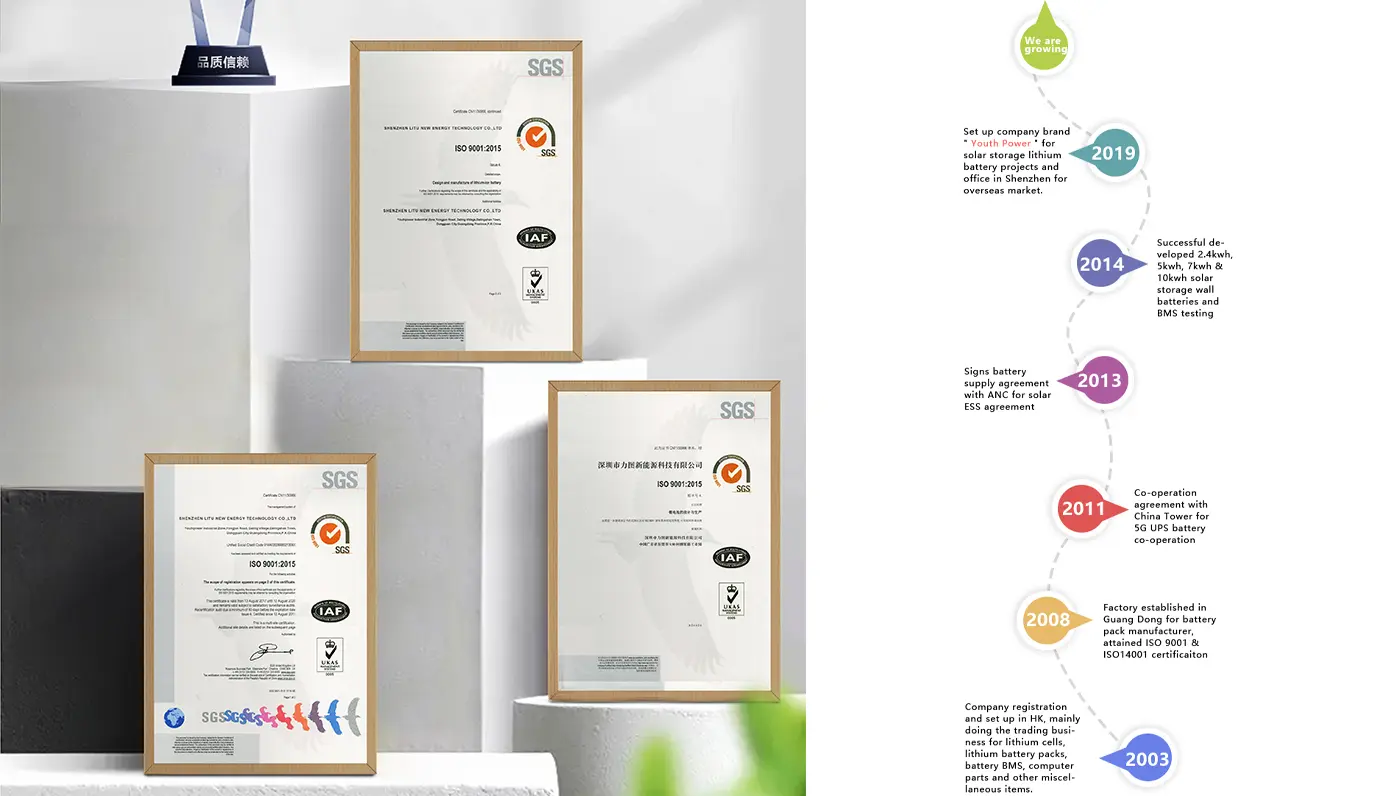
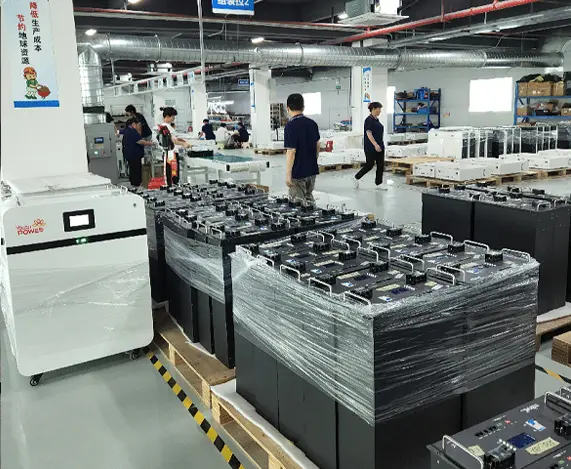
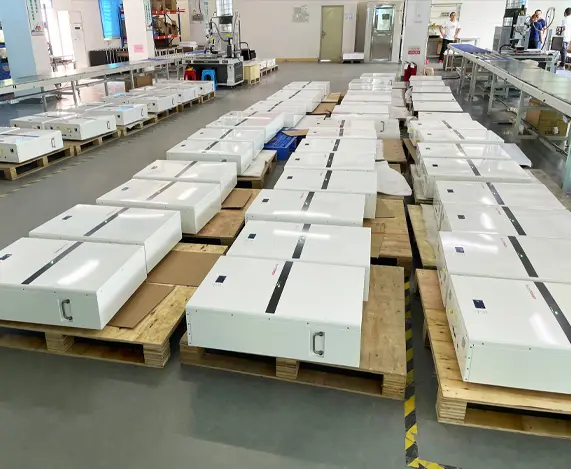
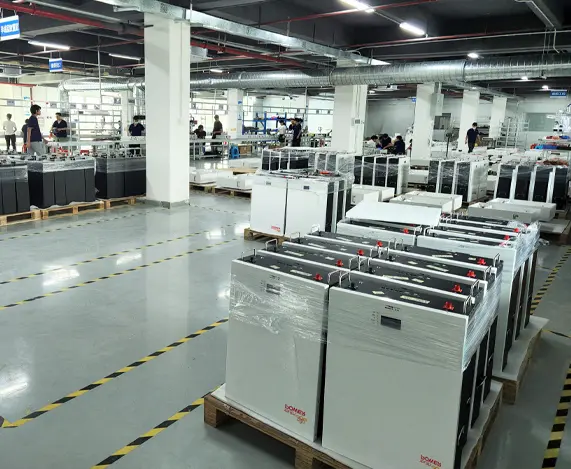
Inside YouthPOWER's automated manufacturing facilities, delivering cost efficiency and structural durability.
The comparative advantage of YouthPOWER lies in our vertically integrated supply chain, based in China’s high-tech manufacturing hubs. By keeping close partnerships with primary lithium mines, chemical refiners, and top-tier semiconductor suppliers, we ensure consistent cell grading and component quality. Our production lines use Industry 4.0 robotics, optical inspection systems, and automated cell matching systems.
To prevent localized battery failure, every battery pack goes through a strict cell-sorting process. Cells are matched down to the millivolt level of internal resistance and capacity deviation. This level of calibration ensures that when assembled into a 20 kWh stack, all cells age uniformly, preventing localized voltage imbalances and extending the overall system lifespan by up to 35% compared to non-sorted budget batteries.
Furthermore, our structural enclosures are designed with marine-grade materials to withstand extreme environmental challenges, such as salt-mist corrosion in coastal areas and high humidity levels in tropical regions. Internal insulation blankets and thermal barriers protect the cells from temperature swings, ensuring high performance even in harsh climates.
Ensuring smooth installation, quick permitting, and worry-free grid connection globally.
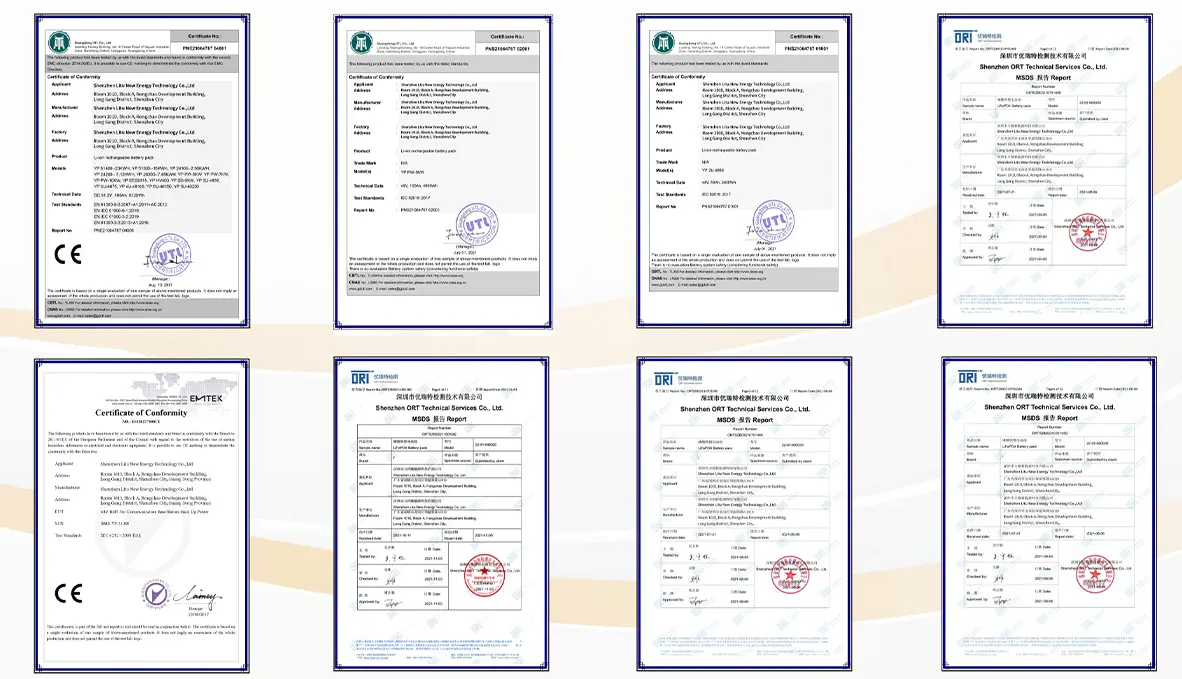
Grid integration requires strict compliance with international safety standards. YouthPOWER batteries are certified under major regulatory frameworks worldwide, proving our dedication to quality, safety, and performance. Our compliance portfolio includes:
To support our network of distributors and installer partners, YouthPOWER offers local engineering support and diagnostic toolsets. Our modular designs allow technicians to easily service individual modules without shutting down the entire energy system, reducing downtime and maintaining continuous power flow.
Find technical answers on capacity sizing, safety certifications, and installation logistics.
Explore our compact wall mounts, portable energy stations, and smart stackable high-voltage systems.
 YouthPOWER