Explore our top-tier LFP solutions engineered for commercial, industrial, and residential architectures globally.
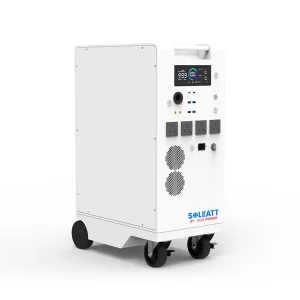
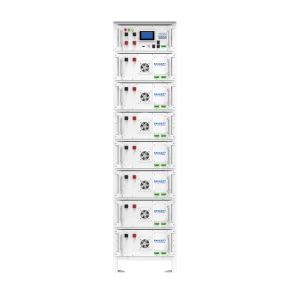
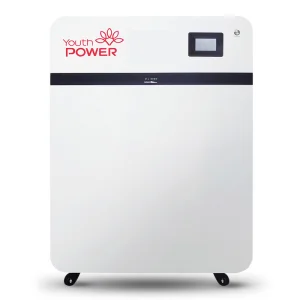
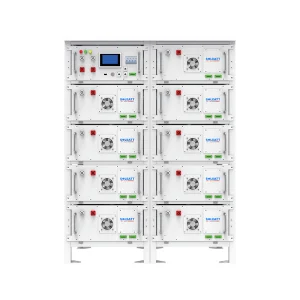
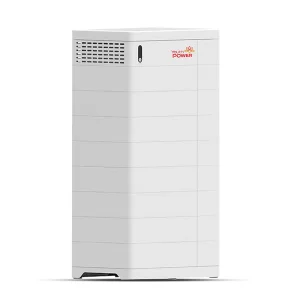
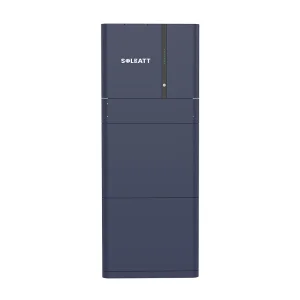
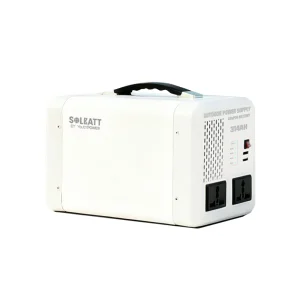
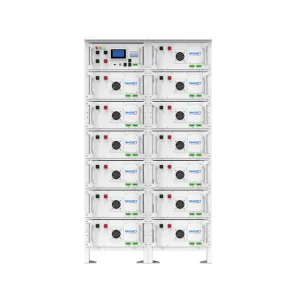
An executive breakdown of critical performance matrices for engineering procurement partners (EPCs).
Modern B2B procurement mandates Lithium Iron Phosphate (LiFePO4) chemistry. LFP displays zero active oxygen release at temperatures below 270°C, drastically diminishing thermal runaway hazards compared to Ternary NMC formulations.
Top-tier 48V factories embed native dual-processor Battery Management Systems (BMS). These units actively monitor cell balance, prevent overcharge/discharge, and facilitate direct fieldbus communication protocols (CANbus, RS485, Modbus TCP).
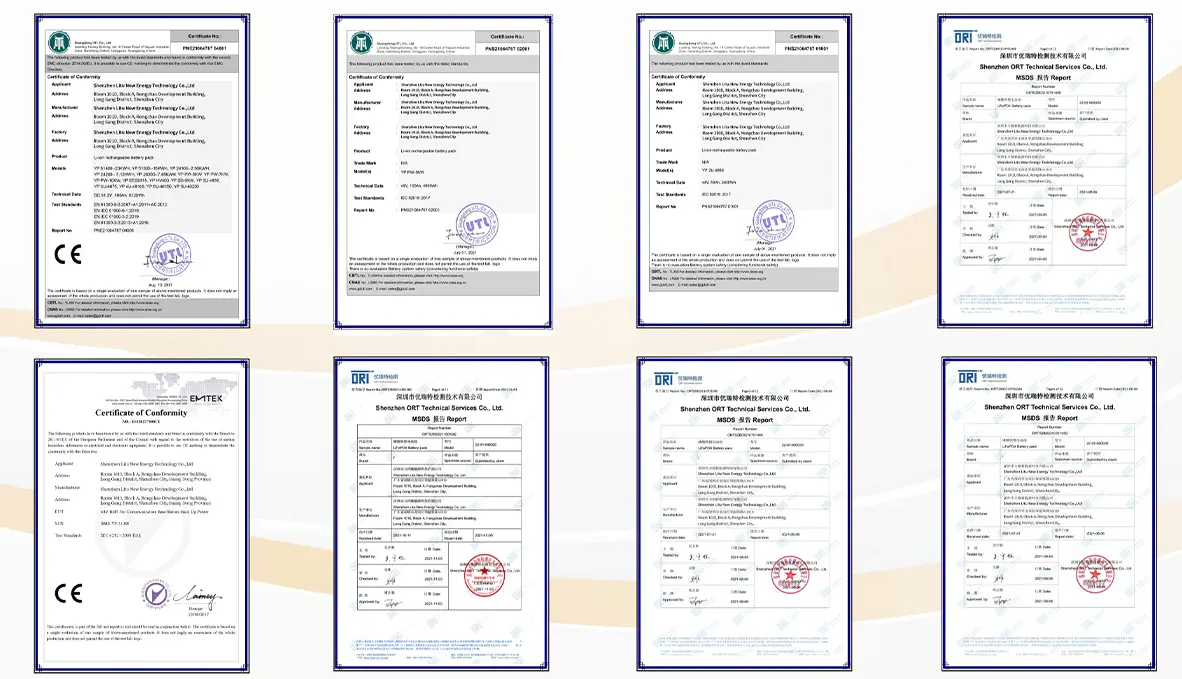
A manufacturer's global access is determined by their compliance framework. Demanded standards include UL 1973 (for stationary applications), IEC 62619 (industrial environments), CE, UN38.3 (transport security), and global hazardous cargo approval.
How 48V/51.2V Lithium Iron Phosphate stacks against legacy and higher-voltage ESS platforms.
| Performance Param / Platform | 48V/51.2V LiFePO4 (LFP) | High-Voltage (HV) LFP Systems | Legacy Lead-Acid Systems |
|---|---|---|---|
| Nominal Operational Safety | Very High (Low Voltage Limit) | Medium (Requires complex insulation) | Low (Outgassing, acid risks) |
| Depth of Discharge (DoD) | 95% - 100% | 90% - 95% | 50% maximum recommended |
| Average Cycle Durability | 6,000+ Cycles @ 80% EOL | 5,000+ Cycles | 500 - 1,500 Cycles |
| Maintenance Overhead | None (Solid State Monitoring) | Minimal (Complex System BMS check) | High (Distilled water refills) |
| System Energy Density | 120 - 145 Wh/kg | 130 - 150 Wh/kg | 30 - 45 Wh/kg |
The People's Republic of China maintains a concentrated, vertically integrated supply chain for lithium battery production. This consolidation ensures immediate raw material access (lithium carbonate, synthetic graphite, and advanced copper foil) and coordinates precision R&D with instant scaling.
By leveraging local supplier clusters, premium factories dramatically reduce logistical turnaround times, control material costs, and enforce strict Quality Control (QC) frameworks. This results in stable, competitive wholesale pricing without sacrificing cells' mechanical or electrochemical integrity.
Furthermore, this robust industrial base allows for extensive OEM and ODM customization. From tailored BMS interfaces to unique form factor enclosures, Chinese factories provide bespoke solutions that meet the diverse needs of global clients.
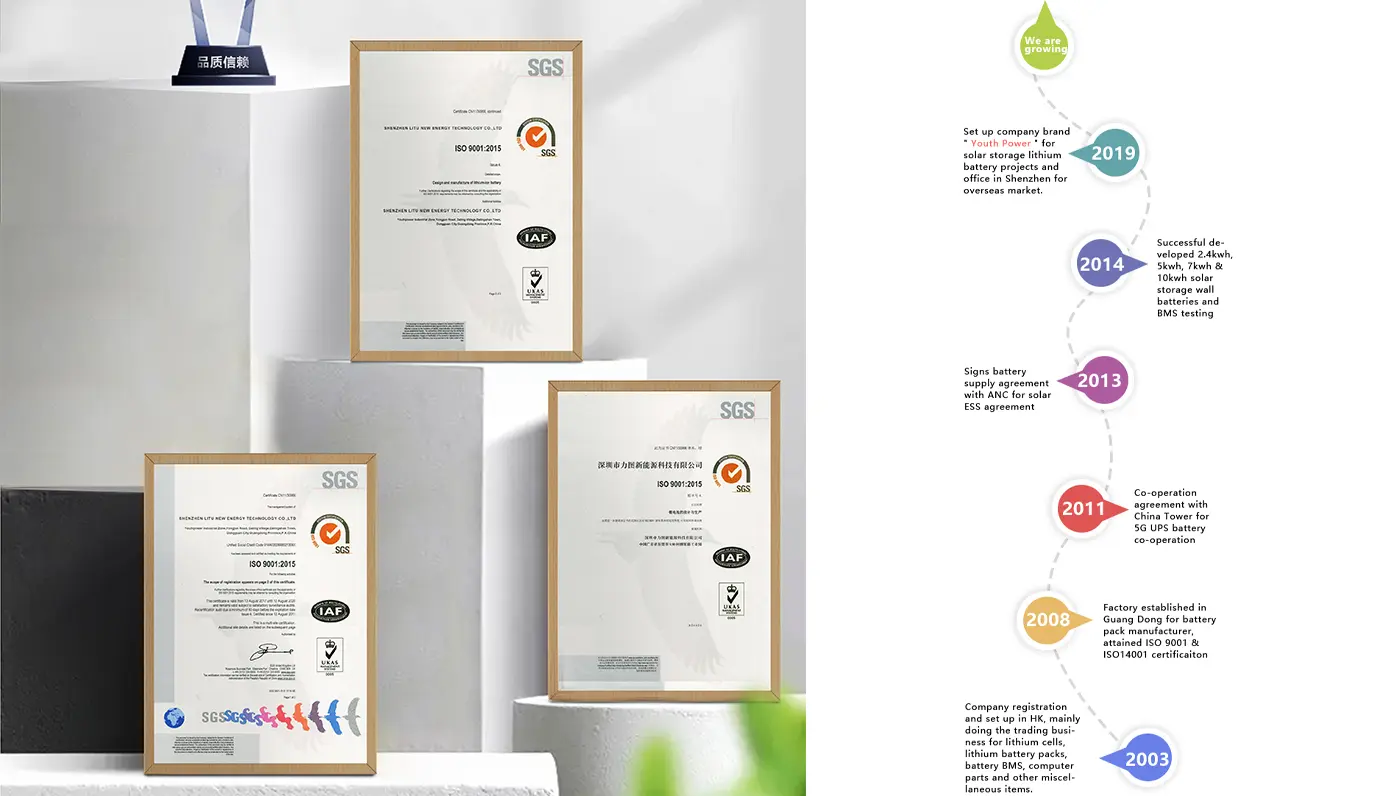
Over two decades of engineering excellence, pioneering residential and commercial battery integration.
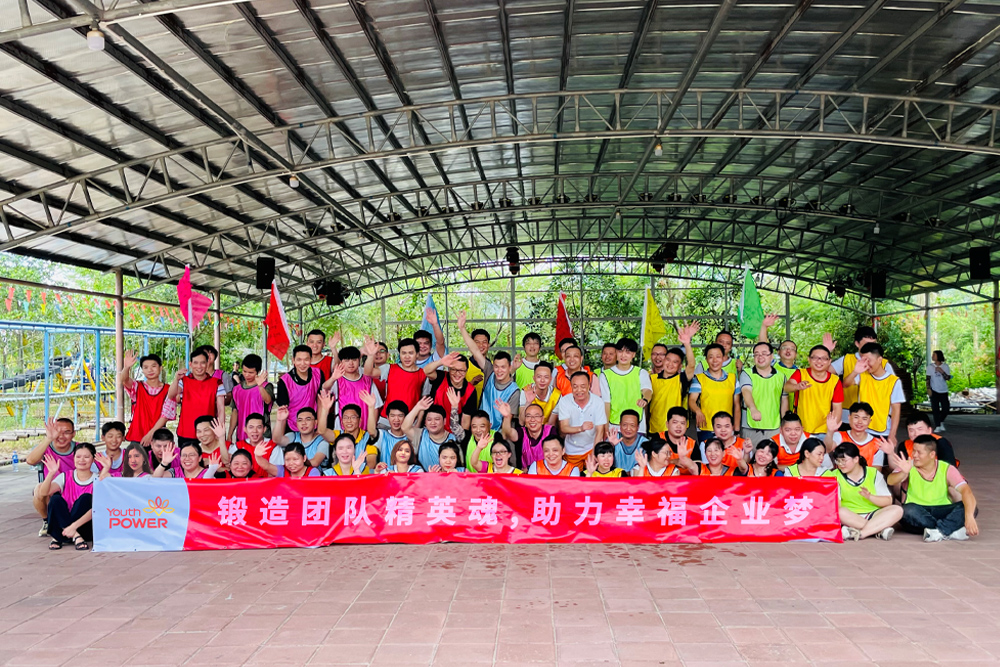
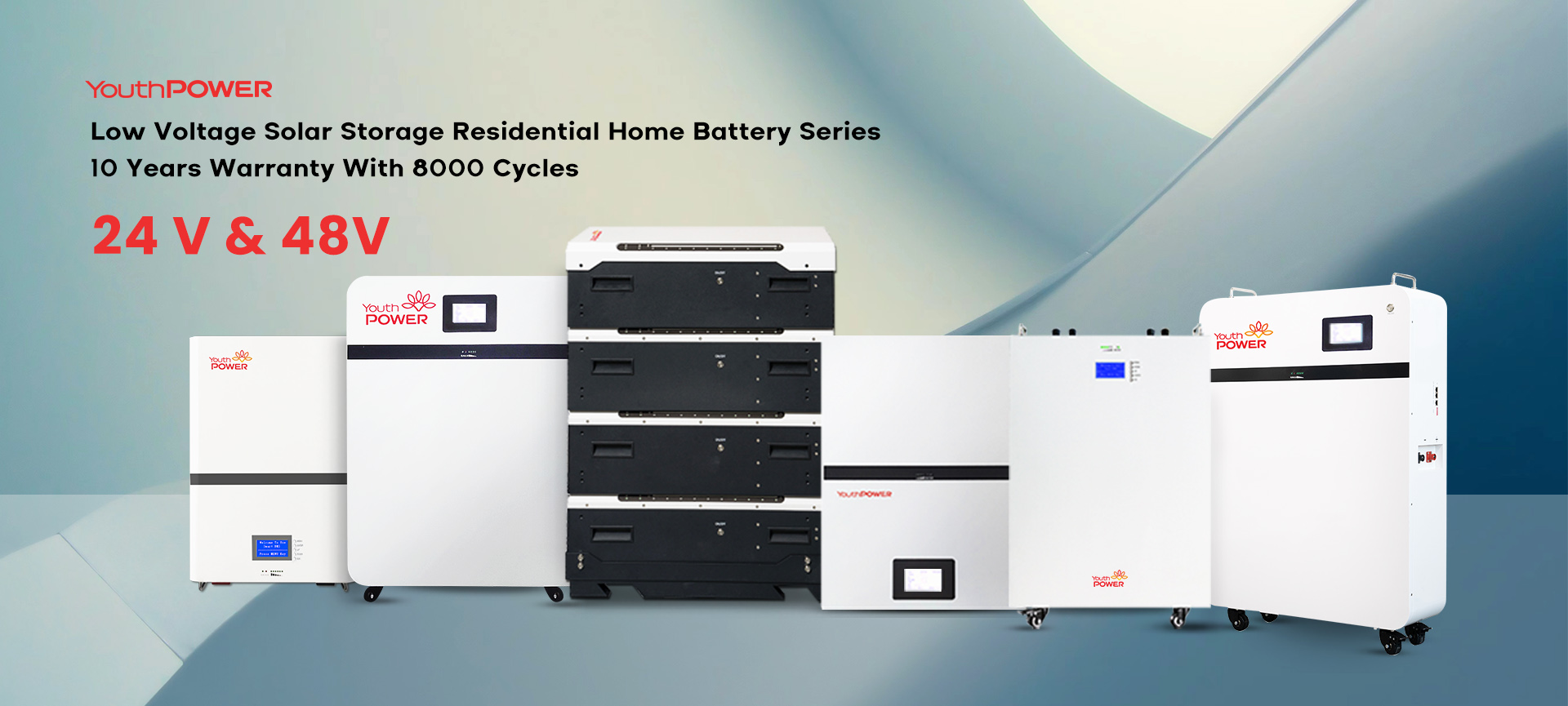
Founded in 2003, YouthPOWER has now become one of the leading suppliers of solar storage lithium batteries in the world. With a broad range of energy storage solutions, it covers a series of 24V, 48V and higher voltage lithium batteries solutions.
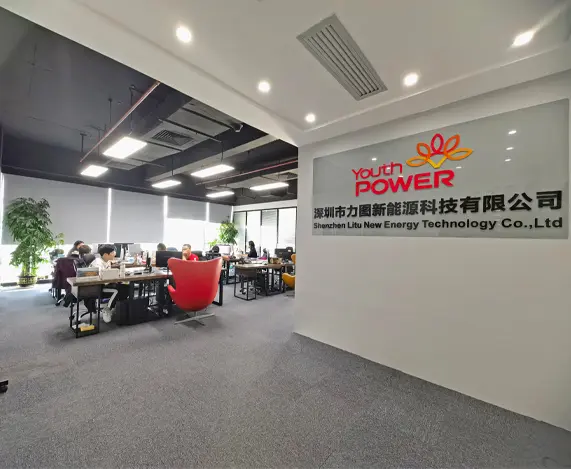
YouthPOWER has engaged in the battery technology and production for almost 20 years, with abundant manufacturing experience and strong new product R & D capability. Through many years of hard work and market promotion, we have created our own brand "YouthPOWER" in 2019.
With nearly 20 years’ experience in the battery industry, we have the capability to provide you with both the products you need and the most suitable products you want. We are always ready to supply the first-class products and meet the various needs of the customers.
We have established good business relationships with our customers from all over the world. And we have a good cooperation with all our customers as well for many years running. Supported by our local vendors of raw materials, we can certainly offer you the best prices.
We are so proud that YouthPOWER has offered the reliable solar storage solution for over 1,000,000 families now in the world.
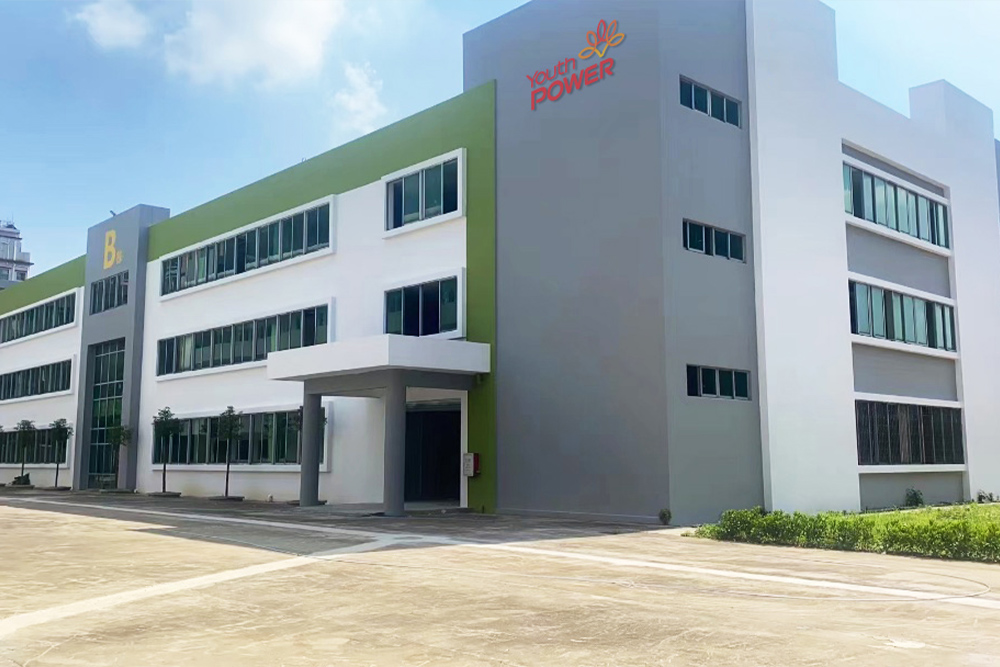
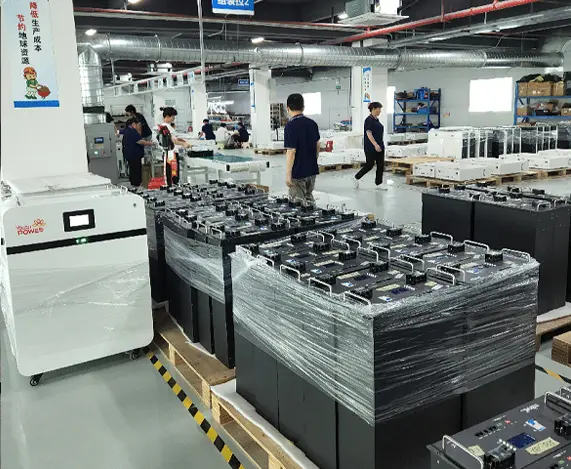
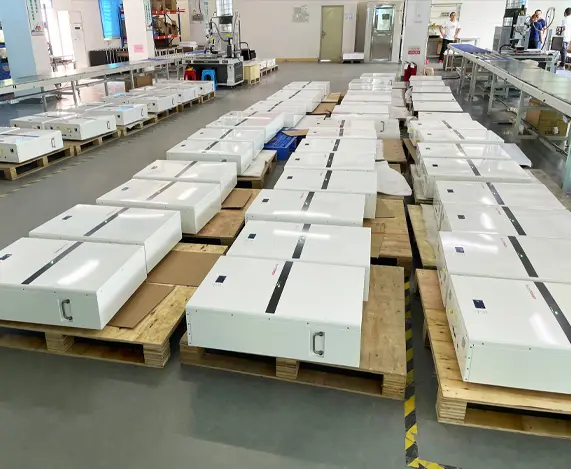
Inside our advanced manufacturing plants, where automated assembly meets precise engineering.
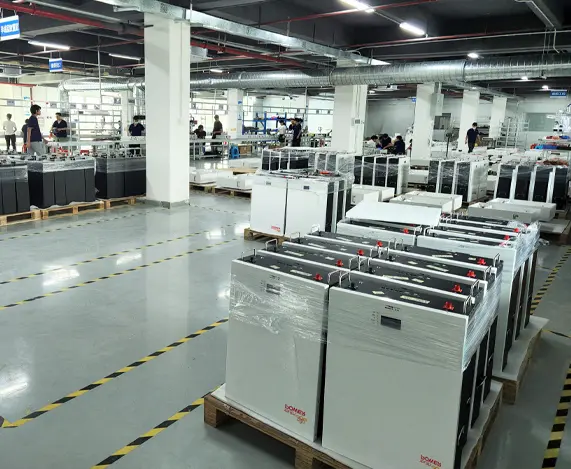
How to navigate import logistics, international customs, and local site commissioning.
Batteries are classified as Class 9 Dangerous Goods. Reliable manufacturers arrange specialized DG shipping lanes, certified UN containers, and provide comprehensive MSDS sheets and UN38.3 reports to facilitate smooth customs clearance.
Connecting energy storage to utility grids requires compliance with local codes (e.g., IEEE 1547 in the US, G99 in the UK, AS4777 in Australia). Our engineers work with EPCs to pre-configure BMS profiles for direct inverter compatibility.
Integrating large-scale energy storage requires deep technical expertise. We offer comprehensive engineering support, including layout schematics, thermal calculations, and real-time remote diagnostics during commissioning.
Evaluating innovations shaping the global B2B lithium manufacturing sector.
Answers to common technical, logistics, and quality assurance questions from procurement managers.
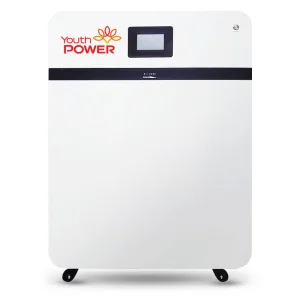
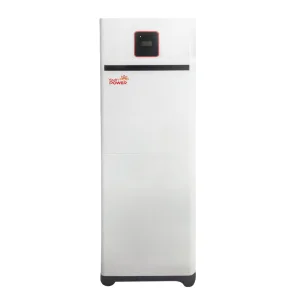
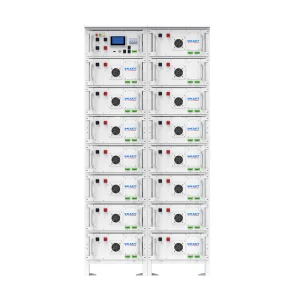
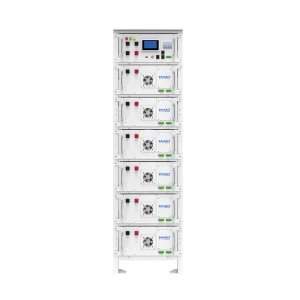
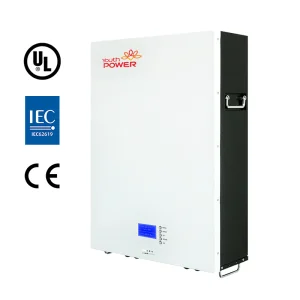
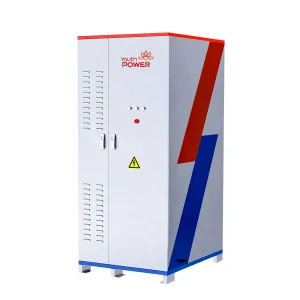
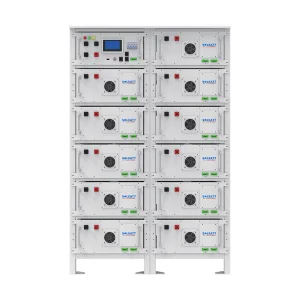
High-voltage and high-capacity storage configurations designed to scale with your project.
 YouthPOWER