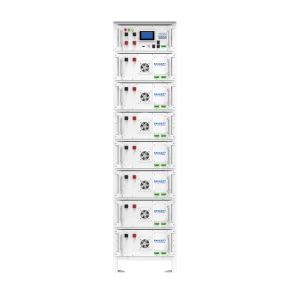
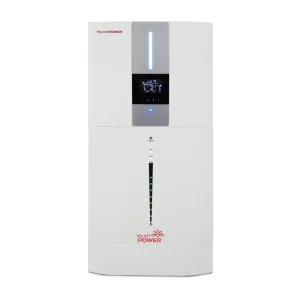
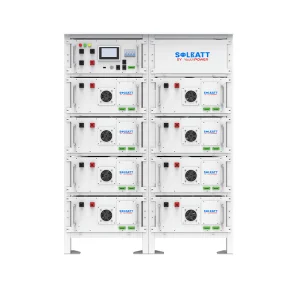
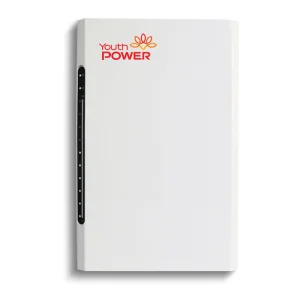
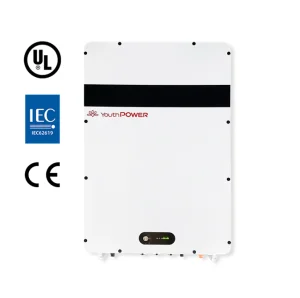
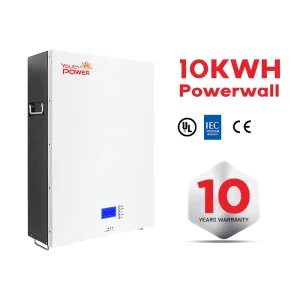
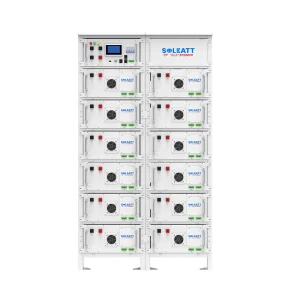
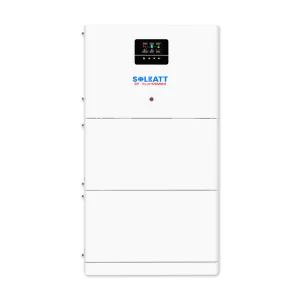
Engineered for maximum lifecycle security, comprehensive interoperability, and unmatched structural durability in diverse environmental zones.
Establishing the global standard for low-voltage battery packs through systematic research and continuous optimization.
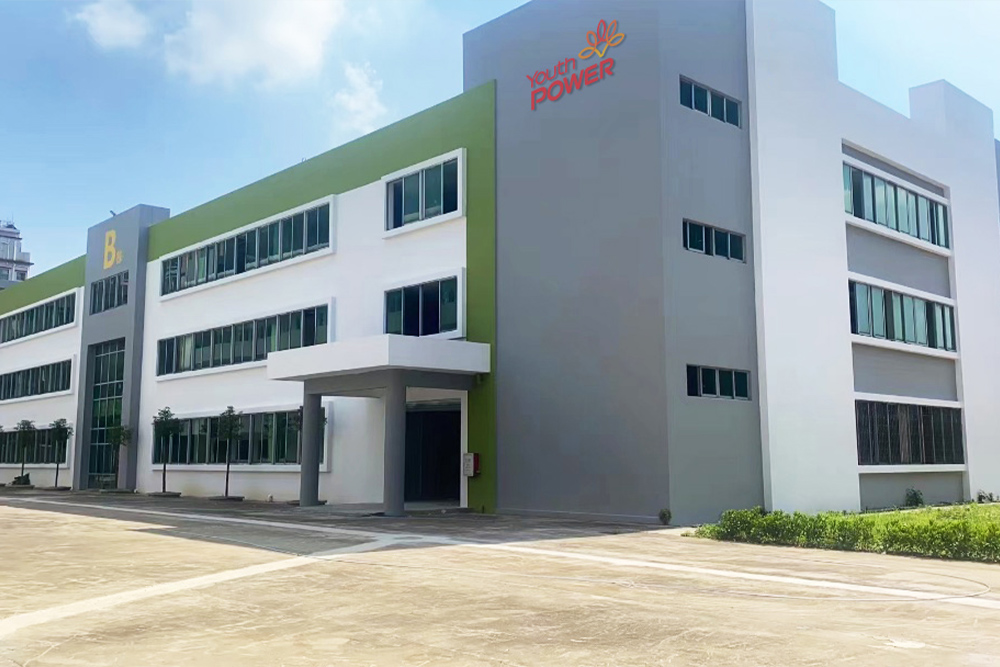
Founded in 2003, YouthPOWER has now become one of the leading suppliers of solar storage lithium batteries in the world. With a broad range of energy storage solutions, it covers a series of 24V, 48V and higher voltage lithium batteries solutions.
YouthPOWER has engaged in the battery technology and production for almost 20 years, with abundant manufacturing experience and strong new product R & D capability. Through many years of hard work and market promotion, we have created our own brand "YouthPOWER" in 2019.
With nearly 20 years’ experience in the battery industry, we have the capability to provide you with both the products you need and the most suitable products you want. We are always ready to supply the first-class products and meet the various needs of the customers.

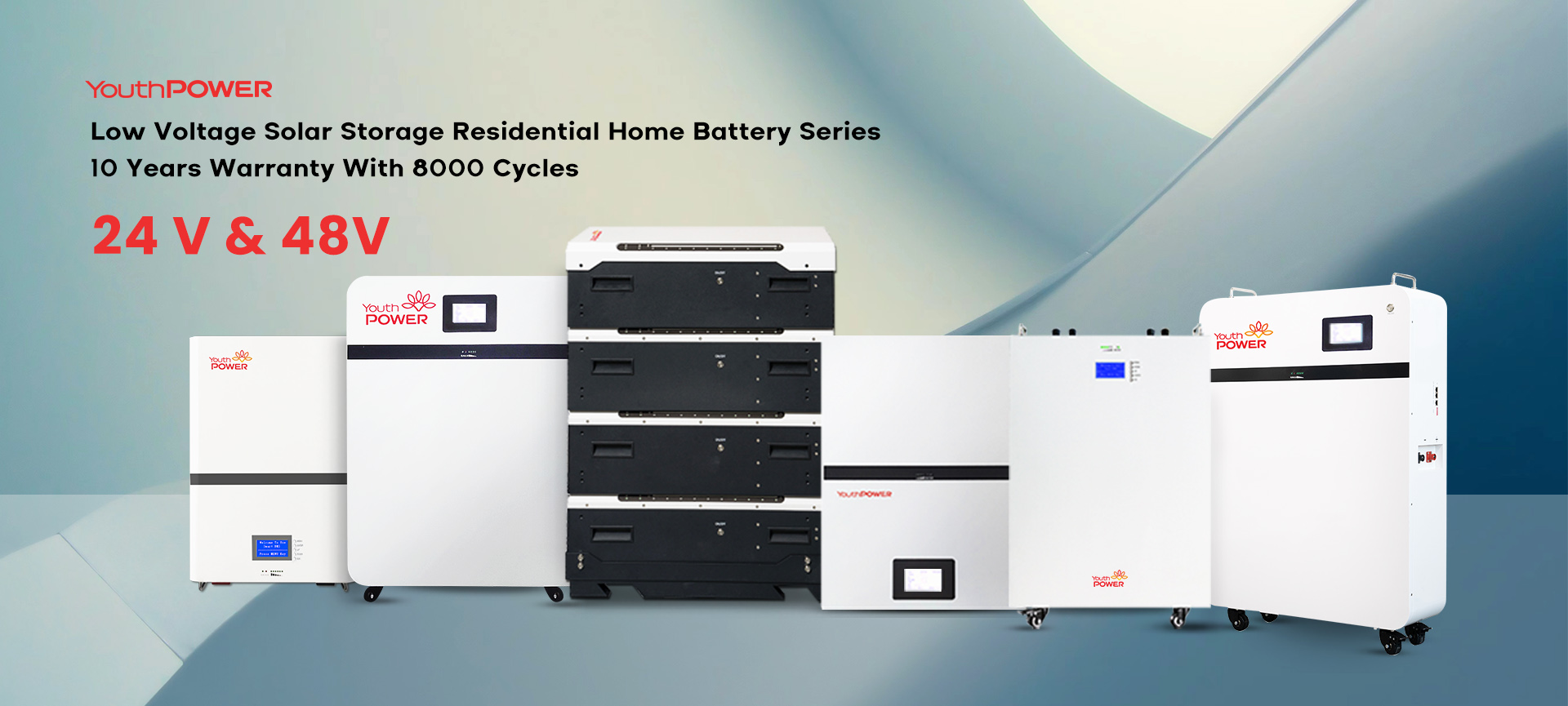
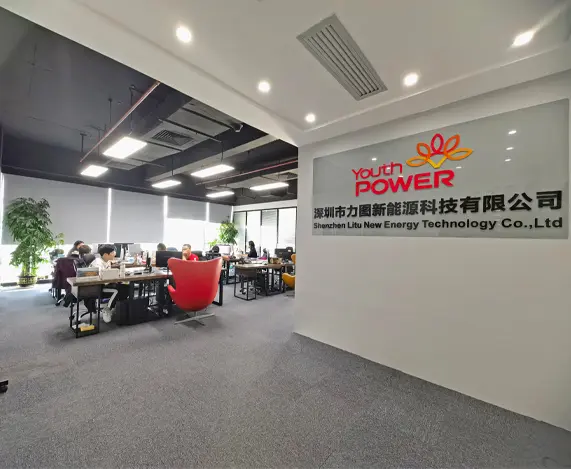
We have established good business relationships with our customers from all over the world. And we have a good cooperation with all our customers as well for many years running. Supported by our local vendors of raw materials, we can certainly offer you the best prices.
We are so proud that YouthPOWER has offered the reliable solar storage solution for over 1,000,000 families now in the world.
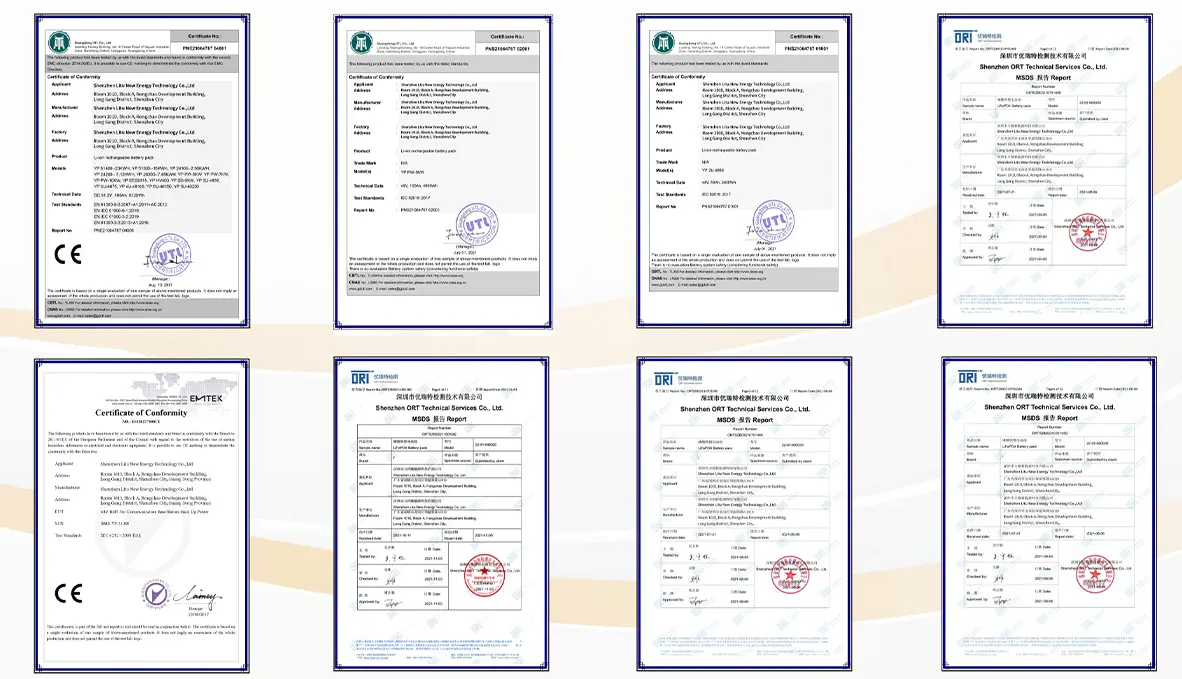
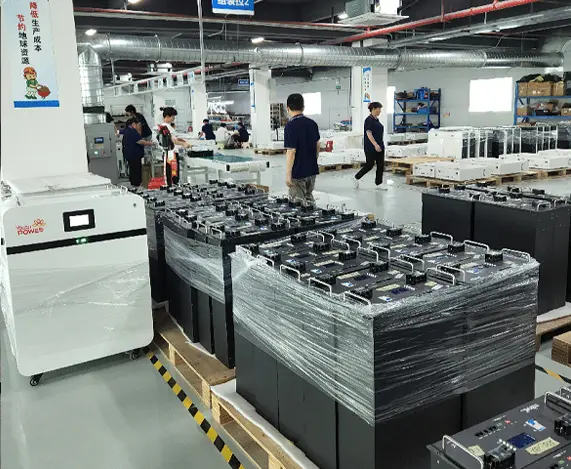
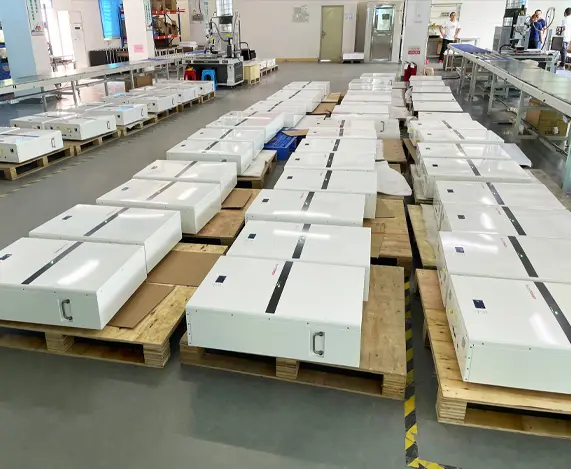
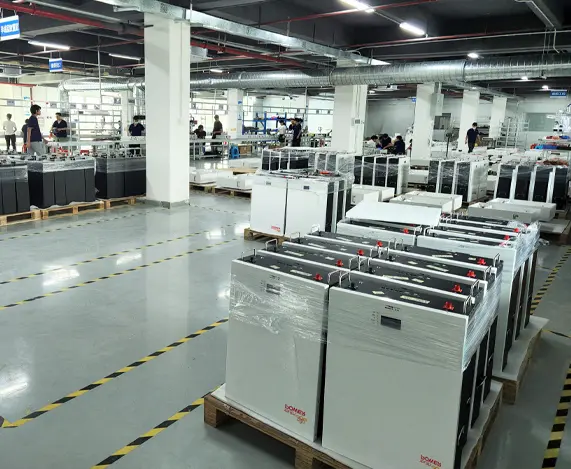
Analyzing the evolution of low-voltage electrochemical configurations, battery management systems, and safety integration.
The global transition to decentralized clean energy has cemented the 48V battery pack configuration (specifically 51.2V nominal under Lithium Iron Phosphate chemistry) as the undisputed safety standard for low-voltage (LV) energy storage systems. Unlike older lead-acid architectures or experimental high-voltage (HV) residential configurations, the 48V topology strikes a perfect equilibrium between electrical safety, thermal management stability, and configuration flexibility.
Future iterations of the 48V standard are rapidly incorporating new technologies:
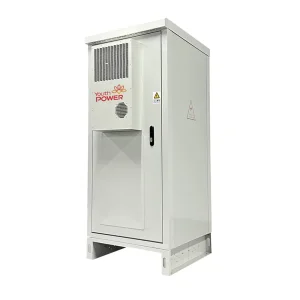
Furthermore, standardizations like the YouthPOWER Waterproof Solar Box 10KWH demonstrate a clear roadmap toward physical durability. By designing battery enclosures with IP65 and IP67 ingress protection, manufacturers can ensure operation under extreme humidity and direct water contact. This robustness allows systems to be placed outside the home envelope, saving interior space and eliminating residential safety concerns.
Looking ahead, communication protocols are also shifting from proprietary architectures to unified CANbus, RS485, and Modbus standards. This transition guarantees that a single 48V pack can interface seamlessly with multiple inverter manufacturers, reducing integration complexity and minimizing total system costs.
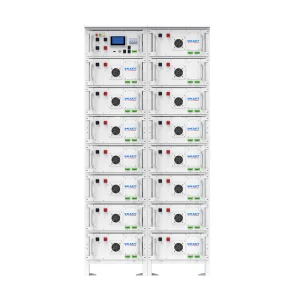
Modern 48V architectures support parallel stacking up to 15+ units. This allows systems to scale organically from 5kWh to over 150kWh without external balancing hardware.
By leveraging embedded bluetooth and cloud-based telemetry, operators can track state-of-charge (SoC), state-of-health (SoH), and cell-level balancing remotely.
Internal configurations utilize highly conductive aluminum plates and aerogel insulation barriers to decouple cells, preventing cascading thermal runaway.
Deploying robust, cost-effective energy solutions across commercial, industrial, residential, and telecom sectors.
Telecom infrastructure operates in demanding outdoor conditions where grid power is either unstable or nonexistent. The transition from legacy Valve-Regulated Lead-Acid (VRLA) batteries to 48V 200Ah LiFePO4 packs has revolutionized telecom backup networks. With an average lifecycle that is 5-6 times longer than VRLA systems, 48V LFP configurations offer a significant reduction in operational maintenance costs and support high discharge rates without significant capacity degradation.
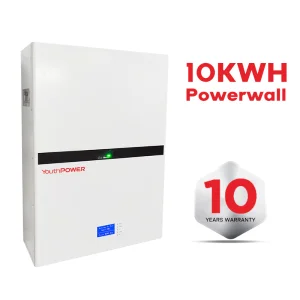
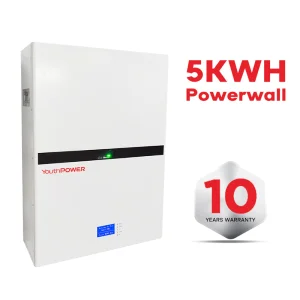
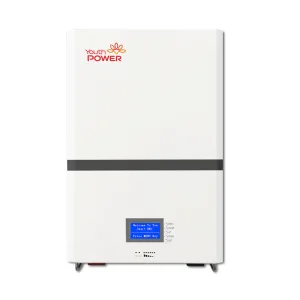
Residential homes utilize energy storage to protect against rising utility rates and grid instability. Using systems like the Brick Solar Storage Power ESS 51.2V 5KWH or the standard wall-mounted YouthPOWER Powerwall, homeowners can achieve energy independence. The low-voltage footprint ensures that the system falls below the safety thresholds that would require professional high-voltage installation certifications, making system integration straightforward and cost-effective.
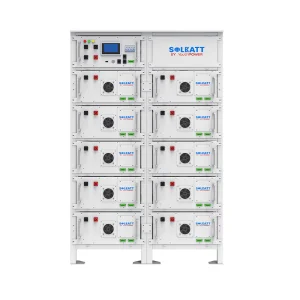
Small-to-medium businesses face hefty peak demand charges from their local utility providers. By utilizing scalable battery configurations, businesses can deploy 100kWh systems (such as the 358.4V 280AH 100KWH Commercial Solar Battery) to discharge during peak usage periods. This process, known as peak shaving, reduces utility expenses. In regions with time-of-use (ToU) tariffs, these systems charge during lower-rate overnight periods and discharge during peak daytime rates, optimizing daily energy costs.
For remote areas without grid connection, combining wind, solar, and 48V modular battery storage represents the most stable utility alternative. Off-grid inverter systems, integrated with robust LFP battery modules, maintain high performance under extreme temperature changes. This resilience ensures that remote clinics, scientific outposts, and agricultural operations run continuously without relying on diesel generators.
The manufacturing complexity of lithium energy storage batteries requires strict adherence to advanced quality management systems. Modern facilities utilize automated cell testing and sorting systems to ensure that every raw cell integrated into a 48V pack falls within tight voltage, internal resistance, and capacity tolerances. This step is critical because cell variations are the primary driver of premature pack degradation.
Through the integration of automated laser welding processes, automated End-of-Line (EOL) testing systems, and real-time MES (Manufacturing Execution System) tracking, manufacturing partners can provide consistently high yields. This systematic quality control allows suppliers like YouthPOWER to offer competitive pricing models while maintaining the strict performance profiles required for global certifications.
Furthermore, localized access to Tier-1 raw material suppliers—including anode materials, cathode precursors, and advanced battery management circuit boards—protects production timelines from international supply chain disruptions. This proximity ensures stable lead times, robust quality control, and faster research cycles for new product iterations.
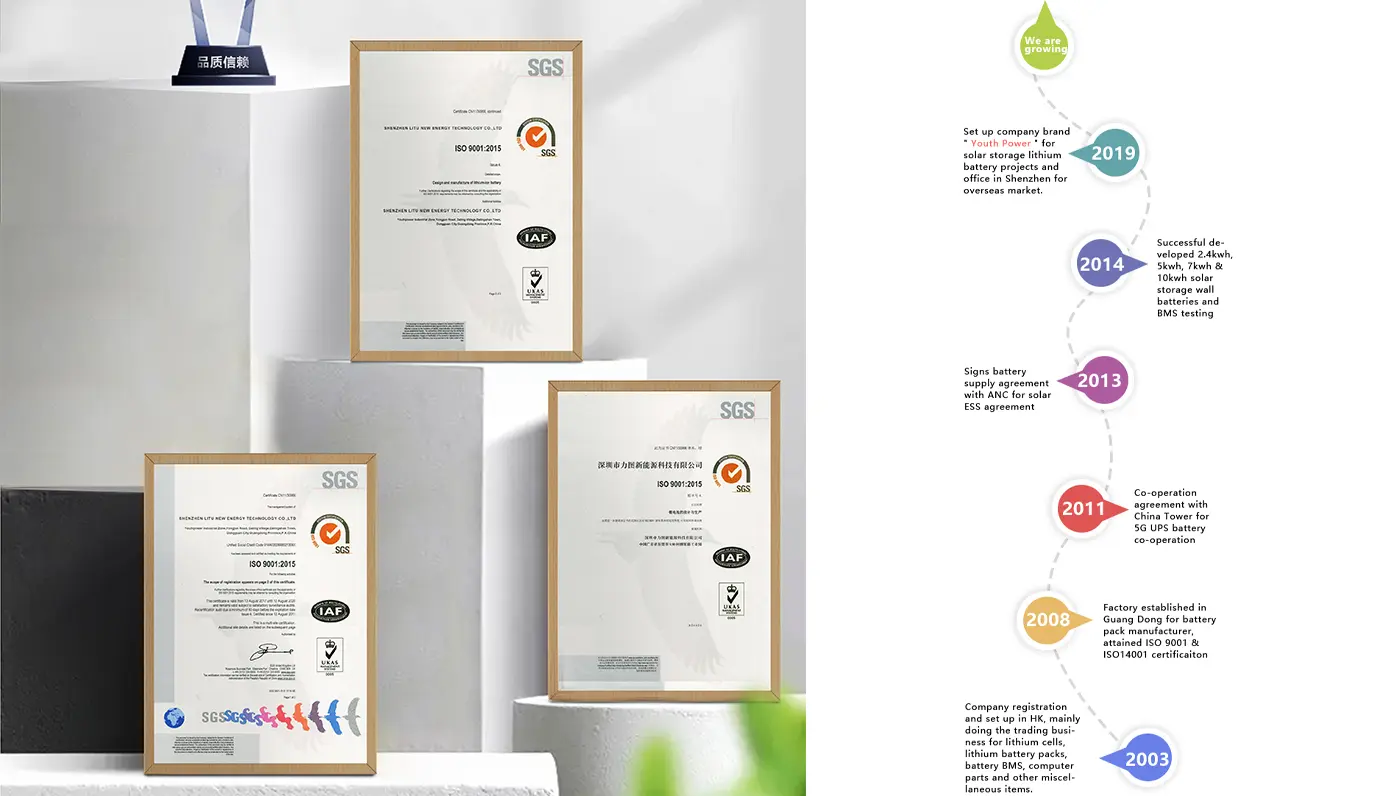
Navigating vendor selection, evaluating return on investment, and mitigating risk for large-scale battery deployments.
When purchasing energy storage components, evaluating systems solely on initial cost per kilowatt-hour often leads to higher lifetime expenses. A proper TCO evaluation must account for:
Enterprise procurement divisions must require technical documentation covering:
Ensuring compliance, transport safety, and reliable on-site support across international markets.
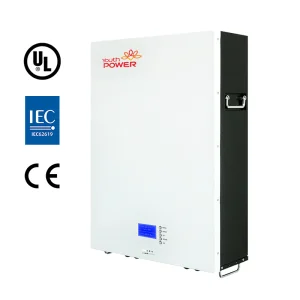
International safety standards for lithium batteries are strict. To pass customs clearance and receive installation approvals, battery packs must carry certifications suitable for their target markets. Key global standards include:
Equally important is localized technical support. A product warranty is only as reliable as the service network backing it. Top-tier manufacturers build relationships with local engineering firms and regional distributors to handle:
Answering common engineering, procurement, and integration questions about 48V battery systems.
The distinction is primarily terminology. A traditional nominal 48V system originally corresponded to 24 lead-acid cells in series. For LiFePO4 chemistry, cells operate at a nominal 3.2V. When configured in a standard 16-series (16S) connection, the calculation is 16 × 3.2V = 51.2V. Some manufacturers utilize a 15-series configuration which calculates to 48.0V (15 × 3.2V). The 16S (51.2V) configuration has become the industry standard because it aligns better with the upper charging voltage limits of standard hybrid and off-grid inverters.
Mixing different brands or capacities is generally not recommended, especially in parallel setups. Different batteries utilize different internal resistance profiles, BMS algorithms, and chemistry formulations. If mixed, the battery with lower internal resistance will accept charge faster and discharge more rapidly, causing imbalance, accelerated wear, and potential BMS shutdowns. For system expansions, it is best to use identical modules from the same manufacturer and batch.
LiFePO4 chemistry performs well in warm climates, but charging at temperatures below freezing (0°C / 32°F) can lead to lithium plating on the anode. This plating permanently degrades cell capacity and increases the risk of short-circuits. Standard BMS solutions will prevent charging when temperatures drop below freezing. For cold climate installations, choose batteries equipped with integrated heater elements that warm the cells using incoming solar power before charging begins.
A quality BMS operates as a multi-tier safety system. Key functions include over-voltage protection (preventing cells from exceeding safe charging voltages), under-voltage protection (preventing deep discharge below safe cell levels), thermal monitoring (disconnecting the pack during high-temperature conditions), and short-circuit protection (instantaneously cutting power in the event of an electrical short). Higher-end BMS systems also incorporate cell balancing to keep all series cells at identical state-of-charge levels, extending the overall lifecycle of the pack.
Voltage levels below 60V DC are classified as safety extra-low voltage (SELV). These systems present minimal shock risk to installers and maintenance technicians during handling. High-voltage battery systems (typically 200V to 800V DC) require specialized arc-flash protection, isolation monitoring, and safety training. While high-voltage systems can utilize smaller copper cable diameters, low-voltage 48V architectures represent a simpler, safer option for residential and light commercial applications.
Browse our catalog of powerwalls, cabinet systems, and commercial battery modules designed for long-term reliability.
 YouthPOWER