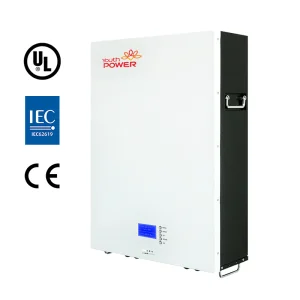
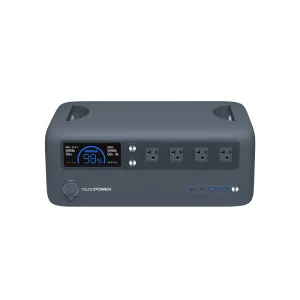
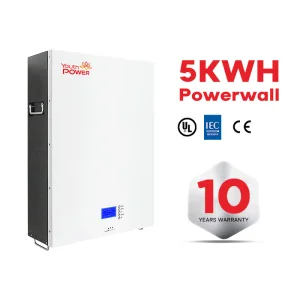
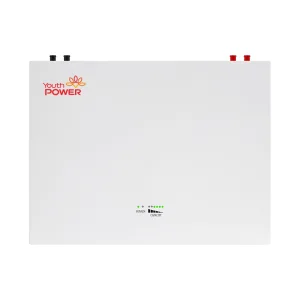
In the transition toward renewable energy, the voltage configuration of battery storage plays a critical role in system safety, scalability, and efficiency. 48V (typically running at a nominal 51.2V using Lithium Iron Phosphate - LiFePO4 chemistry) has emerged as the definitive global standard for residential, telecommunications, and light commercial solar installations. Unlike legacy 12V or 24V setups, a 48V platform significantly minimizes current draw for the same power output, dramatically reducing I²R resistive losses across cabling and connectors.
This lower current transmission permits the use of thinner, less expensive wiring while mitigating risk vectors associated with high-amperage heating. Furthermore, 48V systems fall safely under the Extra-Low Voltage (ELV) electrical threshold in most regulatory jurisdictions (typically <60V DC), facilitating simplified installation procedures, reduced permit constraints, and lower overall labor costs compared to high-voltage (HV) residential units.
Utilizing LiFePO4 chemistry guarantees extreme thermal runaway tolerance up to 600°C, offering unprecedented safety for enclosed utility spaces.
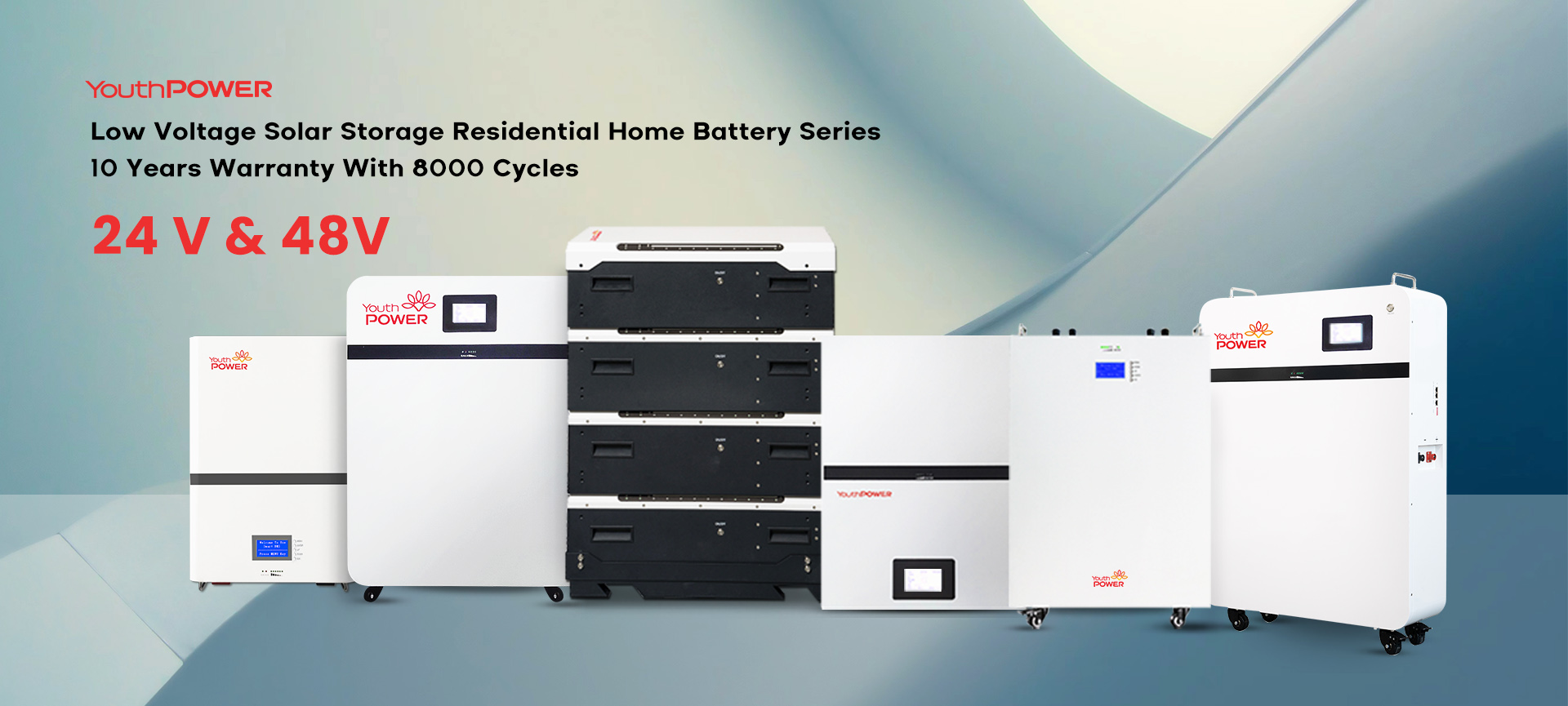
Standard grade-A cells provide over 6,000 deep discharge cycles (up to 80% DOD) before capacity degrades to 80% of its initial rating.
Delivers a high energy transmission efficiency of over 95% from charge to discharge, reducing lost generation in off-grid configuration designs.
China is home to the most sophisticated battery manufacturing infrastructure on earth, representing over 75% of the world's lithium-ion processing capability. For global procurement agents, distributors, and EPC (Engineering, Procurement, and Construction) companies, importing 48V batteries directly from Chinese manufacturers provides significant strategic and commercial advantages:
From lithium carbonate refining and cell cathode manufacturing to smart BMS hardware synthesis, China's localized ecosystems eliminate international logistics bottlenecks at the component level, driving lead times down to standard production cycles.
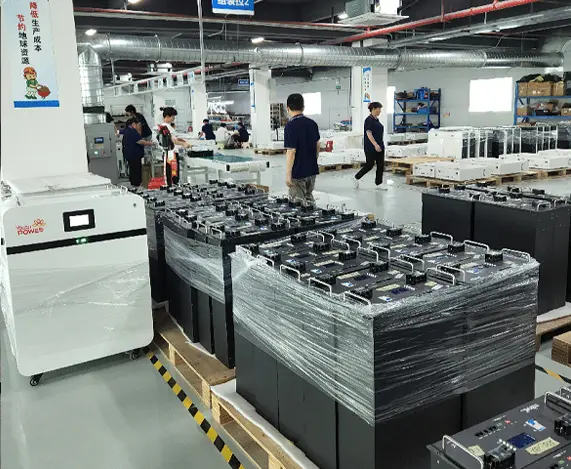
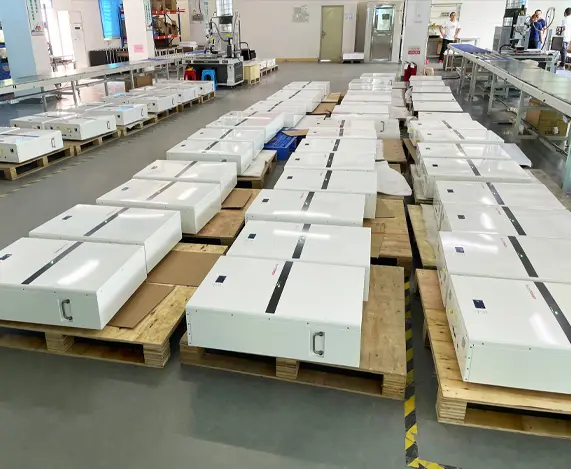
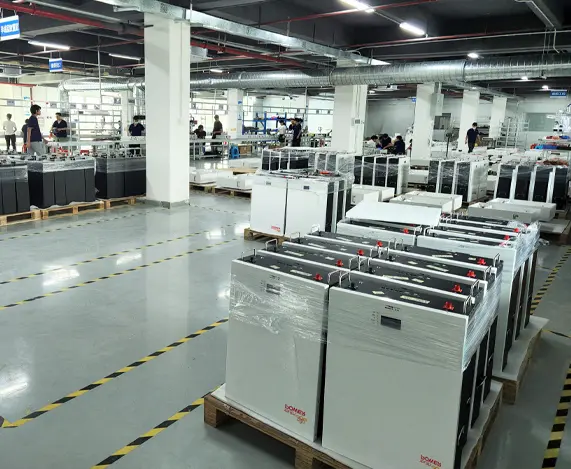
Leading factories utilize automated robot assembly lines, cell sorting machines, laser welding platforms, and aging chambers to maintain precise consistency of internal resistance across cells, mitigating premature pack failure.
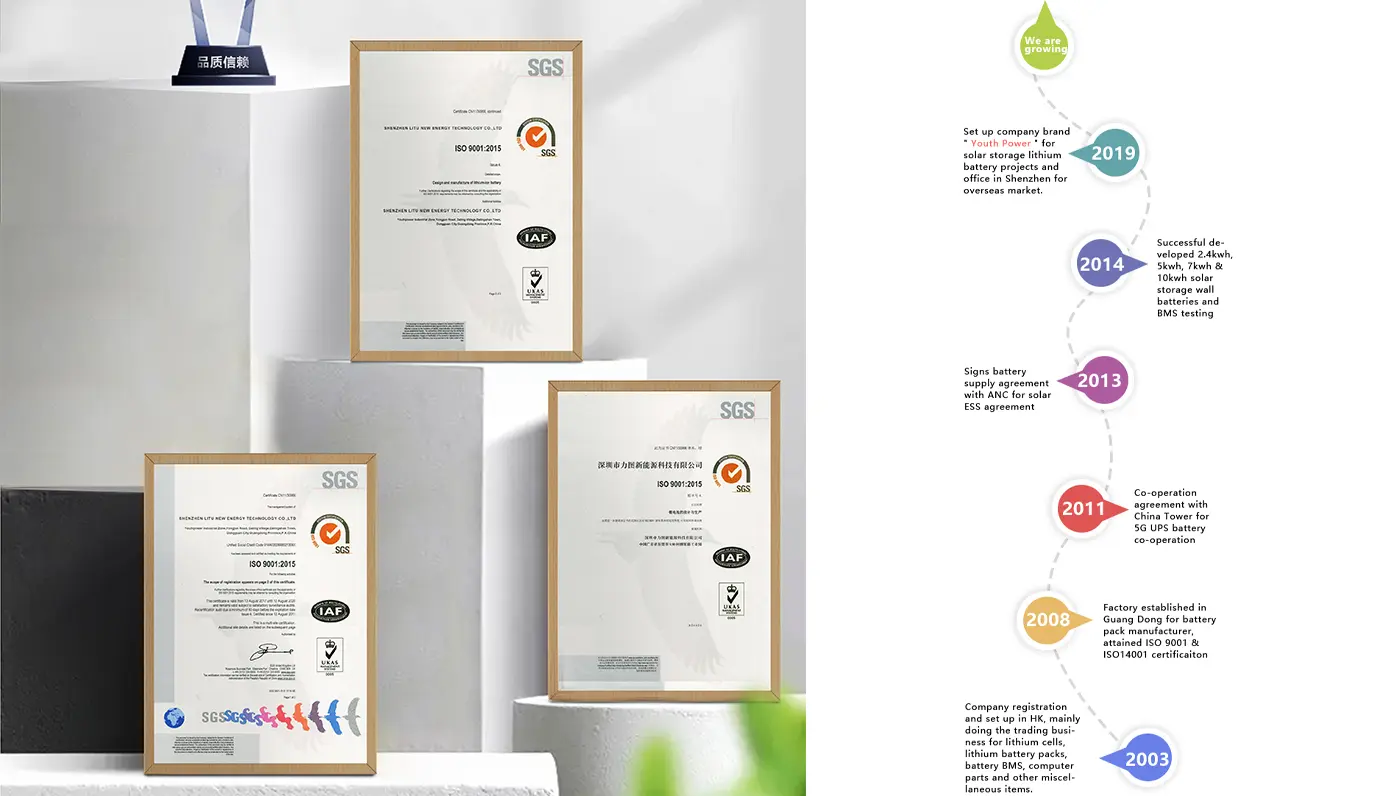
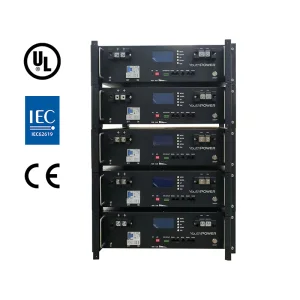
Leading Chinese exporters hold global certifications including UN38.3 (transport safety), IEC 62619 (stationary application safety), UL1973, CE, and RoHS, allowing direct integration into complex commercial bids globally.
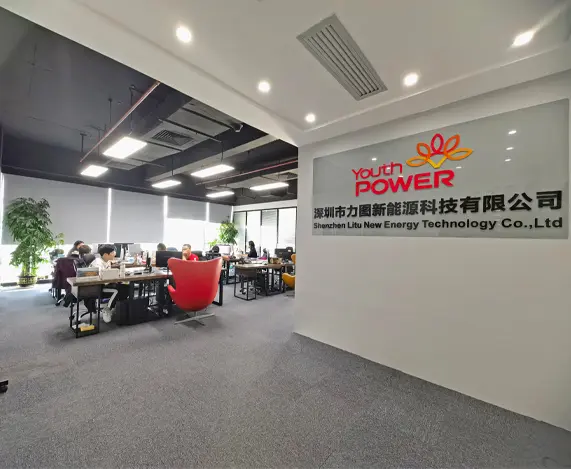
Founded in 2003, YouthPOWER has now become one of the leading suppliers of solar storage lithium batteries in the world. With a broad range of energy storage solutions, it covers a series of 24V, 48V and higher voltage lithium batteries solutions.
YouthPOWER has engaged in the battery technology and production for almost 20 years, with abundant manufacturing experience and strong new product R & D capability. Through many years of hard work and market promotion, we have created our own brand "YouthPOWER" in 2019.
With nearly 20 years’ experience in the battery industry, we have the capability to provide you with both the products you need and the most suitable products you want. We are always ready to supply the first-class products and meet the various needs of the customers.
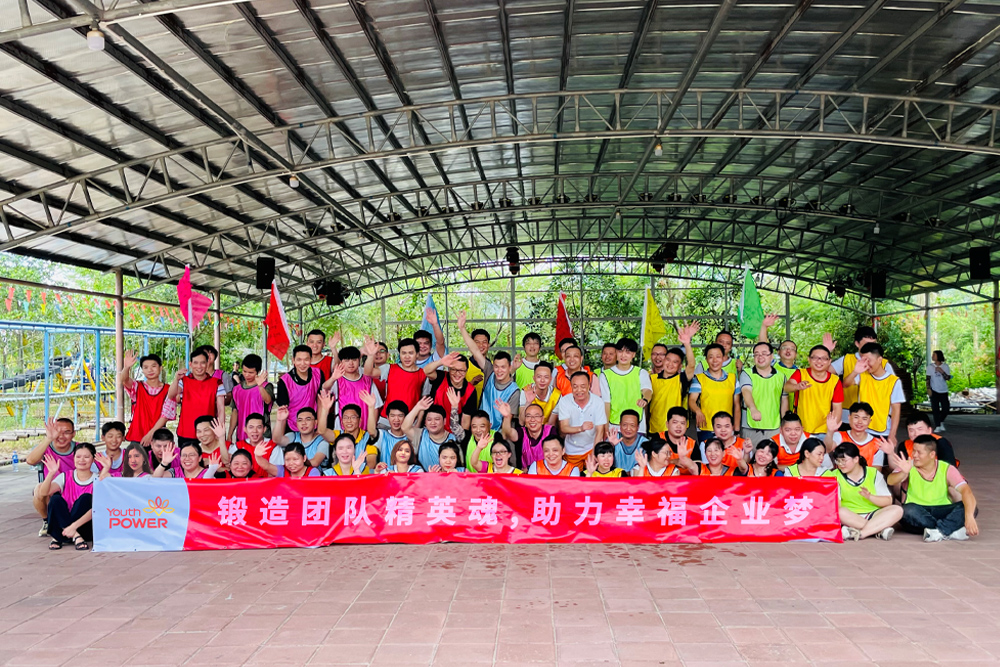
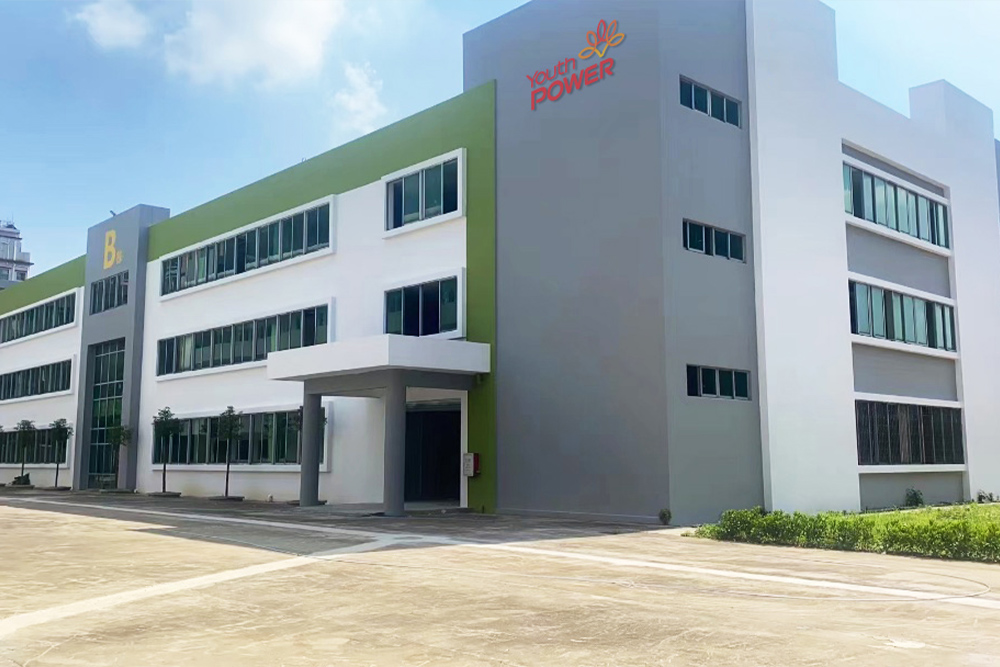
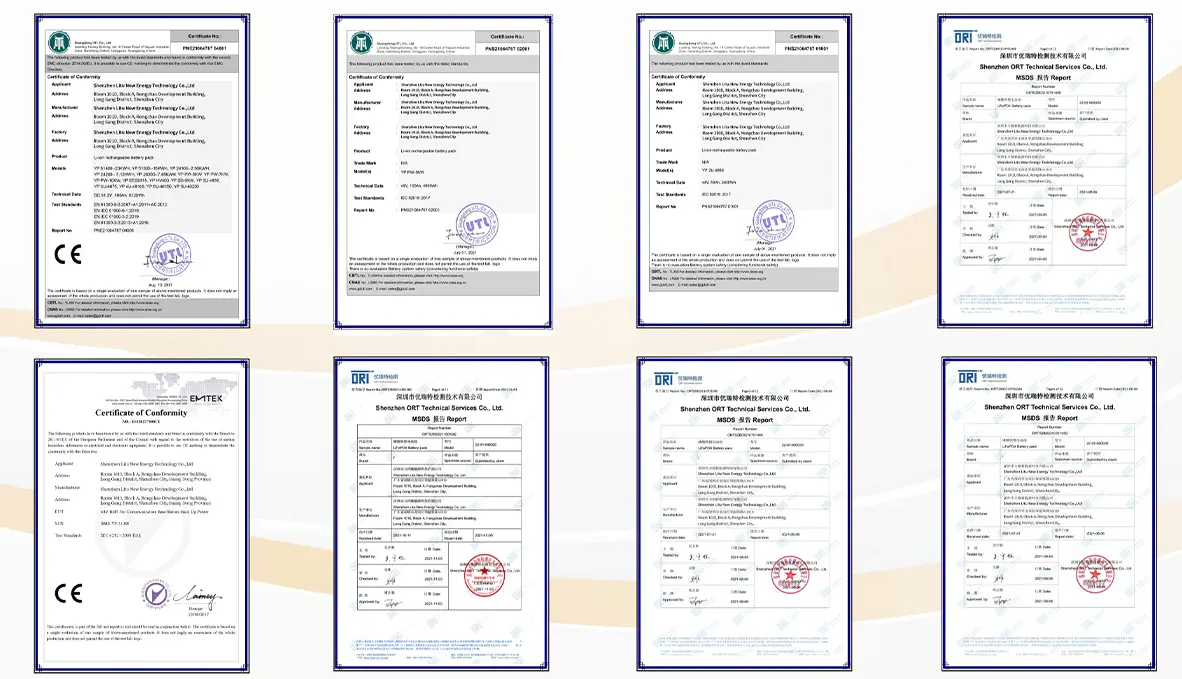
We have established good business relationships with our customers from all over the world. And we have a good cooperation with all our customers as well for many years running. Supported by our local vendors of raw materials, we can certainly offer you the best prices.
We are so proud that YouthPOWER has offered the reliable solar storage solution for over 1,000,000 families now in the world.
Understanding the pricing metrics of 48V solar lithium batteries requires a deep dive into the underlying components. For large-scale procurement, the pricing is generally quoted on a per-kilowatt-hour ($/kWh) basis. While Lead-Acid batteries have a lower upfront purchase price, LiFePO4 batteries represent a significantly lower Levelized Cost of Storage (LCOS) due to their lifespan and high efficiency.
Key factors affecting FOB/CIF pricing include:
| Battery Configuration | Typical Capacity (Ah / kWh) | Est. Wholesale Price (FOB, China) | Life Expectancy | Target Applications |
|---|---|---|---|---|
| 48V (51.2V) Slim Rack | 100Ah / 5.12kWh | $450 - $750 | 12 - 15 Years | Telecom base stations, residential hybrid solar setups |
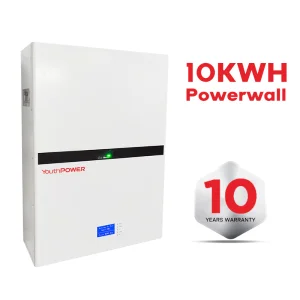
| 48V (51.2V) Powerwall Style | 200Ah / 10.24kWh | $950 - $1,500 | 15+ Years | High-capacity residential off-grid, critical load backup |
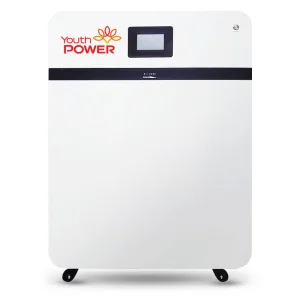
| Industrial Battery Cabinet | Over 500Ah / 25.6kWh+ | $2,500 - $4,200 | 15+ Years | Agricultural pumping stations, small C&I grids |
The global battery industry is rapidly evolving, driven by material science innovations and grid-integration requirements. Key trends include:
The versatility of 48V LiFePO4 batteries enables integration across a broad range of applications:
By capturing surplus daytime solar generation and storing it for evening use, homeowners can maximize energy self-reliance and reduce dependencies on local grid systems.
Commercial enterprises leverage high-rate discharge cycles of 48V batteries to buffer spikes in demand, preventing expensive utility peak demand charges.
Continuous backup power systems for telecom towers require highly reliable, low-maintenance options. 48V battery systems provide direct compatibility with native DC telecom equipment.
When purchasing 48V lithium-ion batteries from Chinese manufacturers, importing organizations must verify key logistical and regulatory steps:
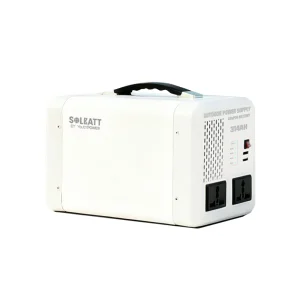
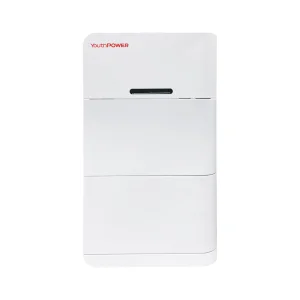
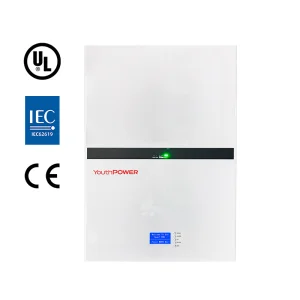
 YouthPOWER