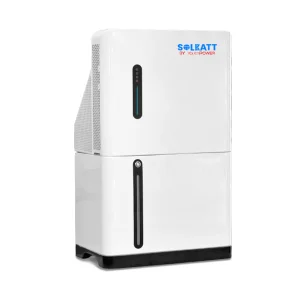
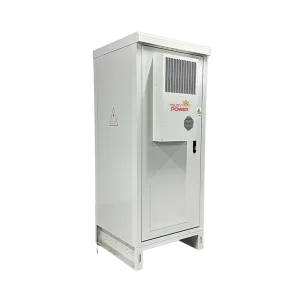
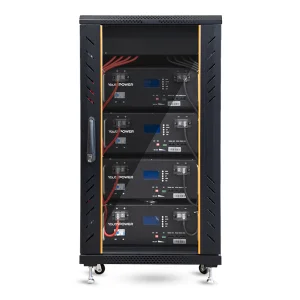
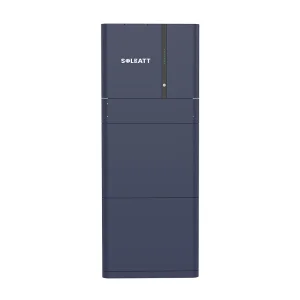
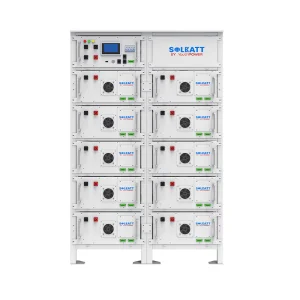
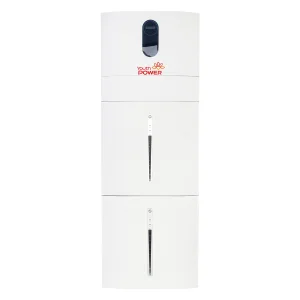
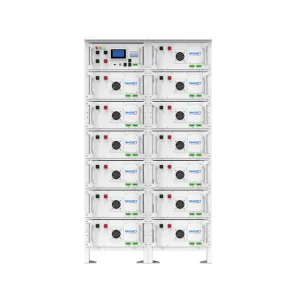
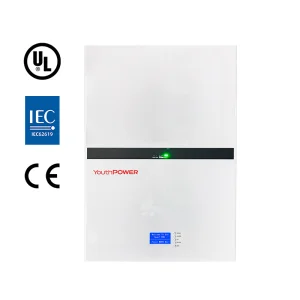
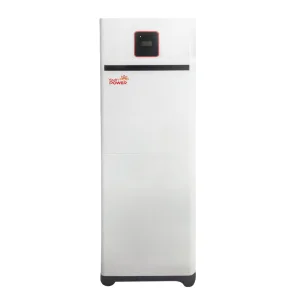
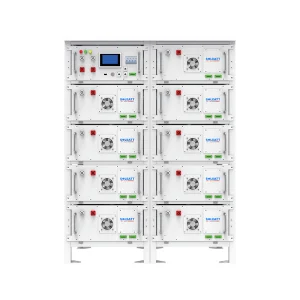
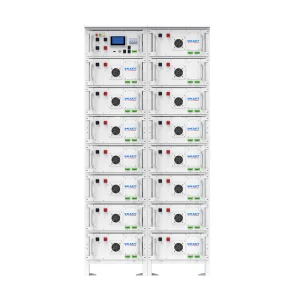
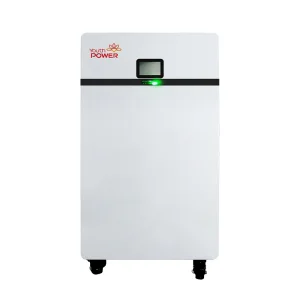
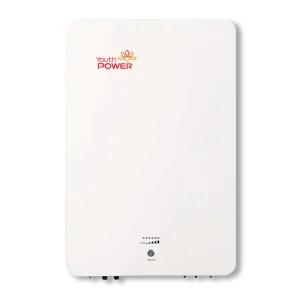
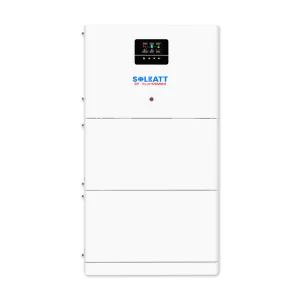
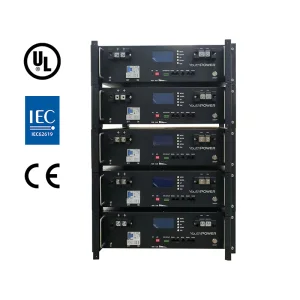
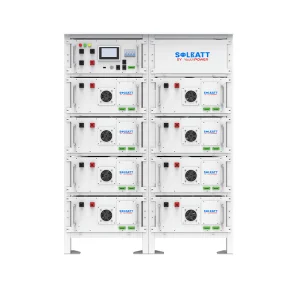
Discover our primary selection of modular 48V setups, high-voltage battery cabinets, and all-in-one energy storage systems engineered for safety and resilience.
Founded in 2003, YouthPOWER has established itself as a world-leading pioneer in lithium-ion energy storage. With close to two decades of dedicated battery technology research, product design, and automation-driven manufacturing, we have successfully developed high-tier solar storage systems ranging from 24V, 48V, up to ultra-high-voltage industrial batteries.
Driven by a passion for clean technology, our engineering crew developed the dedicated brand "YouthPOWER" in 2019 to better address the rapid development of worldwide residential and utility microgrids. Today, YouthPOWER is highly trusted by Tier-1 installers, regional distributors, and utility developers globally.
By coordinating production closely with premium raw material vendors in China, YouthPOWER delivers highly robust, cost-effective lithium-iron-phosphate (LFP) energy solutions. We are extremely proud to have delivered reliable solar storage solutions to more than 1,000,000 families worldwide, lowering their carbon footprints and ensuring grid independence.
Understanding the raw material advantages, engineering competence, and structural supply chain efficiencies that make China the epicentre of lithium-ion manufacturing.
From lithium carbonate extraction, cell precursor manufacturing, to smart BMS design, Chinese factories own 80%+ of the global LFP supply chain. This eliminates international material transport overheads and ensures stable production lines even during logistics crises.
By utilising fully automated laser welding systems, automated double-side coating systems, and high-precision AI cell grouping tools, China-based factories keep cell capacity matching variance under 0.05V, securing longer module lifespans.
Operating multi-gigawatt-hour production installations allows factories like YouthPOWER to purchase raw materials at highly competitive rates, transferring significant cost savings directly to B2B distributors and utility developers.
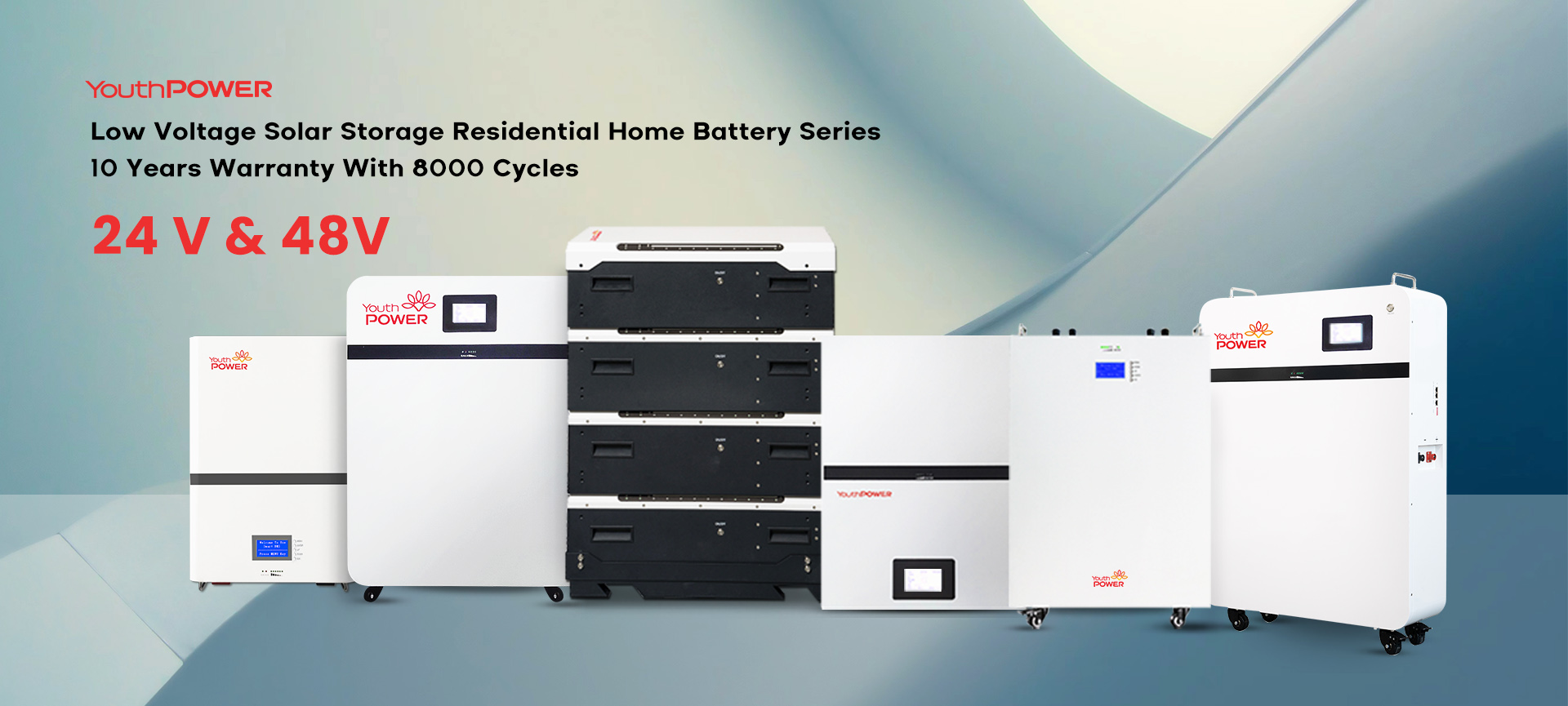
With two decades of battery industry immersion, YouthPOWER offers comprehensive engineering consultancies for custom lithium storage designs. Our high-density modular 19-inch 48V (51.2V nominal) LiFePO4 rack battery systems represent our technological apex, featuring native CAN/RS485 multi-inverter compatibility.
Our dedicated structural engineering team guarantees every battery pack is designed to meet strict standards for safety, thermal efficiency, and space optimisation. Whether you require standard 1U, 2U, 3U, or 4U rack mounts or highly advanced outdoor telecom-grade battery enclosures, our assembly plants deliver exceptional mechanical and electrical reliability.
Our strict internal quality control process ensures that no cell leaves the production floor without passing rigorous high-rate charge/discharge tests, thermal cycling, and internal resistance profiling. This allows us to guarantee our batteries for 6,000+ cycles at 80% Depth of Discharge (DOD).
From remote base stations to utility grid optimization, discover how modular rack batteries serve as critical infrastructure.
Modern telecommunication nodes demand lightweight, high-energy-density backup sources. 48V rack-mount lithium batteries replace bulky lead-acid systems, fitting seamlessly into standard 19-inch cabinets and saving over 70% in structural footprint.
Commercial enterprises leverage our modular systems to shave peak energy costs. By charging battery banks during off-peak hours and discharging them when demand charges spike, businesses reduce electricity bills and gain grid backup.
Perfect for off-grid and hybrid installations. The modularity of rack batteries allows homeowners to start with a modest 5kWh capacity and scale up step-by-step as demand increases, avoiding excessive upfront costs.
Staying ahead of structural industry shifts allows purchasers to invest in forward-compatible technology.
The industry is transitioning rapidly from standard 100Ah/150Ah configurations to massive 280Ah and 314Ah prismatic LFP cells. This enables double the energy density within the same rack parameters, offering higher power output for commercial storage needs.
Modern battery management systems are no longer local shut-off devices. Next-generation systems feature remote telemetry, cloud-based state-of-health (SOH) monitoring, predictive cell degradation modeling, and over-the-air (OTA) firmware updates.
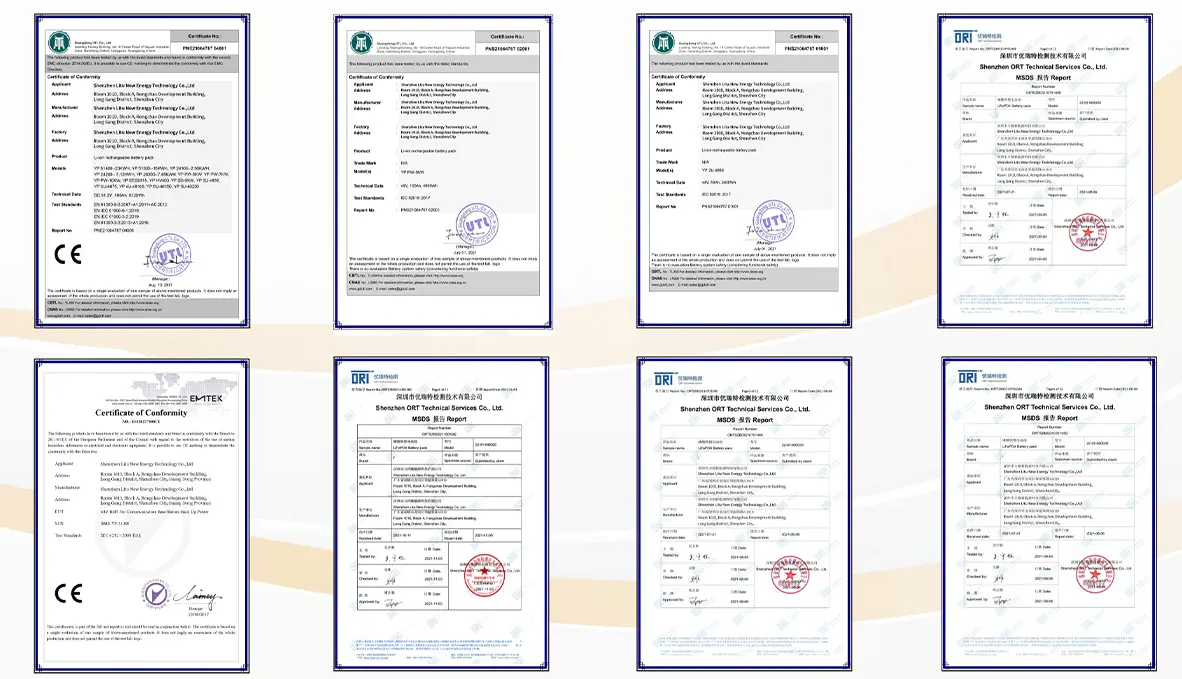
Global regulatory bodies are raising safety barriers. Compliance with UL 1973, UL 9540A thermal runaway assessments, IEC 62619, and UN38.3 is now mandatory for commercial permits, forcing factories to adopt more rigorous safety barriers.
Industrial procurement departments now demand clear environmental pathways. Factories are investing heavily in design-for-disassembly frameworks, ensuring easy reclamation of valuable metals like copper, aluminum, and high-purity LFP powder at the end of the battery's lifecycle.
While 48V remains the standard for residential and telecom setups, large-scale commercial networks are shifting to 400V to 800V high-voltage systems. This transition minimizes transmission losses and streamlines inverter design for megawatt-scale applications.
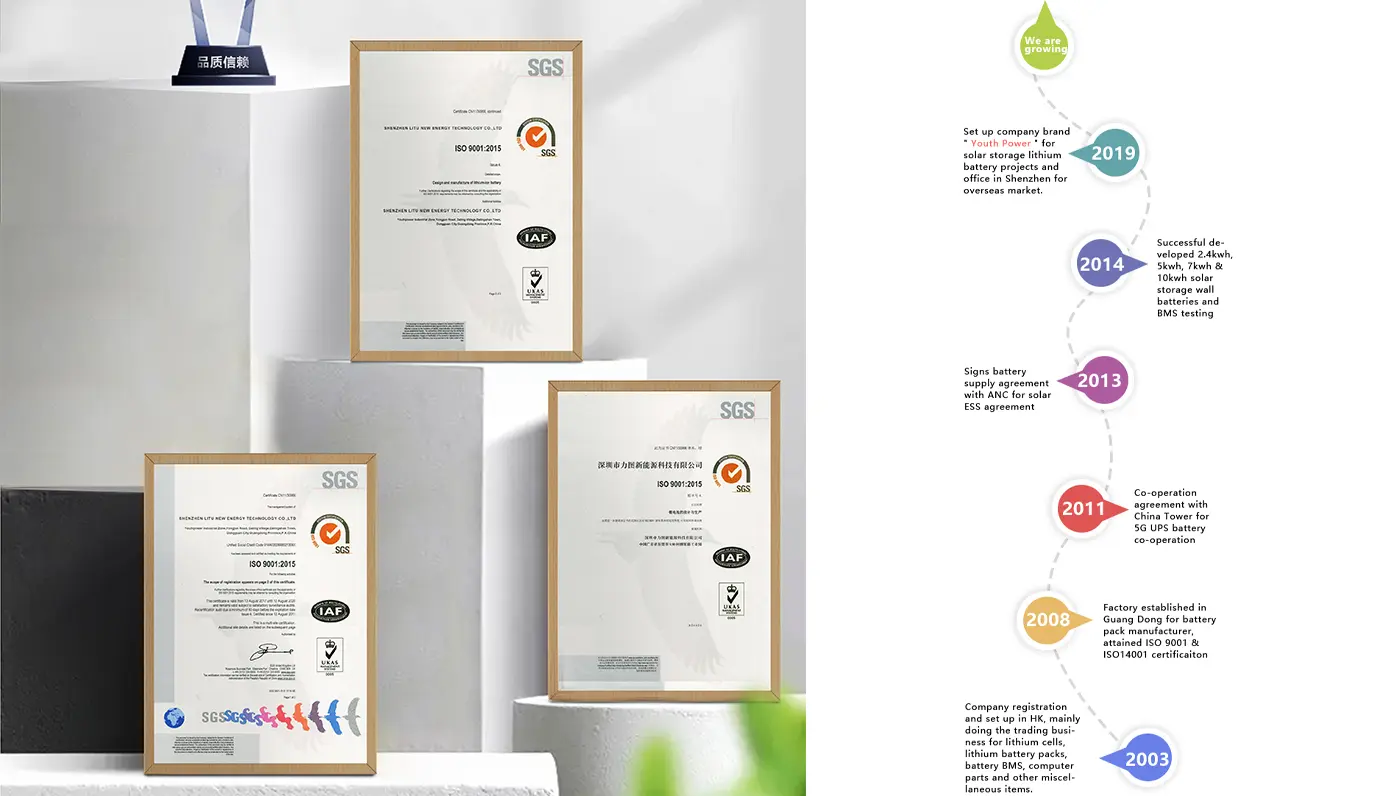
A chronological summary of YouthPOWER's key milestones and technological growth over the last twenty years.
Established manufacturing facilities in China, producing high-grade lead-acid batteries for industrial systems and backup telecom infrastructure.
Initiated R&D lines for Lithium-Iron-Phosphate (LiFePO4) technology, recognizing it as the safest, most stable chemistry for stationary storage.
Successfully integrated custom digital BMS into rack battery packages, supporting automated cell-balancing and multi-inverter protocols.
Launched the dedicated brand "YouthPOWER" to target international solar markets, exporting high-performance batteries to Europe, North America, and Africa.
Pioneering high-voltage C&I systems and modular balcony battery kits, powering over 1,000,000 residential and commercial setups globally.
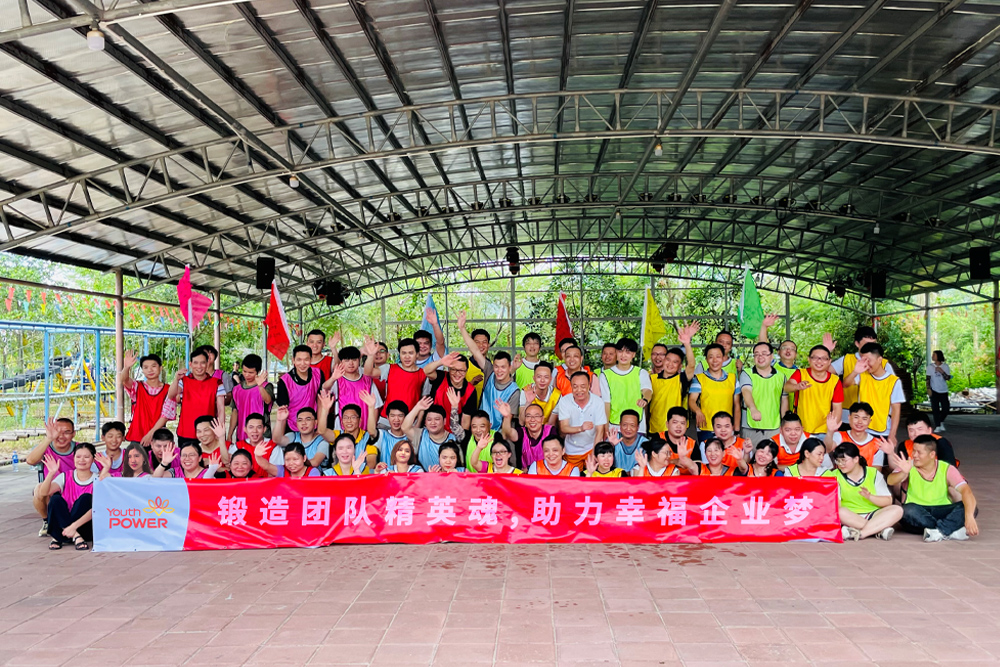
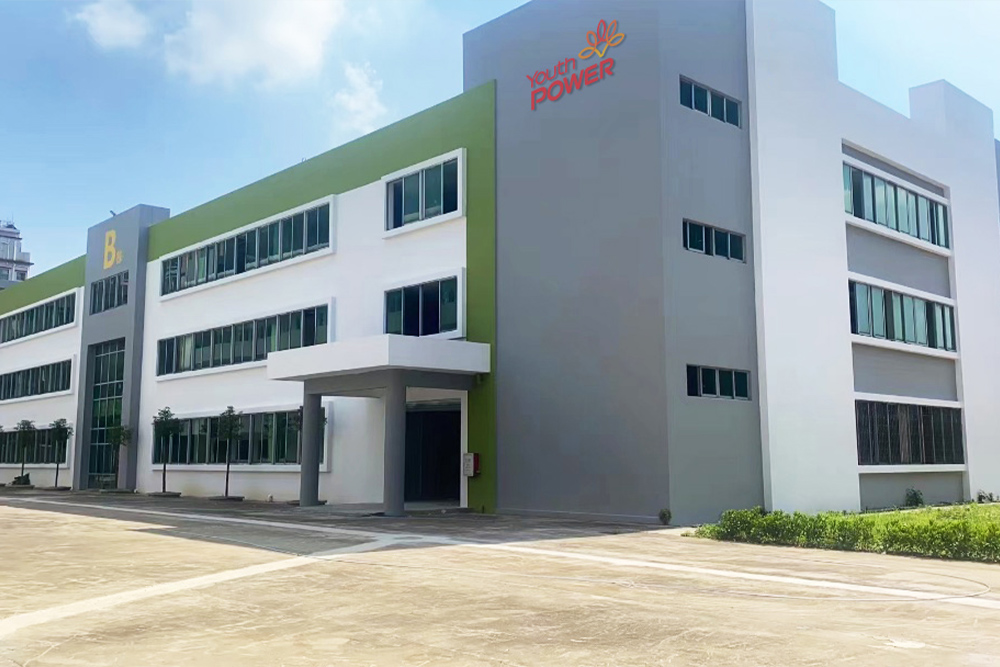
A look into our manufacturing environments, raw material storage facilities, and advanced assembly floors.
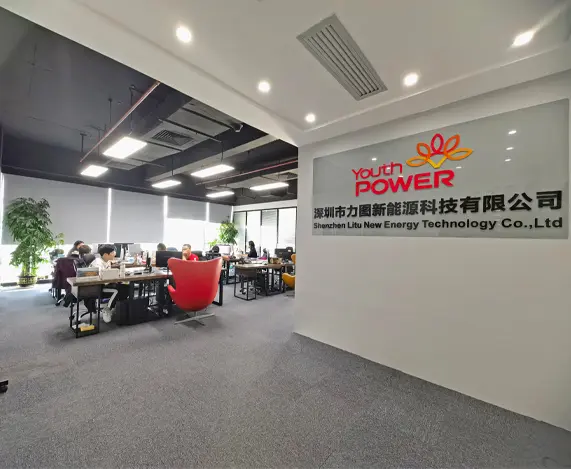
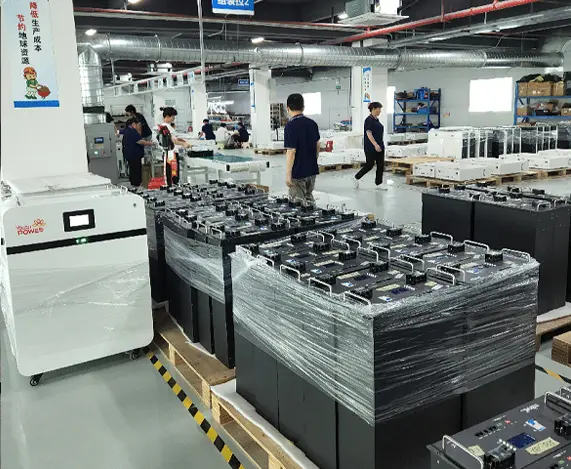
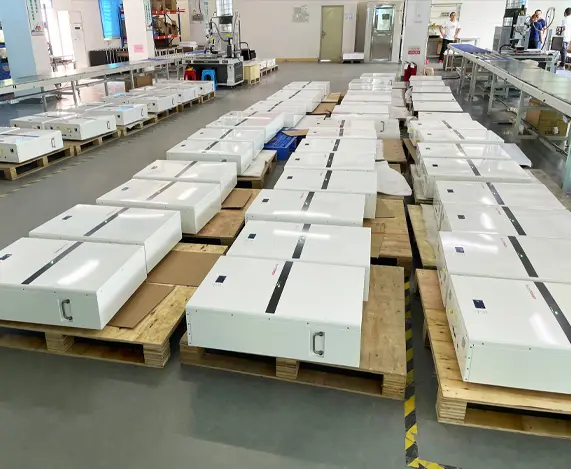
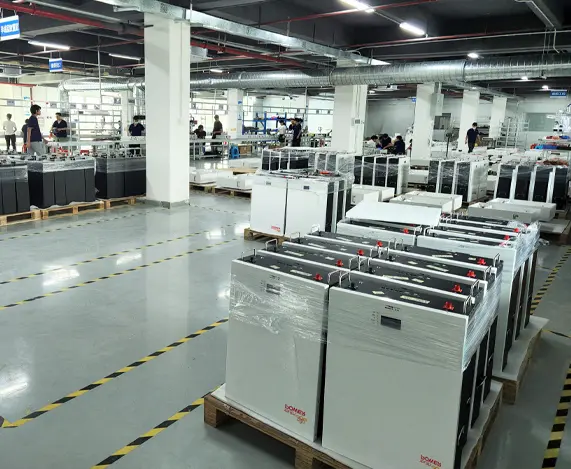
Avoid costly procurement mistakes by evaluating factory suppliers against this essential quality framework.
Demand certified, traceable cell testing reports. Ensure the factory utilizes exclusively Brand New Grade A cells. Low-tier assemblers often use repurposed Grade B cells, which can lead to quick degradation and capacity imbalance within 12 months.
Verify that the battery's BMS supports matching communication protocols for major global inverter brands like Growatt, Victron, Deye, SMA, Studer, and Sofar. Seamless CAN/RS485 handshake ensures safe and accurate charging states.
Enquire about the thermal management setup. Modern rack batteries require integrated thermal dividers, fire-retardant structural mounts, and localized temperature sensors on each series cell block to prevent localized hot spots.
Technical answers straight from our factory's research team regarding standard operation, sizing, and safety protocols.
Explore our high-voltage cabinets, heavy-duty commercial storage systems, and specialized 19-inch battery boxes for extensive deployments.
 YouthPOWER