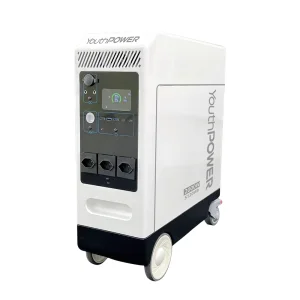
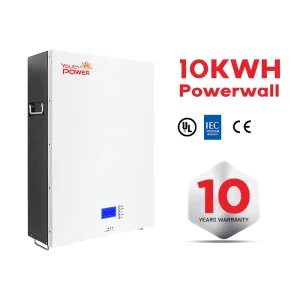
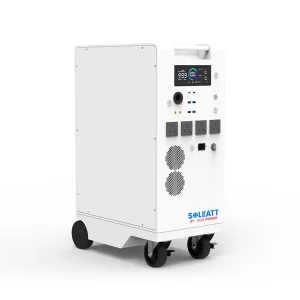
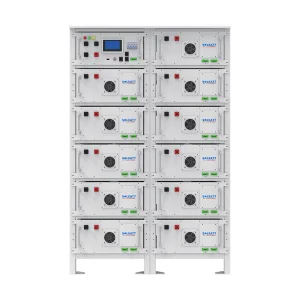
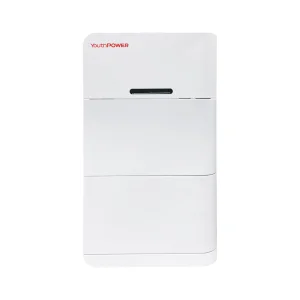
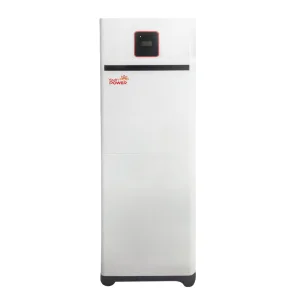
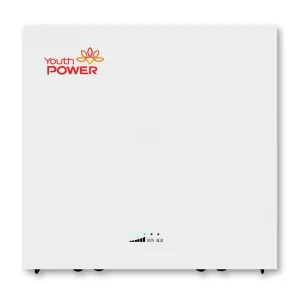
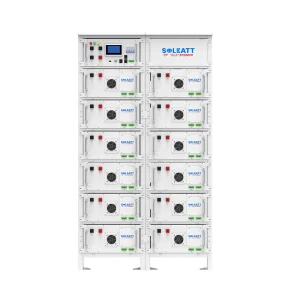
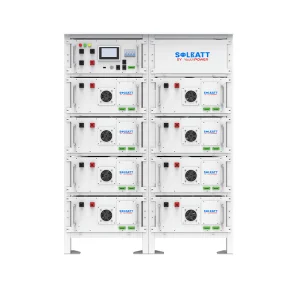
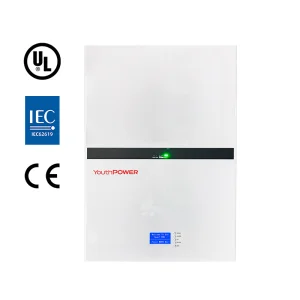
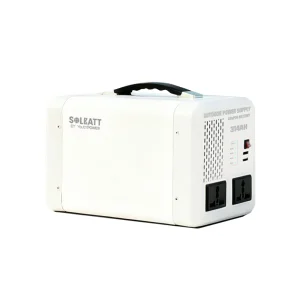
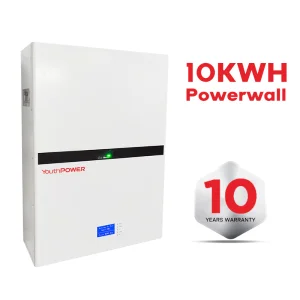
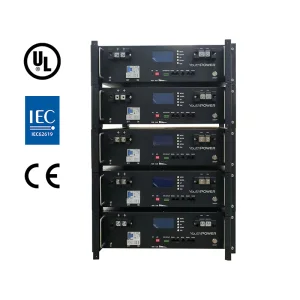
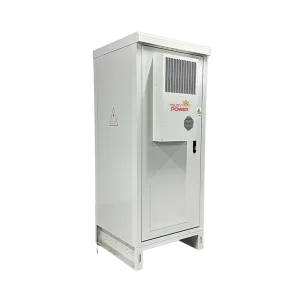
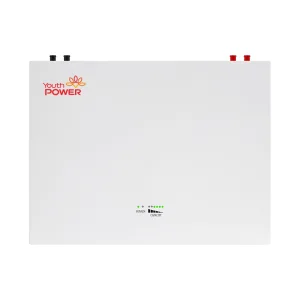
Explore the industry's most reliable lithium battery models, featuring high integration, advanced BMS diagnostics, and seamless scaling capability. Each system is designed to provide maximum uptime and thermal security.
In the modern decentralized energy landscape, the 5 kWh battery pack (typically operating at 48V or 51.2V with a nominal capacity of 100Ah) has emerged as the global baseline unit for both residential and light commercial solar systems. Its widespread adoption is no coincidence; it represents the optimal configuration balance between modular weight, installation complexity, thermal management footprint, and investment cost.
From an electrochemical perspective, Lithium Iron Phosphate (LiFePO4) has become the chemistry of choice. Unlike legacy ternary lithium chemistries (NMC), LiFePO4 offers superior thermal stability, keeping operations safe even in high ambient temperatures. Furthermore, with cycle lives exceeding 6,000 deep discharges (at 80% Depth of Discharge), a single 5 kWh module provides over 15 years of daily cycling, dramatically reducing the Levelized Cost of Storage (LCOS).
Procuring from Chinese battery manufacturers offers significant cost and performance advantages. The Chinese energy storage supply chain leverages robust vertical integration. China controls over 70% of global lithium refining capacity and holds a dominant share in anode, cathode, separator, and electrolyte production. This allows factories like YouthPOWER to maintain high quality control at competitive price points.
Chinese factories source cells, protection circuit modules, smart BMS hardware, and chassis from adjacent industrial clusters. This reduces logistics costs and eliminates lead-time bottlenecks common in other manufacturing zones.
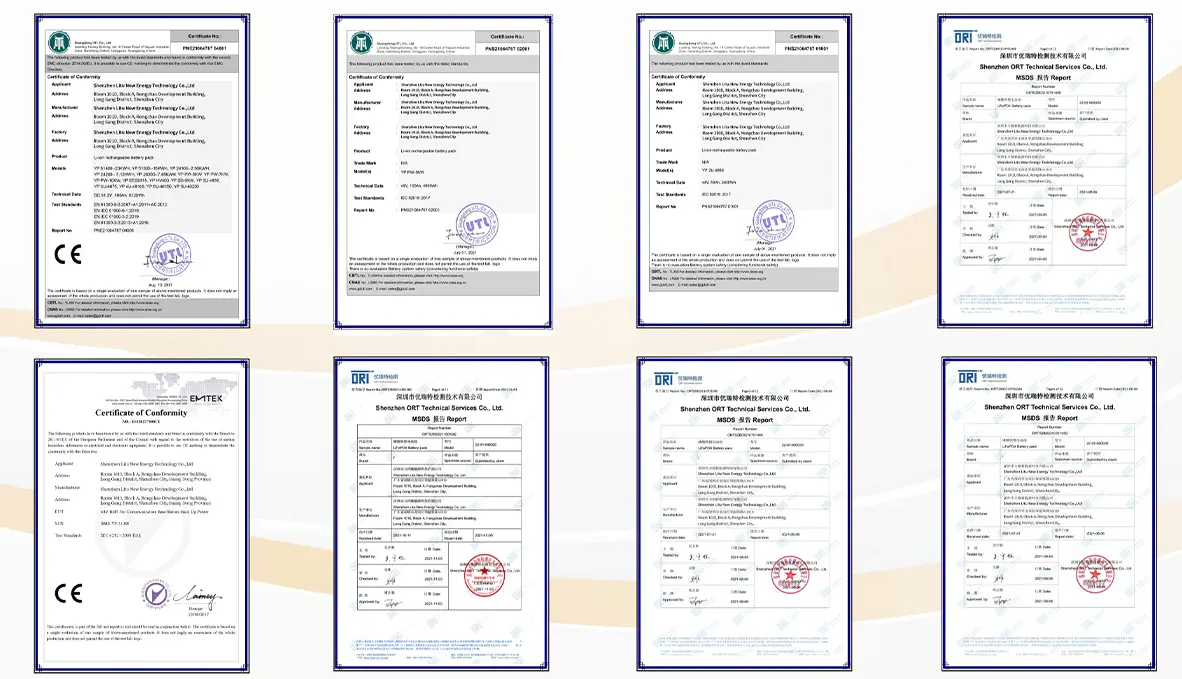
Top tier manufacturers operate with international certifications including IEC 62619, UL 1973, CE, UN 38.3, and ISO 9001. This ensures that every battery module conforms to the safety standards required for distribution in the EU, Americas, and Australia.
Chinese battery technology focuses heavily on the Battery Management System (BMS). Integration of dual-CPU backup, CAN/RS485 communication protocols, and AI-optimized SoC/SoH algorithms ensures safety and cross-inverter compatibility.
The energy storage industry is experiencing rapid technological evolution. As a prospective buyer or distributor, understanding these macro trends is vital for future-proofing your product pipeline:
Understanding user intent and localized conditions is critical for configuring energy storage setups. The 5 kWh capacity functions as a highly adaptable energy building block:
In regions like Germany, Italy, and Australia with high utility rates, home PV systems use a 5 kWh or 10 kWh battery system to store excess midday solar power. This stored energy offsets expensive grid consumption during peak evening hours, maximizing self-sufficiency.
For regions prone to power instability or extreme weather (like parts of North America and South Africa), a 5 kWh wall-mounted or movable battery provides critical backup. It keeps home lighting, internet connectivity, and refrigeration running during extended outages.
In developing nations or remote installations (such as telecom base stations and agricultural outposts), modular 5 kWh batteries run in parallel configuration. They offer reliable round-the-clock power in off-grid conditions.
Modern battery architecture is scalable. Multiple 5 kWh battery racks can be connected in parallel using intelligent combiner boxes. This allows commercial customers to scale modular storage up to 100 kWh or more without requiring specialized engineering resources.
Additionally, specialized 19-inch rack-mount configurations fit easily into standard IT server cabinets. This makes them a cost-effective alternative to lead-acid batteries for telecom sites and backup data centers, offering a smaller footprint and longer service life.
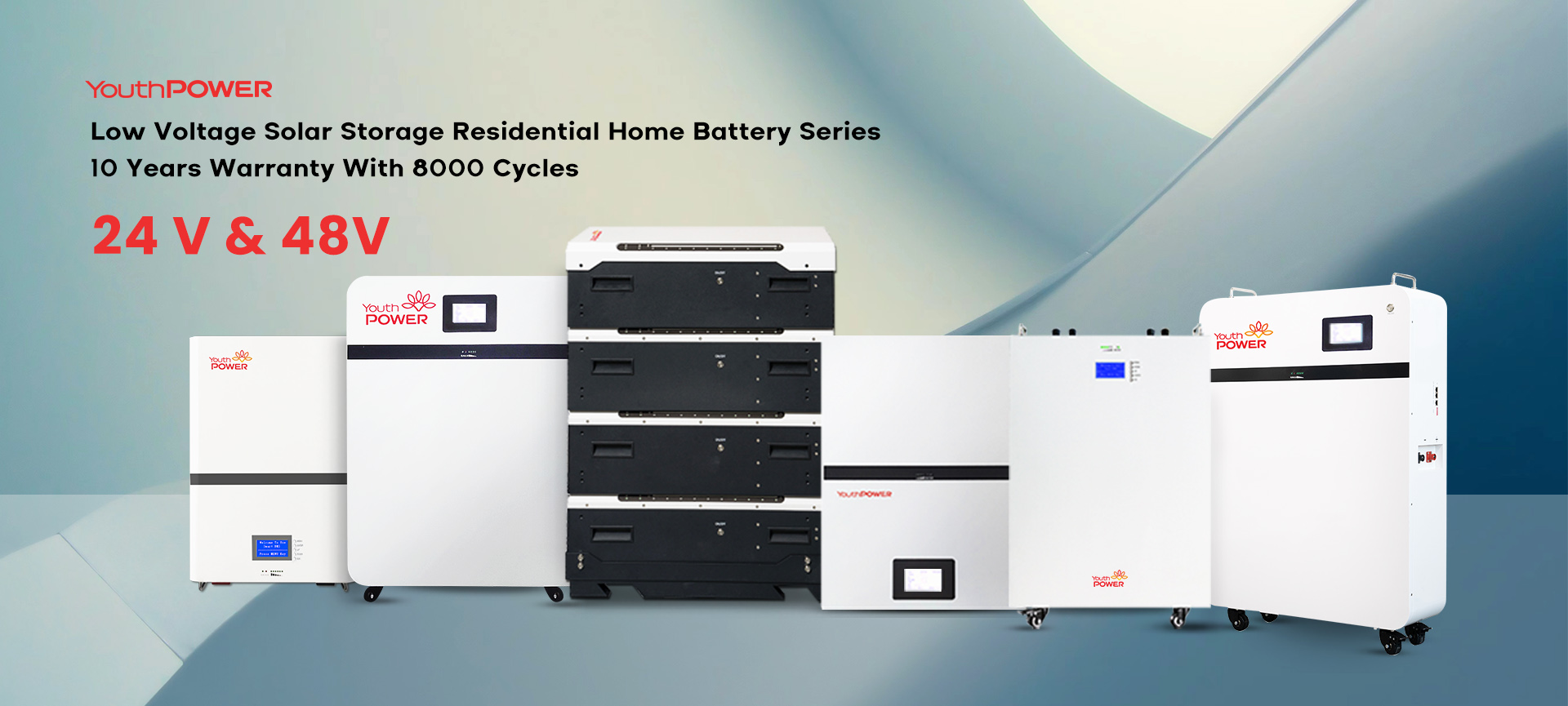
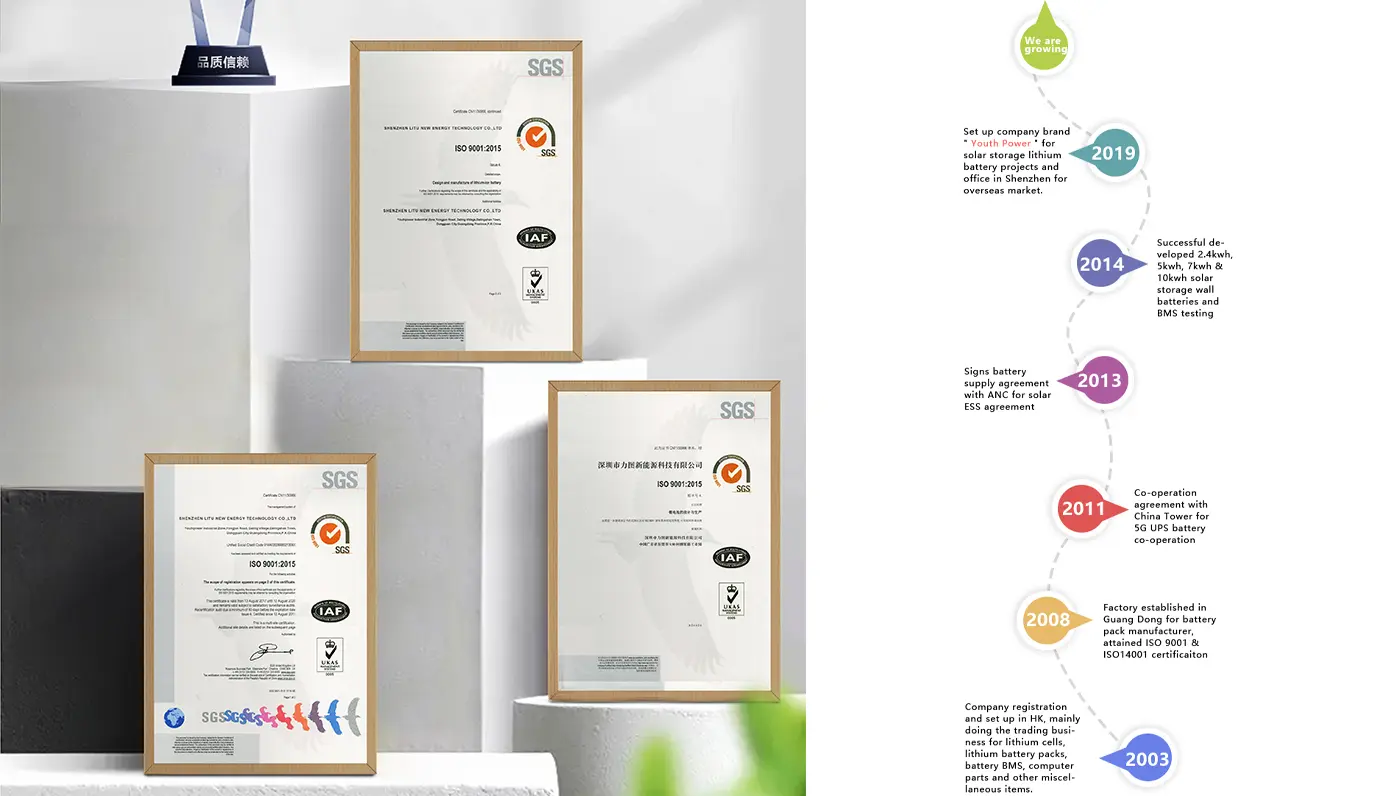
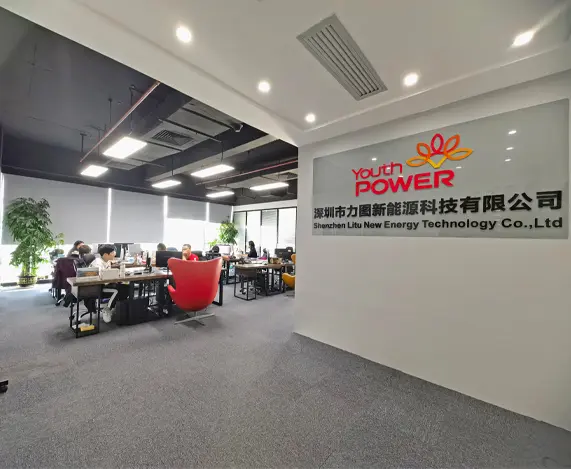
Founded in 2003, YouthPOWER has now become one of the leading suppliers of solar storage lithium batteries in the world. With a broad range of energy storage solutions, it covers a series of 24V, 48V and higher voltage lithium batteries solutions.
YouthPOWER has engaged in the battery technology and production for almost 20 years, with abundant manufacturing experience and strong new product R & D capability. Through many years of hard work and market promotion, we have created our own brand "YouthPOWER" in 2019.
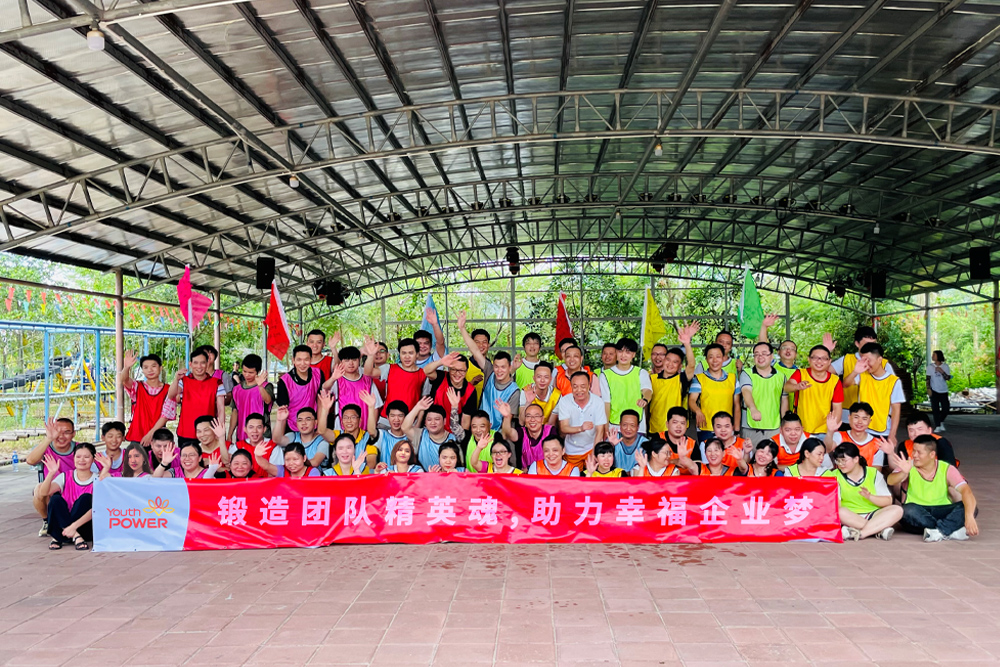
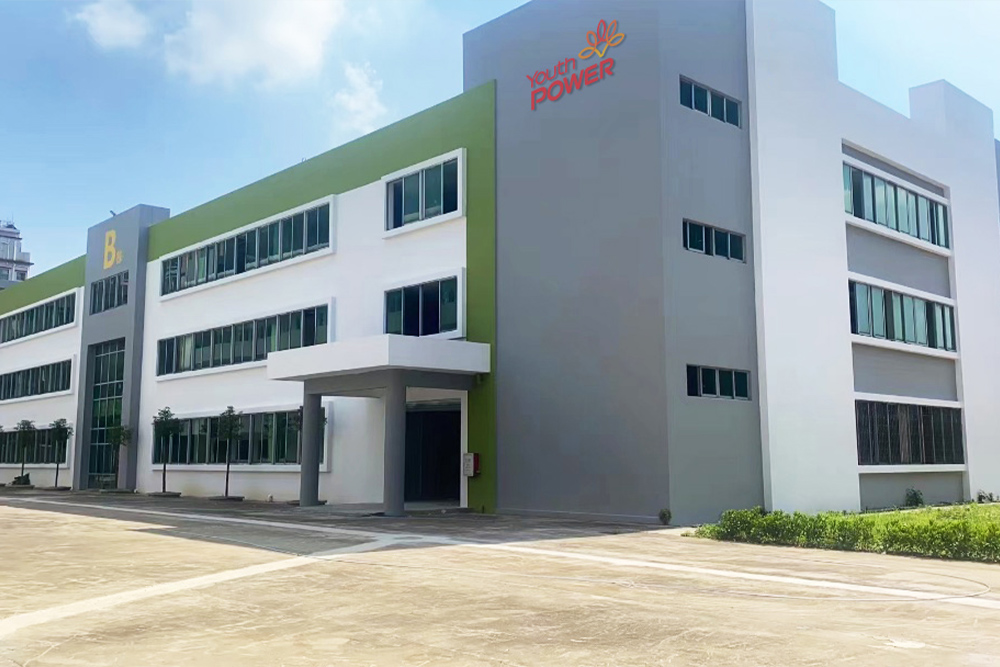
With nearly 20 years’ experience in the battery industry, we have the capability to provide you with both the products you need and the most suitable products you want. We are always ready to supply the first-class products and meet the various needs of the customers.
We have established good business relationships with our customers from all over the world. And we have a good cooperation with all our customers as well for many years running. Supported by our local vendors of raw materials, we can certainly offer you the best prices.
We are so proud that YouthPOWER has offered the reliable solar storage solution for over 1,000,000 families now in the world.
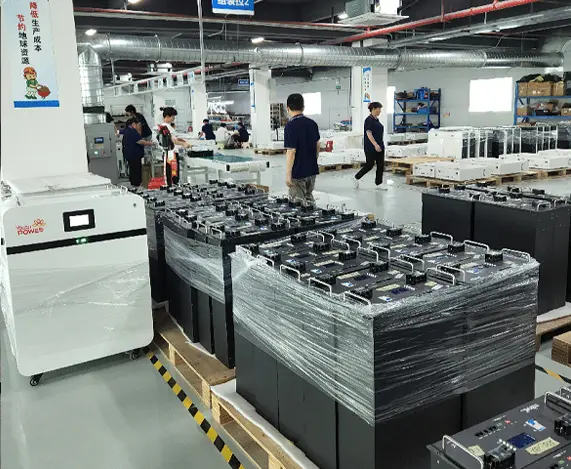
Our path has been defined by ongoing investment in research, cell selection testing, and safety diagnostics. Every step of our manufacturing history is documented, ensuring transparency and reliability for global wholesalers, EPC contractors, and system installers.
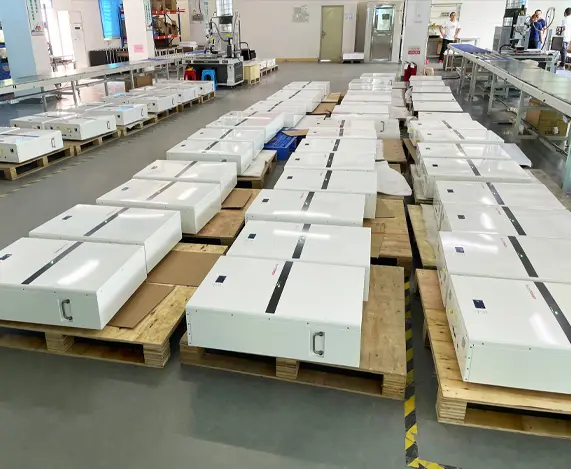
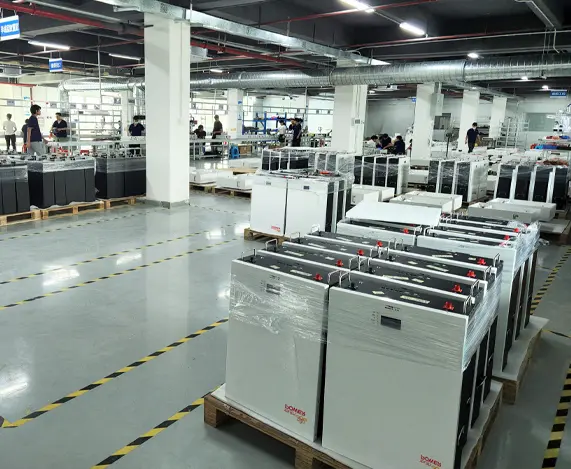
From the raw LFP cell selection to final package testing, YouthPOWER implements rigorous automated testing procedures to verify cell capacity, cycle life, and thermal resistance.
Our growth path shows a long-term commitment to innovation, starting with basic lead-acid assembly and evolving into advanced lithium storage system integration.
Wholesalers and distributors evaluating 5 kWh battery factories should consider the following criteria:
Browse our full range of solar storage options, ranging from light residential units to high-voltage commercial cabinet configurations.
 YouthPOWER