Explore our premium low-voltage and high-voltage commercial & industrial (C&I) battery modules designed for optimal solar yield conversion.
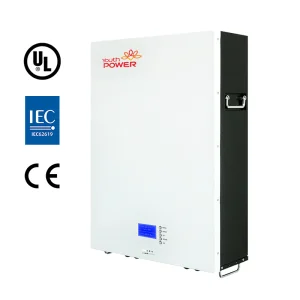
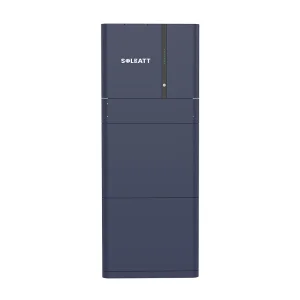
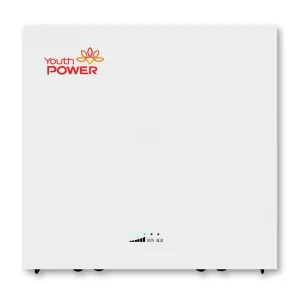
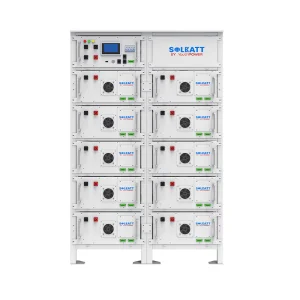
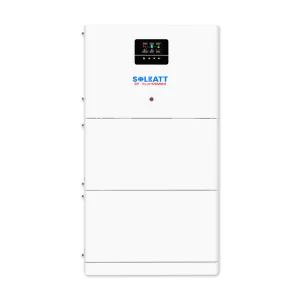
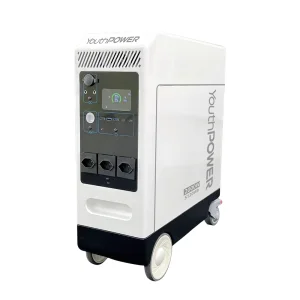
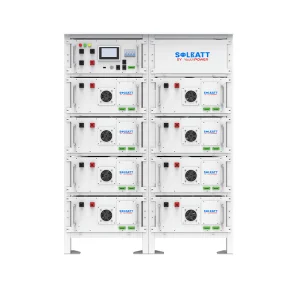
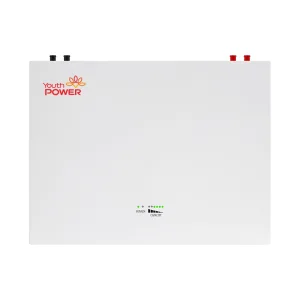
Founded in 2003, YouthPOWER has evolved into one of the leading global suppliers of solar storage lithium batteries. With a broad range of energy storage solutions, our engineering covers highly reliable 24V, 48V, and multi-megawatt high-voltage lithium battery solutions.
Having engaged deeply in battery technology and cell-level optimization for nearly two decades, YouthPOWER leverages massive manufacturing experience alongside state-of-the-art new product research and development capability. Through years of rigorous field deployment and global promotion, we launched our international brand "YouthPOWER" in 2019 to better serve global B2B clients directly.

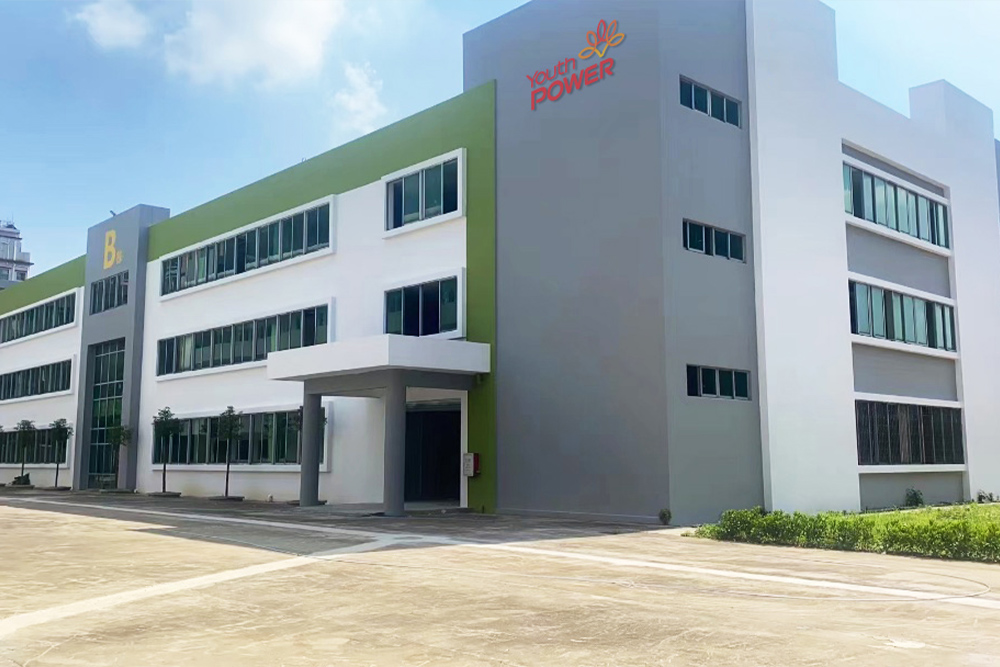
With nearly 20 years’ experience in the battery industry, we possess the precise technical capability to deliver the customized configurations you need. We specialize in mapping the exact products to matching geographical requirements, utility grid restrictions, and thermal conditions.
By establishing long-term business partnerships with distributors, EPCs, and developers globally, YouthPOWER streamlines supply chain delivery metrics. Collaborating closely with local raw material vendors allows us to mitigate commodity volatility and supply high-capacity LFP setups at competitive prices.
Today, YouthPOWER proudly secures reliable solar storage solutions for over 1,000,000 families worldwide, mitigating fossil fuel dependency and securing energy autonomy.
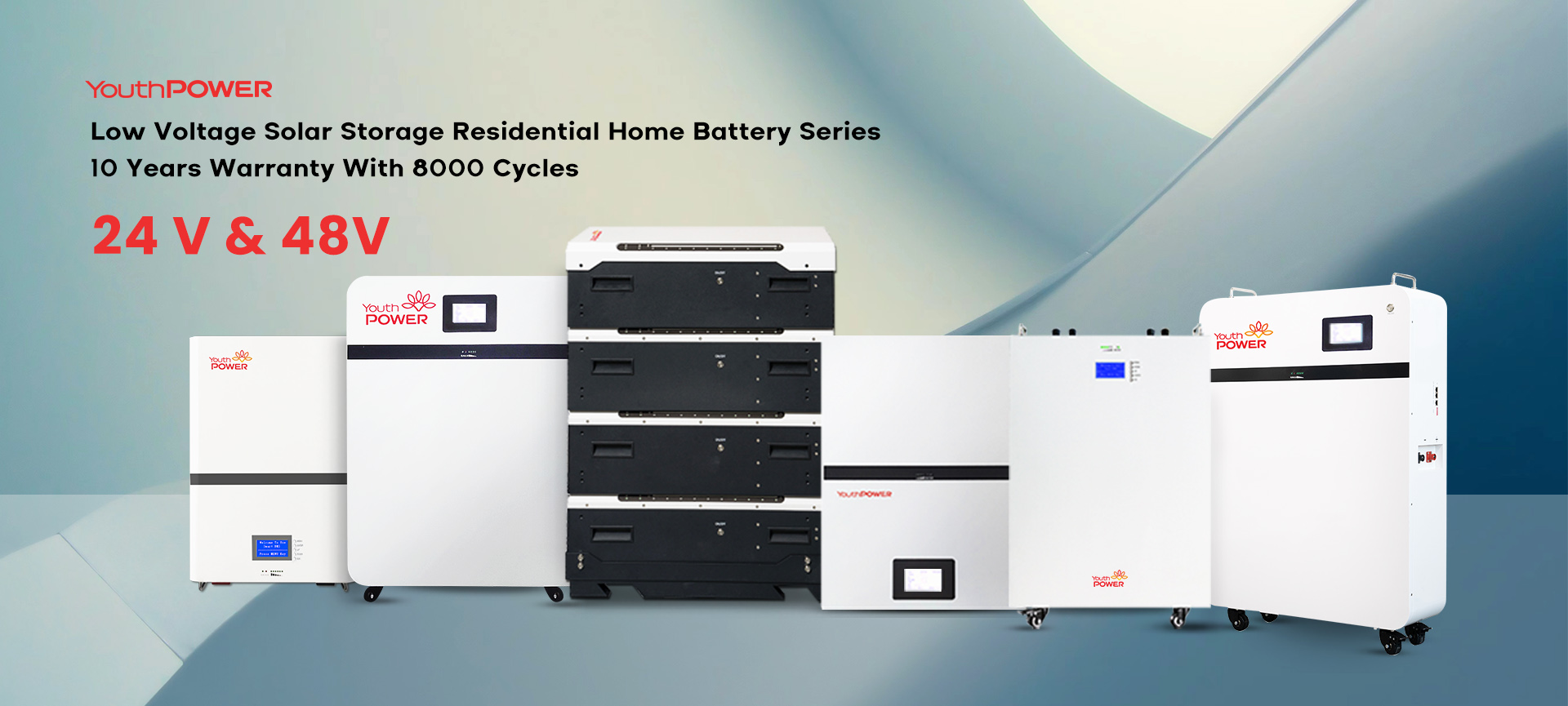
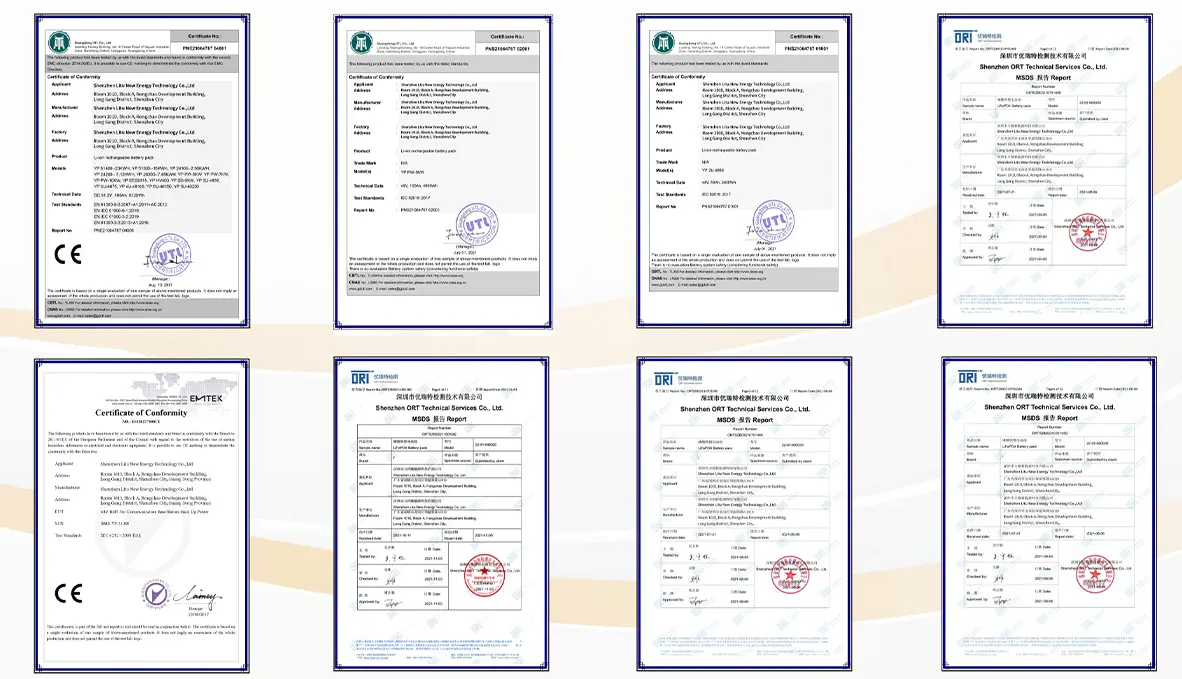
Addressing the core criteria that determine tier selection, bankability, and deployment durability in commercial, industrial, and residential energy storage.
EPCs and developers demand metrics beyond capital expenditure (CAPEX). LCOS evaluations incorporate cell degradation curves, battery round-trip efficiency (RTE > 95%), and thermal parasitic losses to optimize return on investment across 6,000+ lifecycle guarantees.
Procurement departments require strict compliance with UL 9540A testing protocols. Active liquid cooling, modular safety zoning, and aerosol-based suppression systems prevent cascading cell failures under prolonged thermal stress.
Modern developers specify Battery Management Systems (BMS) supporting standard communication protocols like Modbus RTU/TCP and CAN bus. This ensures seamless plug-and-play compatibility with hybrid inverters and SCADA monitoring platforms.
| Application Scope | Voltage Profile | Recommended Chemistry | Target Configuration | Key Parameter Focus |
|---|---|---|---|---|
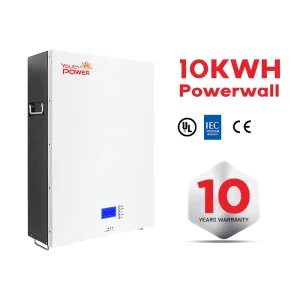
| Residential Solar Storage | Low Voltage (51.2V) / High Voltage | LiFePO4 (Lithium Iron Phosphate) | 5kWh - 15kWh Wall Modules | Simplicity, Space-saving, Scalable Stackability |
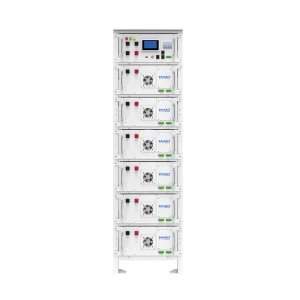
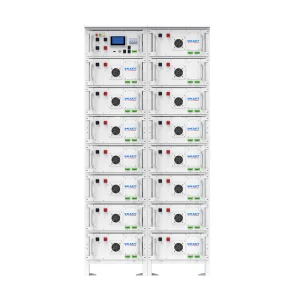
| Commercial Behind-the-Meter | Medium to High Voltage (400V - 768V) | LiFePO4 (Prismatic Cells) | 85kWh - 215kWh Cabinets | Peak Shaving, Backup UPS, High Thermal Stability |
| Industrial microgrid / Utility | High Voltage (700V - 1000V+) | LiFePO4 (Liquid Cooled IP54) | 0.5MWh - Multi-MWh Containers | Grid Ancillary Services, Maximum Durability, RTE |
Deploying energy storage across varied grid types to enhance microgrid reliability and minimize reliance on fossil-fuel backup systems.
For industrial sites, peak demand charges can represent up to 50% of the monthly utility bill. Installing large-scale lithium systems like the 215kWh or 143kWh commercial cabinets allows facilities to draw power from the battery bank during periods of peak consumption, effectively capping peak utility demand charges.
By scheduling charging cycles during low-cost off-peak hours (load leveling), enterprises minimize operational expenditure (OPEX) while integrating zero-carbon PV sources to offset grid dependency during daylight hours.
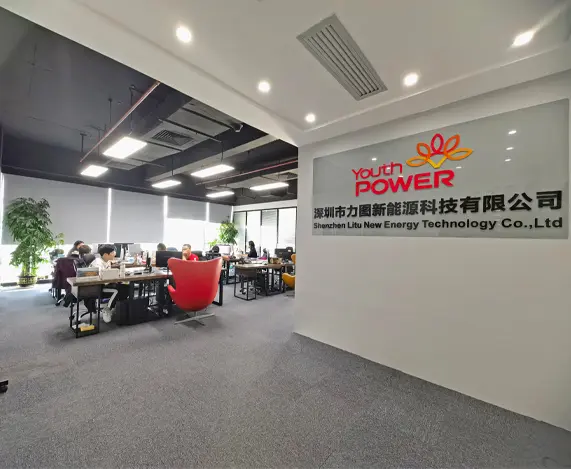
In rural and island regions where grid infrastructure is unstable or non-existent, microgrids powered by YouthPOWER High-Voltage battery systems offer continuous energy security. With built-in black start capability, our systems can reboot microgrids independently after utility failures.
Operating with intelligent hybrid inverters, these configurations match generation and consumption cycles dynamically, maximizing solar usage without risking grid destabilization.
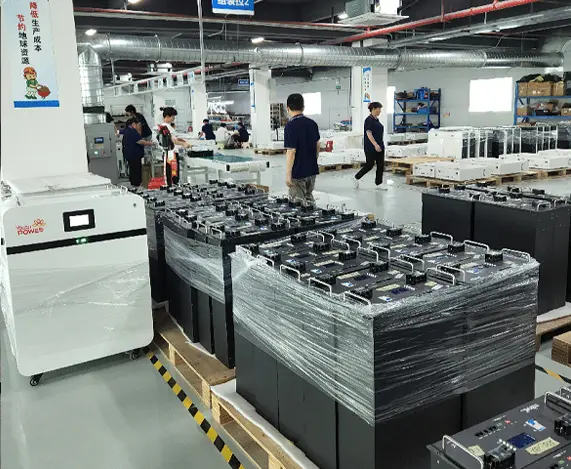
A look at the chemistry, design, and software milestones driving next-generation energy storage products.
Over the last twenty years, YouthPOWER has refined its quality control and scaled production lines to meet the evolving demands of the global market.
Our transition from a regional cell assembler to an international battery supplier reflects our commitment to research and development. Today, our modern manufacturing facilities leverage automation to maintain strict quality standards, ensuring every module performs reliably over its lifetime.
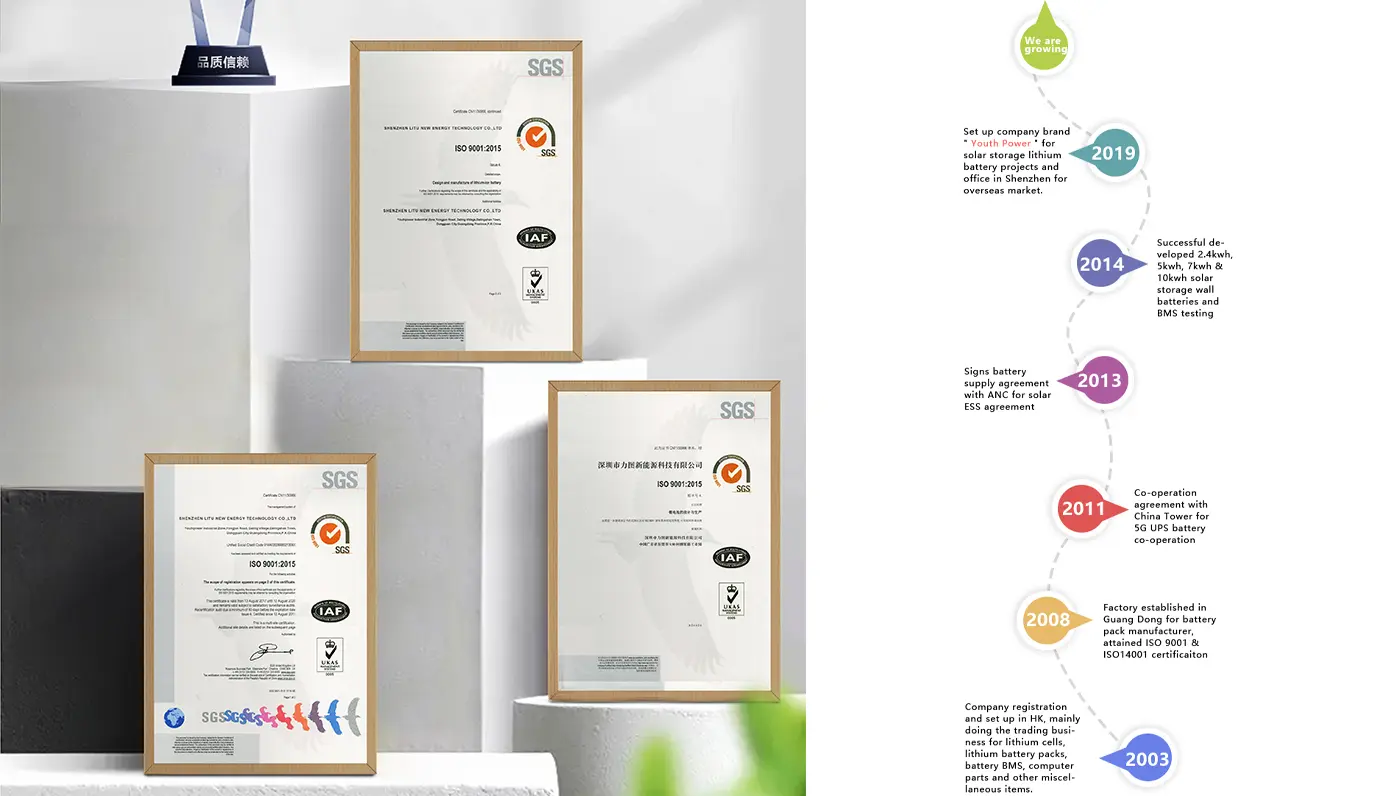
Exporting to markets in North America, Europe, Australia, and Africa requires strict adherence to regional grid codes and safety standards. YouthPOWER works closely with global safety certification agencies to ensure full regulatory alignment.
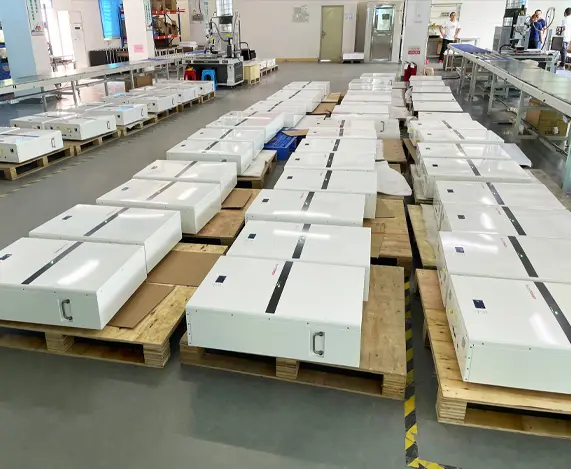
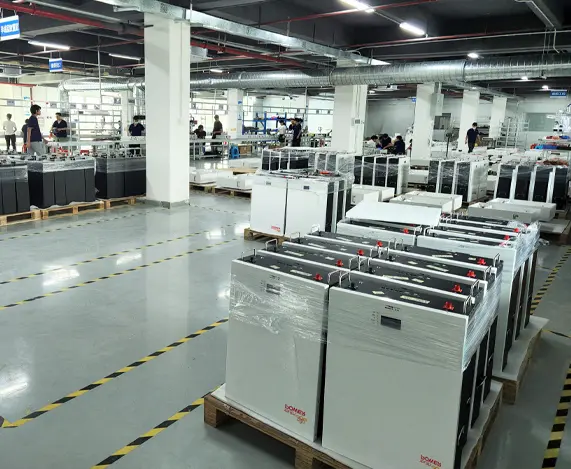
Explore our high-voltage commercial solar battery storage systems designed for industrial sites, hybrid mini-grids, and backup utility power.
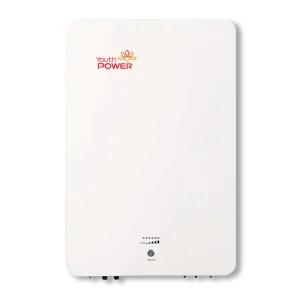
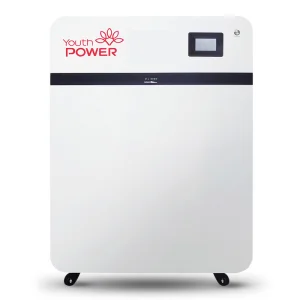
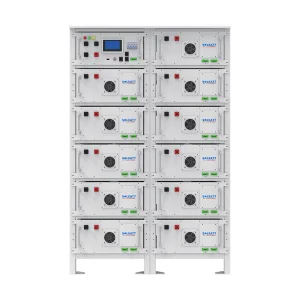
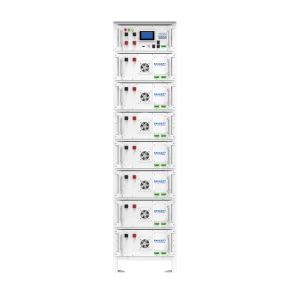
Crucial operations, chemistry details, and integration answers compiled by our engineering directors.
LiFePO4 (Lithium Iron Phosphate) offers superior thermal stability and a long operational lifespan (6,000+ cycles at 80% Depth of Discharge). LFP is structurally and chemically stable at high temperatures, reducing the risk of thermal runaway. It is also cobalt-free, making it a more environmentally sustainable and ethical choice for global supply chains.
HV setups (ranging from 350V to 800V+) reduce current levels throughout the system, allowing for smaller wiring cross-sections and lower system cable costs. High-voltage architectures also offer higher round-trip conversion efficiency by aligning closely with inverter input bus voltages, minimizing DC-DC step-down losses.
Our integrated Smart BMS monitors individual cell voltages, current levels, and internal temperatures in real-time. It features active balancing protocols to prevent cell overcharging, over-discharging, and short circuits, helping to maximize safety and cycle life across the entire pack.
For the EU, CE and EN50549 compliance are required. In North America, UL 1973 (for stationary battery packs) and UL 9540 / UL 9540A (for system level fire propagation) are standard. Safe shipping requires MSDS documentation and UN38.3 certification for transport.
Passive balancing burns off excess energy from higher-charged cells as heat. Active balancing redistributes current from stronger cells to weaker ones, maintaining energy within the pack to maximize usable capacity and efficiency.
 YouthPOWER