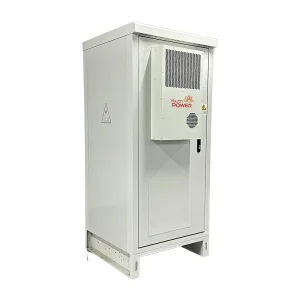
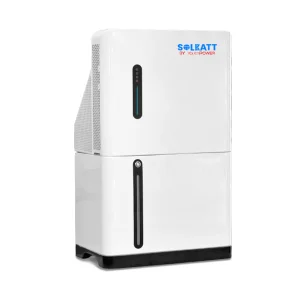
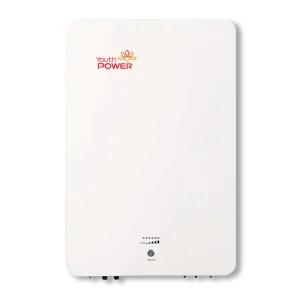
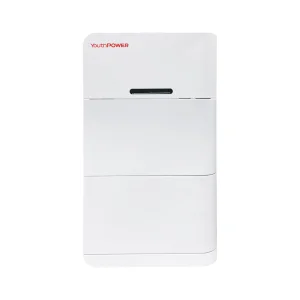
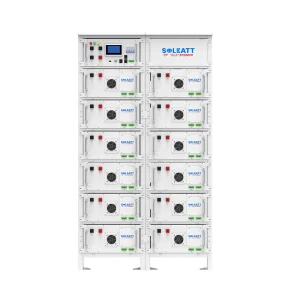
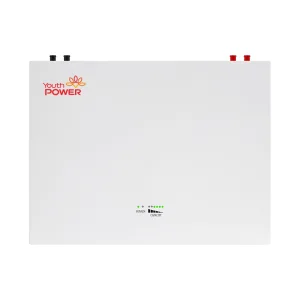
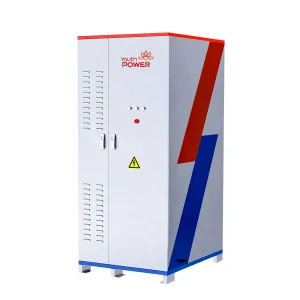
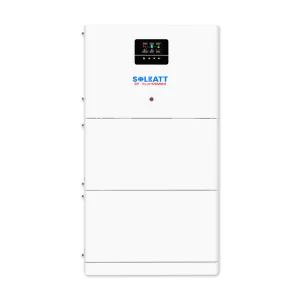
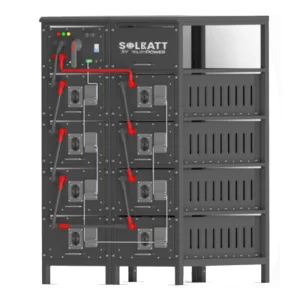
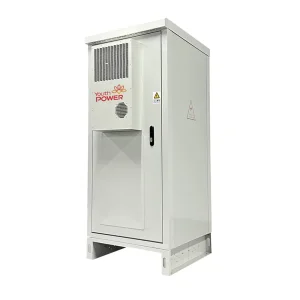
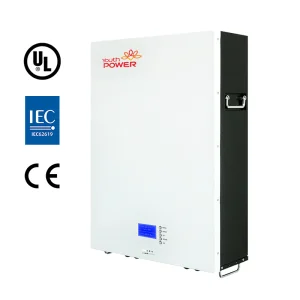
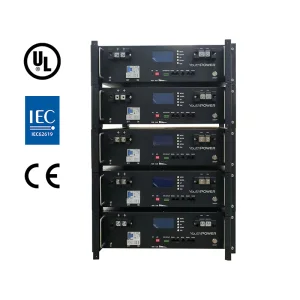
Explore our high-performance, Tier-1 quality home and light commercial battery modules optimized for hybrid inverter systems.
Founded in 2003, YouthPOWER has evolved into one of the world's premier suppliers of solar storage lithium batteries. Backed by nearly 20 years of experience in battery engineering, we have successfully developed comprehensive energy storage systems ranging from 24V, 48V, to advanced ultra-high-voltage custom lithium platforms.
Our deep vertical integration allows us to build powerful R&D structures. Following two decades of technical accumulation and extensive market deployment, we launched our flagship proprietary brand "YouthPOWER" in 2019. By forming strategic alliances with raw material vendors, we ensure that global buyers receive cost-optimized, highly reliable clean energy solutions.
We are exceptionally proud that YouthPOWER has supplied dependable, high-efficiency solar storage systems to over 1,000,000 families worldwide, playing a vital role in reducing household carbon footprints and securing energy autonomy.
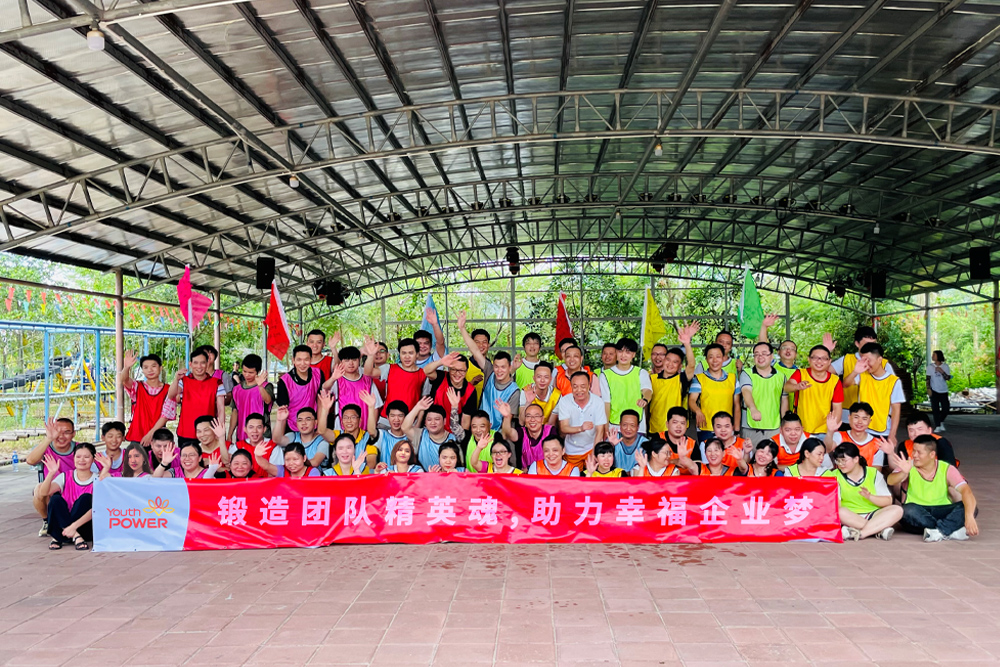
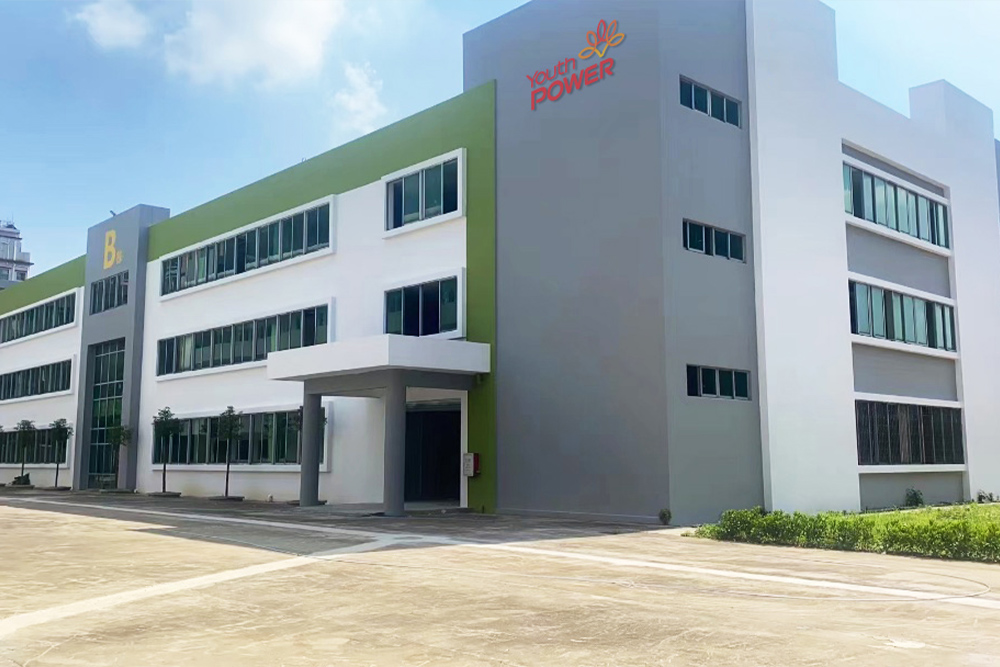
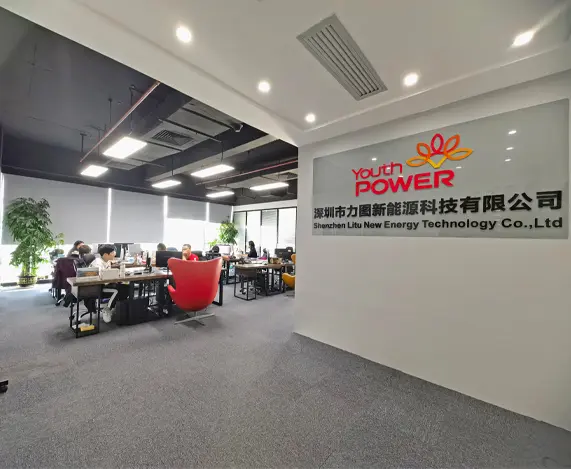
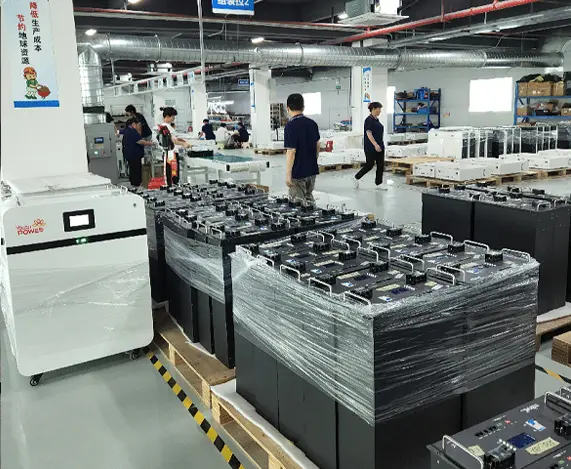
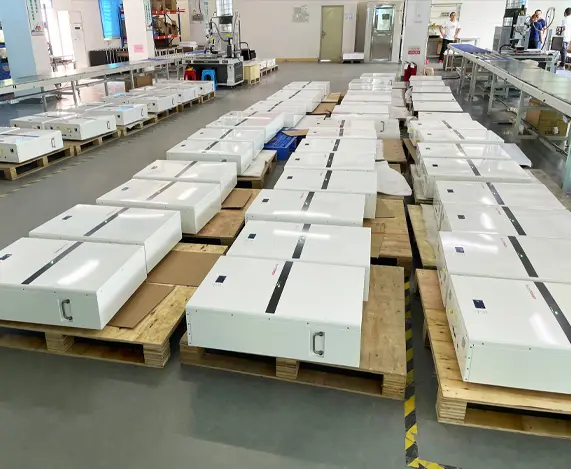
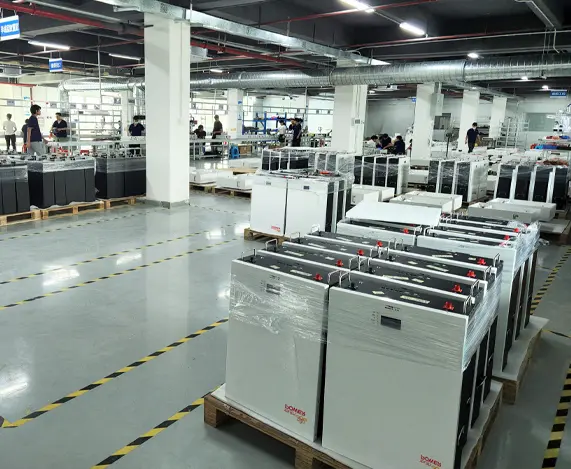
Our factory facilities employ advanced engineering systems designed to meet diverse customer specifications. We combine our raw material sourcing network with automated cell sorting and rigorous test cycles. Through this dual focus on quality and cost control, we empower global distributors and installers with competitive pricing and high-durability products.
Our engineering team works closely with clean-energy contractors to develop custom battery storage solutions. Whether designing multi-family stackable systems or high-capacity industrial containers, YouthPOWER delivers components that adapt seamlessly to volatile grid conditions.
Evaluating the chemical, physical, and digital developments shaping the future of decentralized residential energy storage.
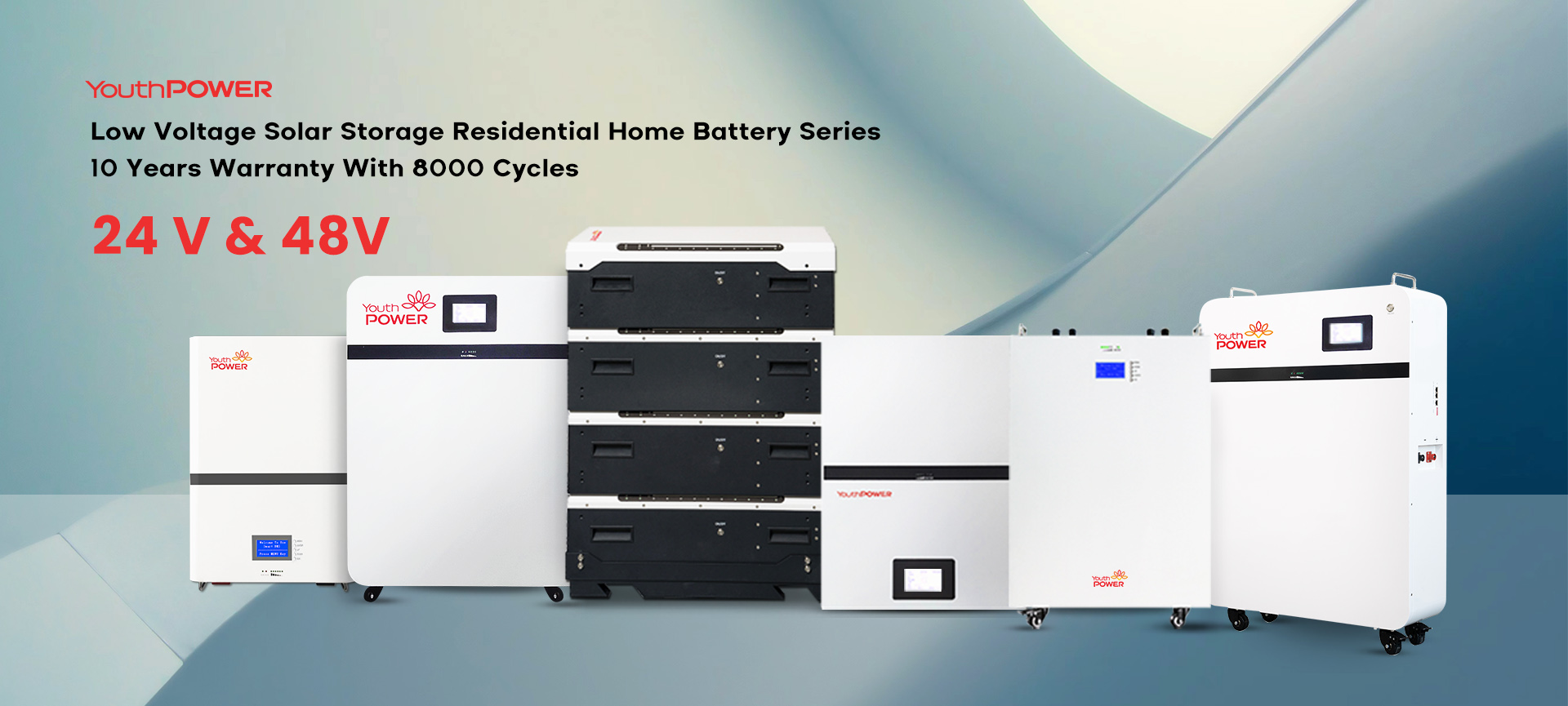
Traditional residential battery systems have relied heavily on 48V topologies. While highly stable, they require thick cabling to handle high currents, resulting in copper losses and limited round-trip efficiency. The industry is rapidly shifting toward High-Voltage (HV) stackable systems (ranging from 100V to over 400V).
By increasing system voltage, current is dramatically reduced. This minimizes heat generation, lowers line transmission losses, and supports smaller cable cross-sections. HV topologies match the DC-bus voltages of modern hybrid inverters, boosting round-trip efficiency to over 95%.
Lithium Iron Phosphate (LiFePO4) remains the industry gold standard due to its thermal runaway threshold of ~270°C and lifespan exceeding 6,000 cycles at 80% Depth of Discharge (DoD). Looking ahead, research is focusing on solid-state architectures to eliminate liquid electrolytes, and sodium-ion alternatives for extreme low-temperature performance.
Modern residential battery packs are no longer passive storage units. The implementation of AI-driven BMS enables predictive diagnostics. By leveraging cloud data, the BMS analyzes cell impedance, voltage drift, and thermal signatures in real time. It predicts cell failures up to 100 cycles before they occur, dynamically adjusting passive cell balancing to prolong pack life by up to 20%.
How utility-interactive and customer-sited energy storage systems address global grid challenges.
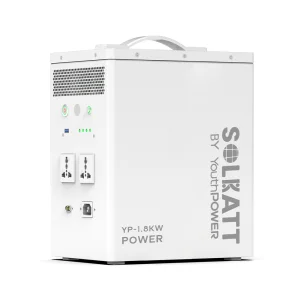
Ideal for apartments and urban dwellings, compact systems (e.g., 2.5kWh balcony systems) plug directly into micro-inverters. They store midday solar surpluses to shave peak evening residential rates, reducing reliance on fossil-fuel peaking plants.
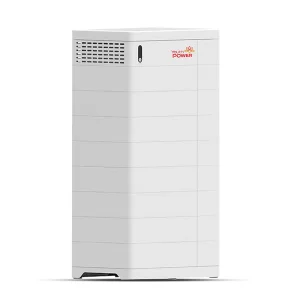
Stackable modular structures (10kWh to 30kWh) run appliances during extended grid outages. Equipped with integrated automatic transfer switches (ATS), these systems achieve seamless transition times under 10 milliseconds.
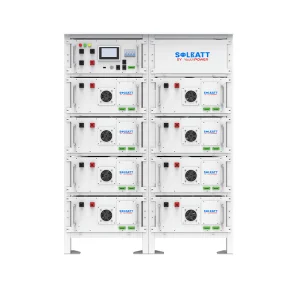
Large-scale modular cabinets (100kWh to 215kWh) help businesses manage demand charges. These units integrate with onsite solar arrays, stabilizing manufacturing grids and supporting Virtual Power Plant (VPP) operation.
Our production facilities utilize modern manufacturing processes to maintain quality standards and competitive pricing. Key technological pillars include:
By leveraging close proximity to lithium raw material refiners, our manufacturing plants minimize upstream logistical delays, ensuring a reliable B2B supply chain.
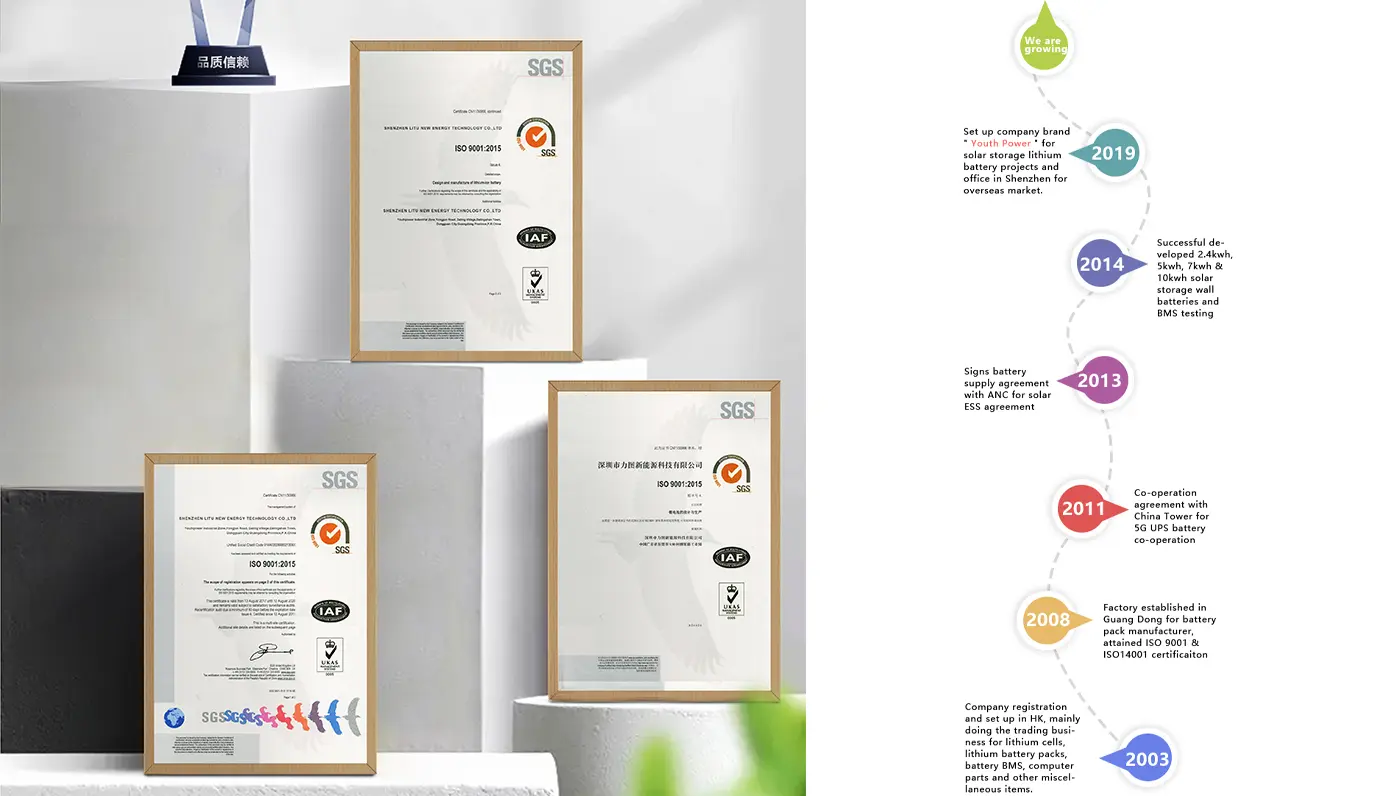
Our operational history, showcasing manufacturing evolution and key developmental milestones.
How professional buyers evaluate safety, grid regulations, and localized support protocols.
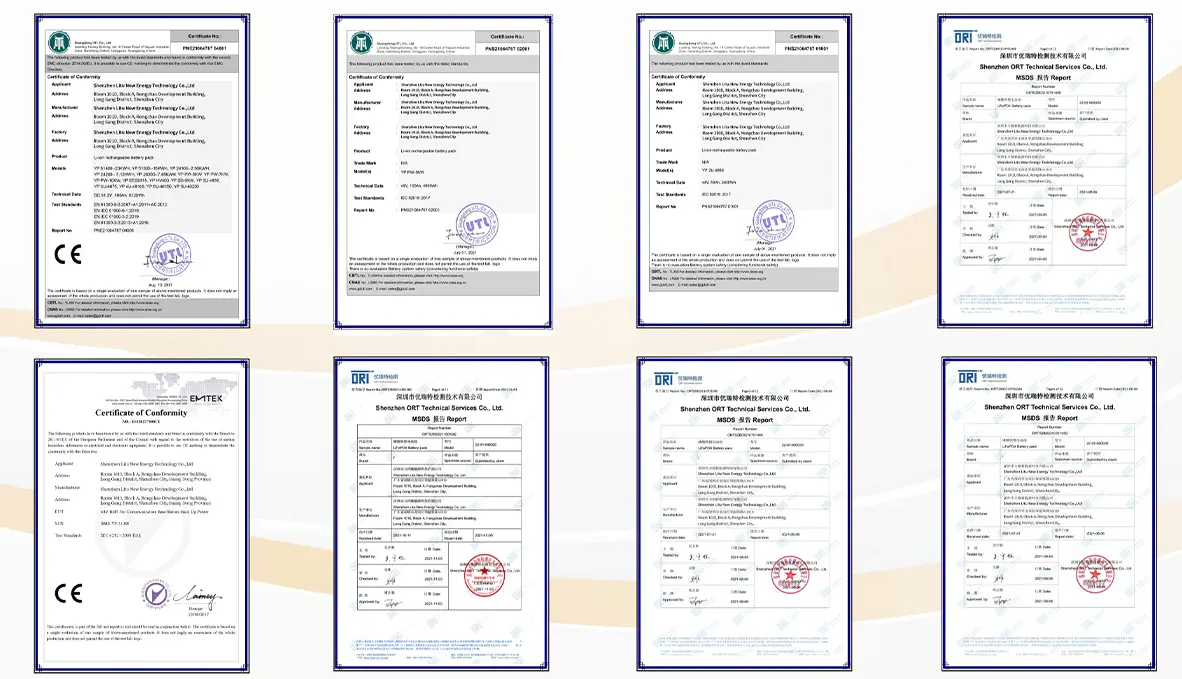
For lithium energy storage products, safety certifications are key commercial entry requirements. Sourcing teams should prioritize suppliers with the following credentials:
Maintaining clear documentation for these regulatory standards helps expedite local grid approval and structural permitting processes.
US Safety Standard
Global Cell Safety
Safe Shipping Cert
European Accord
Answers to technical and commercial inquiries from developers, installers, and B2B buyers.
LiFePO4 (Lithium Iron Phosphate) offers superior thermal stability and cycle life compared to NMC (Nickel Manganese Cobalt). LFP cells have a thermal runaway threshold of approximately 270°C and can easily achieve 6,000+ cycles at 80% depth of discharge. NMC chemistry, while offering higher energy density, has a lower thermal runaway limit (~210°C) and typically lasts 2,000 to 3,000 cycles, making LFP the safer, more durable choice for stationary home backup systems.
Low-voltage (48V) systems require higher current to deliver equivalent power, which increases thermal resistive losses (I²R losses) and demands thicker, less flexible wiring. High-voltage (100V to 400V+) systems reduce the current draw, leading to cooler operational states, thinner cabling, and reduced losses. High-voltage architectures typically achieve round-trip conversion efficiencies of 95–97%, compared to the 88–92% typical of low-voltage designs.
Class A cells are verified through strict testing protocols, checking that their physical capacities, open-circuit voltages (OCV), and AC internal resistances (ACIR) match the manufacturer's nominal specifications. Reputable factories supply official quality reports (OCV/ACIR tracking) and cell traceability documentation, ensuring the cells were not sourced from electric vehicle factory rejects.
Yes, our batteries support multiple communication protocols (including CANbus, RS485, and Modbus) to integrate with major hybrid inverters like SMA, Victron Energy, Growatt, Deye, GoodWe, and Solis. The onboard BMS automatically communicates parameters like Charge Voltage Limit (CVL) and Discharge Current Limit (DCL) to maintain safe, stable system operation.
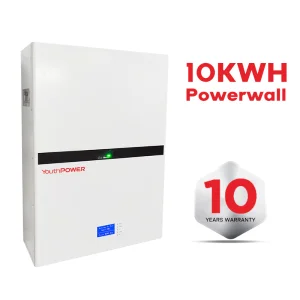
Scale your energy infrastructure with our commercial cabinets and space-saving wall-mount modules.
 YouthPOWER