The global transition to sustainable electricity infrastructure has accelerated the transformation of local distribution grids. Central to this paradigm shift is the integration of high-efficiency residential and light commercial house battery backup systems. Once characterized by simple off-grid configurations utilizing legacy lead-acid technologies, the contemporary residential battery landscape has progressed into highly sophisticated energy ecosystems powered by Lithium Iron Phosphate (LiFePO4) chemistry.
For global procurement directors, utility partners, and commercial real estate developers, finding the best house battery backup factory is no longer just a purchasing transaction—it is a critical integration strategy. This document covers the fundamental macro trends, technical architectures, sourcing practices, and quality standards defining the next generation of energy storage deployment.
Modern configurations are moving from traditional 48V low-voltage systems to high-voltage stacks ranging from 300V to over 800V. This architecture reduces DC-side current density, curtails thermal losses, and increases total system round-trip efficiency (RTE) up to 95+%, minimizing copper cable cross-sections and installation costs.
Lithium Iron Phosphate (LFP) has firmly established itself as the chemistry of choice for home ESS. Due to its superior thermal run-away point (>600°C), non-toxic mineral construction, and an industry lifespan of over 6,000 charge cycles, LFP delivers a significantly lower Levelized Cost of Storage (LCOS) compared to NMC options.
Equipped with advanced bidirectional communications and IoT architectures, contemporary battery installations can act as aggregators, participating in utility demand-response schemes. This allows homeowners to discharge stored energy back into local grids during peak pricing brackets, turning backups into active revenue generators.
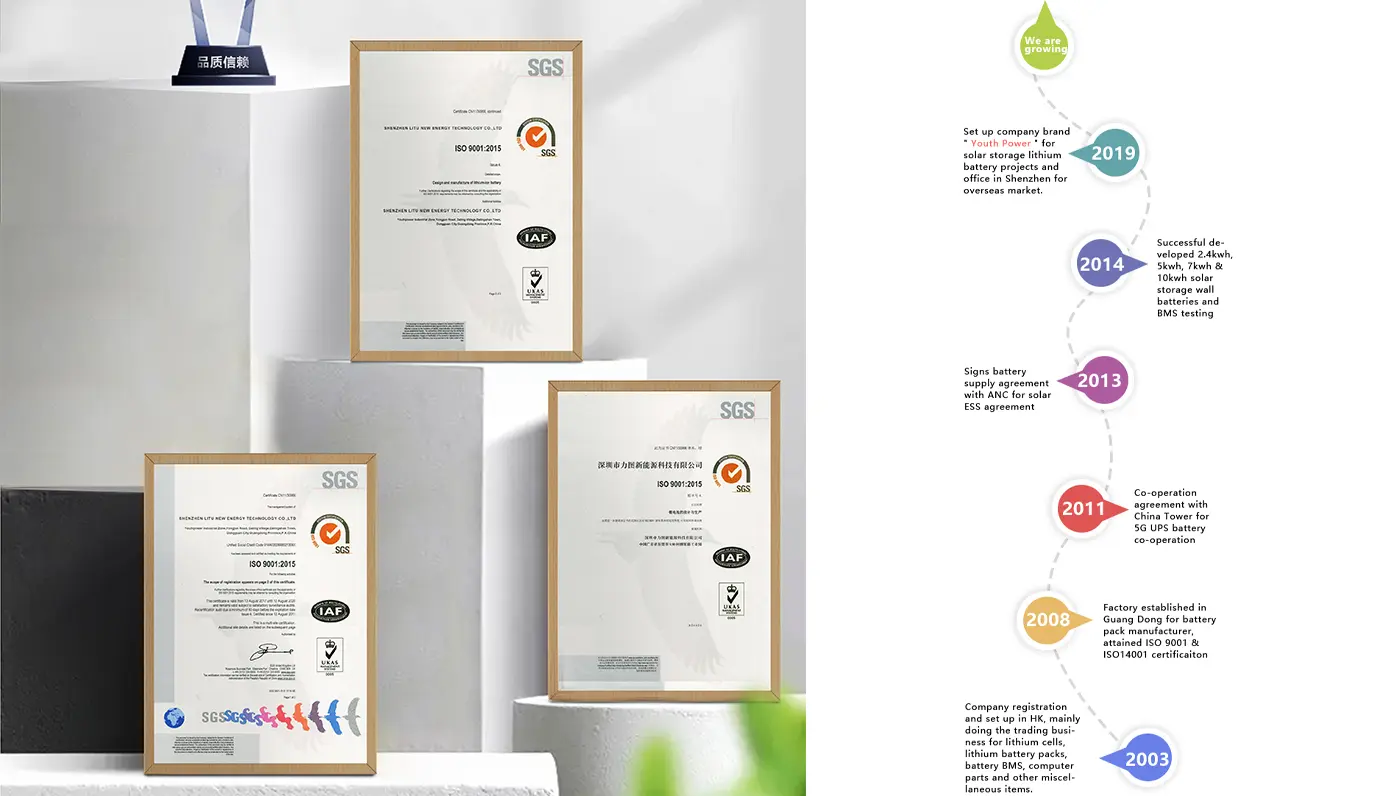
Founded in 2003, YouthPOWER has now become one of the leading suppliers of solar storage lithium batteries in the world. With a broad range of energy storage solutions, it covers a series of 24V, 48V and higher voltage lithium batteries solutions.
YouthPOWER has engaged in the battery technology and production for almost 20 years, with abundant manufacturing experience and strong new product R & D capability. Through many years of hard work and market promotion, we have created our own brand "YouthPOWER" in 2019.
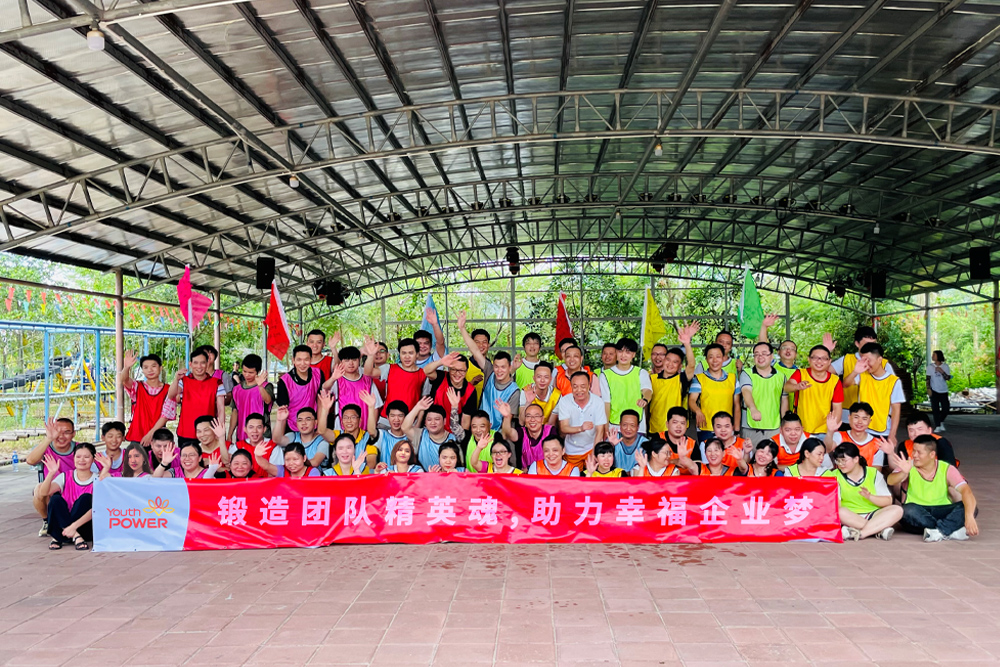
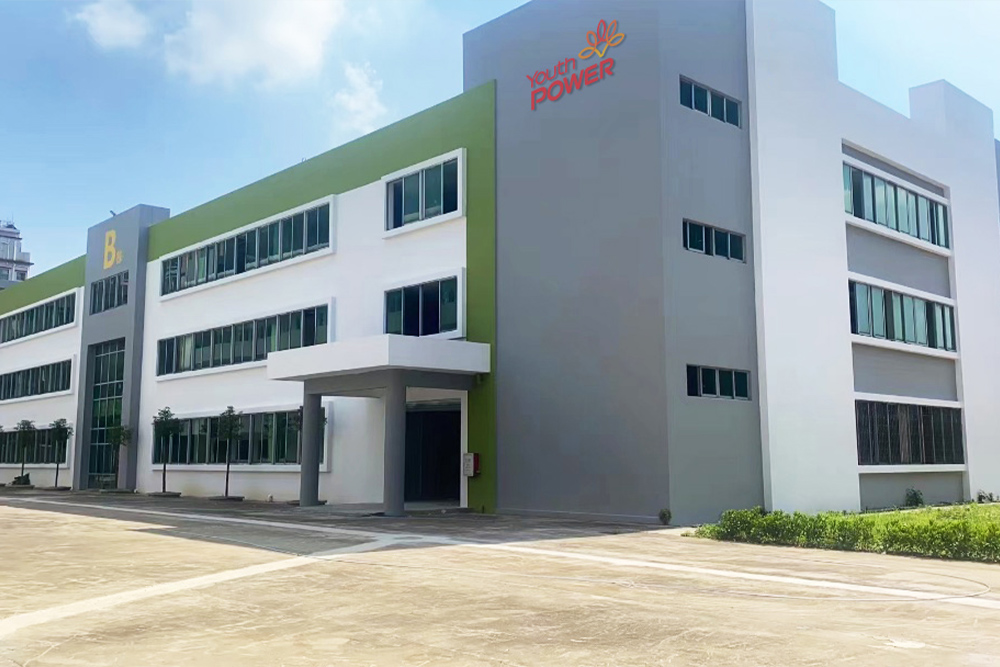
With nearly 20 years’ experience in the battery industry, we have the capability to provide you with both the products you need and the most suitable products you want. We are always ready to supply the first-class products and meet the various needs of the customers.
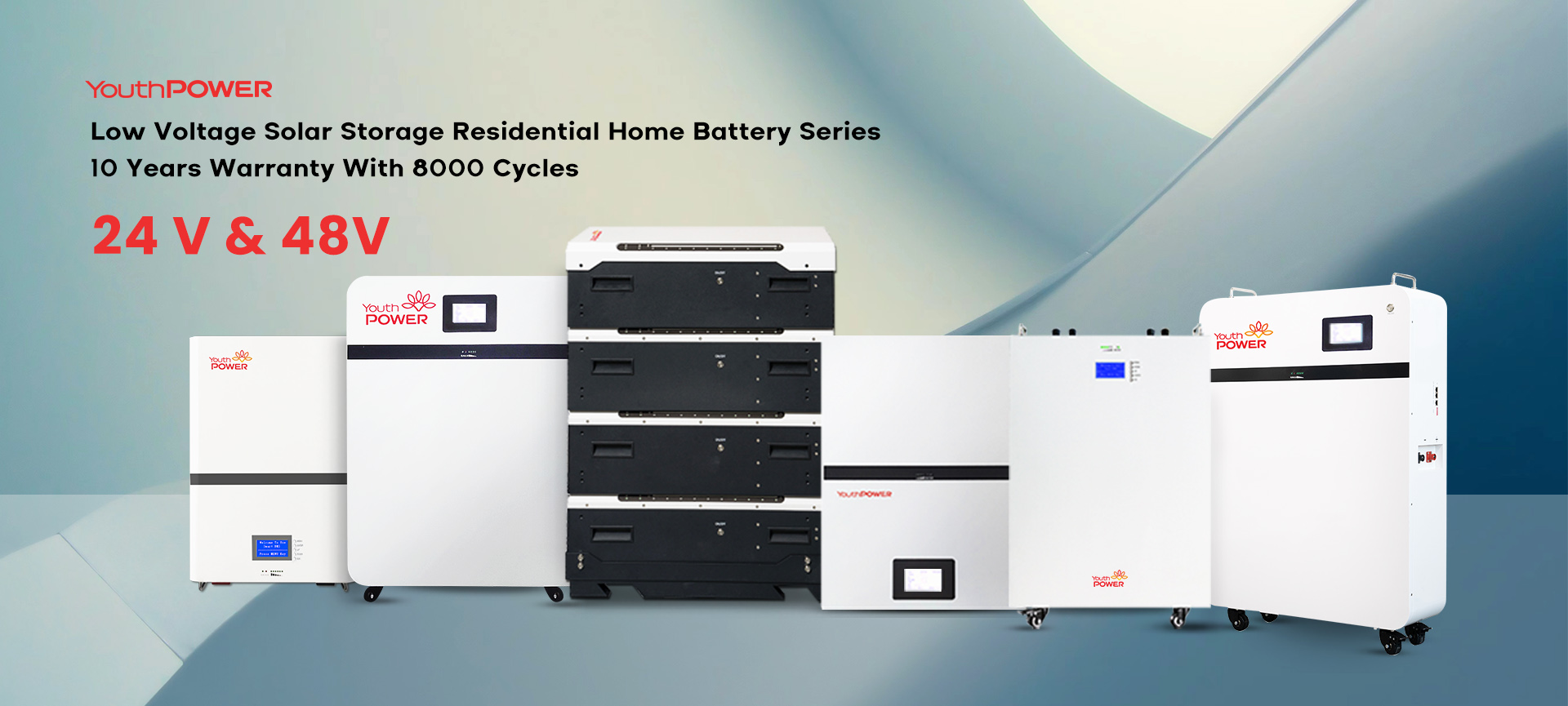
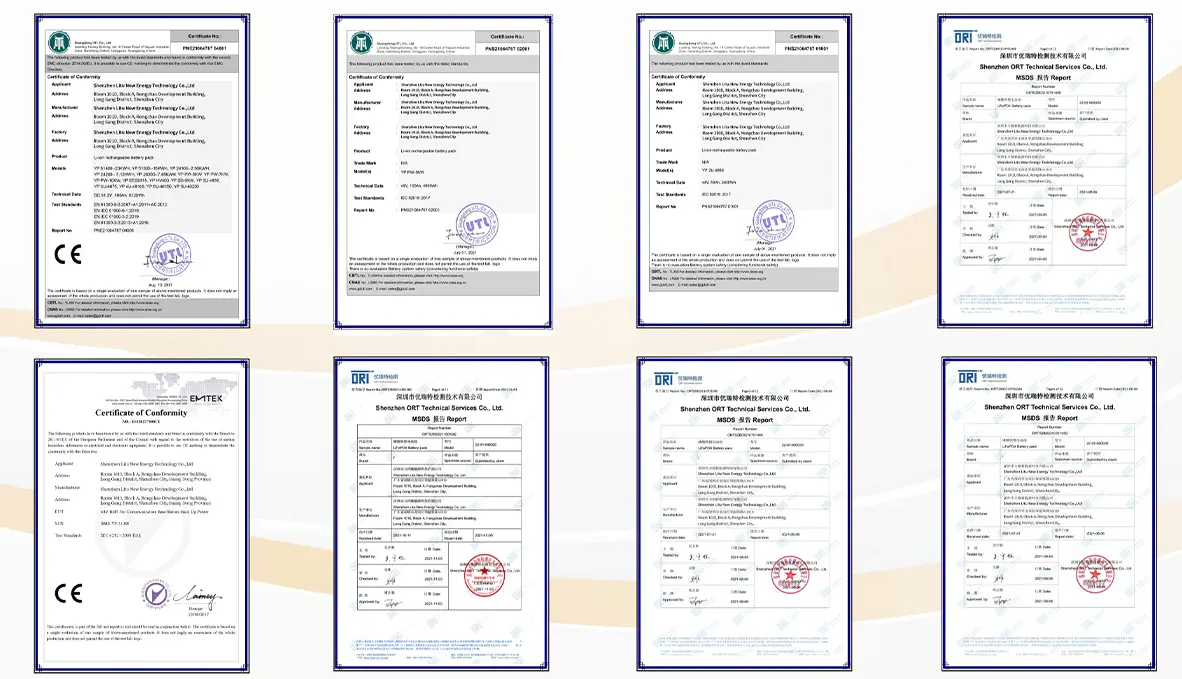
We have established good business relationships with our customers from all over the world. And we have a good cooperation with all our customers as well for many years running. Supported by our local vendors of raw materials, we can certainly offer you the best prices.
We are so proud that YouthPOWER has offered the reliable solar storage solution for over 1,000,000 families now in the world.
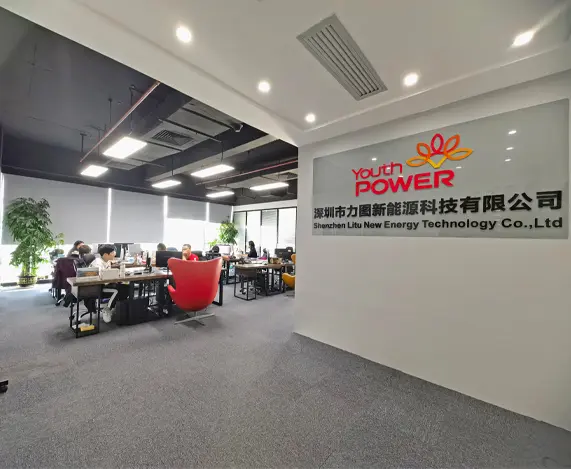
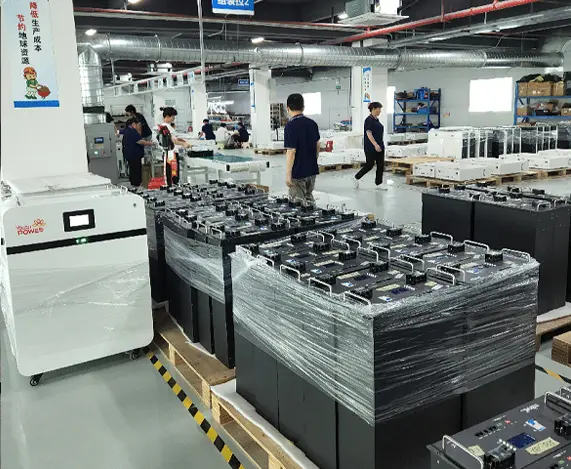
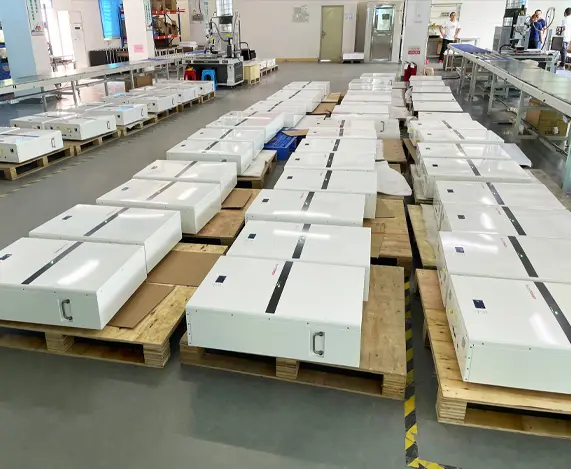
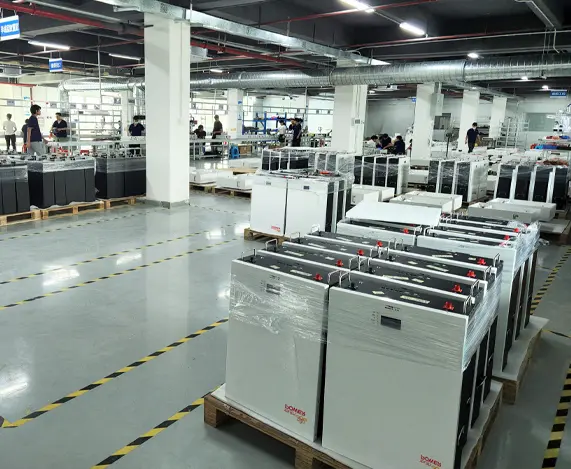
Our progression highlights our commitment to constant R&D investment and manufacturing updates, enabling us to adapt to changing power demands worldwide.
B2B energy storage procurement requires deep analysis of manufacturer capability, material supply chains, compliance frameworks, and long-term performance support. Enterprise buyers, EPC contractors, and system integrators must evaluate factories based on the following key metrics:
LFP battery cells must undergo precise capacity matching, internal resistance selection, and voltage sorting. Advanced factories implement laser tracking systems to log data for every single cell used in production, ensuring system-level longevity.
The Battery Management System (BMS) acts as the brain. Quality factories design and program their proprietary BMS modules to support active balancing, detailed State of Charge (SoC) calculations, and compatibility with leading global inverter brands.
Sustained reliability relies on efficient thermal dissipation. Our systems utilize heavy-gauge aluminum heatsinks, advanced air cooling pathways, and options for liquid-cooling in C&I applications, maintaining cell temperatures within optimal parameters.
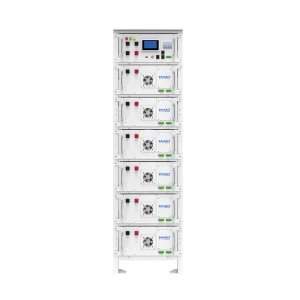
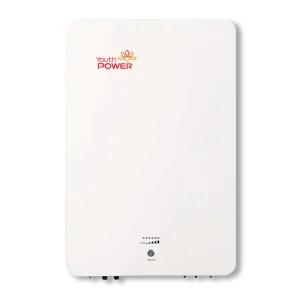
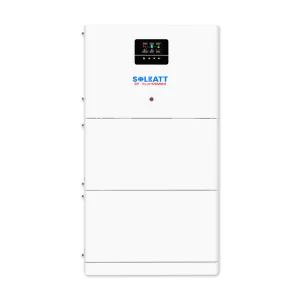
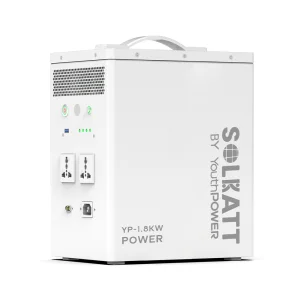
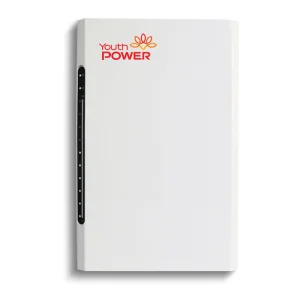
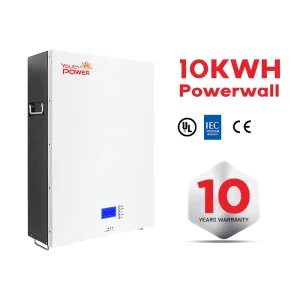
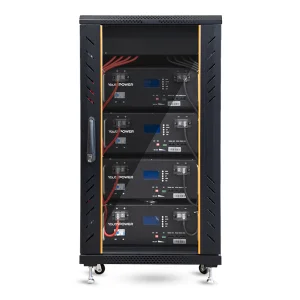
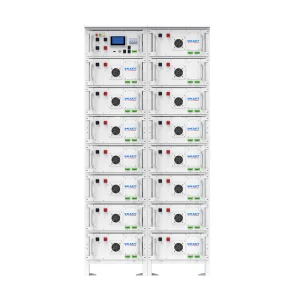
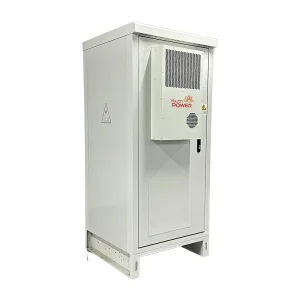
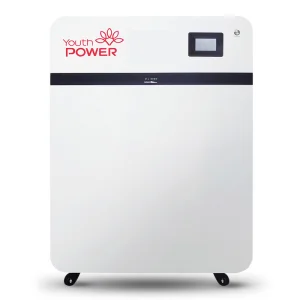
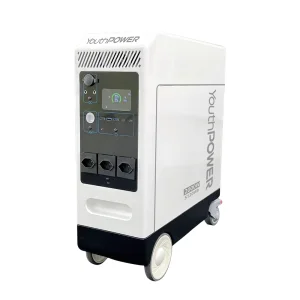
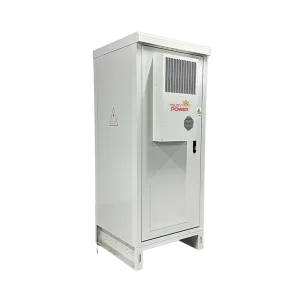
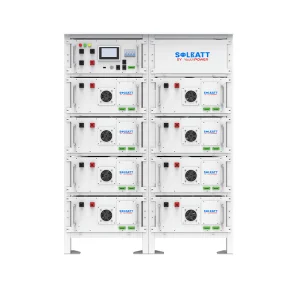
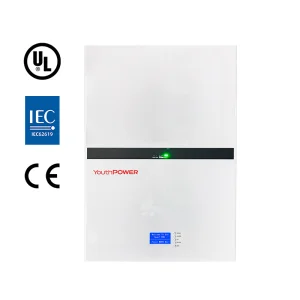
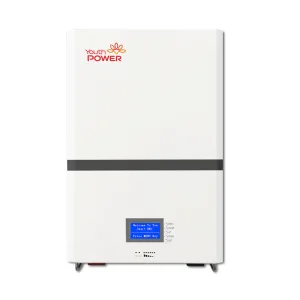
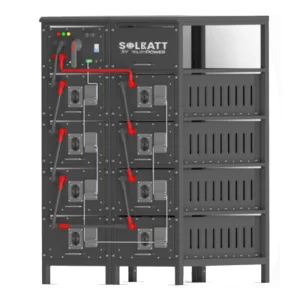
Different application environments require distinct system topologies. High-performance factories maintain a diversified portfolio of systems to address residential, light commercial, and critical back-up scenarios:
As battery tech advances, our product lines are moving toward next-generation battery architectures to deliver enhanced energy densities and lower system costs.
| Technology Phase | Core Chemistry | Energy Density (Cell) | Cycle Life Expectancy | Primary Application Focus |
|---|---|---|---|---|
| Current Phase | Premium LiFePO4 (LFP) | 160 - 180 Wh/kg | 6,000+ Cycles (80% DoD) | Modular Home & Light C&I Energy Storage |
| Phase II (2025–2026) | High-Density LFP & Semi-Solid State | 200 - 220 Wh/kg | 8,000+ Cycles (80% DoD) | High-Voltage Modular Stacks & Extreme Environments |
| Phase III (2027+) | Solid-State Technology | 280+ Wh/kg | 10,000+ Cycles | Next-Generation Ultra-Safe Home Power Systems |
Compliance with global safety standards is essential when sourcing battery storage systems. Reliable factories must demonstrate that their products meet or exceed the following international safety protocols:
Cell-Level Safety: UL1973, IEC62619, and UN38.3 certifications are basic requirements for safe transport and operation. These tests ensure cells can withstand puncture, impact, and thermal shock without fire risks.
System-Level Compliance: UL9540A testing assesses thermal runaway fire propagation, ensuring systems can be safely installed in residential garages and indoor utility rooms.
Grid Interconnection Standards: Systems must comply with regional grid standards (such as CE, VDE-AR-N 4105, and AS4777) to ensure stable utility integration and support grid frequency regulation.
 YouthPOWER