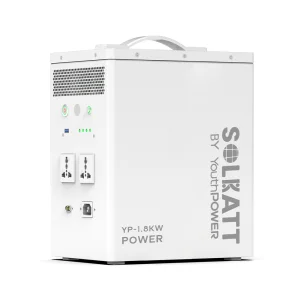
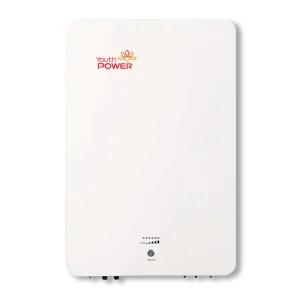
Best Lithium Battery 300ah Factory & Factories

Global Industrial Insights & High-Performance Solutions for B2B Enterprise Sourcing, Utility Integration, and Off-Grid Energy Landscapes.

Leading Battery Energy Storage Systems

Explore our state-of-the-art battery arrays engineered for heavy-duty industrial application, high voltage output, and stable cycle life.
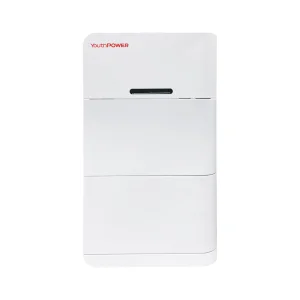
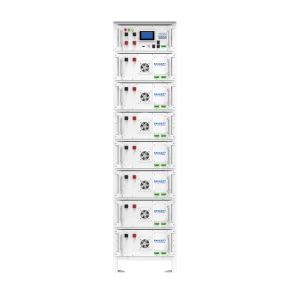
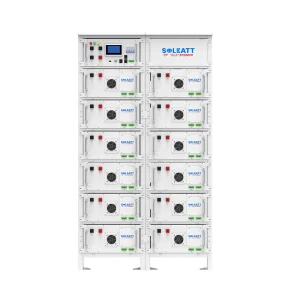
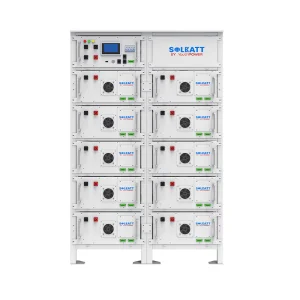
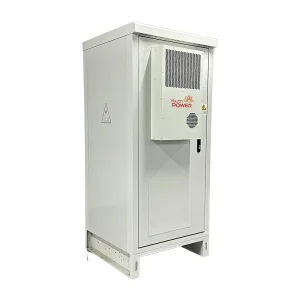
YP BOX HV10KW-25KW Factory

YP BOX HV10KW-25KW Factory, Factories

View Specifications
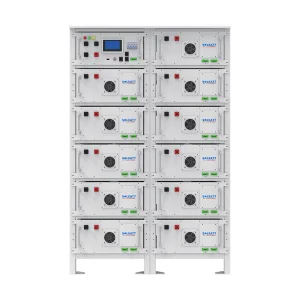
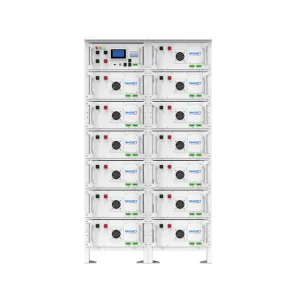
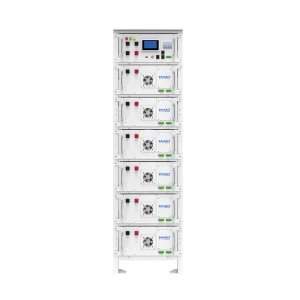
358.4V 280AH LiFePO4 100KWH Commercial Solar Battery

358.4V 280AH LiFePO4 100KWH Commercial Solar Battery System

View Specifications
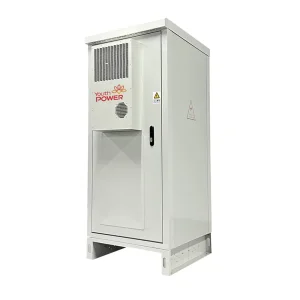
172KWH 614V 280Ah Commercial Energy Storage System

172KWH 614V 280Ah Commercial Energy Storage System

View Specifications
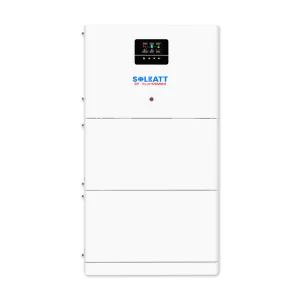
157KWH 563V 280AH Commercial Battery Backup

157KWH 563V 280AH Commercial Battery Backup Factory

View Specifications
25.6V Solar Batteries LiFePO4 100-300AH

Best 25.6V Solar Batteries LiFePO4 100-300AH Companies

View Specifications
20kwh battery system Li-ion Battery Solar System 51.2V 400ah

Best 20kwh battery system Li-ion Battery Solar System 51.2V 400ah

View Specifications
143KWH 512V 280Ah Commercial Battery Backup System

143KWH 512V 280Ah Commercial Battery Backup System

View Specifications
186KWH 665V 280Ah Commercial Solar Battery Storage System

Best 186KWH 665V 280Ah Commercial Solar Battery Storage System

View Specifications

Why the 300Ah Capacity Point is the Core Benchmark of Modern Energy Storage

Over the last five years, the global battery storage sector has shifted dramatically. While standard cell capacities like 100Ah or 200Ah dominated early residential and small-scale operations, 300Ah class cells (ranging from 280Ah to 314Ah) have solidified as the absolute backbone of utility-scale energy storage systems (BESS) and commercial microgrids.

"The optimization of 300Ah cells is not simply about packing more capacity into a metal case; it is the ultimate sweet spot balancing thermal management limits, volumetric efficiency, production cost amortization, and reliability under multi-megawatt configurations."

Key Drivers Behind the 300Ah Evolution

  • Optimized Energy Density vs. Volumetric Footprint: Using a standard prismatic form factor (often the unified 71173 LFP dimensions), a 300Ah cell packs double or triple the density of legacy cells without requiring proportional infrastructure additions.
  • Thermal Dissipation Properties: When cell sizes exceed 320Ah, heat dissipation from the center of the cell during high C-rate cycling becomes a profound challenge. 300Ah strikes the engineering limit where standard liquid cooling or forced-air cooling systems can effectively prevent localized hotspots, reducing thermal runaway risks.
  • Simplification of BMS Architecture: Utilizing higher capacity cells means fewer cells in series and parallel configurations. For a typical 100kWh or 1MWh project, this halves the amount of voltage sensors, balancing circuits, and potential failure points.

Lithium Iron Phosphate (LiFePO4) Dominance in the 300Ah Domain

For B2B buyers looking at 300Ah factories, LiFePO4 remains the unrivaled chemistry of choice. Unlike Ternary Lithium (NMC), LFP offers high cycle lifetimes (typically >6000 cycles at 80% DOD), exceptional thermal threshold limits (exceeding 250°C before oxidation), and lower materials costs due to the abundance of iron and phosphate. YouthPOWER has designed its product line to leverage these exact characteristics, ensuring that large commercial units run safely for 15+ years of daily peak-shaving operations.

Evaluating a 300Ah Lithium Battery Factory: Key Procurement Frameworks

When selecting a manufacturing partner for long-term supply agreements, looking beyond simple pricing sheets is critical. Technical procurement managers must evaluate several technical metrics to guarantee system lifetime integrity:

Automated Grade-A Sorting

Factories must utilize computerized grading machines to match cell voltage, capacity, and internal resistance (IR) tolerances within <1% deviations to avoid systemic balancing failures.

Stringent Quality Standards

Look for factories with automated laser-welding systems, active dust filtration (ISO Class 7 cleanrooms), and rigorous end-of-line (EOL) testing systems under simulated loads.

Thermal Aging & Capacity Testing

Reputable facilities utilize extensive cell-aging chambers for a minimum of 14-28 days to monitor self-discharge rates before system integration.

Global Procurement Demands and Supply Chain Logistics

For modern commercial energy storage purchasers, shipping logistics and regulatory frameworks represent substantial challenges. As Class 9 Hazardous Materials, 300Ah battery cells require special UN38.3 packaging certifications. Working with factory-direct partners like YouthPOWER ensures a streamlined logistical flow from factory floor to port of arrival, including complete safety compliance data packets (MSDS, UL1973, IEC62619).

Industry Trends (2025-2030)

The energy storage industry is rapidly consolidating around specialized, higher capacity prismatic configurations. Key technical forecasts indicate:

  • Wide integration of Smart-BMS with integrated IoT edge monitoring.
  • Growing replacement of 280Ah cells with high-density 314Ah/320Ah variations.
  • A decrease in Levelized Cost of Storage (LCOS) by over 22% globally.
  • Regulatory mandates demanding local end-of-life battery recycling loops.

Direct Supply Chain Advantage

By working with a fully vertical manufacturer, global buyers bypass the middleman markups. Direct advantages include:

  • Custom firmware matching with local inverters (SMA, Deye, Victron).
  • Flexible containerized designs (10ft/20ft/40ft BESS).
  • On-site commissioning support and remote cloud diagnostics.

Get a Quote Today

Connect with our technical engineering division to configure your multi-megawatt projects or customized battery packs.

Contact OEM Engineers

Corporate Profile: Over Two Decades of Battery Innovation

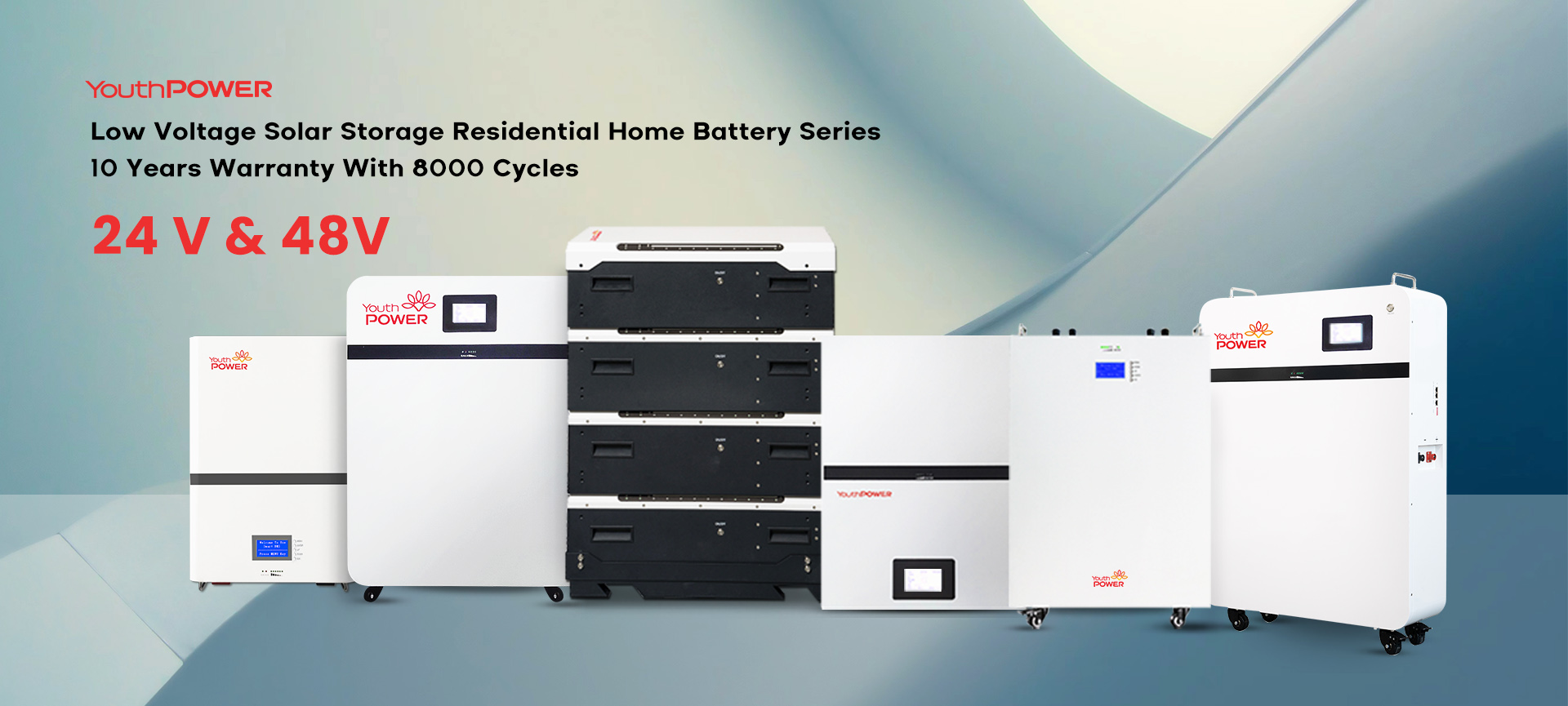
Founded in 2003, YouthPOWER has now become one of the leading suppliers of solar storage lithium batteries in the world. With a broad range of energy storage solutions, it covers a series of 24V, 48V and higher voltage lithium batteries solutions.

YouthPOWER has engaged in the battery technology and production for almost 20 years, with abundant manufacturing experience and strong new product R & D capability. Through many years of hard work and market promotion, we have created our own brand "YouthPOWER" in 2019.

With nearly 20 years’ experience in the battery industry, we have the capability to provide you with both the products you need and the most suitable products you want. We are always ready to supply the first-class products and meet the various needs of the customers.
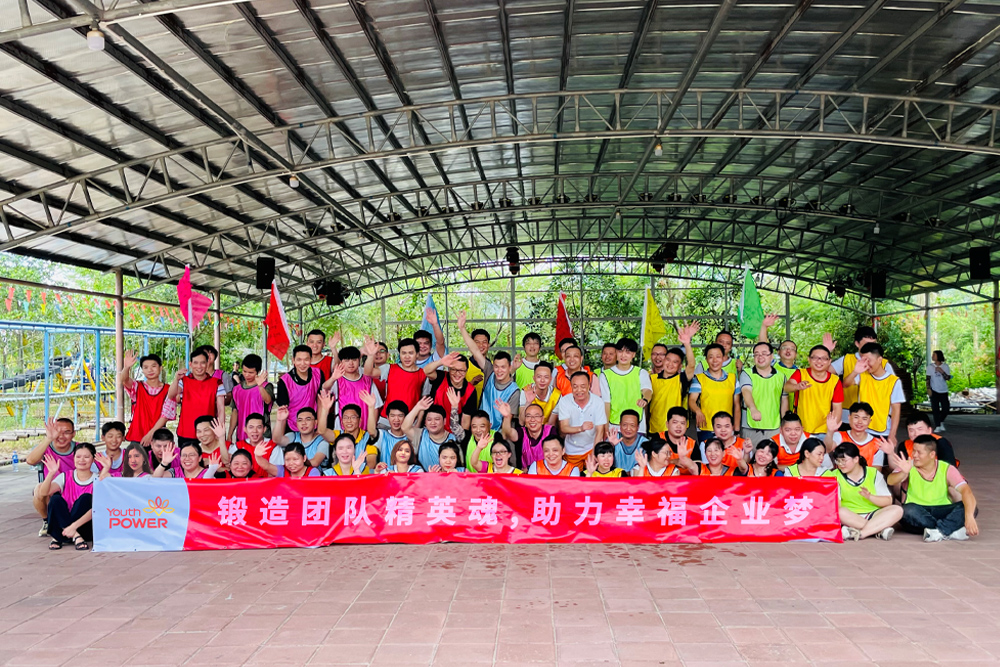
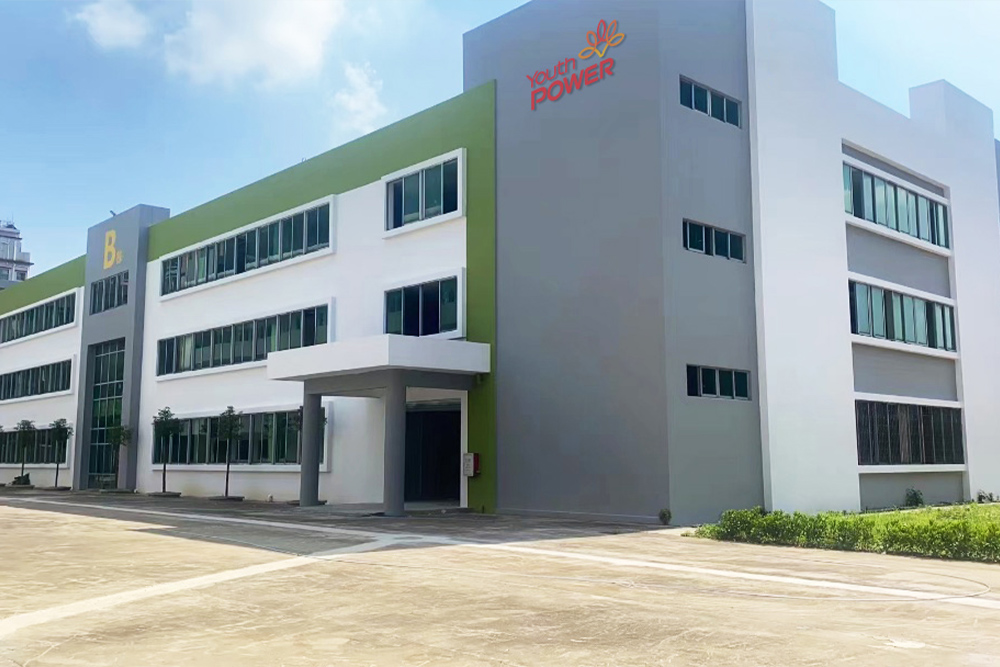
YouthPOWER Factory R&D
YouthPOWER Automated Assembly

Global Reach and Family Sourcing Security

We have established good business relationships with our customers from all over the world. And we have a good cooperation with all our customers as well for many years running. Supported by our local vendors of raw materials, we can certainly offer you the best prices.

We are so proud that YouthPOWER has offered the reliable solar storage solution for over 1,000,000 families now in the world.
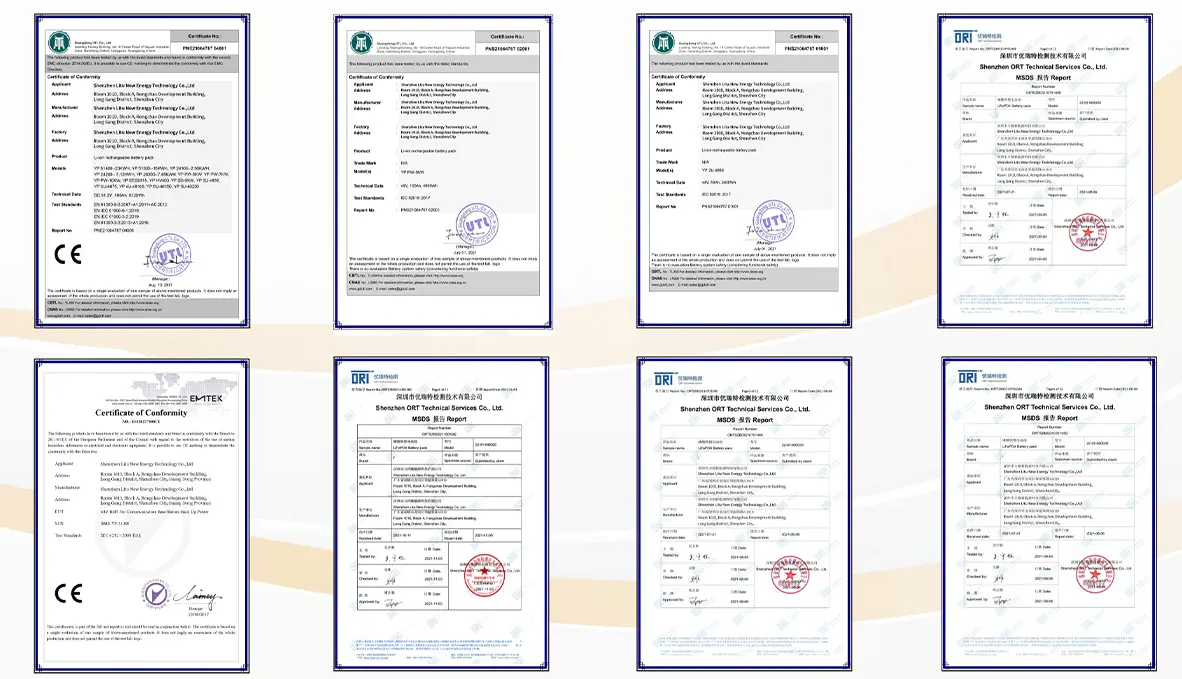
YouthPOWER Factory Precision Testing
YouthPOWER Quality Laboratory

The Road We Traveled

2003: Foundations Set

Initiated specialized research and development into cell production systems, forming crucial domestic supplier alliances.

2012: The Shift to Solar Storage

Expanded manufacturing lines to cater to global residential battery demand, developing modular 24V and 48V custom LFP architectures.

2019: Global Brand Inception - YouthPOWER

Launched the direct global outreach division and built out international certifications to secure tier-1 distribution networks.

2024 and Beyond: High-Voltage Megawatt Storage

Expanding factory capacity to deliver containerized 280Ah and 300Ah high-voltage configurations for large-scale utility operations.
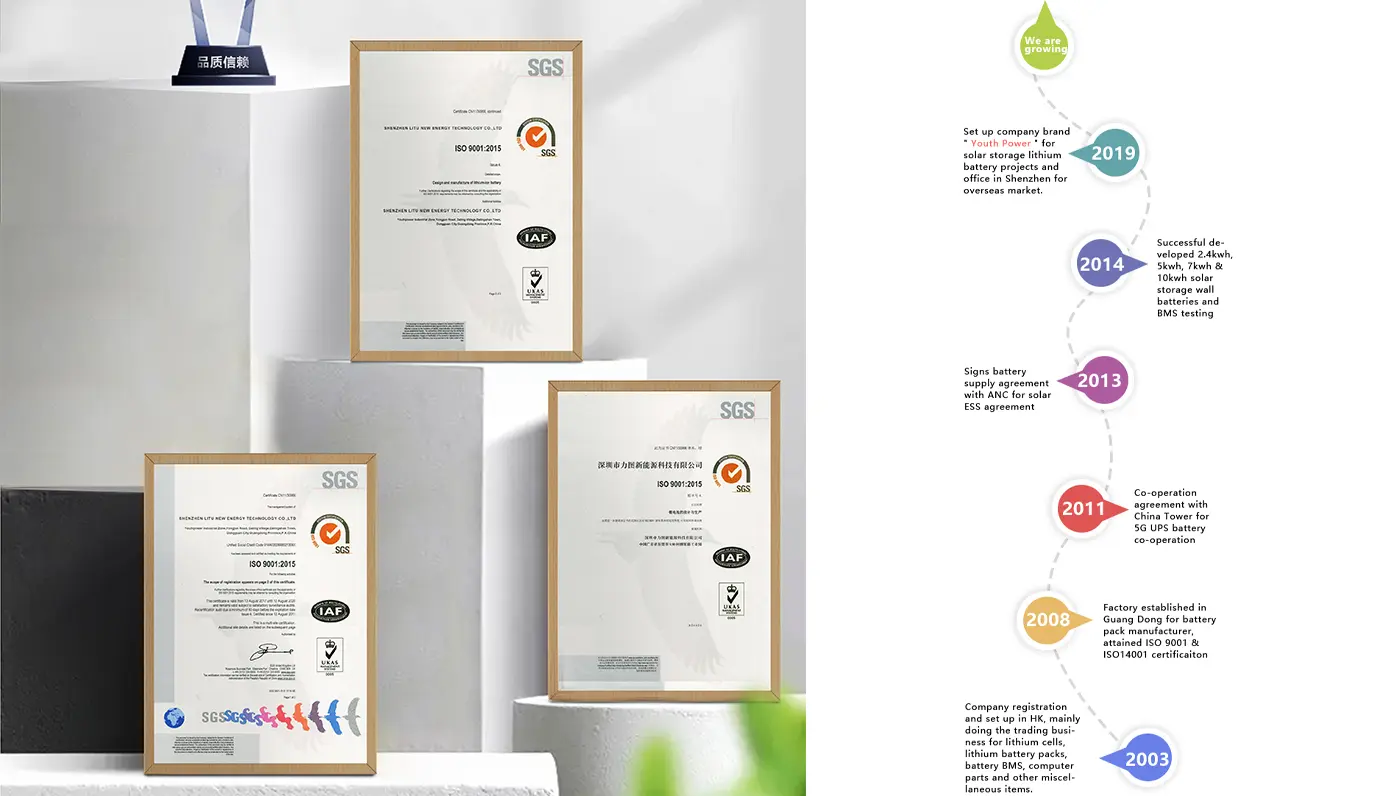
YouthPOWER Roadmap Manufacturing Infrastructure Details

Advanced Manufacturing Showroom

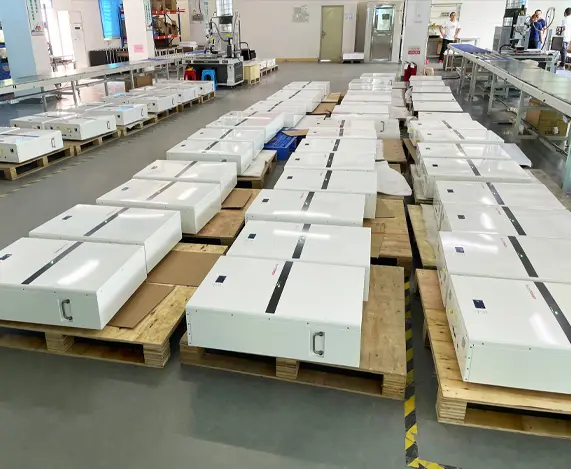
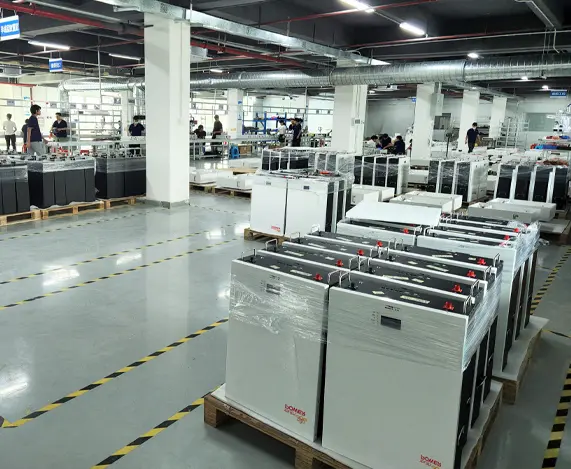
Inside our high-throughput cleanroom assembly lines where cells are laser-welded, quality tested, and packaged.
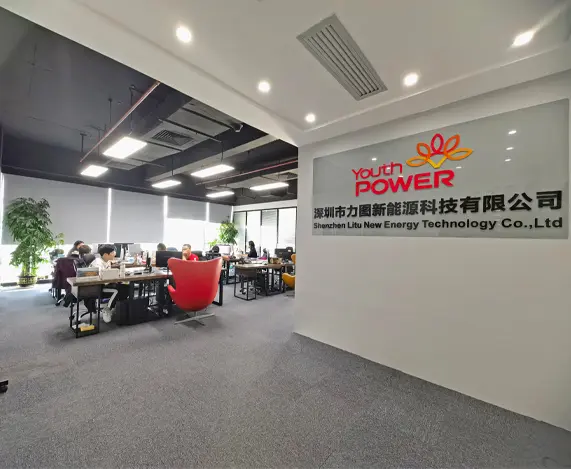
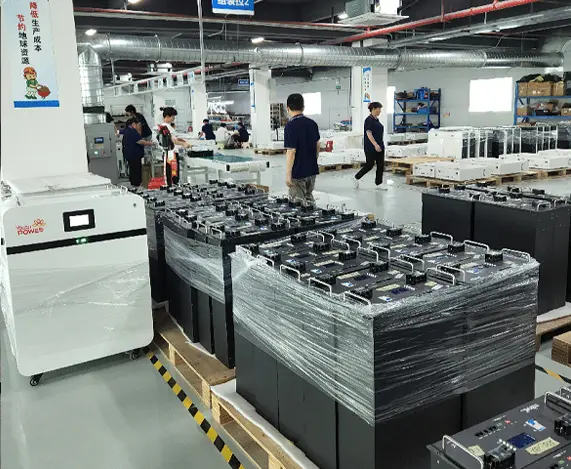
Production Process Stage 1
Production Process Stage 2
Production Process Stage 3
Production Process Stage 4

Macro Solutions & Localized Support

How our localized service networks and engineering capacities simplify global procurement logistics.

Macro-Level Energy Storage Architectures

Developing industrial BESS projects requires flexible layout footprints. By using 300Ah cells as the standardized foundational blocks, YouthPOWER provides scalable architectures ranging from 100kWh commercial cabinets up to multi-megawatt containerized grid support systems. Our systems integrate fire suppression (Novec 1230 or Aerosol), smart climate controls (liquid-cooled modules), and multi-tier BMS architectures (cell-level, module-level, pack-level, system-level safety shutdowns).

Global Compliance Matrix

Our systems strictly conform to standard global safety and operational benchmarks:

  • North America: UL 9540, UL 9540A, UL 1973
  • Europe: CE, IEC 62619, IEC 63056, EN 50549
  • Logistics: UN 38.3 Safe Transport Certification

Procurement & Engineering FAQ

Everything procurement managers, solar installers, and project integrators need to know about purchasing 300Ah lithium systems.

1. Why should we choose 300Ah cells over 100Ah or 280Ah cells for commercial energy storage?
300Ah class cells (including 280Ah and 314Ah variations) represent the current global optimization standard for commercial/industrial layouts. They decrease structural overheads by using fewer cell units per kWh, simplify the BMS balancing topologies, minimize wiring connection points (reducing resistance and localized thermal failures), and optimize volumetric density for containerized applications.
2. How does the factory ensure cell-to-cell capacity and voltage consistency?
At our advanced automated production line, every cell is subjected to a strict sorting phase. Cells are categorized and grouped via software databases. The capacity variation target is kept under <1.5%, internal resistance delta within <0.3mΩ, and open circuit voltage matched down to <2mV. This minimizes premature system degradation caused by imbalanced cells.
3. Can YouthPOWER's BMS integrate with our proprietary hybrid or commercial inverters?
Yes, our Smart-BMS system supports multiple communication protocols (CANbus, RS485, Modbus RTU). We supply factory-matched firmware protocols natively compatible with dominant global inverter brands such as Deye, Victron, Growatt, SMA, Solis, Luxpower, and Sungrow. Custom CAN communication mapping is also available on demand for OEM partners.
4. What is the expected cycle life of your 300Ah cells under daily utility operations?
Our grade-A LiFePO4 cells are rated for ≥6000 cycles at 80% Depth of Discharge (DOD) under 0.5C charging/discharging rates at 25°C. With active thermal management and correct BMS configuration, this translates to an operational lifetime of approximately 15 to 20 years in typical daily cycle solar integration setups.
5. What fire prevention standards are implemented in your high-capacity BESS systems?
YouthPOWER designs custom battery containers with multi-tier fail-safe pathways. This includes cell-level venting, localized aerosol or Novec 1230 fire suppression agents inside the module enclosures, integrated combustible gas detectors (detecting CO, H2, and volatile organic compounds), and automated emergency circuit disconnect units.
6. What are the lead times and shipping requirements for wholesale B2B quantities?
Standard OEM/ODM orders require a 30 to 45-day production lead time, depending on customization levels. All shipments are treated under UN Class 9 Hazardous Goods classification. We supply all certification documentation, including UN38.3, MSDS reports, and drop-test packaging confirmations, to ensure smooth customs processing at ports globally.
7. Do you provide localized technical support and engineering commissioning?
Yes, we provide extensive engineering documentation, wiring configurations, and remote configuration support. For utility-scale deployment projects over 1MWh, we can coordinate field engineers to assist with system commissioning, local utility verification testing, and grid interconnection validation.
8. How does the factory manage quality control on incoming raw materials?
We partner exclusively with top-tier material vendors under long-term supply agreements. Raw cathode materials, anodes, copper/aluminum foils, and electrolyte lots undergo strict mass-spectrometry chemical testing and physical dimension inspection (IQC) before entering our automatic slitting and coating machinery.

All-in-One & Balcony Solar Solutions

Discover modular, high-integration solar ESS setups designed for micro-grid, balcony storage, and residential backup applications.
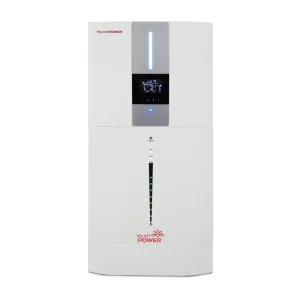
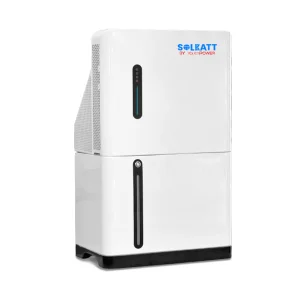
All In One ESS 5KW Inverter Battery System

Buy All In One ESS 5KW Inverter Battery System Factory

View Specifications
2.5KWH Balcony Solar Lithium Battery System

Buy 2.5KWH Balcony Solar Lithium Battery System Factory

View Specifications
YouthPOWER 100KWH Outdoor Powerbox

Best YouthPOWER 100KWH Outdoor Powerbox Factory

View Specifications
85KWH 307V 280AH Commercial Solar Battery Storage

Buy 85KWH 307V 280AH Commercial Solar Battery Storage Factory

View Specifications
85KWH 656.6V 130AH Battery Energy Storage System

Best 85KWH 656.6V 130AH Battery Energy Storage System BESS Cabinet

View Specifications
YouthPOWER Off-grid Inverter Battery AIO ESS

Buy YouthPOWER Off-grid Inverter Battery AIO ESS Factories

View Specifications
500W Portable Power Station

Best 500W Portable Power Station 1.8KWH 2KWH UPS Backup Power Supply

View Specifications
High Voltage Battery 400V 12.8kwh Solar Battery

Buy High Voltage Battery 400V 12.8kwh Solar Battery Companies

View Specifications