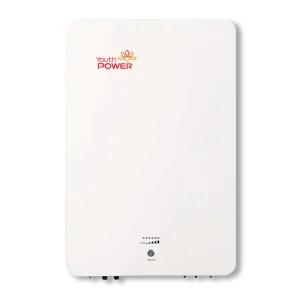
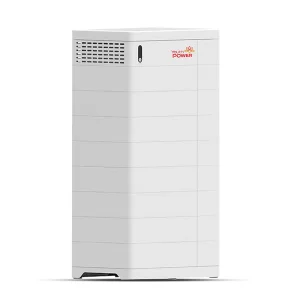
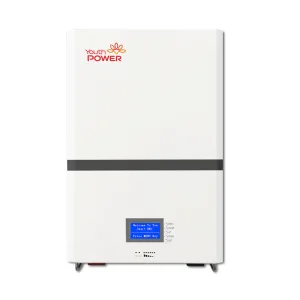
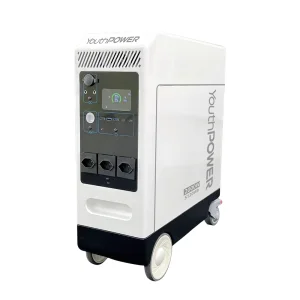
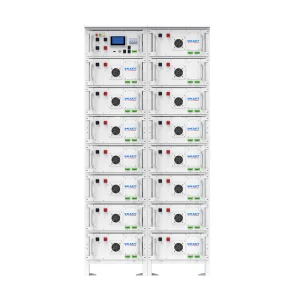
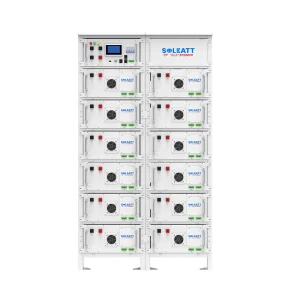
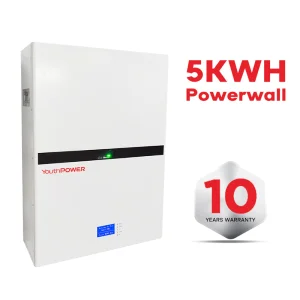
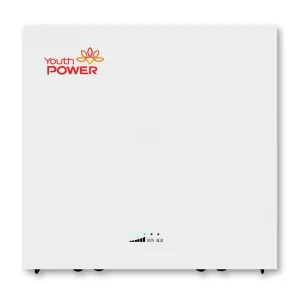
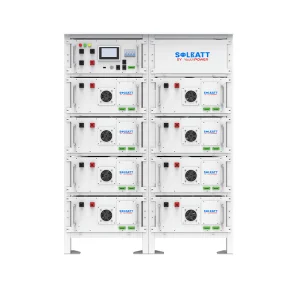
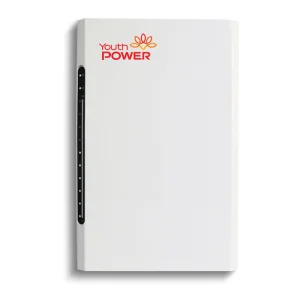
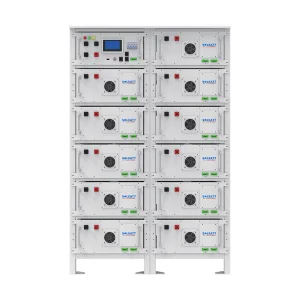
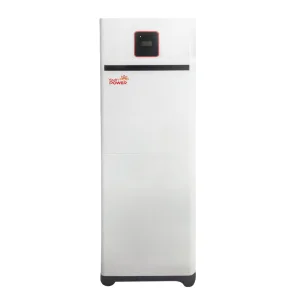
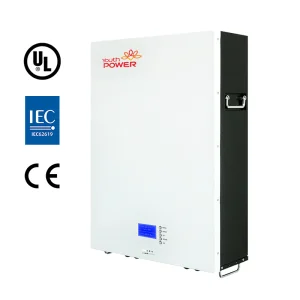
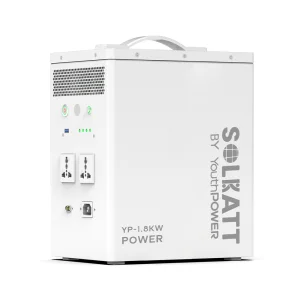
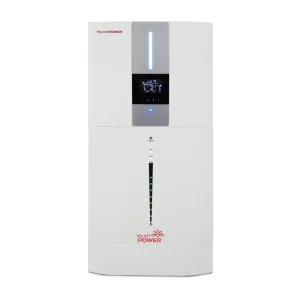
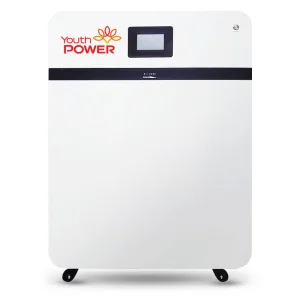
Explore our foundational residential powerwalls and industrial battery systems optimized for advanced smart grid integration.
The global transition to sustainable electricity models has accelerated energy storage from a luxury redundancy into standard infrastructure.
The global landscape for Battery Energy Storage Systems (BESS) is undergoing a major technological phase-shift. Commercial and Industrial (C&I) organizations are no longer considering energy storage solely as emergency backup backup power. Instead, today's smart factories, high-density data centers, cold chain facilities, and logistics parks rely on deep-cycle lithium-ion infrastructure for structural cost optimization and grid autonomy. With the Levelized Cost of Storage (LCOS) declining significantly, integrated energy solutions offer multiple paths to profitability.
By monitoring power demand curves, modern battery storage architectures discharge during peak demand intervals to avoid expensive peak demand surcharges levied by distribution system operators.
Automated control software monitors spot electricity markets, charging the energy storage system when rates are negative or highly subsidized and discharging when local tariffs peak.
Coordinated arrays of lithium-ion systems function together as Virtual Power Plants (VPPs), offering frequency regulation and reserve capacity to regional system operators for consistent operational yield.
Understanding the industrial economics behind high-performance energy storage manufacturing.
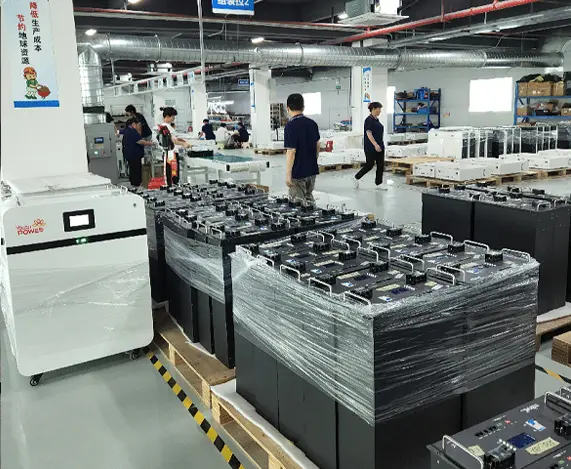
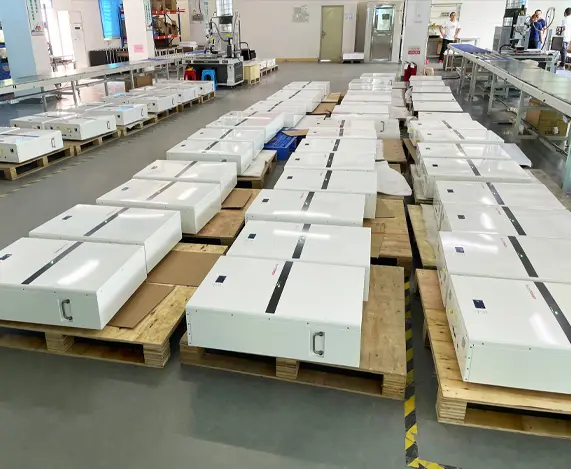
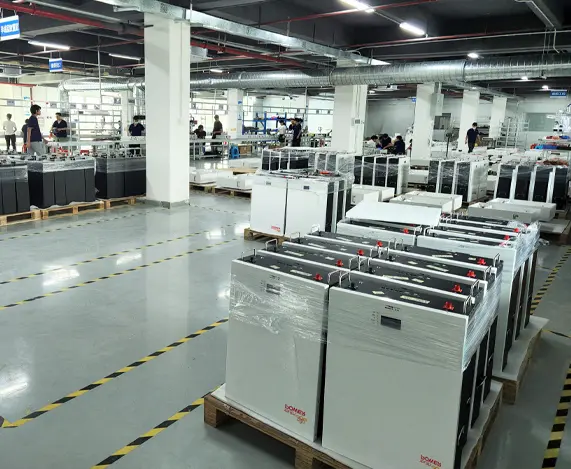
Why do leading global brands source cells and components directly from centralized Chinese industrial parks? The core advantage of Chinese energy storage systems lies in vertical integration, upstream control of chemical precursors, and highly automated assembly plants. Rather than relying on disparate components shipped across multiple international borders, manufacturers in China benefit from dense regional clusters containing raw material processors, cell packaging plants, battery management system (BMS) developers, and specialized testing facilities.
A record of innovation spanning nearly two decades in battery technology and residential storage distribution.
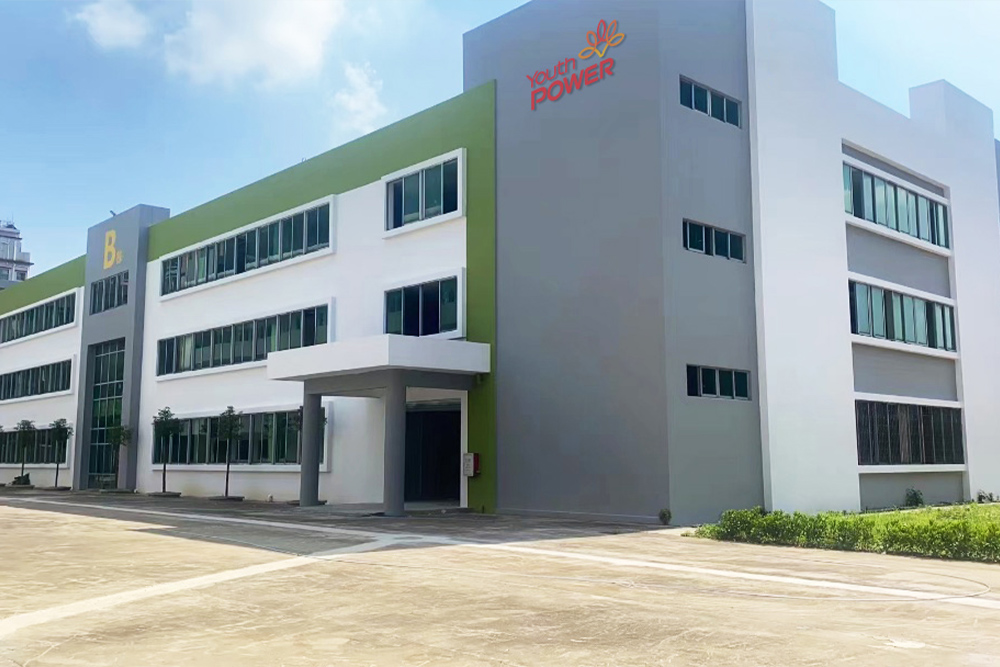
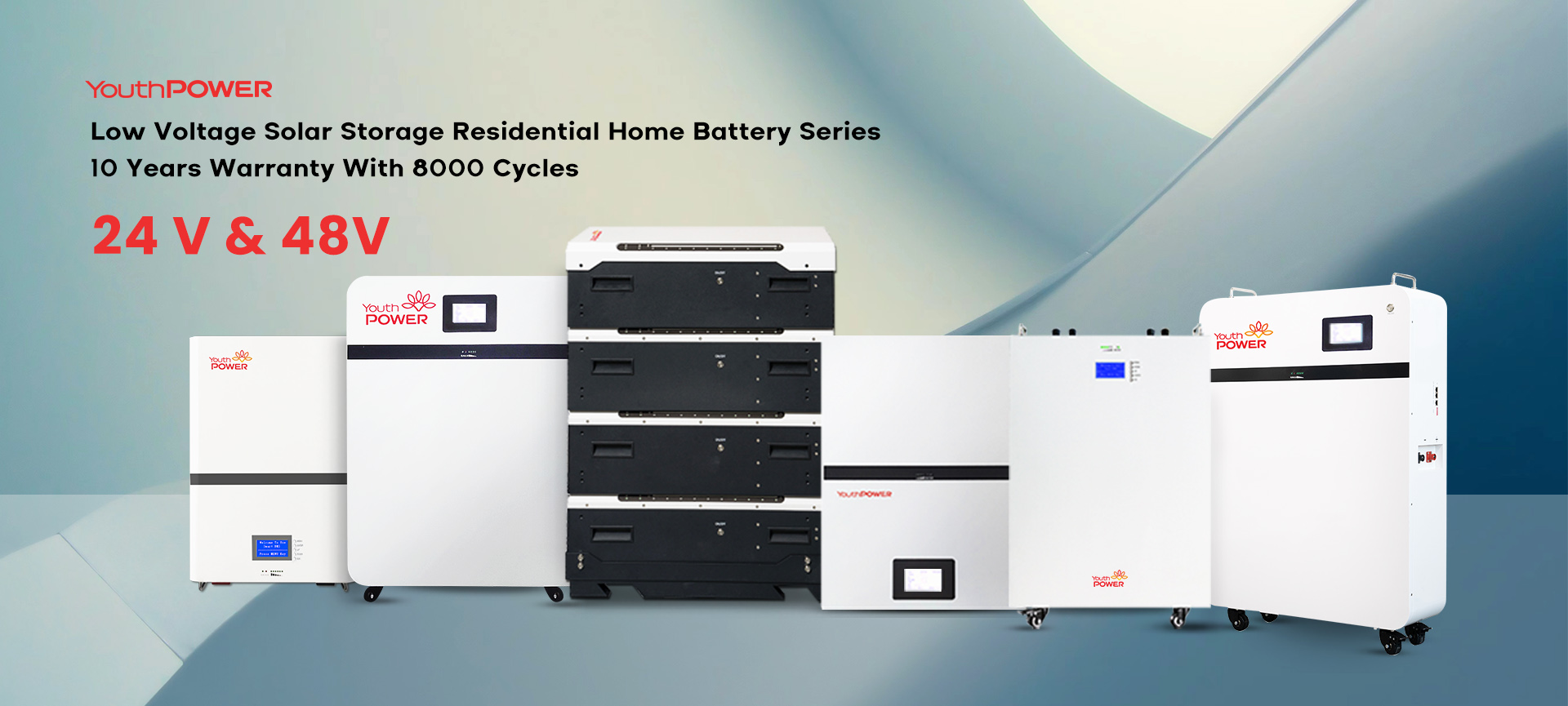
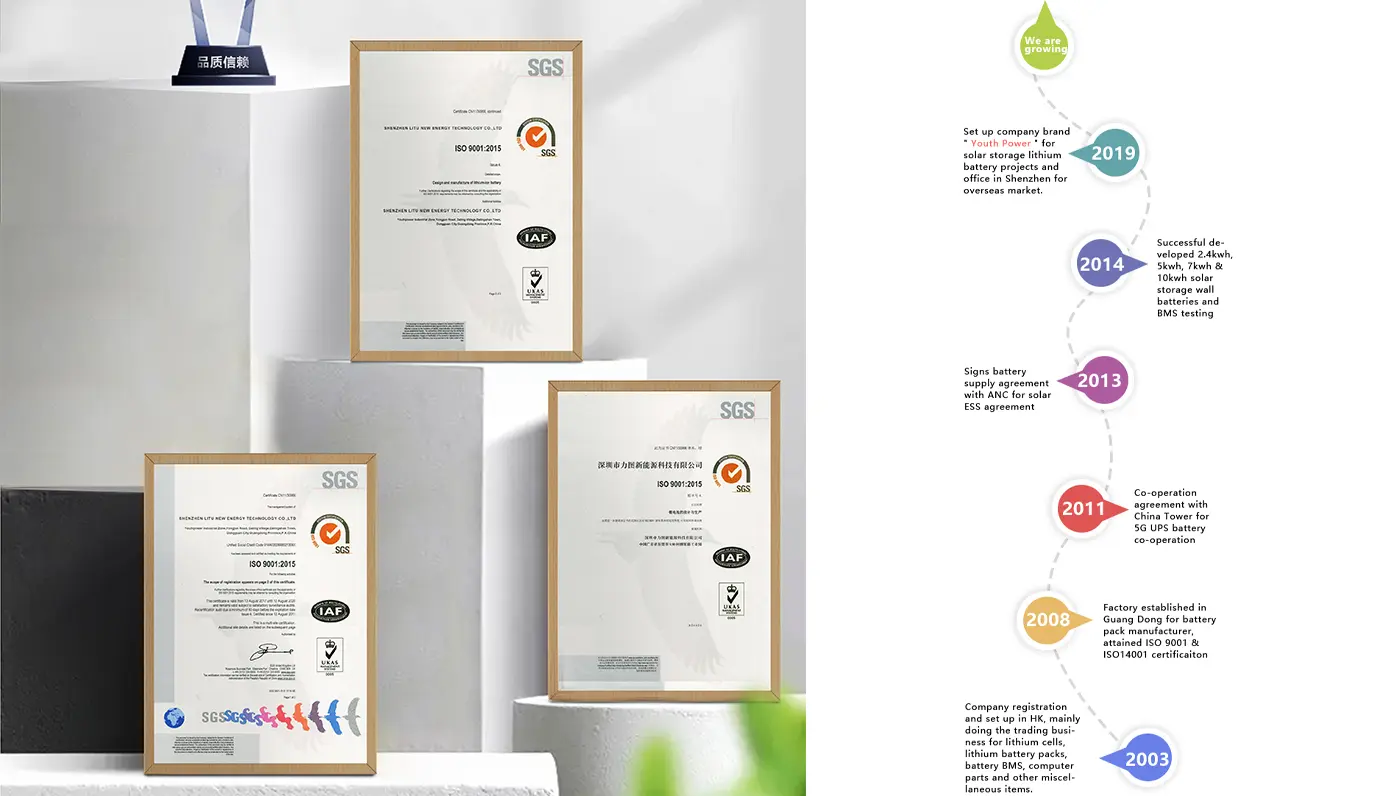
Founded in 2003, YouthPOWER has now become one of the leading suppliers of solar storage lithium batteries in the world. With a broad range of energy storage solutions, it covers a series of 24V, 48V and higher voltage lithium batteries solutions.
YouthPOWER has engaged in the battery technology and production for almost 20 years, with abundant manufacturing experience and strong new product R&D capability. Through many years of hard work and market promotion, we have created our own brand "YouthPOWER" in 2019.
With nearly 20 years’ experience in the battery industry, we have the capability to provide you with both the products you need and the most suitable products you want. We are always ready to supply the first-class products and meet the various needs of the customers.

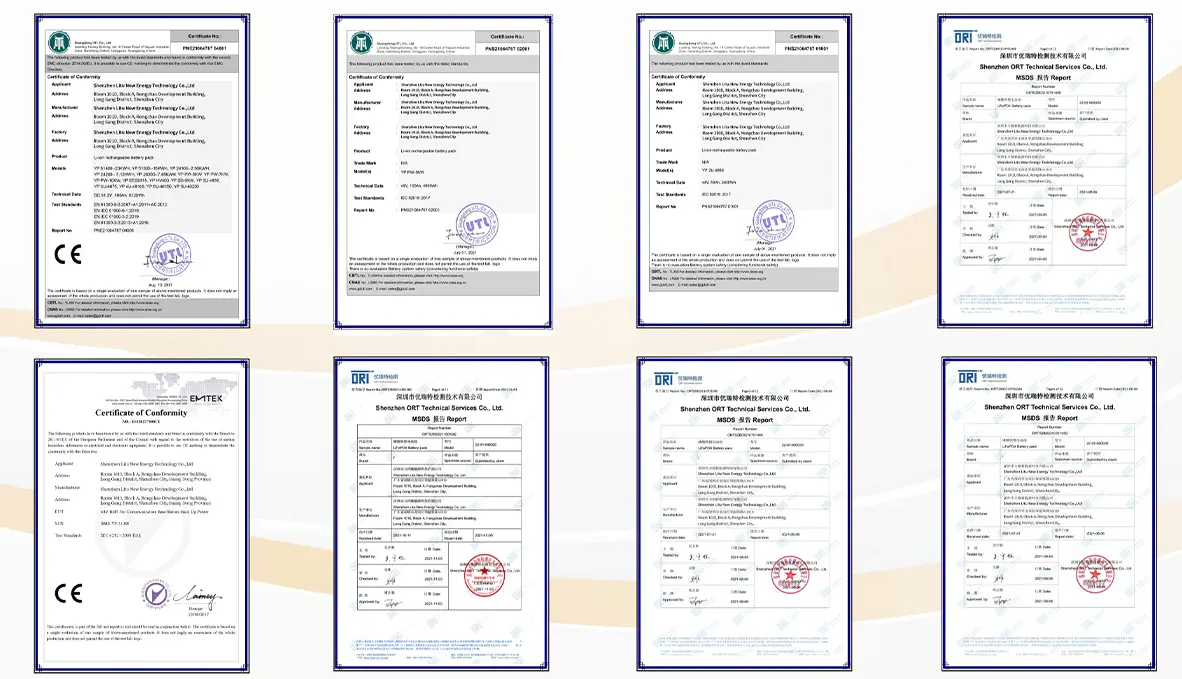
We have established good business relationships with our customers from all over the world. And we have a good cooperation with all our customers as well for many years running. Supported by our local vendors of raw materials, we can certainly offer you the best prices.
We are so proud that YouthPOWER has offered the reliable solar storage solution for over 1,000,000 families now in the world.
Our commitment remains fixed on delivering tier-one chemistry profiles, including LFP (Lithium Iron Phosphate) variants designed for high safety thresholds, extended cycle life, and broad operating temperature envelopes.
Matching customized configurations with regional infrastructure and unique environmental requirements.
Ideal for regions with high electricity rates and net-metering caps. Stackable LFP systems enable residential grid independence, keeping key household appliances powered during winter storms or summer heatwaves.
Optimized for hybrid environments that use wind, solar, and grid power. High-voltage configurations interface with local smart meters to automate battery use during cloudy seasons.
In rural communities and mining locations, high-capacity containers provide stable power without relying on diesel fuel, creating a dependable and affordable local energy source.
For residential developers, integrating wall-mounted batteries into pre-designed smart homes improves sustainability ratings and increases property value. Commercial facilities benefit from stackable, modular systems that can expand over time as energy requirements increase, avoiding high upfront costs.
A structured approach to selecting suppliers, evaluating safety ratings, and comparing true pricing models.
When purchasing energy storage systems for commercial and industrial projects, looking only at the initial cost per kilowatt-hour (kWh) can lead to unexpected expenses down the road. Engineering teams and procurement managers should evaluate suppliers using a total cost of ownership (TCO) framework that measures long-term system value:
Upcoming developments in chemistry, control systems, and localized microgrid integration.
The energy storage industry is evolving rapidly, driven by chemistry innovations and new software capabilities. Key trends to watch include:
Key technical and financial questions answered by our engineering and development team.
Explore our high-capacity battery assemblies designed for demanding commercial applications and scale deployments.
 YouthPOWER