Explore our engineering-first, high-capacity lithium iron phosphate (LiFePO4) storage lineup designed for global compatibility, extreme safety, and long lifecycle efficiency.
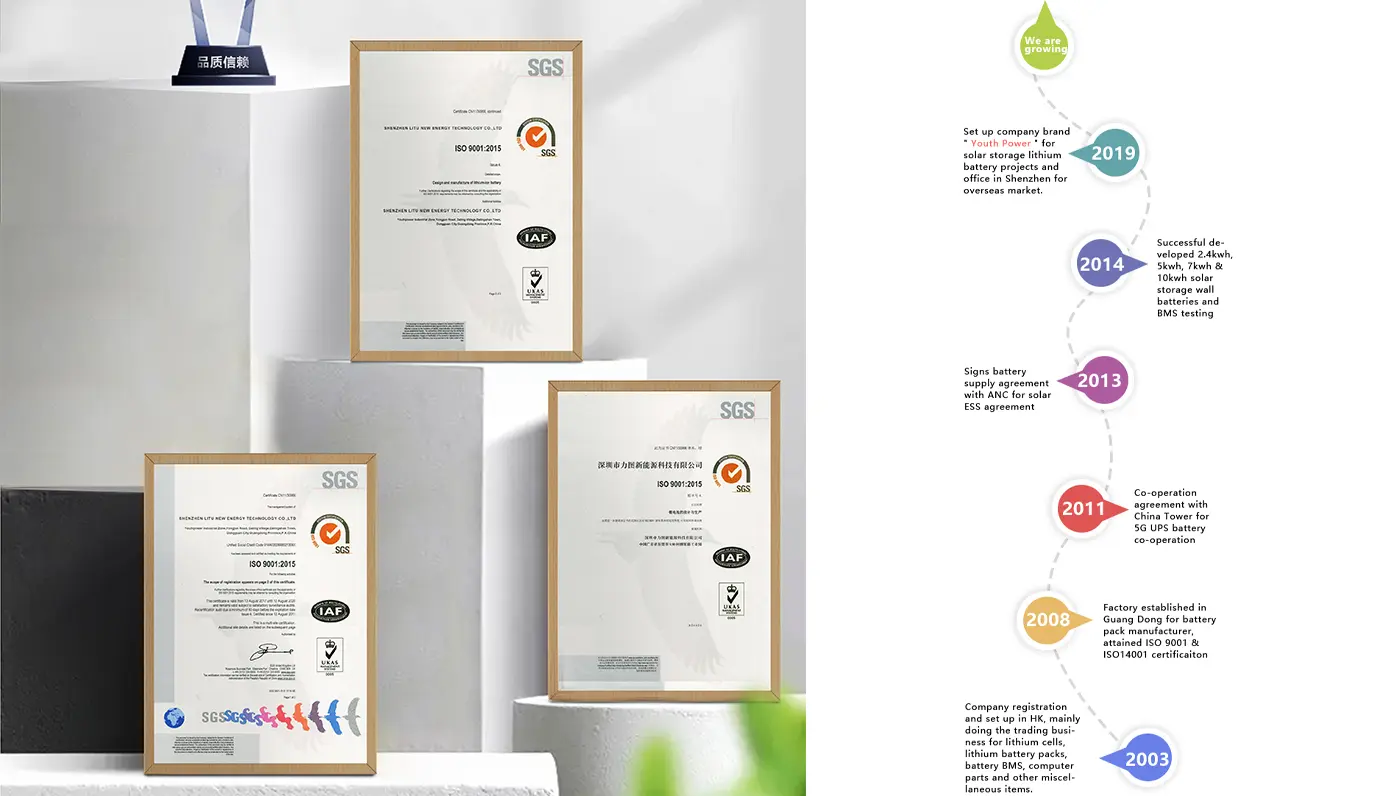
Founded in 2003, YouthPOWER has established itself as one of the preeminent global suppliers of advanced lithium storage solutions. With over two decades of intense focus on battery engineering, electrochemical analysis, and integrated manufacturing systems, we have bridged the gap between pure technology and domestic deployment.
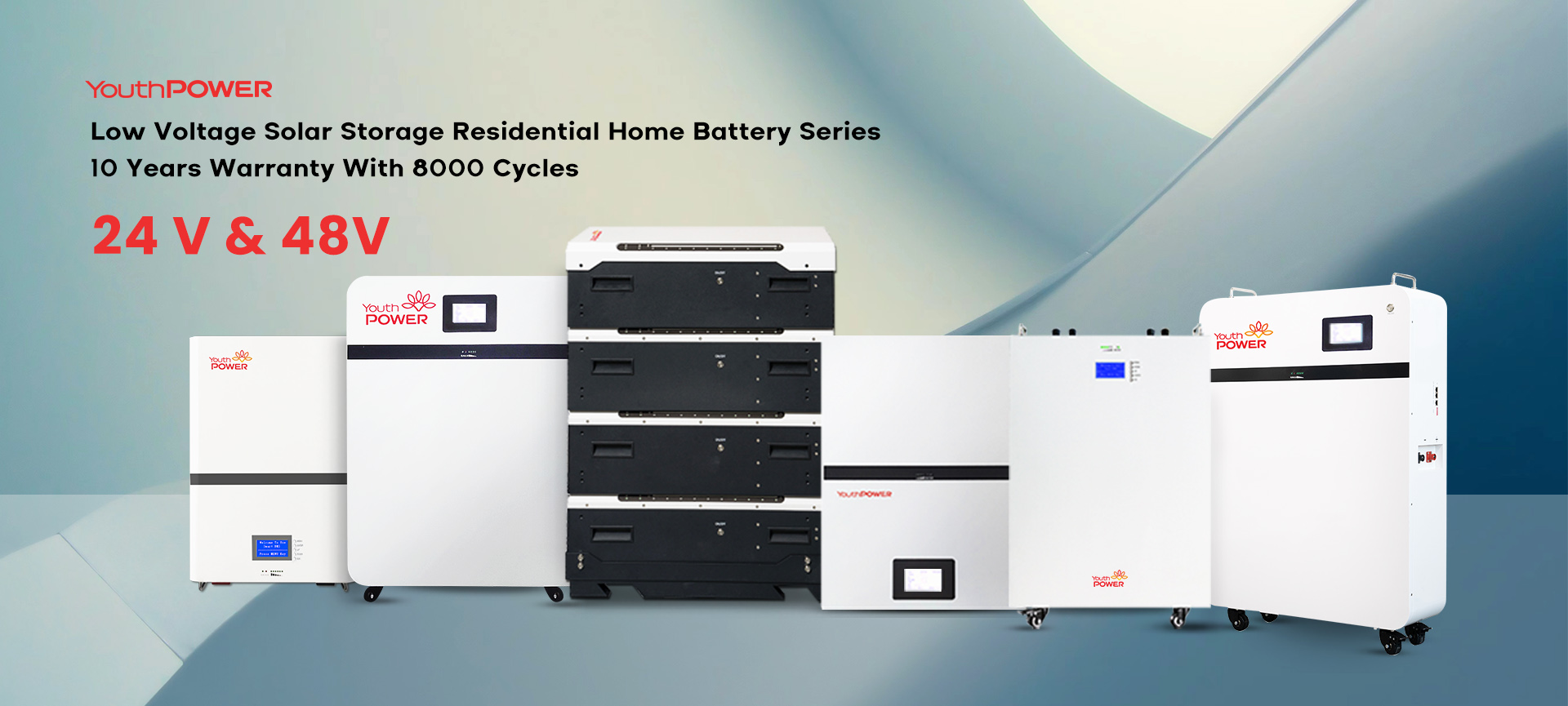
Our comprehensive portfolio features low-voltage (24V, 48V) and high-voltage (HV) solid-performance residential and light commercial battery modules designed to achieve high levelized cost of storage (LCOS) reduction. We are intensely involved in battery technology development, R&D optimization, and quality assurance processes. In 2019, we registered our proprietary brand "YouthPOWER", signifying a commitment to long-term reliability and product excellence.
By securing direct control over cell selection, intelligent BMS programming, and thermal runaway containment engineering, we provide Tier-1 quality products to over 1,000,000 families worldwide. We maintain extensive local raw material partnerships, ensuring pricing competitiveness without compromising standard-compliant safety protocols.
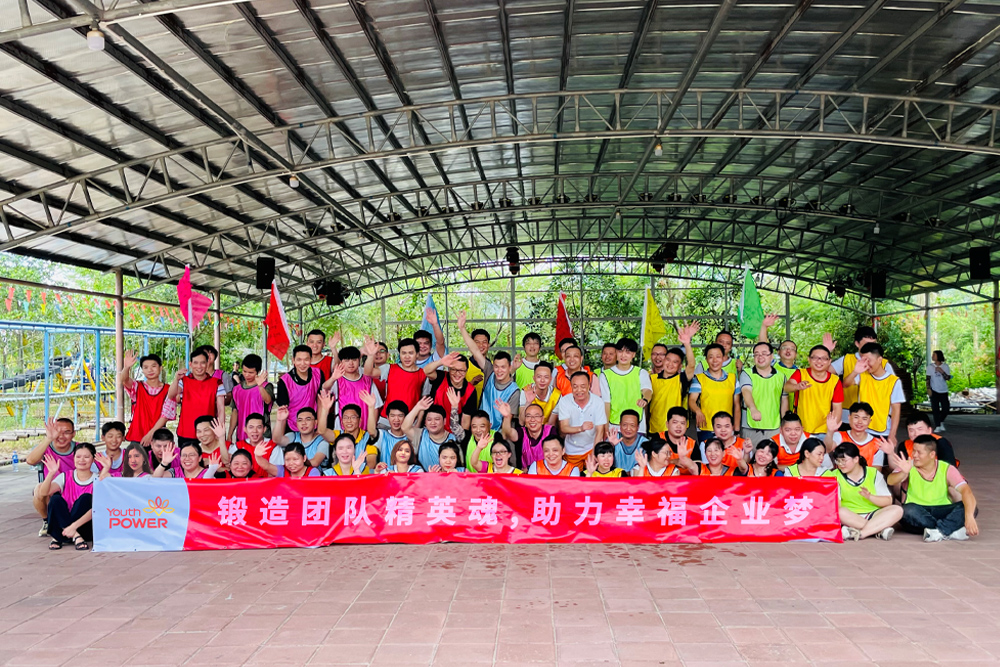
Deep-dive analysis of residential battery architectures, integration parameters, and safety topologies required for modern smart microgrids.
We rely on Lithium Iron Phosphate (LiFePO4) chemistry due to its outstanding thermal stability, safety profile, and service lifetime exceeding 6,000 cycles at 80% Depth of Discharge (DoD). Unlike NMC chemistries, LFP eliminates cobalt dependencies and minimizes the risk of oxygen release during thermal stress events.
Our proprietary Battery Management Systems (BMS) offer dual-processor redundancy, monitoring individual cell voltage, balancing current dynamically, and tracking parameters like State-of-Charge (SoC) and State-of-Health (SoH). Active and passive thermal barriers are integrated to isolate thermal escalation risks.
By transitioning from traditional 48V low-voltage architectures to high-voltage (HV) systems (ranging up to 768V), we dramatically lower dynamic transmission losses, reduce cable thickness demands, and improve round-trip efficiency (RTE) to over 95%, optimizing integration with hybrid three-phase inverters.
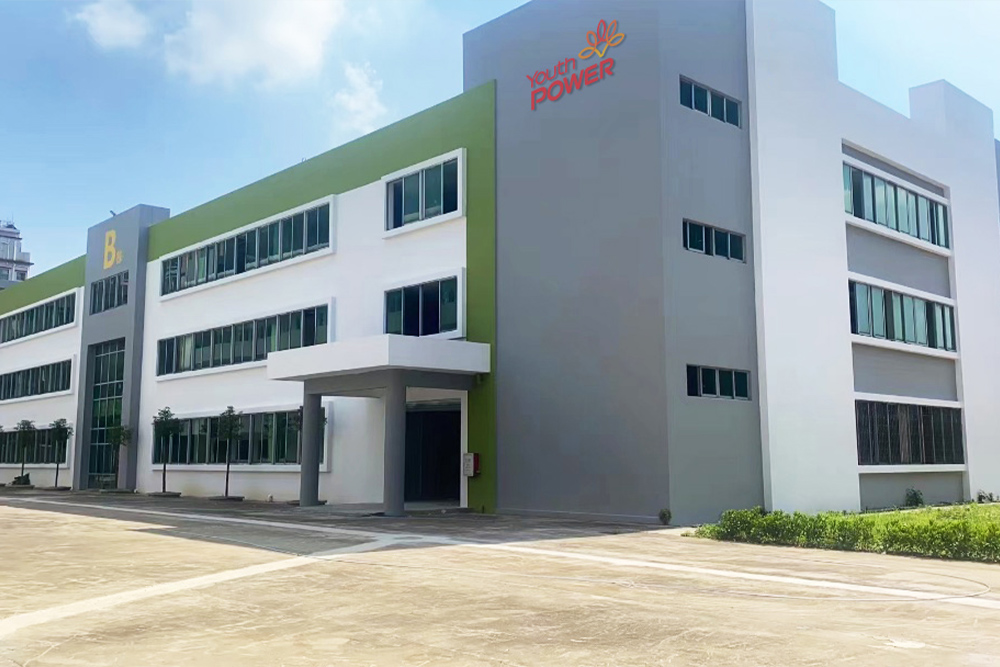
Our modern manufacturing facility incorporates automated pack assembly lines, precision laser welding, and automated cell sorting algorithms to maintain high standards of uniformity. With nearly 20 years’ experience in the battery industry, we have the capability to provide you with both the products you need and the most suitable products you want.
We are always ready to supply first-class products and meet various customized requirements. Supported by our local raw material vendors, we control the entire lifecycle of components—from raw lithium extraction processing and active material precursor supply to mechanical enclosure fabrication. This vertically integrated model insulates our operations from global logistics shocks and enables us to guarantee competitive price points.
Additionally, our comprehensive test profile subjects every completed battery pack to rigorous diagnostic routines, including end-of-line (EOL) electrical testing, high-temperature environmental aging chamber simulation, and dielectric strength evaluations to eliminate out-of-box failures.
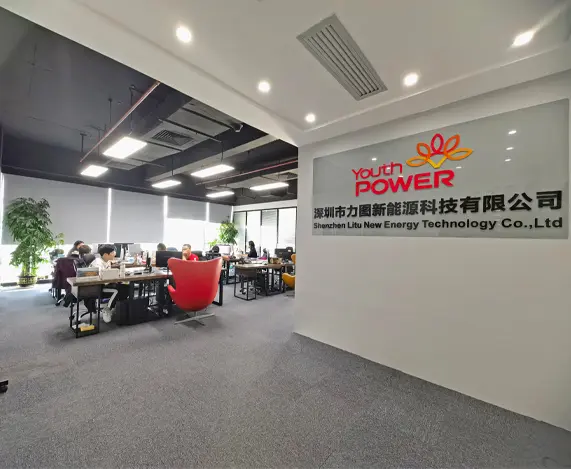
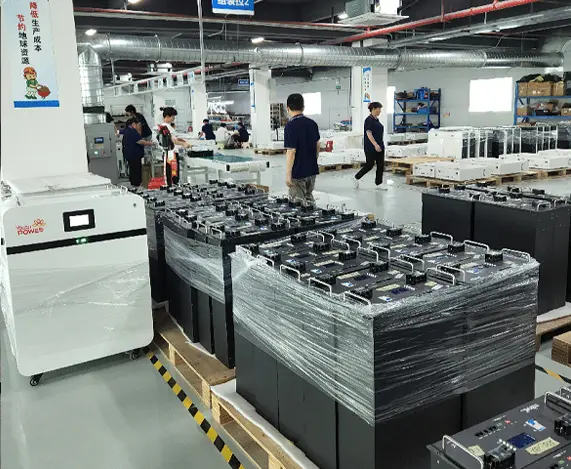
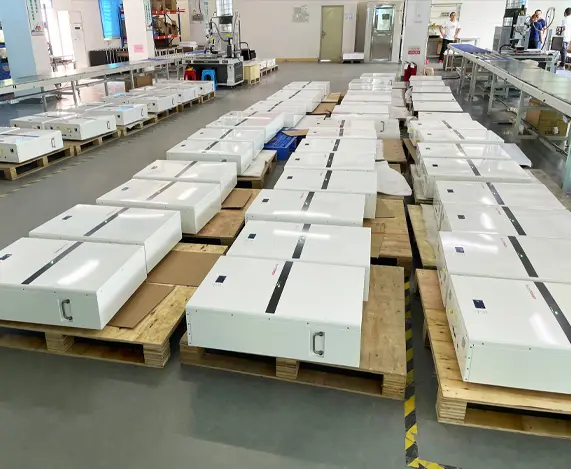
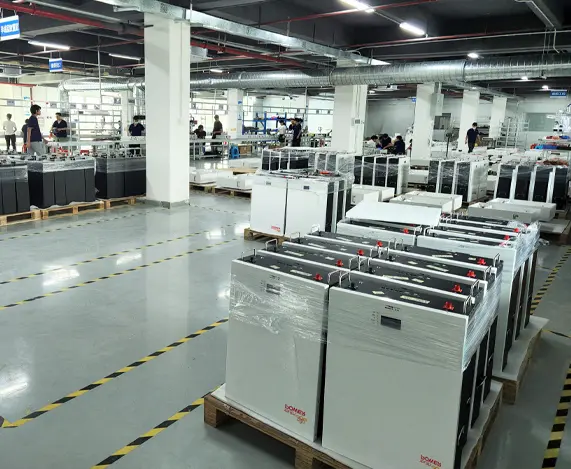
China is the global epicenter for energy storage technology, hosting over 70% of the world's lithium-ion battery manufacturing capacity. By manufacturing in this highly optimized hub, YouthPOWER utilizes an unrivaled cluster of components, expertise, and infrastructure.
Our strategic placement allows us to integrate raw materials, microprocessors, smart cooling systems, and containment enclosures at unprecedented speeds. This cluster effect accelerates our prototyping lifecycle from months to weeks, giving our international OEM/ODM clients a significant time-to-market advantage.
Furthermore, the scale of Chinese domestic logistics and proximity to specialized shipping ports simplifies containerized transport, reducing overall transit risks and cost overheads for global distributors.
For B2B buyers, utility contractors, and high-volume importers, sourcing from a vetted residential ESS factory involves navigating critical trade parameters.
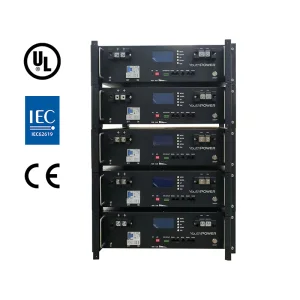
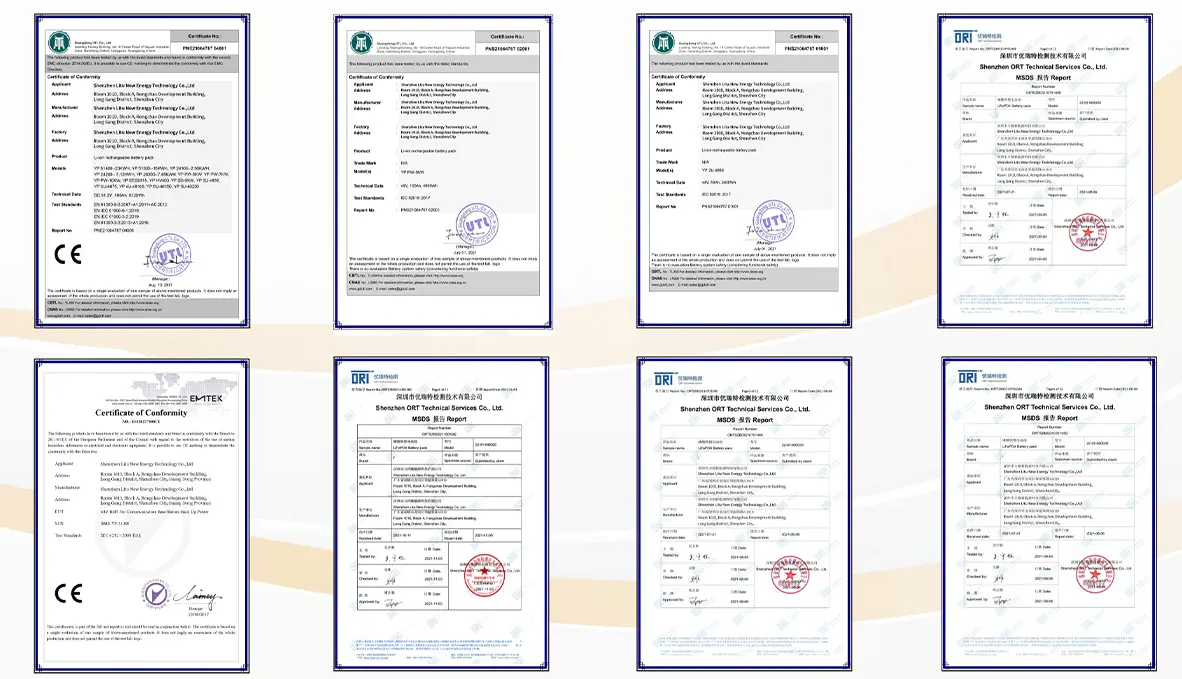
Deploying energy storage internationally requires stringent compliance verification. Our products carry UL 1973, UL 9540A (thermal runaway propagation test), CE, IEC 62619, and UN38.3 transport certifications, ensuring straightforward zoning approval and grid connection authorization in the EU, US, and APAC markets.
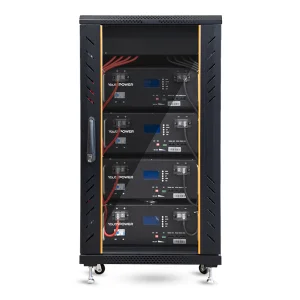
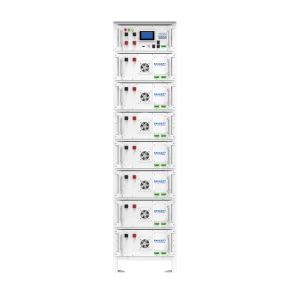
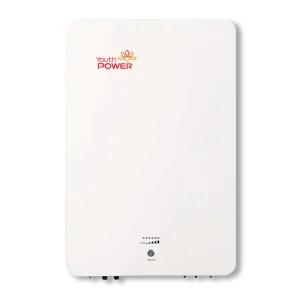
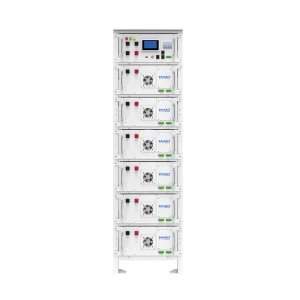
Our dynamic customization framework accommodates private labeling, custom powder-coated color options, variable mounting orientation (wall-mount, stackable, or 19-inch cabinet configurations), and firmware alterations to interface with mainstream hybrid inverters (e.g., Deye, Growatt, Victron, SMA, Studer).
To reduce post-installation site visits, our systems support integrated Wi-Fi, GPRS, and CAN/RS485 communication pipelines. This enables remote diagnostics, cloud-based fleet monitoring, and over-the-air (OTA) firmware deployments to match changing local utility rate schedules.
From dense urban areas dealing with grid constraints to remote off-grid installations, discover how smart batteries optimize energy usage.
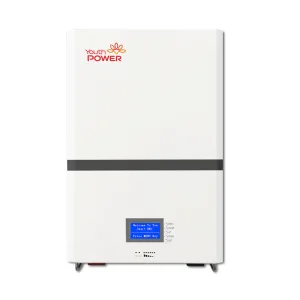
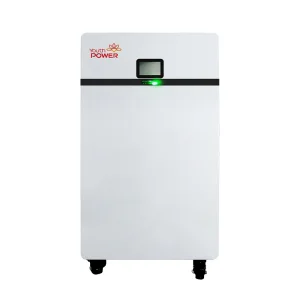
Designed for space-constrained environments, small-scale modular balcony storage (like our 2.5KWH Balcony Battery System) connects directly to micro-inverters. It captures daytime generation peak and offsets evening baseloads, bypassing complex grid-connection permitting.
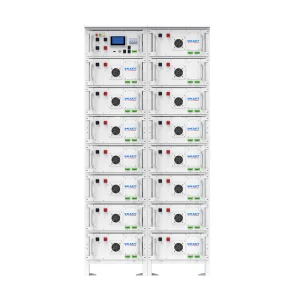
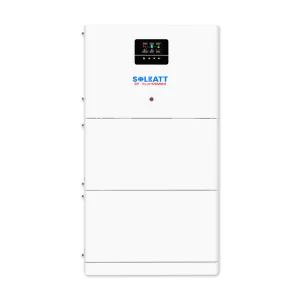
In markets like California (NEM 3.0) and Australia, where peak tariff windows incur high costs, our high-voltage battery cabinets automatically charge during off-peak periods and discharge when rates spike, maximizing utility savings.
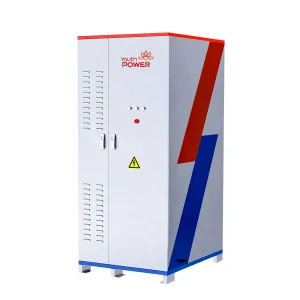
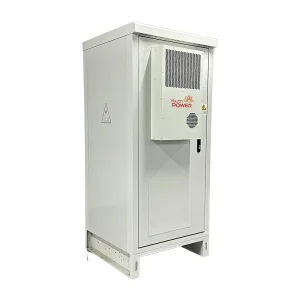
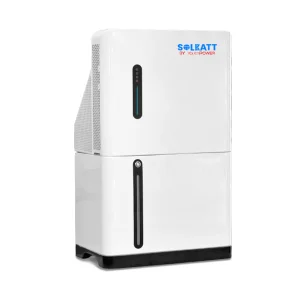
For rural microgrids, farms, and properties in extreme-weather regions, our heavy-duty IP65 outdoor energy cabinets supply continuous backup power. They feature integrated heating elements to ensure functionality even at sub-zero temperatures.
Staying ahead of the curve requires continuous adaptation to chemical, mechanical, and software advancements in battery tech.
While LiFePO4 remains the primary option for stationary storage, Sodium-ion batteries are quickly developing as a lower-cost, cold-weather alternative. We are actively researching Sodium-ion cell configurations to address budget-conscious project requirements.
Solid-state batteries promise double the energy density of traditional lithium packs while eliminating liquid organic electrolytes, virtually removing the threat of fires. We are monitoring pilot line yields to evaluate their scalability for residential applications.
Tomorrow's homes will require unified energy control systems. Our next-generation EMS units are designed to integrate with bi-directional EV charging structures, transforming electric vehicles into auxiliary battery banks that support home loads.
Authoritative answers to critical technical questions regarding the selection, deployment, and testing of residential ESS.
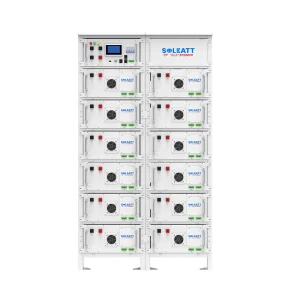
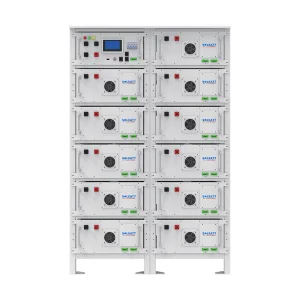
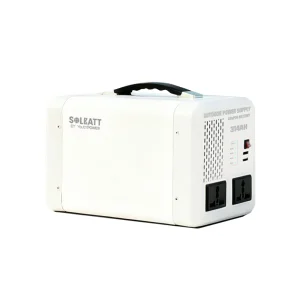
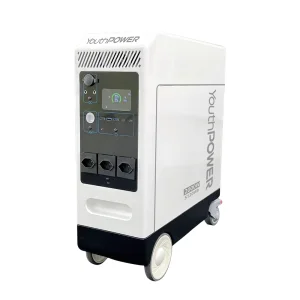
Explore our high-voltage cabinets, heavy-duty commercial scale micro-grids, and portable battery backup units built for versatile demands.
 YouthPOWER