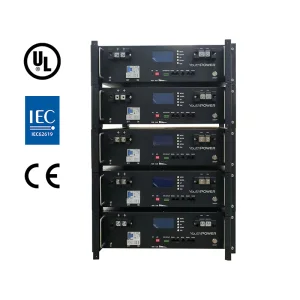
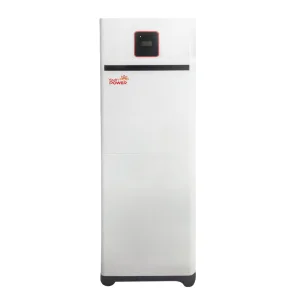
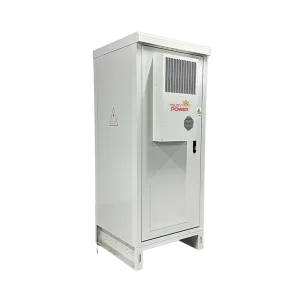
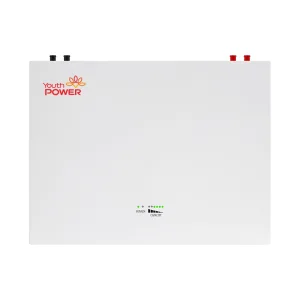
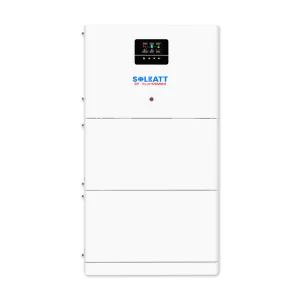
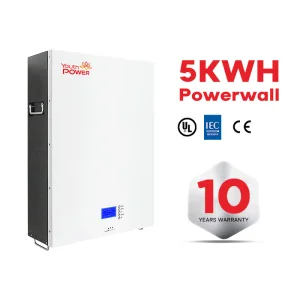
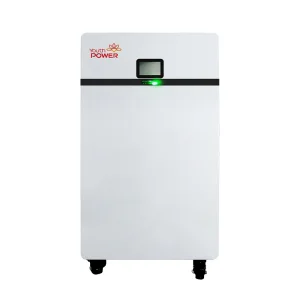
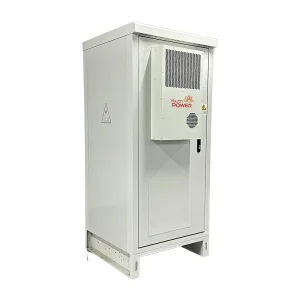
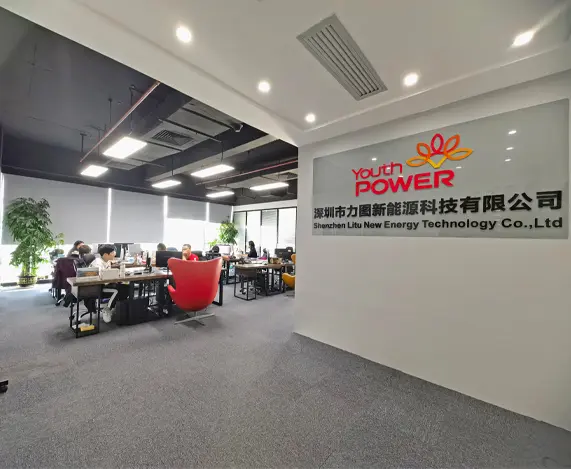
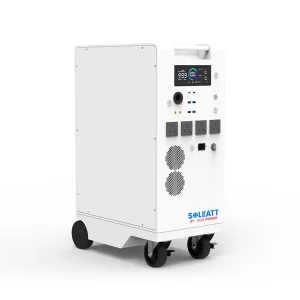
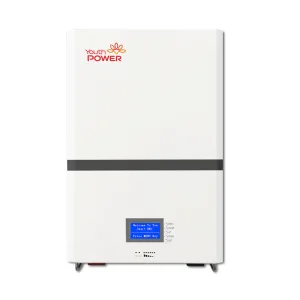
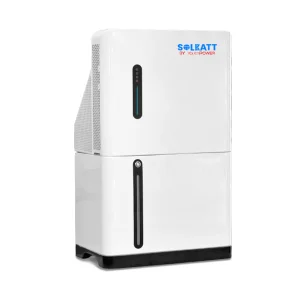
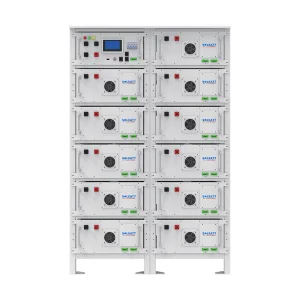
Premium residential lithium storage devices, integrated hybrid systems, and scalable containerized commercial backup solutions engineered by YouthPOWER.
TWENTY YEARS OF EXPERTISE IN ENERGY STORAGE SYSTEMS
Founded in 2003, YouthPOWER has established itself as one of the premier global suppliers of solar storage lithium batteries. With a broad scope of energy storage solutions, the company manufactures high-grade 24V, 48V, and high-voltage (HV) battery units designed for heavy-duty commercial deployment and residential off-grid autonomy.
For nearly two decades, YouthPOWER has committed itself to advancing core battery technology. Armed with robust manufacturing frameworks and substantial research and development (R&D) capabilities, we created our proprietary brand "YouthPOWER" in 2019 to serve global markets directly with premium, field-tested components.
Through strategic alignments and localized vertical integrations with premium raw material providers, we guarantee highly competitive pricing structures without compromising reliability. We are honored that YouthPOWER has delivered reliable solar storage solutions to over 1,000,000 families worldwide, mitigating utility reliance and carbon footprints across multiple continents.
How the landscape of solar battery manufacturing and supply is shifting toward ultra-safe, high-density LFP and smart BMS technology.
The global utility and commercial market sectors have rapidly transitioned from cobalt-based chemistries to LiFePO4. Known for extreme thermal stability, long cycle life (exceeding 6,000 cycles at 80% DoD), and ecological safety, LFP has become the global baseline. Suppliers must optimize output to match this demand.
Modern residential and light commercial grid configurations are leaning toward high-voltage systems (ranging from 100V to over 500V). HV structures drastically reduce line loss, minimize installation cabling costs, and maximize round-trip conversion efficiency when coupled with modern hybrid inverters.
A static Battery Management System (BMS) is no longer sufficient. Leading solar battery companies now integrate cloud-managed, AI-driven BMS platforms to monitor cell health, dynamically balance cell voltages, and predict thermal variations before they lead to thermal runaway incidents.
Key indicators and engineering metrics B2B solar developers, EPCs, and procurement directors analyze when selecting energy storage partners.
Information Gain Insight: The modern procurement cycle is no longer solely about price per kilowatt-hour ($/kWh). Tier-1 grid operators and institutional developers evaluate systemic integration complexity, product warranty backings, compliance certifications, and round-trip efficiency (RTE).
Corporate purchasers require batteries that maintain high capacity retention over 10-15 years. This requires pure, Grade-A raw lithium cells coupled with advanced mechanical enclosure design to withstand outdoor degradation, damp microclimates, and extreme temperatures.
A primary bottleneck in deploying storage is communications protocol mismatch between the inverter (CAN/RS485) and the battery BMS. Top suppliers pre-configure their units with multi-brand protocol firmware compatible with SMA, Victron, Deye, Growatt, and Sol-Ark systems.
Strict global regulations demand verifiable sourcing of lithium, iron, and phosphate inputs. Global companies seek suppliers who maintain ethical supply chains, low-carbon fabrication practices, and solid logistics channels that prevent delays in construction schedules.
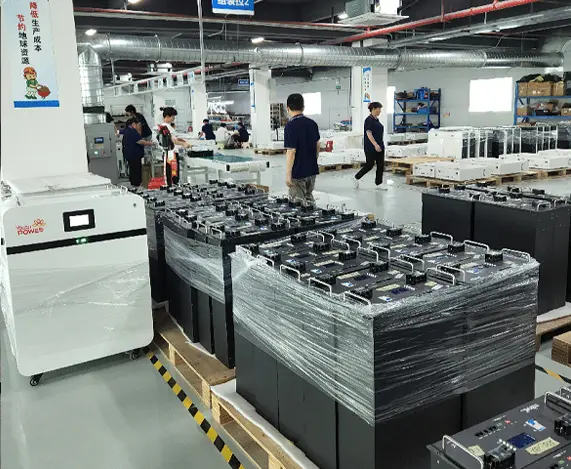
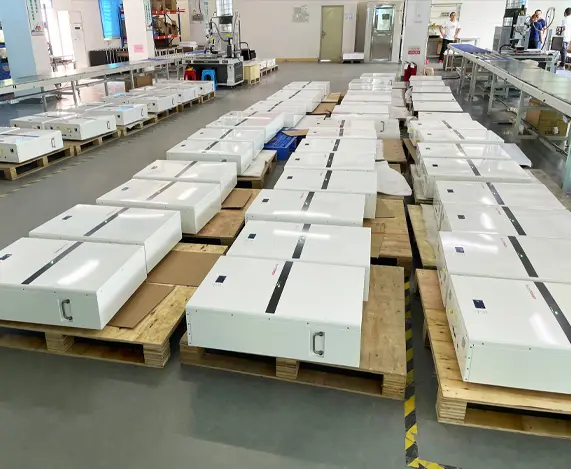
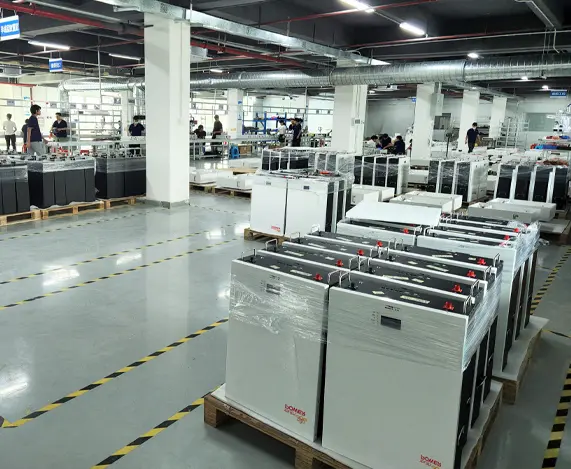
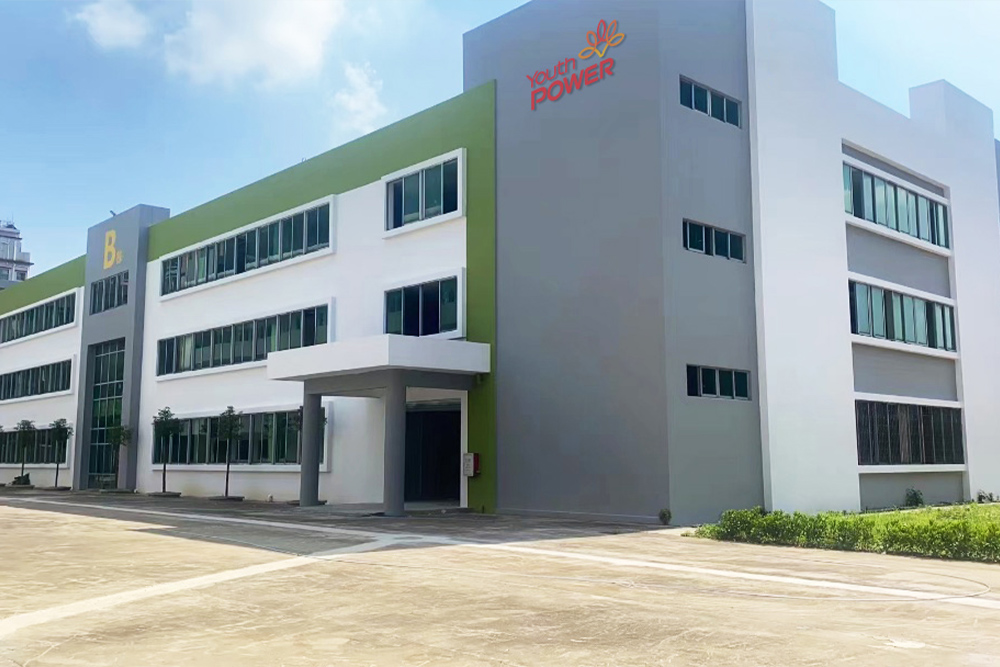
A look inside our state-of-the-art battery configuration, cell-sorting, and packaging facilities ensuring precision delivery.
Tailored energy architectures scaling from small-footprint balcony designs to high-megawatt industrial backup arrays.
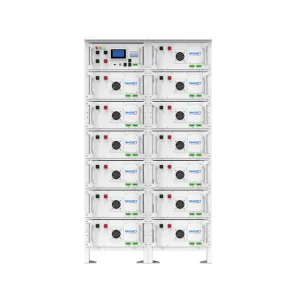
To combat rising demand charges and peak utility rates, corporate entities utilize our centralized battery storage cabinets (such as our 133KWH and 157KWH units) to implement active load shifting, shave peak consumption, and establish uninterrupted backup power loops for heavy machinery and data servers.
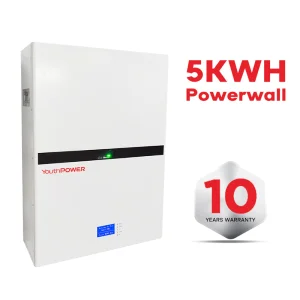
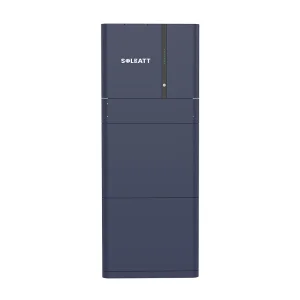
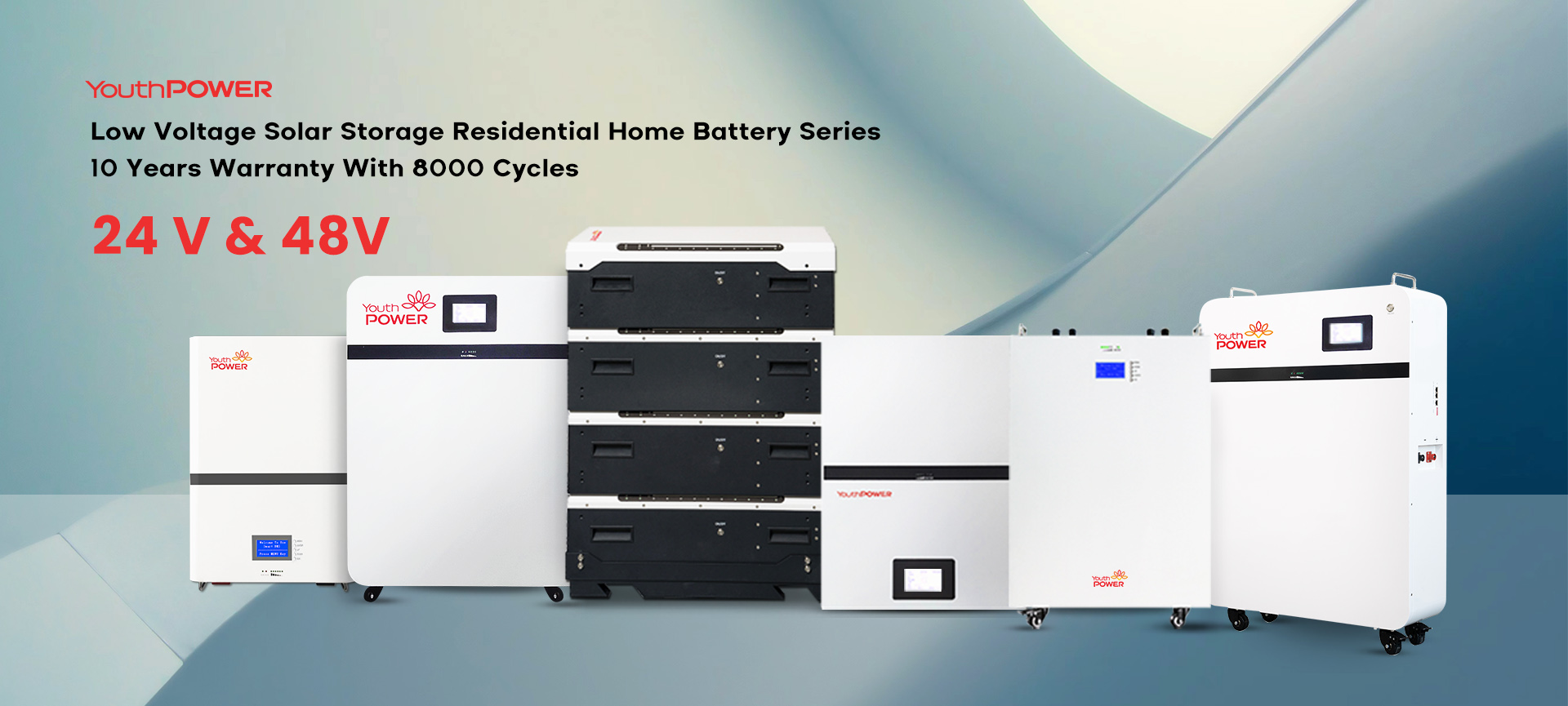
We provide standard 5kWh and 10kWh powerwall setups alongside stackable low-voltage models. These units allow single-family homes to store solar surplus during high solar irradiance periods and discharge during evening peak rates, achieving up to 90% grid independence.
For isolated mining sites, agricultural irrigation systems, and remote medical outposts, our heavy-duty outdoor battery cabinets provide dependable microgrid support. These setups integrate diesel generator inputs, photovoltaic feeds, and battery outputs under a smart management umbrella.
From an OEM component assembler to a globally recognized innovator in high-capacity lithium storage architecture.
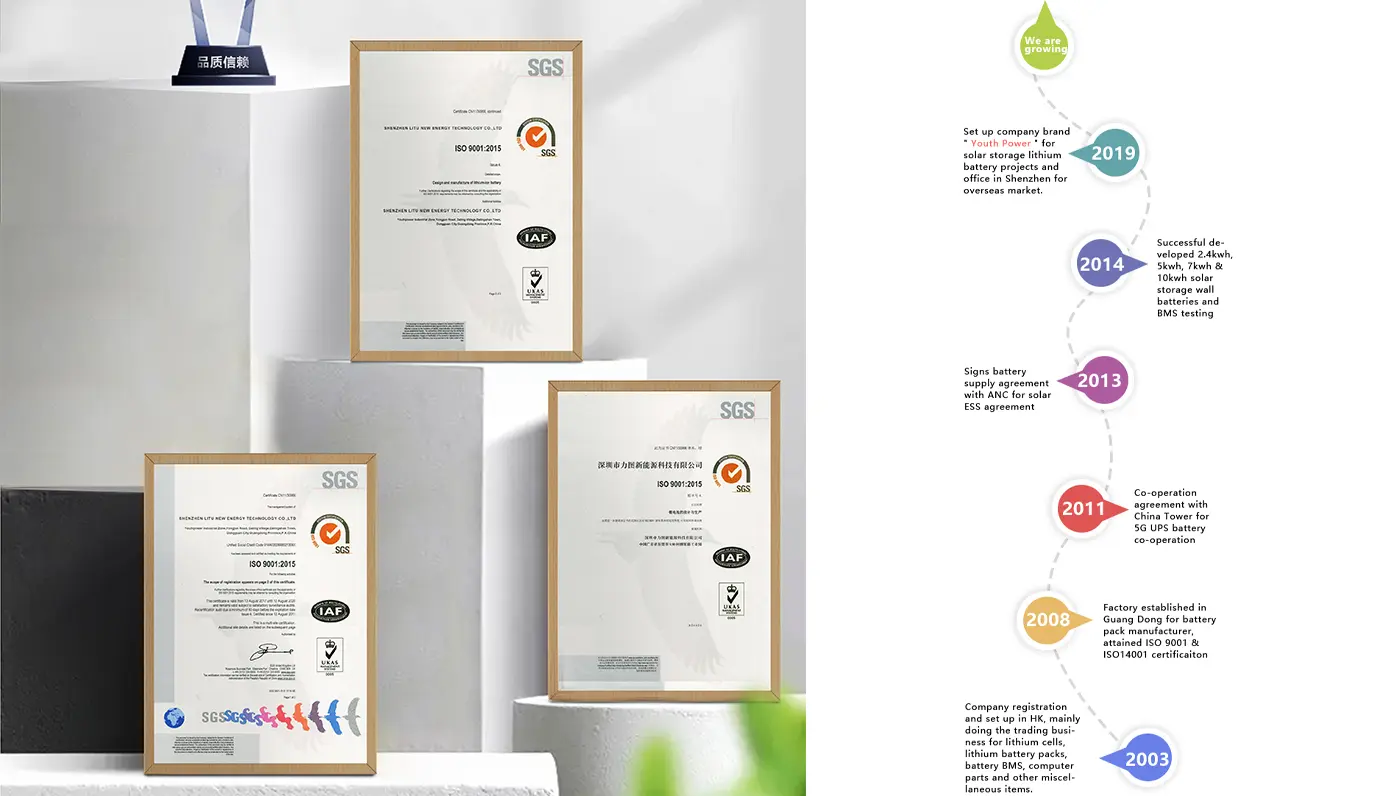
Staying ahead of the technology curve to supply robust future-proof solutions to our international partners.
As the energy storage industry transitions from standard lithium chemistries to higher-density architectures, YouthPOWER's technical roadmap focused on three vital vectors:
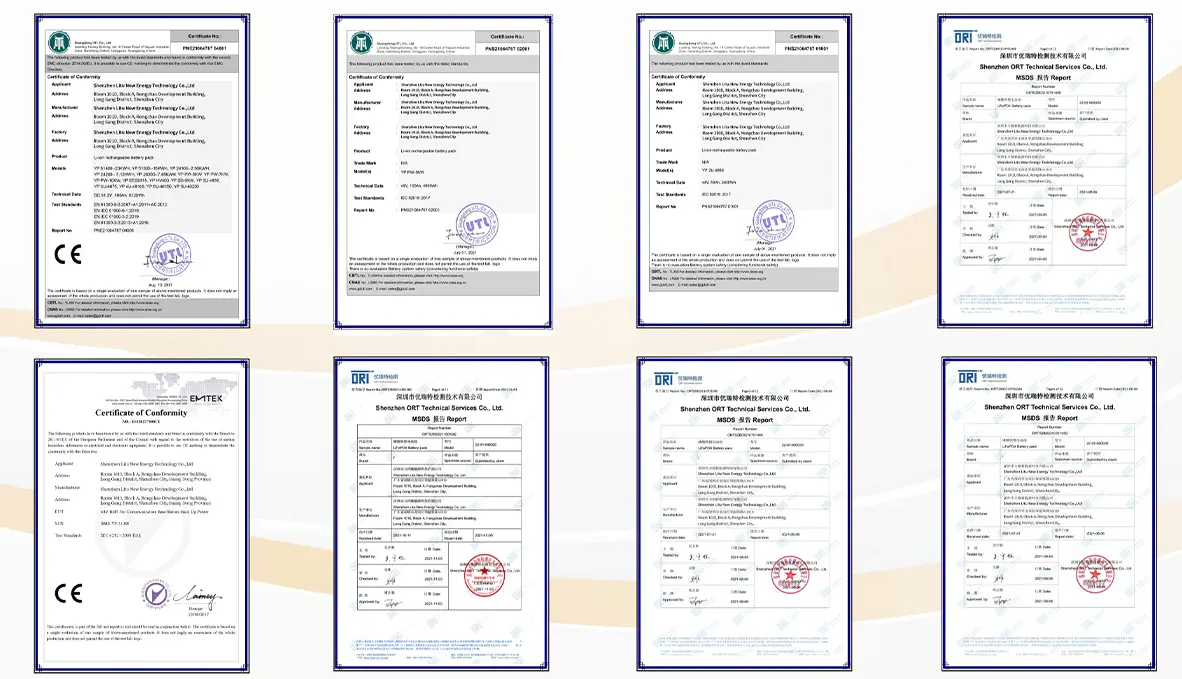
Navigating complex international installation standards with fully certified, safety-tested products.
Our products are manufactured in accordance with strict international guidelines, satisfying rigorous regional electrical and environmental requirements. This simplifies the grid connection process for engineers and regional utility authorities.
To guarantee swift project deployment, YouthPOWER maintains deep relationships with localized distribution and technical service networks across Europe, North America, and South Africa. This allows us to supply direct engineering consultation, handle localized warranty exchanges, and offer critical replacement components without extended international shipping delays.
Crucial answers regarding solar storage engineering, supplier logistics, and operational longevity.
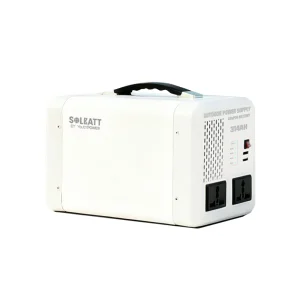
Discover our powerwalls, portable power generators, balcony micro-systems, and large-scale industrial containers.
 YouthPOWER