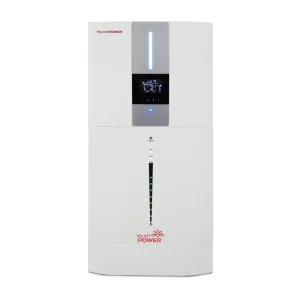
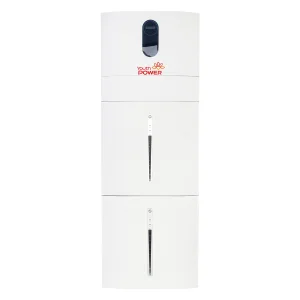
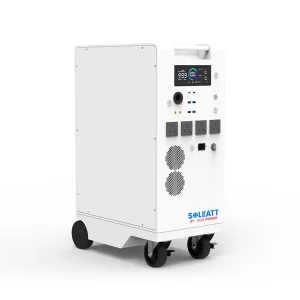
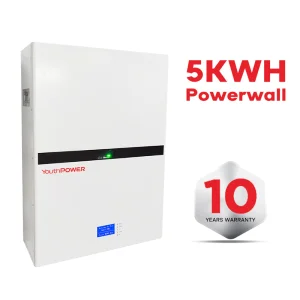
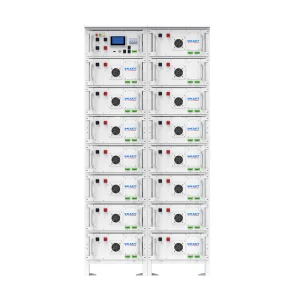
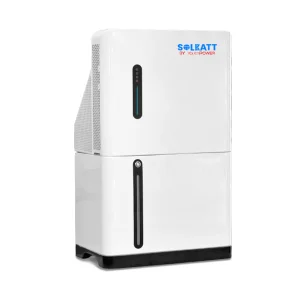
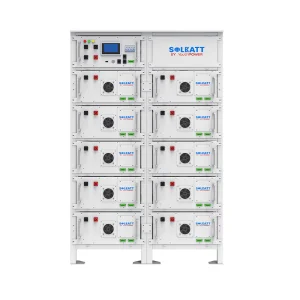
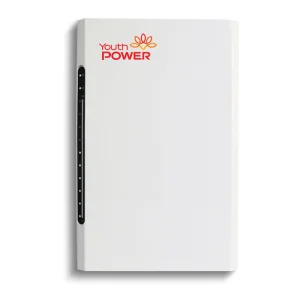
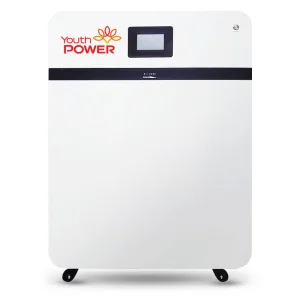
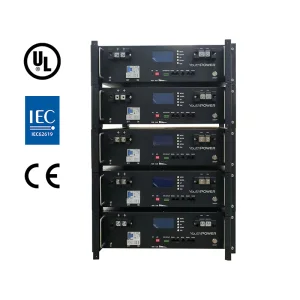
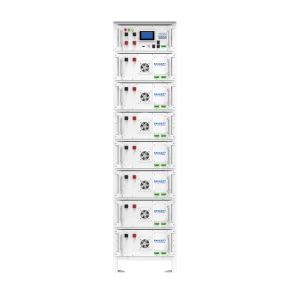
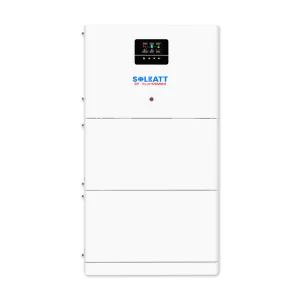
Engineered for ultimate efficiency, scalability, and long lifecycle performance across various grid topologies.
How digital transformation, AI modeling, and thermodynamic tracking are revolutionizing energy capacity planning.
Calculates temperature-dependent cell degradation, adjusting expected cycle life and system efficiency based on the installation environment’s thermal profile.
Predictive charging based on complex Time-of-Use (ToU) tariffs, storing solar energy during low-value windows and discharging during high-cost periods.
Leverages smart meter integration to dynamically size backup duration based on critical loads, rather than relying on estimated monthly averages.
Deciphering the pricing dynamics and technology parameters defining international B2B energy storage transactions.
| System Capacity / Spec Class | Target Applications | Average Price Range (FOB China) | Cycle Life Expectancy | Key Interface Protocols |
|---|---|---|---|---|
| 2.5kWh - 5kWh Balcony / Resi | Apartments, small residential backups | $350 - $1,200 USD | > 4,000 cycles @ 80% DoD | Wi-Fi, Bluetooth, CAN, RS485 |
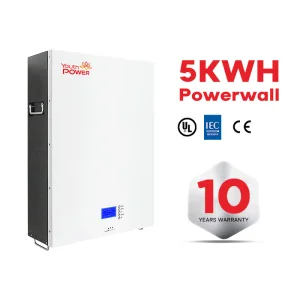
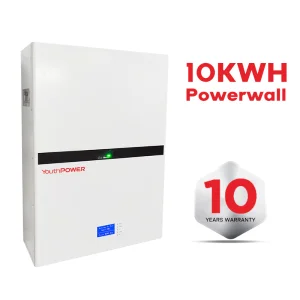
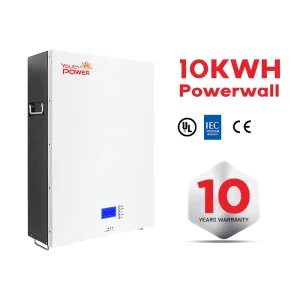
| 10kWh - 20kWh Powerwall ESS | Standard homes, light commercial offices | $1,800 - $4,200 USD | > 6,000 cycles @ 80% DoD | CAN, RS485, Modbus TCP |
| 100kWh - 150kWh Stackable ESS | Agricultural operations, mid-sized telecom | $15,000 - $25,000 USD | > 6,000 cycles @ 90% DoD | Modbus RTU, Ethernet, CAN |
| 200kWh+ Commercial Containerized | Manufacturing, peak-shaving microgrids | $30,000 - $60,000+ USD | > 6,500 cycles @ 90% DoD | PCS / EMS Integration, SCADA |
Why vertical integration, intelligent automation, and robust quality control guarantee global supply chain continuity.
Deeply committed to excellence, reliability, and custom-engineered renewable energy storage solutions.

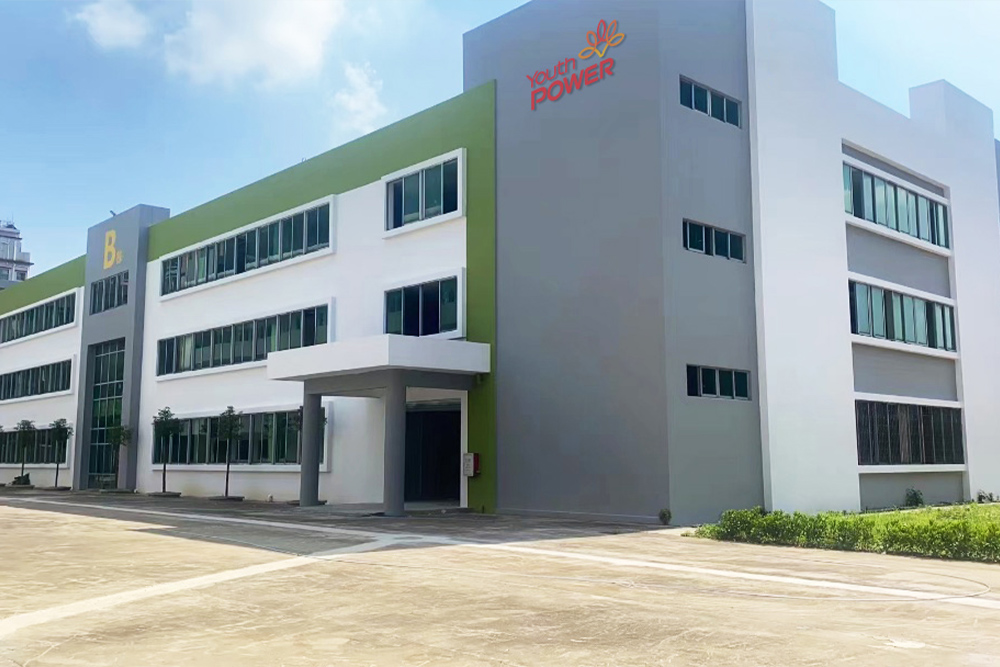
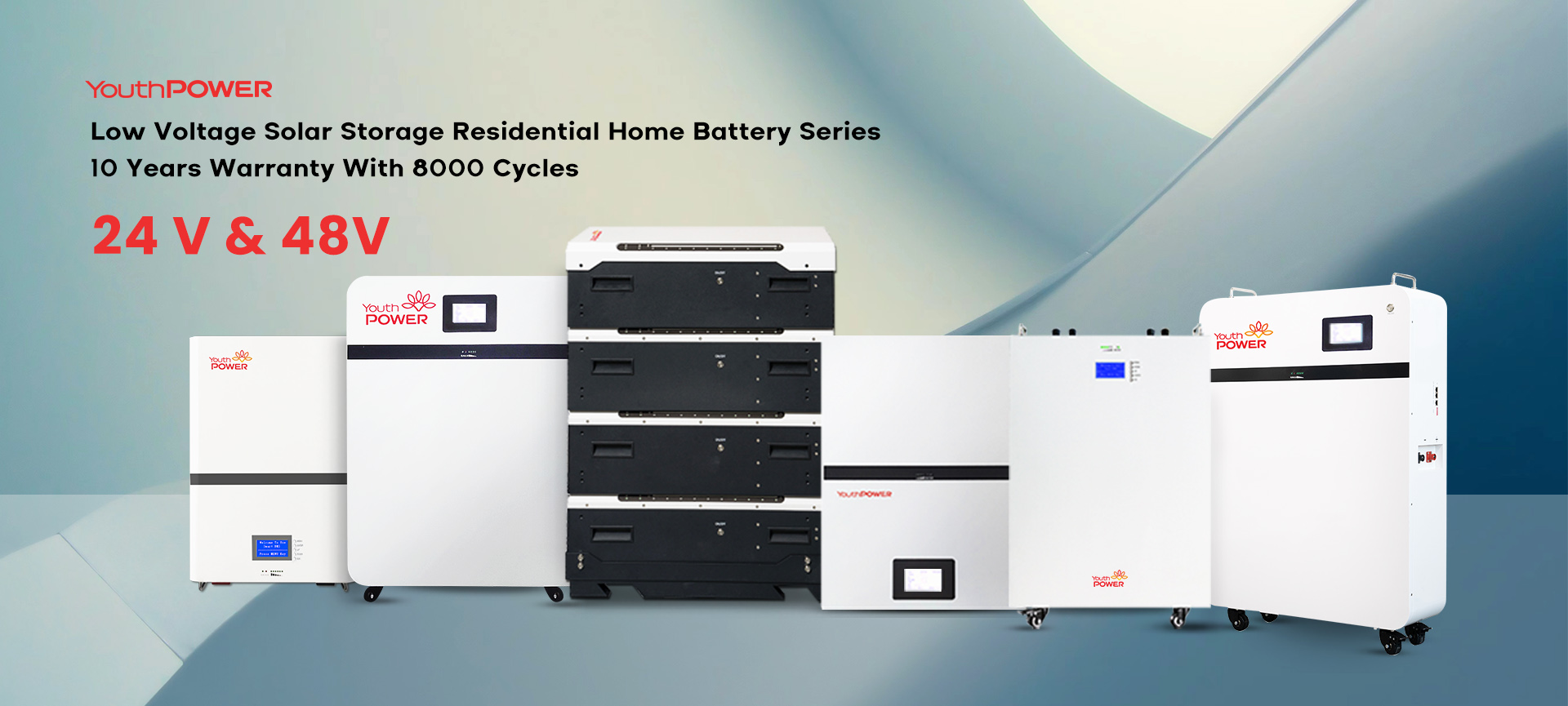
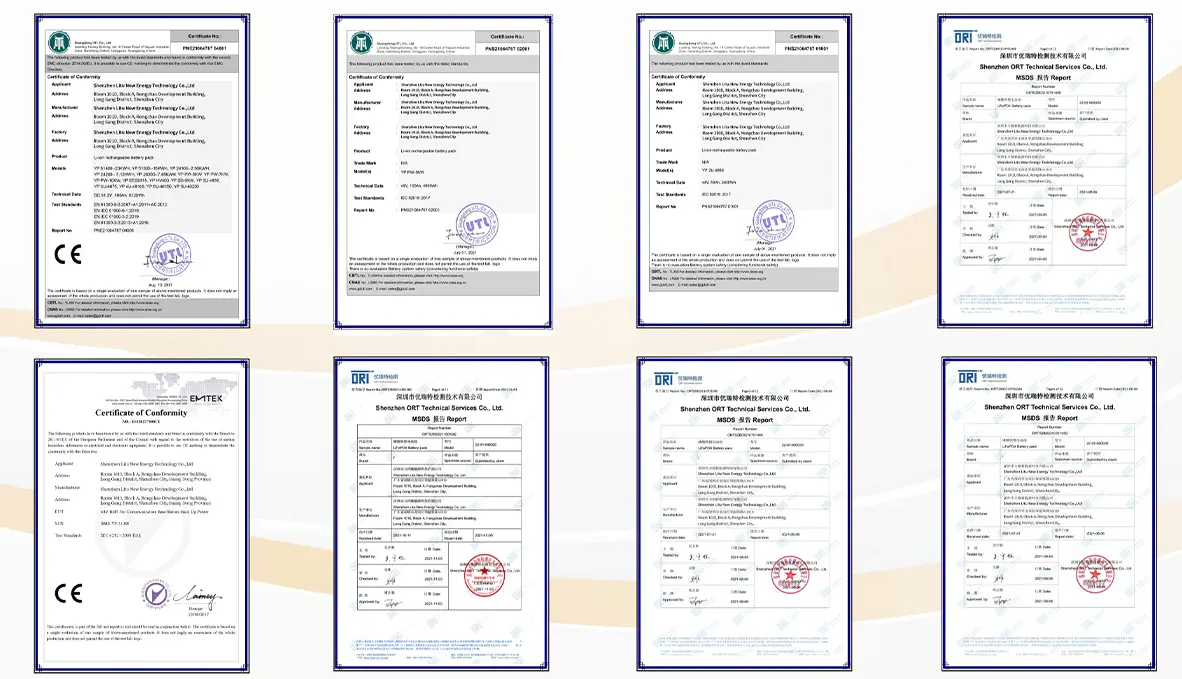
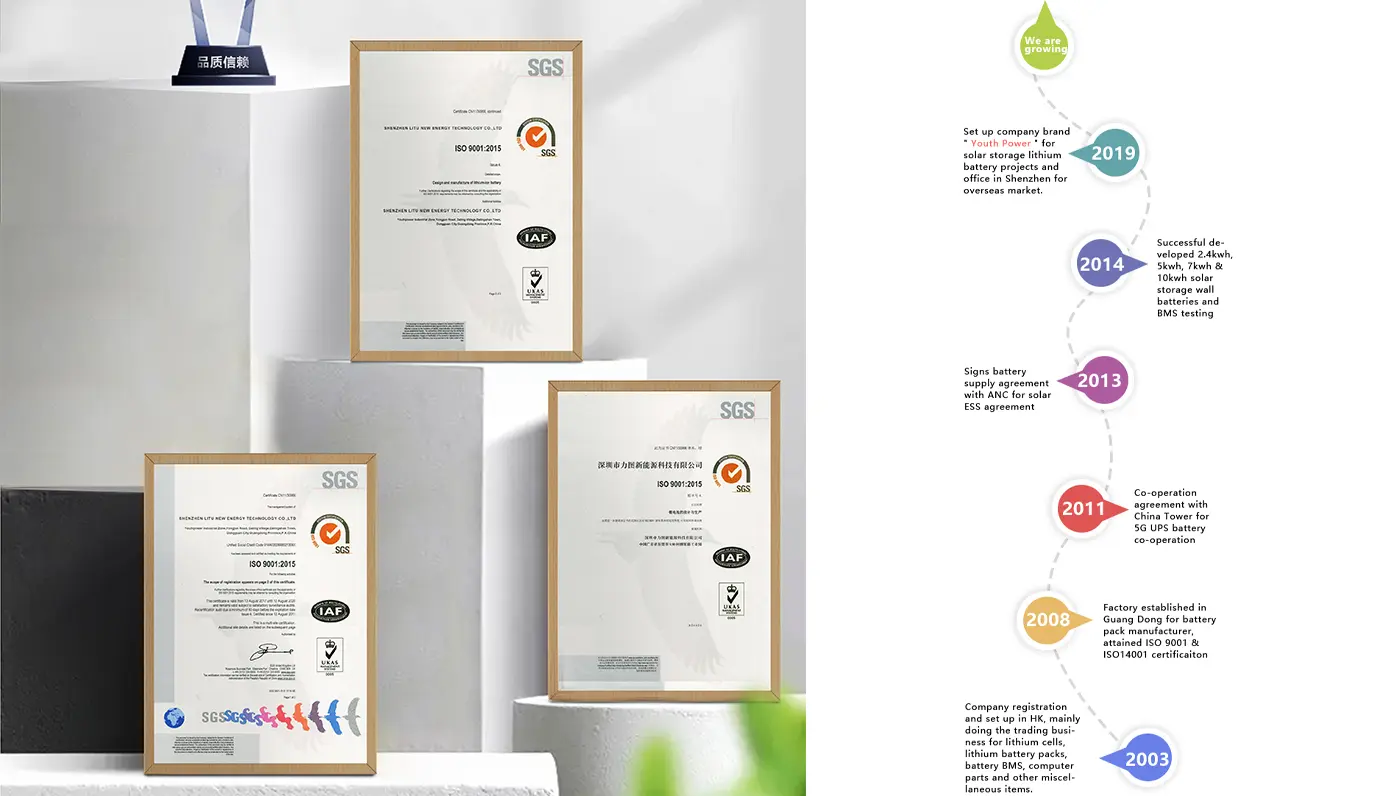
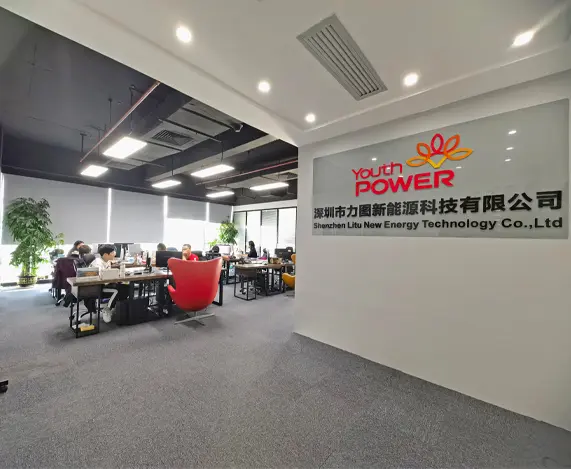
From our initial chemical formulation research back in 2003 to launching fully integrated All-in-One (AIO) ESS units in 2019, our growth trajectory reflects our relentless commitment to safety and engineering innovation. By continually adapting our technology to dynamic grid scenarios, we have delivered modular solutions designed for scalability, ease of installation, and long-term durability.
Every milestone represents a commitment to high-grade materials, advanced BMS platforms, and close client relationships that help shape our product design pipeline.
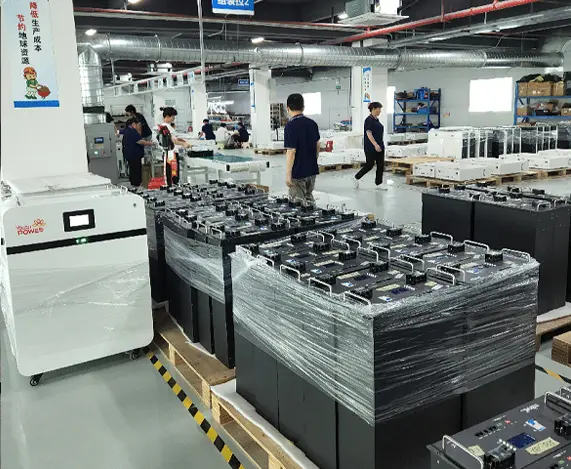
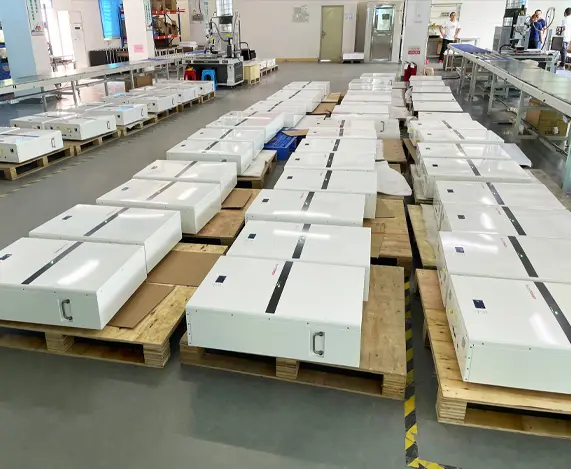
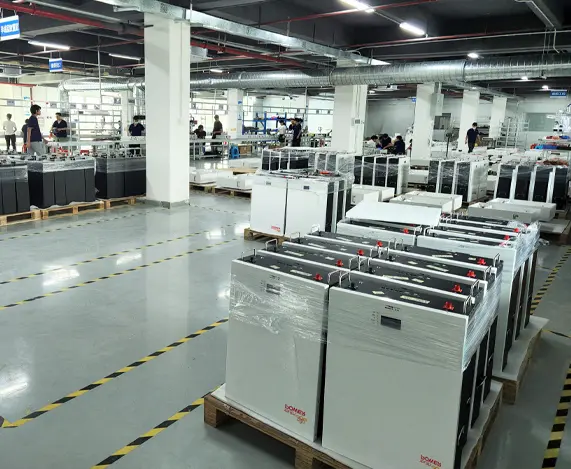
How distinct commercial and environmental environments shape technical battery configurations.
Designed for metropolitan high-density residential apartments in Europe. These compact systems store daytime balcony generation to supply off-grid or hybrid power at night, bypassing complex local grid connection regulations.
High-voltage, rack-mounted 19-inch battery packs deployed at remote telecom base stations. Standard integration with external generator systems ensures continuous UPS operation and system uptime during extended grid outages.
Deployed in large containerized form factors (100kWh - 215kWh+). These systems monitor building loads and discharge during peak consumption windows, allowing industrial plants to lower maximum demand charges.
Technical advice and purchasing calculations for engineers, distributors, and project managers.
The standard calculation for sizing commercial storage is: Battery Capacity (kWh) = (Daily Consumption (kWh) × Days of Autonomy) / (DoD × System Efficiency).
For peak shaving applications, the calculator must analyze historical 15-minute load curves. By identifying peak spikes that exceed the contracted threshold, the battery is sized to discharge energy specifically during those peaks, thereby reducing utility demand charges.
LiFePO4 offers distinct advantages: 1. Safety: LFP has a higher thermal runaway threshold (approx. 270°C compared to NMC's 210°C). 2. Longevity: LFP cells routinely deliver over 6,000 cycles at 80% DoD, whereas NMC batteries typically decline after 2,000–3,000 cycles. 3. Cost: LFP does not contain cobalt, lowering raw material procurement risks and final prices.
FOB prices are mainly influenced by raw lithium carbonate market rates, cell grading (Grade-A vs. Grade-B cells), integrated Battery Management System (BMS) complexity, casing materials, and order volume. Purchasing directly from vertically integrated manufacturers like YouthPOWER helps lower intermediary trade fees.
Extreme temperatures accelerate capacity fade. LiFePO4 cells function optimally between 15°C and 25°C. At sub-zero temperatures, charging rates must be restricted to prevent lithium plating, which is why premium commercial batteries incorporate internal heating mats and advanced thermal management algorithms.
Our commercial systems support a wide variety of industrial protocols, including Modbus RTU, Modbus TCP, CAN bus, and RS485 interfaces. This ensures plug-and-play compatibility with tier-one inverters and external Energy Management Systems (EMS) for remote monitoring and SCADA integration.
High-performance lithium batteries engineered for microgrids, grid-tied setups, and off-grid configurations.
 YouthPOWER