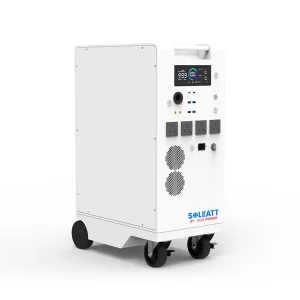
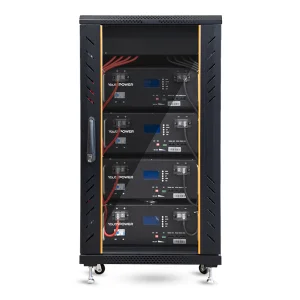
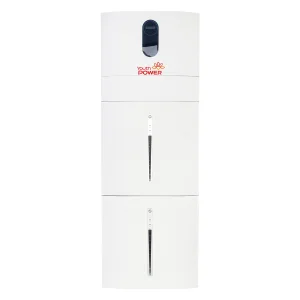
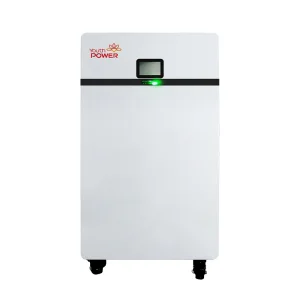
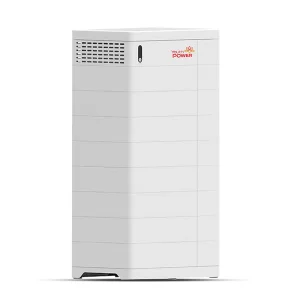
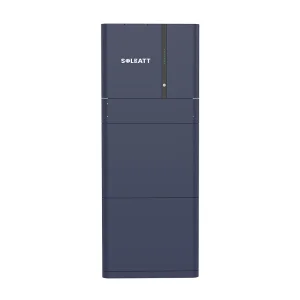
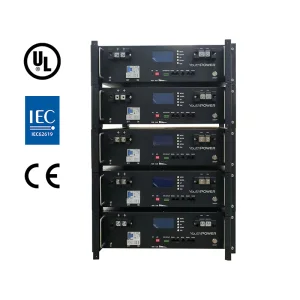
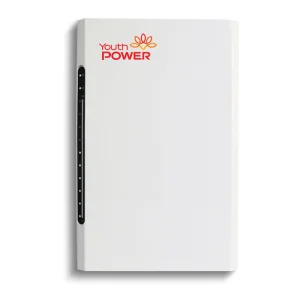
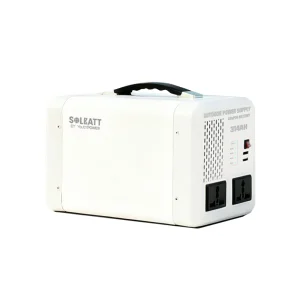
Direct Tier-1 Factory Lineups Engineered for Maximum Lifespan & Cyclic Efficiency
The global transition towards zero-emission energy storage systems has shifted from an environmental preference to a structural economic imperative. Industrial grids are facing severe frequency fluctuations, and utility providers are increasing peak tariffs. Consequently, high-capacity solar battery installations have emerged as the cornerstone of self-sufficient energy frameworks.
Today's enterprises demand advanced energy storage systems (ESS) to safeguard their operations against load-shedding and high-peak tariff rates. Strategic partnerships with direct manufacturers offer significant advantages in lead times, customized cell integration, and consistent supply chain assurance.
Configure storage assets to discharge during peak demand hours, effectively reducing maximum demand charges levied by regional electric utilities.
Facilitate islanding capabilities for critical manufacturing assets, protecting multi-million dollar machinery lines from high-voltage transients and blackouts.
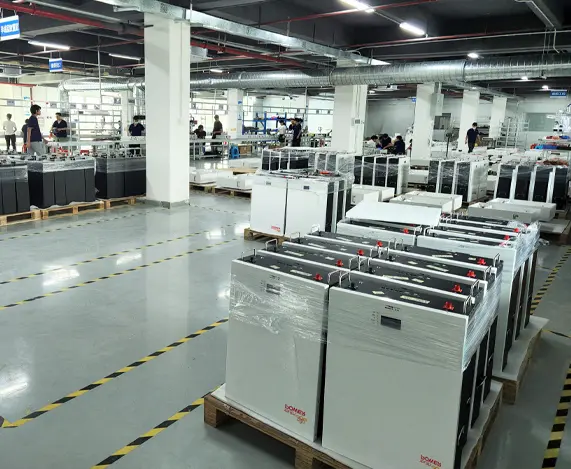
Procuring directly from advanced cleanroom facilities guarantees cell matching, lower internal resistance, and optimized thermal management.
Why modern utility grids and industrial installations prioritize LFP technology for life-cycle and safety optimization
In B2B purchasing decisions, evaluating chemical stability is paramount. While Nickel Manganese Cobalt (NMC) cells present marginally higher raw energy density metrics, Lithium Iron Phosphate (LiFePO4) is the preferred standard for stationary battery energy storage systems (BESS). Its superior thermal runway threshold, longevity, and overall environmental profile deliver a lower Levelized Cost of Storage (LCOS).
| Performance Parameter | Lithium Iron Phosphate (LiFePO4) | Nickel Manganese Cobalt (NMC) | Lead-Acid (VRLA/AGM) |
|---|---|---|---|
| Cycle Life (80% DoD) | 6,000 - 8,000 cycles | 2,000 - 3,000 cycles | 500 - 1,500 cycles |
| Thermal Runaway Temp | ~270°C (Highly Stable) | ~210°C (Risk of Oxygen Release) | Subject to thermal outgassing |
| Levelized Cost of Storage | Lowest (Extended Cycle Life amortizes cost) | Medium to High | High (Frequent replacement overheads) |
| Eco-compatibility | Non-toxic, Cobalt-free, recyclable | High environmental footprint (Cobalt/Nickel) | Heavy lead content, high toxicity hazards |
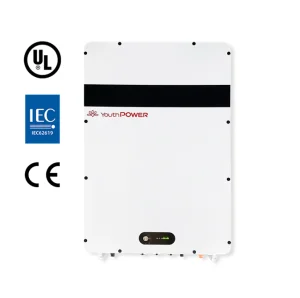
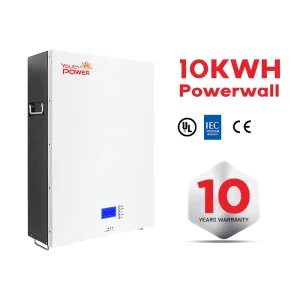
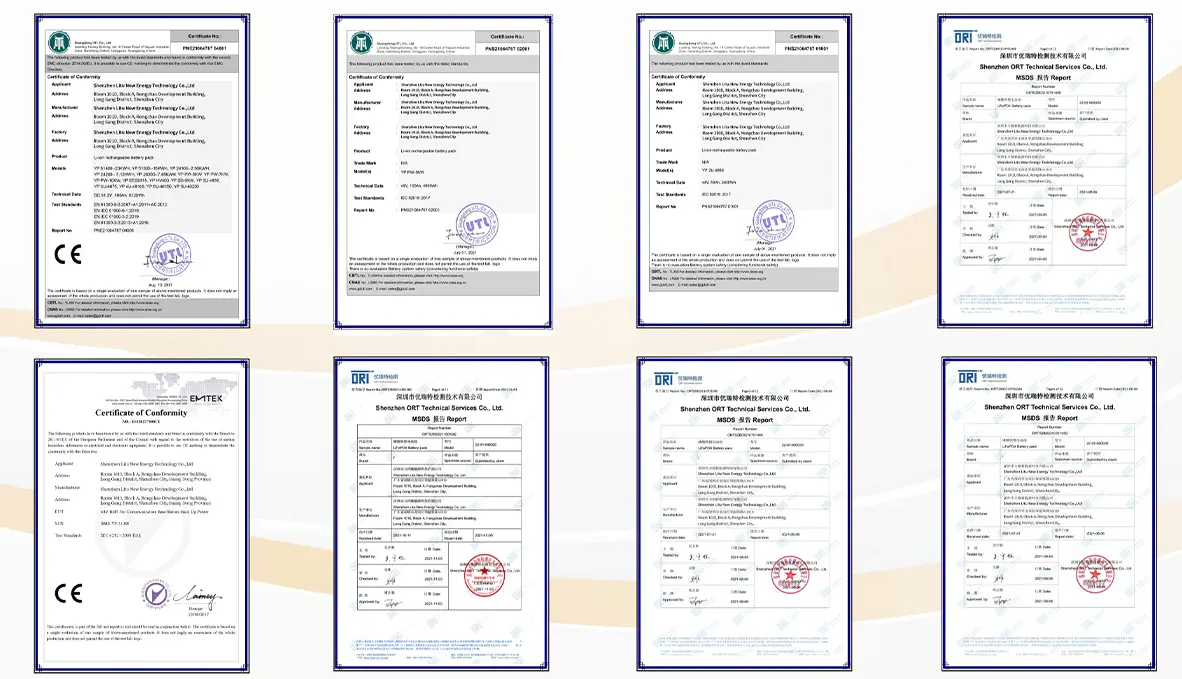
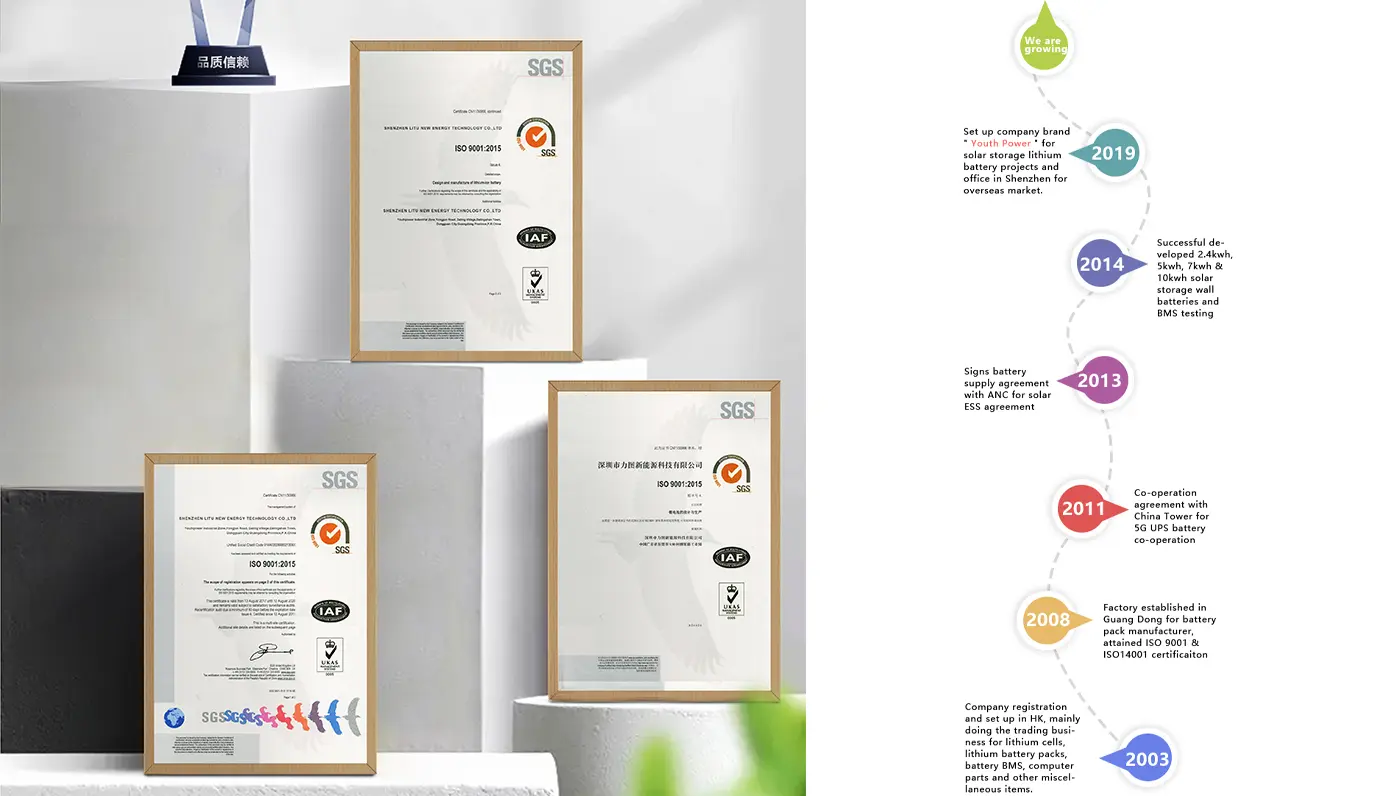
Deploying energy storage systems internationally requires compliance with complex grid codes, safety directives, and transport protocols. As a certified manufacturer, YouthPOWER ensures all export lines adhere to international safety certifications, streamlining local project approvals and utility interconnect agreements.
From UL testing protocols in North America to CE directives across European regions, our equipment undergoes rigorous thermal, electrical, and mechanical stress tests before leaving the assembly line.
Over Two Decades of Innovation in Battery Cell Technology & Mass Integration
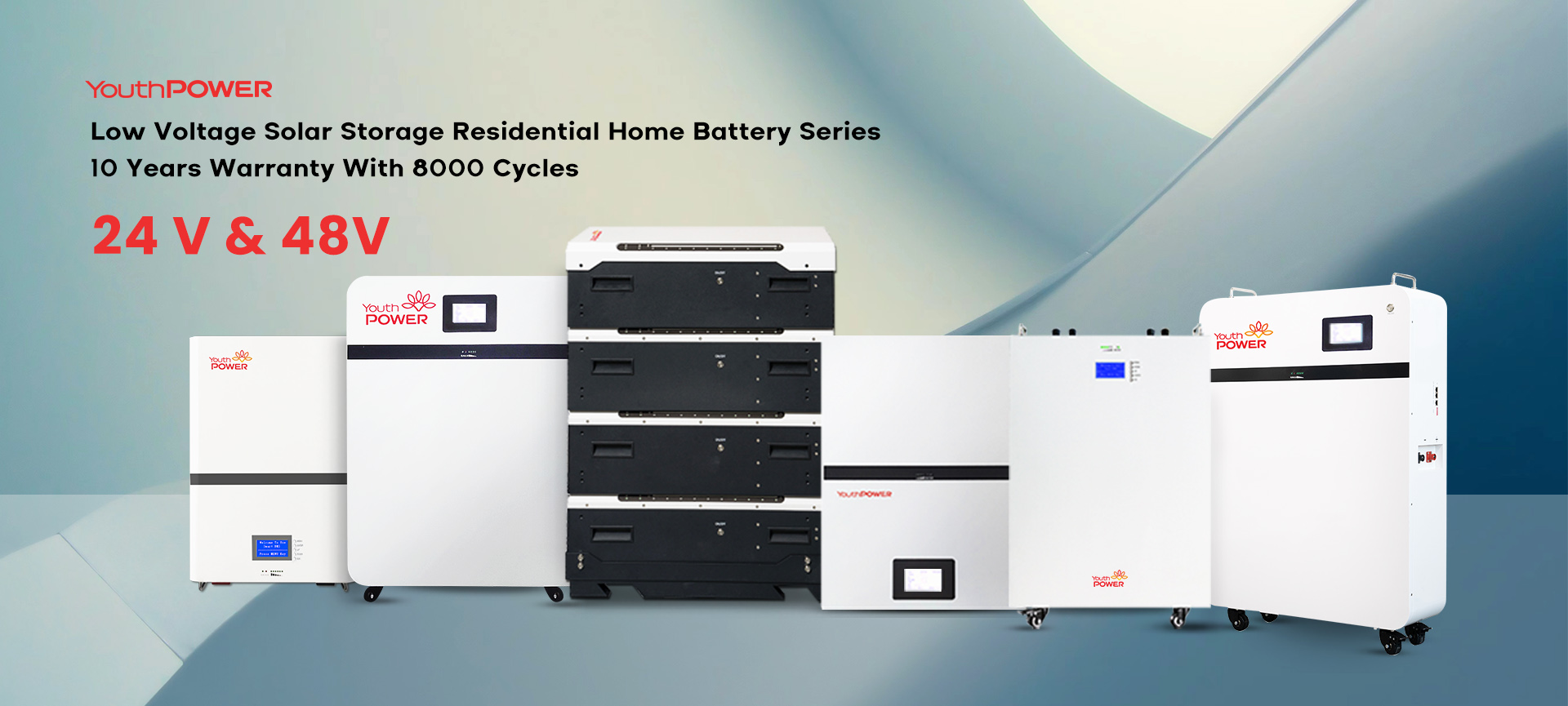
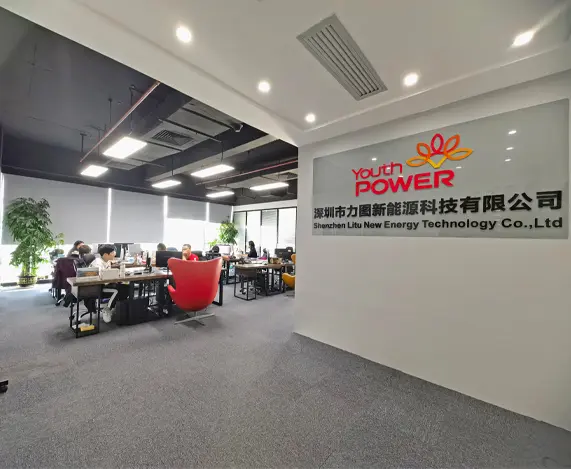
Founded in 2003, YouthPOWER has established itself as a leading supplier of solar storage lithium batteries worldwide. Our comprehensive range of energy storage solutions spans 24V, 48V, and high-voltage lithium battery systems engineered for robust performance.
With nearly 20 years of dedicated battery technology research, development, and advanced manufacturing experience, we possess the capabilities to supply premium solutions customized to client specifications. Following years of rigorous testing and global brand expansion, we introduced our direct-to-market brand "YouthPOWER" in 2019.
By leveraging deep partnerships with localized raw material vendors, we control manufacturing inputs to deliver cost-effective pricing without compromising material integrity. Today, we are proud to power over 1,000,000 homes and commercial installations globally.
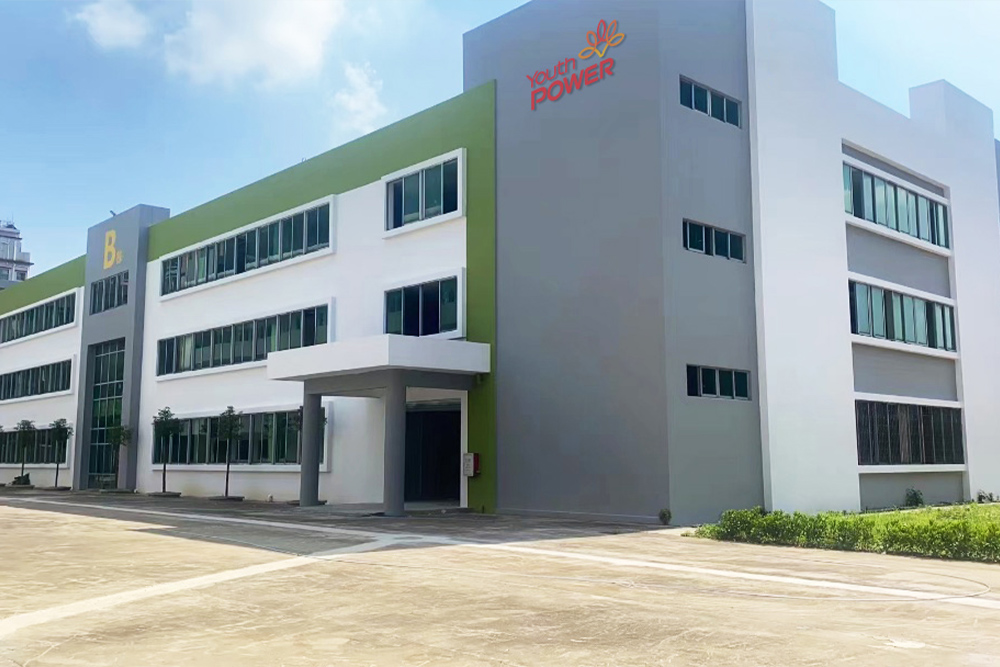
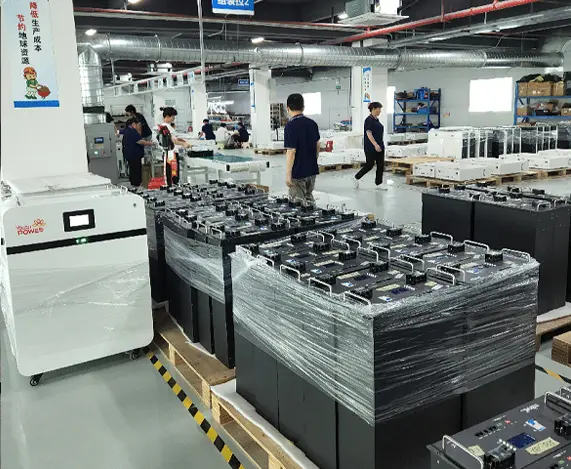
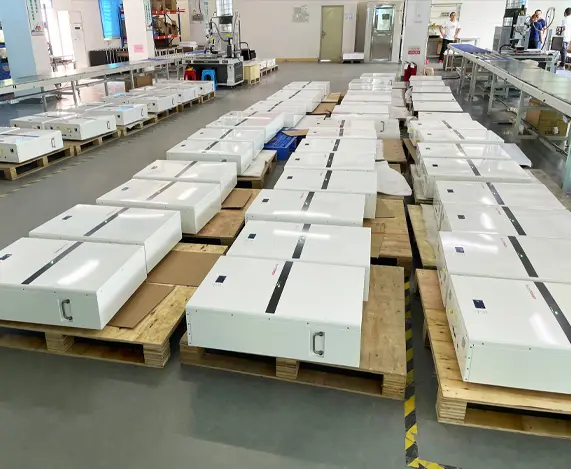
Our facilities utilize advanced cleanrooms and automated cell-matching algorithms. We monitor every step—from incoming cell sorting to final BMS programming—to ensure reliability. Every module is subjected to thermal-chamber cycling and high-current discharge testing to confirm cell balance under high-stress conditions.
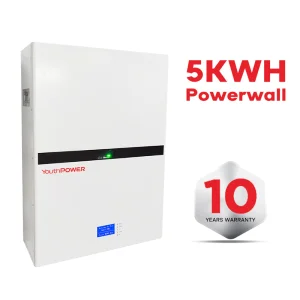
This systematic quality control allows us to offer 10-year warranty options, backed by verified lab data and extensive real-world field installations.
Key milestones demonstrating our growth from local component manufacturer to global energy storage provider
Where next-generation materials meet smart IoT grid integration
Our commitment to clean energy innovation guides our next-generation product designs. In our R&D roadmap, we are focused on upgrading to ultra-high-density LFP chemistry (utilizing 314Ah and 320Ah prismatic cell structures) while integrating smart control boards. These technologies enable real-time tracking, remote firmware upgrades, and predictive failure analysis.
We are also designing products that integrate with Virtual Power Plants (VPP). Future installations will communicate directly with regional aggregators, allowing commercial clients to feed energy back into grid systems during high-demand events. This helps offset operational expenses and creates new revenue streams.
Investing in solid-electrolyte research to safely double volumetric energy densities within the next decade.
Implementing machine learning models on microchips to dynamically predict degradation curves and optimize cell balance.
Clear, direct answers to common questions about engineering, procurement, and deployment parameters
We maintain strict quality control through automated manufacturing processes. Cells undergo sorting and grading where they are matched by capacity, open-circuit voltage, and internal resistance. This limits deviations within any single battery pack to less than 1%, preventing premature capacity degradation and protecting long-term ROI.
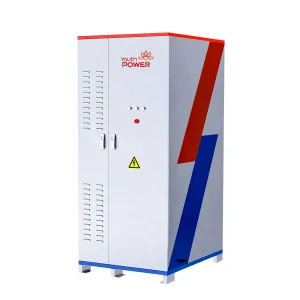
Yes. Our systems are engineered with active thermal management. For outdoor utility deployments like our 215KWH Container system, integrated liquid cooling or HVAC systems keep internal cells within their optimal operating window (15°C to 35°C). Outdoor models also feature IP65-rated enclosures to protect against dust and water ingress.
Our Smart BMS supports multi-protocol communication, including CANbus, RS485, and Modbus. This ensures compatibility with leading global inverter brands such as Deye, Growatt, Victron, SMA, Studer, and GoodWe, allowing for seamless plug-and-play installation.
Lead times range from 30 to 45 days. This covers custom sheet-metal styling, tailored BMS parameter configurations, communications setup, regulatory compliance checks, and final quality control testing before shipment.
High-Voltage Cabinets, Custom Powerwalls, and Modular Storage Solutions
 YouthPOWER