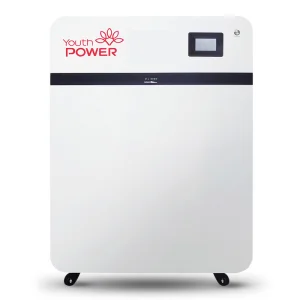
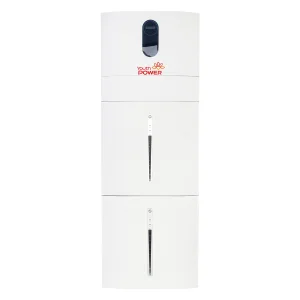
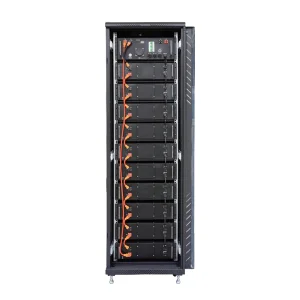
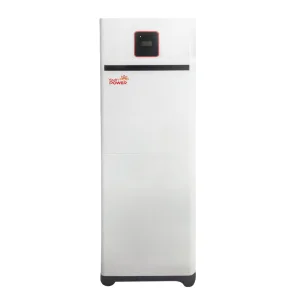
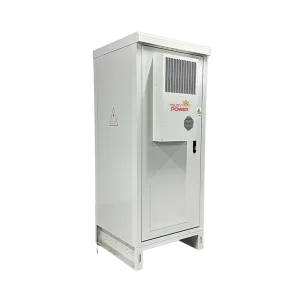
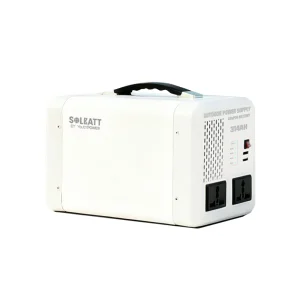
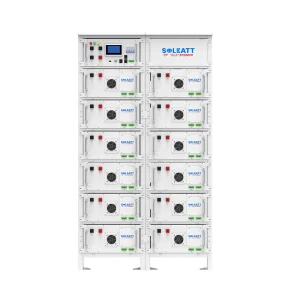
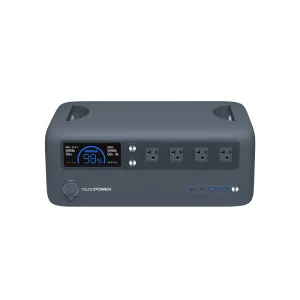
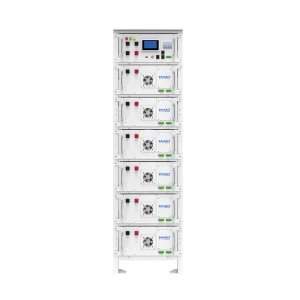
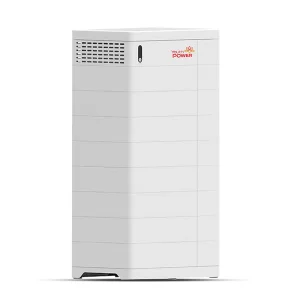
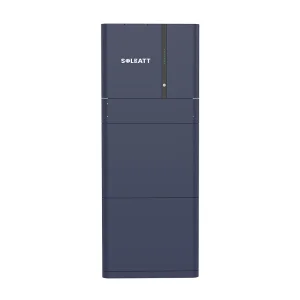
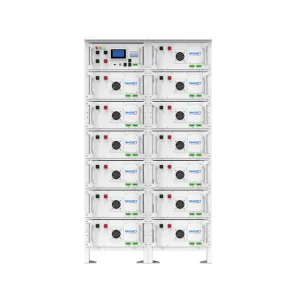
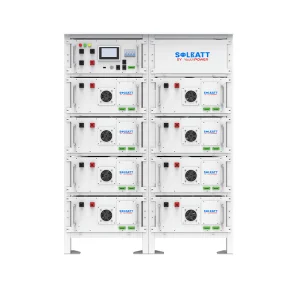
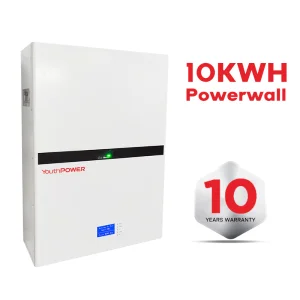
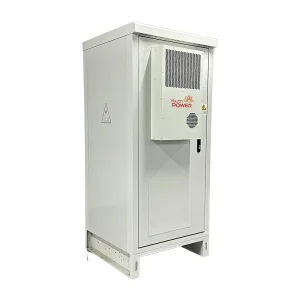
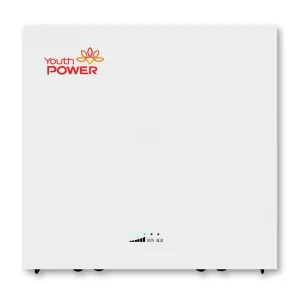
Engineered for high performance, thermal stability, and deep cycle longevity. Browse our top featured commercial and residential energy storage systems.
Leading the global energy transition with stable, high-efficiency lithium cell chemistry and customizable battery systems.
Founded in 2003, YouthPOWER has now become one of the leading suppliers of solar storage lithium batteries in the world. With a broad range of energy storage solutions, it covers a series of 24V, 48V and higher voltage lithium batteries solutions.
YouthPOWER has engaged in the battery technology and production for almost 20 years, with abundant manufacturing experience and strong new product R & D capability. Through many years of hard work and market promotion, we have created our own brand "YouthPOWER" in 2019.
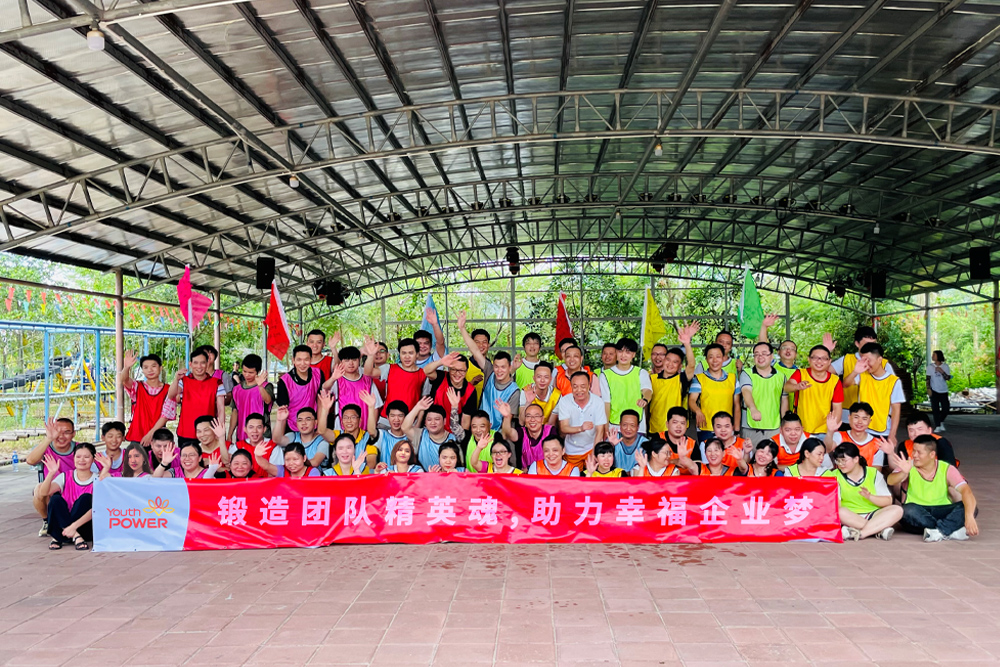
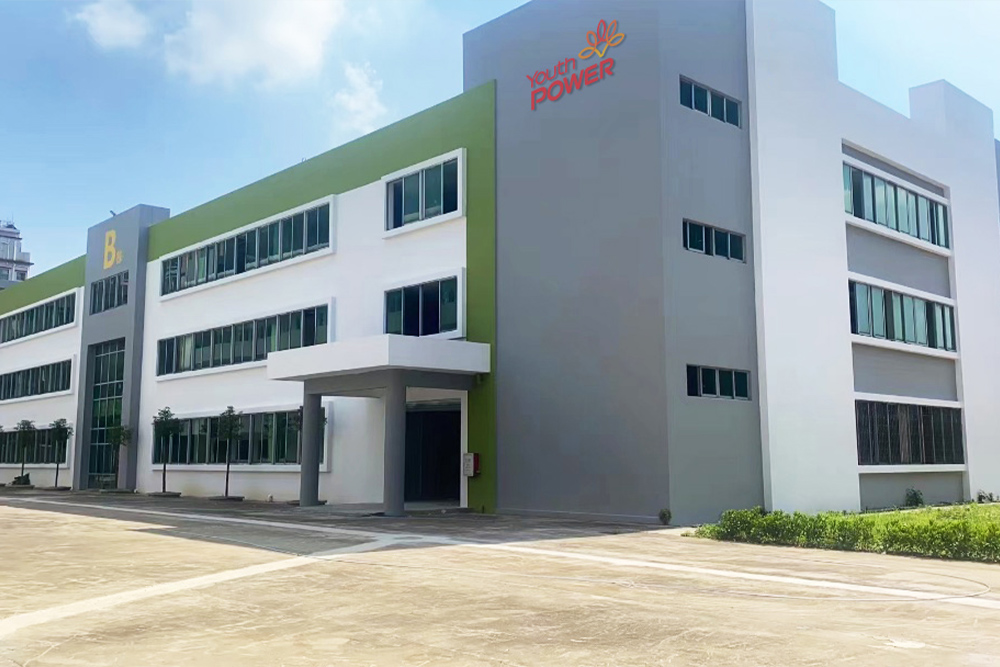
With nearly 20 years’ experience in the battery industry, we have the capability to provide you with both the products you need and the most suitable products you want. We are always ready to supply the first-class products and meet the various needs of the customers.
We have established good business relationships with our customers from all over the world. And we have a good cooperation with all our customers as well for many years running. Supported by our local vendors of raw materials, we can certainly offer you the best prices.
We are so proud that YouthPOWER has offered the reliable solar storage solution for over 1,000,000 families now in the world.
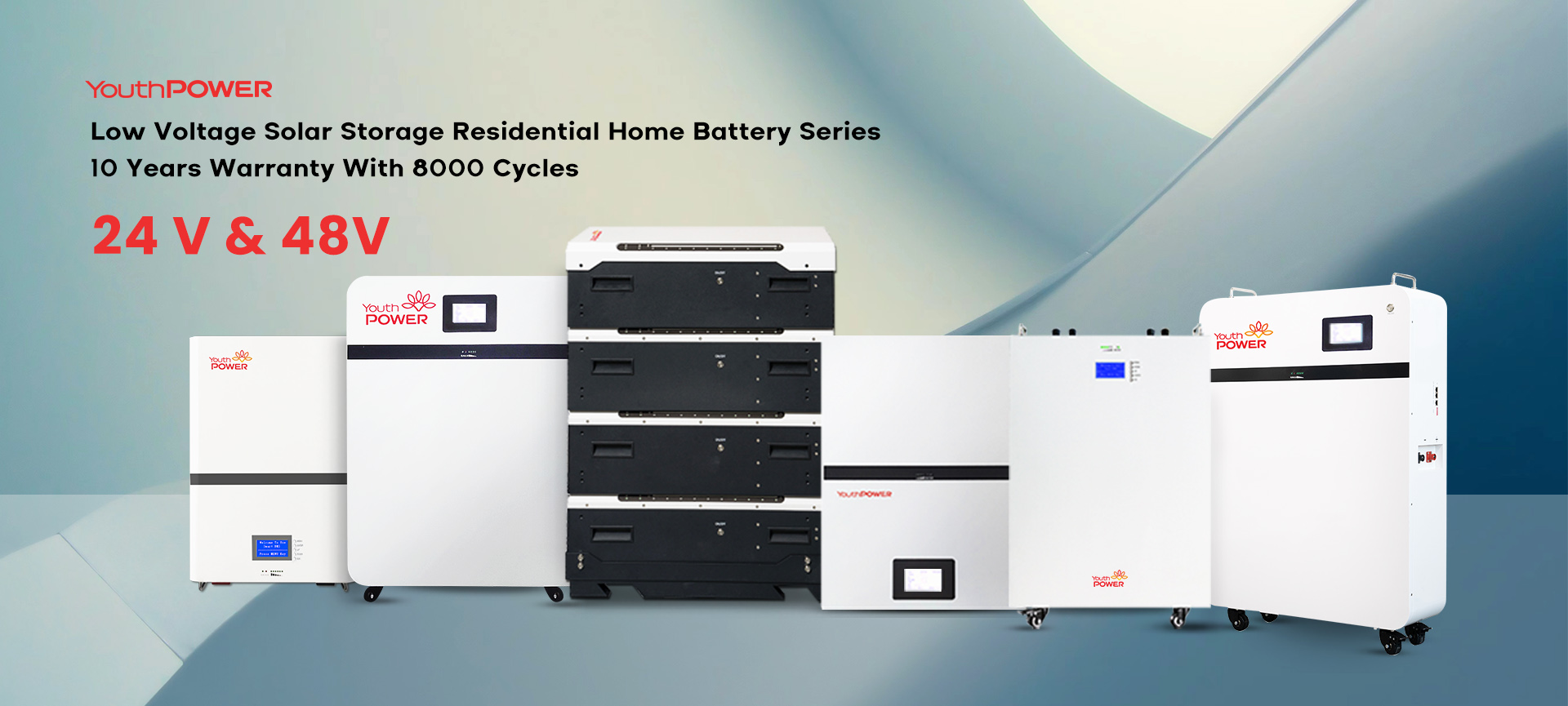
An analytical overview of cell chemistry transitions, high-voltage paradigms, and structural optimization driving modern utility and residential storage.
Lithium Iron Phosphate (LFP) has firmly established itself as the dominant chemistry for stationary energy storage systems (ESS). Unlike Ternary Nickel Manganese Cobalt (NMC) cells, LFP displays superior thermal stability, structural integrity, and resistance to thermal runaway. Operating under cell degradation curves that preserve 80% Capacity Retention after 6,000 to 8,000 full cycles, LFP delivers the lowest Levelized Cost of Storage (LCOS) across its lifespan.
Modern PV architectures are shifting from low-voltage (48V) to high-voltage (HV) stacked systems ranging from 200V to over 800V. High-voltage system configurations reduce line current, minimize copper cable sizing, and substantially decrease thermal transmission losses. High-voltage configurations interface directly with modern three-phase hybrid inverters, facilitating higher round-trip efficiencies (up to 95%) and simplified system expansions.
Passive monitoring is no longer sufficient for multi-megawatt systems. Current enterprise designs integrate active balancing Battery Management Systems (BMS) with Edge-AI cloud processing. By utilizing real-time impedance analysis, SOC (State of Charge) estimations, and SOH (State of Health) prognostics, our smart systems preemptively isolate degrading cells and balance thermal footprints across dense rack cabinets.
| Performance Metrics | Residential Low-Voltage (48V) | High-Voltage Stackable (100V-400V) | Commercial & Industrial (C&I) ESS |
|---|---|---|---|
| Typical Capacity Range | 5 kWh – 30 kWh | 10 kWh – 80 kWh | 100 kWh – 2 MWh+ |
| Cell Chemistry Type | LiFePO4 (Prismatic) | LiFePO4 (Grade-A Prismatic) | LiFePO4 (Heavy Duty 280Ah/314Ah) |
| BMS Communication Protocol | CANbus, RS485 | CAN, Modbus TCP/RTU | Ethernet, Modbus, Fiber Optic |
| System Efficiency | ~88% - 91% | ~92% - 95% | ~94% - 96% (Liquid Cooled) |
| Main Applications | Home Backup, Solar Self-consumption | Large Residential, Off-Grid Estates | Peak Shaving, Microgrid, Demand Charge Management |
For utility developers, engineering-procurement-construction (EPC) contractors, and high-volume distributors, procuring solar storage batteries involves evaluating factors far beyond the initial purchase price. Levelized Cost of Storage (LCOS), structural safety certifications, and upstream supply chain security are critical variables.
Key Procurement Considerations:
• Cell Sourcing Integrity: Insist on Grade-A prismatic cells with documented traceability reports. Low-tier suppliers often package B-grade or repurposed EV cells which suffer from impedance mismatches and premature capacity fade.
• Thermal Runaway Mitigation: Verify cabinet structural design matches UL 9540A testing criteria. Top-tier cabinets incorporate localized aerosol fire suppression, directional pressure release valves, and structural fire barriers between cell groups.
• Inverter Compatibility: The selected battery must feature an open-protocol CAN/RS485 interface matching leading global hybrid inverters (e.g., SMA, Deye, Victron, Growatt, Solark, and Sungrow).
To calculate the actual financial performance of a battery storage system over its lifetime, EPCs use the Levelized Cost of Storage:
Where CAPEX includes initial purchase and installation costs; O&M represents operating and maintenance costs in year t; E_out is the energy discharged in year t (reflecting degradation metrics); and r is the discount rate. By optimizing cycle life, thermal management, and cell balancing, YouthPOWER dramatically lowers LCOS for project developers.
Customized system configurations designed to optimize performance across residential, commercial, industrial, and off-grid microgrid applications.
Industrial enterprises suffer high utility bills due to peak demand charges. Our high-voltage commercial ESS cabinets (such as the 133kWh, 172kWh, and 186kWh systems) dynamically discharge during peak intervals to flatten load curves. This peak-shaving application yields rapid amortization rates and protects sensitive facility machinery from transient voltage drops.
For homeowners seeking energy independence, our low-voltage 48V (51.2V) systems (including 10kWh and 15kWh wall-mounted options) integrate with hybrid solar arrays. By storing surplus daylight solar energy, residential users achieve up to 90% self-reliance, with clean, seamless backup power switches occurring in less than 10 milliseconds during outages.
Remote sites and rural areas rely on stable, standalone energy configurations. Our customizable containers and outdoor powerboxes combine solar generation, battery energy storage systems, and backup generator inputs. By utilizing smart EMS programming, the microgrid operates autonomously with zero fuel requirements during daytime operations.
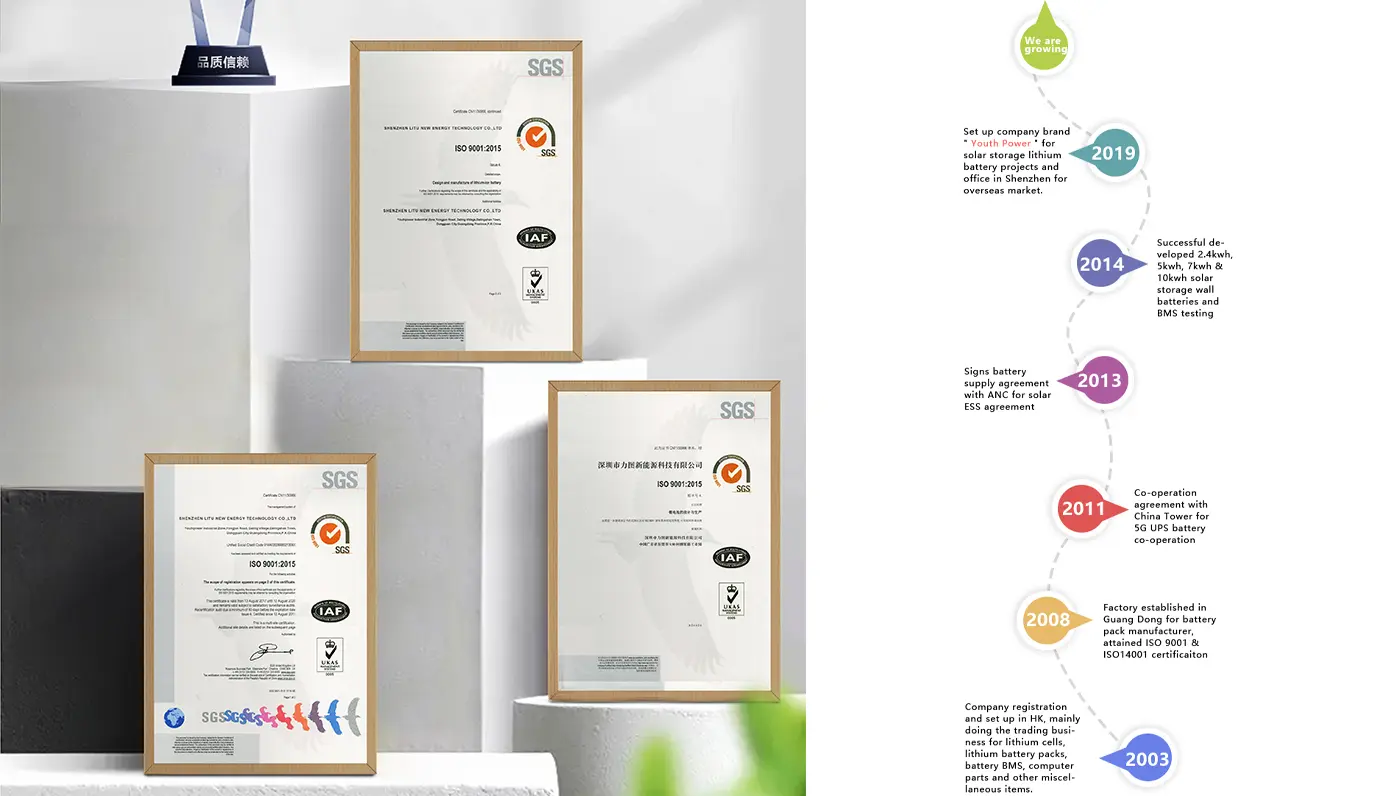
Operating in international solar markets requires navigating diverse grid codes, local safety guidelines, and import certifications. A solar battery is only as good as its legal compliance footprint.
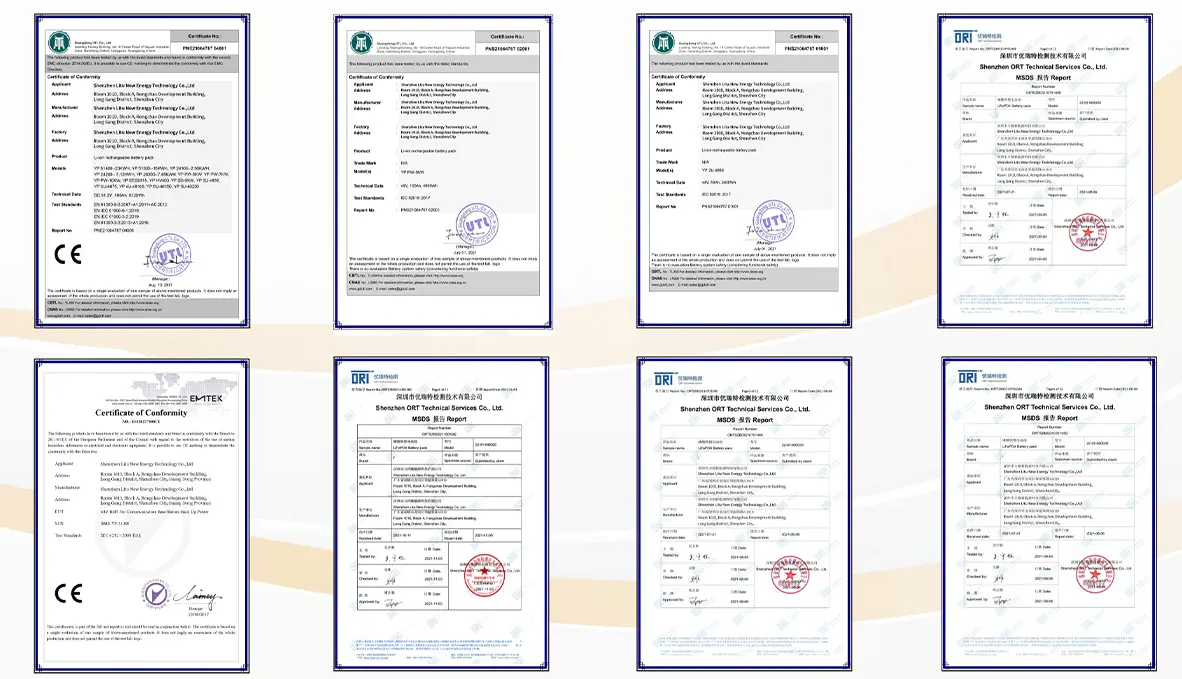
YouthPOWER products conform to international testing frameworks. Our systems carry CE, UN38.3, IEC 62619, and UL certifications, verifying safety throughout the product lifecycle. These certifications facilitate fast approval cycles with local utility grid operators and municipal safety inspectors.
Furthermore, we support our distribution partners with local technical field engineering, direct after-sales service modules, and plug-and-play firmwares pre-configured for regional grid standards.
A preview of the next-generation battery architectures and software ecosystems currently undergoing testing in YouthPOWER R&D laboratories.
As lithium prices fluctuate and mineral supply chains tighten, Sodium-Ion chemistry represents the next major technology transition. YouthPOWER is designing Na-ion battery racks optimized for extreme cold environments (-30°C) and low-cost residential backup systems, offering a highly stable, non-flammable chemistry alternative.
Our future smart battery systems will integrate IoT-enabled virtual power plant firmware. This technology permits centralized aggregators to orchestrate thousands of distributed home batteries during grid peak periods, feeding energy back to the utility grid and generating revenue for battery owners.
By eliminating module housings and integrating cells directly into the outer enclosure frame, CTC technology increases volumetric energy density by 20%. This design yields smaller, lighter wall units and space-saving commercial cabinets, reducing transportation costs and installation footprints.
Explore our specialized high-voltage stacks, commercial cabinets, and outdoor power stations designed for complex engineering requirements.
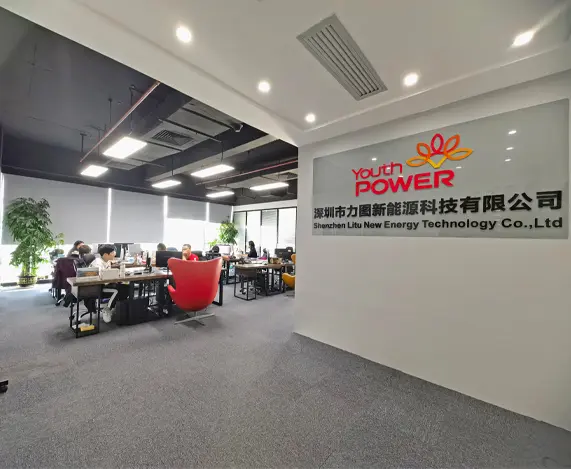
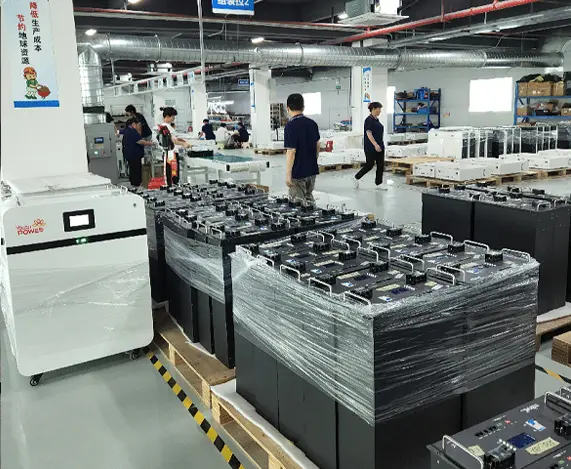
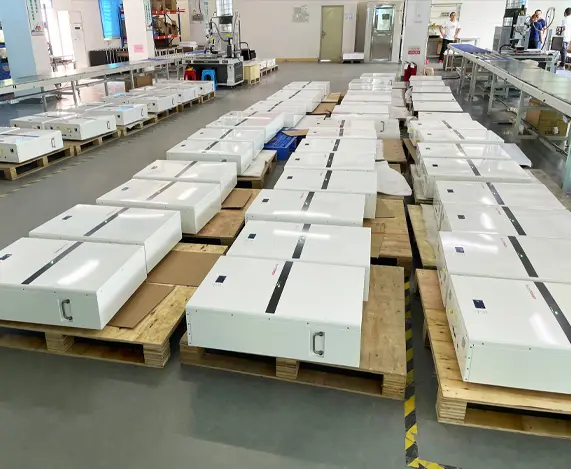
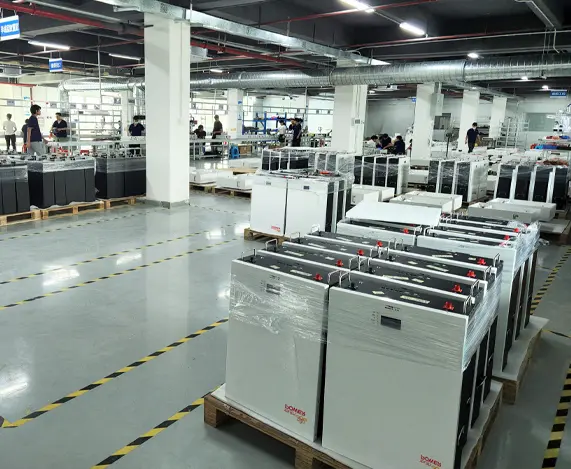
Direct from the manufacturing plant floor: precision engineering and automated quality checkpoints for every module produced.
Get answers to the most common engineering and integration questions regarding LiFePO4 chemistry and solar battery systems.
Lithium Iron Phosphate (LiFePO4) is the industry standard for stationary energy storage due to safety and lifecycle advantages. LFP features a thermal runaway temperature of approximately 270°C, compared to NMC’s lower limit of 210°C, significantly reducing fire risk. LFP cells also exhibit minimal mechanical stress during cycling, yielding over 6,000 charge/discharge cycles at 80% Depth of Discharge (DoD), whereas NMC chemistries degrade after 2,000 cycles.
The operational lifespan of a solar battery is determined by four key factors: charge/discharge C-rate, Depth of Discharge (DoD), average operating temperature, and cell balancing efficiency. Maintaining ambient temperatures between 15°C and 25°C, limiting discharge depth to 80-90% DoD, and utilizing an active balancing BMS to maintain minimal voltage variance across cells will optimize system longevity.
Low-voltage (48V/51.2V) batteries are ideal for residential systems up to 20kWh, offering simpler installation. However, high-voltage systems (stacked configurations from 200V to 800V) are optimal for higher loads. Higher voltages reduce current requirements for equivalent power outputs, minimizing thermal losses and permitting smaller cable sizes. High-voltage batteries also align with three-phase utility grids, offering faster response times and higher power throughput.
Connecting batteries of different brands, chemistries, capacities, or manufacturing dates in parallel is not recommended. Discrepancies in internal cell resistance cause uneven current distributions, causing newer or higher-capacity cells to discharge into weaker units. This leads to localized cell degradation, BMS errors, and potential safety risks. Always use identical modules from the same production line for expansion.
Commercial installations must conform to stringent safety regulations. Key certifications include UL 1973 for battery packs in stationary applications, UL 9540 for complete energy storage systems, and UL 9540A for thermal runaway fire testing. Additionally, compliance with IEC 62619 is required in international markets. These standards ensure the installation meets safety requirements for commercial building integration.
YouthPOWER provides end-to-end integration support, including customized BMS firmware protocols, structural enclosure engineering, and thermal analysis for specific climates. We provide comprehensive technical documentation, Modbus mapping, and direct support to facilitate seamless compatibility between our batteries and global hybrid inverters.
 YouthPOWER