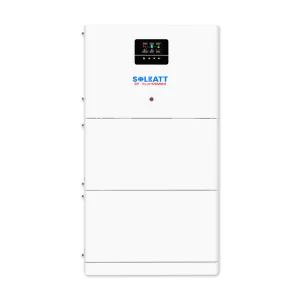
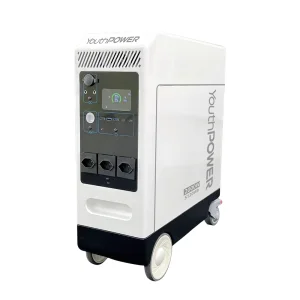
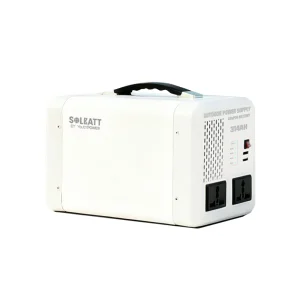
Explore our leading industrial and residential lithium battery configurations engineered for optimal solar integration.
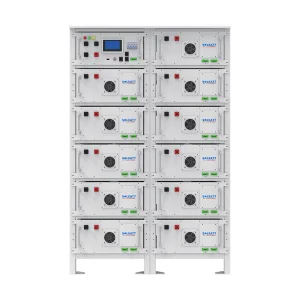
Analyzing industry shifts towards high-voltage configurations, intelligent chemistry, and resilient structures.
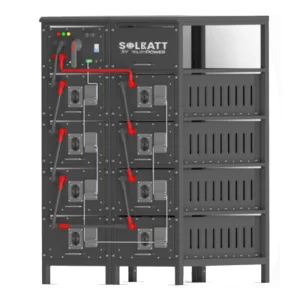
The industrial landscape is pivoting from low-voltage (48V) to high-voltage configurations (up to 400V–800V). HV systems reduce overall system losses by minimizing currents inside transmission copper, ensuring greater conversion rates and optimized thermal control.
Lithium Iron Phosphate (LFP) remains the industry gold standard. Known for thermal stability, a high safety threshold, and a long cycle life exceeding 6000 cycles, it replaces cobalt-based counterparts due to environmental friendliness and resilience.
Modern Battery Management Systems are now integrated with Cloud IoT and edge AI algorithms. These chips predict thermal runaway, calculate precise State-of-Charge (SoC), and balance cells in real-time, prolonging the physical operating envelope of the ESS.
SEO Insight & Information Gain: For enterprise procurement directors, evaluating a factory is no longer just about cost-per-watt. True longevity optimization is achieved through structural design, cellular consistency, and mechanical stability. A robust industrial ESS must maintain at least 80% Capacity Retention after 6,000 deep discharge cycles.
For engineering, procurement, and construction (EPC) companies, as well as utility directors, selecting the correct energy storage partner requires balancing regulatory certification with localized grid conditions.
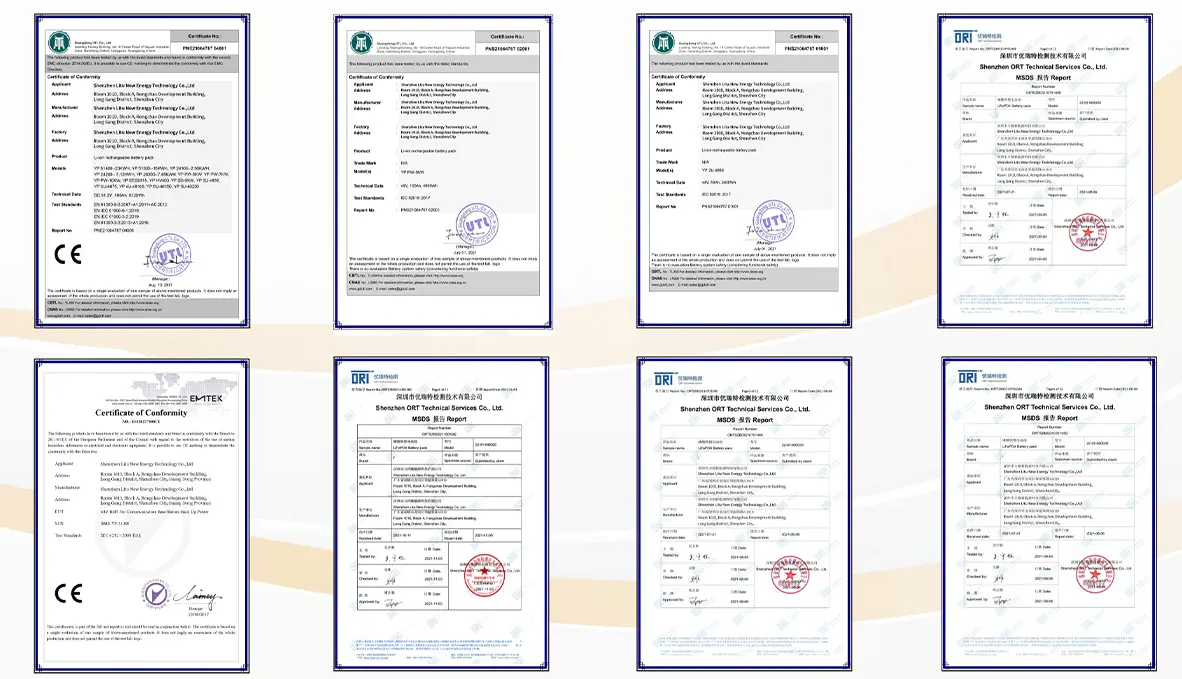
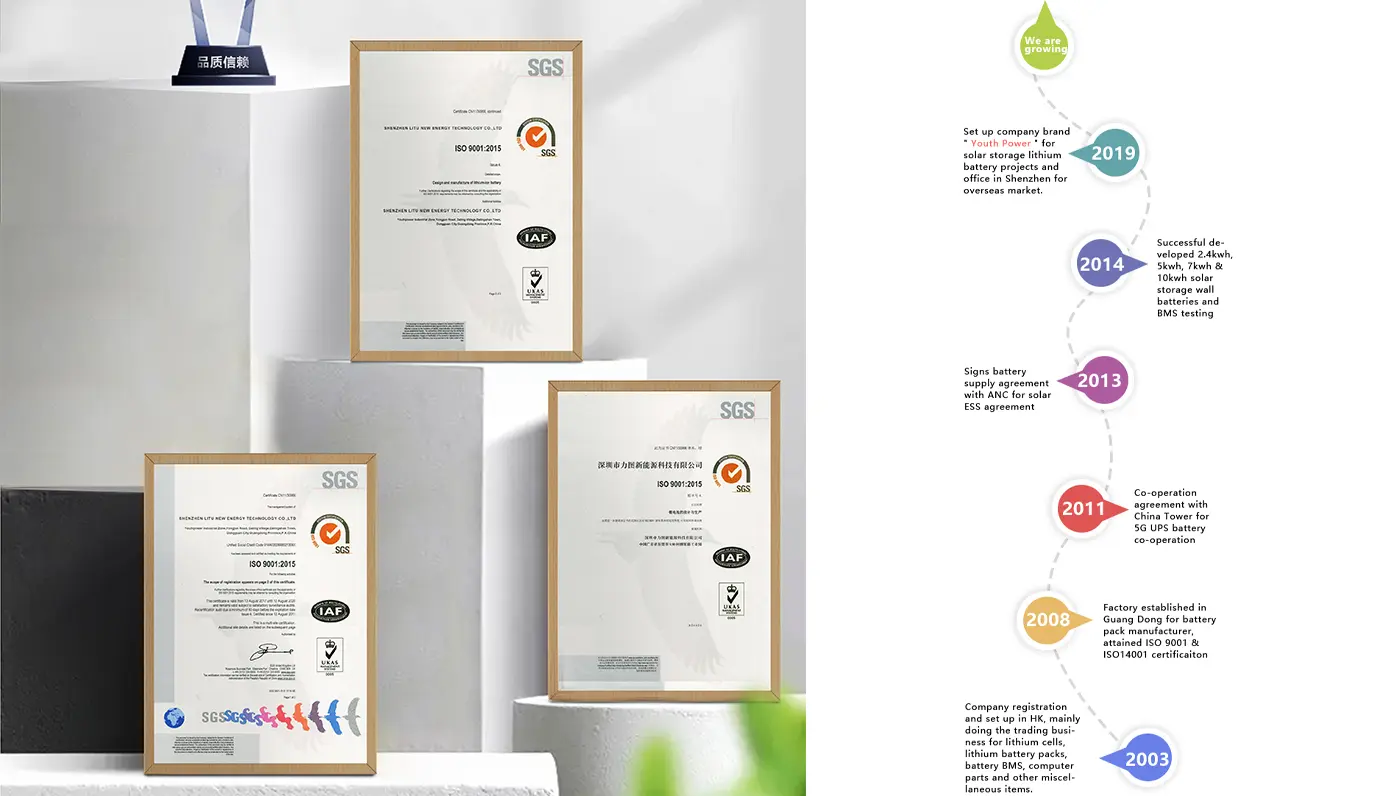
A primary factor is international standards compliance. High-quality battery packs must secure certifications such as UL 9540A (evaluating thermal runaway fire propagation), IEC 62619 (safety requirements for industrial applications), and UN38.3 (lithium battery transport safety). Factories without these credentials present significant compliance and financial risks for large installations.
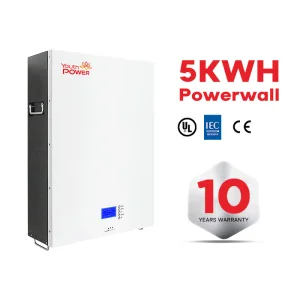
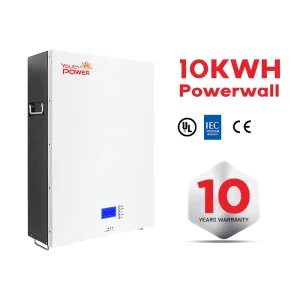
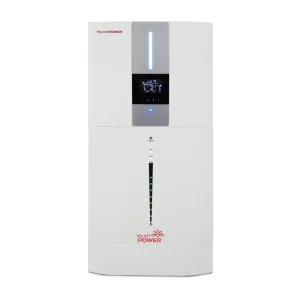
Additionally, modern developers look for high configuration flexibility. Modularity in scaling from a residential 5kWh wall unit up to a 200kWh outdoor powerbox permits design versatility. Interoperability with mainstream inverters (like SMA, Victron, and Solis) ensures plug-and-play installation, reducing commissioning time.
Under modern grid strain, commercial and industrial establishments deploy large scale energy storage setups to accomplish three tasks: Peak Shaving, Load Shifting, and Microgrid Backups.
Peak shaving involves discharging storage systems during times of peak electrical pricing, protecting companies from heavy utility tariffs. By storing low-cost off-peak solar power, facilities lower their operational costs. In areas with unstable grids, high-voltage battery storage cabinets act as UPS systems, protecting production lines from blackouts.
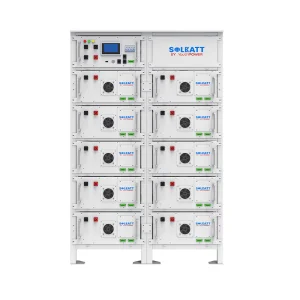
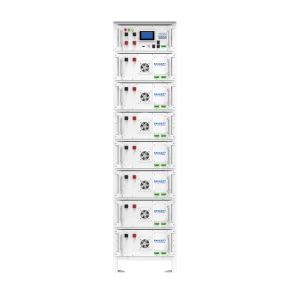
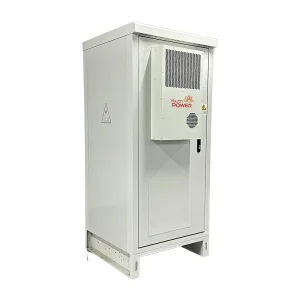
Our solutions range from 100kWh to 200kWh high-voltage systems designed to operate under harsh outdoor environments, utilizing integrated liquid-cooling or advanced HVAC systems to sustain safe operational cell temperatures.
How automation and raw material integration produce superior quality at optimized scale.
China is home to the most complete lithium-ion manufacturing supply chain ecosystem. From lithium extraction and anode/cathode material refining to advanced cell fabrication and automated packaging, the industry benefits from localized logistics and technology partnerships.
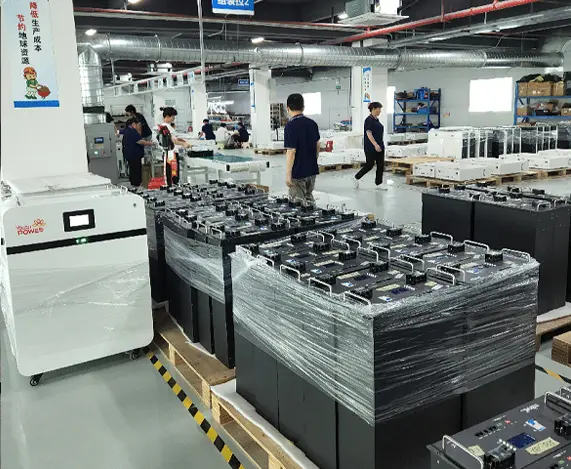
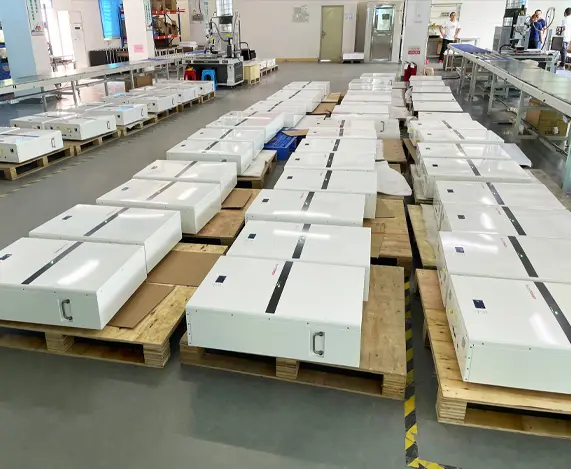
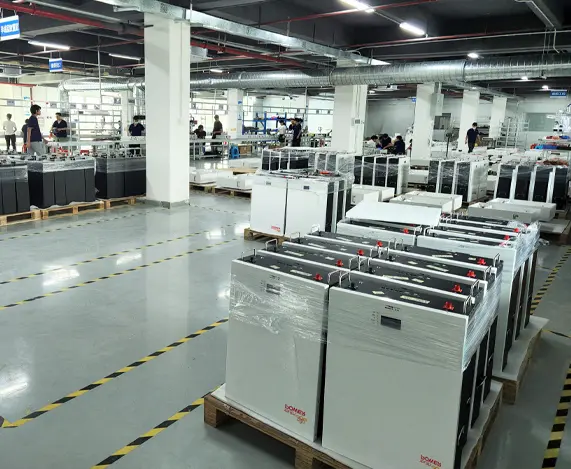
At our Industry 4.0 integrated production lines, manual handling is minimized. High-precision laser welding, computerized cell sorters, and multi-stage testing benches ensure every individual cell is matched for internal resistance, voltage level, and capacities. This strict cell sorting process is critical; unbalanced cells degrade pack life by 30% to 50% over long-term usage.
Furthermore, sourcing raw materials locally allows us to optimize cost structures and maintain delivery times. Amid global supply constraints, our close partnerships with local raw material vendors secure a consistent flow of materials, protecting project delivery schedules.
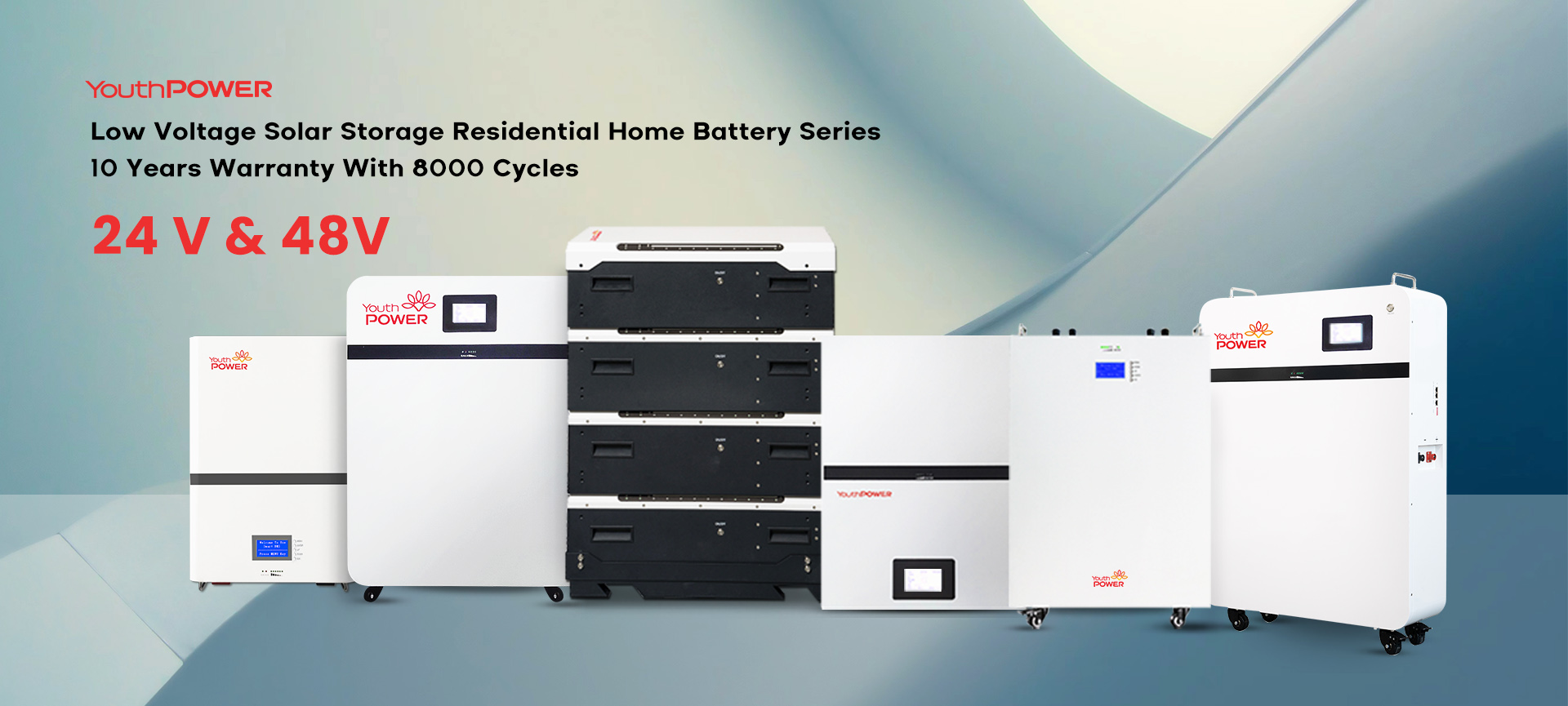
A trusted global leader in lithium energy storage systems for residential, commercial, and utility sectors.
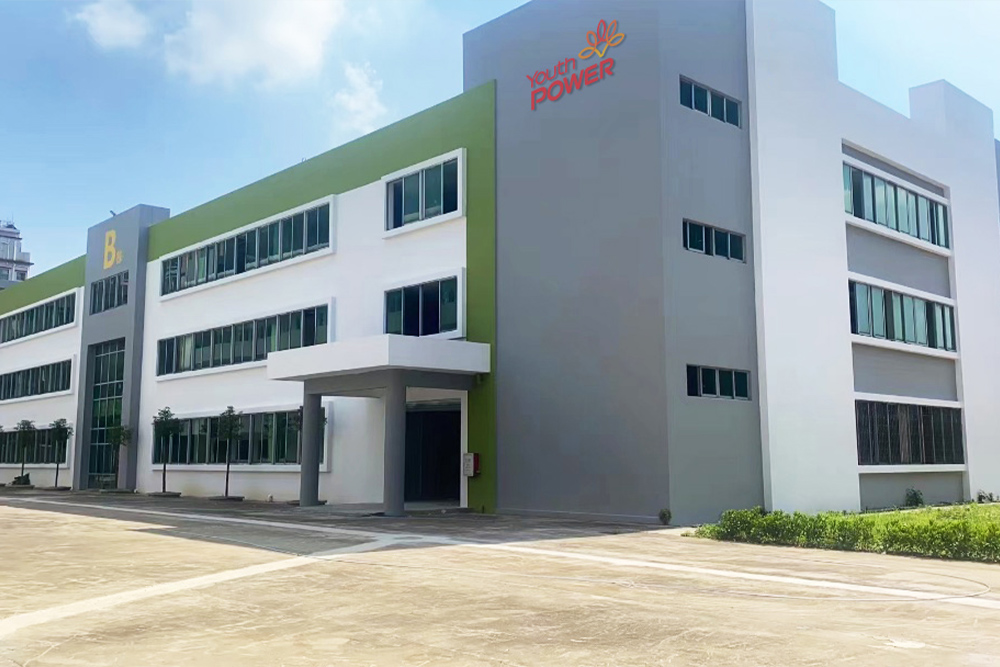
Founded in 2003, YouthPOWER has now become one of the leading suppliers of solar storage lithium batteries in the world. With a broad range of energy storage solutions, it covers a series of 24V, 48V and higher voltage lithium batteries solutions.
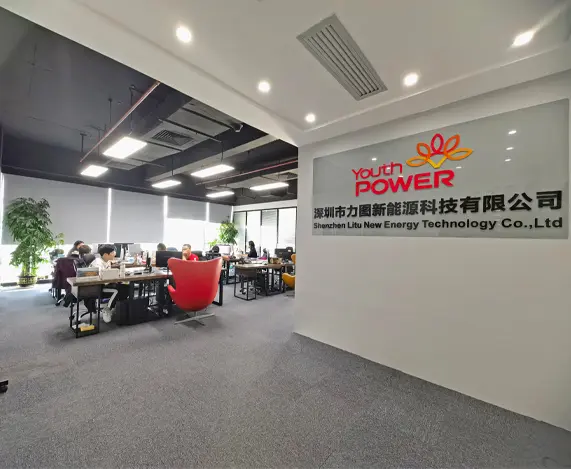
YouthPOWER has engaged in the battery technology and production for almost 20 years, with abundant manufacturing experience and strong new product R & D capability. Through many years of hard work and market promotion, we have created our own brand "YouthPOWER" in 2019.
With nearly 20 years’ experience in the battery industry, we have the capability to provide you with both the products you need and the most suitable products you want. We are always ready to supply the first-class products and meet the various needs of the customers.
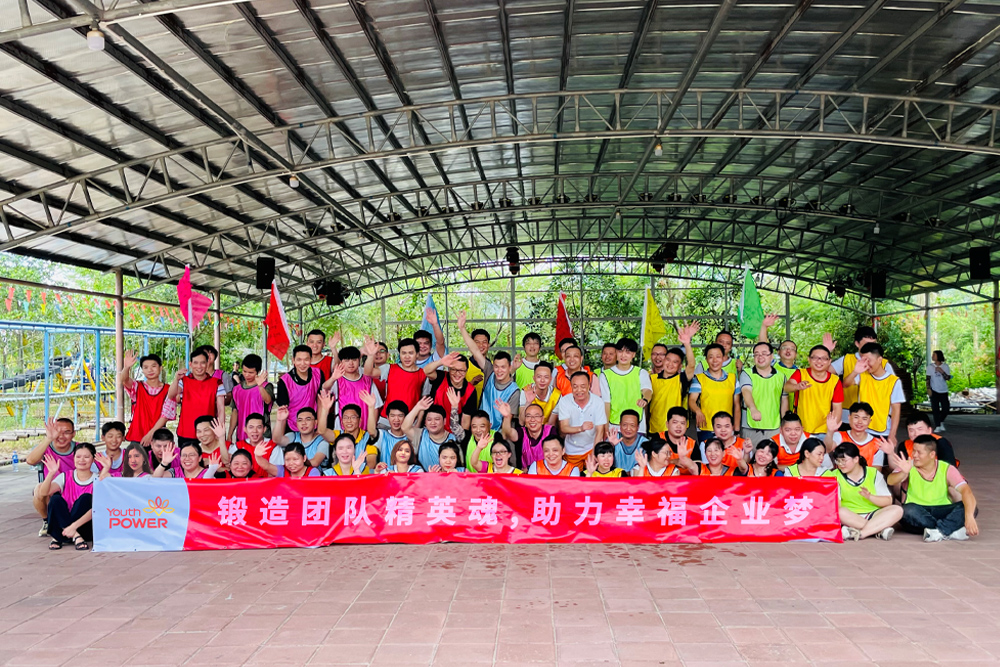
We have established good business relationships with our customers from all over the world. And we have a good cooperation with all our customers as well for many years running. Supported by our local vendors of raw materials, we can certainly offer you the best prices.
We are so proud that YouthPOWER has offered the reliable solar storage solution for over 1,000,000 families now in the world.
Our corporate development journey spans decades of engineering improvements. From simple assembly lines to highly automated robotic packing configurations, our commitment to technological evolution has allowed us to deliver stable storage systems globally.
Adapting battery designs to fit specific residential and regional energy ecosystems.
For modern apartments and dense urban spaces in Europe and parts of Asia, balcony systems allow residents to capture solar energy and offset base load power. These solutions require micro-inverters and compact battery modules (like our Balcony Solar ESS).
Remote agricultural locations use high-voltage battery banks to power water pumping stations. Using off-grid battery packs eliminates the need for expensive main-grid expansions, and provides stable current for operations.
Uninterruptible operation of telecom towers is vital for communication networks. Specialized outdoor power cabinets containing 100Ah–280Ah high-voltage battery arrays ensure operation during extreme weather and prolonged blackouts.
Addressing engineering and logistical questions about solar battery integration.
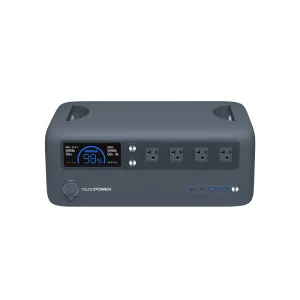
Explore our high-capacity commercial arrays and flexible portable battery units for off-grid operations.
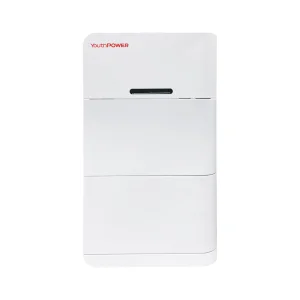
 YouthPOWER