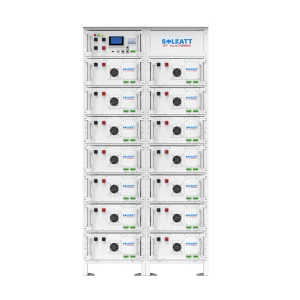
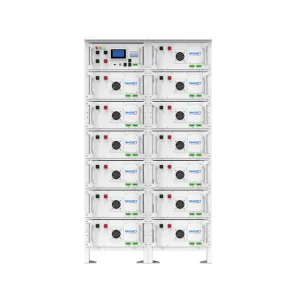
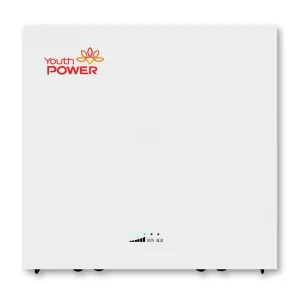
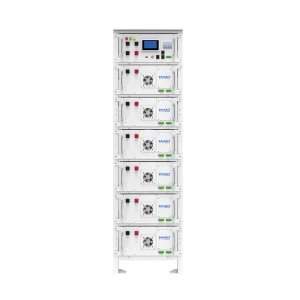
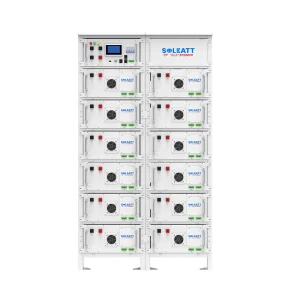
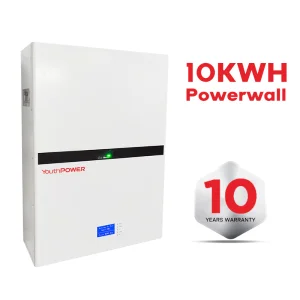
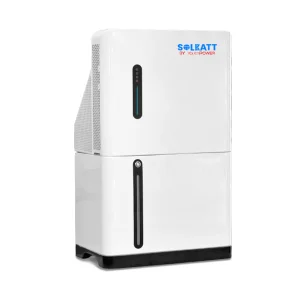
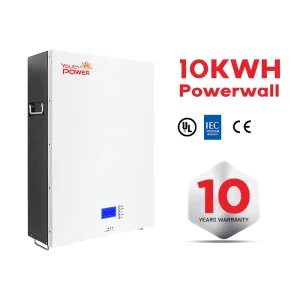
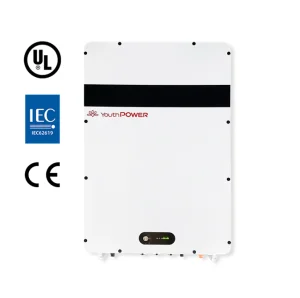
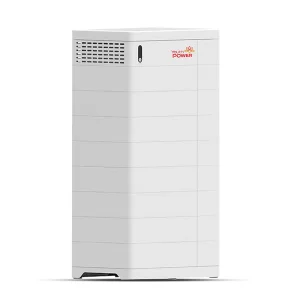
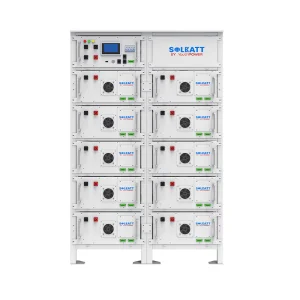
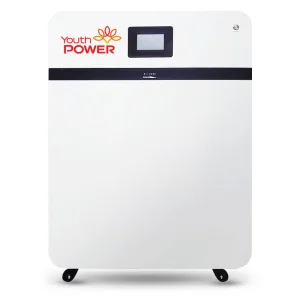
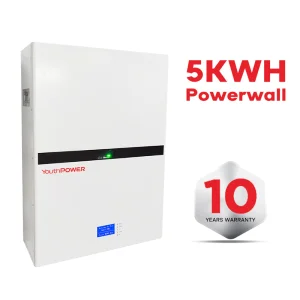
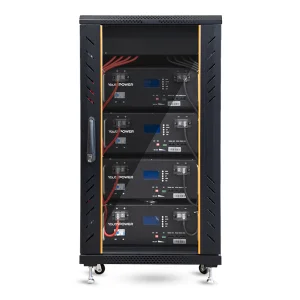
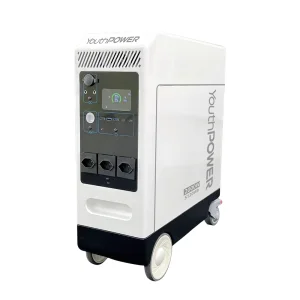
Explore our premium grade utility-scale and light commercial battery modules optimized for long cycle life, high-voltage operation, and seamless inverter compatibility.
As the global grid configuration transitions rapidly toward decentralization, the dependency on intermittent renewable sources like solar and wind has escalated. Storage battery systems are no longer secondary components of green energy installations; they are the fundamental backbone of modern industrial grid stability. The global commercial, industrial (C&I), and utility energy storage market is projected to expand at a compound annual growth rate (CAGR) exceeding 25% over the next decade. Driven by policy mandates such as the US Inflation Reduction Act (IRA) and the European Union’s REPowerEU plan, stakeholders are demanding longer cycle performance, competitive unit-level pricing, and high-performance safety integrations directly from top-tier factories.
The industrial landscape for Battery Energy Storage Systems (BESS) is divided between gigafactory-scale production hubs in the Asia-Pacific region, Europe, and North America. Today, cell production costs are driven heavily by raw material availability—namely lithium carbonate, iron phosphate, cobalt, and synthetic graphite. The market is shifting decisively toward Lithium Iron Phosphate (LiFePO4 / LFP) technologies because of their inherent thermal stability, non-toxic chemical structure, and cost benefits compared to nickel-manganese-cobalt (NMC) chemistries.
In addition, the high-voltage (HV) trend is transforming commercial applications. High-voltage series configurations (such as 600V to 1000V DC layouts) reduce systemic current rates. This minimizes cable sizing, limits heat generation, reduces energy loss during inversion, and enhances round-trip efficiency (RTE) to over 90%. As utility and commercial users demand reliable power storage, they seek Direct-to-Factory partnerships to bypass heavy intermediary distribution markups and lock in stable product pricing.
Note on Market Pricing (BESS Cost Structure): System-level prices have fallen below $130–$180/kWh depending on system size, cooling methods, and direct factory partnerships. By working directly with manufacturers, companies can save 20–35% on capital expenses (CapEx).
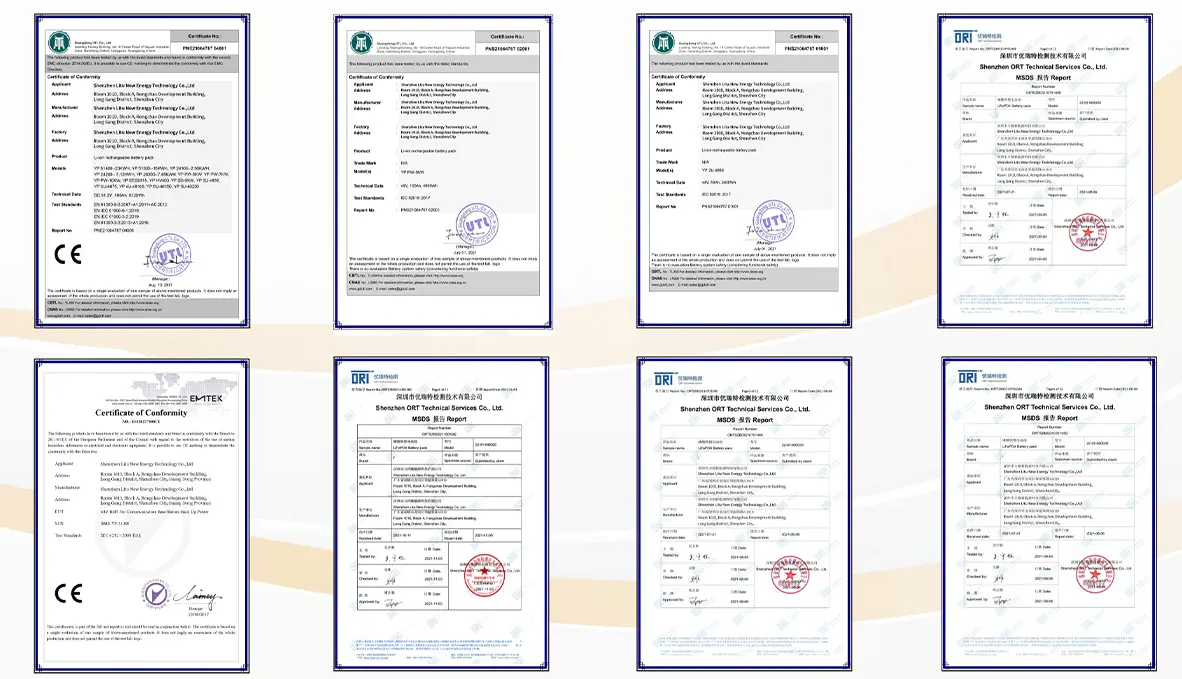
Selecting the right BESS factory is a multi-dimensional vetting process that goes beyond comparing baseline prices per kilowatt-hour. High-quality production plants must showcase consistent standards in manufacturing execution systems (MES), cell sorting, and system integration:
Understanding the difference between low-voltage and high-voltage configurations is key to matching application requirements with budget goals.
Ideal for residential applications, light commercial setups, and off-grid telecom stations. Safe to handle without high-voltage certificates, highly modular, and easily expandable via parallel connections. Cost-effective for scales under 30kWh.
Perfect for light industrial peak shaving, medium-sized commercial facilities, and solar-plus-storage integrations. Offers higher efficiency, smaller cable sizes, and supports long-distance power distribution with minimized transmission losses.
Designed for large-scale microgrids, utility substation peak shifting, and heavy industrial installations. Highly efficient, integrates directly with utility-grade PCS, and features advanced liquid cooling and fire suppression systems.
Founded in 2003, YouthPOWER has become one of the leading suppliers of solar storage lithium batteries in the world. With a broad range of energy storage solutions, it covers a series of 24V, 48V, and higher voltage lithium batteries solutions.
YouthPOWER has engaged in battery technology and production for almost 20 years, with abundant manufacturing experience and strong new product R&D capability. Through many years of hard work and market promotion, we created our own brand "YouthPOWER" in 2019.
With nearly 20 years’ experience in the battery industry, we have the capability to provide you with both the products you need and the most suitable products you want. We are always ready to supply first-class products and meet the various needs of our customers.
We have established strong business relationships with our customers from all over the world, maintaining close cooperation for many years. Supported by our local raw material vendors, we can offer competitive factory-direct pricing to our international partners.
We are proud that YouthPOWER has delivered reliable solar storage solutions to over 1,000,000 families worldwide, making a significant impact on global green energy adoption.
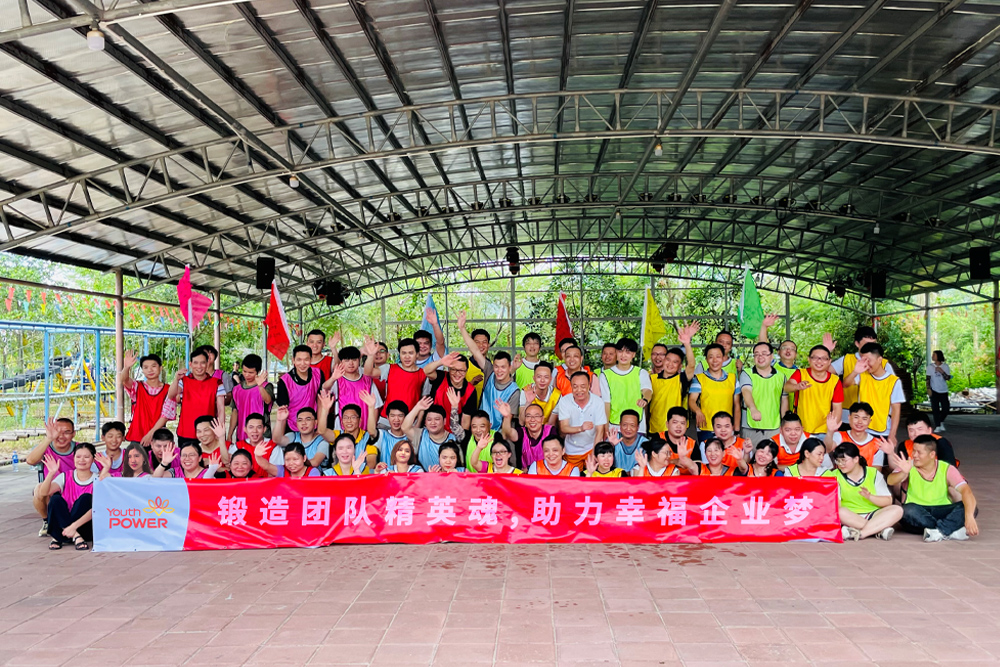
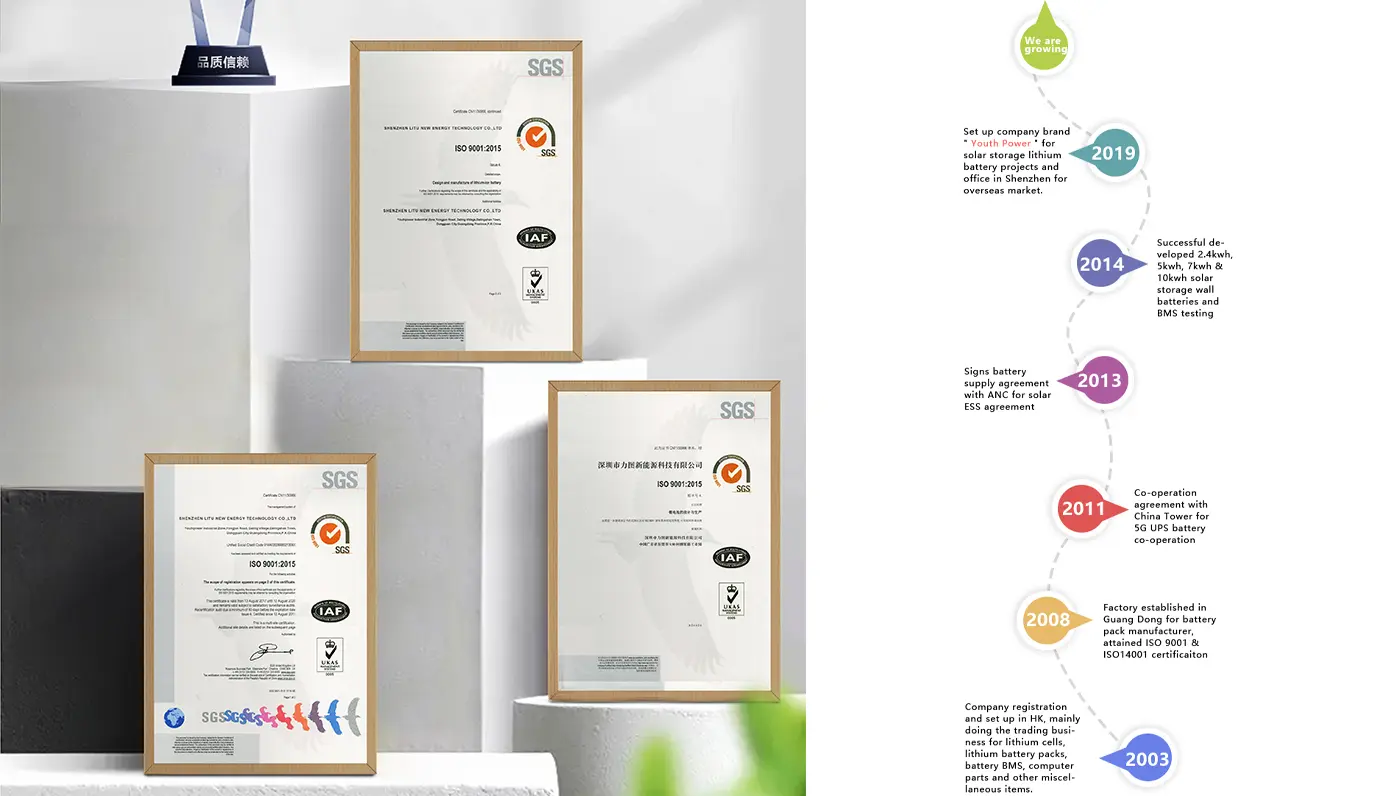
YouthPOWER’s growth reflects the evolution of modern lithium battery technology. Starting as a cell assembly workshop in 2003, we have developed into a fully integrated manufacturer capable of designing and producing customized high-voltage energy storage systems (ESS).
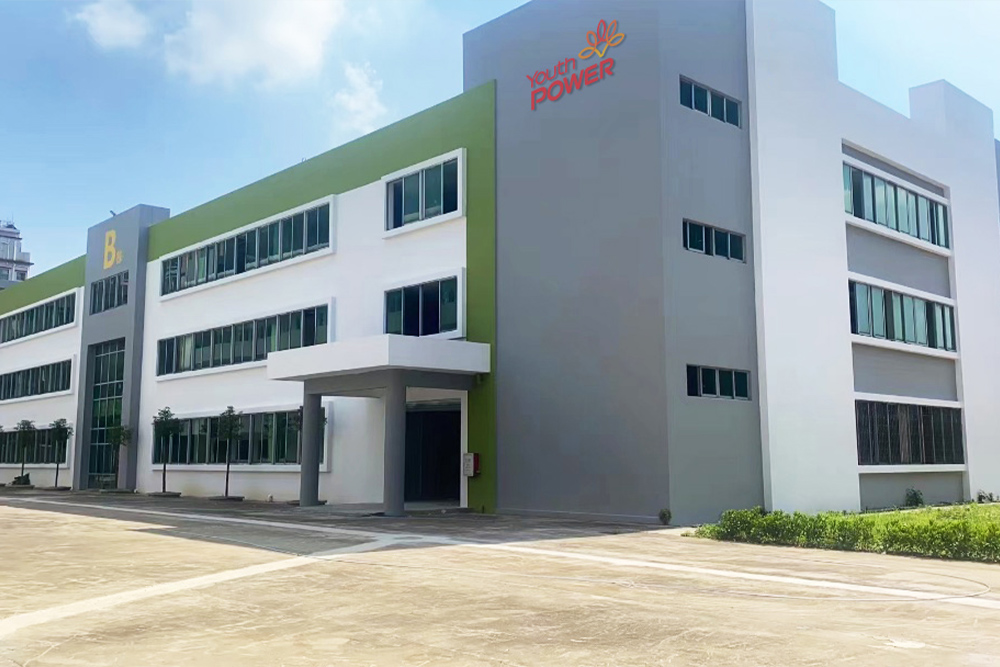
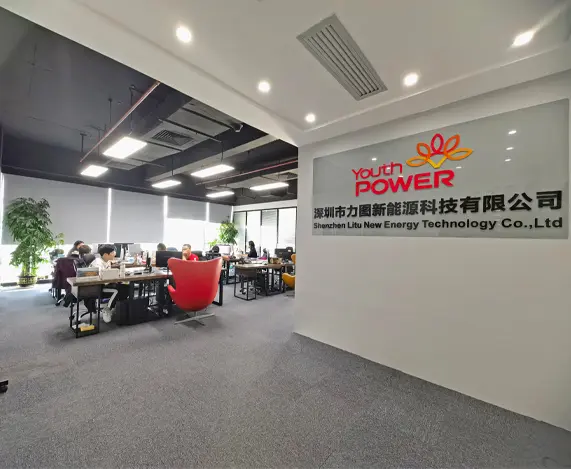
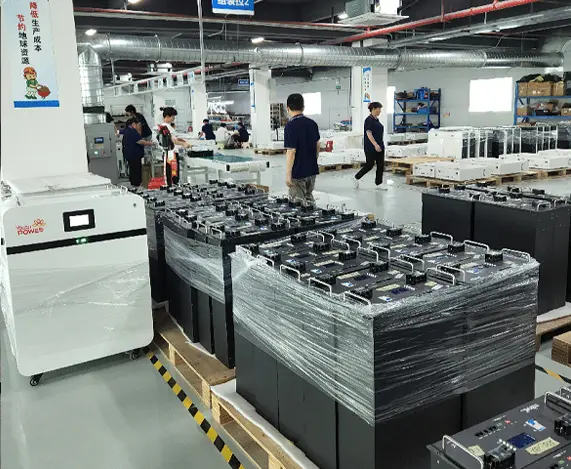
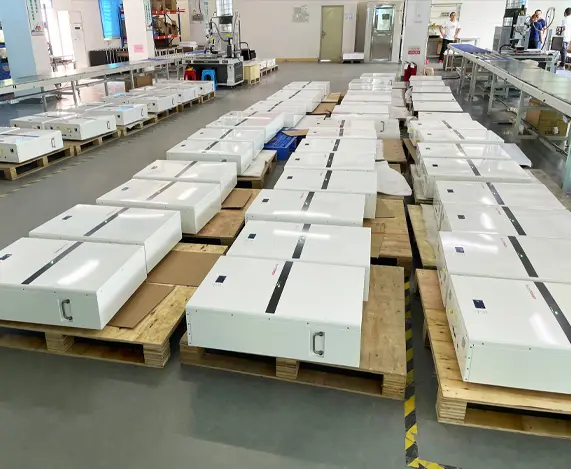
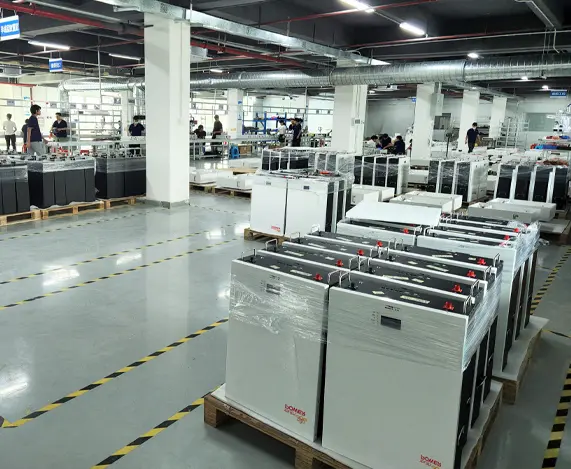
View our state-of-the-art production environments, system assembly lines, and testing facilities.
Get answers to common technical, logistics, and pricing questions about industrial battery systems.
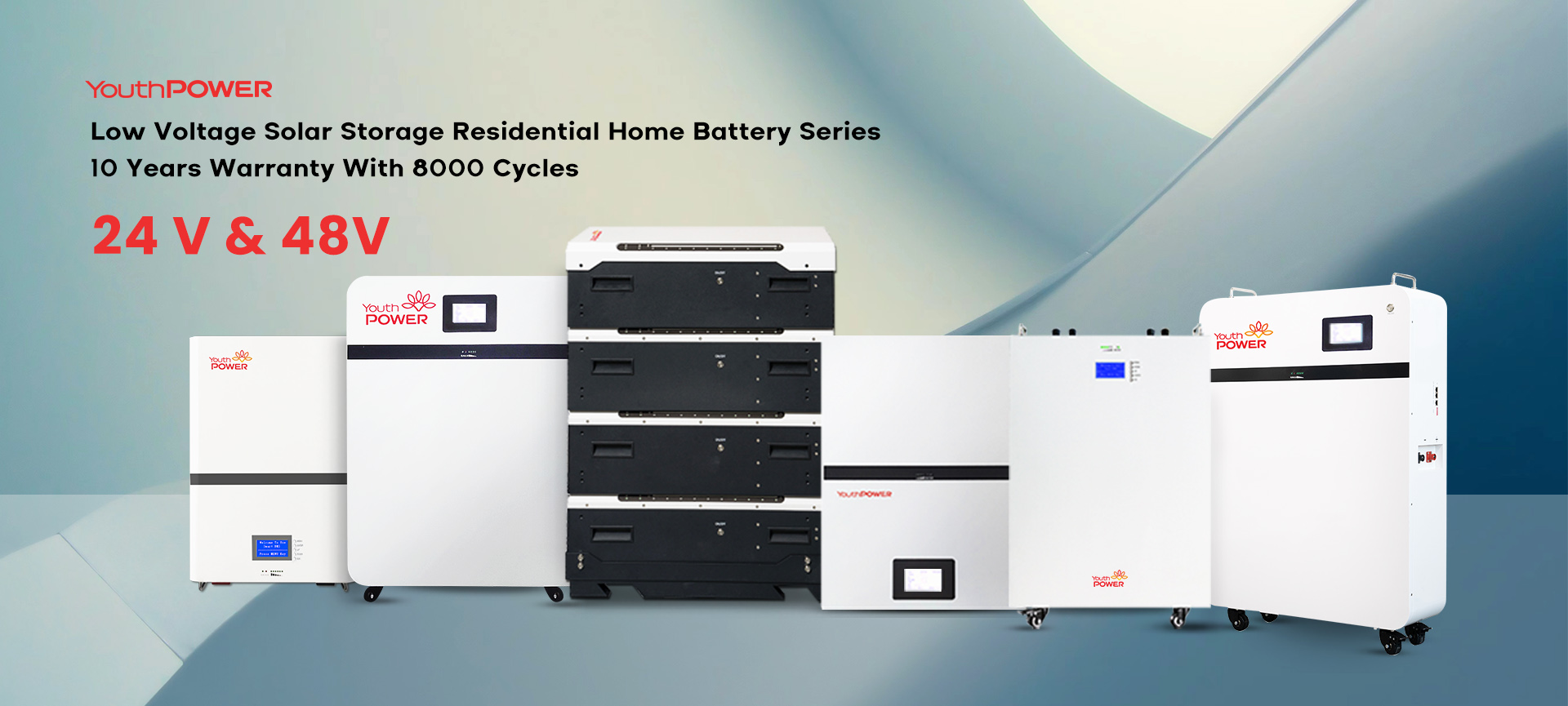
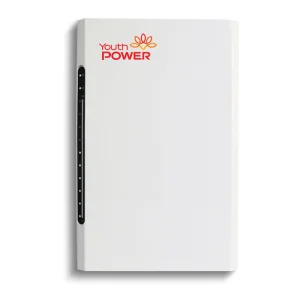
Explore our comprehensive lineup, featuring wall-mounted modules, waterproof outdoor battery boxes, and dynamic high-voltage stackable battery racks.
 YouthPOWER