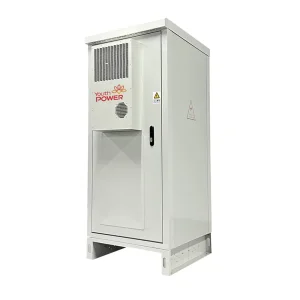
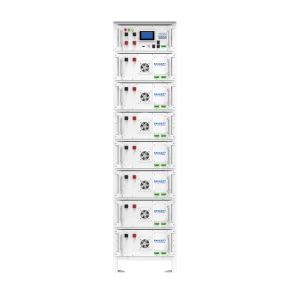
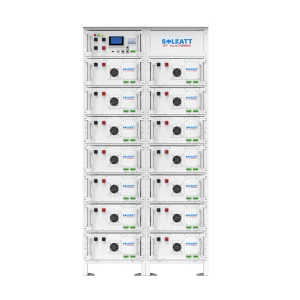
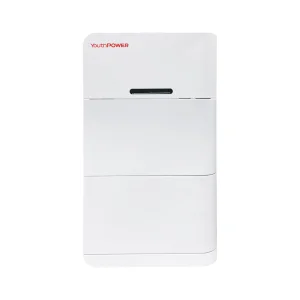
Browse our high-capacity energy storage products engineered for seamless modular performance and cost mitigation.
As the global transition to sustainable infrastructure accelerates, EV batteries and energy storage systems (BESS) installed during the initial clean energy surge are now reaching their end-of-warranty limits. Tesla, being a dominant force in both EV and stationary storage deployment, has seen a skyrocketing demand for battery replacements. Whether you manage a commercial fleet of Tesla vehicles or oversee an enterprise infrastructure backed by Tesla Powerwalls or Megapacks, understanding the costs, technologies, and available alternative manufacturing entities is critical to operational longevity.
SEO Insight & Information Gain: While mainstream consumers focus purely on direct OEM automotive replacement, large-scale commercial buyers and smart property operators are pivoting to modular Lithium Iron Phosphate (LiFePO4) storage systems to bypass structural OEM bottlenecks, proprietary software lock-ins, and high raw material premium pricing.
This report outlines the structural costs of OEM Tesla battery replacements, contrasts the chemical limitations of standard NCA/NMC cells with emerging LFP alternatives, and explores how custom BESS providers like YouthPOWER offer robust, cost-effective retrofits for commercial applications.
Replacing a Tesla battery pack is a capital-intensive undertaking. Below is an updated evaluation of replacement quotes, taking into account vehicle models and residential/commercial energy storage products.
| System Type | OEM Capacity | Avg. OEM Replacement Price (USD) | Alternative High-Performance Capacity | Alternative Price Range (USD) |
|---|---|---|---|---|
| Tesla Model S / Model X | 75 kWh - 100 kWh | $18,000 - $22,000 | LFP Retrofit Modules | $12,000 - $15,000 |
| Tesla Model 3 / Model Y | 50 kWh - 82 kWh | $13,000 - $16,500 | Third-party remanufactured | $9,000 - $11,500 |
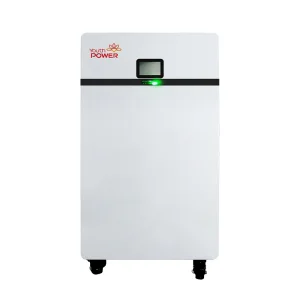
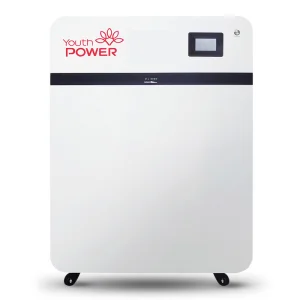
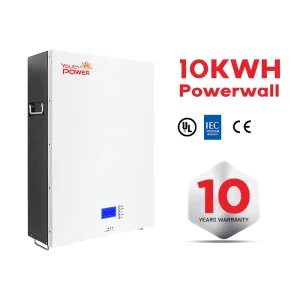
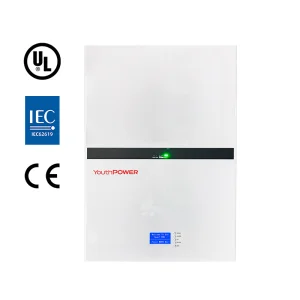
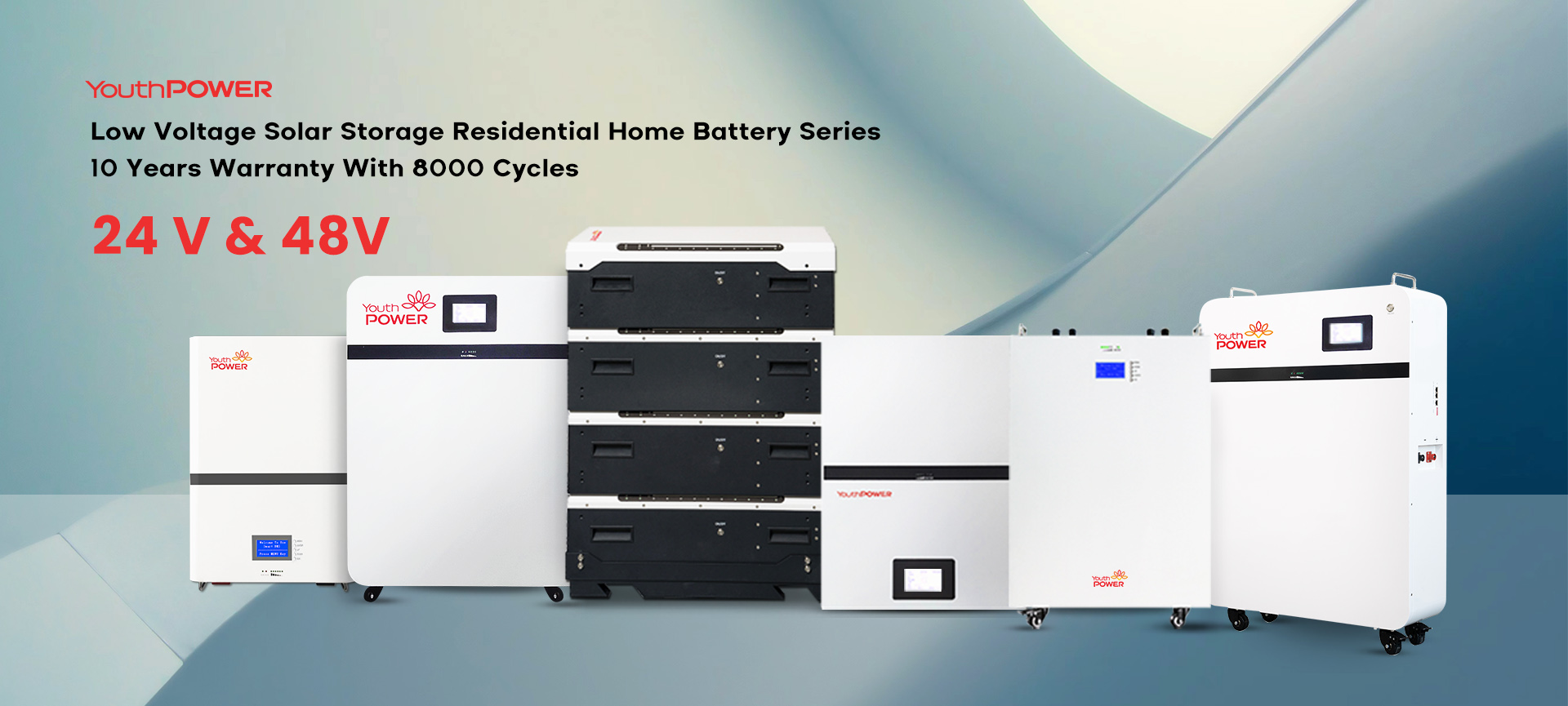
| Tesla Powerwall 2 | 13.5 kWh | $12,000 - $15,500 (incl. labor) | YouthPOWER 15KWH LiFePO4 ESS | $4,500 - $6,500 |
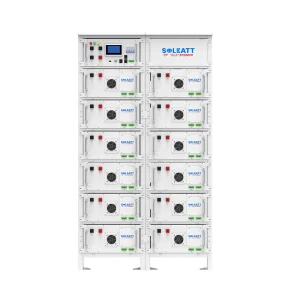
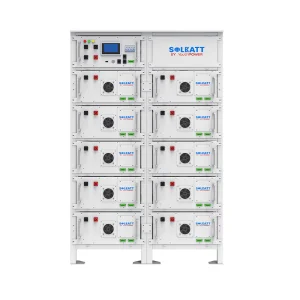
| Tesla Megapack (Commercial) | 3.9 MWh | $1,500,000 - $2,200,000 | Commercial Container Systems | 30% to 40% Lower Capex |
The factors affecting these prices include regional labor costs, the structural design of the battery (grout-filled packs vs. modular cells), and the scarcity of cobalt and nickel in standard chemistry configurations. Third-party replacement providers have gained substantial ground by designing modular solutions that circumvent the high-margin markups charged by OEM service centers.
Standard Tesla vehicle batteries historically utilized NCA (Nickel Cobalt Aluminum) or NMC (Nickel Manganese Cobalt) chemistries. While possessing high energy density, these formulations suffer from limited cycle lives and higher susceptibility to thermal runaway under structural or environmental stress. Modern high-capacity stationary systems, however, have decisively shifted toward Lithium Iron Phosphate (LiFePO4).
LiFePO4 exhibits thermal runaway thresholds exceeding 270°C, compared to 210°C for NMC. This renders LFP batteries exponentially safer for deployment near residential and commercial spaces.
While NCA cells begin degrading after 1,000 - 1,500 cycles, grade-A LiFePO4 cells routinely maintain 80% State of Health (SoH) even after 6,000+ complete charge/discharge cycles.
LFP chemical components avoid cobalt and nickel dependencies. Lower raw materials translate to a reduced per-kWh price point for replacement initiatives.
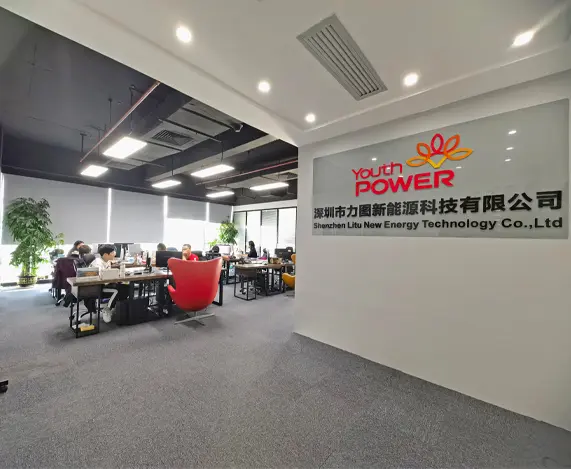
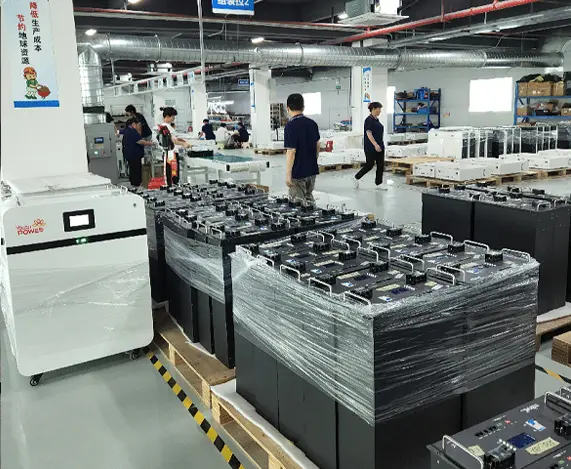
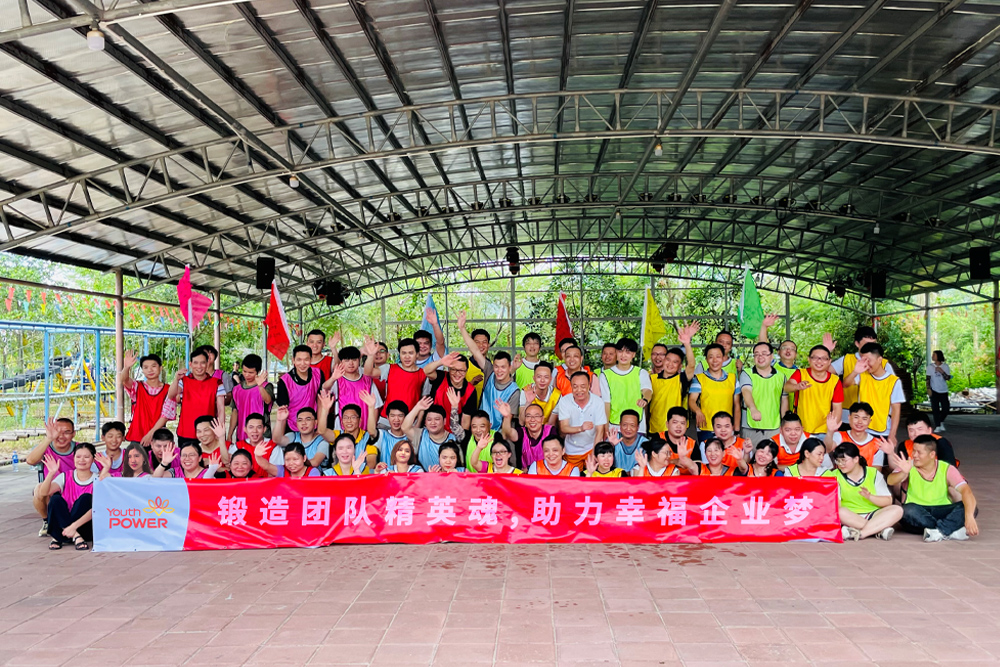
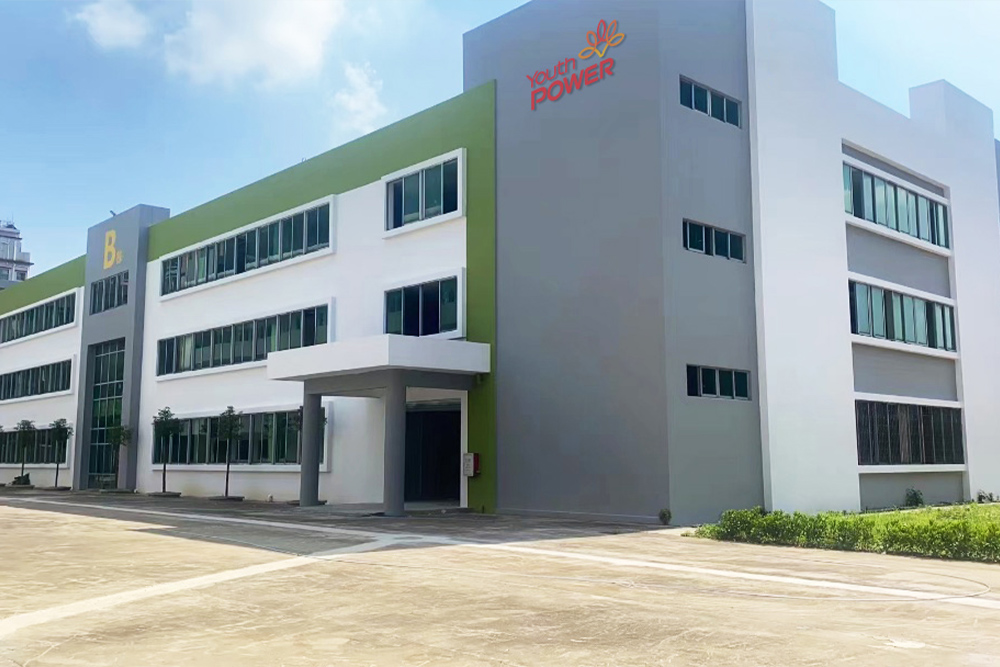
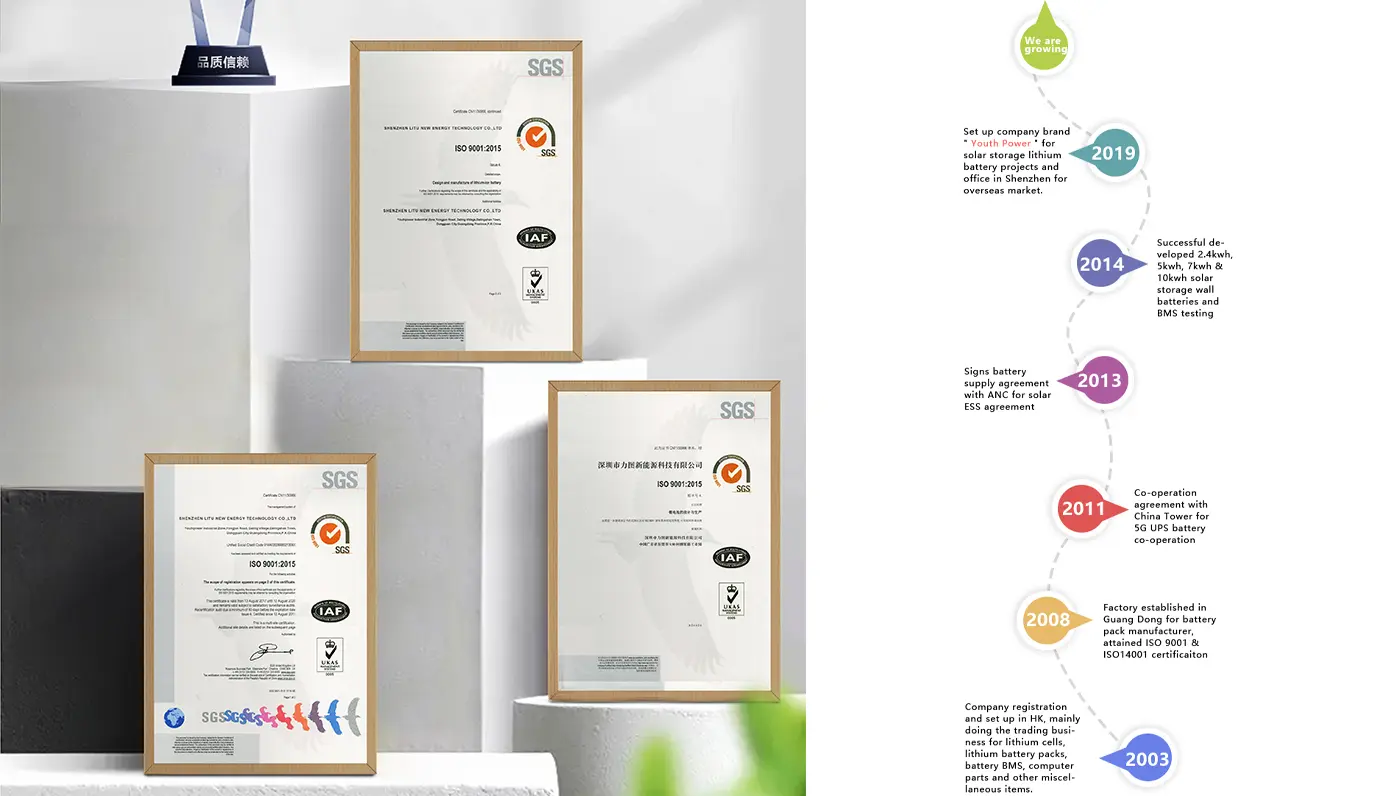
Founded in 2003, YouthPOWER has evolved into one of the premier global manufacturers of solar storage lithium battery arrays. Drawing on nearly two decades of engineering and material sciences expertise, our technology spans low-voltage (24V, 48V) applications up to high-voltage commercial container systems.
Through intense research and development, we launched our unified brand "YouthPOWER" in 2019, securing proprietary rights over sophisticated Battery Management System (BMS) controls and smart thermal configurations. Supported by our localized supply chain vendors and key regional raw material access, we guarantee unparalleled product reliability and price optimization.
We are exceptionally proud that YouthPOWER has delivered highly dependable clean energy storage configurations for over 1,000,000 families and businesses worldwide.
Years of Battery Manufacturing
Homes & Enterprises Empowered
Patents and Product Certificates
BMS Protection Accuracy Rating
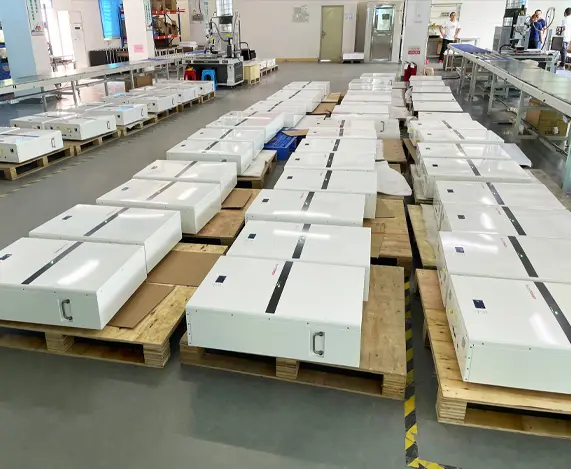
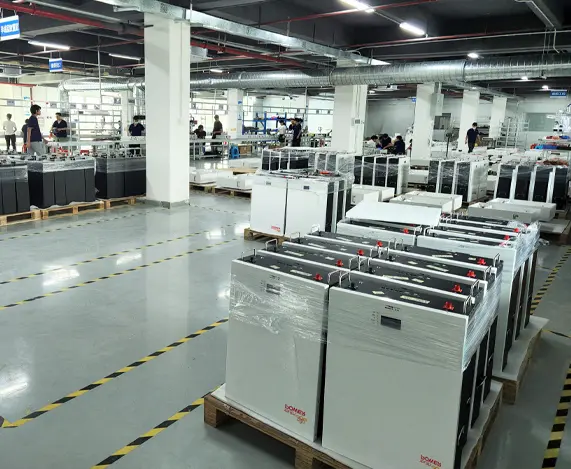
Over the years, we have scaled our production capacity, established global distribution nodes, and optimized battery safety features. Our development path demonstrates our long-term commitment to technological advancement.
Integrating alternative or replacement battery systems into preexisting infrastructure (such as retrofitting a commercial microgrid or industrial backup system) presents several engineering challenges. Our engineering teams utilize specialized approaches to ensure seamless compatibility:
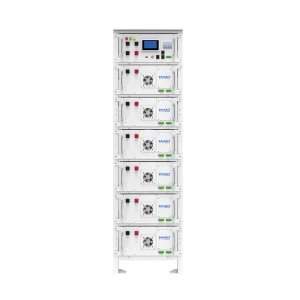
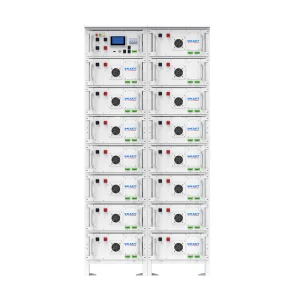
Commercial replacements must balance the exact nominal voltage of high-tension lines. YouthPOWER configurations range from 51.2V up to 768V high-voltage setups to match legacy inverter systems.
Proprietary software lock-ins are resolved by deploying custom-programmed CAN/RS485 communication protocols, permitting our cells to communicate with leading global inverter models.
Employing advanced liquid cooling plates and passive heat-sink structures ensures that replaced energy nodes operate consistently within optimal temperature envelopes.
We host localized support centers and maintain strategic shipping hubs across Europe, North America, and the Asia-Pacific region. This allows us to circumvent typical supply chain disruptions and deliver replacement configurations directly to project sites, including all necessary hazard certifications and mounting gear.
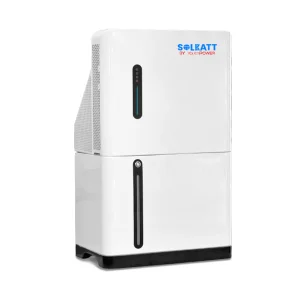
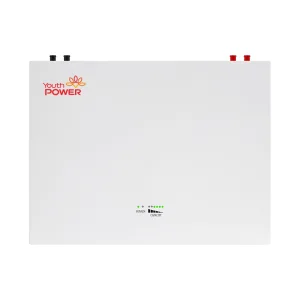
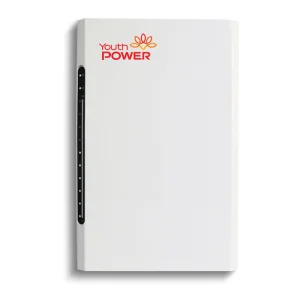
High-voltage batteries and space-efficient balcony solutions optimized for retrofits and commercial scale expansions.
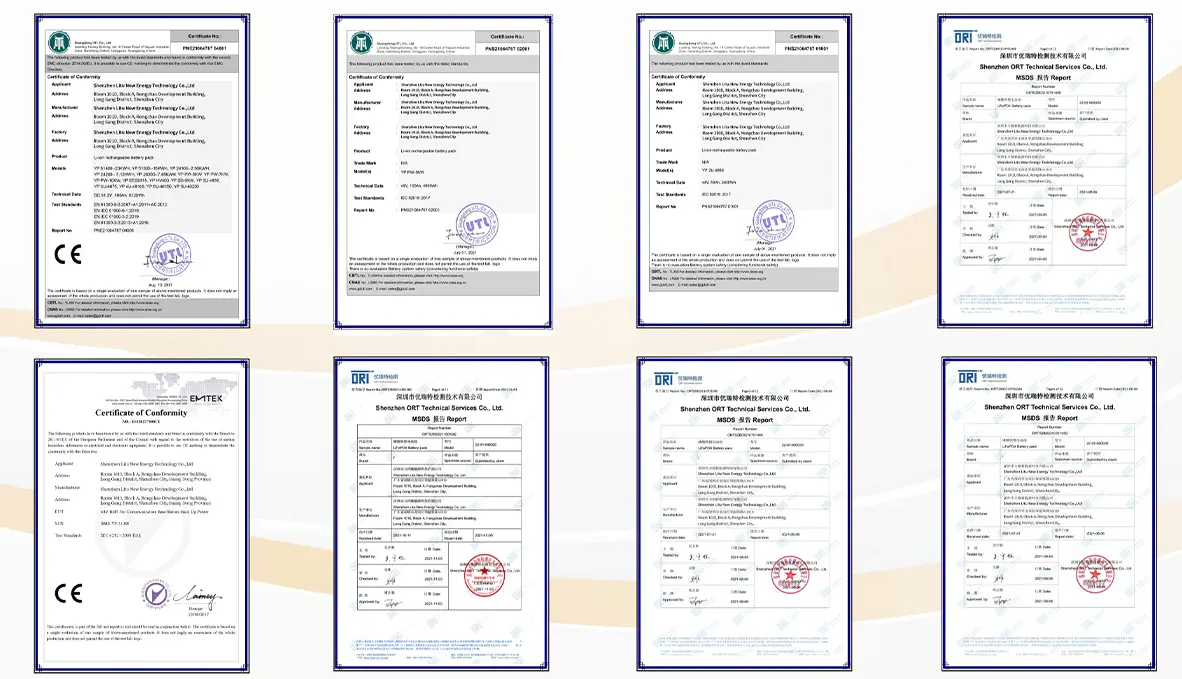
Deploying high-voltage energy storage systems necessitates strict adherence to regional fire codes and structural building criteria. Alternative BESS architectures developed by YouthPOWER comply fully with the industry’s most rigorous international mandates:
Certifying battery packs for use in stationary, vehicle auxiliary power, and light electric rail applications.
Defines the safety demands for secondary lithium cells and batteries within industrial environments.
Guarantees safe shipping protocols for air, sea, and overland hazardous goods transport.
By maintaining complete alignment with global safety benchmarks, we help property developers and engineering contractors secure swift insurance approvals and expedite local utility grid-connection processes.
Crucial technical answers regarding replacement options, pricing, and system retrofits.
Most Tesla vehicle packs are designed to sustain 1,500 equivalent full cycles or 8 to 10 years of use before capacity drops below 70-80%. For stationary storage systems (like Powerwalls), capacity begins to degrade at a faster rate when subjected to daily peak-shaving applications under extreme temperatures.
Yes, for stationary energy storage systems (BESS). Specialized manufacturers configure alternative lithium batteries with compatible communication protocols (CAN/RS485) and customized voltage profiles, allowing them to integrate alongside or replace original hardware at a significantly lower cost.
The high cost of authorized replacements is driven by structural assembly designs (such as polyurethane-filled battery cases that prevent easy module replacement), high material costs for nickel and cobalt, and substantial OEM markup on replacement components.
LiFePO4 (LFP) cells offer superior safety (higher thermal runaway limits), a longer cycle life (up to 6,000 cycles compared to 1,500 for NMC), and lower production costs because they don't rely on expensive metals like cobalt or nickel.
YouthPOWER maintains localized raw material contracts and operates dynamic global logistics networks. We manage standard customs clearance procedures, handle Class 9 hazardous materials shipping compliance, and provide local technical installation support to ensure a seamless integration process.
 YouthPOWER