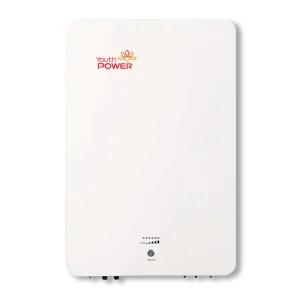
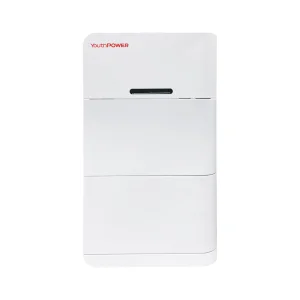
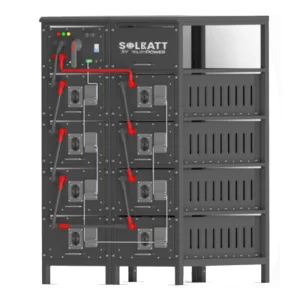
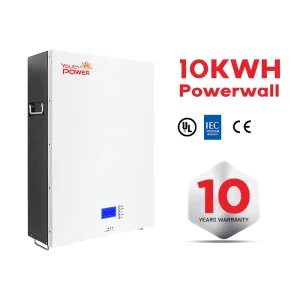
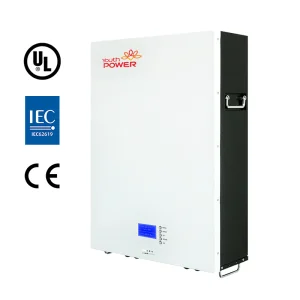
Explore our leading factory-direct high-voltage smart storage frameworks engineered for scalability, low Levelized Cost of Storage (LCOS), and maximum thermal runaway protection.
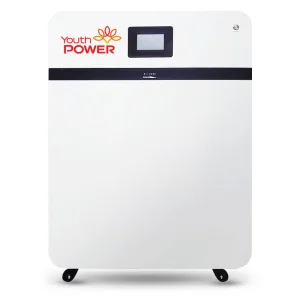
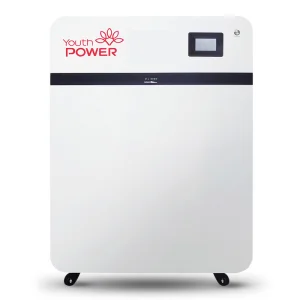
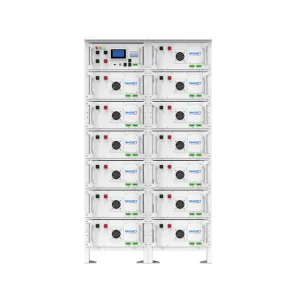
Modern enterprises operate in an environment where microsecond interruptions in power translate to millions in lost revenue, broken SLA agreements, and structural equipment failures. The rise of hyperscale data centers, distributed edge computing, and smart manufacturing lines requires a complete overhaul of traditional backup infrastructures. Lead-acid solutions, once standard, have given way to sophisticated lithium-ion and Lithium Iron Phosphate (LiFePO4) backup topologies.
Today's procurements are focused on several core elements: prolonged operational cycles (averaging 6,000+ deep discharges), active Battery Management System (BMS) controls featuring real-time state-of-charge (SoC) diagnostics, and high-voltage system compatibility to reduce current draw and optimize distribution efficiency.
By shifting to advanced high-voltage lithium setups, facilities realize up to a 70% footprint reduction and lower their Total Cost of Ownership (TCO) by more than 45% over a typical 10-year operational span. This paradigm change is fueled by a drop in long-term lithium pricing coupled with strict environmental directives discouraging toxic lead-acid operations.

Choosing the correct electrochemistry dictates the safety parameters, energy density, and thermal lifespan of your operational facility.
| Performance Metric | Lithium Iron Phosphate (LiFePO4) | Nickel Manganese Cobalt (NMC) | Lead-Acid (AGM/Gel) |
|---|---|---|---|
| Cycle Life (80% Depth of Discharge) | 6,000 - 8,000 Cycles | 1,500 - 2,500 Cycles | 300 - 600 Cycles |
| Thermal Runaway Threshold | High Stability (~270°C) | Moderate (~210°C) | N/A (Sulphation Risks) |
| Environmental Safety | Eco-Friendly, Non-Toxic Materials | Cobalt Sourcing Restrictions | High Lead & Acid Hazard Profile |
| Usable Capacity Range | 90% - 95% usable capacity | 80% - 90% usable capacity | 50% usable capacity limit |
| Total Cost of Ownership (10 Yrs) | Exceptionally Low (High initial, low lifecycle cost) | Moderate to High | Extremely High (Requires 3-4 replacements) |
A key focus for engineering teams is the integration of high-precision Battery Management Systems (BMS). A reliable BMS controls cell balancing, protects against short-circuit events, maintains optimal over-charge/discharge parameters, and interfaces with global network protocols (such as CAN, Modbus, and RS485). These communication buses allow facility engineers to monitor and isolate dynamic loads without causing cascading outages in server rooms and critical data centers.
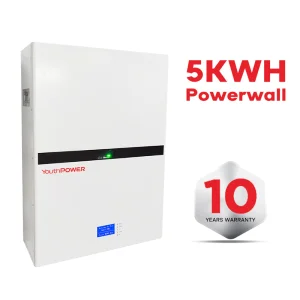
Modern applications require distinct topologies optimized for specific usage scenarios. At YouthPOWER, we design custom systems ranging from compact Powerwalls to large containerized multi-megawatt-hour systems:
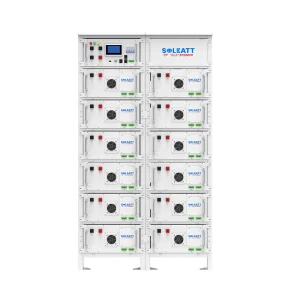
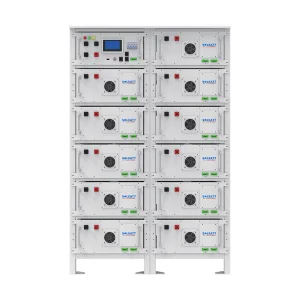
1. Data Centers & Hyperscale Cloud Infrastructure: In these installations, physical space is at a premium. Our high-voltage solutions (such as the 409V 280Ah and 614V 280Ah cabinets) allow operations to pack maximum power density into standard server aisles. The reduced current draw of high-voltage setups lowers cable thickness requirements, which cuts copper material expenses and slashes runtime heat generation.
2. Microgrid Integration & Peak Shaving: For manufacturing sites that rely on solar or wind generation, battery storage systems help bridge the gap between production and demand. Using Peak Shaving and Load Leveling, companies can store off-peak power and deploy it during peak rate hours, yielding significant utility savings.
3. Telecommunication Backbones & Rugged Edge Stations: Remote telecom towers operate in challenging environments with temperature swings and unstable utility feeds. Outdoor-rated waterproof options (like the YouthPOWER Waterproof Solar Box 10kWh) keep remote hubs connected through severe weather conditions.
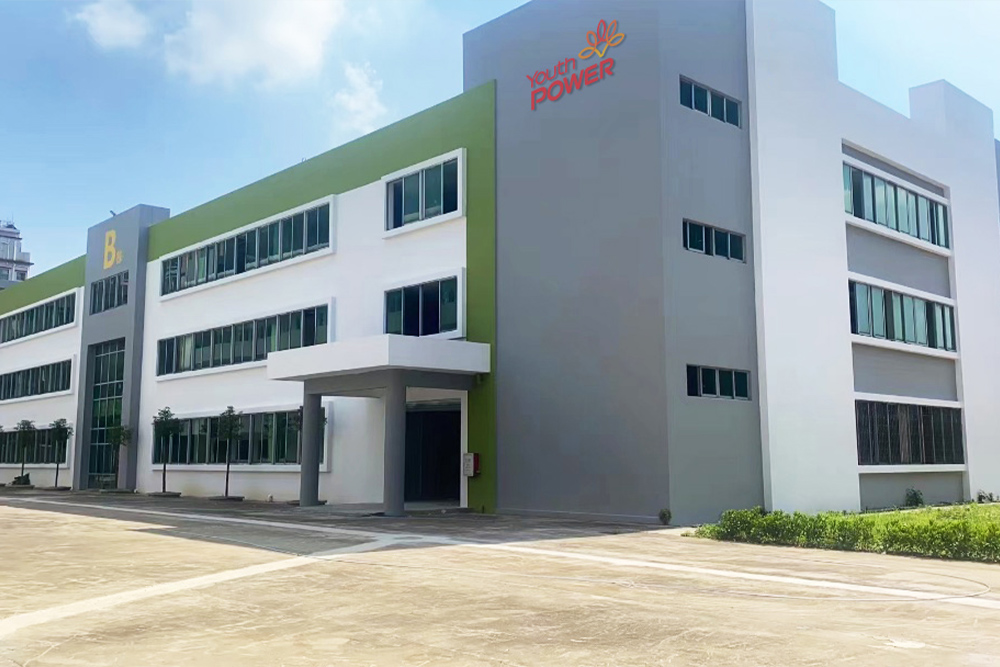
Operates up to 600V+ to cut line losses, reduce installation footprints, and improve system efficiency.
Integrated protections for over-voltage, over-current, and temperature variations to prevent thermal issues.
Plug-and-play expansions allow you to scale up capacity as your energy storage needs grow.
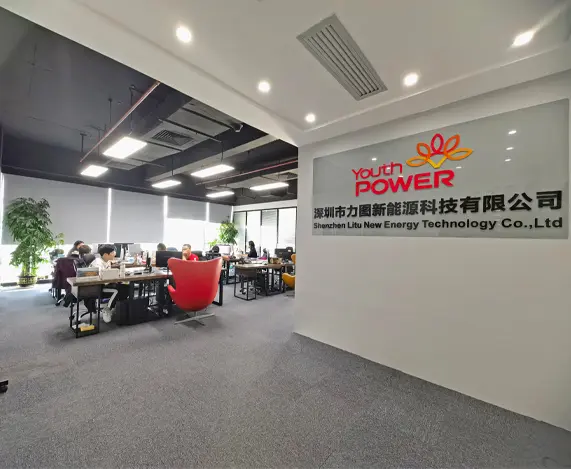
Founded in 2003, YouthPOWER has now become one of the leading suppliers of solar storage lithium batteries in the world. With a broad range of energy storage solutions, it covers a series of 24V, 48V and higher voltage lithium batteries solutions.
YouthPOWER has engaged in the battery technology and production for almost 20 years, with abundant manufacturing experience and strong new product R & D capability. Through many years of hard work and market promotion, we have created our own brand "YouthPOWER" in 2019.
With nearly 20 years’ experience in the battery industry, we have the capability to provide you with both the products you need and the most suitable products you want. We are always ready to supply the first-class products and meet the various needs of the customers.
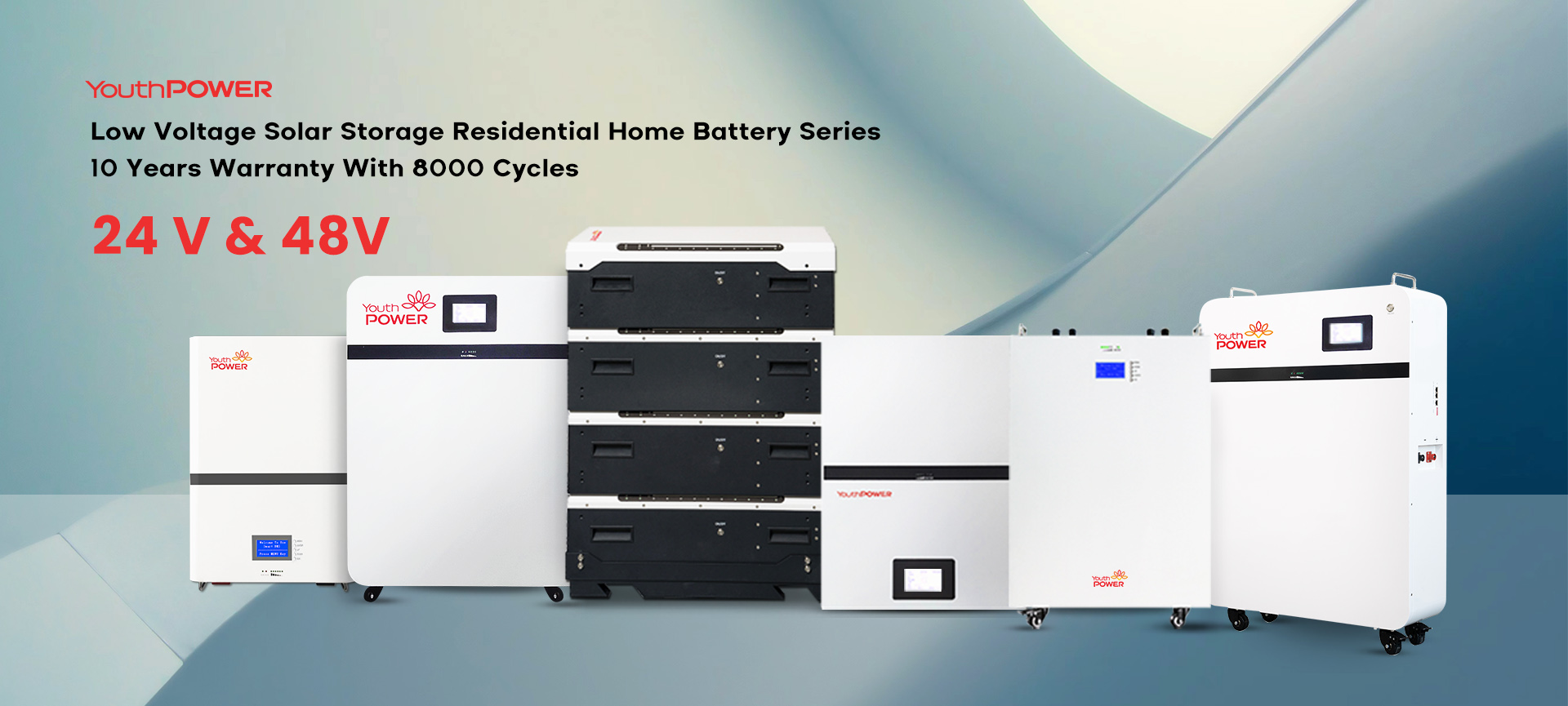
We have established good business relationships with our customers from all over the world. And we have a good cooperation with all our customers as well for many years running. Supported by our local vendors of raw materials, we can certainly offer you the best prices.
We are so proud that YouthPOWER has offered the reliable solar storage solution for over 1,000,000 families now in the world.
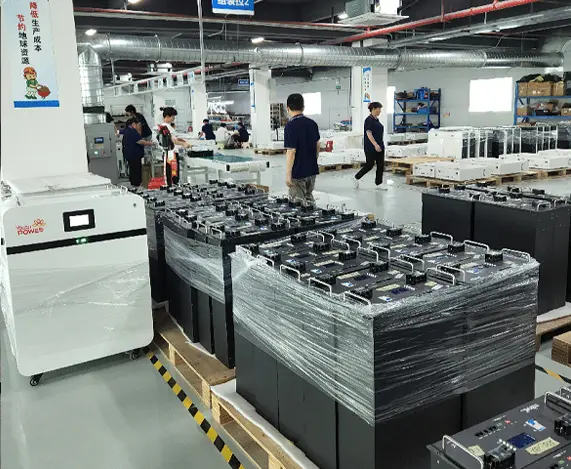
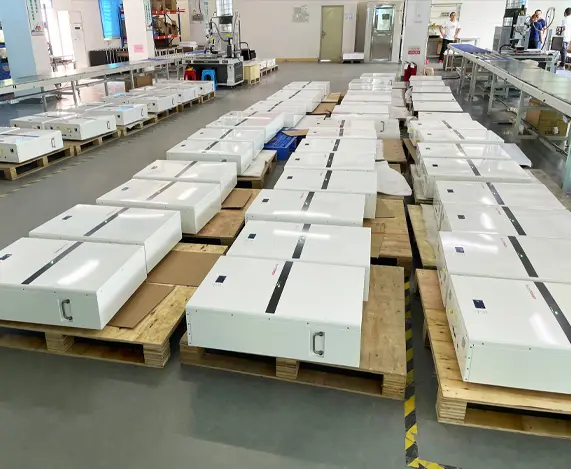
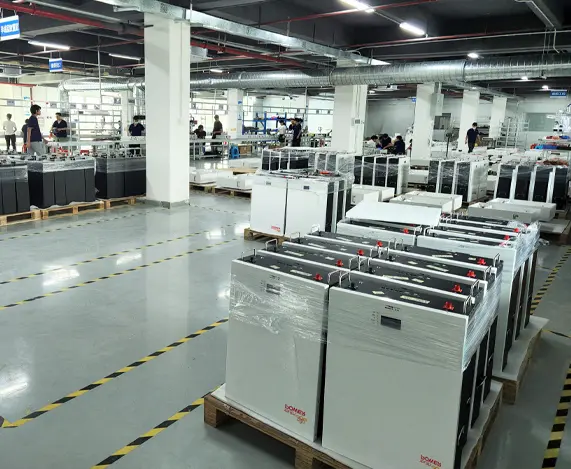
A look at our history of innovation and growth in battery technology, leading to our current global presence.
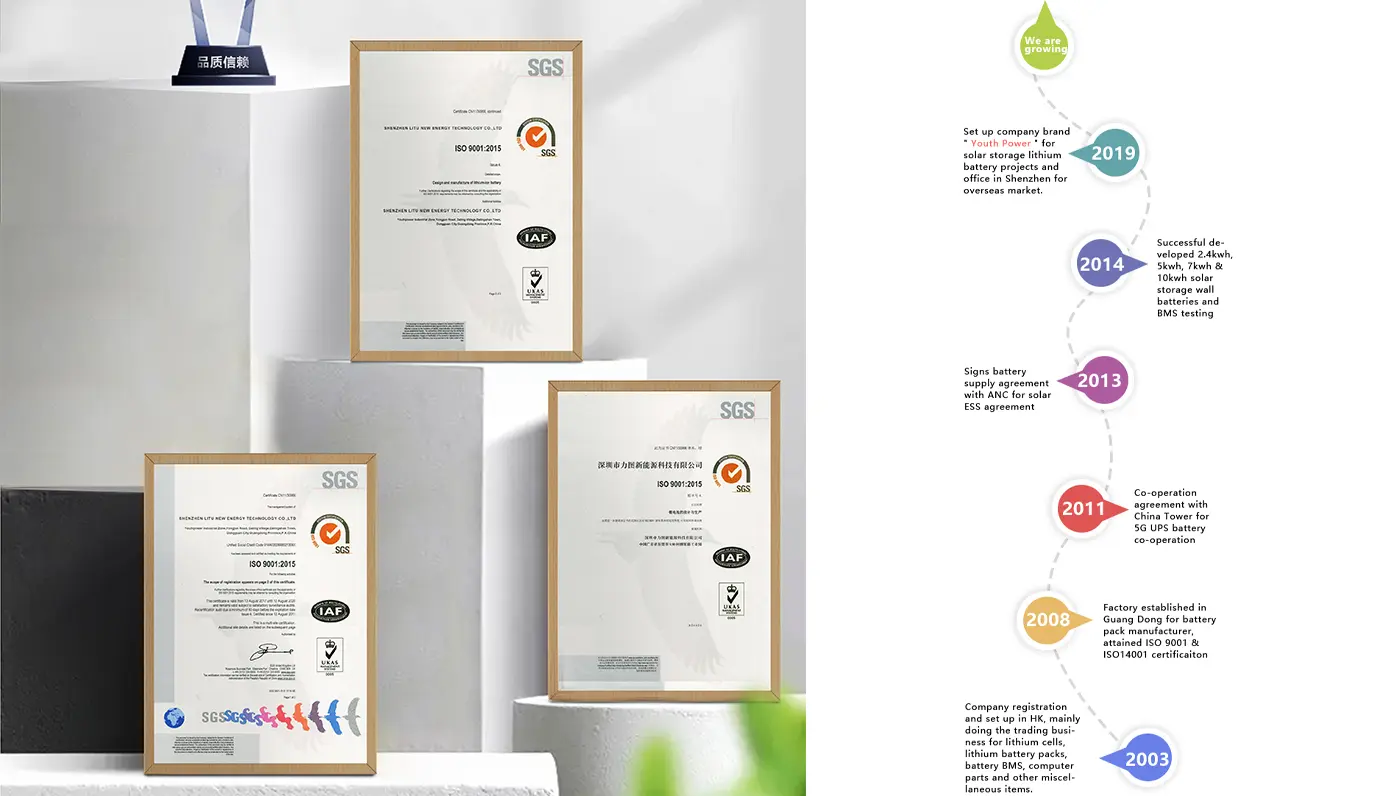
Purchasing critical battery backups requires a thorough understanding of safety regulations, certifications, and shipping requirements.
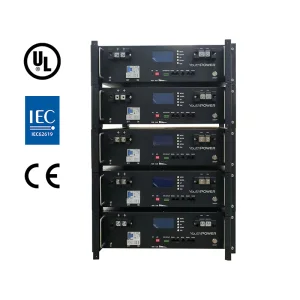
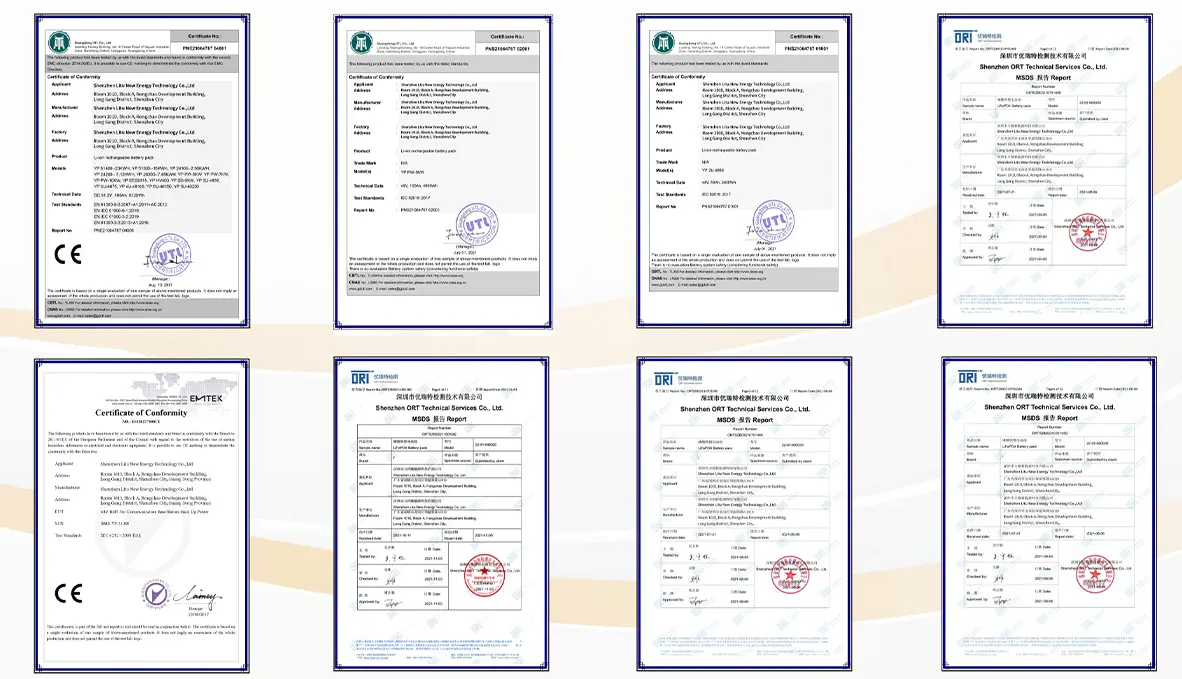
Our manufacturing facility operates under ISO 9001 and ISO 14001 guidelines. All products are tested to meet global compliance standards. This testing includes UN38.3 for shipping safety, IEC 62619 for battery storage systems, and UL 1973 / UL 9540A to verify safety in the event of thermal runaways. This compliance helps ensure smooth installation approvals with local utilities and building inspectors.
Lithium batteries are classified as Class 9 Dangerous Goods. We use custom heavy-duty wood packing designed to absorb shocks and isolate cells during transport. Working with certified logistics partners helps ensure your high-voltage equipment arrives safely and on time.
By bypassing third-party distributors, clients work directly with our engineering and production teams. This factory-direct access provides several advantages:
A look at the emerging technologies shape the next decade of backup power systems.
Moving toward solid-state chemistry to improve safety and density while virtually eliminating thermal runaway risks.
Cloud-based battery health monitoring to analyze historical performance and predict maintenance needs before issues occur.
Enabling batteries to return excess power back to the local grid, turning backup equipment into an active revenue source.
Answers to common questions regarding engineering, operations, and procurement for backup battery projects.
LiFePO4 (Lithium Iron Phosphate) offers better thermal and structural stability compared to NMC (Nickel Manganese Cobalt). Its thermal runaway threshold is roughly 270°C, compared to NMC’s 210°C. Additionally, LiFePO4 cells can deliver 6,000+ complete discharge cycles, while NMC options typically decline after 2,000 cycles. This difference provides a longer service life and higher safety profile in high-capacity installations.
HV ESS solutions raise system voltage (often up to 400V–600V+) to decrease the system's operational current. Based on Joule's Law ($P = I^2R$), keeping the current lower minimizes line resistance losses. This reduction in heat allows installations to use thinner cables, simplify system routing, and improve round-trip conversion efficiency.
To calculate the required capacity, use this formula:
$$\text{Capacity (Wh)} = \frac{\text{Operational Load (W)} \times \text{Desired Runtime (Hours)}}{\text{Inverter Efficiency} \times \text{Max Depth of Discharge (DoD)}}$$
For example, to run a 10 kW load for 2 hours using a system with 95% efficiency and an 80% DoD setting:
$$\text{Required Capacity} = \frac{10,000 \times 2}{0.95 \times 0.80} = 26,315\text{ Wh } (26.3\text{ kWh})$$
For safe, compliant grid connection, systems should meet UL 1973 (covering battery packs in stationary installations), IEC 62619 (for industrial safety), and UN38.3 (governing air/sea transit). Installations using larger energy storage setups may also need UL 9540A testing to verify fire safety and thermal runaway prevention.
Pricing is largely driven by cell quality (Grade A vs. B), cycle life ratings, casing types, and built-in BMS communication protocols. Buying directly from manufacturing facilities like YouthPOWER helps lower markup costs. Additionally, choosing systems that match your required capacity avoids over-investing in unused storage.
Explore our compact residential and commercial options. These plug-and-play systems offer reliable backup power with easy installation.
 YouthPOWER