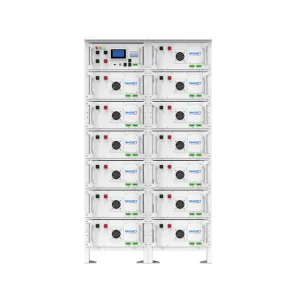
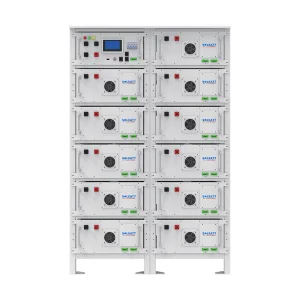
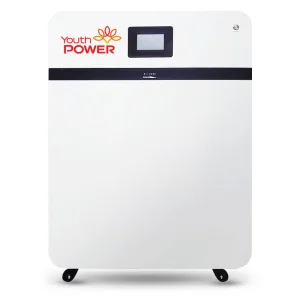
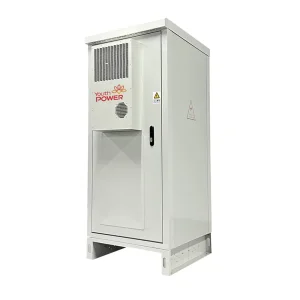
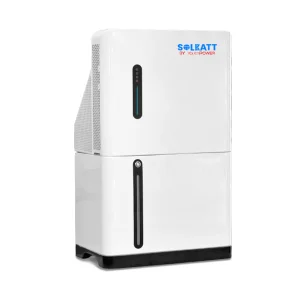
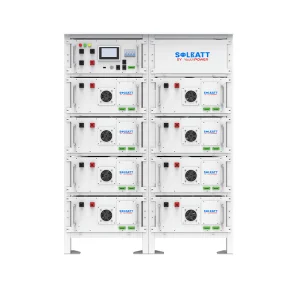
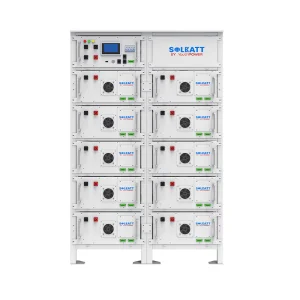
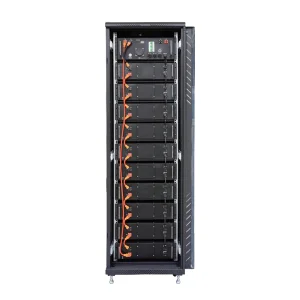
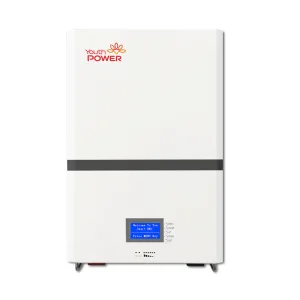
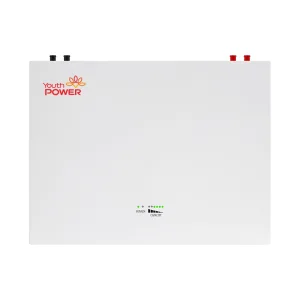
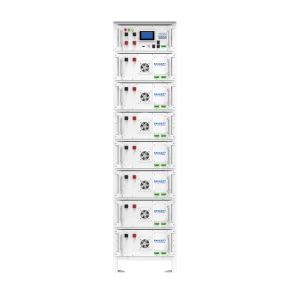
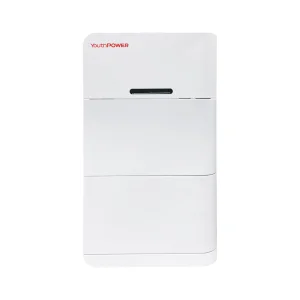
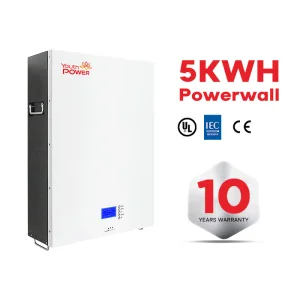
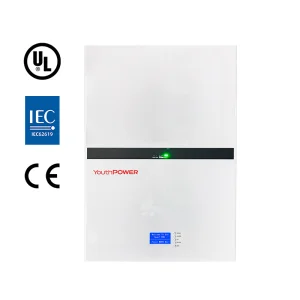
Explore our foundational high-voltage and commercial-scale lithium battery solutions designed for global infrastructure and utility grids.
When evaluating utility-grade and industrial battery storage setups, the 100Ah Lithium Iron Phosphate (LiFePO4) cell chemistry serves as the core baseline. This capacity rating represents the optimal crossover point between automated factory cell manufacturing, pack packaging complexity, thermal management dissipation efficiency, and round-trip cycling durability.
Modern factory lines prioritize the prismatic form factor for 100Ah cells. Unlike cylindrical cells, prismatic designs leverage aluminum casing to optimize volumetric density inside rack-mounted cabinets. By using high-performance crystalline cathode materials paired with advanced graphite anodes, manufacturers achieve a life expectancy exceeding 6,000 charge/discharge cycles at 80% Depth of Discharge (DoD), translating directly into a operating lifespan of 10 to 15 years in typical environmental control installations.
Key architectural advancements in 100Ah technology focus on low internal impedance (typically ≤ 0.5mΩ), active balancing integration within multi-cell modules, and enhanced performance thresholds under heavy loading. Operating at high C-rates (continuous 1C discharge, with pulse surges up to 3C), these systems sustain flat voltage discharge curves, ensuring clean, continuous electricity feed to critical electrical infrastructure.
Modern LFP utilizes nano-structured olivine crystal layouts that structurally resist mechanical breakdown and oxygen release at temperatures up to 270°C, offering exceptional resistance to thermal runaway compared to NMC formulations.
Modern 100Ah battery configurations are integrated with custom multi-tiered digital BMS. These microcontrollers monitor voltage levels, system temperatures, and State-of-Charge (SoC) variables in real-time, communicating directly with central SCADA nodes via CANbus, Modbus TCP, or RS485 protocols.
The adoption of 100Ah LiFePO4 batteries extends far beyond basic power banks. These scalable systems form the foundation of comprehensive electrical architectures across major industrial and commercial applications.
Enterprises experience high peak demand charges. High-voltage 100Ah rack configurations (typically ranging from 358V to 665V layouts) discharge stored off-peak energy during high-load periods, helping commercial complexes reduce overall utility costs.
Remote telecommunication towers and isolated islands utilize 48V 100Ah setups to ensure zero downtime. LFP batteries withstand high temperatures, requiring minimal HVAC cooling compared to traditional lead-acid options.
In data centers, response latency is critical. 100Ah LiFePO4 cells support high-current discharging, delivering instantaneous back-up power during utility dropouts until main generators fire up.
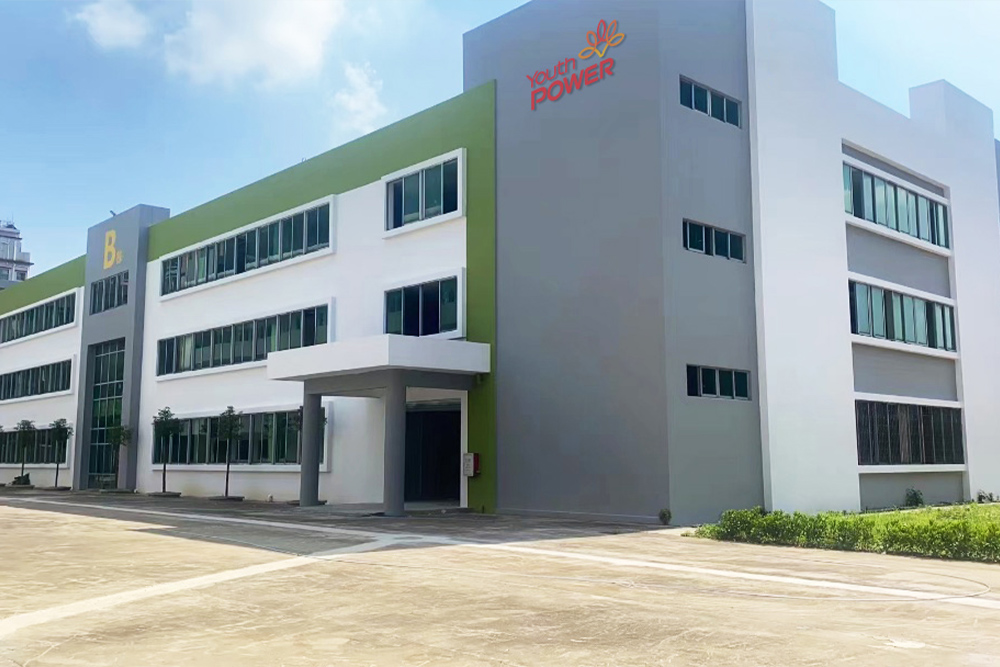
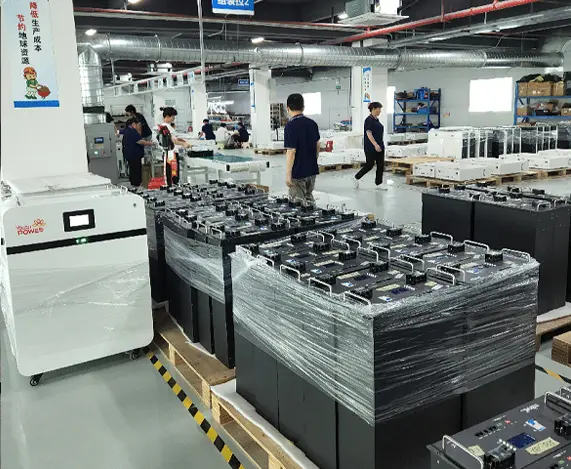
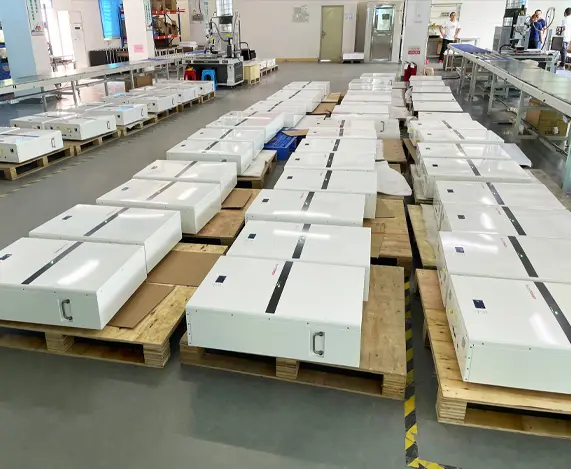
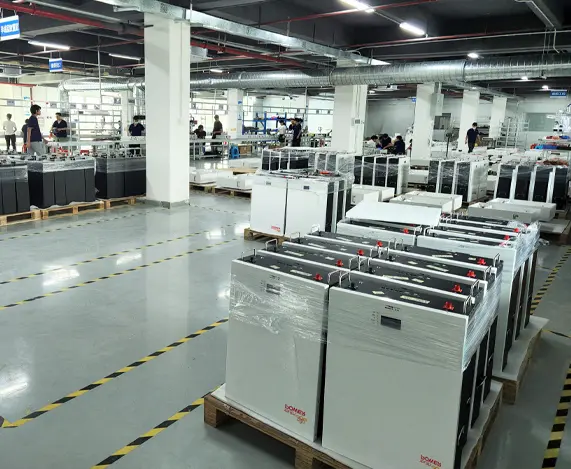
Procuring batteries directly from Chinese manufacturers offers significant advantages in technology implementation and logistics management. Over the past decade, manufacturing facilities have transitioned to full automation under Factory 4.0 standards, ensuring consistent, high-yield cell production.
By integrating smart robotics, clean-room mixing, high-precision automated electrode winding, and computer-assisted cell matching, manufacturers limit variability in batch production. This level of quality control is essential for building robust battery packs; matched cell capacities ensure that no single cell limits the performance of the entire module.
Direct access to raw materials also ensures stable supply and competitive pricing. Close relationships with lithium carbonate suppliers, electrode manufacturers, and electrolyte developers allow Chinese factories to manage supply chain disruptions and offer stable pricing despite market fluctuations.
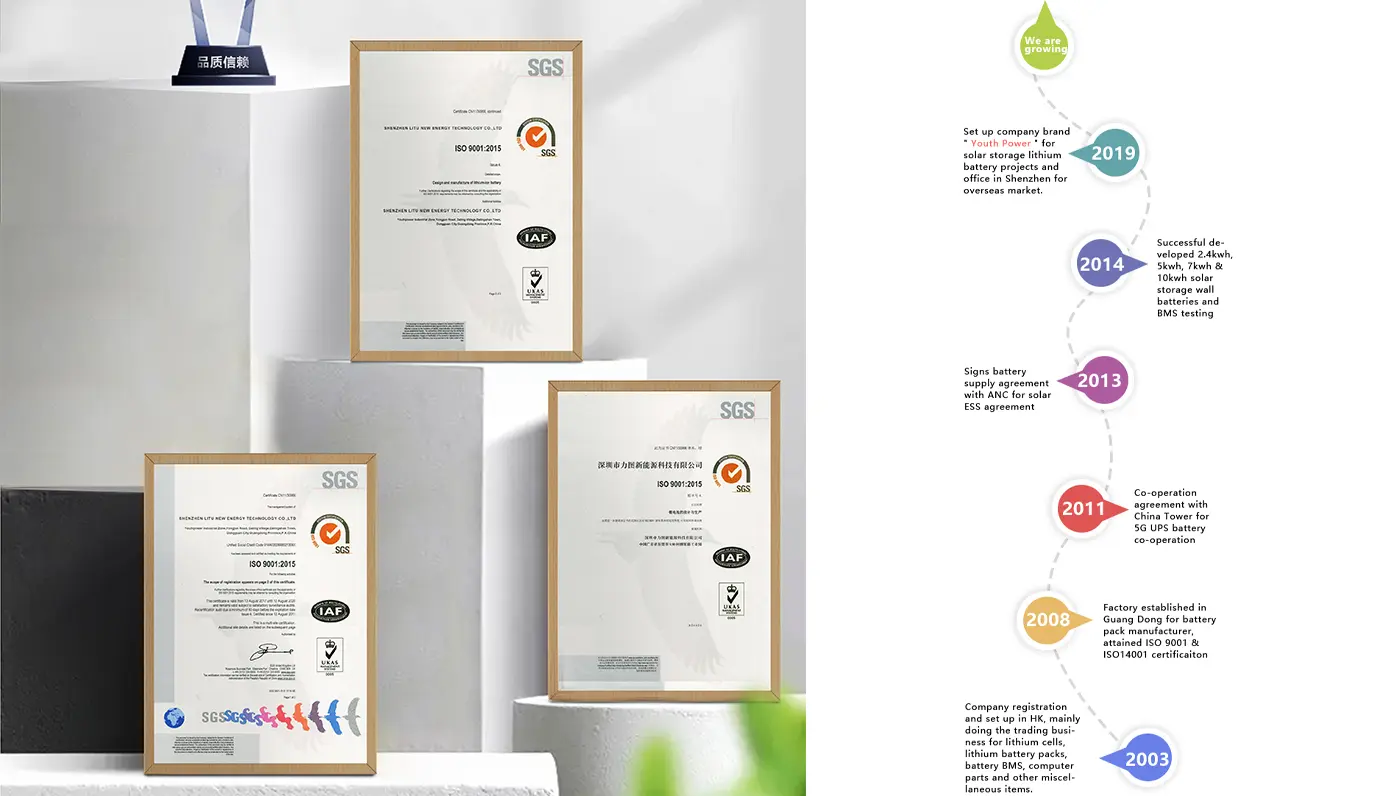
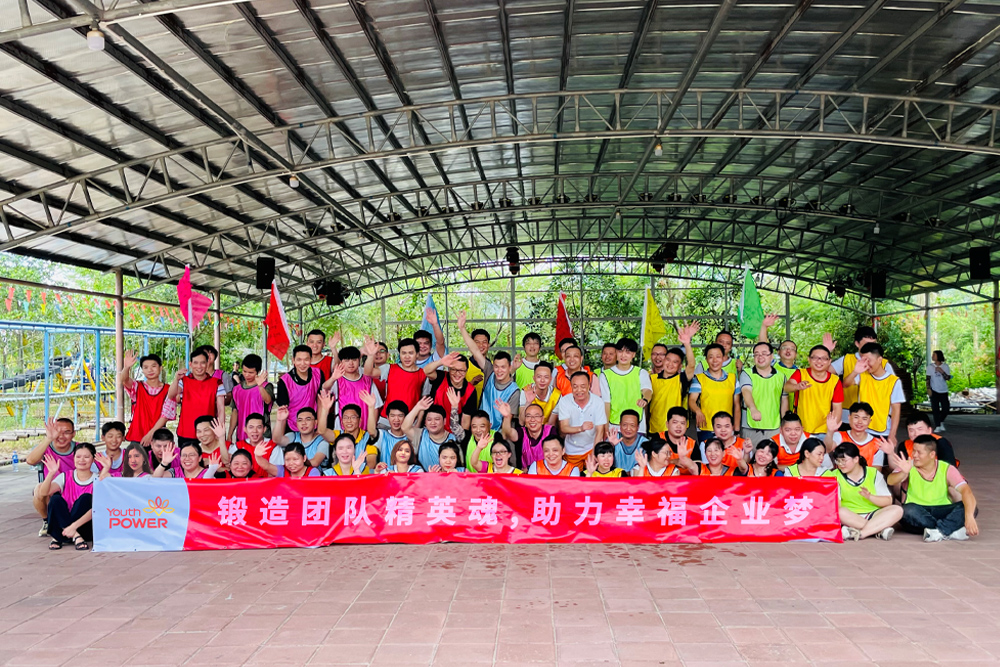
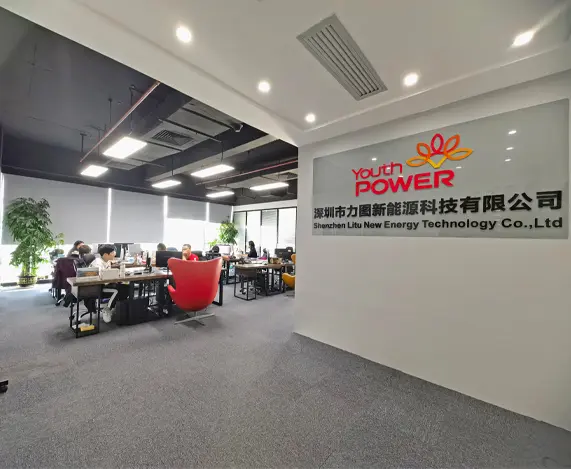
Established as a pioneer in the global battery landscape, YouthPOWER represents twenty years of continuous technological improvement, scaling from a components fabricator to a global manufacturer of smart residential and commercial energy storage solutions.
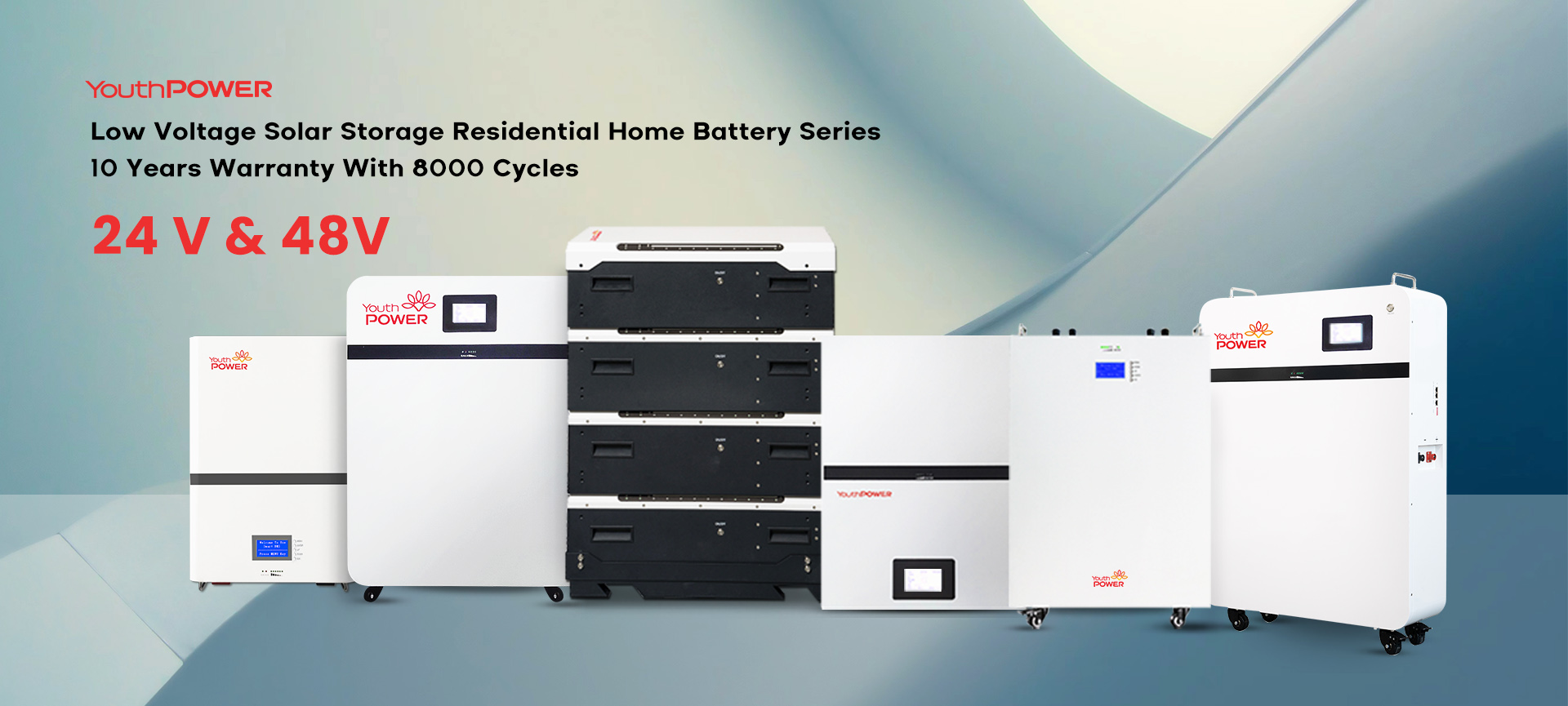
Founded in 2003, YouthPOWER has become one of the leading suppliers of solar storage lithium batteries in the world. With a broad range of energy storage solutions, it covers a series of 24V, 48V, and higher voltage lithium battery systems. YouthPOWER has been engaged in battery technology and production for almost 20 years, bringing abundant manufacturing experience and strong R&D capabilities to the field. Through years of hard work and global market promotion, we launched our proprietary brand "YouthPOWER" in 2019.
Supported by local suppliers of high-grade raw materials, we consistently offer competitive pricing. With nearly two decades of experience in the battery sector, we have the engineering capability to supply both standard systems and tailored solutions to meet specific client needs.
We have established long-term business partnerships with customers worldwide, delivering reliable energy storage systems to over 1,000,000 families globally.
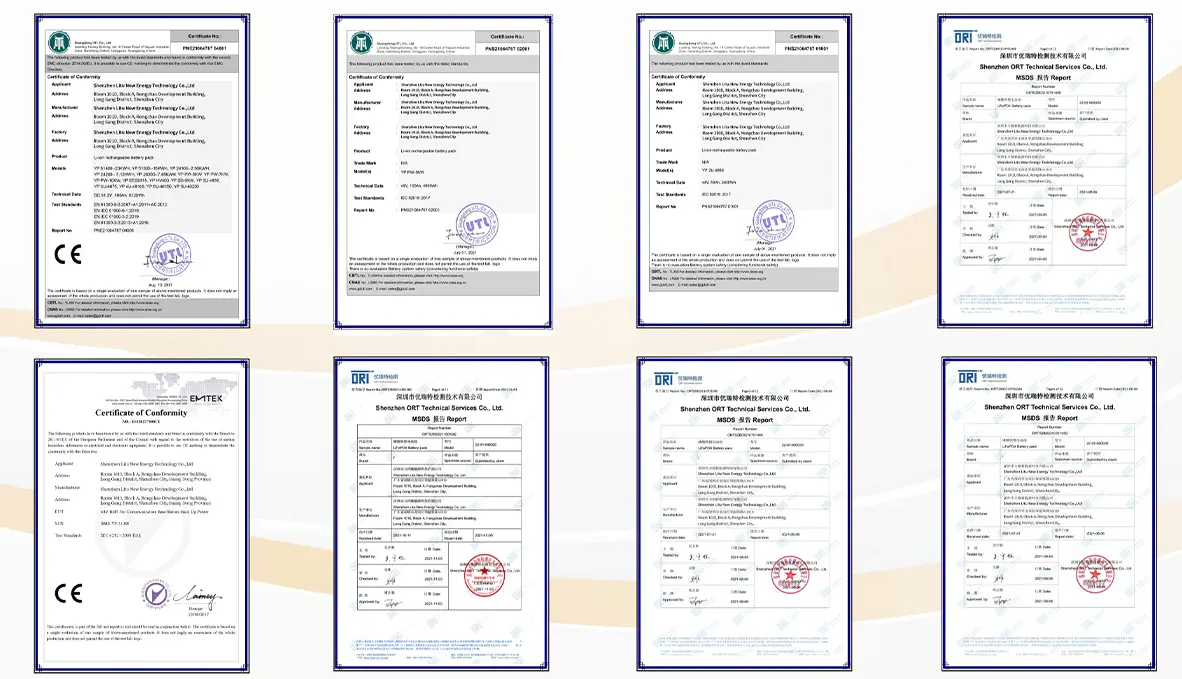
Deploying energy storage equipment in regions like North America, Europe, and Australia requires strict adherence to international safety and performance standards. Compliance certificates are critical for project permitting, grid interconnection approval, and insurance coverage.
Key requirements include UL 1973 (covering battery safety in stationary applications) and UL 9540A (thermal runaway fire propagation testing), which evaluate safety at the cell, module, and system levels.
Additionally, all shipping configurations must meet UN38.3 transport regulations, verifying that cells can safely withstand thermal shock, vibration, impact, and short-circuit conditions during transit. European markets also require CE and IEC 62619 compliance, ensuring our products meet safety standards for industrial energy storage installations.
Navigating wholesale markets for 100Ah LiFePO4 batteries requires an understanding of cost structures. Prices vary based on cell grades (Grade A vs. B), order volumes, raw material index rates (lithium carbonate prices), and customization requirements (BMS integration, casing, and wiring designs).
| System Configuration | Nominal Voltage (V) | Wholesale FOB Price Range (USD) | Optimal Application |
|---|---|---|---|
| 48V 100Ah Standard Module | 51.2 V | $450 - $680 | Telecom backup, Residential wall systems |
| 25.6V 100Ah Deep Cycle | 25.6 V | $240 - $380 | Marine, RV, Off-Grid lighting projects |
| High Voltage BESS Array (Rack) | 358V - 665V | Request Custom Quote | C&I Peak Shaving, Industrial Microgrids |
| Residential Powerwall Rack | 51.2 V (400Ah) | $1,800 - $2,900 | Whole-Home Solar Integration |
When evaluating vendor quotes, procurement managers should confirm cell grading (Grade A cells feature documented capacity and internal resistance logs), cycle life guarantees, BMS protection parameters, and warranty coverage terms.
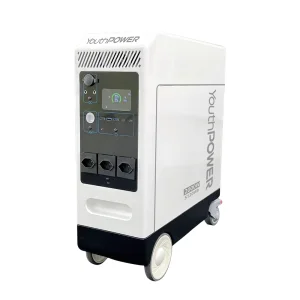
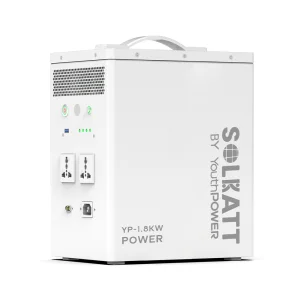
Explore our secondary array of high-voltage sub-modules and portable systems designed for modular solar setups and remote power operations.
 YouthPOWER