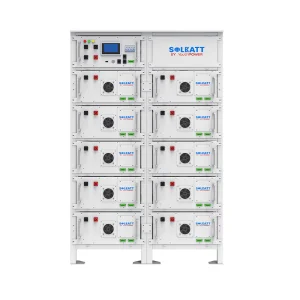
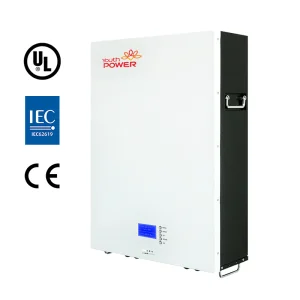
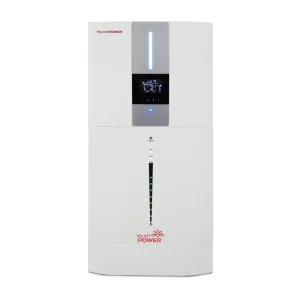
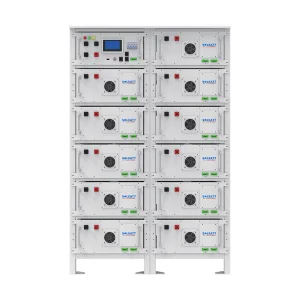
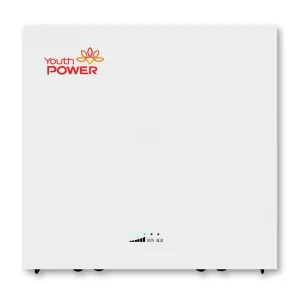
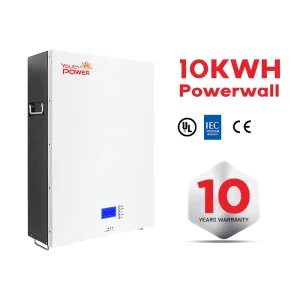
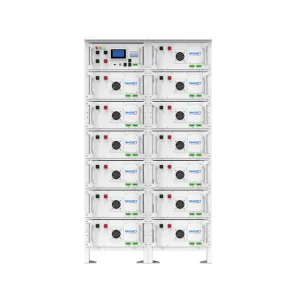
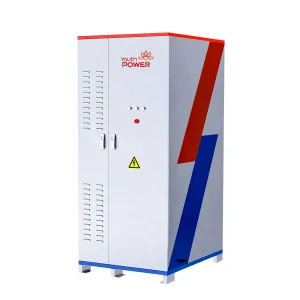
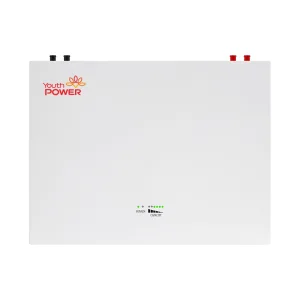
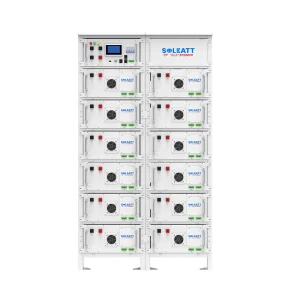
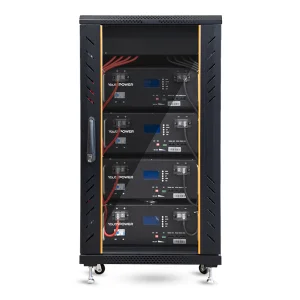
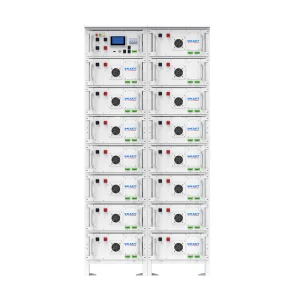
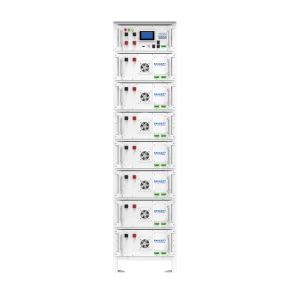
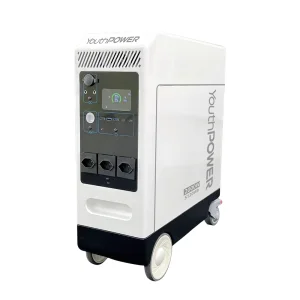
Explore our industrial and residential grade battery packs engineered for seamless integration with 10kW hybrid solar architectures.
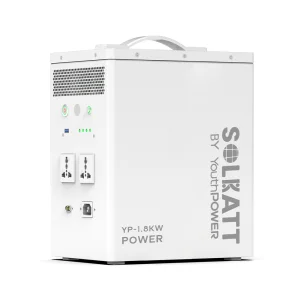
A 10kW solar system is widely recognized as the optimal threshold for medium-to-large residential structures and small commercial offices aiming for substantial energy self-reliance. However, the raw cost is not merely a single number—it is a complex matrix containing solar photovoltaic (PV) modules, smart racking systems, power conversion units (inverters), and increasingly, electrochemical storage (LiFePO4 batteries).
"Adding battery backup storage to a 10kW system switches the equation from simple net-metering to complete dynamic dispatchability, isolating users from grid instability and soaring peak demand tariffs."
Globally, the average gross cost for a 10kW solar system configuration spans from $9,500 to $14,000 USD (Grid-tied, without storage), and escalates to $16,500 to $26,000 USD when coupled with premium high-capacity energy storage systems (such as a 10kWh to 20kWh LiFePO4 lithium battery setup). By working directly with factory-integrated suppliers like YouthPOWER, procurement managers and project developers bypass distributors to extract maximum structural value.
Selecting the correct system topology changes overall lifespan safety profile, throughput efficiency, and balance of system (BOS) pricing.
A 10kW solar system adapts its functional returns based on regional solar irradiance index, grid policy structures, and local utility tariff models.
In the US market, federal incentives like the Residential Clean Energy Credit (ITC) cover up to 30% of the total installation costs of solar and battery storage. With states implementing NEM 3.0 (Net Energy Metering 3.0)—which reduces the value of grid-exported solar energy by approximately 75%—battery storage is no longer optional. Installing a 10kW solar array integrated with a 10kWh LiFePO4 battery pack ensures that generated energy is stored locally and consumed during expensive peak utility hours.
In markets like Germany, Italy, and Spain, electrical tariffs are exceptionally high. The priority shifts to maximizing "Self-Consumption" rates. A 10kW PV array coupled with high-voltage storage solutions reduces dependance on the transmission grid. Additionally, many European regions provide premium rebates for smart virtual power plant (VPP) compatibility, allowing consumers to feed energy back during grid emergencies.
For remote telecommunications base stations, water pumping systems, and high-altitude farms across Latin America, South Africa, and Southeast Asia, a 10kW system replaces high-maintenance diesel generators. The long-term return on investment matches the elimination of fuel transport costs and emissions profiles.
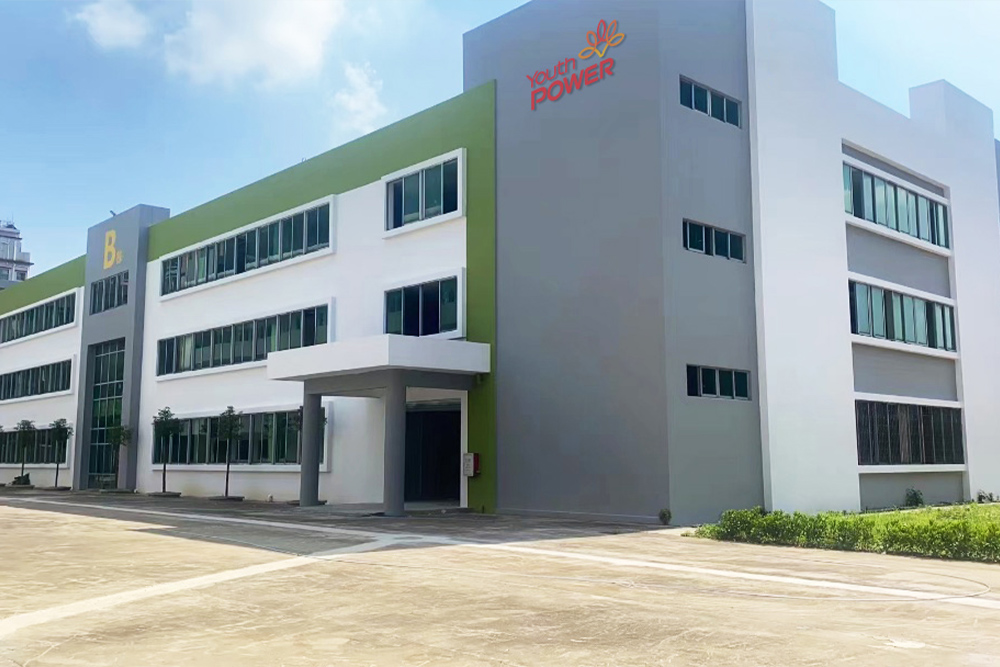
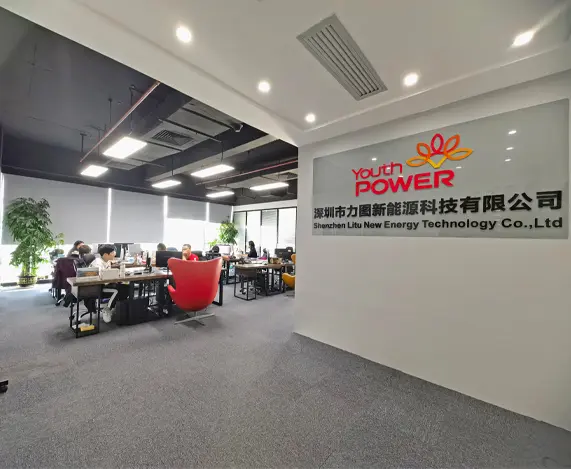
China produces more than 75% of the world's lithium-ion batteries and solar PV components. Leveraging this centralized supply chain provides exceptional efficiency advantages. YouthPOWER, founded in 2003, sits at the heart of this manufacturing ecosystem. With nearly 20 years of dedicated technological development and battery cell integration, YouthPOWER offers direct factory solutions that bypass intermediate supply tiers.
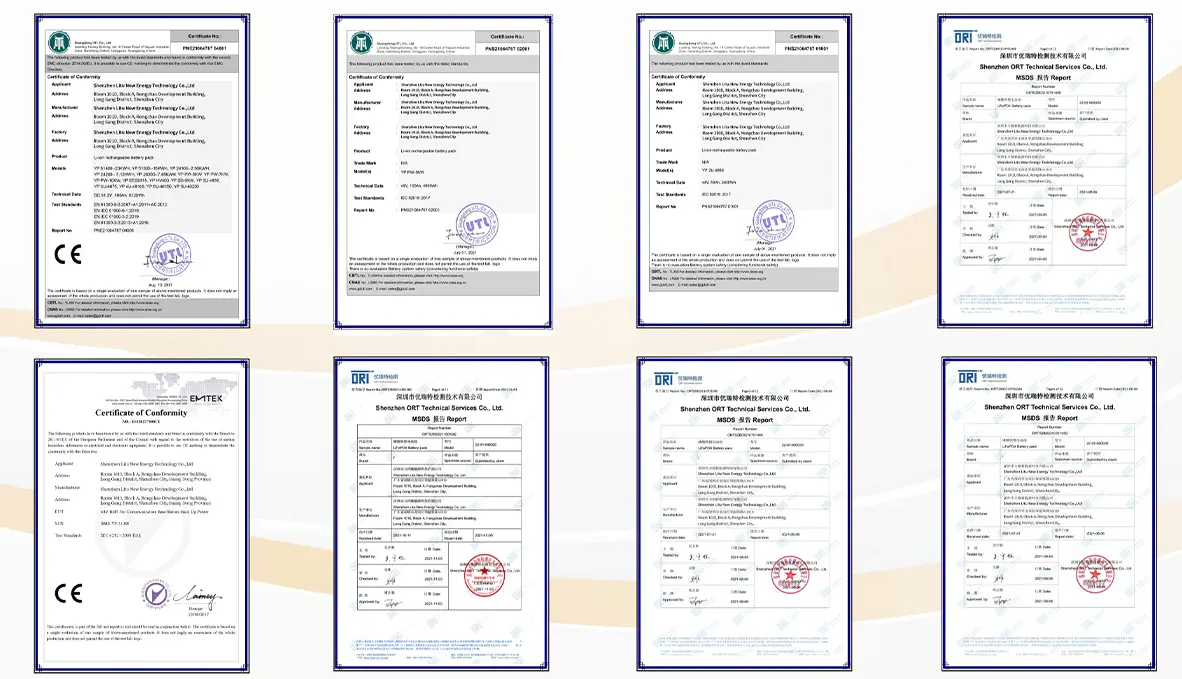
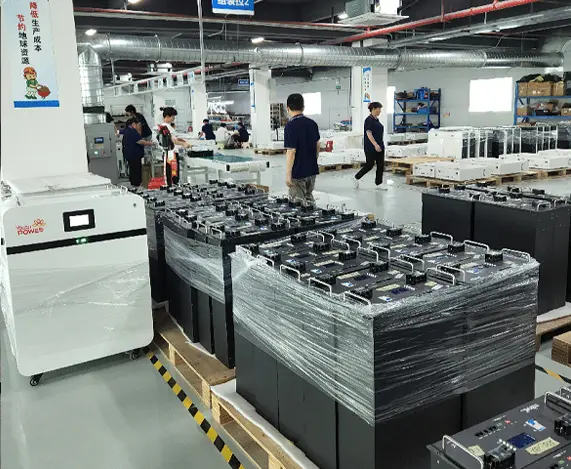
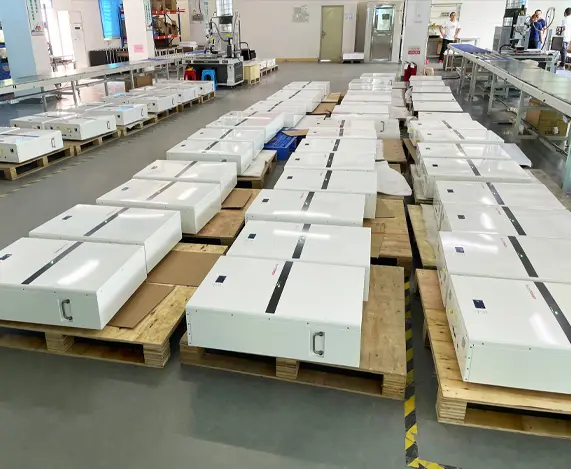
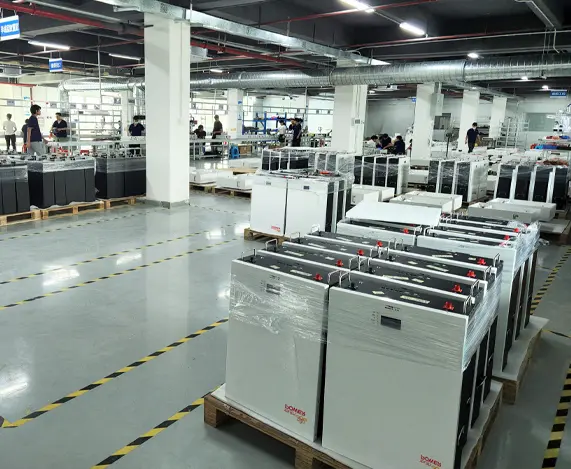
Unlike standard assembly shops, our R&D vertical integration manages battery management systems (BMS) programming, cell matching, thermal runaway simulations, and mechanical casing engineering in-house. Supported by our secure local raw material vendors, we offer high-grade, tier-1 LiFePO4 battery packs at lower costs than competitors, securing system ROI metrics.
View Technical Product Catalog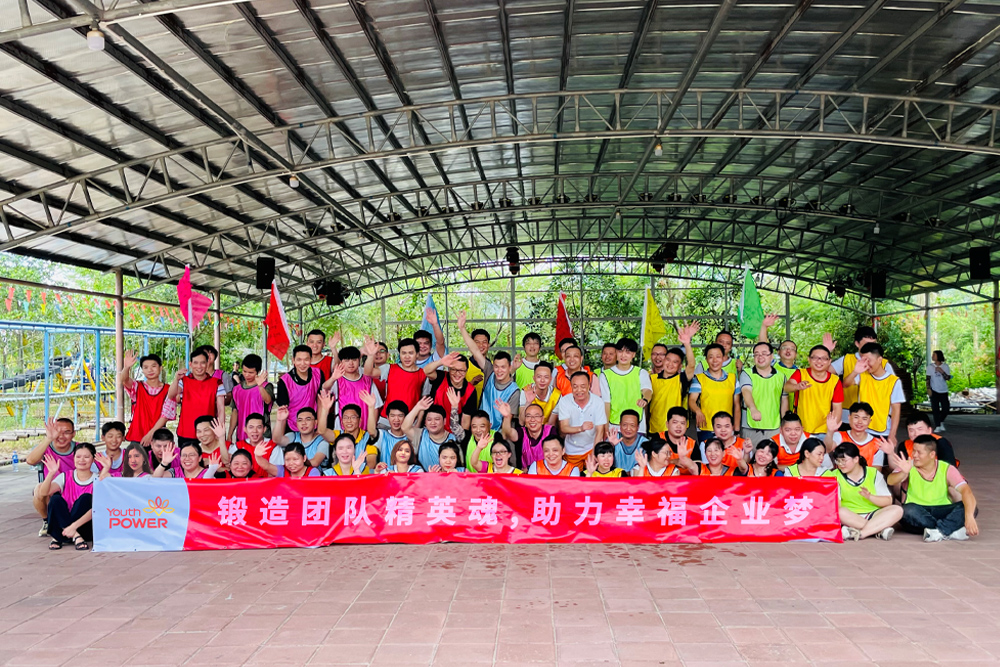
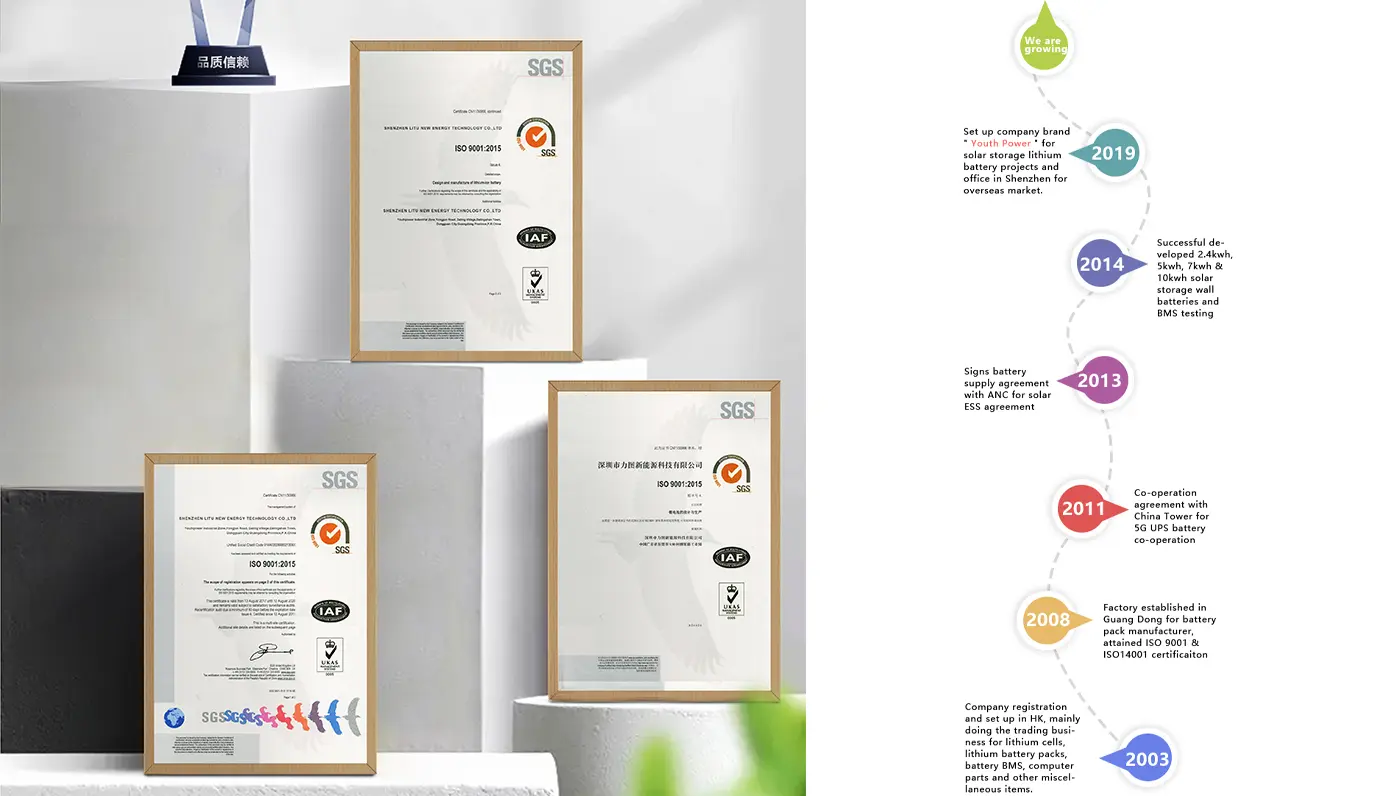
Over two decades of battery cell engineering, technological optimization, and global deployment scale.
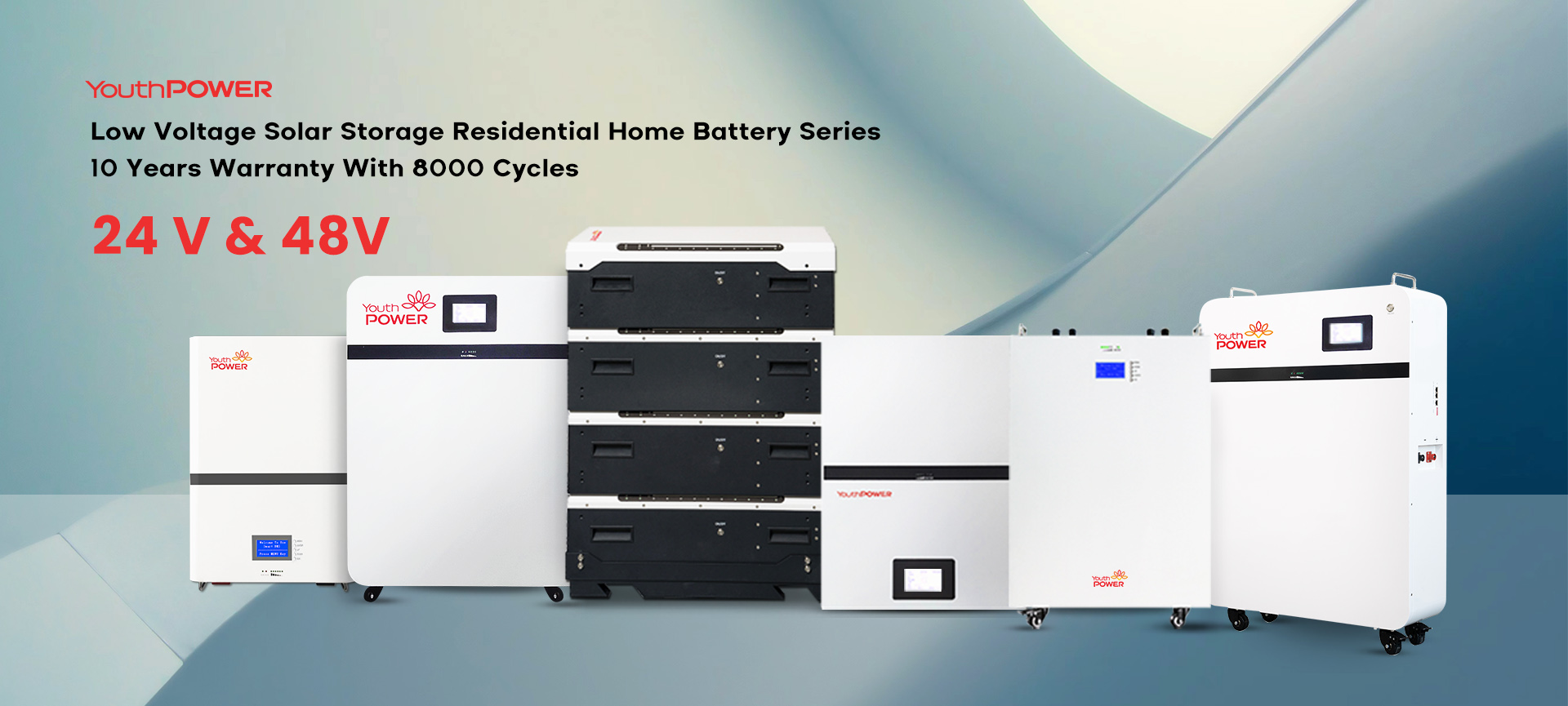
Founded in 2003, YouthPOWER has now become one of the leading suppliers of solar storage lithium batteries in the world. With a broad range of energy storage solutions, it covers a series of 24V, 48V and higher voltage lithium batteries solutions.
YouthPOWER has engaged in the battery technology and production for almost 20 years, with abundant manufacturing experience and strong new product R&D capability. Through many years of hard work and market promotion, we have created our own brand "YouthPOWER" in 2019.
With nearly 20 years’ experience in the battery industry, we have the capability to provide you with both the products you need and the most suitable products you want. We are always ready to supply the first-class products and meet the various needs of the customers.
We have established good business relationships with our customers from all over the world. And we have a good cooperation with all our customers as well for many years running. Supported by our local vendors of raw materials, we can certainly offer you the best prices.
We are so proud that YouthPOWER has offered the reliable solar storage solution for over 1,000,000 families now in the world.
A closer look at our automatic matching sorting systems, laser welding setups, and cell verification chambers.
Crucial information regarding technical capabilities, investment metrics, and integration logistics.
Continue reviewing our commercial and industrial-grade high-voltage battery designs tailored for diverse solar topologies.
 YouthPOWER