Globally, centralized grid systems face unprecedented stress from extreme weather. A 10kW hybrid setup acts as a localized microgrid, offering dynamic load shifting to bypass high Time-of-Use (TOU) tariffs.
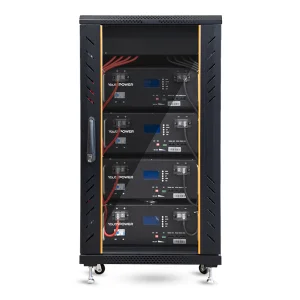
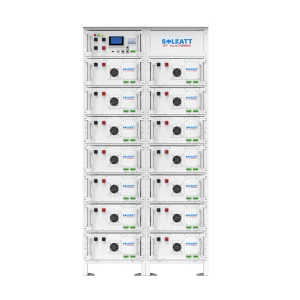
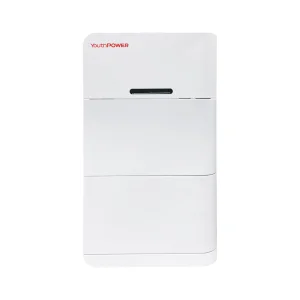
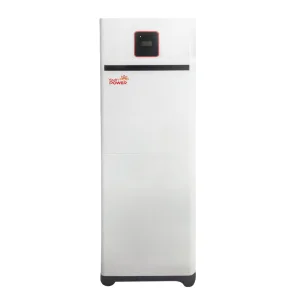
The industry is transitioning from standard 48V low-voltage architectures to stackable High-Voltage (HV) setups. HV systems minimize conversion losses, reducing cable thickness and system deployment costs.
Levelized Cost of Storage (LCOS) is the primary metric for modern procurement. Long cycle-life LiFePO4 cells with smart thermal management ensure minimum degradation over a 15-year operational envelope.
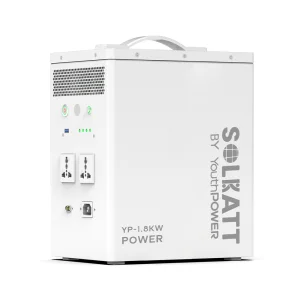
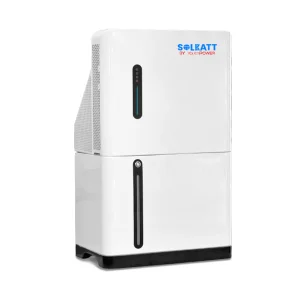
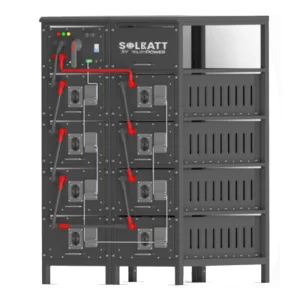
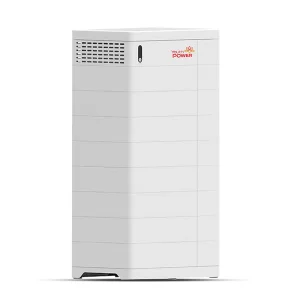
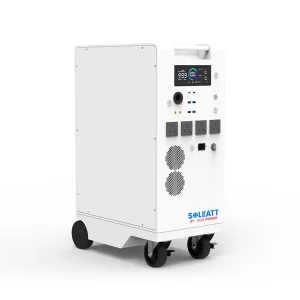
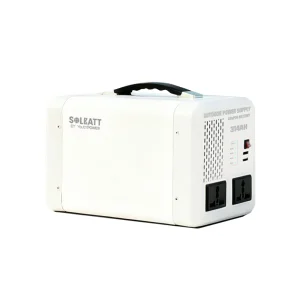
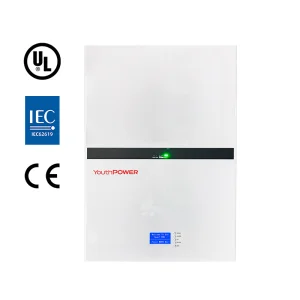
A true commercial-grade 10kW solar system with battery backup requires seamless integration between the solar array, the hybrid inverter, and the LiFePO4 battery pack. Modern B2B buyers no longer look at these as disparate components but as unified systems engineered to operate under high-stress conditions.
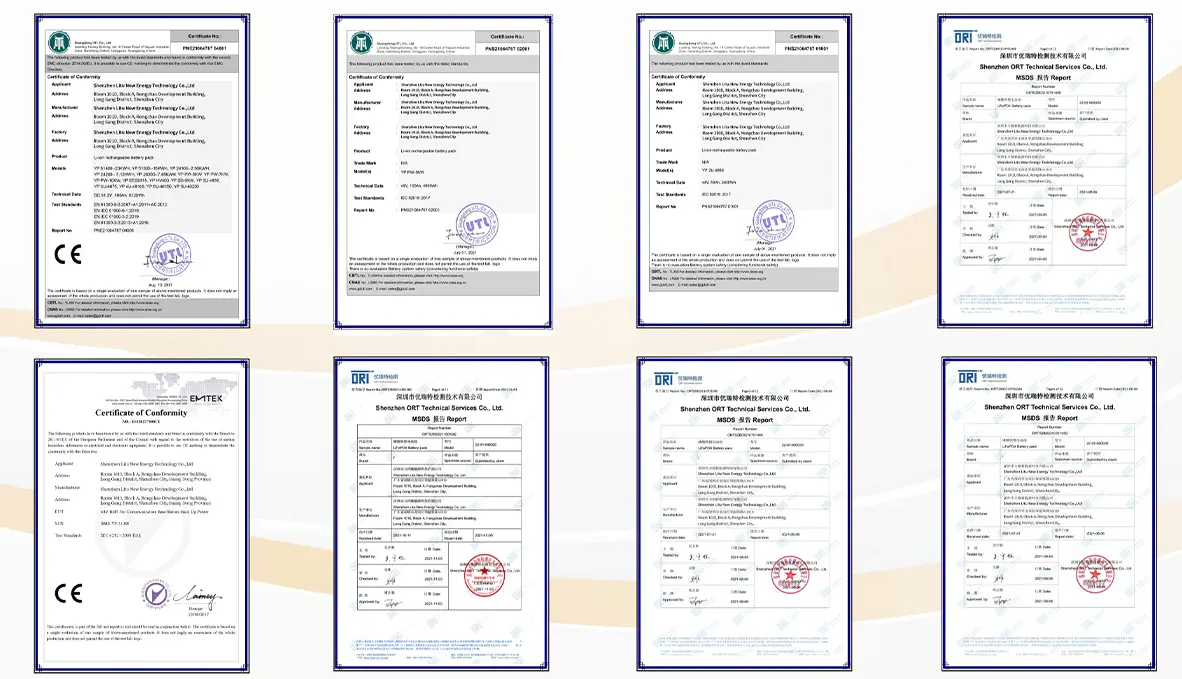
From compliance under safety standards like UL 9540A to achieving high round-trip efficiency (RTE) above 95%, manufacturers must control the entire production and assembly ecosystem to deliver predictable performance.
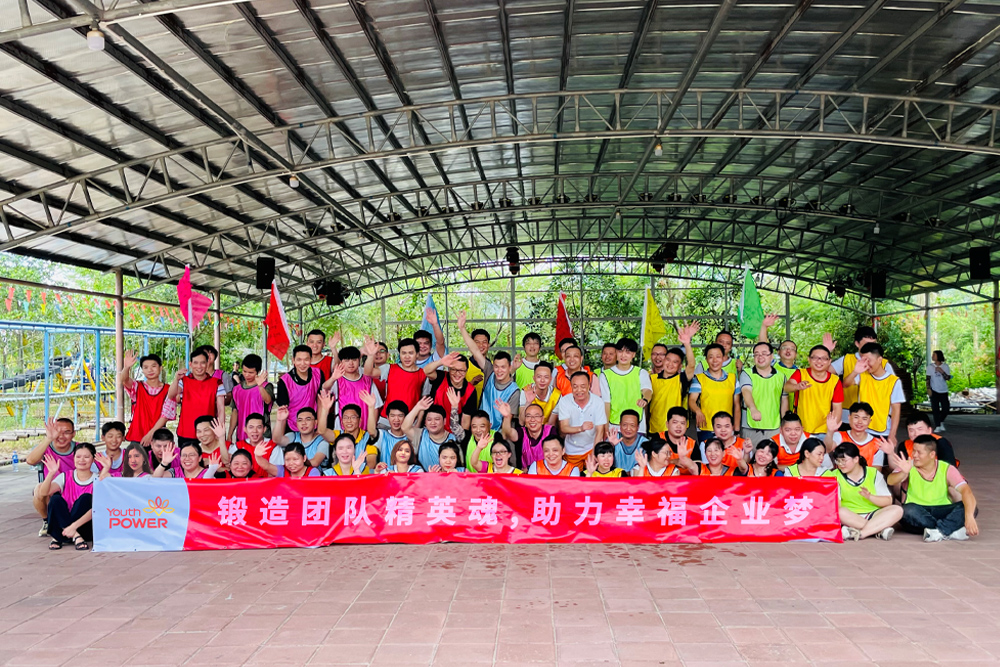
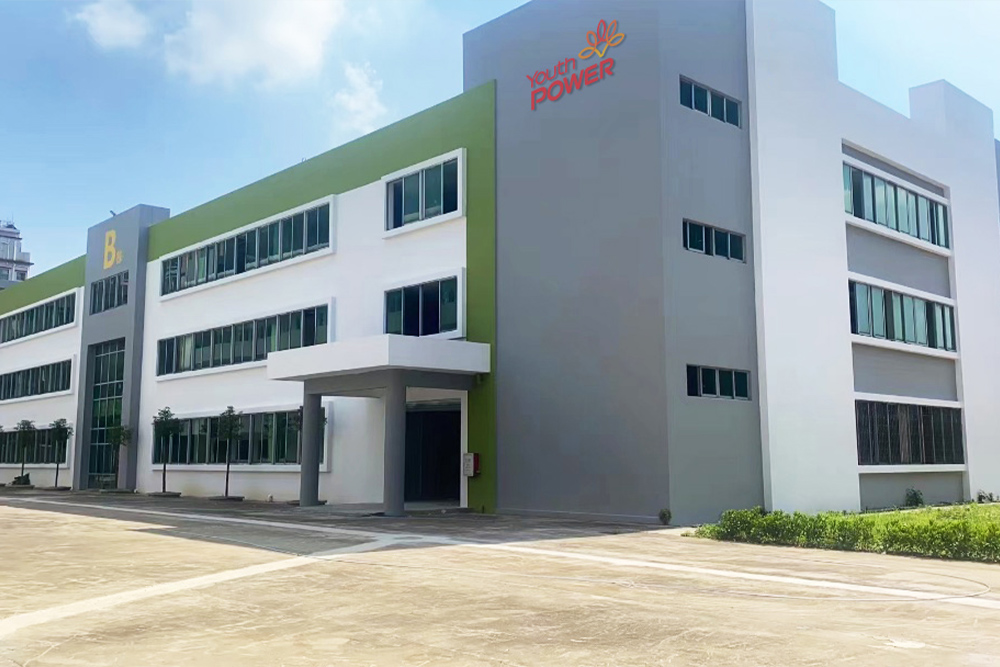
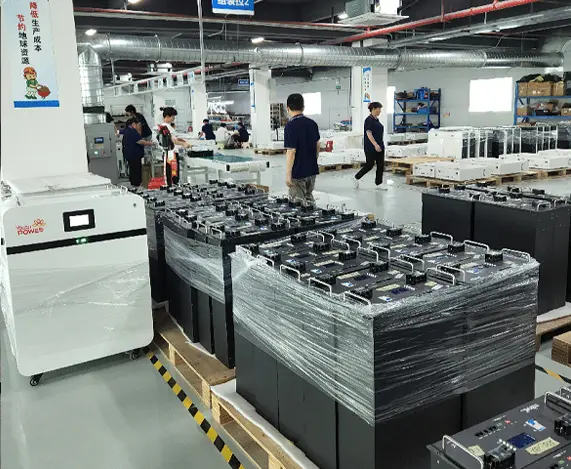
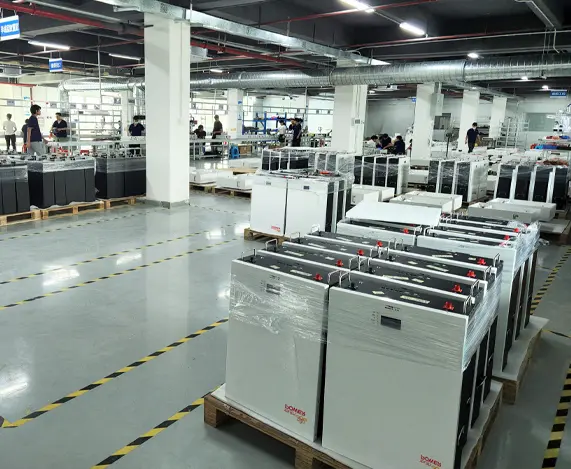
Modern battery production requires extreme precision. Leading Chinese manufacturing plants utilize automated Factory 4.0 layouts featuring laser welding, high-accuracy sorting systems, and automated testing rigs (ATE).
By vertically integrating cell manufacturing, BMS development, and complete cabinet assembly under one roof, Tier-1 factories dramatically reduce quality drift while optimizing manufacturing cycles to remain cost-competitive.
Global distributors benefit from a reliable, traceable supply chain where every single battery cell has its internal resistance, voltage deviation, and cycle parameters logged and matched before assembly.
Recent shifts in geopolitical logistics make supply chain resilience critical for energy projects. Access to raw materials like battery-grade lithium iron phosphate (LiFePO4) directly affects delivery times and cost stability. Established Chinese manufacturers maintain deep partnerships with key mineral refiners, insulating customers from sudden market spikes and guaranteeing consistent production schedules.
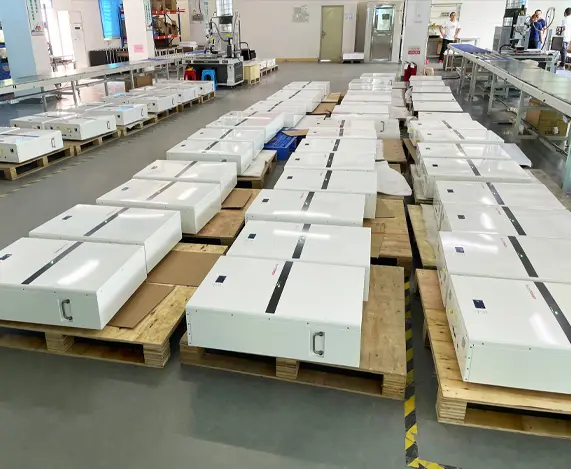
Our automated testing and aging procedures verify that each system is ready for instant onsite commissioning upon arrival, lowering labor costs and commissioning failures for EPC contractors worldwide.
Years Battery R&D Experience
Families Powered Globally
YouthPOWER Brand Founded
Automated Cell Grading & Testing
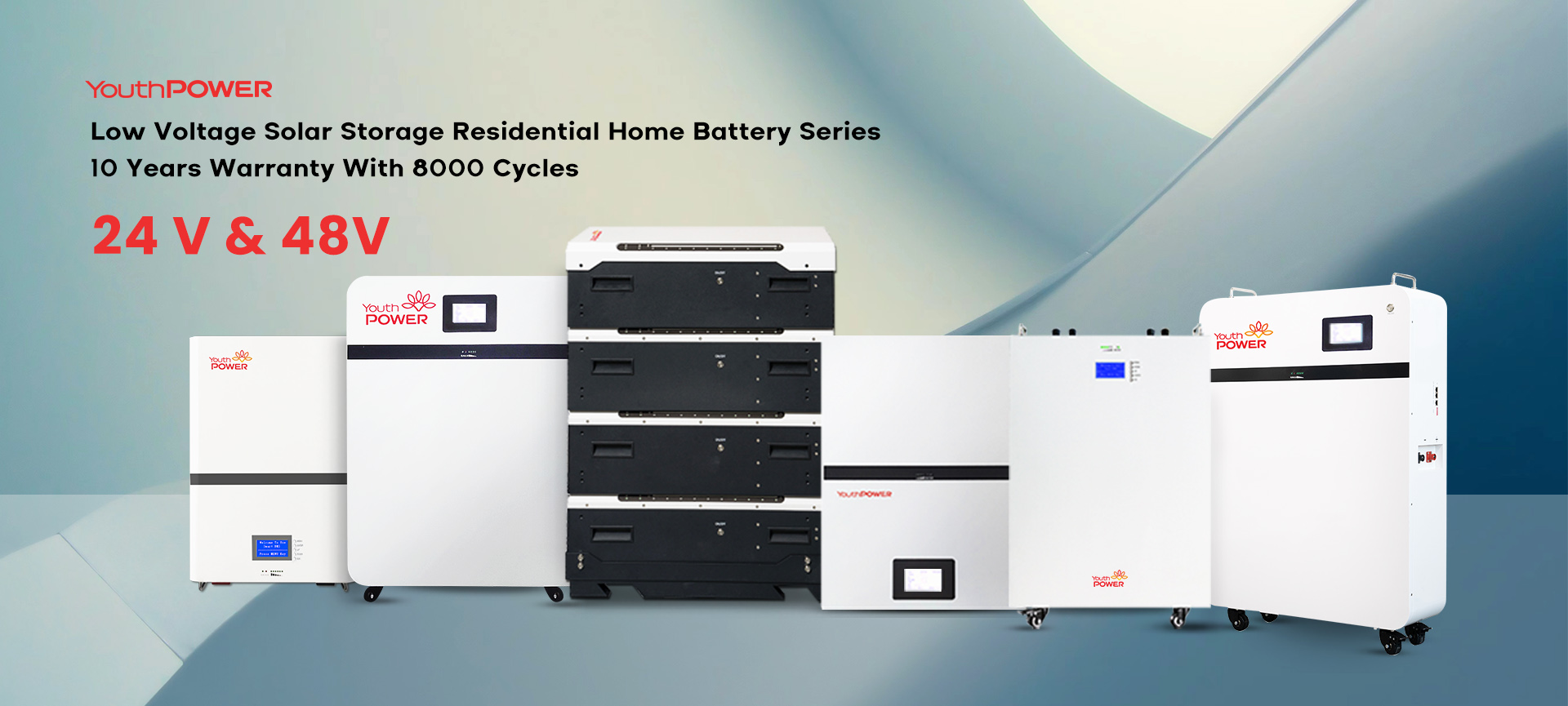
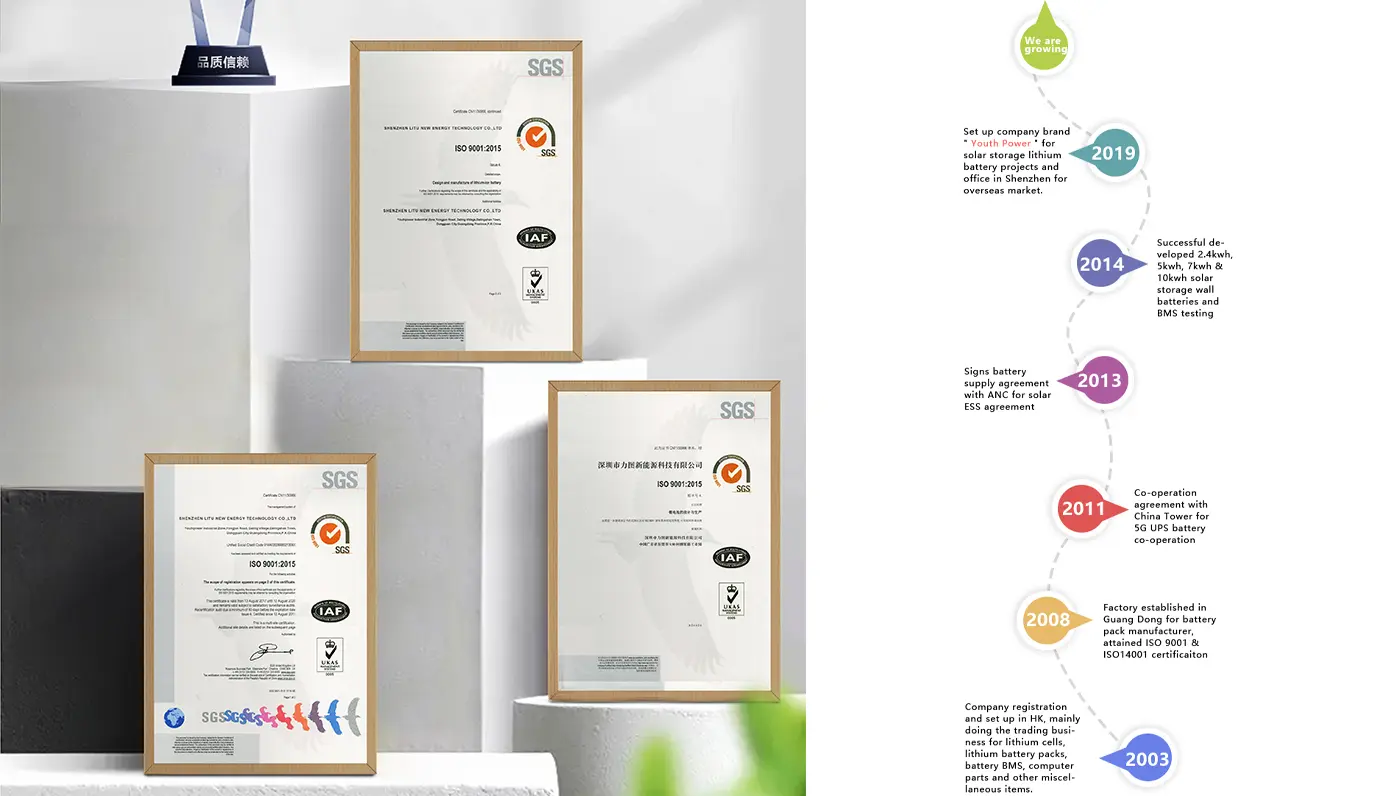
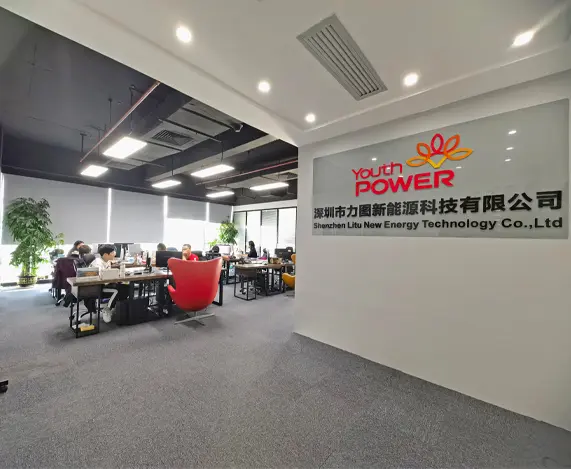
Founded in 2003, YouthPOWER has now become one of the leading suppliers of solar storage lithium batteries in the world. With a broad range of energy storage solutions, it covers a series of 24V, 48V and higher voltage lithium batteries solutions.
YouthPOWER has engaged in the battery technology and production for almost 20 years, with abundant manufacturing experience and strong new product R & D capability. Through many years of hard work and market promotion, we have created our own brand "YouthPOWER" in 2019.
With nearly 20 years’ experience in the battery industry, we have the capability to provide you with both the products you need and the most suitable products you want. We are always ready to supply the first-class products and meet the various needs of the customers.
We have established good business relationships with our customers from all over the world. And we have a good cooperation with all our customers as well for many years running. Supported by our local vendors of raw materials, we can certainly offer you the best prices. We are so proud that YouthPOWER has offered the reliable solar storage solution for over 1,000,000 families now in the world.
Scenario: Suburban villas and off-grid homesteads in North America and Australia.
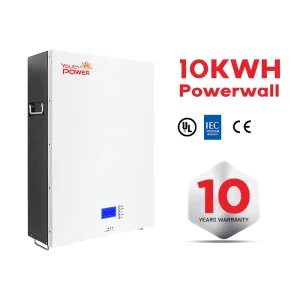
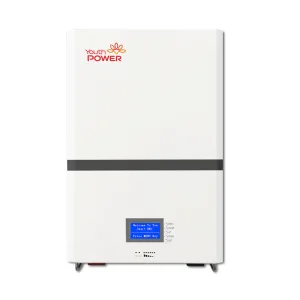
A 10kW system combined with 10kWh to 20kWh stackable batteries provides complete backup during wildfire season. The system shifts power from peak solar production hours to nighttime heating and cooling cycles, lowering grid reliance to near zero.
Scenario: Medical practices, regional warehouses, and micro-fulfillment centers in Europe.
Minimizes operational disruptions during brownouts. Ensures continuous operation of climate control and refrigeration equipment, preventing inventory damage and protecting essential communications gear.
Scenario: Irrigation systems, automated greenhouses, and poultry farms.
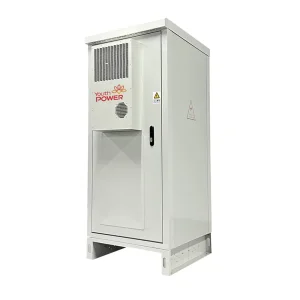
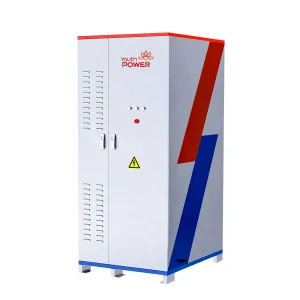
Combines localized solar generation with high-voltage battery storage cabinets to power critical automated feeding systems and pump stations, insulating farmers from remote grid distribution charges.
 YouthPOWER