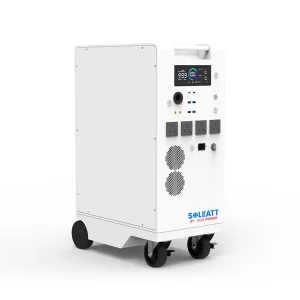
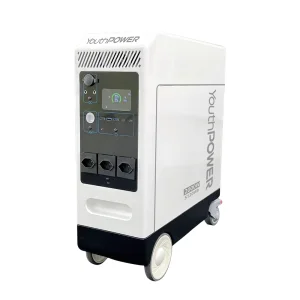
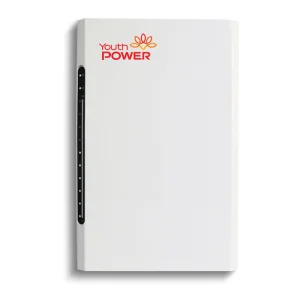
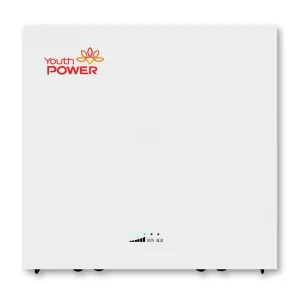
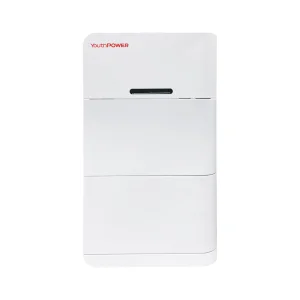
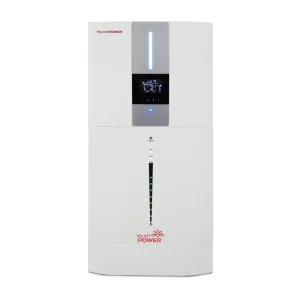
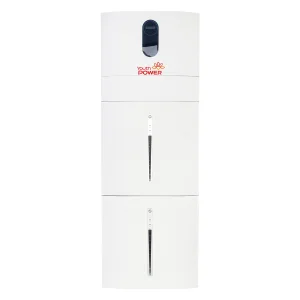
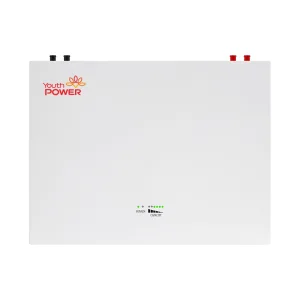
15 kWh Lithium Ion Battery Procurement Center

Your Authoritative Guide to Partnering with Leading Global Manufacturers, Integrating Smart Energy Solutions, and Driving High-Voltage Reliability.

Who We Are

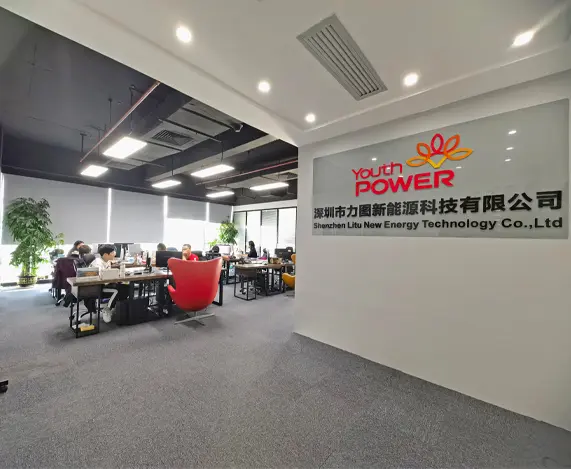
YouthPOWER Corporate Profile

Global Leadership in Solar Storage

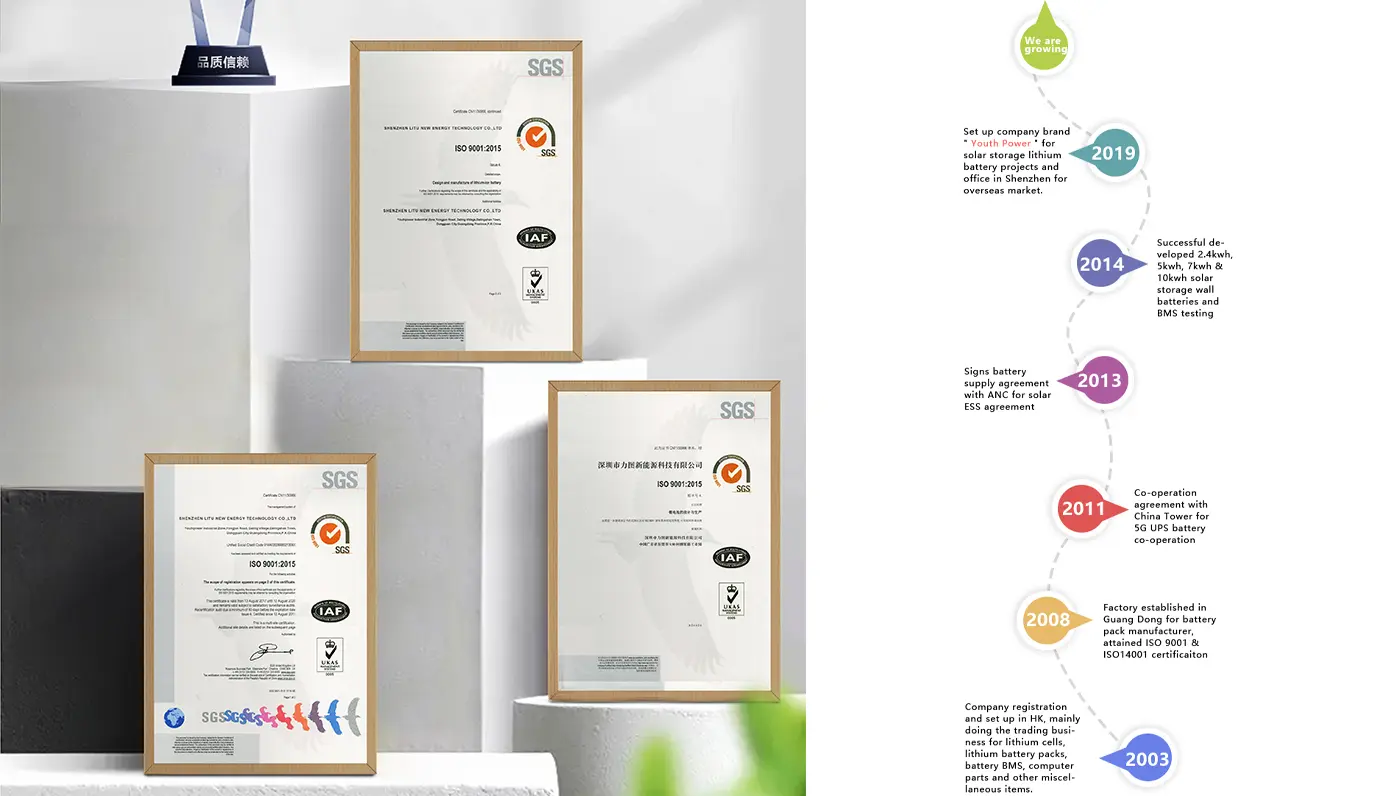
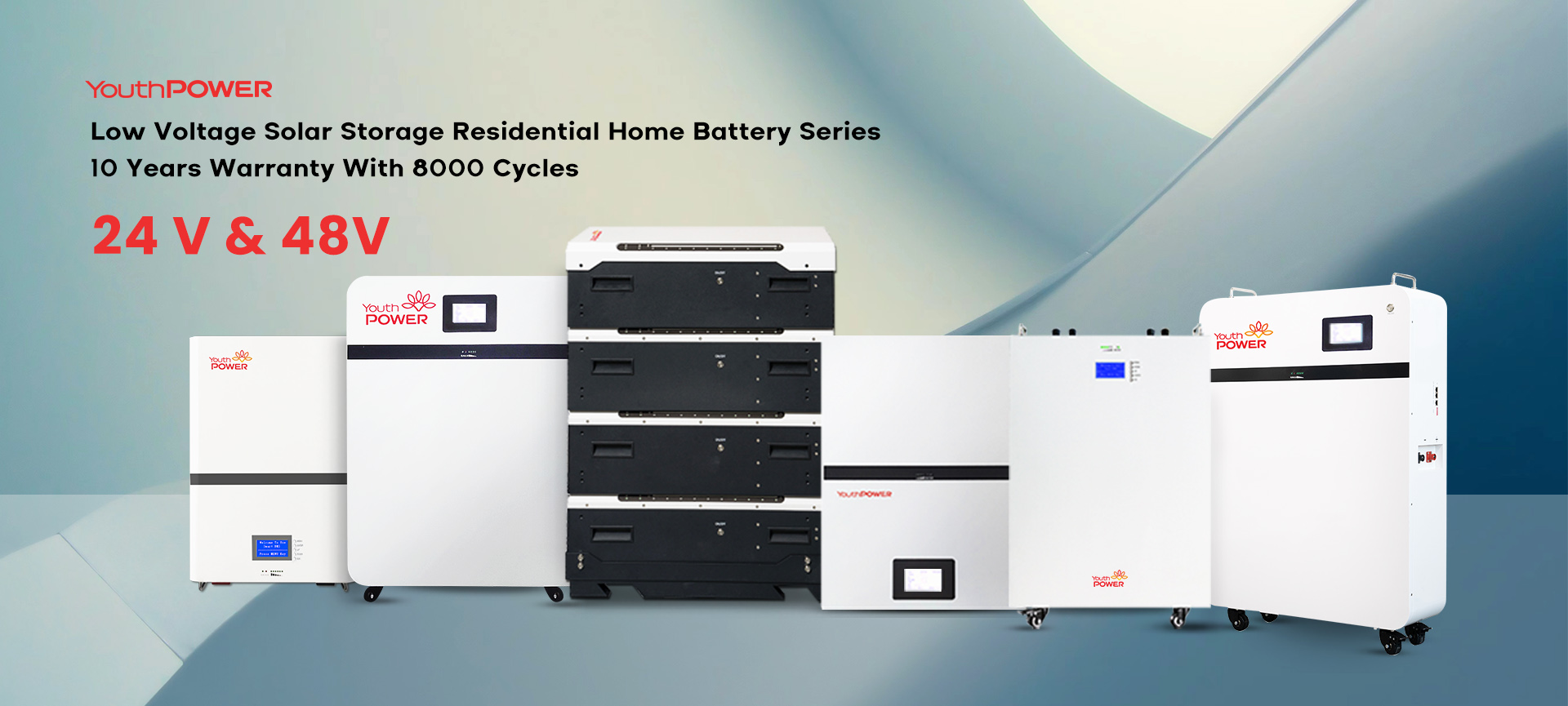
Founded in 2003, YouthPOWER has now become one of the leading suppliers of solar storage lithium batteries in the world. With a broad range of energy storage solutions, it covers a series of 24V, 48V and higher voltage lithium batteries solutions.

YouthPOWER has engaged in the battery technology and production for almost 20 years, with abundant manufacturing experience and strong new product R&D capability. Through many years of hard work and market promotion, we have created our own brand "YouthPOWER" in 2019.

20 Years Industry Experience

Developing robust, efficient, and long-lasting storage batteries since 2003.

1,000,000+ Homes Empowered

We are proud that YouthPOWER has offered reliable solar storage solutions for over 1,000,000 families globally.

Strategic Vendor Synergy

Supported by our local raw material vendors, we offer high-grade, competitively priced solutions.
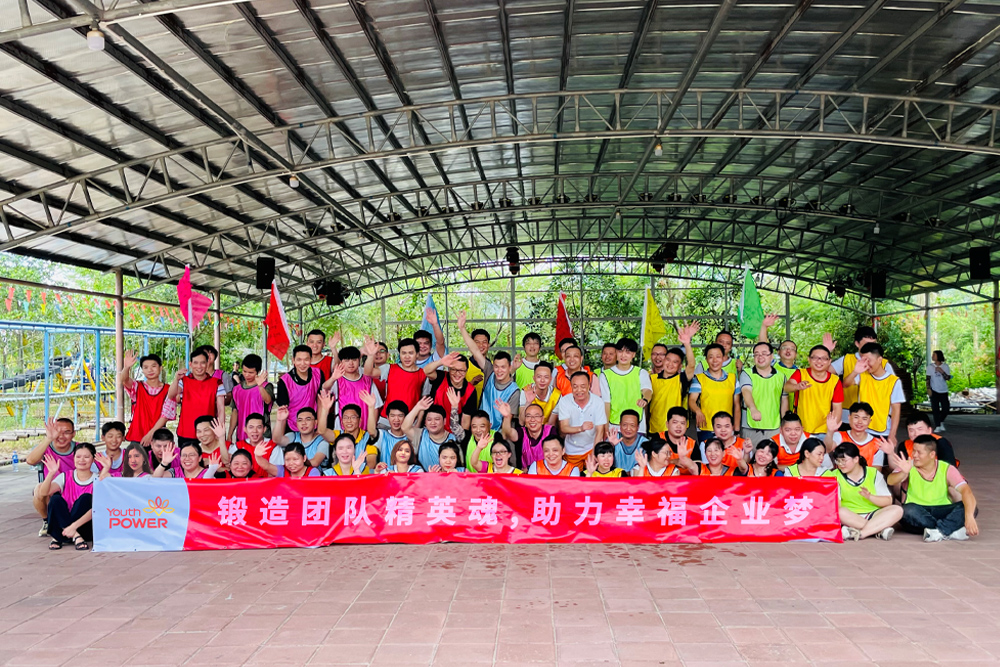
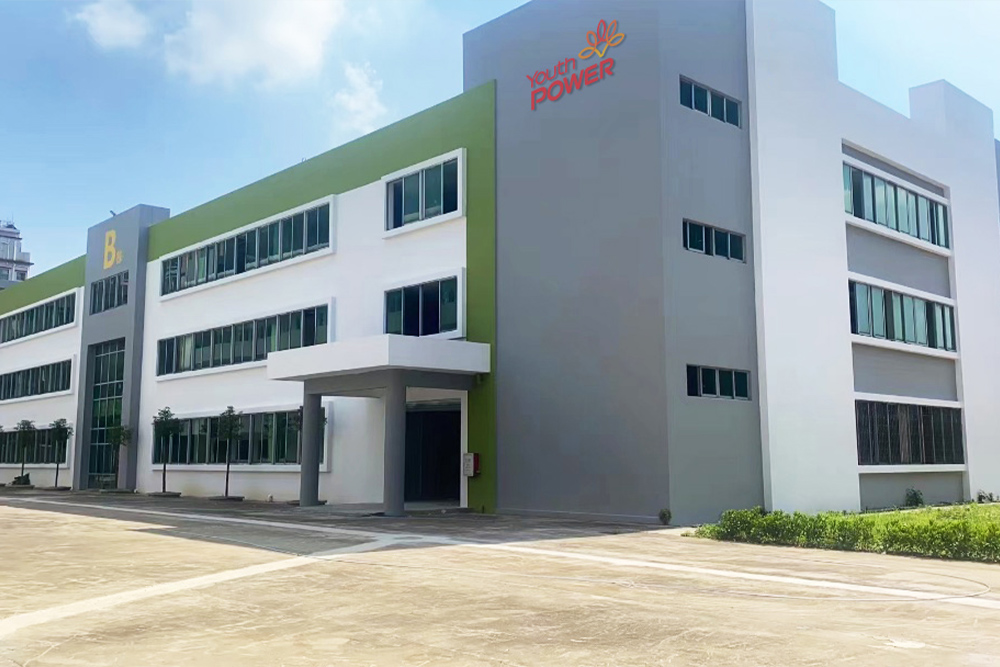
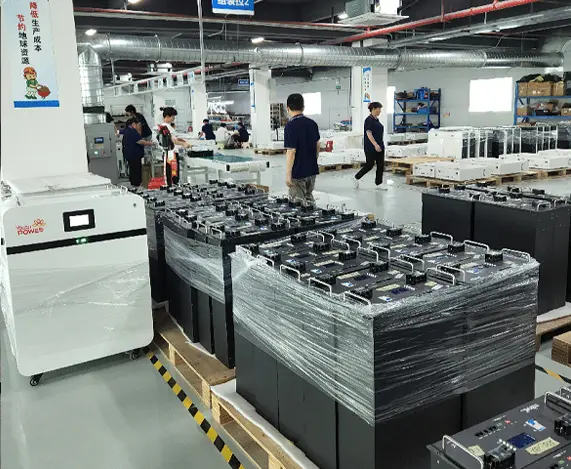
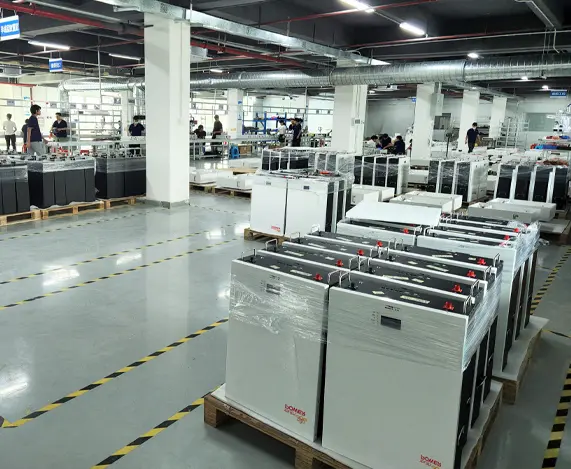
YouthPOWER Factory Processing
Advanced Equipment R&D

"With nearly 20 years’ experience in the battery industry, we have the capability to provide you with both the products you need and the most suitable products you want. We are always ready to supply first-class products and meet the various needs of our customers."

2003
Established
1M+
Families Served
20+ Yr
R&D Expertise
Global
Distribution Network
Technical Insights

Understanding the 15 kWh Lithium Ion Battery System

An optimized 15 kWh lithium-ion battery system serves as the foundational pillar for medium-to-large scale residential backup systems and light commercial energy management. When choosing companies to supply these setups, understanding the underlying chemistry, architecture, and system integration is key to achieving optimal return on investment.

Optimal Capacity Architecture

A 15 kWh configuration delivers consistent 300V-512V high voltage or 48V low voltage setups. This capacity profile allows standard households to run critical loads, heavy HVAC operations, and electric vehicle chargers concurrently during grid anomalies.

LiFePO4 Chemistry Superiority

Utilizing Lithium Iron Phosphate (LiFePO4) ensures exceptional structural stability, non-combustible profiles under stress, and an operational lifespan exceeding 6,000 cycles at 80% Depth of Discharge (DoD), drastically minimizing unit replacement frequency.

Advanced BMS & Protocol Integration

Equipped with smart microprocessors, our BMS continuously monitors cell voltages, thermal deviations, and SOC parameters. Integration with CAN, RS-485, and RS-232 ensures plug-and-play alignment with major global hybrid inverters.

Manufacturing Depth

Why Source 15 kWh Batteries from Advanced Chinese Factories?

China stands at the absolute center of the global lithium-ion supply chain. When sourcing a 15 kWh lithium-ion battery company, choosing an experienced manufacturer based in China offers significant technical and commercial advantages:
  • Unmatched Supply Chain Density: Proximity to major lithium refining complexes and structural element providers allows factories to reduce raw material transit overhead.
  • Raw Material Partnerships: Long-term volume agreements with local raw material vendors secure high-grade cathode materials, separators, and high-conductivity copper foils at stable prices, insulating partners from market volatility.
  • Automated Cell-Matching Precision: Precision machinery grades cells by internal resistance and voltage deviation, preventing hot-spots and unbalanced capacity drift inside the module packs.
  • Rigorous Environmental Stress Testing: Modules undergo dynamic vibration profiles, high-humidity salt spray trials, and thermal shock evaluations to qualify for harsh conditions globally.
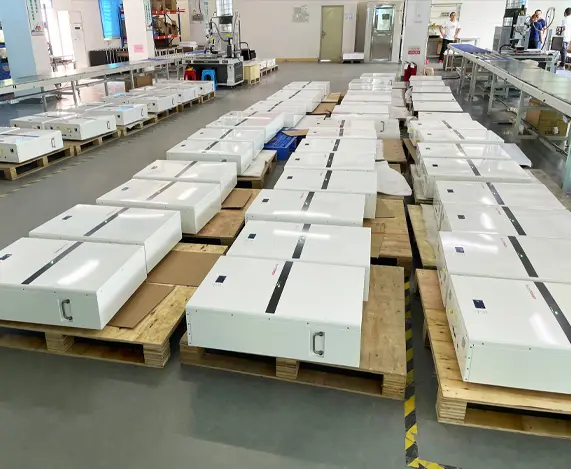
Production Facility Quality Checks
Timeline

The Road We Traveled

YouthPOWER Operational Evolution
R&D Testing Lab

Establishing relationships built on performance and accountability has been our mission from day one. Over the past two decades, YouthPOWER has refined its product architecture by tracking the evolution of chemistry and hardware design.

Beginning with basic nickel-based developments and transitioning to advanced high-density LiFePO4 cells, we have aligned our design with global grid infrastructure requirements. In 2019, our brand presence solidified globally, helping us provide custom designs to support microgrids, residential installations, and industrial backup systems alike.

Market Vectors & Macro Solutions

Industry Trends Shaping the 15 kWh Energy Sector

High-Voltage Modular Evolution

Systems are increasingly migrating from 48V low voltage to stacked high-voltage configurations. These high-voltage systems (ranging from 200V to 600V) lower line current requirements, reducing heat dissipation, and boosting overall system efficiency by up to 4% during high-power discharges.

All-in-One (AIO) Systems

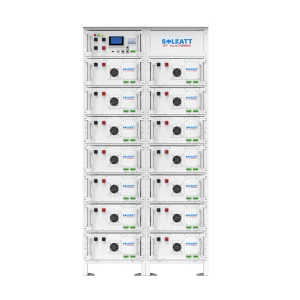
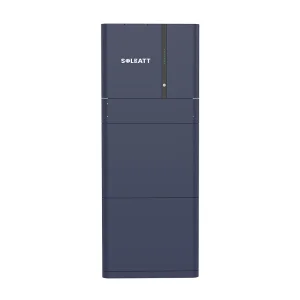
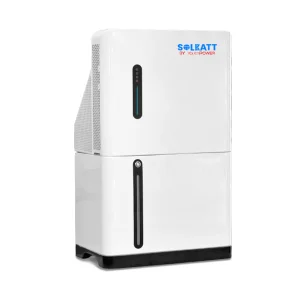
Sourcing managers now favor integrated architectures where the inverter, BMS, and battery modules are contained within a single chassis. This simplifies installation, minimizes onsite wiring, and ensures component compatibility right out of the box.

Time-of-Use & Smart Integration

Modern 15 kWh systems employ intelligent algorithms that schedule charging during low-tariff off-peak hours and discharge during peak demand cycles. This optimizes local energy consumption and supports virtual power plant (VPP) integration.

Production Process Stage 1
Production Process Stage 2
Production Process Stage 3
Production Process Stage 4
Deployment Scenarios

Localized Application Landscapes for 15 kWh Systems

European Tariff Mitigation

High utility costs in central Europe drive demand for self-consumption systems. A 15 kWh battery stores excess midday solar energy, which is discharged during high-tariff evening hours to help minimize grid consumption.

North American Grid Resilience

In areas prone to weather-related outages, a 15 kWh battery offers reliable backup power. It integrates with smart panels to run essential appliances, refrigeration, and well pumps for extended periods.

Off-Grid Microgrids & Remote Sites

For remote communities and agricultural installations, 15 kWh units can be paired in parallel to build localized microgrids. This provides reliable off-grid power and helps reduce reliance on diesel generators.

Enterprise Sourcing

Global Corporate Procurement Standards

B2B procurement teams must assess several key operational criteria when evaluating a 15 kWh lithium-ion battery manufacturer to ensure system reliability and long-term performance:

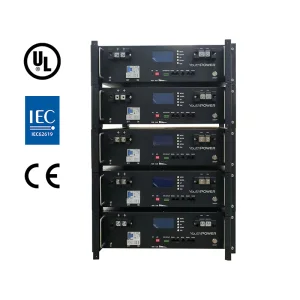
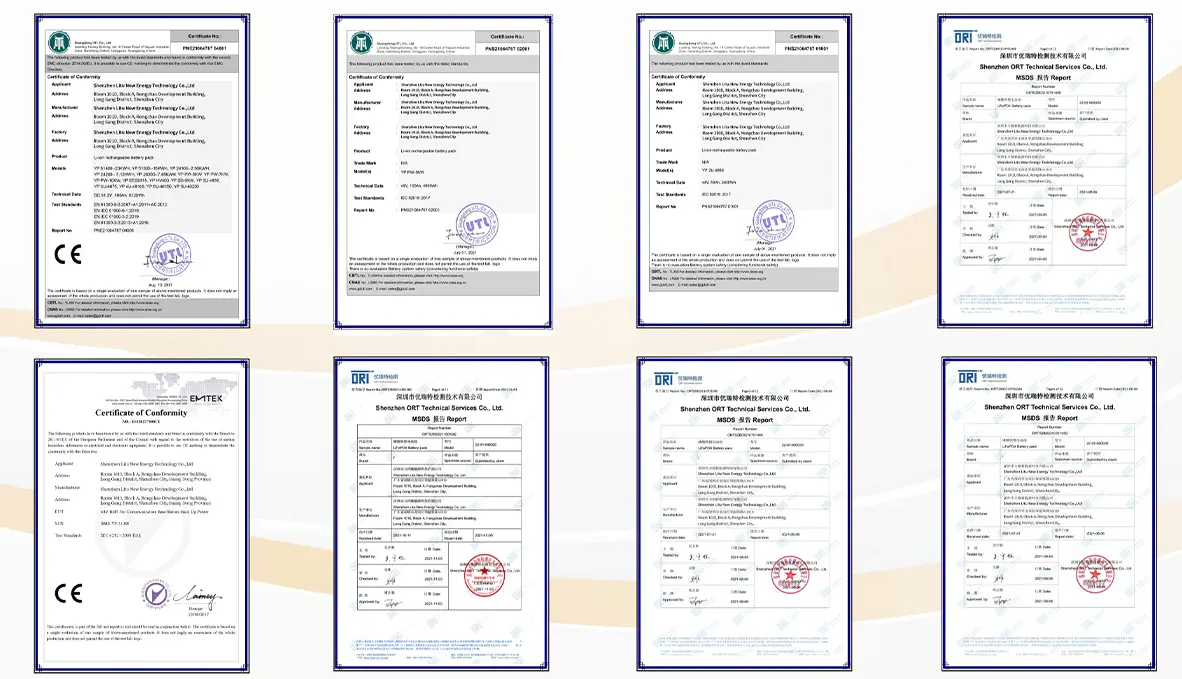
  • International Certification Portfolios: Verify that assemblies are certified to CE, IEC 62619, UN38.3, and UL 1973 standards to ensure safety and simplify regional permitting.
  • Inverter Interoperability: Confirm the BMS has pre-configured CANBUS/RS485 communication protocols compatible with major inverter brands.
  • OEM/ODM Flexibility: Ensure the manufacturer can customize mechanical enclosures, bracket layouts, and branding to meet your specific project requirements.
  • Thermal Management & Heat Dissipation: Choose designs that use passive cooling features, robust heatsinks, or integrated heat dissipation channels to maintain optimal cell operating temperatures.

Quality Control Standards

Every battery system should undergo factory acceptance testing (FAT), including high-current discharge testing, insulation resistance checks, and automated cell matching. Consistent quality control ensures cell reliability, safety, and a long cycle life.

Questions & Answers

15 kWh Lithium Ion Battery FAQ

How long can a 15 kWh lithium-ion battery run an average home?
For an average home drawing between 750W and 1.5 kW of continuous load, a 15 kWh battery can supply critical circuits for approximately 10 to 20 hours. By using smart load shedding (e.g., managing HVAC, electric water heaters, and EV chargers), you can extend backup support during outages.
What is the advantage of a high-voltage 15 kWh battery over a 48V model?
High-voltage designs (operating at 200V to 500V+) run at lower electrical currents compared to 48V configurations. Lower currents reduce heat loss in cables and power electronics, which improves conversion efficiency, simplifies wire routing, and ensures better integration with modern three-phase hybrid inverters.
How many cycles can you expect from a LiFePO4 15 kWh battery?
Under normal operating conditions and regular cell-balancing, high-grade LiFePO4 cells can deliver more than 6,000 charge-discharge cycles at 80% Depth of Discharge (DoD) before capacity drops to 80% of its initial rating. This equates to over 15 years of daily cycling.
Can multiple 15 kWh battery units be connected in parallel?
Yes, our scalable battery designs allow you to connect multiple units in parallel to expand capacity. This setup enables you to build custom configurations ranging from 30 kWh to 150 kWh or more to suit your energy needs. Ensure you follow the manufacturer's guidelines regarding communication links and busbar configurations.
What international safety standards should a 15 kWh battery meet?
Key safety standards include CE, IEC 62619, and UN38.3 for global transport, as well as UL 1973 for stationary energy storage. Meeting these standards ensures the battery has undergone rigorous thermal runaway, mechanical drop, and electrical abuse testing.