As the global economy undergoes a fundamental transition towards low-carbon infrastructure, distributed generation has shifted from a marginal sustainability choice to a core operations strategy. The 20 kW solar kit has emerged as the definitive benchmark system for medium-scale commercial installations, off-grid telecommunication networks, remote healthcare centers, and large-scale architectural residences. Typically generating between 80 kWh and 120 kWh of electricity daily (depending on geographic solar irradiance), this system capacity offers optimal amortization schedules for businesses facing high utility tariffs and unstable grid configurations.
For commercial facilities operating daytime shifts, electricity demand charges often account for up to 40% of total utility bills. By leveraging a 20 kW solar array paired with intelligent battery energy storage systems (BESS), companies can suppress peak demand spikes, shifting their draw pattern to dynamic self-generation.
Modern modern agribusinesses operate irrigation pumps, automation equipment, and cold-storage units far from main transmission networks. Installing local 20 kW off-grid solar generators mitigates the high capital expenditure required for distribution lines, providing zero-emission power exactly where harvesting happens.
Base transceiver stations (BTS) and utility repeaters require continuous, high-uptime power supplies. Traditional diesel generators carry high fuel, logistics, and maintenance costs. An integrated 20 kW solar kit offers a solid-state, long-lifecycle solution that reduces operations overhead by up to 85%.
Procurement departments face complex purchasing dynamics when sourcing large solar setups. The landscape varies significantly depending on regional regulatory compliance, grid topology, and trade frameworks. Procurement officers must align their capital allocation with local carbon tax exemptions, import tariffs, and national security directives concerning utility hardware supply chains.
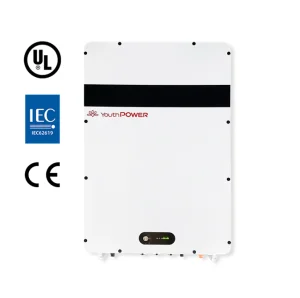
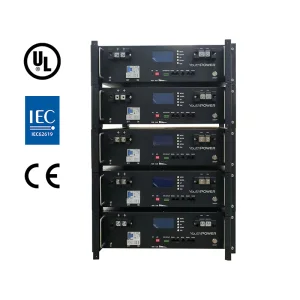
In the USA and Canada, procurement strategies are strongly influenced by the Investment Tax Credit (ITC), state-level net-metering schemes, and UL safety certifications (such as UL 1973 for battery modules and UL 9540A for thermal runaway prevention). Corporate buyers prioritize supplier credibility, system warranty terms (minimum 10 years), and compatibility with modern smart inverters capable of dynamic grid response.
European Union directives demand strict adherence to CE certification, grid-tie safety norms (EN 50549), and grid code configurations. With high localized electricity costs across Germany, Italy, and Spain, enterprises prioritize high round-trip efficiency (RTE) battery systems, rapid shutdown (RSD) features, and sophisticated Energy Management Software (EMS) that integrates with virtual power plant networks.
A standard 20 kW solar kit encompasses more than just solar panels. The core driver of system ROI is the energy storage subsystem. Selecting the correct chemistry and battery layout dictates safety margins, lifecycle expectations, and total lifetime cost per stored kilowatt-hour (kWh).
Modern high-capacity battery systems utilize Lithium Iron Phosphate (LiFePO4). Compared to cobalt-based chemistries (NCM), LiFePO4 offers superior thermal stability, safety against runaway events, and a lifespan exceeding 6,000 charge/discharge cycles at 80% Depth of Discharge (DoD).
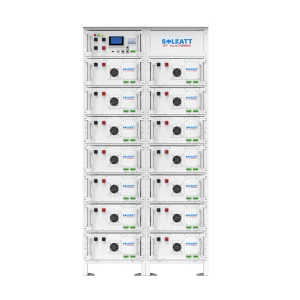
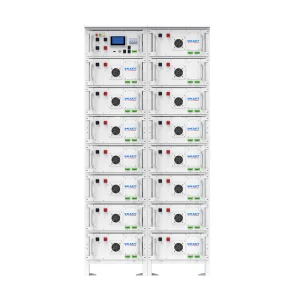
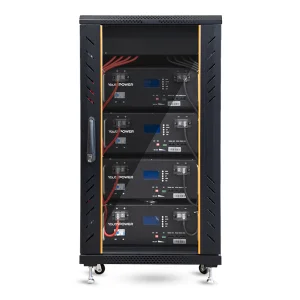
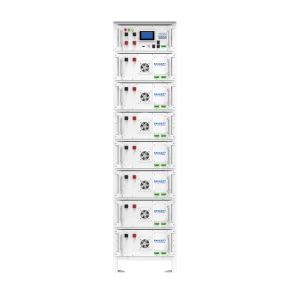
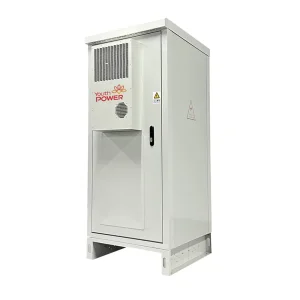
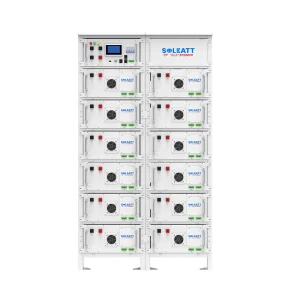
By moving from traditional 48V low-voltage configurations to high-voltage platforms (such as 358.4V or 512V cabinet arrays), the system experiences significantly lower transmission current. This shift reduces thermal losses, allows the use of thinner copper wiring, and boosts round-trip conversion efficiency from ~88% up to 96%.
Equipped with dual-microprocessor battery management systems (BMS), these configurations actively balance individual battery cells, predict state-of-charge (SoC) and state-of-health (SoH), monitor thermal sensors, and output real-time diagnostics via Modbus, CAN, or integrated cloud telemetry interfaces.
Understanding a manufacturer's history is critical when making energy investments designed to last decades. A supplier's research pedigree, technical support networks, and manufacturing scale are vital factors for project success.
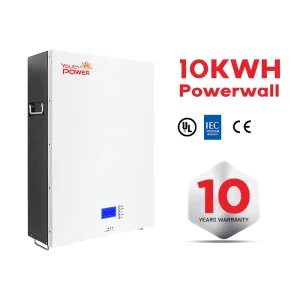
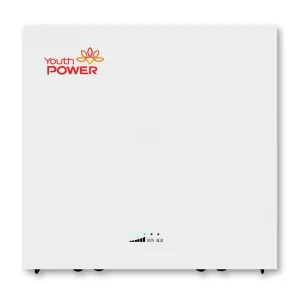
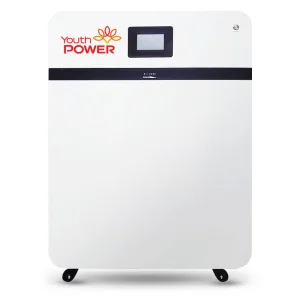
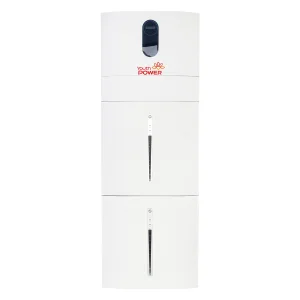
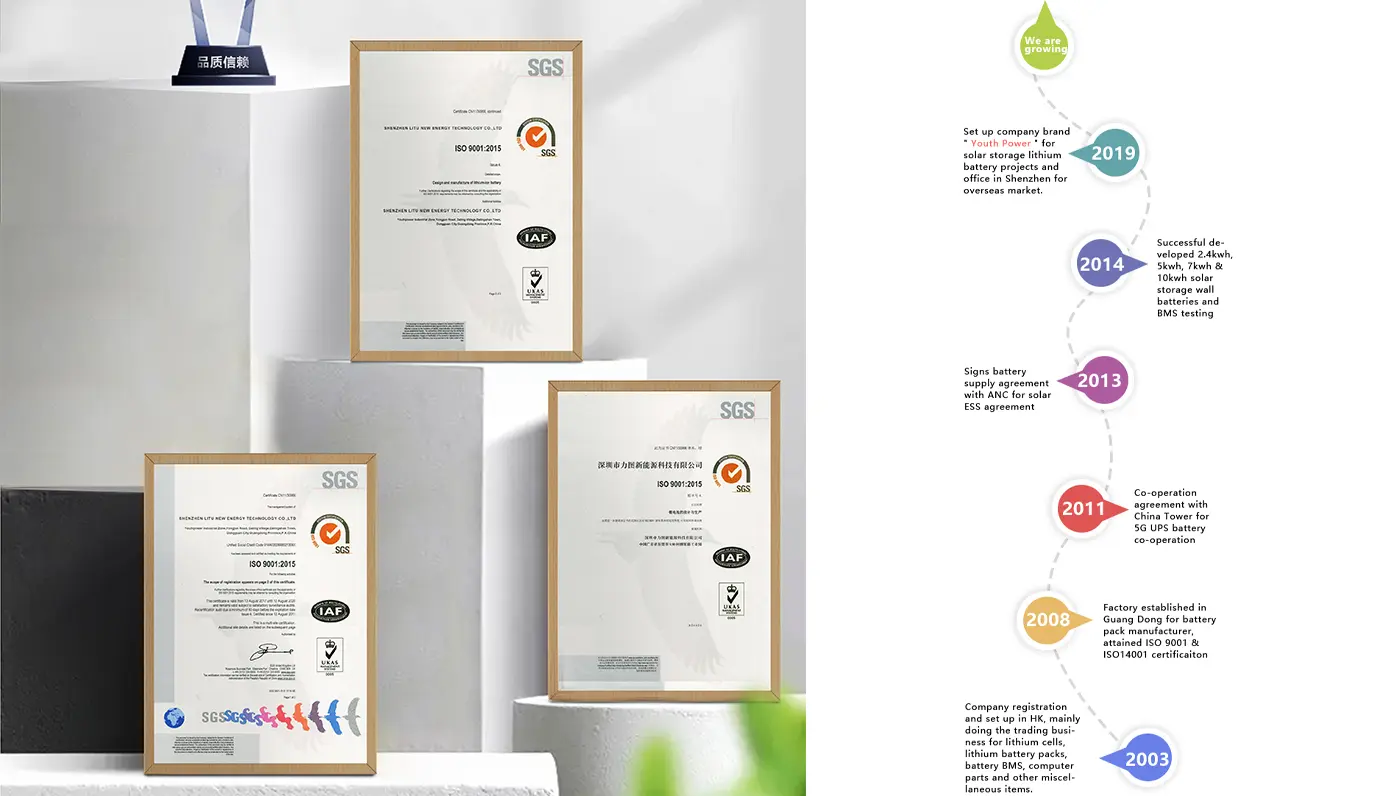
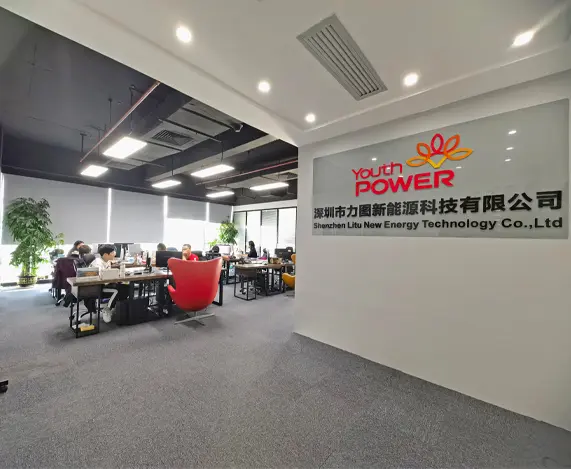
Founded in 2003, YouthPOWER has established itself as a leading global supplier of solar storage lithium batteries. Over nearly two decades of engineering and manufacturing battery technology, the company developed deep technical expertise and strong product research capabilities. After years of dedicated market development, YouthPOWER launched its signature brand "YouthPOWER" in 2019.
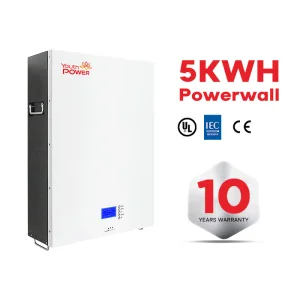
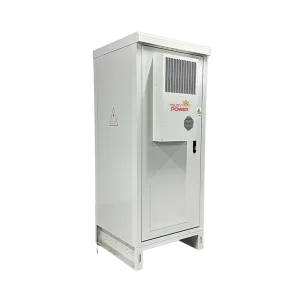
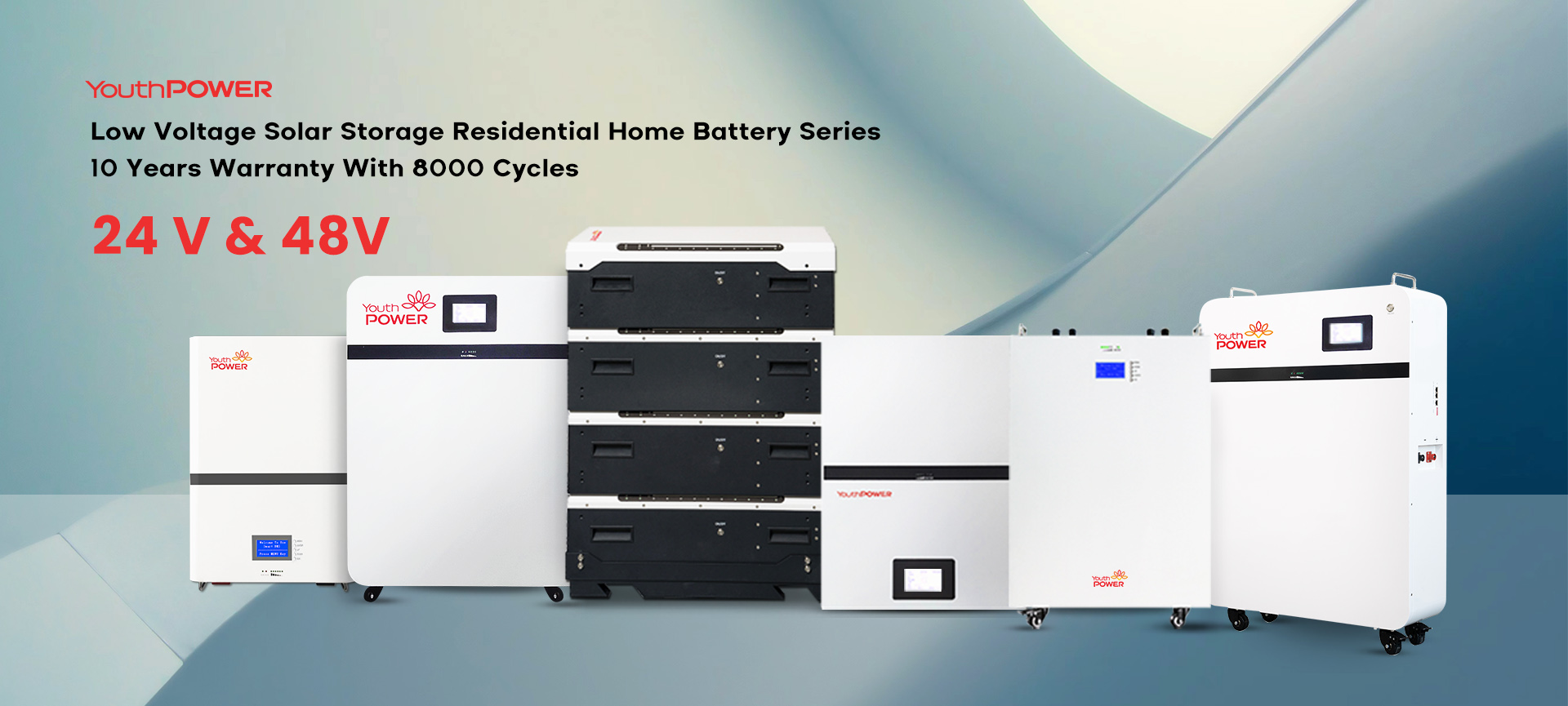
Today, YouthPOWER's energy storage portfolio spans low-voltage 24V and 48V solutions up to utility-scale high-voltage lithium battery cabinets, powering critical systems across residential, industrial, and infrastructure applications.

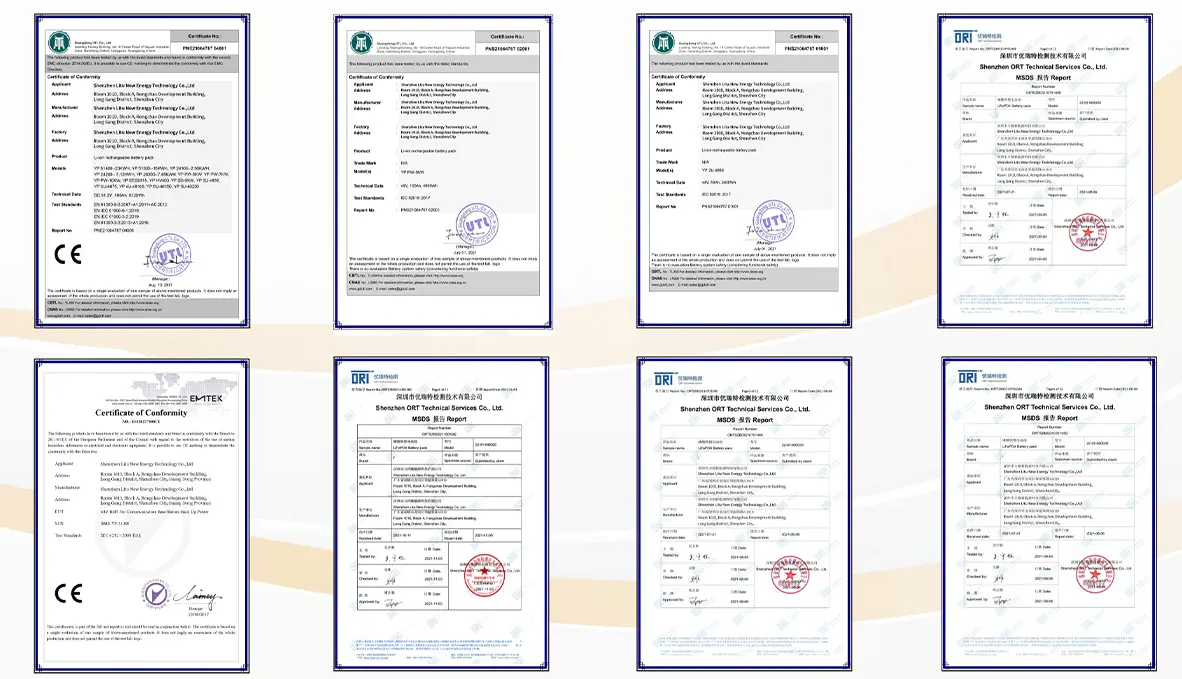
We have built business partnerships with customers worldwide, operating on multi-year collaboration agreements. Supported by local raw material supply chains, we provide cost-effective pricing models alongside industrial-grade reliability.
Entered the battery technology space, focusing on chemical composition research and early-stage industrial storage designs.
Shifted core R&D resources toward LiFePO4 cells to address emerging requirements for safety and cycle life in stationary solar storage.
Launched the global trademark "YouthPOWER," standardizing our modular battery packs, waterproof solutions, and high-voltage cabinets.
Currently supplying clean energy solutions to over 1,000,000 families globally, backed by robust local logistics, regulatory support, and technical services.
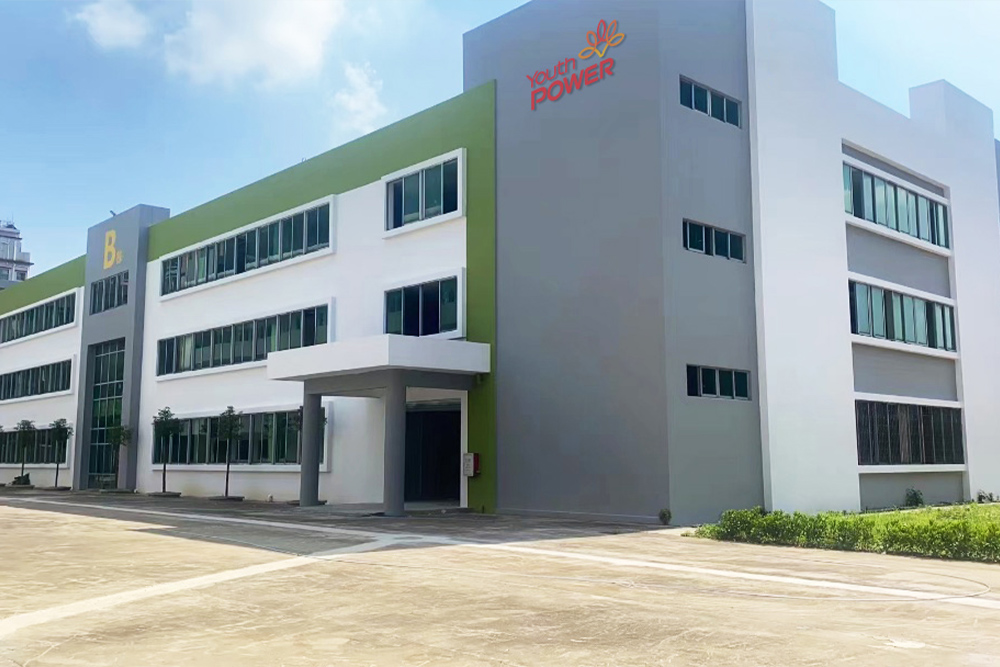
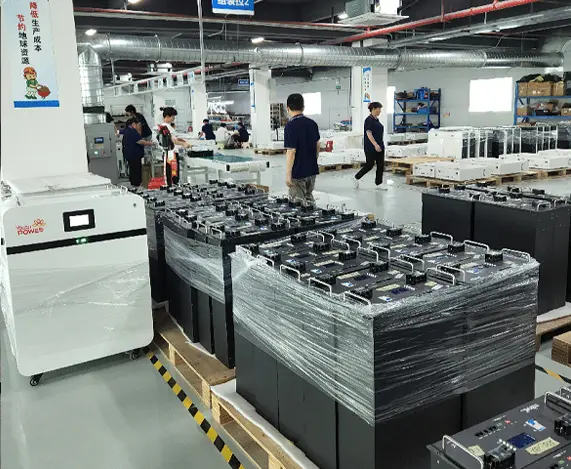
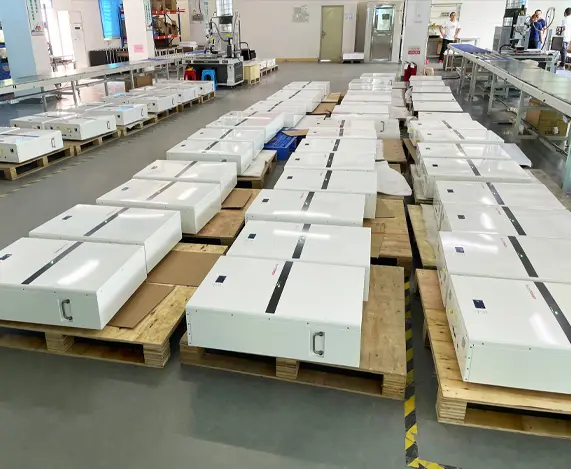
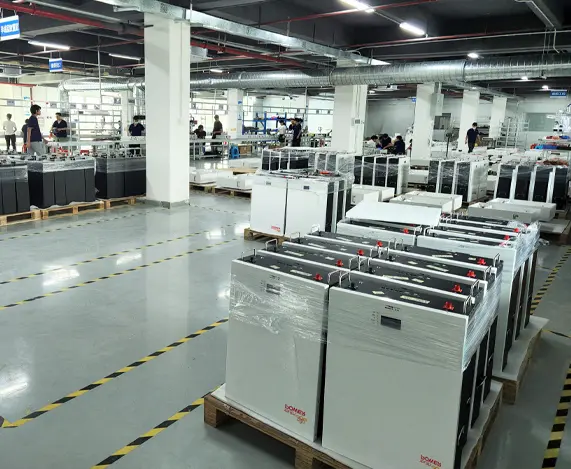
Our manufacturing sites leverage advanced manufacturing processes to maintain high consistency across our cell and cabinet assemblies.
 YouthPOWER