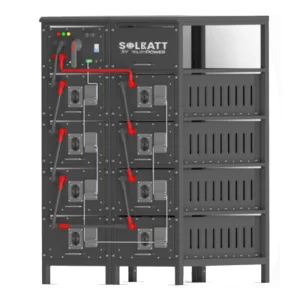
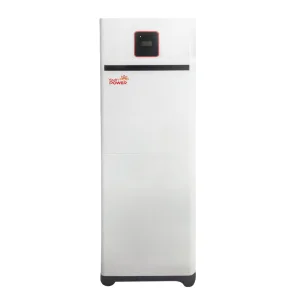
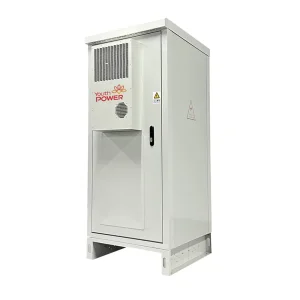
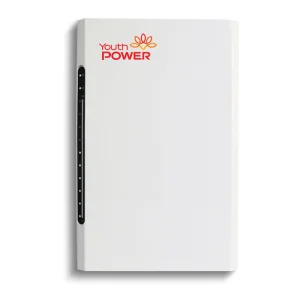
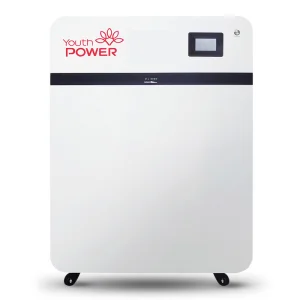
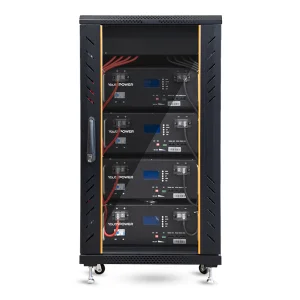
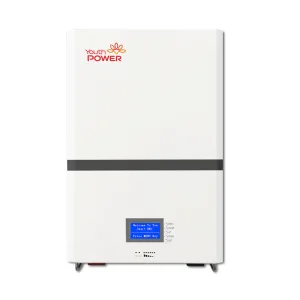
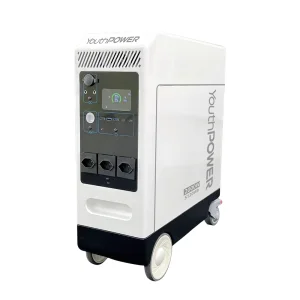
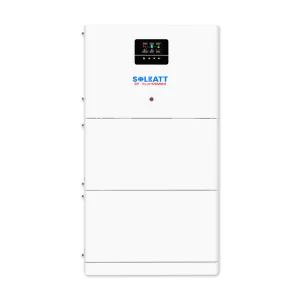
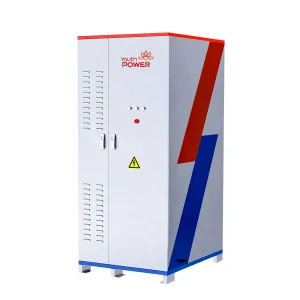
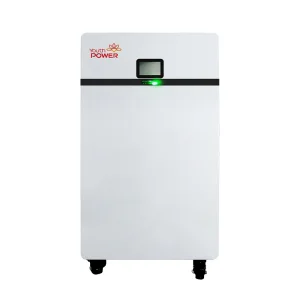
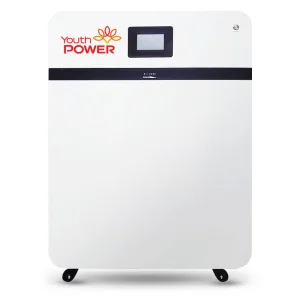
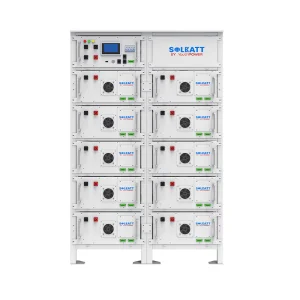
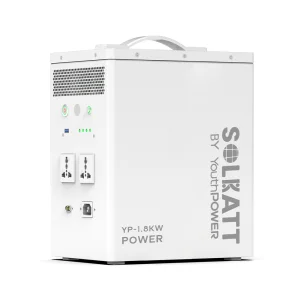
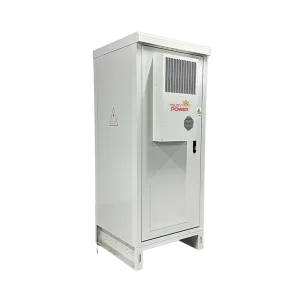
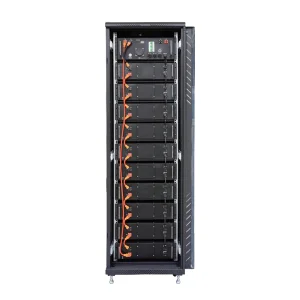
Highly integrated battery racks, solar inverters, and scalable ESS systems engineered for performance and longevity.
An inside look at factory-direct pricing variables, structural components, and engineering metrics for procurement managers.
When investing in a commercial or upscale residential 20 kW solar system, understanding the exact distribution of costs is critical. A standard 20 kW PV footprint requires approximately 45 to 55 high-efficiency Tier-1 monocrystalline modules, racking systems, commercial inverters, and high-voltage energy storage.
By sourcing directly from manufacturing factories, enterprises can capture substantial margin relief, bypassing regional distributors. Factory-direct procurement allows optimization of cell quality grading (Tier 1 vs. lower grade), customization of the battery management system (BMS) protocol integration, and structural optimization of mounting arrays.
| System Component | Factory Pricing % | Key Metric |
|---|---|---|
| Tier-1 Mono PV Modules | 30% - 35% | 21.8%+ Efficiency |
| LiFePO4 Storage Cabinet | 35% - 40% | 6000+ Cycles @ 80% DOD |
| Hybrid/Smart Inverter | 15% - 20% | Dual MPPT Tracker |
| BOS & Installation Hardware | 10% - 15% | Aluminum AL6005-T5 |
Leveraging two decades of battery chemistry pioneering, manufacturing infrastructure, and grid-scale deployments.
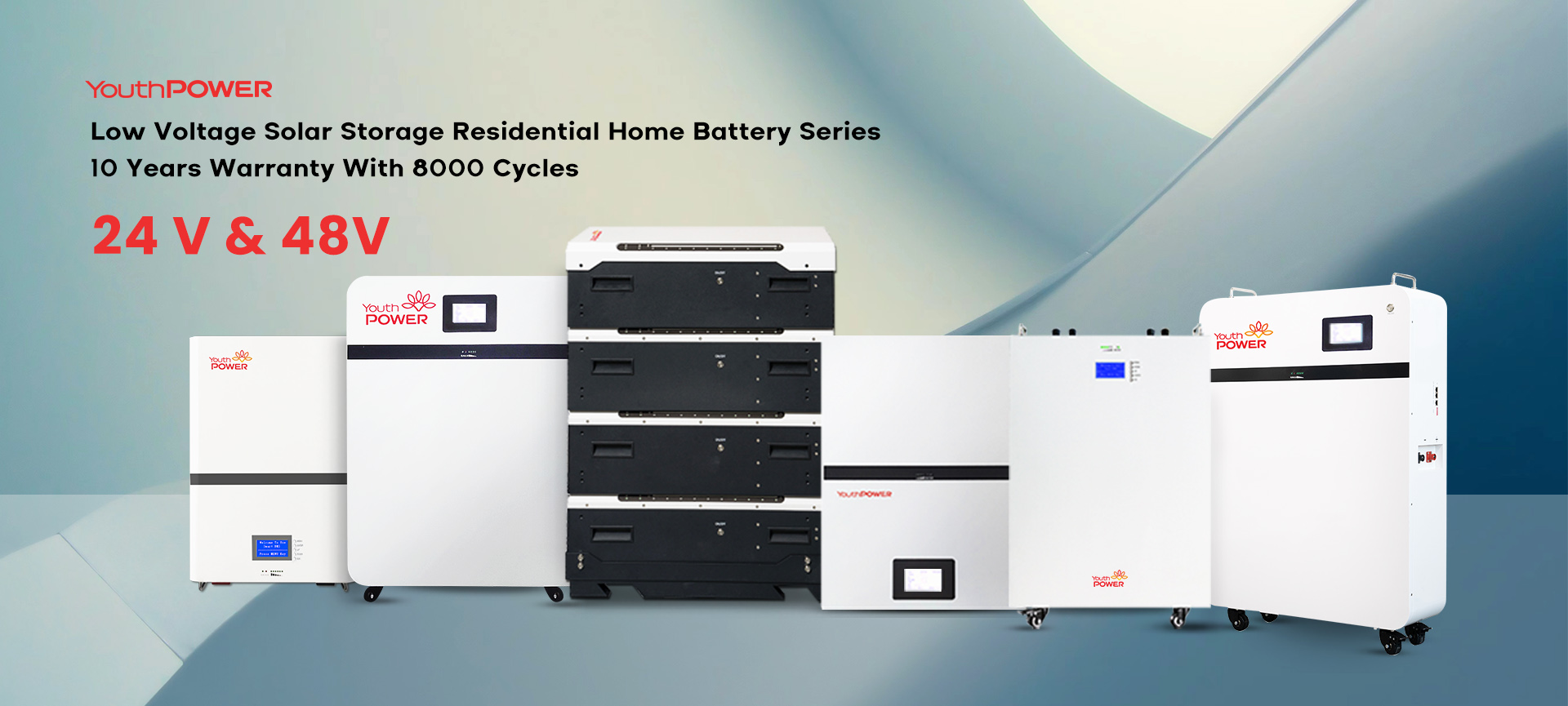
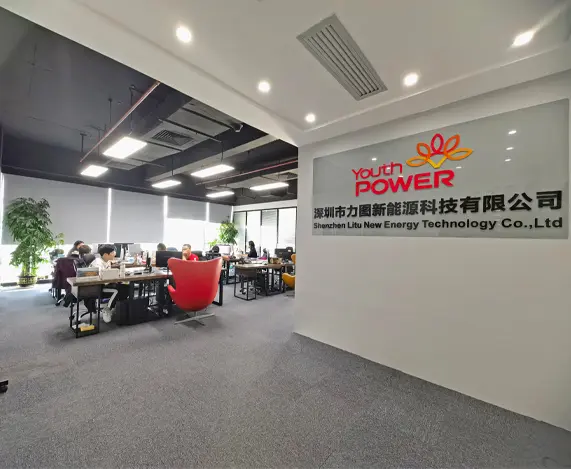
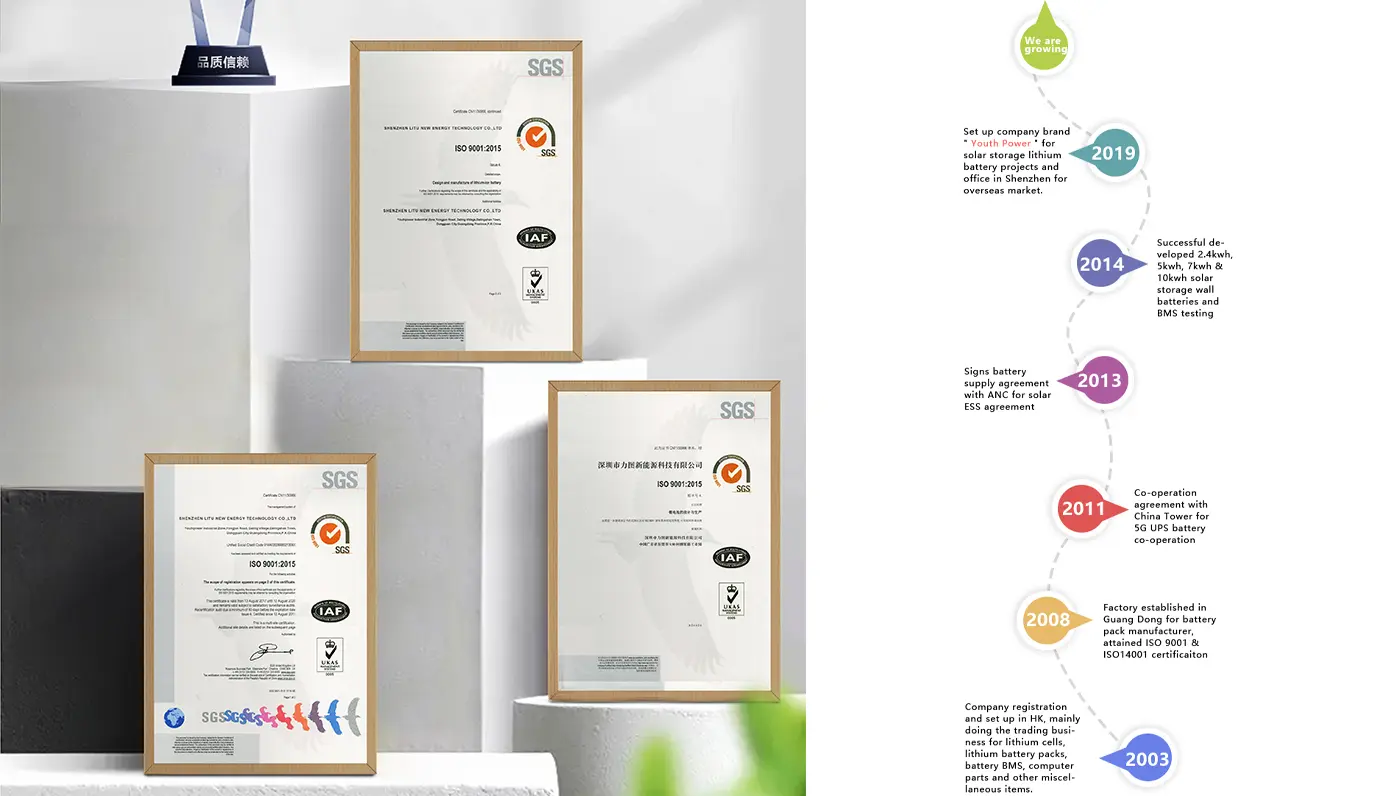
Founded in 2003, YouthPOWER has now become one of the leading suppliers of solar storage lithium batteries in the world. With a broad range of energy storage solutions, it covers a series of 24V, 48V and higher voltage lithium batteries solutions.
YouthPOWER has engaged in the battery technology and production for almost 20 years, with abundant manufacturing experience and strong new product R & D capability. Through many years of hard work and market promotion, we have created our own brand "YouthPOWER" in 2019.
With nearly 20 years’ experience in the battery industry, we have the capability to provide you with both the products you need and the most suitable products you want. We are always ready to supply the first-class products and meet the various needs of the customers.
We have established good business relationships with our customers from all over the world. And we have a good cooperation with all our customers as well for many years running. Supported by our local vendors of raw materials, we can certainly offer you the best prices.
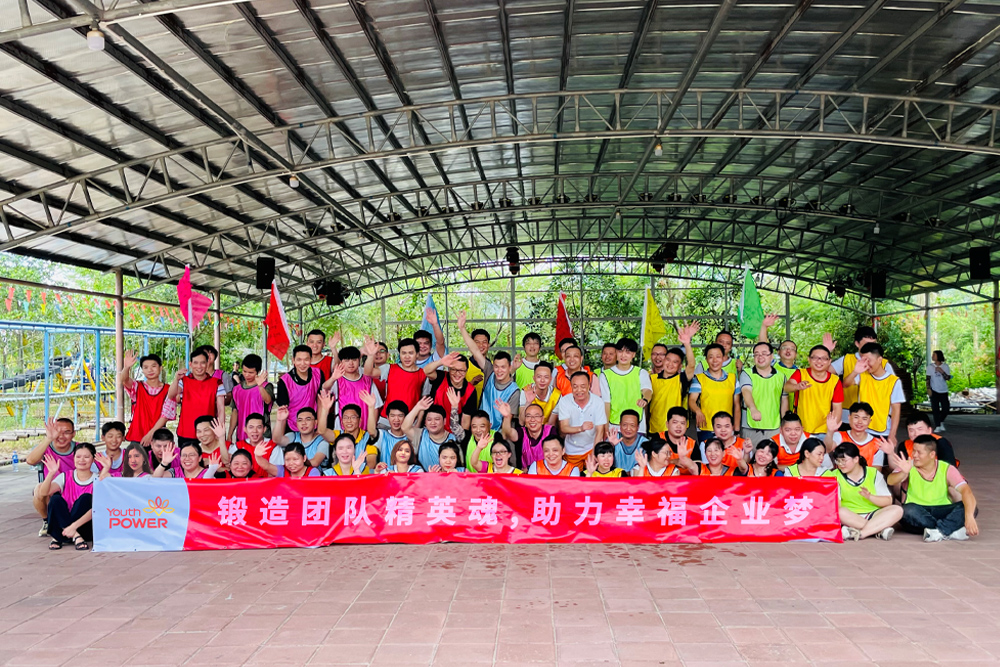
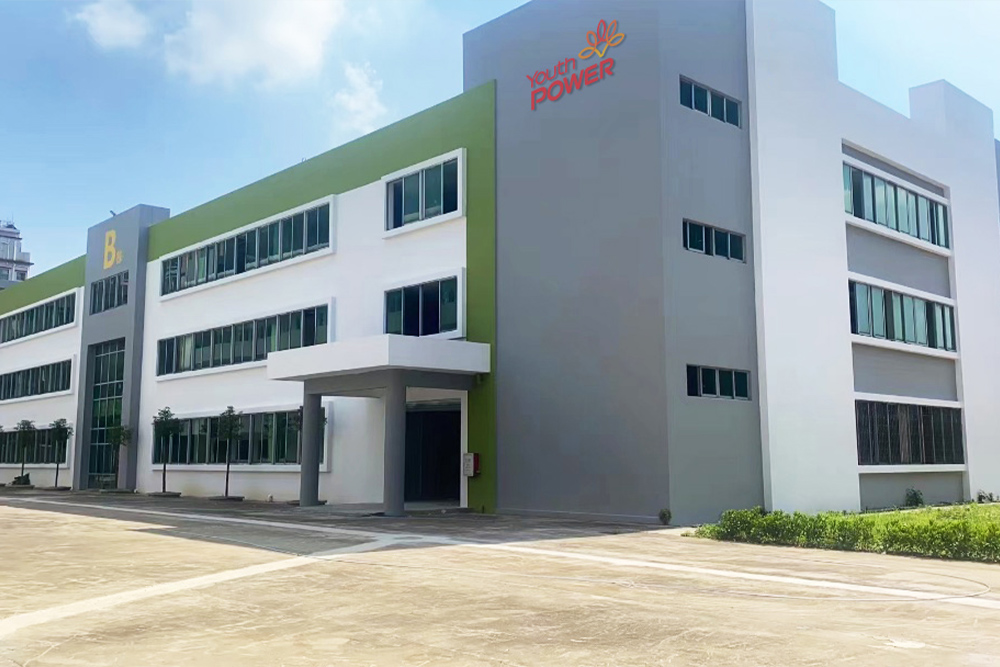
Established manufacturing facility dedicated to electrochemical cell technology, initially supplying top tier brands with industrial lead-acid and early lithium chemistries.
Pivoted resources to research LiFePO4 chemistry, establishing proprietary Smart Battery Management System (BMS) patents for high voltage multi-module arrays.
Consolidated 15+ years of OEM expertise to launch the proprietary brand 'YouthPOWER', providing direct support and distribution across six continents.
Upgraded assembly systems to full robotic MES lines, deploying AI optical verification and thermal imaging monitoring for cell safety.
Discover how vertical supply chain integration and intelligent robotics optimize 20 kW system yields.
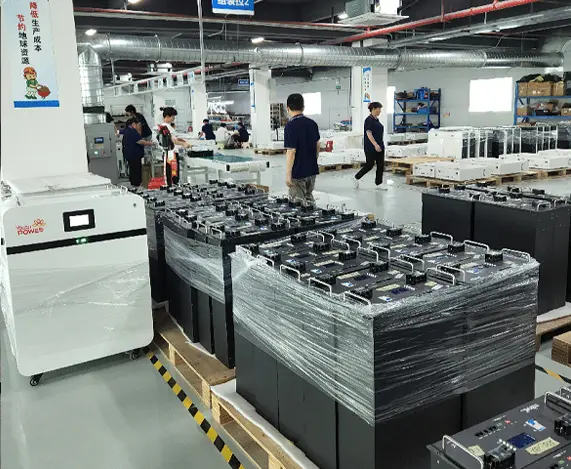
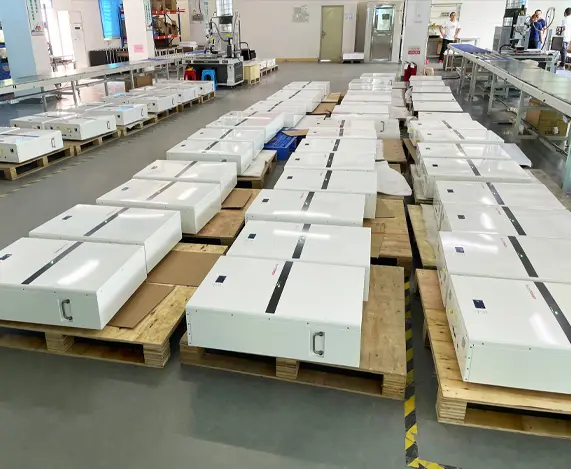
By controling key manufacturing processes from anode/cathode slurry preparation to module final testing, YouthPOWER bypasses intermediate pricing premiums. This guarantees raw material consistency and minimizes failure rates across long-term deployments.
Manufacturing Execution Systems (MES) govern our cleanroom environments. Automated sorting protocols test and pair lithium cells based on inner resistance and voltage stability down to ±0.2mΩ, optimizing stack balance.
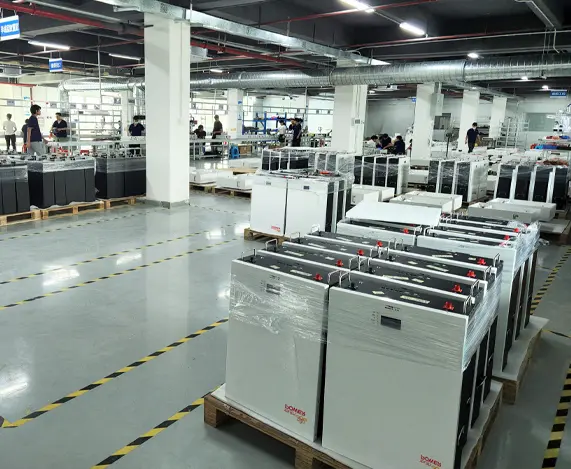
We reduce operational overhead with direct logistics integration. Hazardous-goods certified packaging standards ensure safe transit for large capacity high-voltage battery cabinets, conforming with ocean freight guidelines.
Future-proofing your energy infrastructure with scalable architectures and chemistry adaptations.
The technological shift from low-voltage (48V) to high-voltage (400V - 800V) battery architectures is reshaping commercial solar designs. Lower electrical currents in high-voltage designs mitigate thermal stress, ensuring minimal capacity degradation over years of heavy cycling.
YouthPOWER is actively researching solid-state electrolytes and advanced silicon-carbon anodes. These developments promise higher energy densities, lower overall footprints for 20 kW and larger arrays, and improved cold-weather performance.
Our smart energy systems are prepared for Virtual Power Plant (VPP) API interfaces. This enables automated peak shaving, frequency response operations, and seamless energy trading through cloud control systems.
| Technology | Energy Density | Cycle Life (80% DoD) | Safety Index |
|---|---|---|---|
| Standard LiFePO4 | 160 Wh/kg | 6,000 Cycles | Excellent (Non-combustible) |
| High-Voltage LFP Stack | 180 Wh/kg | 8,000 Cycles | Excellent (Smart BMS Monitoring) |
| Solid-State Lithium | 280+ Wh/kg | 10,000+ Cycles (Projected) | Superior (Zero Volatiles) |
Tailored configurations to meet localized grid challenges, power profiles, and environmental extremes.
Designed for remote mining operations, agricultural facilities, and telecommunication sites. These setups use redundant diesel generator integration, hybrid smart inverters, and high-capacity battery storage to maintain isolated microgrid stability.
Optimized for industrial facilities facing dynamic energy rates and high demand charges. Systems dynamically release battery power during peak pricing hours, directly lowering monthly commercial utility expenses.
Ensuring continuous power supply for data centers, medical environments, and cold-storage operations. Instantaneous sub-10ms automatic transfer switches (ATS) guard against grid interruptions and safeguard sensitive hardware.
Addressing macro-economic energy initiatives through localized smart solar configurations.
Enterprise procurement is increasingly guided by ESG commitments. Incorporating a 20 kW solar system coupled with reliable lithium storage helps businesses offset approximately 22 metric tons of CO2 emissions annually.
This integration positions commercial properties to benefit from carbon credit systems and tax incentive programs. These policy-driven opportunities significantly accelerate the return on investment (ROI) for clean energy transitions.
YouthPOWER's high-efficiency systems are compatible with regional grid interconnections, including dynamic net-metering schemes. This compatibility allows surplus power injection to generate secondary utility credits.
Strict quality assurance protocols designed to satisfy global utility and installation standards.
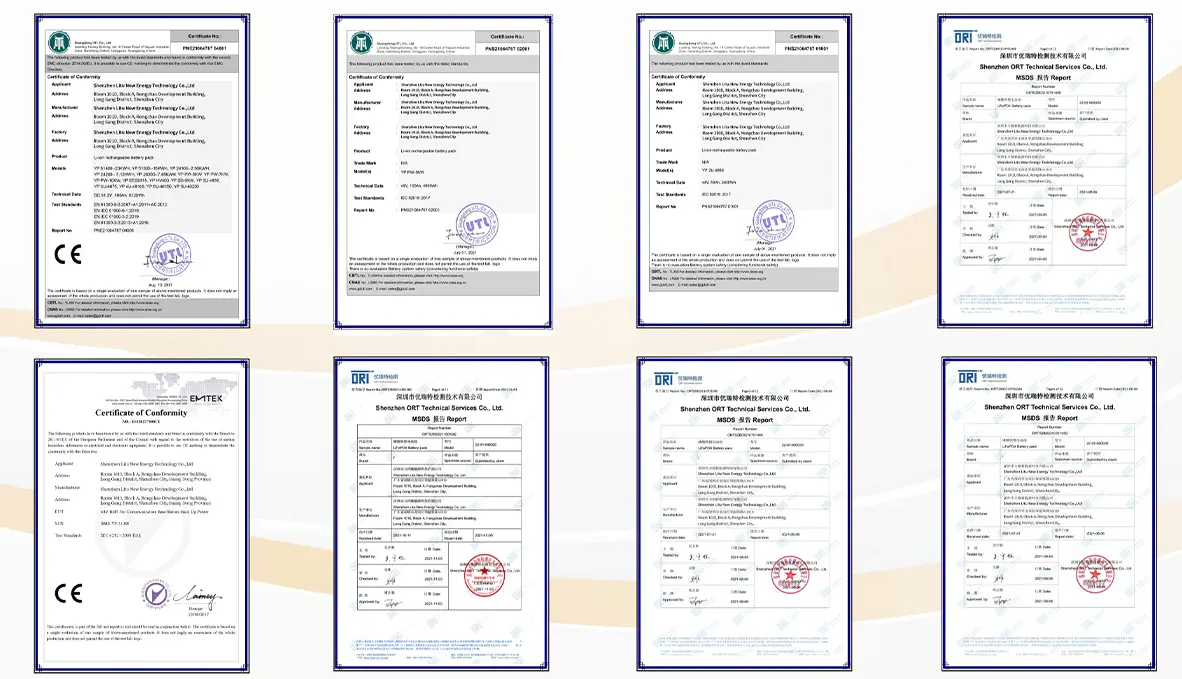
Fully certified for distribution and integration within the European Economic Area. Verified compliance with low-voltage and electromagnetic compatibility directives.
Engineered in accordance with UL 1973 and UL 9540A safety guidelines. Formulated to resist thermal runaway propagation under severe operating profiles.
Fully certified packaging and chemistry compositions. Compliant with international transport regulations for safe shipping by road, rail, or sea.
BMS firmware customizable to interface with diverse regional grid configurations, dynamic feed-in tariffs, and power curtailment directives.
Technical guidance and answers for energy procurement professionals, solar installers, and industrial operators.
The primary cost drivers include the selection of PV module efficiency ratings, the integrated energy storage chemistry and capacity (kWh), inverter topology (string vs. hybrid/microinverter), and structural racking specifications. Factory-direct sourcing reduces middleman distribution markups by 20% to 35%, while custom-configured high-voltage battery cabinets lower electrical balance of system (BOS) installation costs.
High-voltage configurations (typically above 300V nominal) lower current draw compared to traditional 48V setups for equivalent power throughput. This reduces resistive heat generation, allows for thinner copper wiring, increases round-trip conversion efficiency, and extends the operational lifetime of the battery cells.
Through strict adherence to Factory 4.0 standards, which include automated cell-grading and sorting systems, real-time internal resistance verification, mechanical stress tests, and automated BMS firmware validation. This end-to-end quality control ensures cell performance matching down to a very narrow tolerance margin.
Lithium-iron phosphate (LiFePO4) storage batteries are classified under dangerous goods shipping regulations (UN3480, Class 9). YouthPOWER utilizes certified packaging structures and conducts sea-freight preparations that align with international maritime standards, including full UN38.3 compliance.
Commercial-grade lithium battery cabinets, off-grid power solutions, and movable microgrid stations.
 YouthPOWER