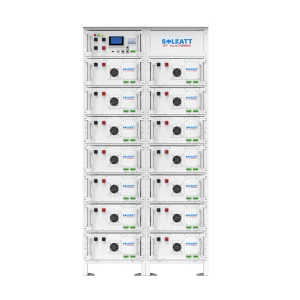
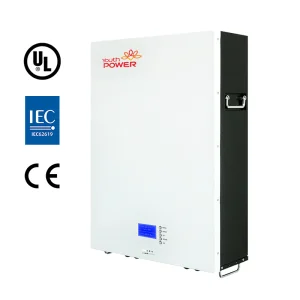
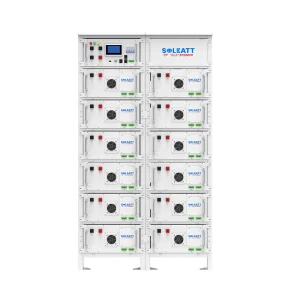
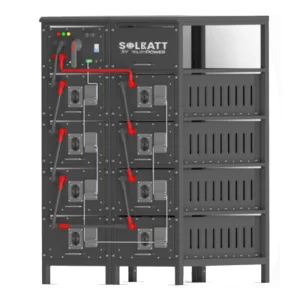
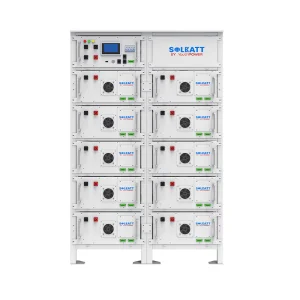
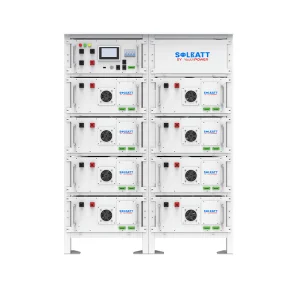
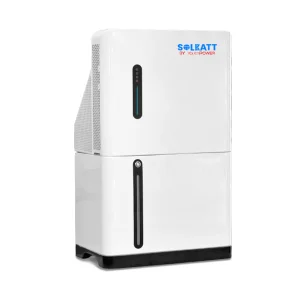
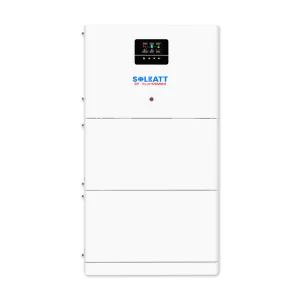
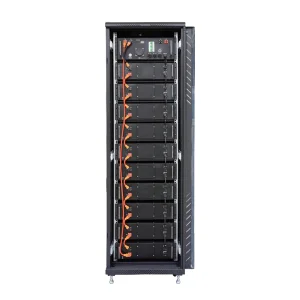
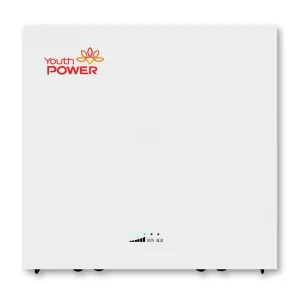
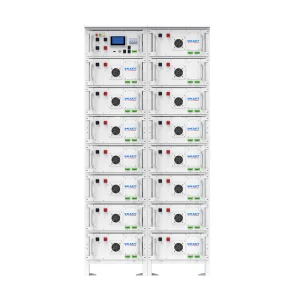
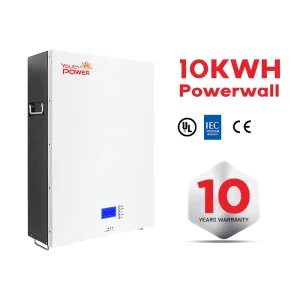
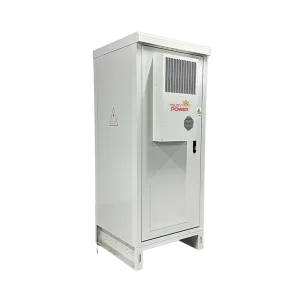
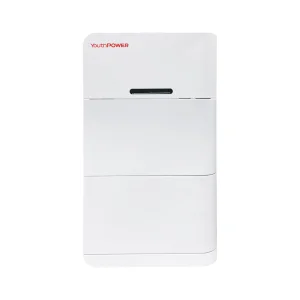
Explore our leading utility-scale and high-voltage commercial battery configurations, optimized directly from our smart manufacturing plant.
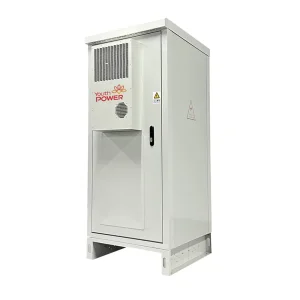
An in-depth analysis of technical parameters, direct factory procurement structures, pricing mechanics, and global implementation trends.
In the transition to resilient, carbon-neutral power infrastructures, the 20kW battery storage system has emerged as a cornerstone solution. Sitting at the sweet spot of commercial capacity and heavy residential backup power, systems with a output capacity of 20kW (or energy reserves of 20kWh to 100kWh) offer high flexibility. Global procurement teams, EPC contractors, and system integrators increasingly source direct-from-factory options to capture margin advantages and gain access to custom OEM/ODM parameter configurations.
When searching for a "20kW battery storage system," it is critical to distinguish between kW (Kilowatt), a unit of power representing the maximum continuous discharge rate, and kWh (Kilowatt-hour), which denotes total energy capacity. A 20kW system often utilizes high-voltage stack modules (such as our YP BOX HV10KW-25KW) capable of outputting a continuous 20kW of power while paired with scaling battery configurations from 20kWh up to 100kWh to meet distinct peak-shaving and reserve requirements.
Selecting an energy storage system (ESS) requires analyzing several critical engineering characteristics. Operating parameters directly determine system efficiency, safety profiles, and integration compatibility. Modern platforms focus heavily on two primary design vectors:
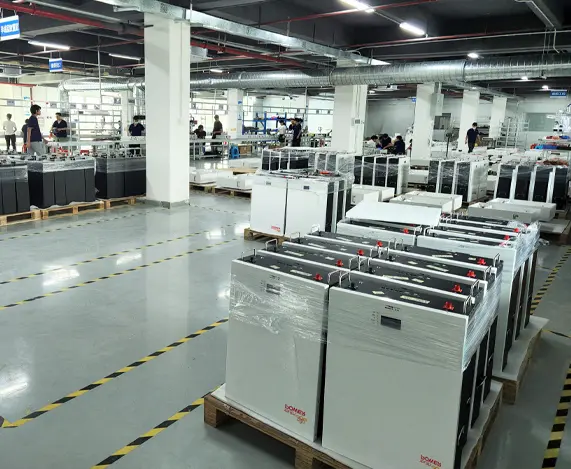
China is home to the world's most robust lithium-ion battery supply chain. Direct-from-factory partnerships provide international buyers with distinct cost and engineering advantages.
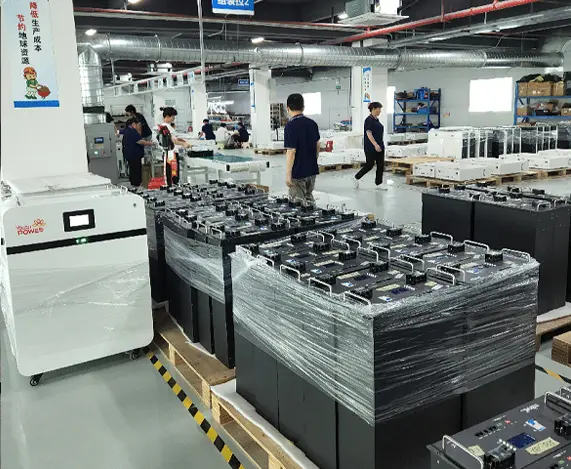
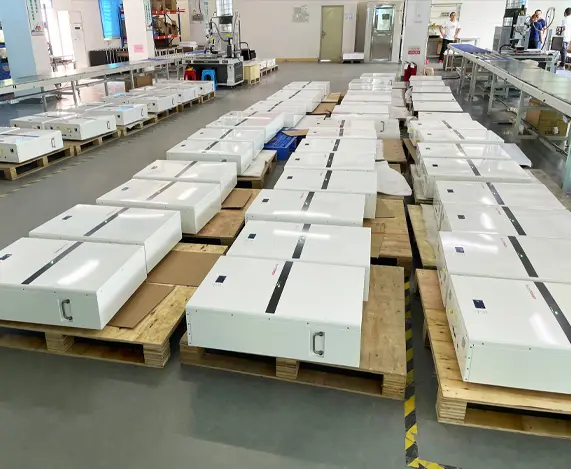
Chinese factories are situated in regional industrial clusters that group raw lithium refining, cell manufacturing, BMS circuit design, and steel sheet metal chassis production closely together. This proximity significantly reduces lead times and logistics costs.
By outputting gigawatt-hours of battery capacity annually, factories lower component unit costs. This translates to lower per-kilowatt-hour pricing for global importers, distributor networks, and commercial installers.
Whether you require specific mechanical shapes, custom communication protocols to match local inverters (e.g., SMA, Solis, Victron), or custom labels, Chinese engineering departments can quickly develop and prototype systems.
Understanding cost structures, cell grades, and volume breaks is essential for securing the best return on investment (ROI).
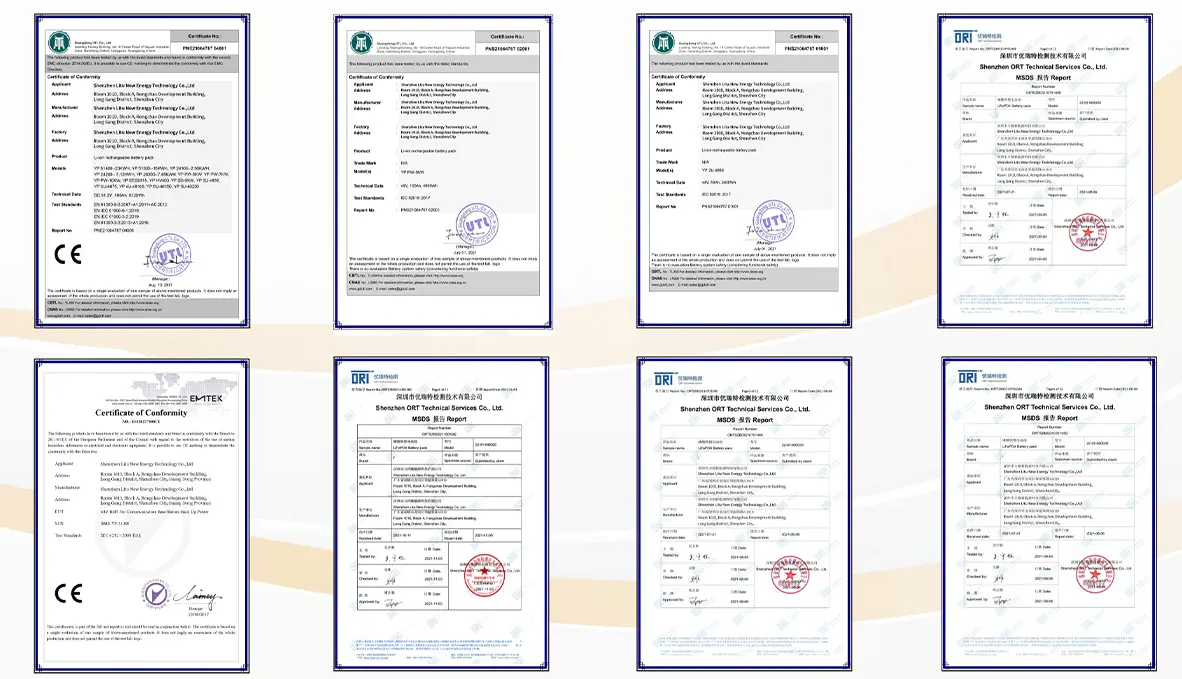
The total pricing for a 20kW storage configuration varies depending on system voltage, battery cell grade, certification requirements, and quantity. Cell pricing is closely tied to the global raw Lithium Carbonate index. When sourcing, it is vital to distinguish between Grade A cells (guaranteeing full capacity and cycle life) and Grade B cells (which are often repurposed and offer shorter cycle lifespans).
| System Type | Voltage & Capacity Configuration | Target Application | Estimated Factory Price Range (USD) | Core Advantage |
|---|---|---|---|---|
| Low-Voltage Stackable | 51.2V 400Ah (20.48kWh) | High-end Residential, Light Off-grid | $3,200 - $4,800 | Easy to install, highly modular |
| High-Voltage Cabinet | 204.8V 100Ah (20.48kWh) | Commercial Backup, Fast Charging | $3,800 - $5,500 | Low line loss, 96%+ efficiency |
| Integrated Inverter AIO | 51.2V 400Ah with 10kW-20kW Inverter | All-in-One Home Power System | $5,200 - $7,800 | Plug-and-play installation |
| Industrial Rack Cabinet | 409.6V 100Ah (40.9kWh) | Microgrids, Peak-shaving, Factory ESS | $7,500 - $10,500 | Scalable, industrial BMS |
A lower initial purchase price often masks hidden maintenance and replacement costs. A system priced at $3,500 with a cycle life of only 3,000 cycles at 70% DoD carries a higher cost-per-kWh than a $4,500 system built with Grade A cells that provides 6,000+ cycles at 80% DoD. Over a 10-year operating lifespan, the higher-grade system delivers a lower total cost of ownership.
How businesses and developers deploy 20kW capacity energy systems across different continents and micro-grid designs.
In regions like California or Ontario, commercial facilities face significant "demand charges" based on their highest 15-minute power usage interval. By deploying a 20kW battery storage cabinet, businesses can discharge stored energy during peak usage periods. This lowers their overall demand profile and reduces utility expenses.
With volatile day-ahead power markets in countries like Germany and the UK, a 20kW/40kWh system allows owners to charge their batteries during low-price or negative-tariff night periods and discharge during high-rate evening hours. This creates a reliable revenue stream through energy arbitrage.
In off-grid farming communities or remote island clinics throughout Africa and Latin America, combining a 20kW battery bank with solar arrays ensures continuous 24/7 power. This setup provides clean energy for irrigation pumps, cooling systems, and medical storage without relying on expensive diesel generators.
Over two decades of innovation, reliability, and global distribution of advanced energy storage systems.
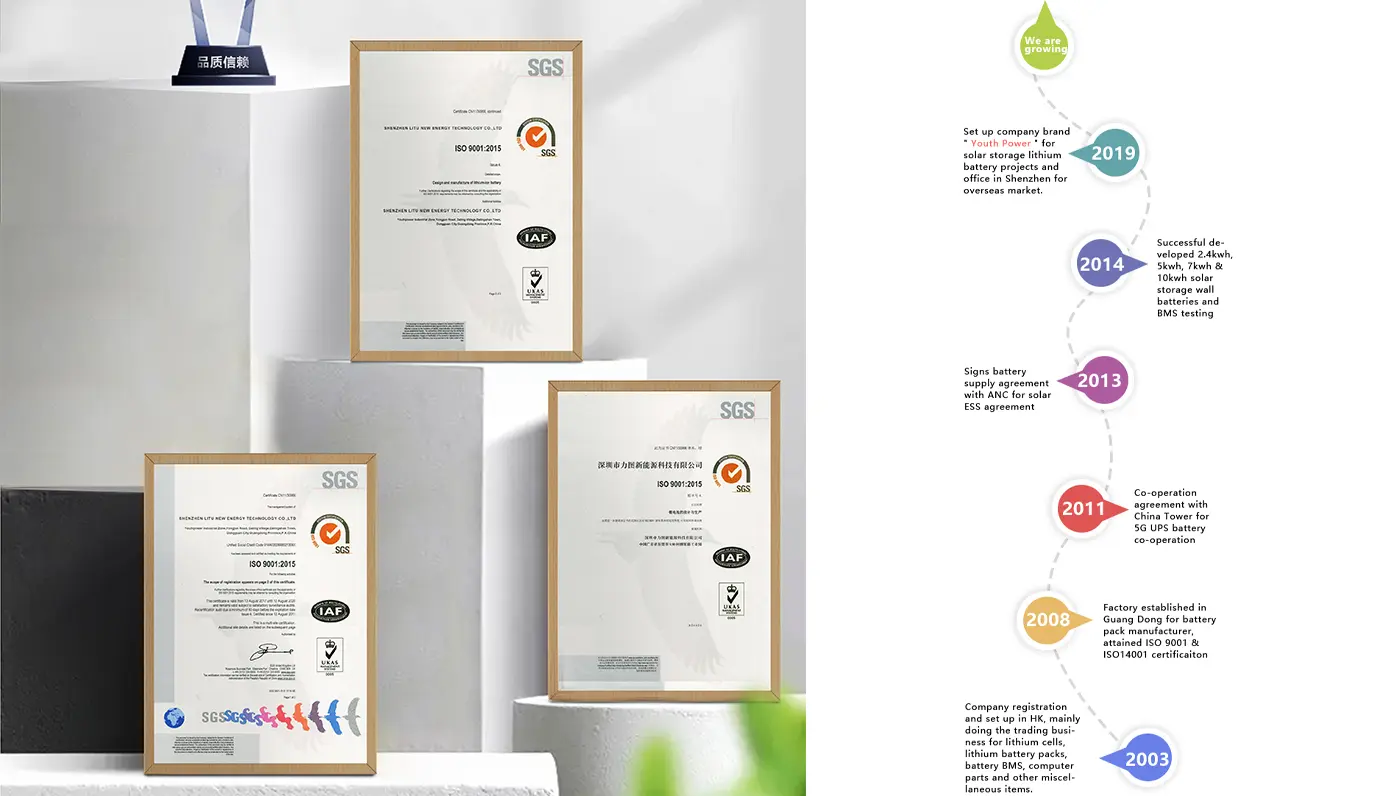
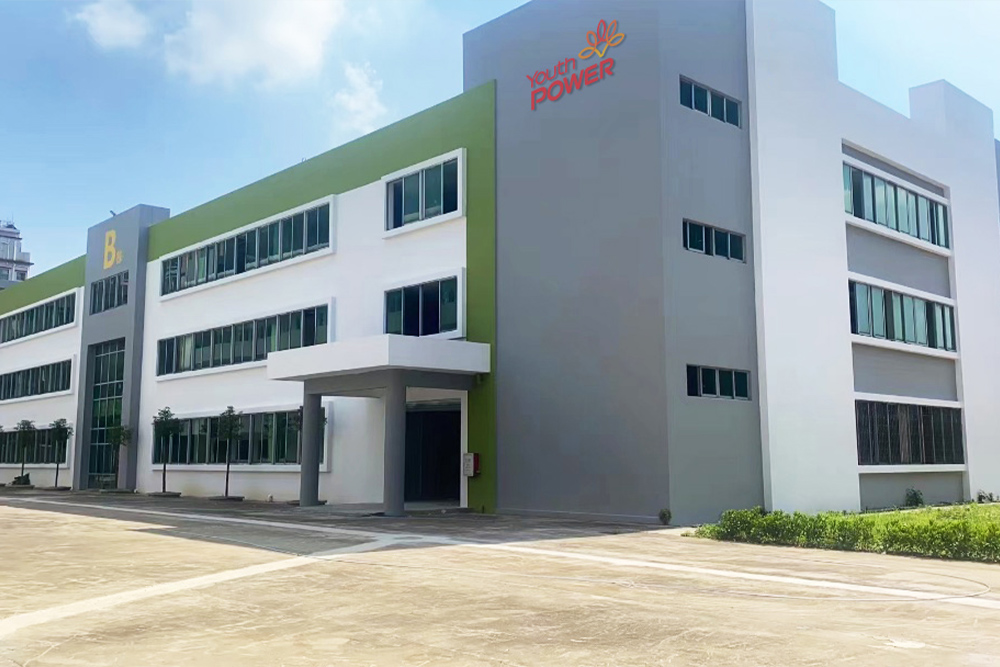
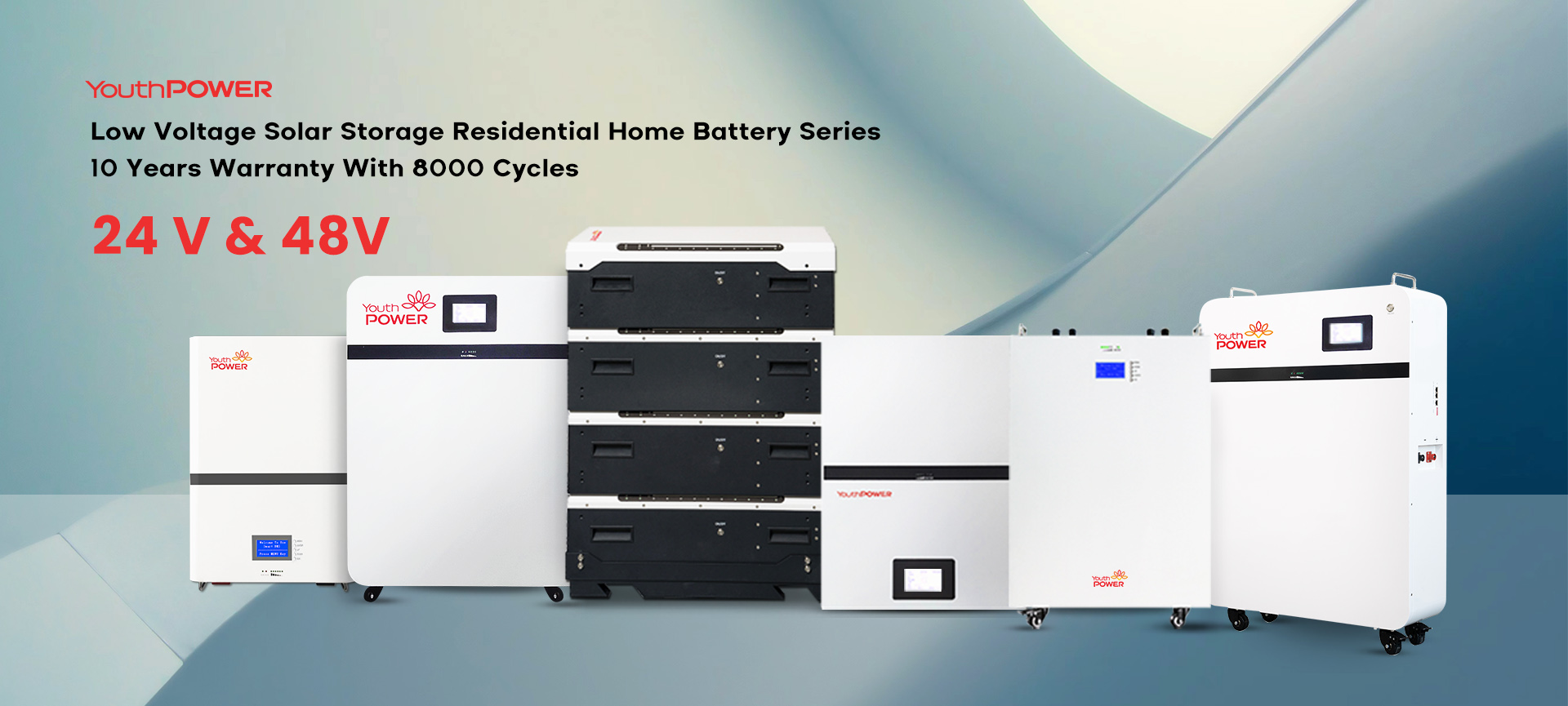
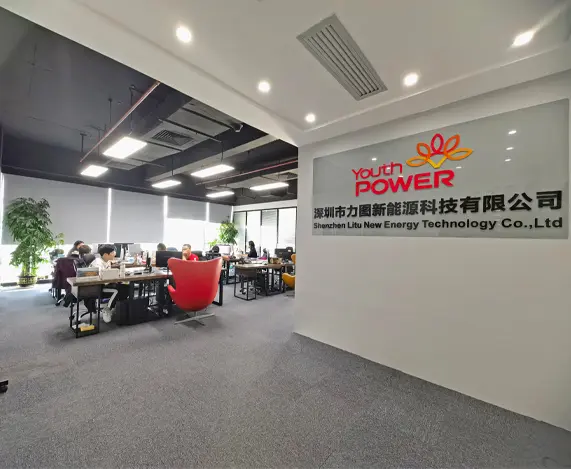
Founded in 2003, YouthPOWER has established itself as one of the world's leading suppliers of solar storage lithium batteries. Our comprehensive catalog of energy solutions includes a wide variety of 24V, 48V, and high-voltage lithium battery systems designed to integrate with major inverter brands.
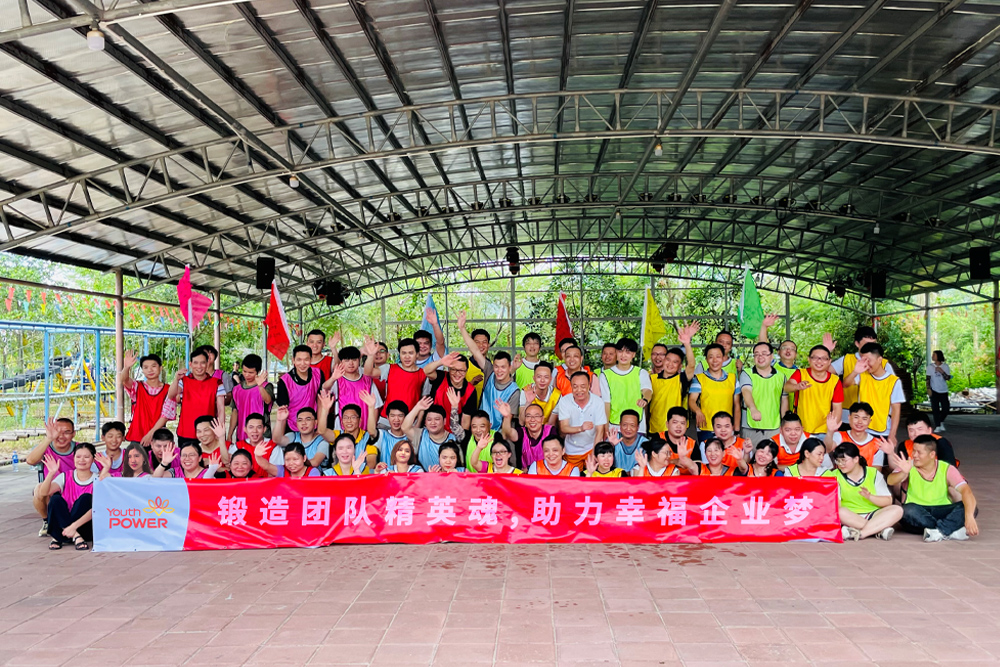
With nearly 20 years of battery technology development and manufacturing experience, our team brings deep engineering expertise and robust R&D capabilities to every product design. Following years of rigorous testing and global deployment, we officially launched our registered brand "YouthPOWER" in 2019 to better serve international markets.
We work closely with trusted local raw material vendors to secure premium, stable components at competitive prices. We are proud that YouthPOWER has delivered reliable solar storage solutions to more than 1,000,000 families worldwide.
20+
Years Battery Experience
1,000,000+
Global Families Supplied
6,000+
LFP Cell Life Cycles
100%
Grade A Quality Inspected
Get professional answers regarding system configurations, engineering options, shipping logistics, and pricing dynamics.
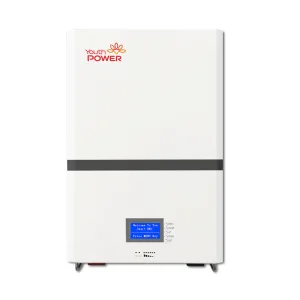
Complete your energy storage layout with our highly scalable balcony systems, wall-mounted batteries, and high-voltage rack enclosures.
 YouthPOWER