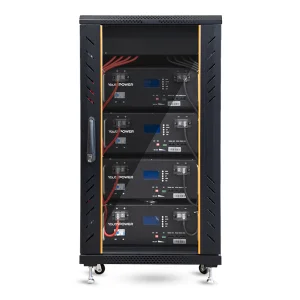
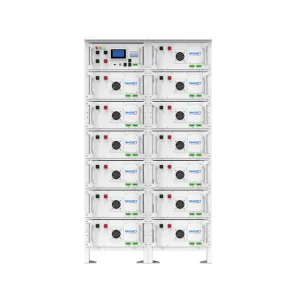
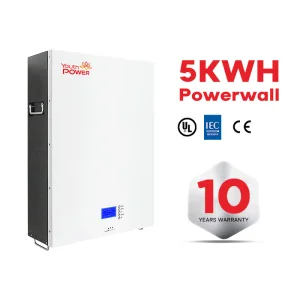
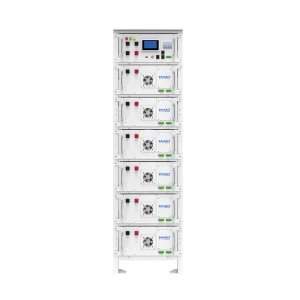
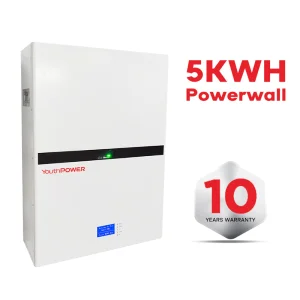
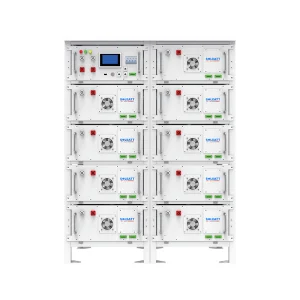
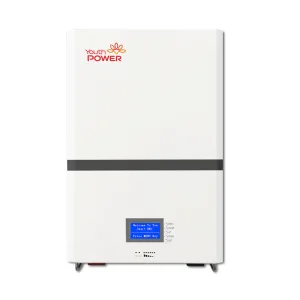
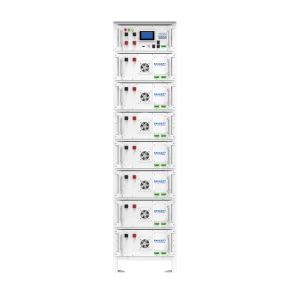
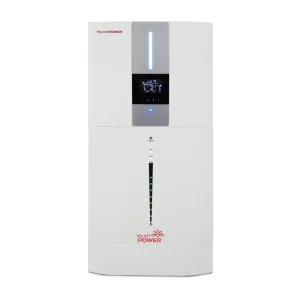
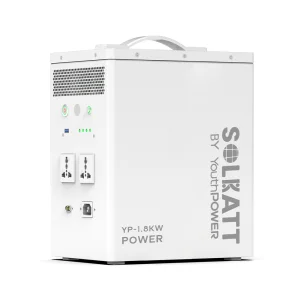
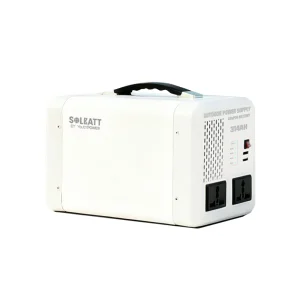
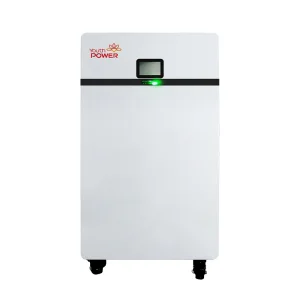
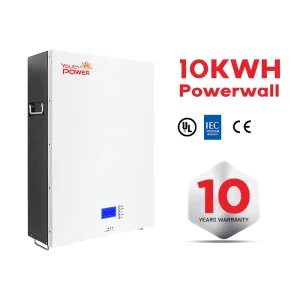
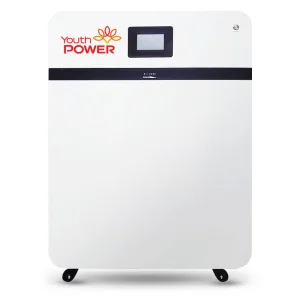
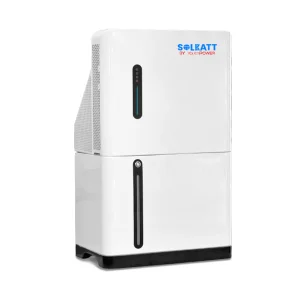
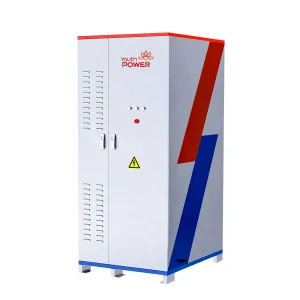
Explore our industrial and commercial energy storage product range engineered for heavy-duty cycle life and maximum safety.
In the rapidly evolving landscape of industrial and commercial electrification, selecting a 24V lithium battery system has transitioned from a generic procurement task to a critical engineering choice. Commercial organizations are phasing out legacy lead-acid systems to adopt Lithium Iron Phosphate (LiFePO4) and Lithium Nickel Manganese Cobalt Oxide (NMC) chemistries. This technological transition is driven by a quest for high energy density, thermal safety, and an optimal total cost of ownership (TCO).
Unlike legacy systems, 24V lithium battery systems offer an exceptional power-to-weight ratio, rapid recharge cycles, and integrated smart battery management systems (BMS). A reliable 24V architecture strikes a balance between low voltage safety (which simplifies installation and compliance checks) and high current carrying capability. This balance makes it the ideal power standard for automated guided vehicles (AGVs), material handling machinery, off-grid telecom infrastructure, marine vessels, and residential ESS scaling.
"Data from global commercial energy storage procurement reports indicates that transitioning from 24V lead-acid to 24V LiFePO4 batteries yields an average of 40% operating expense reduction over 5 years. This is primarily due to the elimination of routine watering maintenance, a decrease in structural weight, and a significant reduction in cycle-to-cycle energy losses."
The industrial landscape is witnessing several key micro-trends that influence how 24V lithium battery packs are engineered and manufactured:
Modern industrial operations cannot afford charging downtime. The deployment of 24V chemistry with 1C or even 2C charging capabilities allows AGVs and electric tuggers to perform quick 'opportunity charging' during breaks, ensuring near-continuous uptime.
Current generation 24V battery systems are equipped with embedded CANbus, RS485, and Bluetooth protocols. These features permit remote engineers to monitor cell voltages, state-of-charge (SoC), and state-of-health (SoH) in real time, preventing thermal events before they manifest.
Leading manufacturers are investing heavily in semi-solid state LiFePO4 cells. These advancements promise to boost energy density by an additional 25%, while significantly lowering safety risks related to electrolyte leakage or external puncture.
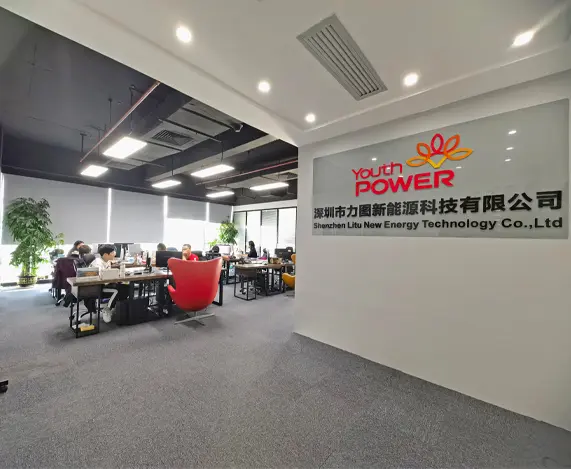
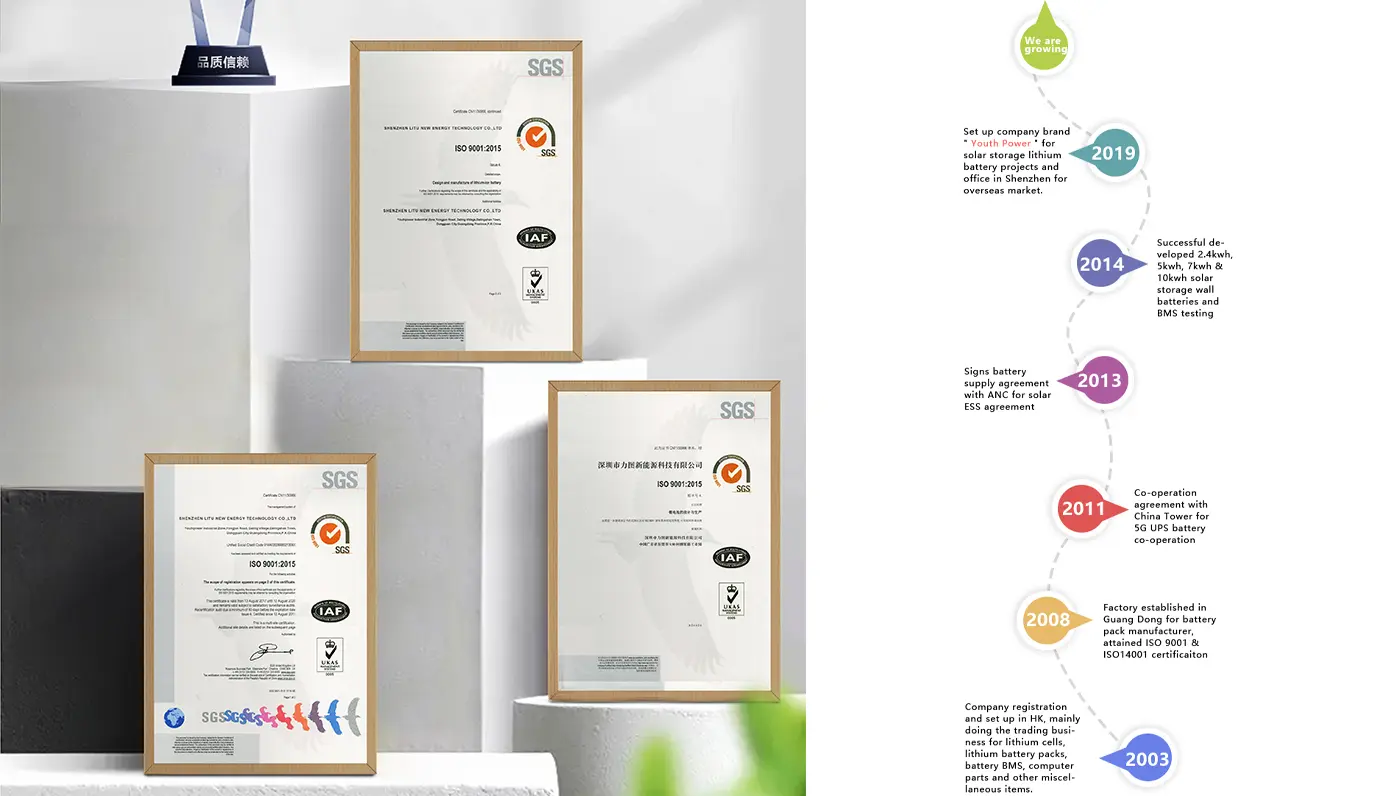
Founded in 2003, YouthPOWER has evolved to become one of the premier suppliers of solar storage lithium batteries worldwide. Our comprehensive range of energy solutions spans 24V, 48V, and high-voltage lithium battery cabinets, tailored to meet strict commercial, industrial, and residential demands.
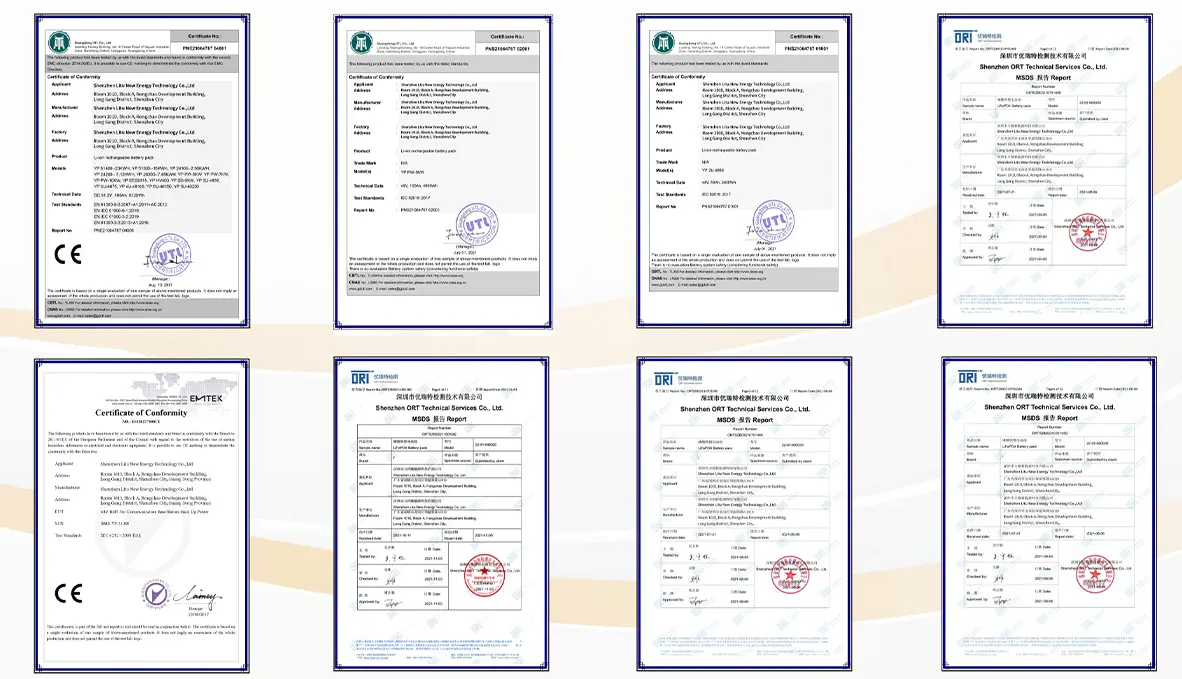
With close to 20 years of focus on battery engineering and manufacturing, YouthPOWER has refined its cells assembly, BMS design, and thermal management architectures. Through dedicated market expansion and R&D investments, we formally established the brand "YouthPOWER" in 2019, securing international certifications (UL1973, CE, IEC62619, UN38.3) that prove the reliability of our clean energy systems.
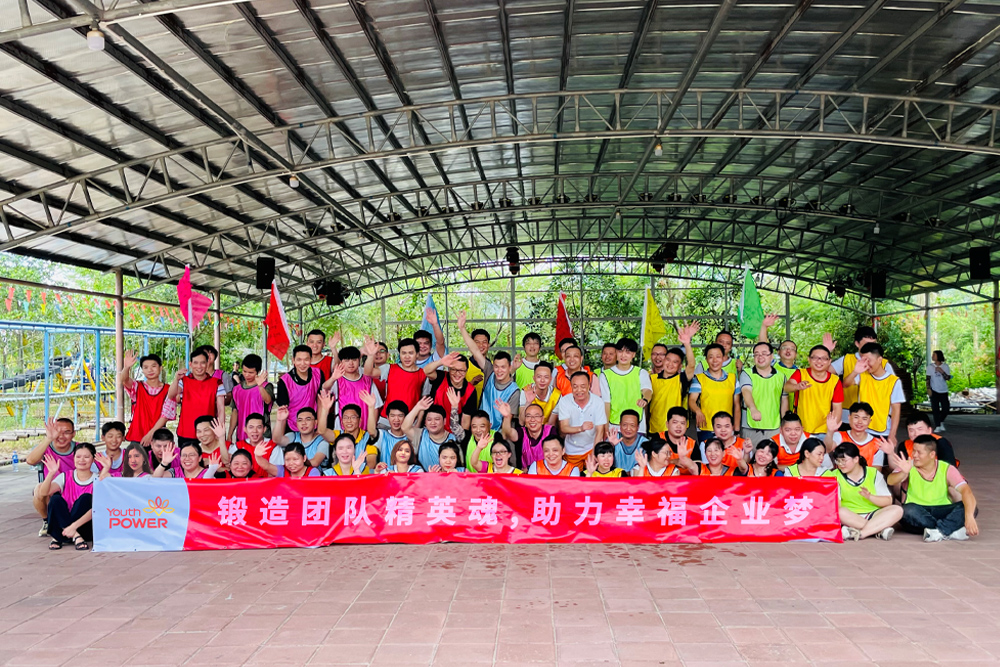
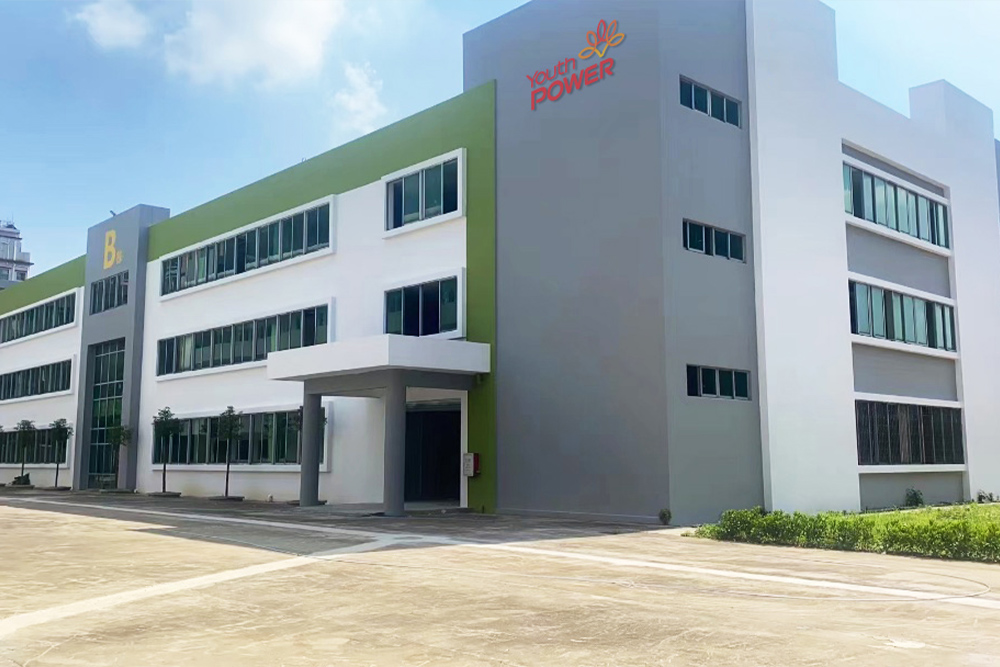
Our capability to supply world-class products is validated by long-standing relationships with domestic raw material vendors. This supply network enables us to optimize production costs and offer highly competitive pricing to global buyers. We are proud that YouthPOWER has delivered reliable solar storage systems to over 1,000,000 families across Europe, the Americas, Africa, and the Asia-Pacific region.
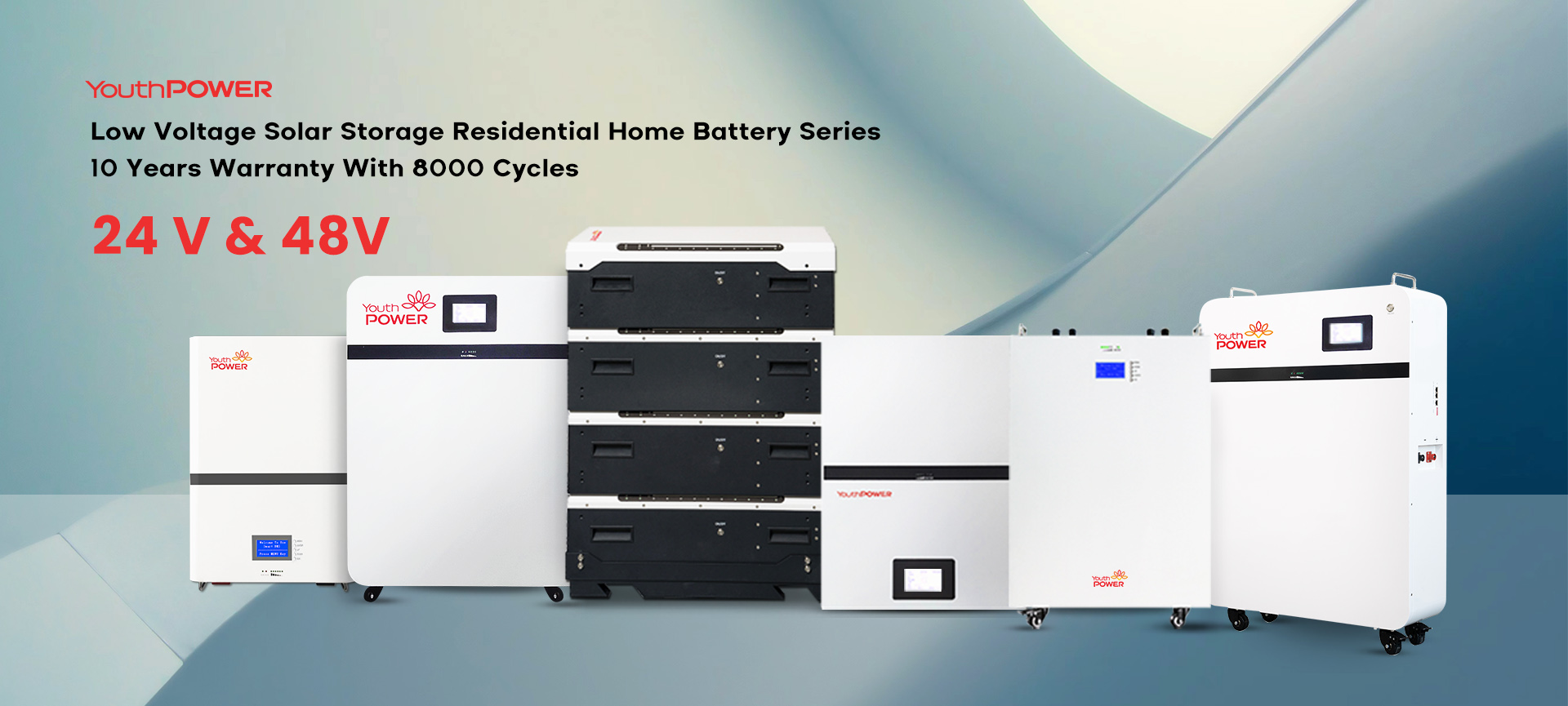
Our R&D facility operates with a focus on product adaptability. Whether client projects demand specific physical dimensions, localized communication protocols, or strict weather-proof ratings (e.g., IP65/IP67), YouthPOWER engineers custom solutions that align with exact project requirements.
We maintain close working relationships with global EPC contractors and system integrators. By collaborating with local material suppliers and engineering partners, we ensure that raw material costs remain insulated from sudden market volatility. This stability allows us to lock in multi-year pricing structures for long-term project deliveries.
Ultimately, our systems deliver steady performance even under demanding load profiles. By integrating multi-stage safety components—such as cell-level pressure release vents, localized aerosol fire suppression, and redundant BMS pathways—YouthPOWER ensures every installed unit performs reliably for years.
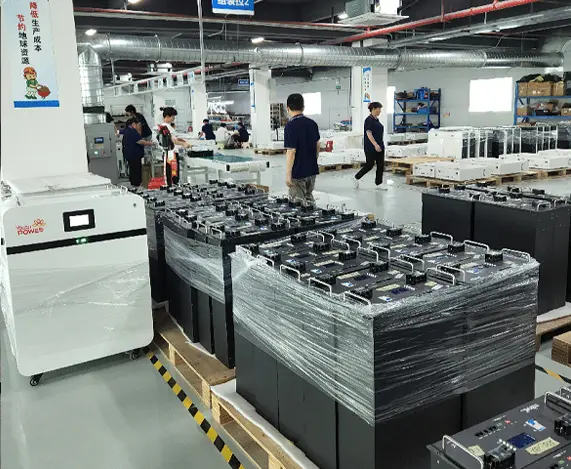
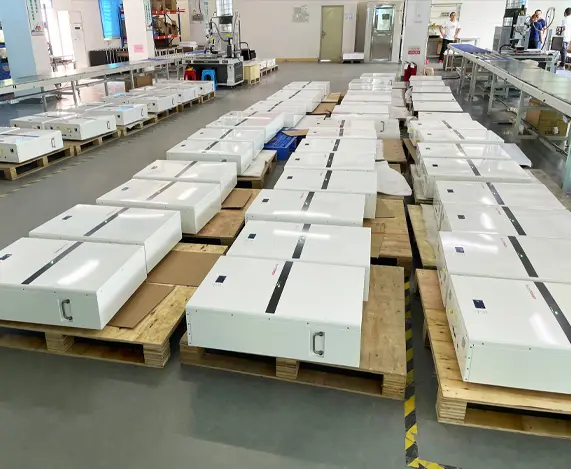
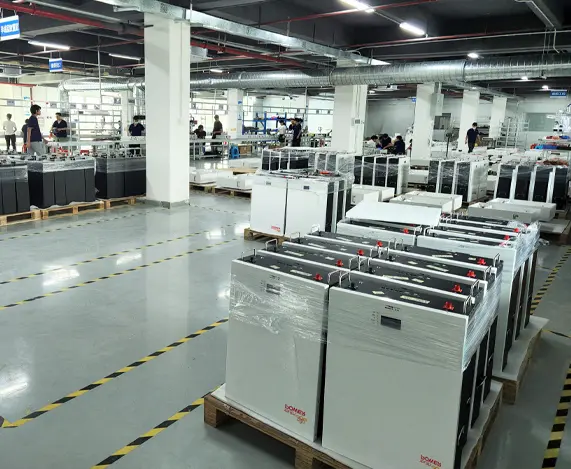
Procuring 24V lithium batteries directly from a high-tech Chinese manufacturer offers access to advanced battery production ecosystems. China's Factory 4.0 initiatives integrate artificial intelligence, IoT monitoring, and robotic assembly lines. This automated manufacturing model guarantees cell-to-cell consistency, which is crucial for maximizing the life of a multi-cell battery pack.
At YouthPOWER, cell capacity sorting, internal resistance testing, and laser welding are handled by automated robotic stations. Automated manufacturing minimizes human error during the critical cell-balancing phase, preventing premature battery degradation.
Furthermore, our direct-to-factory supply model safeguards buyers from typical supply chain disruptions. By holding raw lithium, iron phosphate powder, and BMS microcontrollers in buffer inventories, we shield clients from component shortages. This integration enables us to offer reliable lead times, even when global shipping grids face congestion.
Selecting the ideal battery chemistry depends on the operational environment, weight constraints, and expected operating life. The comparison table below highlights the performance traits of the main 24V configurations:
| Parameters / Specs | 24V LiFePO4 (LFP) | 24V Lithium-Ion (NMC) | 24V Lead-Acid (Legacy) |
|---|---|---|---|
| Nominal Voltage | 25.6 V | 22.2 V - 25.9 V | 24.0 V |
| Cycle Life (80% Depth of Discharge) | 4,000 - 6,000 cycles | 1,500 - 2,500 cycles | 300 - 500 cycles |
| Energy Density (Wh/kg) | 120 - 160 Wh/kg | 200 - 260 Wh/kg | 30 - 45 Wh/kg |
| Safety Profile | High (Thermal Runaway Threshold 60°C+) | Moderate (Thermal Runaway Threshold ~20°C) | Low (Risk of acid leaks & outgassing) |
| Operating Temperature | -20°C to +60°C | -10°C to +50°C | -10°C to +40°C |
| Eco-Friendliness | High (No heavy metals, cobalt-free) | Moderate (Contains cobalt & nickel) | Low (Contains toxic lead compounds) |
24V lithium systems operate across a variety of localized commercial configurations, each requiring distinct safety and design features:
1. AGVs and Smart Warehouse Logistics: Automated warehouse vehicles operate under fast acceleration and deceleration cycles. A 24V LFP battery handles high discharge peaks while charging from 10% to 80% capacity in under 45 minutes during routine shift breaks.
2. Off-Grid Remote Telecom Stations: Base transceiver stations (BTS) located in remote areas require reliable autonomous power. With built-in heating elements and automated cell balancing, YouthPOWER 24V energy systems operate reliably in extreme sub-zero mountain ranges or hot desert environments without active air conditioning.
3. Marine and Industrial Clean Power: Marine auxiliary power systems require protection against salt spray and moisture ingress. Hermetically sealed 24V battery packs prevent moisture intrusion while delivering stable power for communication arrays, steering systems, and electric trolling motors.
Understanding the price structure of 24V lithium batteries is essential for long-term project planning. Battery costs generally consist of three main components:
* Cell Costs (60% - 70%): Prismatic A-grade cells command a premium over cylindrical or B-grade recycled alternatives, but they deliver more stable performance and a longer operational life.
* BMS & Electronics (15% - 20%): Smart BMS boards equipped with active balancing, thermal sensors, and integrated communication networks (CANbus/Modbus) increase the initial cost, but they protect the battery pack from costly damage.
* Housing and Enclosure (10% - 15%): Sheet metal cabinets, IP-rated sealing, and integrated shock-absorbing materials ensure mechanical durability in heavy-duty commercial applications.
When buying at scale, direct factory integration can lower unit costs by 15% to 25% compared to purchasing through regional distributors. Furthermore, direct factory contact gives engineers access to custom cell layouts, optimized cabinet designs, and specialized firmware adjustments for unique industrial environments.
Reliable backup power systems designed to provide energy independence, whether on site or off grid.
 YouthPOWER