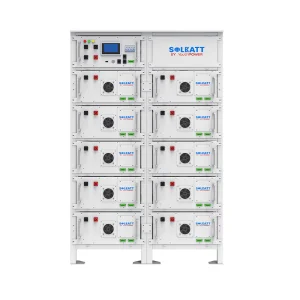
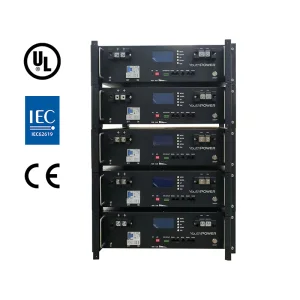
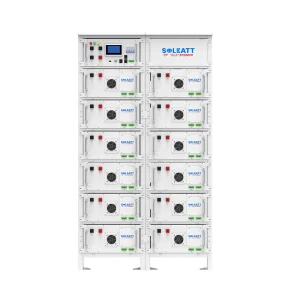
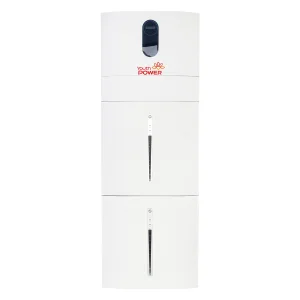
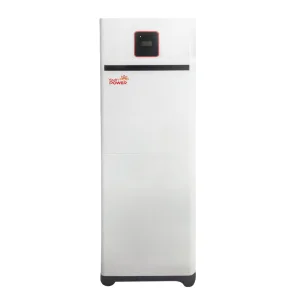
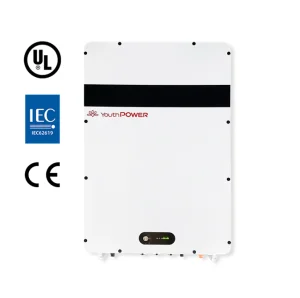
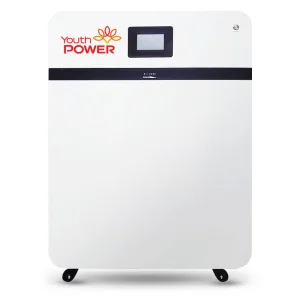
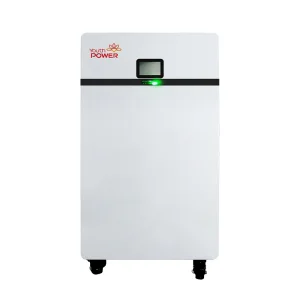
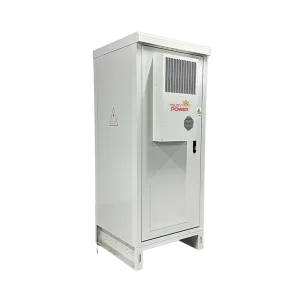
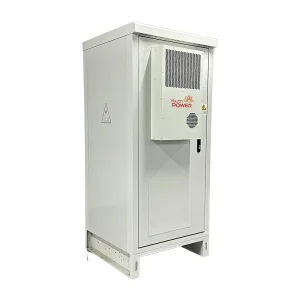
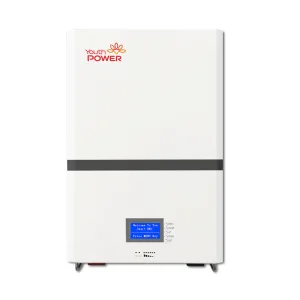
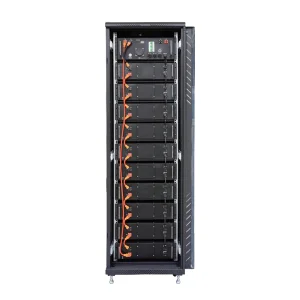
Premium 48V - 512V industrial lithium platforms designed for demanding global grid integration and commercial power security.
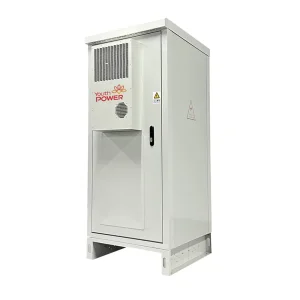
Understanding the standard chemistry, integration capacities, and cell configurations that govern global industrial operations.
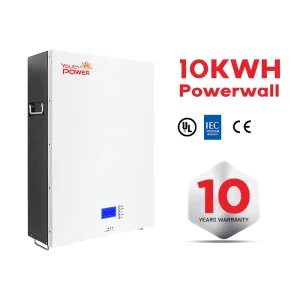
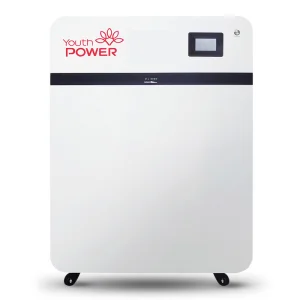
The 48V 200Ah Lithium Iron Phosphate (LiFePO4) battery pack represents the sweet spot for modern energy storage. Nominally rated at 51.2V (using a 16S configuration of 3.2V prismatic cells), this system yields exactly 10,240 Watt-hours (10.24 kWh) of usable energy. This capacity has emerged as the universal standard for residential backup systems, off-grid storage setups, and light commercial UPS installations.
Unlike lead-acid equivalents that degrade under deep discharge, a Grade-A LiFePO4 chemistry allows a 90% to 100% Depth of Discharge (DoD) while maintaining over 6,000 charge cycles at 80% capacity retention. Integrated smart Battery Management Systems (BMS) protect cells against over-voltage, thermal runaway, and localized shorts, communicating seamlessly via CAN, RS485, and RS232 protocols with mainstream commercial inverters.
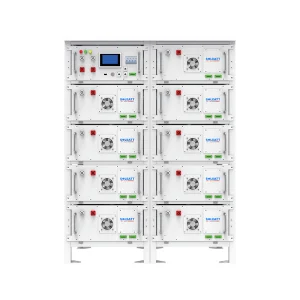
For large enterprise implementations, these systems can be linked in parallel (often up to 15 or 32 units) to reach over 320 kWh of combined capacity without needing high-voltage conversion cabinets, making deployment safe, straightforward, and highly scalable.
| Parameters | Typical Value | Industry Standard |
|---|---|---|
| Nominal Voltage | 51.2 V | 48.0 V |
| Capacity | 200 Ah (10.24 kWh) | 100Ah - 300Ah range |
| Cell Type | Prismatic LiFePO4 Grade-A | Varies (Grade-B common in cheap brands) |
| Cycle Life | > 6,000 Cycles @ 80% DoD | 2,000 - 3,500 Cycles |
| BMS Communication | CAN / RS485 / RS232 | Basic hardware protection only |
| Certifications | UL1973, CE, IEC62619, UN38.3 | CE only (standard entry market) |
Key technical parameters, supply requirements, and critical evaluation standards that global procurement officers must mandate.
Mandate factory reports verifying Grade-A cells with matched internal resistance (IR) tolerances. Avoid mixed-batch packs that degrade prematurely under peak discharge cycles.
Confirm the BMS protocol stack supports communication with industrial standard inverters like Victron Energy, Deye, Growatt, SMA, Solis, and Luxpower natively.
Require active or advanced passive thermal dispersion designs, keeping the internal pack Delta-T below 5°C during continuous 1C charge and discharge cycles.
Why Tier-1 Chinese manufacturers provide the world's most competitive, reliable, and technologically advanced battery systems.
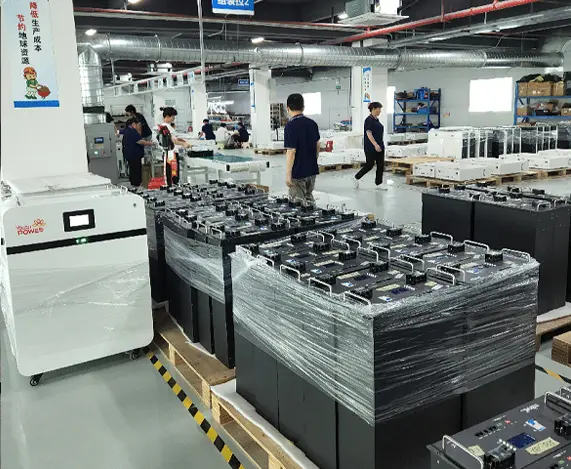
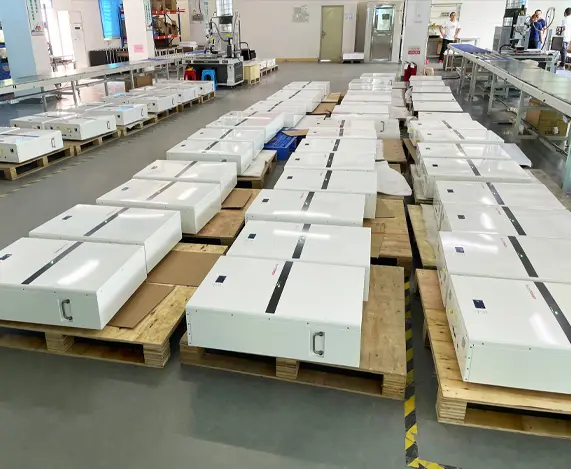
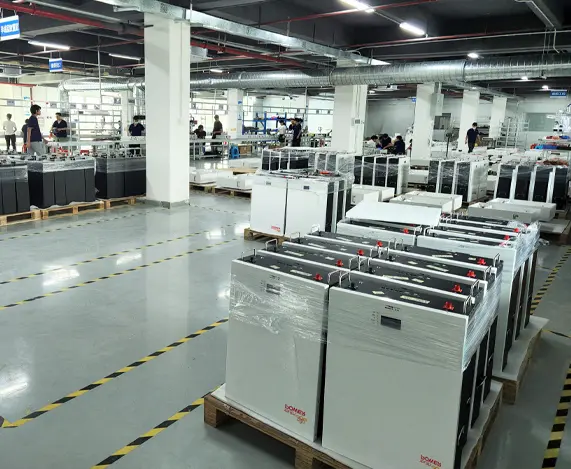
Over 75% of global lithium-ion battery cells originate from Chinese industrial ecosystems. This massive geographic clustering offers unmatched strategic advantages to global corporate buyers. From raw material refining (Lithium Carbonate, Iron Phosphate cathodes) to advanced multi-layer automated assembly lines, Chinese factories optimize every fraction of the production cycle.
By purchasing from established brands like YouthPOWER, enterprises bypass intermediary markups. Benefiting from localized engineering teams, custom casing builds, and specialized BMS programming, you get top-tier industrial systems at factory direct pricing.
Furthermore, local supply chain consolidation in hubs like Shenzhen and Dongguan ensures that spare parts, enclosure hardware, active balancers, and logic chips are sourced, tested, and certified in record time, keeping lead times short and quality standards high.
Exporting high-voltage and high-capacity lithium batteries requires strict compliance with international safety protocols and localized grid codes.
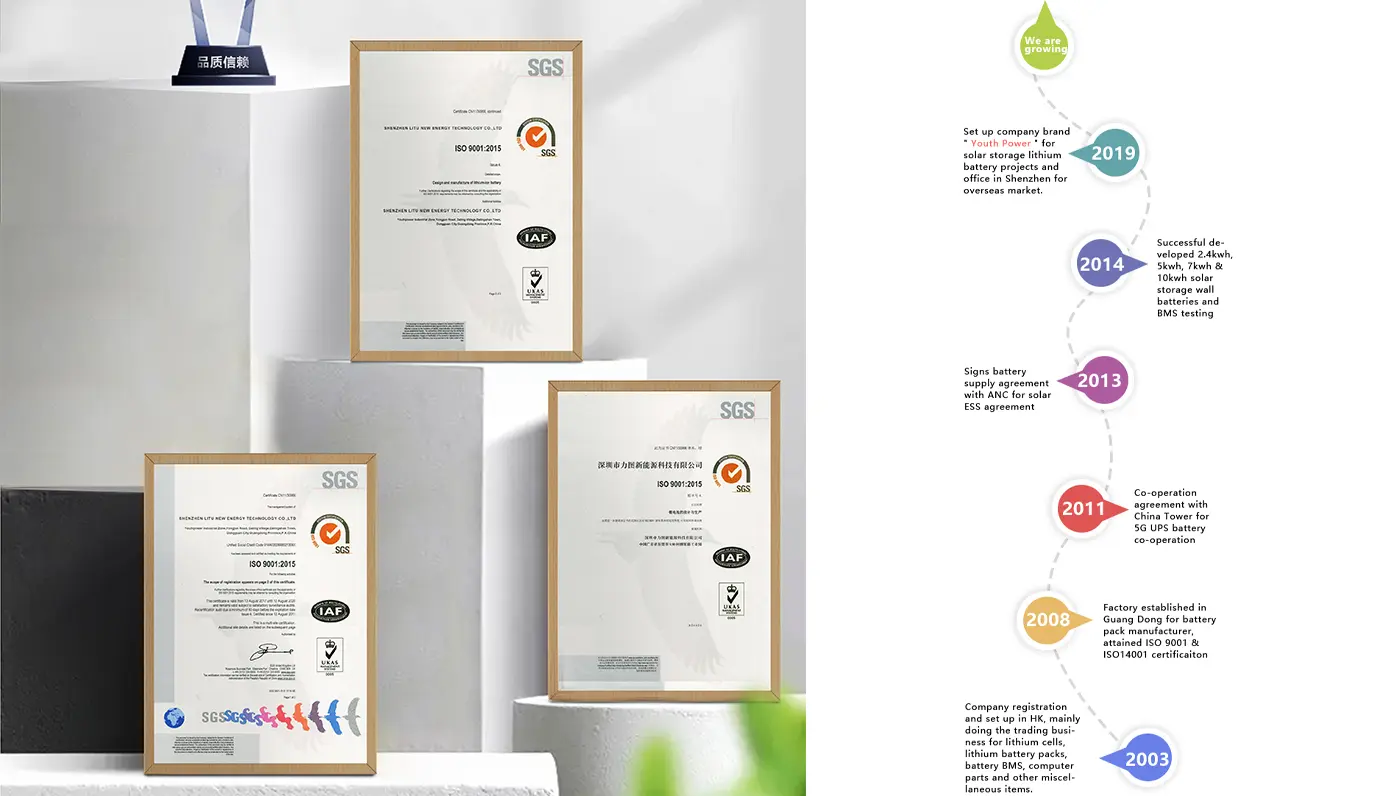
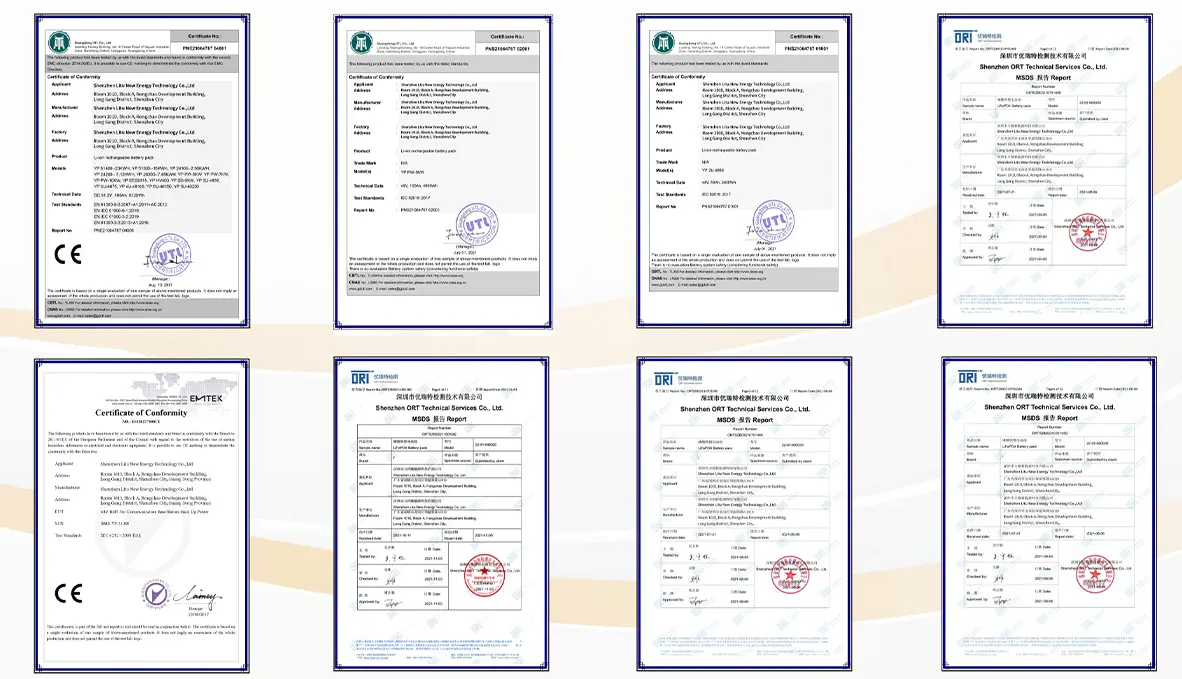
Crucial certifications for battery safety in stationary energy storage applications. Our manufacturing pathways meet these strict international safety benchmarks.
Every single model undergoes rigorous testing to comply with UN38.3 and MSDS protocols, allowing safe air, rail, and sea transport of Class 9 hazardous materials.
Establishing localized maintenance centers and warehousing ensures fast replacements, minimizing costly downtime for critical industrial networks.
How technological breakthroughs and scale economies are reshaping the global battery storage landscape.
Modern factories are transitioning from 100Ah standard prismatic cells to 280Ah and 314Ah high-density variants, letting manufacturers fit higher storage capabilities into standard 19-inch racks with zero dimensional expansion.
Next-gen Battery Management Systems integrate cloud telemetry, offering real-time cell health analytics, predictive maintenance alerts, and wireless OTA firmware modifications to adjust dynamically to changing grid conditions.
How 48V 200Ah battery setups solve energy challenges across various regional infrastructure profiles.
Powers high-draw water pumps, crop drying fans, and off-grid remote farm sensors reliably when combined with solar arrays, replacing diesel generators completely.
Ensures 24/7 connectivity for standard telecom tower infrastructure, operating efficiently in remote regions with high temperatures and fluctuating grid voltages.
Provides critical backup power to IT server rooms and diagnostic equipment, safeguarding sensitive electronics from short-term power spikes and sudden blackouts.
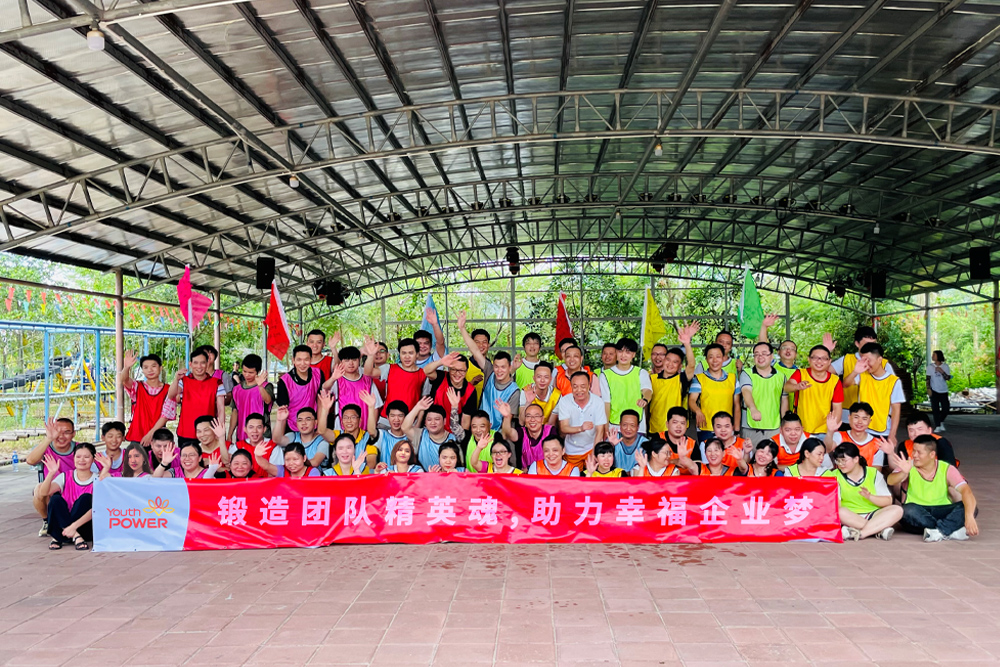
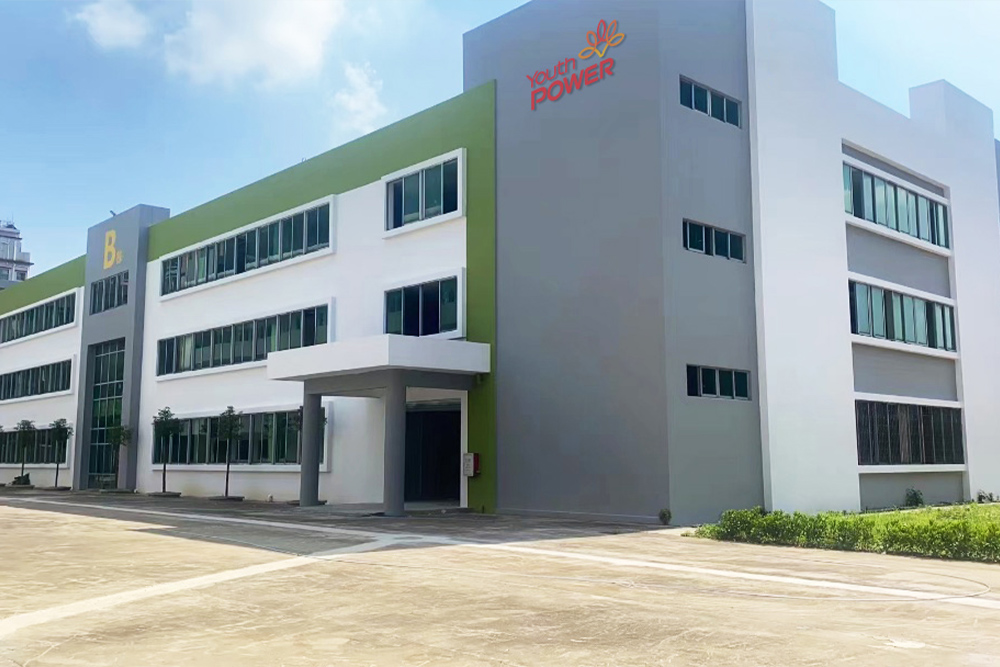
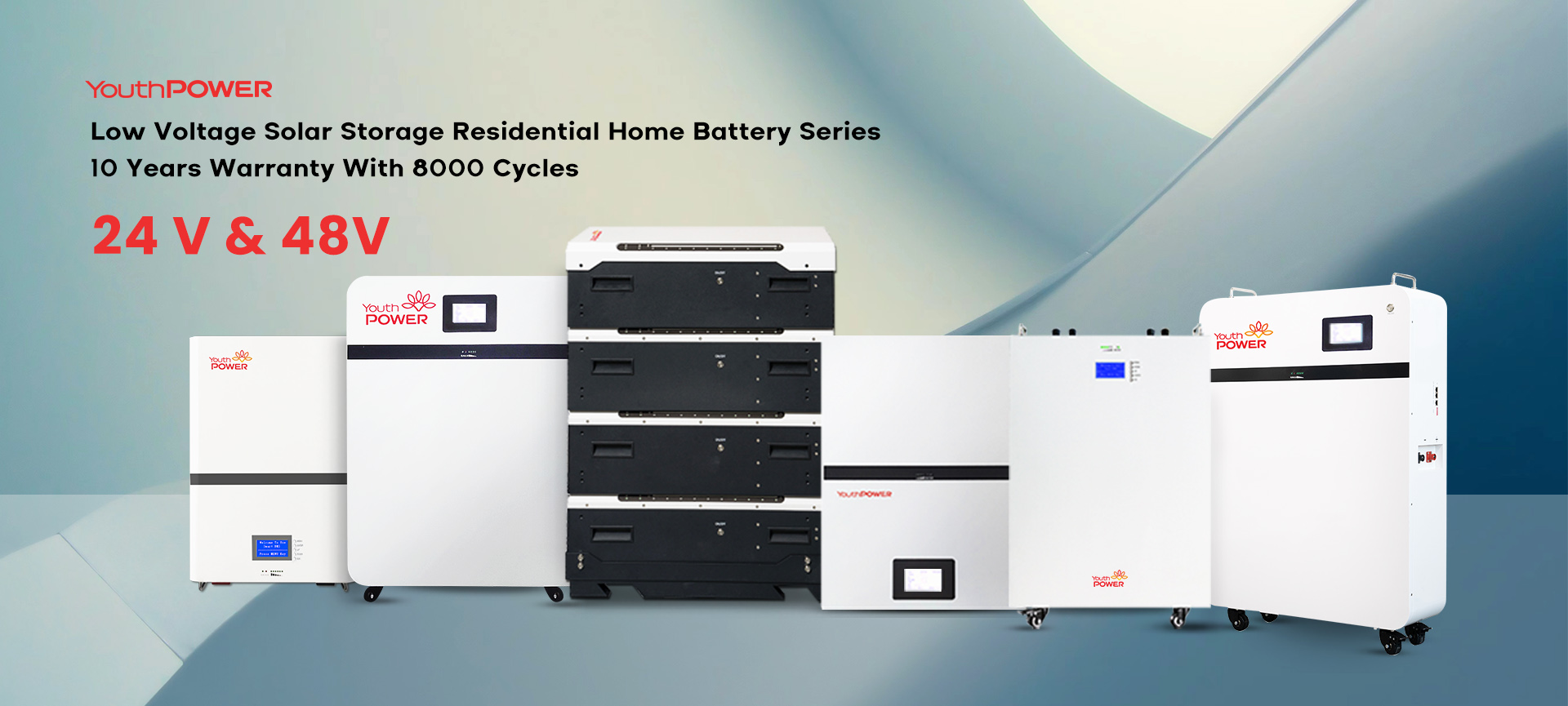
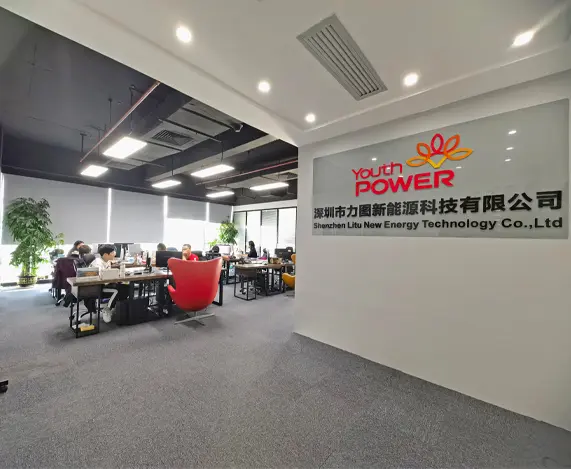
Founded in 2003, YouthPOWER has now become one of the leading suppliers of solar storage lithium batteries in the world. With a broad range of energy storage solutions, it covers a series of 24V, 48V and higher voltage lithium batteries solutions.
YouthPOWER has engaged in the battery technology and production for almost 20 years, with abundant manufacturing experience and strong new product R & D capability. Through many years of hard work and market promotion, we have created our own brand "YouthPOWER" in 2019.
With nearly 20 years’ experience in the battery industry, we have the capability to provide you with both the products you need and the most suitable products you want. We are always ready to supply the first-class products and meet the various needs of the customers.
We have established good business relationships with our customers from all over the world. And we have a good cooperation with all our customers as well for many years running. Supported by our local vendors of raw materials, we can certainly offer you the best prices.
We are so proud that YouthPOWER has offered the reliable solar storage solution for over 1,000,000 families now in the world.
Actionable structural and financial insights to assist procurement managers in vetting vendors and optimizing purchase costs.
Explore our complete commercial and residential line of resilient lithium solutions, built to optimize efficiency and minimize costs.
 YouthPOWER