Explore our core lithium-ion/LiFePO4 battery modules and high-current charger matchings engineered for telecom backup, residential ESS, and industrial microgrids.
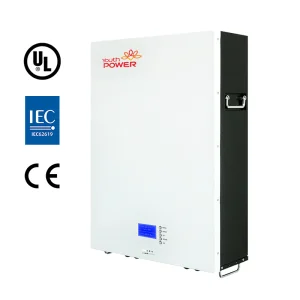
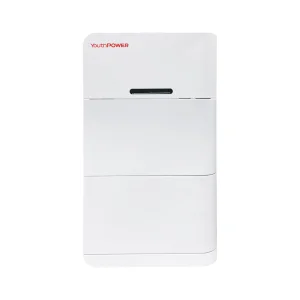
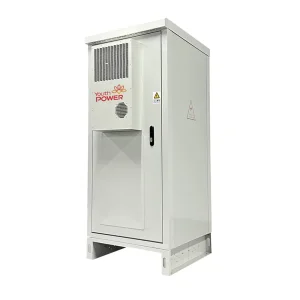
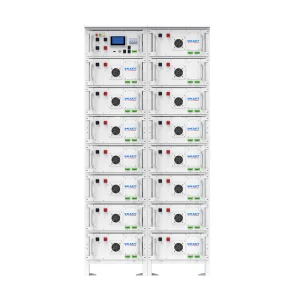
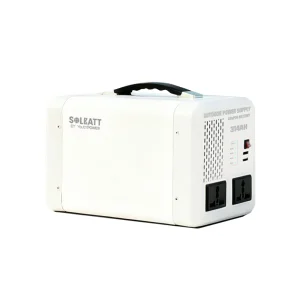
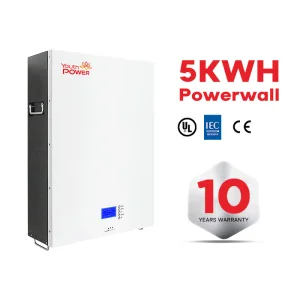
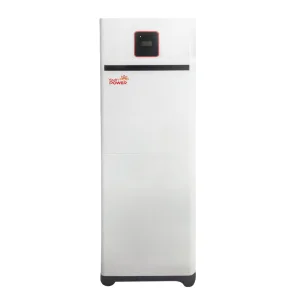
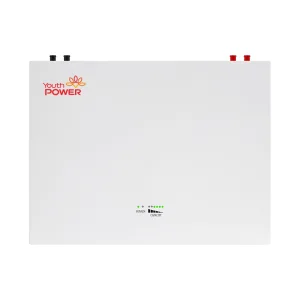
The industrial battery charging landscape is undergoing a paradigm shift towards higher power density, advanced thermal management, and cognitive battery integration. As 48V (nominal 51.2V for LiFePO4 chemistry) becomes the default standard for telecom infrastructures, automated guided vehicles (AGVs), and light electric vehicles (LEVs), the demands placed on charging topologies have evolved significantly.
By replacing traditional silicon MOSFETs with Gallium Nitride (GaN) and Silicon Carbide (SiC) semiconductors, next-generation 48V chargers achieve switching frequencies exceeding 150 kHz. This reduces the physical footprint of magnetic components (inductors and transformers) by up to 40%, resulting in lightweight form factors and high efficiency ratings (≥96.5%).
Modern chargers are no longer unidirectional loads. The transition to bidirectional buck-boost topologies enables 48V system chargers to feed energy back into localized grids or micro-grids when demand spikes. This maximizes the return on investment (ROI) for massive stationary battery installations.
By incorporating microprocessors running machine learning state-of-health (SOH) models, chargers dynamically negotiate charging currents. Instead of rigid constant current / constant voltage (CC/CV) stages, chargers read real-time cell parameters via CAN-bus to adapt curves, avoiding dendrite formation and extending cell life by up to 25%.
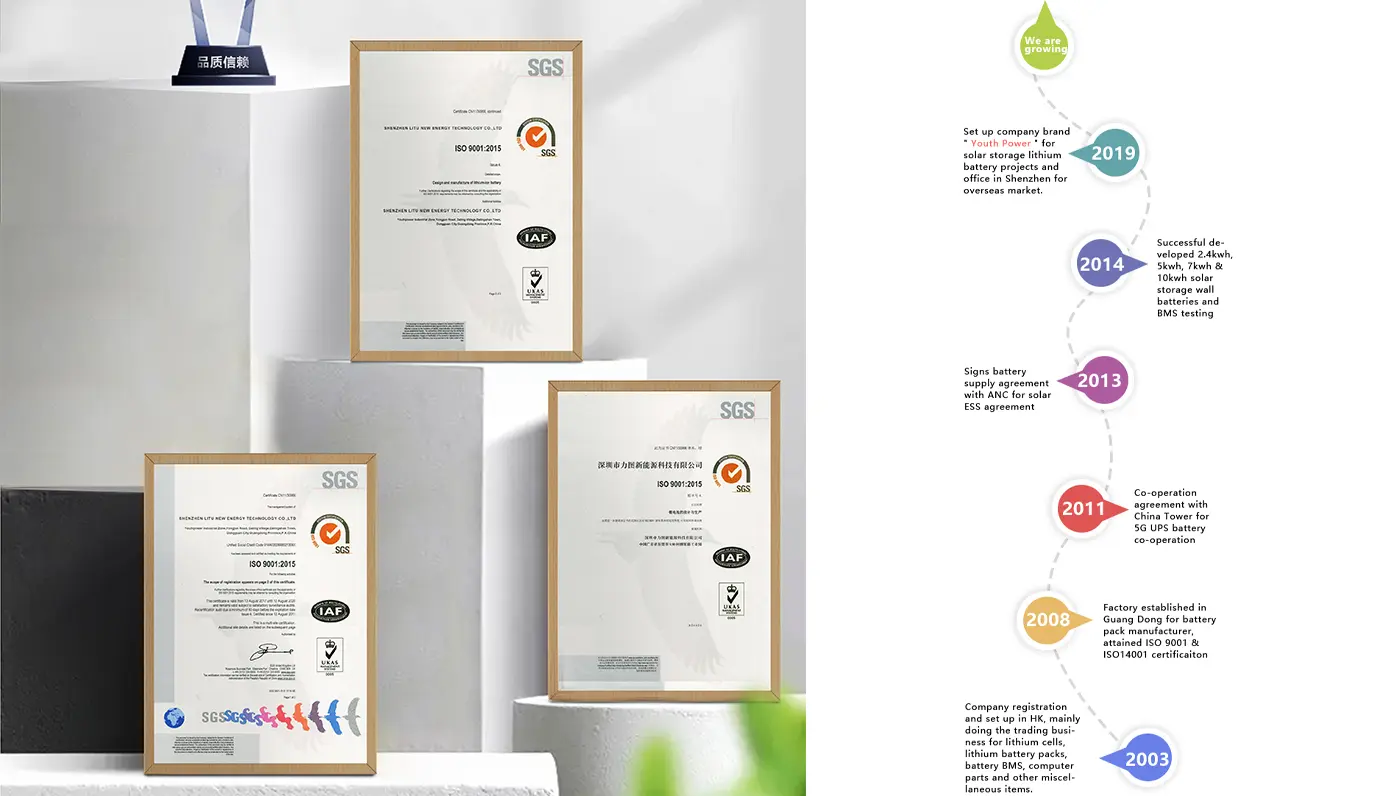
Founded in 2003, YouthPOWER has now become one of the leading suppliers of solar storage lithium batteries in the world. With a broad range of energy storage solutions, it covers a series of 24V, 48V and higher voltage lithium batteries solutions.
YouthPOWER has engaged in the battery technology and production for almost 20 years, with abundant manufacturing experience and strong new product R & D capability. Through many years of hard work and market promotion, we have created our own brand "YouthPOWER" in 2019.
With nearly 20 years’ experience in the battery industry, we have the capability to provide you with both the products you need and the most suitable products you want. We are always ready to supply the first-class products and meet the various needs of the customers.
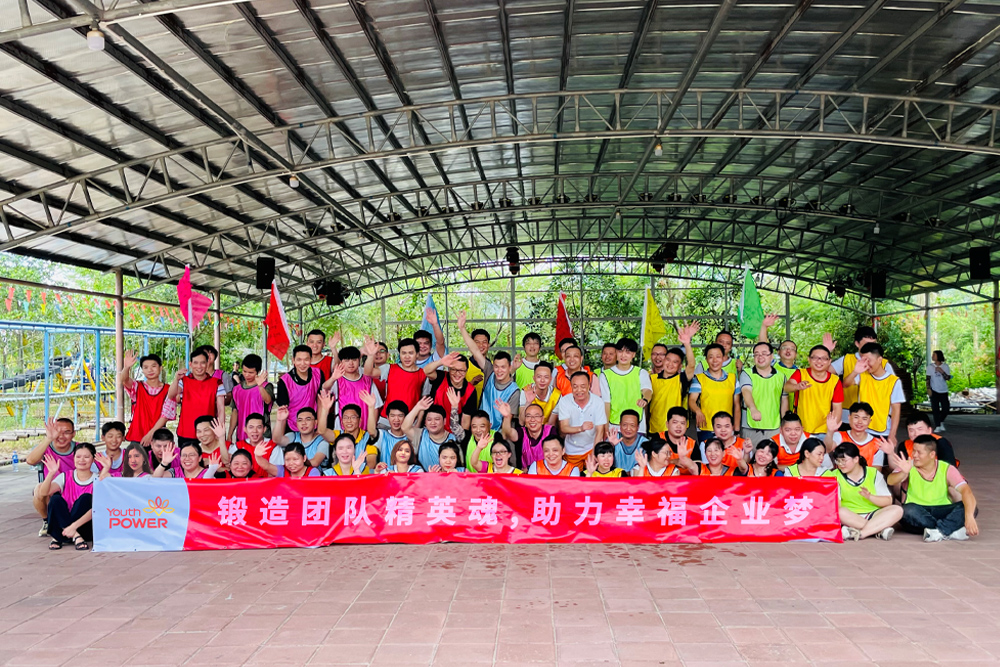
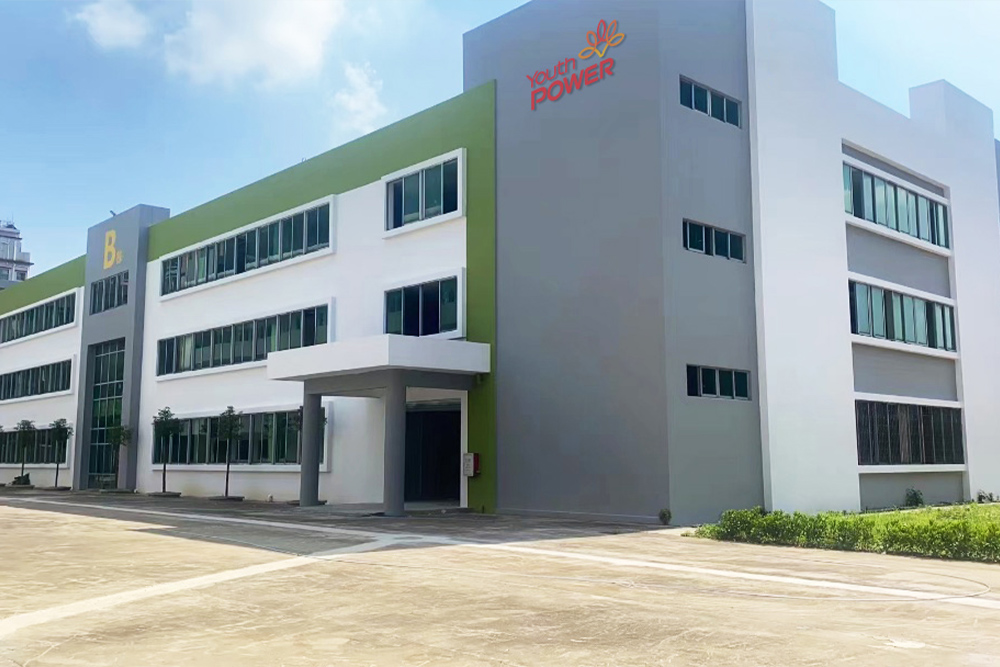
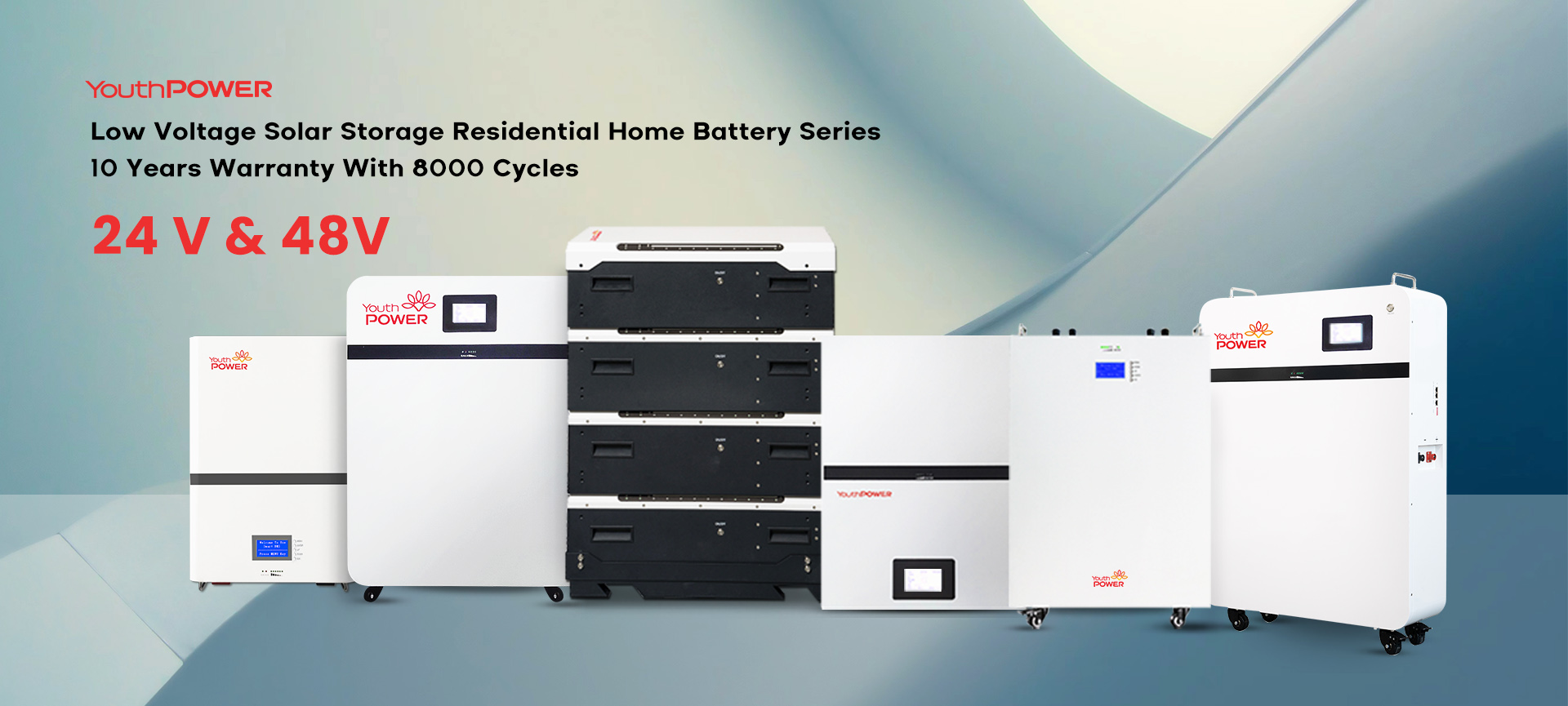
We have established good business relationships with our customers from all over the world. And we have a good cooperation with all our customers as well for many years running. Supported by our local vendors of raw materials, we can certainly offer you the best prices.
We are so proud that YouthPOWER has offered the reliable solar storage solution for over 1,000,000 families now in the world.
Our deep vertical integration guarantees that our battery modules are perfectly paired with matching charging units. From the design of integrated circuits to enclosure casting, our strategic local material networks minimize costs while maintaining high quality standards.
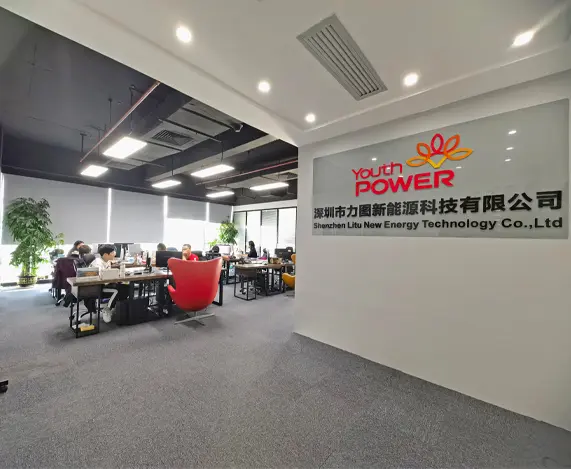
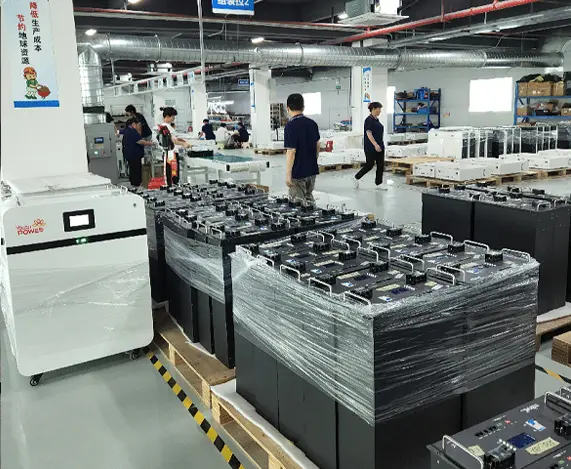
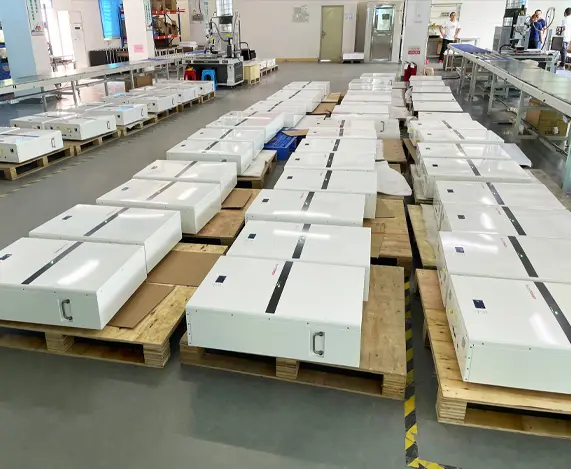
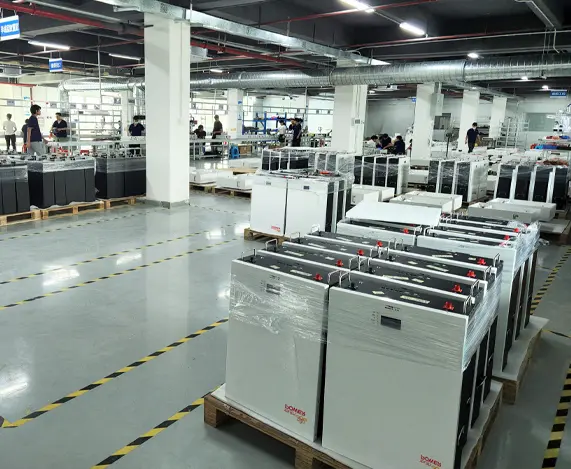
A visual overview of our advanced electronics assembly lines, cleanrooms, and automated testing hubs.
The 48V electrical architecture has established itself as the safest and most efficient low-voltage system for high-power distribution. Under 60V DC, systems bypass stringent high-voltage safety regulations (which demand thick isolation and specialized handling certification), while offering dramatically reduced line losses compared to 12V or 24V setups. Here is how our chargers address primary industrial verticals:
Telecom towers rely on uninterruptible 48V DC grids. Our charging units operate with power factor correction (PFC > 0.99) and active temperature compensation, protecting standard rack-mounted LiFePO4 battery modules. Their modular hot-swap design allows parallel unit operation to match changing site loads.
Forklifts and automated guided vehicles (AGVs) in smart warehouses need fast opportunity charging. Our industrial chargers support high current outputs (up to 150A) and integrate CAN-bus protocols (CANopen/J1939) to initiate rapid charging windows safely during shift breaks.
For off-grid configurations, our system links solar charge controllers and smart bidirectional AC chargers. Compatible with brand-name hybrid inverters, they stabilize local battery storage banks through fluctuating irradiance and grid outages.
Sourcing 48V chargers directly from China’s leading production hubs offers substantial cost advantages, but real value lies in the implementation of advanced Industry 4.0 manufacturing processes. As a vertically integrated manufacturer, YouthPOWER implements quality control systems at every stage of production:
Every control board (BMS interface and converter PCB) is populated using high-speed pick-and-place surface mount technology (SMT) lines. Immediately following reflow, Automatic Optical Inspection (AOI) systems scan solder joint integrity to prevent cold-soldering and micro-fractures, which can lead to premature hardware failure under operational vibrations.
To eliminate early-stage component failures, all finished 48V chargers undergo full-load burn-in testing inside temperature-controlled chambers (up to 50°C) for at least 8 hours. During this phase, input/output parameters, thermal signatures, and efficiency metrics are monitored in real time.
Our long-term partnerships with primary suppliers of copper coils, transformer cores, and semiconductor manufacturers give us stable access to key raw materials. This insulates our customers from commodity price spikes and allows us to provide highly competitive factory-direct pricing.
For B2B procurement managers and EPC (Engineering, Procurement, and Construction) contractors, selecting a charging partner involves evaluating the Total Cost of Ownership (TCO) alongside technical specifications. Purchasing cheap components without adequate engineering support often increases costs due to warranty failures and system downtime.
Evaluate standby power losses, operational efficiency curves, and projected thermal wear. A charger with 95% efficiency compared to 88% can save large commercial fleets thousands of dollars in annual energy costs.
Whether you require custom CAN communication protocols, specialized IP65-rated enclosures for harsh environments, or branding options, our engineering team handles firmware modifications and enclosure redesigns in-house.
We provide clear, volume-based pricing structures with low minimum order quantities (MOQs) for custom designs. This helps clients scale up smoothly from pilot programs to full-production deployments.
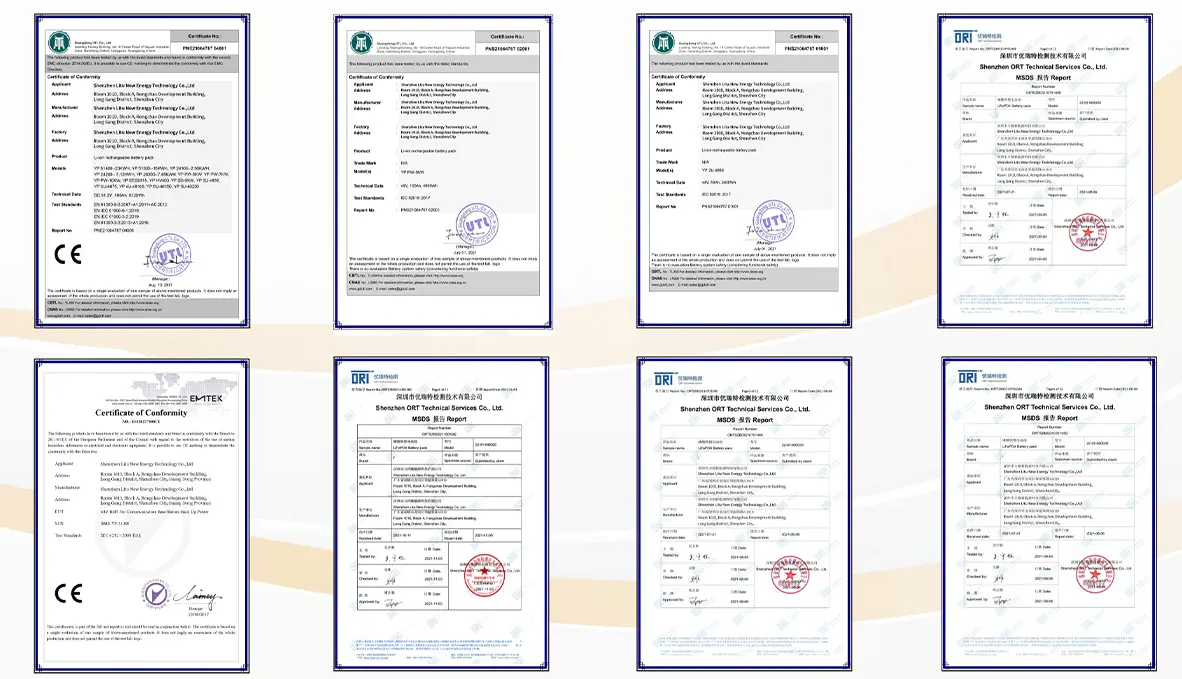
Entering international markets requires strict adherence to regional safety and regulatory frameworks. Importing industrial equipment that lacks appropriate certifications exposes companies to customs issues, insurance denials, and potential civil liabilities.
YouthPOWER chargers are designed and tested to comply with international regulatory frameworks:
To function safely, a LiFePO4 battery charger must communicate directly with the Battery Management System (BMS). Our technical teams preload communication profiles for major battery brands, and we offer custom CAN-bus, RS485, and Modbus RTU profile configuration to ensure safe operation with your existing hardware.
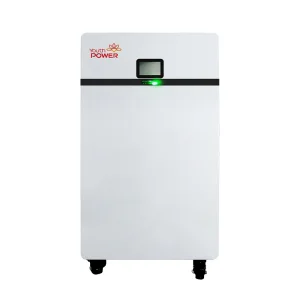
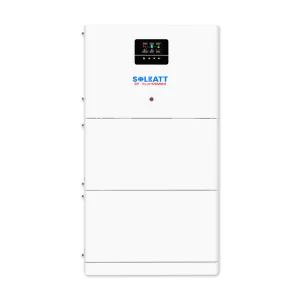
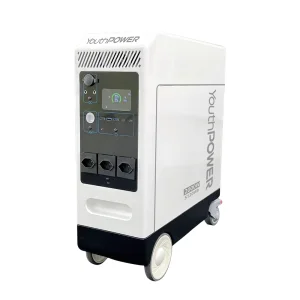
High capacity battery modules, commercial-grade cabinet setups, and mobile power generators built to handle rigorous industrial workloads.
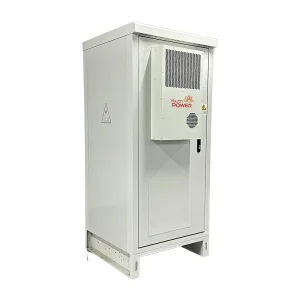
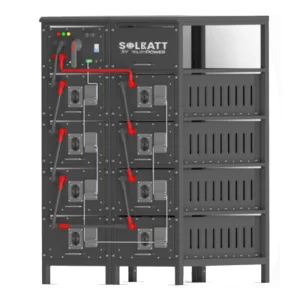
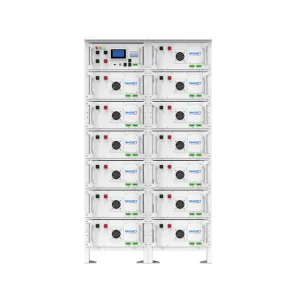
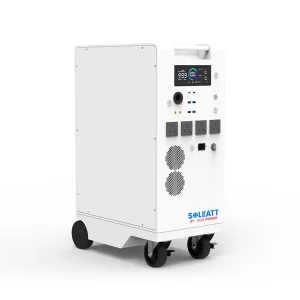
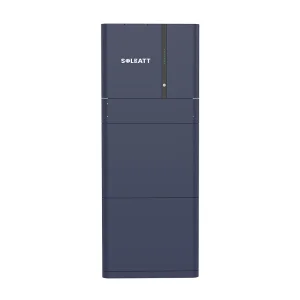
Clear answers to common questions about industrial 48V battery chargers, customization, and factory-direct procurement.
 YouthPOWER