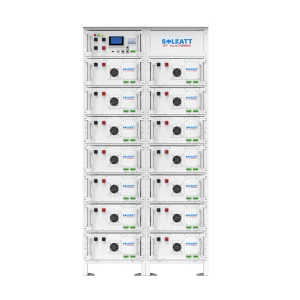
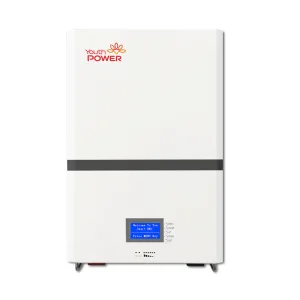
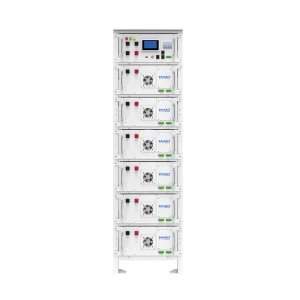
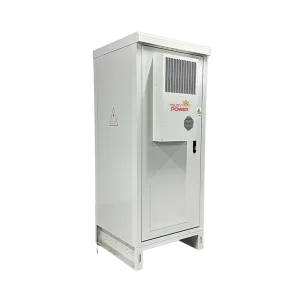
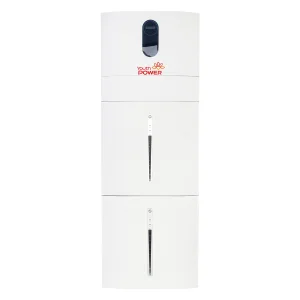
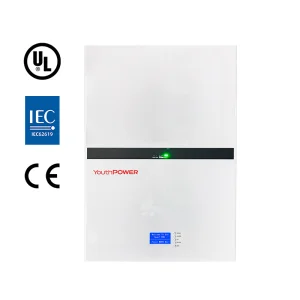
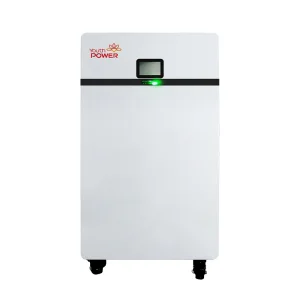
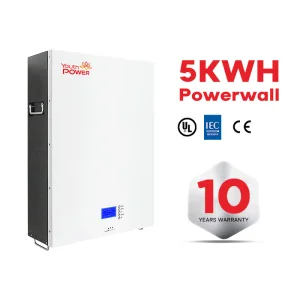
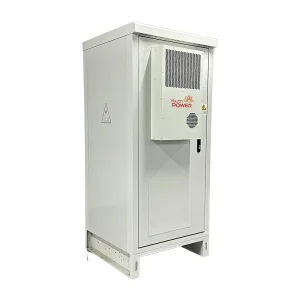
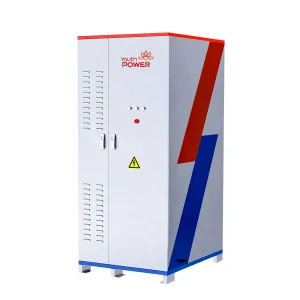
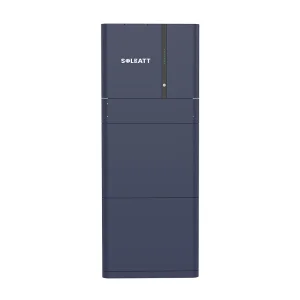
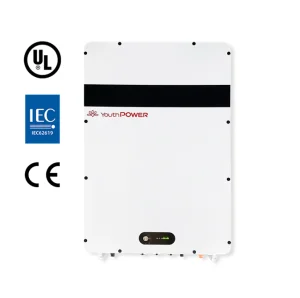
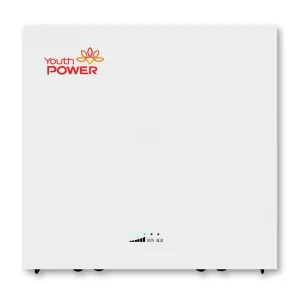
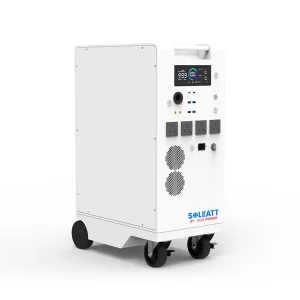
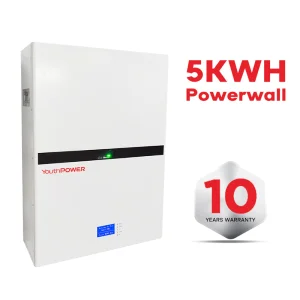
Engineered for utility, commercial-industrial, and high-capacity residential applications.
An analytical engineering breakdown of low-voltage safety, structural efficiency, and cost optimization.
In the landscape of modern chemical energy storage, the 48V configuration (technically normalized at 51.2V nominal for 16S LiFePO4 cells) represents the thermodynamic and regulatory "sweet spot" for distributed energy storage systems (DESS). According to international safety standards, including the Safety Extra Low Voltage (SELV) thresholds defined in IEC 60364, voltages below 60V DC do not pose hazardous physiological shock risks under normal operating environments. This fundamentally eliminates the need for expensive, complex high-voltage isolation systems, high-voltage interlocks, and specialized installation certifications that inflate commercial and residential deployment costs.
"By utilizing 48V nominal systems, engineers can bypass the stringent high-voltage balance-of-system (BOS) requirements while achieving high current density. The cost efficiencies realized from reduced installation labor, safety compliance, and simplified maintenance have established 48V as the premier standard for telecom, residential, and light commercial battery integration."
Furthermore, 48V system topologies allow parallel expansion of batteries without changing the system voltage, ensuring scalable capacity while maintaining the native safety profiles. Standardizing on 48V configurations allows system integrators to scale up to 100kWh or more via parallel busbars, supporting robust load current capacities while avoiding the cell mismatch vulnerabilities commonly associated with long series-connected high-voltage strings. This modularity is a critical driver for telecom base stations, edge data centers, and grid-interactive residential microgrids globally.
A true commercial-grade 48V lithium battery system relies on high-yield, grade-A prismatic Lithium Iron Phosphate (LiFePO4) cell chemistry. Compared to cylindrical cells, prismatic chemistry offers superior thermal dissipation pathways, high mechanical robustness, and an exceptional cycle life. The architecture of a professional-grade 48V LiFePO4 battery pack is detailed in the tech breakdown below:
Utilizes LiFePO4 chemistry with a thermal runaway threshold of 270°C. Resilient to penetration, overcharging, and short-circuit faults compared to ternary lithium chemistries.
Equipped with dual-core ARM processors monitoring real-time cell voltage, temperature, and SOC/SOH. Features RS485, CAN, and Modbus communication protocols for closed-loop inverter control.
Constructed within heavy-gauge SPCC steel enclosures. Integrated cell compression plates maintain optimal physical pressure, mitigating expansion during high C-rate cycling.
How YouthPOWER scaled from a localized cell manufacturer to a global tier-one battery supplier.
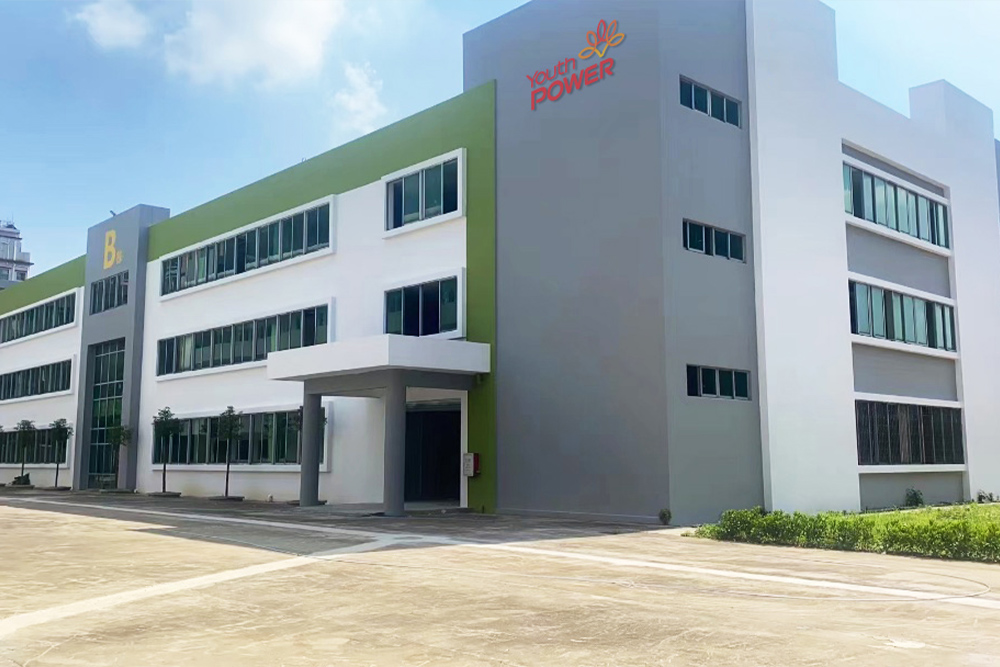
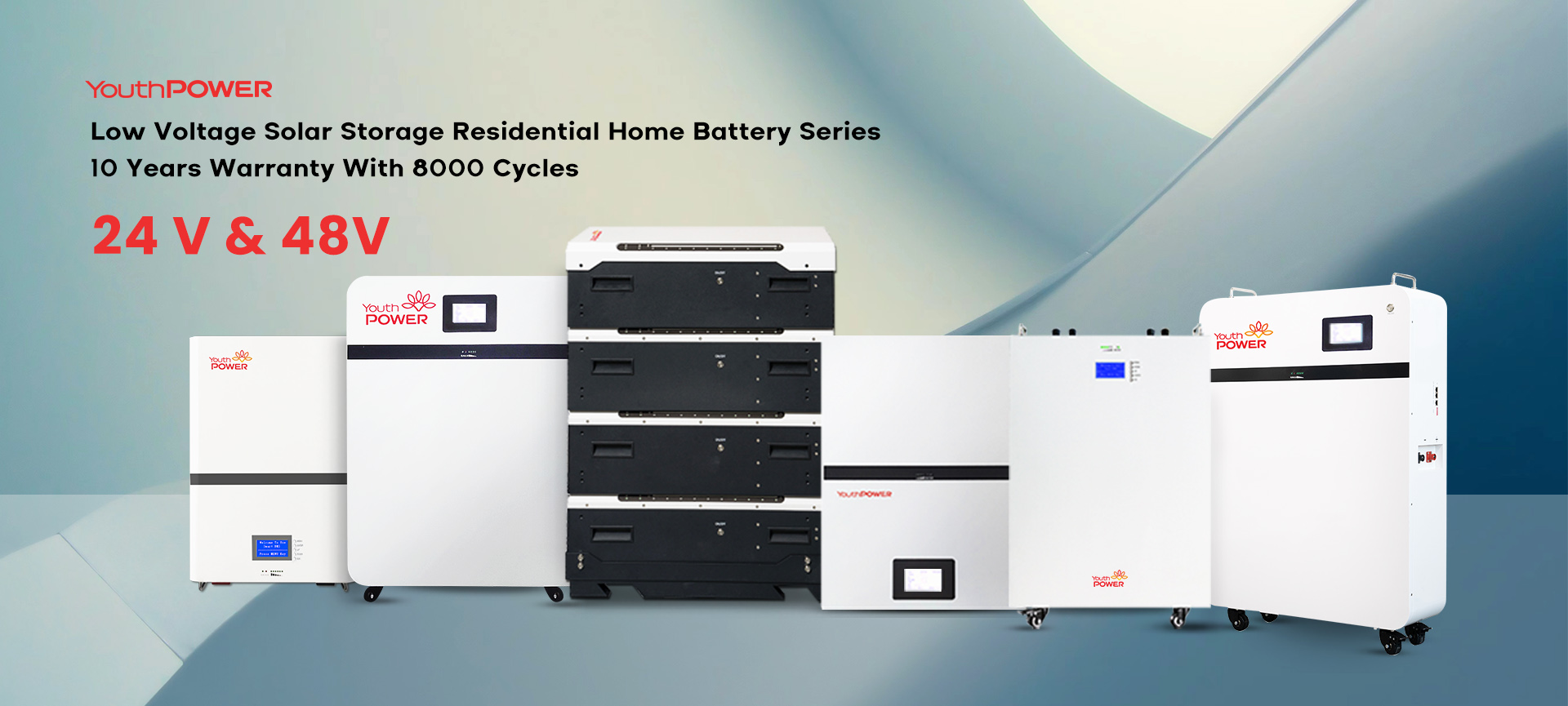
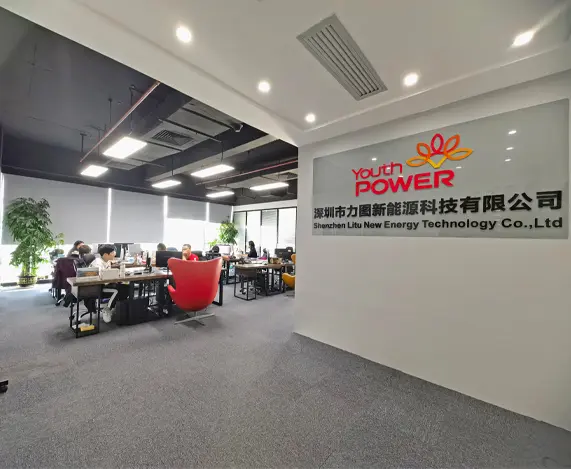
Founded in 2003, YouthPOWER has now become one of the leading suppliers of solar storage lithium batteries in the world. With a broad range of energy storage solutions, it covers a series of 24V, 48V and higher voltage lithium batteries solutions.
YouthPOWER has engaged in the battery technology and production for almost 20 years, with abundant manufacturing experience and strong new product R&D capability. Through many years of hard work and market promotion, we have created our own brand "YouthPOWER" in 2019.
With nearly 20 years’ experience in the battery industry, we have the capability to provide you with both the products you need and the most suitable products you want. We are always ready to supply the first-class products and meet the various needs of the customers.
We have established good business relationships with our customers from all over the world. And we have a good cooperation with all our customers as well for many years running. Supported by our local vendors of raw materials, we can certainly offer you the best prices. We are so proud that YouthPOWER has offered the reliable solar storage solution for over 1,000,000 families now in the world.
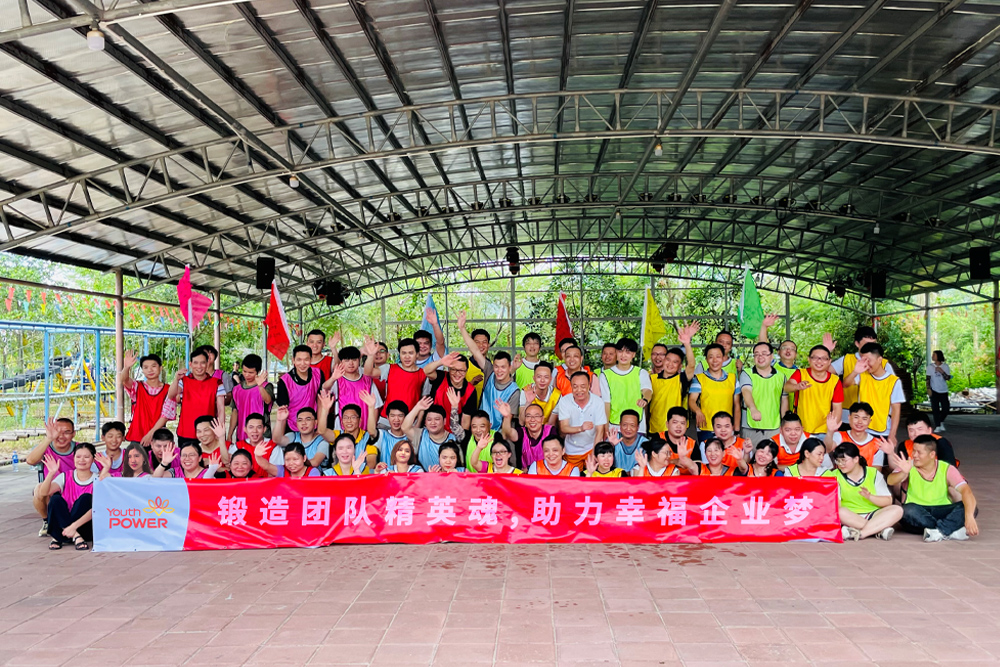
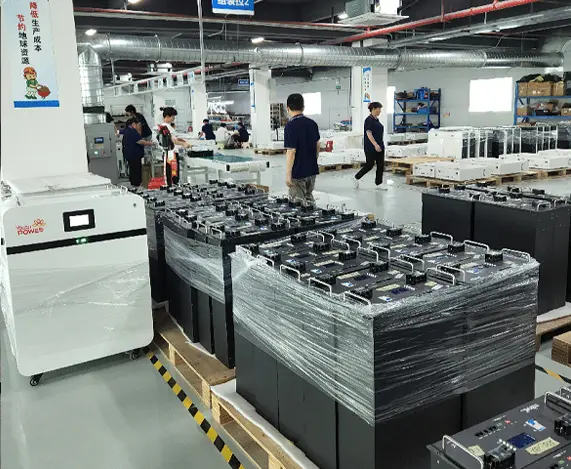
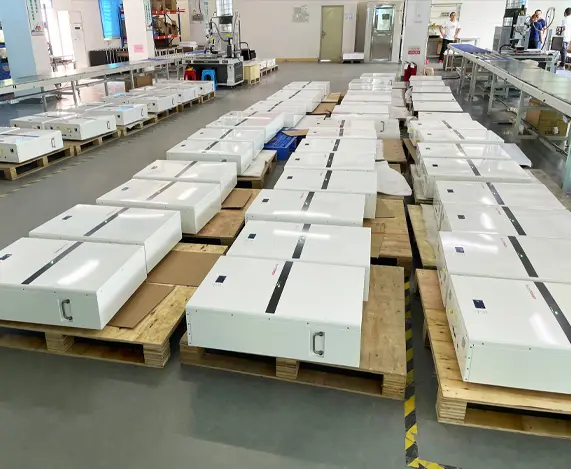
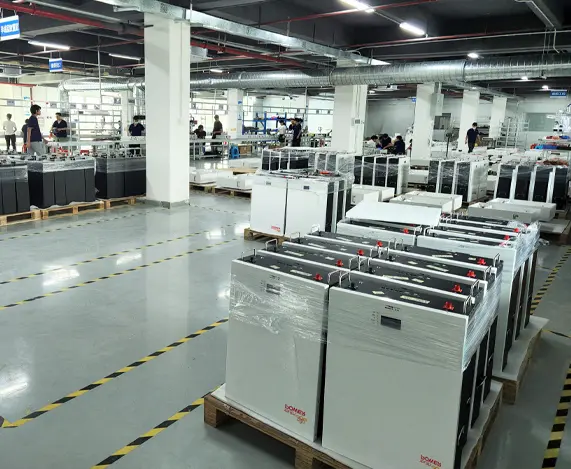
By controlling the entire process from cell sorting and matching, BMS software engineering, to mechanical cabinet fabrication, YouthPOWER ensures consistent performance and reliability. Every product leaving our facility undergoes rigorous thermal chambers tests, high-current discharge profiles, and insulation resistance validation. This end-to-end oversight guarantees that our global distributors and enterprise clients receive products that exceed standard warranty expectations.
A journey of innovation, capacity expansion, and strategic brand positioning.
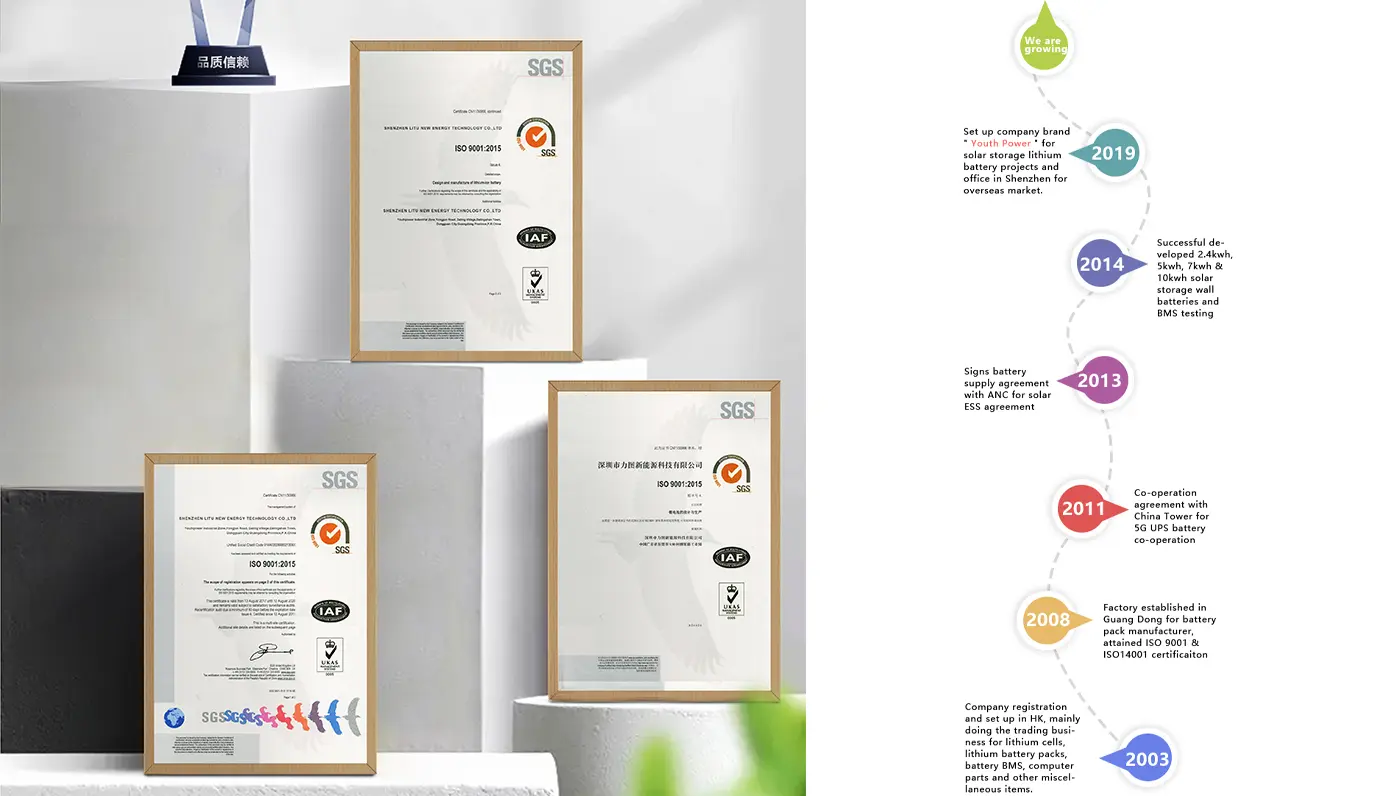
Began as a precision engineering workshop focused on industrial chemistry and cell matching technologies, laying the groundwork for advanced battery integration.
Launched the proprietary Battery Management System (BMS) research division to develop high-safety communication protocols and smart balancing algorithms.
Officially introduced the "YouthPOWER" brand to the global energy storage systems (ESS) market, offering direct factory sales and engineering services.
Successfully provided tier-one residential powerwalls and commercial backup systems to over one million families and telecom units across Europe, the Americas, and Africa.
Next-generation innovations shaping the energy storage industry.
The transition from simple lithium-ion chemistry to highly integrated intelligent batteries is accelerating. Major tech roadmaps indicate key advancements in the following dimensions:
Sourcing directly from tier-one factories in China offers significant supply chain advantages. Our close integration with major lithium carbon and mining centers allows us to mitigate price volatility. Key factors supporting our supply chain include:
Globally, C&I energy demands are shifting towards localized grid resilience. With variable utility prices, businesses utilize peak shaving (charging during off-peak hours and discharging during peak rates) to optimize costs. 48V systems are highly suitable for small-scale C&I operations, edge telecom sites, and emergency back-up systems, delivering high reliability without the heavy layout overhead of high-voltage systems.
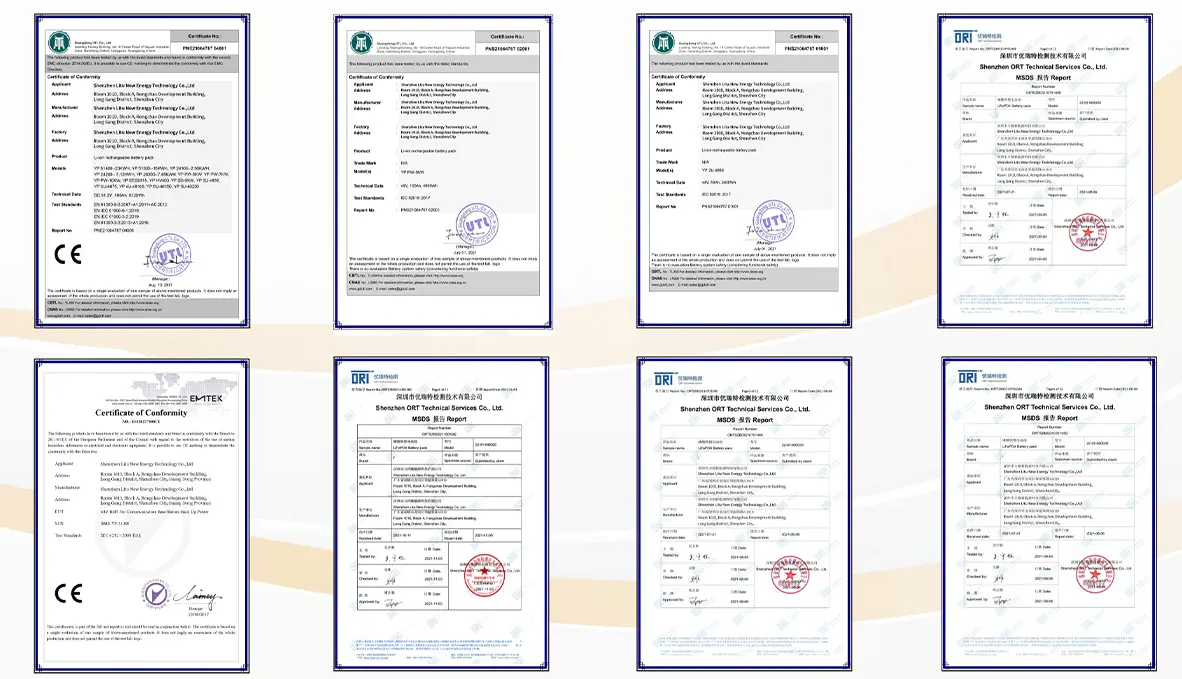
To support global partners, products must meet international standards. YouthPOWER works closely with testing bodies to ensure certifications are maintained:
Answers to common technical, logistics, and integration queries from system designers.
Explore more specialized storage solutions, off-grid systems, and hybrid inverter integrations.
 YouthPOWER