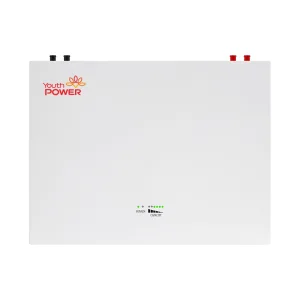
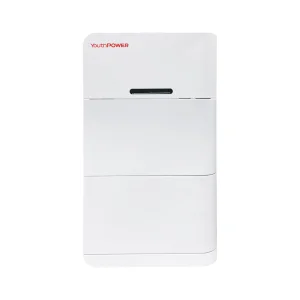
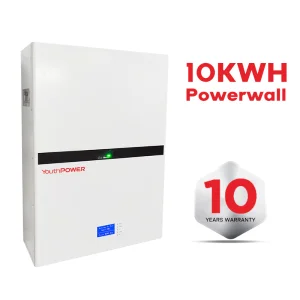
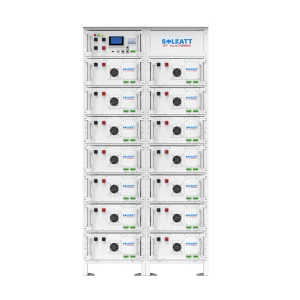
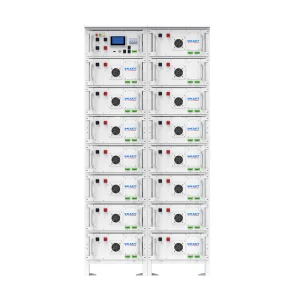
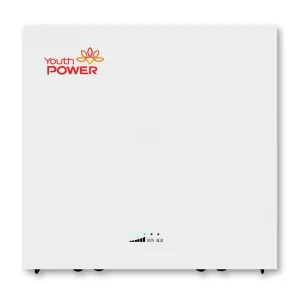
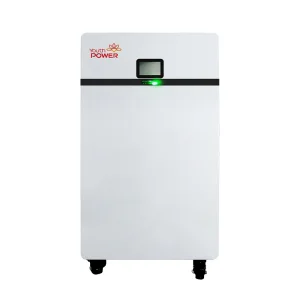
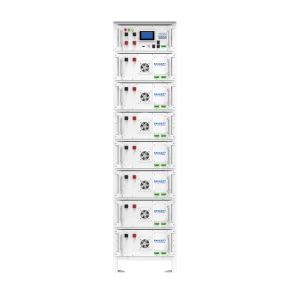
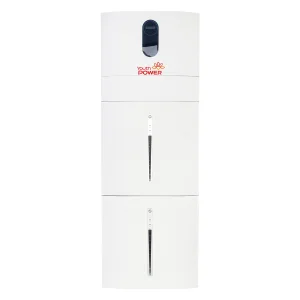
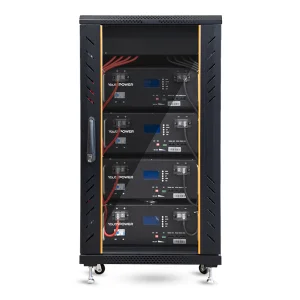
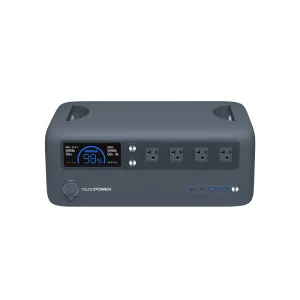
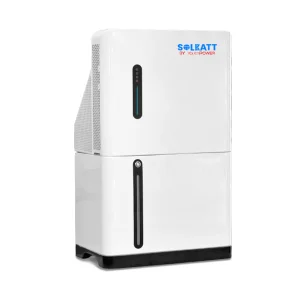
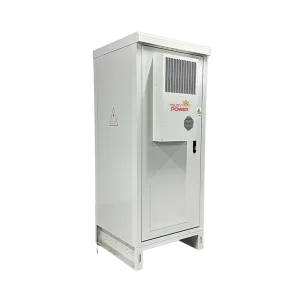
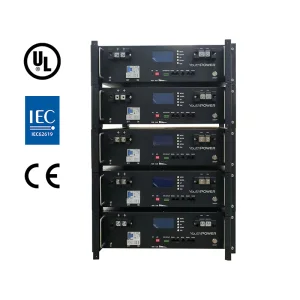
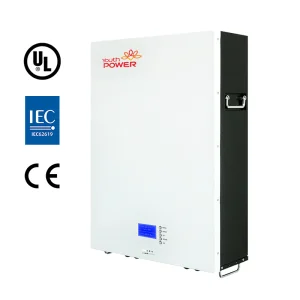
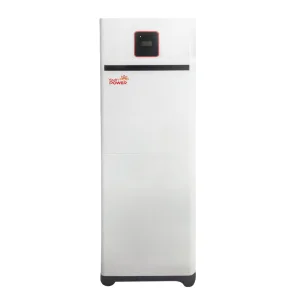
Explore our premium grade residential and utility solar storage modules, engineered for durability and high-performance safety.
In the wake of global decarbonization, the industrial sector is shifting towards decentralized energy networks. At the heart of this grid revolution is the 5.12 kWh LiFePO4 (LFP) battery module (nominally rated at 51.2V 100Ah). This specific capacity and voltage threshold has emerged as the definitive standard for commercial, industrial, and residential scaling.
The transition from lead-acid legacy systems and high-risk nickel-manganese-cobalt (NMC) chemistries to Lithium Iron Phosphate (LFP) represents a critical safety and durability upgrade. LFP technology offers high thermal runaway thresholds, zero toxic outgassing risk, and exceptionally long lifespans, aligning with the stringent ESG objectives of modern multinational corporations.
Understanding the ecosystem of 5.12 kWh LFP ESS factories and companies is vital for global EPC contractors, grid operators, and distributors who require high performance and cost efficiency.
Deploying modular LFP ESS systems to resolve energy instability, high peak-shaving tariffs, and critical power demands.
Replacing traditional heavy lead-acid configurations in base stations with 51.2V rack-mounted units, ensuring seamless backup during macro-grid failures.
Allowing commercial properties to store off-peak, lower-cost energy and discharge during premium rate hours, saving operating costs.
Enabling home solar systems to achieve net-zero metrics with reliable wall-mounted energy reservoirs, operating independently of utility conditions.
At the cell level, a 5.12 kWh module comprises high-density, prismatic lithium iron phosphate cells wired in a 16S1P configuration. The nominal 51.2V matches standard telecommunication, commercial inverter, and residential solar controller requirements, avoiding high-voltage risk while maintaining efficiency.
Advanced BMS Integration: A critical differentiator of top-tier 5.12 kWh LFP ESS companies is their proprietary Battery Management System (BMS). The BMS performs real-time cell balancing, state-of-charge (SOC) calibration, thermal tracking, and protects against overvoltage, overcurrent, and short-circuit faults. Dynamic RS485, CAN, and Wi-Fi/Bluetooth interfaces allow smooth communication with global inverter brands.
Our ongoing R&D roadmap focuses on improving the volumetric energy density of prismatic cells, working toward solid-state LFP development, and integrating machine learning diagnostics for proactive degradation forecasting.
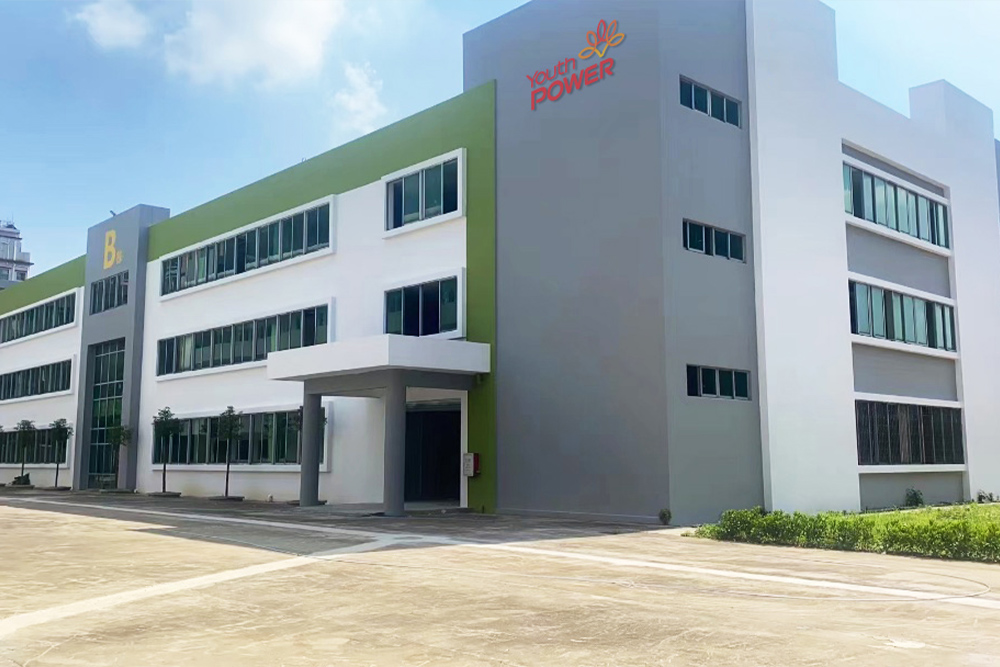
A retrospective on how continuous technical innovation established our position in the global clean energy supply chain.
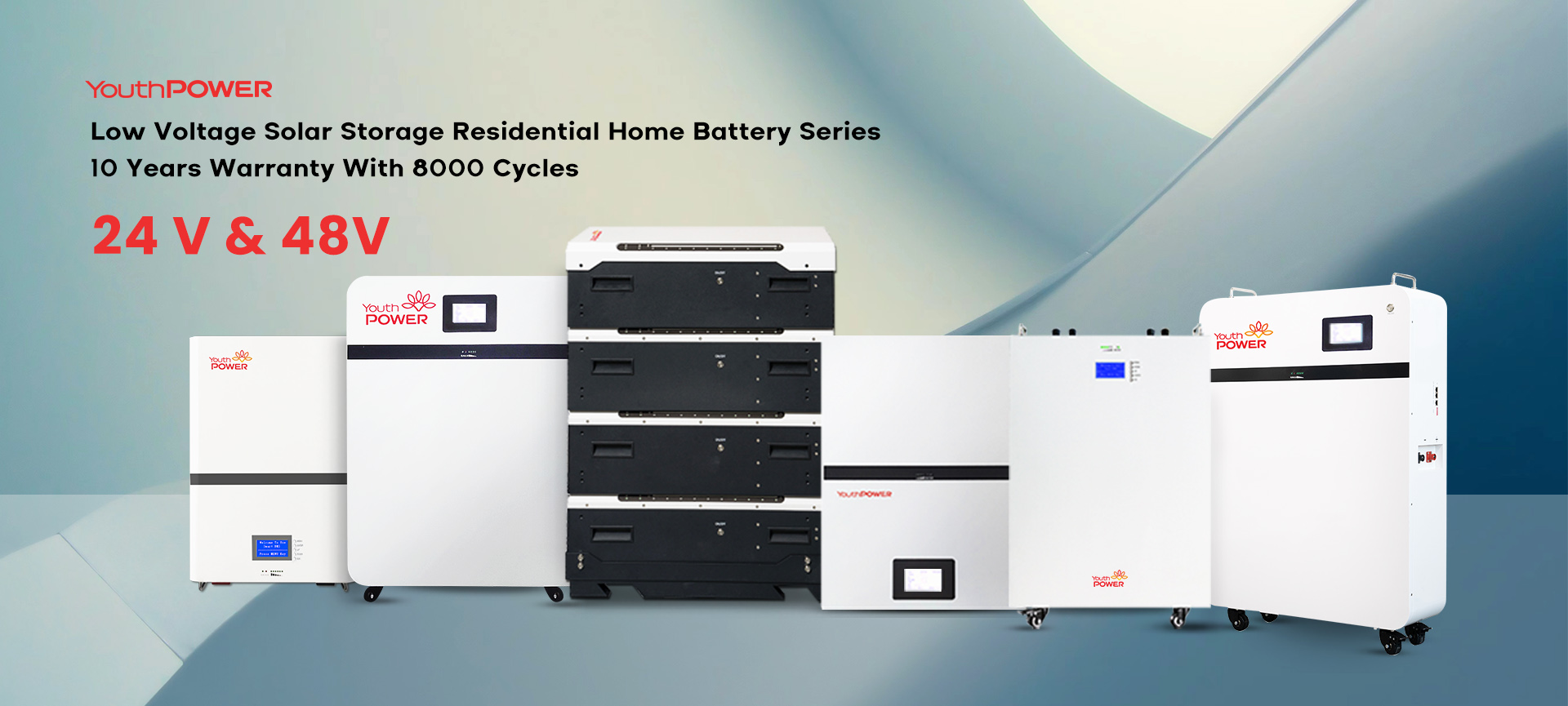
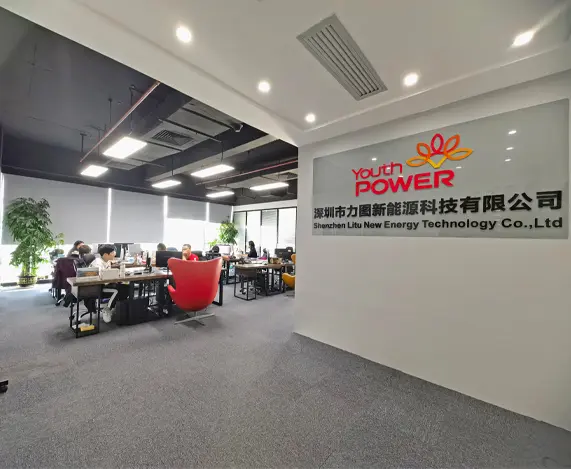
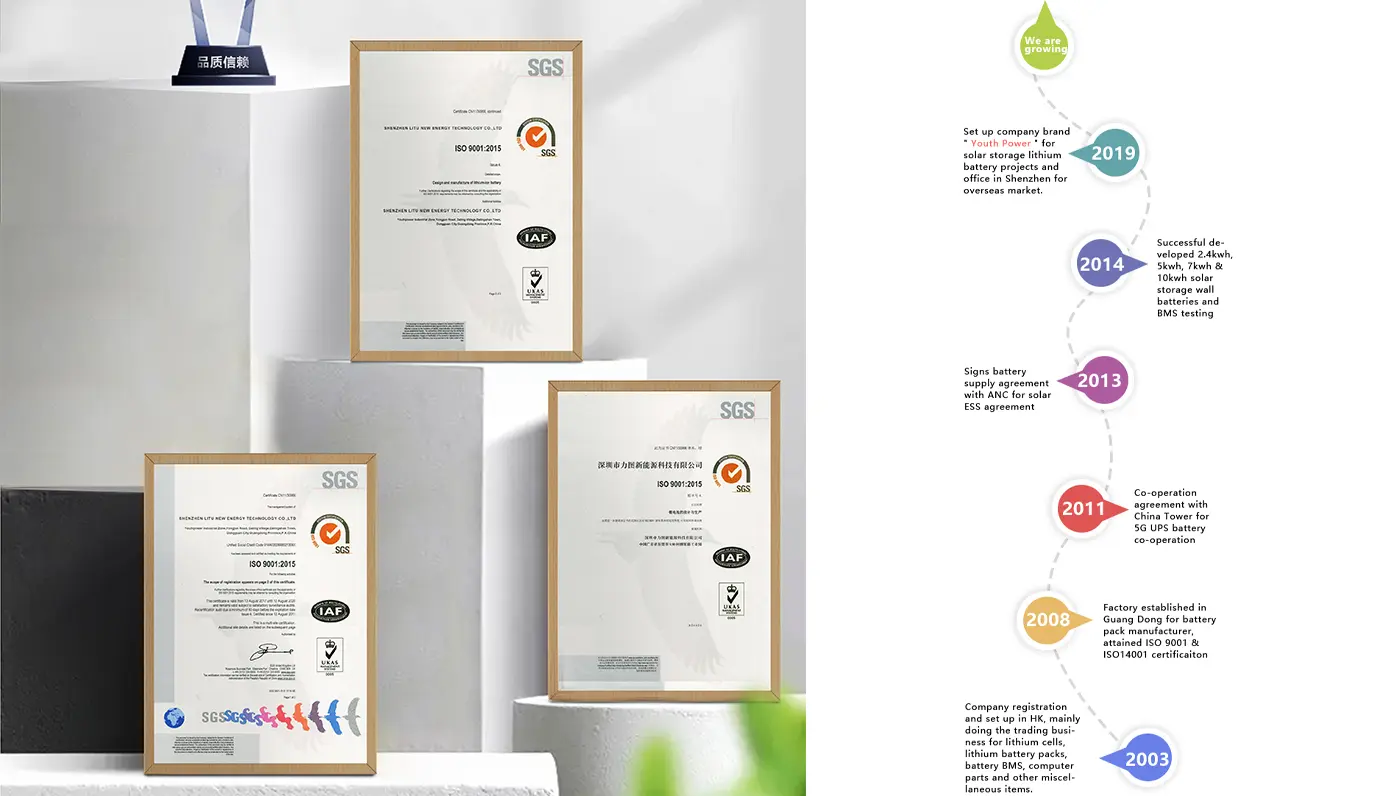
Founded in 2003, YouthPOWER has become a leading global supplier of solar storage lithium batteries. With a broad range of energy storage solutions, we cover 24V, 48V, and high-voltage lithium battery systems designed for varied industrial environments.
YouthPOWER has focused on battery technology and manufacturing for nearly 20 years. Supported by experienced production teams and strong R&D capabilities, we launched our flagship brand "YouthPOWER" in 2019 to better serve global markets.
Equipped with this deep industry experience, we offer standard products and custom, build-to-order configurations. We work with verified local raw material vendors to keep supply chains efficient and prices competitive, helping us provide solar storage solutions to over 1,000,000 families worldwide.
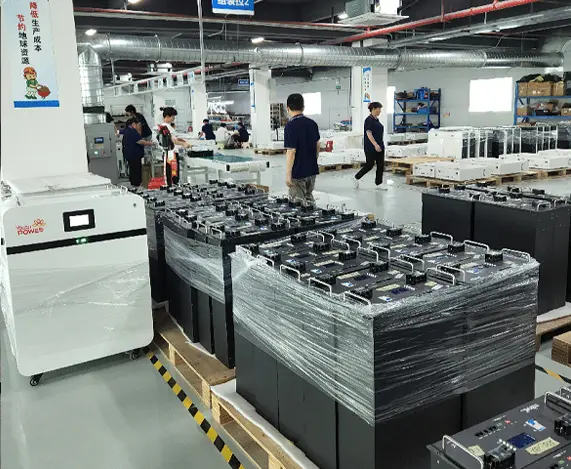
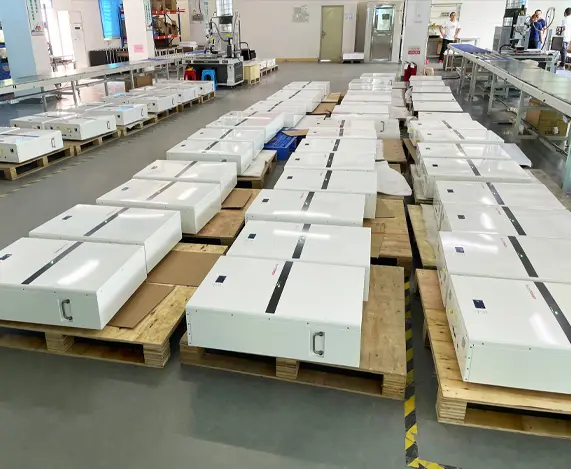
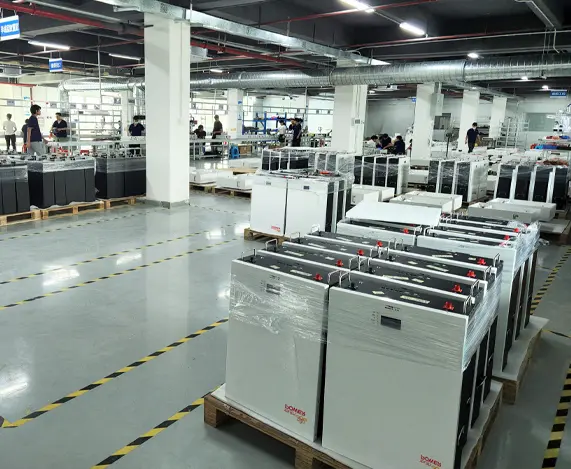
Inside our modern automated production lines, where quality control ensures every battery module meets dynamic global standards.
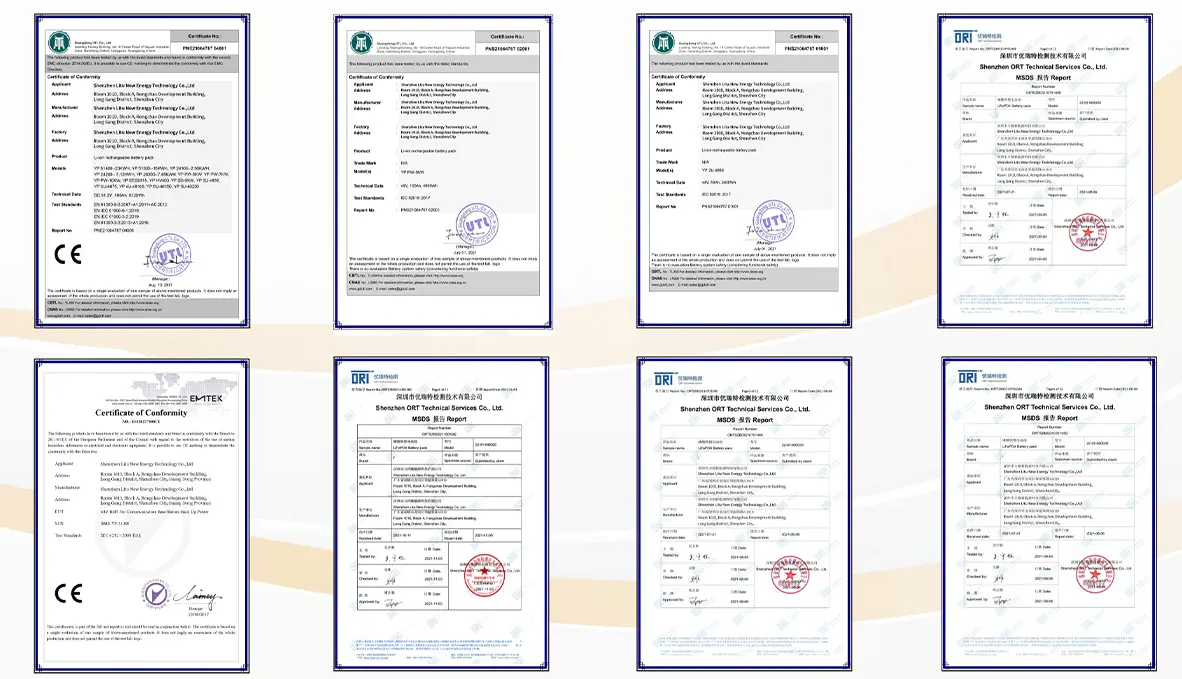
For B2B procurement professionals, purchasing 5.12 kWh LFP ESS units requires strict verification of safety certs. Our products carry international approvals including UN38.3, MSDS, IEC 62619, CE, and UL 1973. These certifications ensure our modules comply with transportation safety standards and grid integration regulations in the Americas, Europe, and Asia-Pacific.
We provide localized engineering support to simplify system setup. Partnering with technical service teams across various regions, we offer fast troubleshooting, remote BMS updates, and spare parts support, helping operators maintain system uptime and reliable performance.
Answering key technical and logistical questions for engineers and purchasing managers.
Explore our high-voltage cabinets, balcony-adapted power packs, and heavy-duty commercial energy modules.
 YouthPOWER