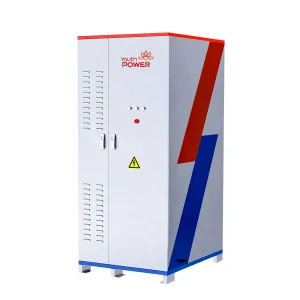
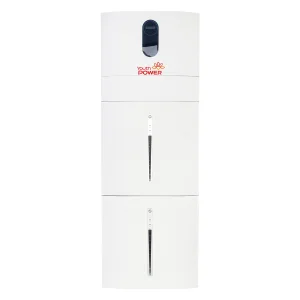
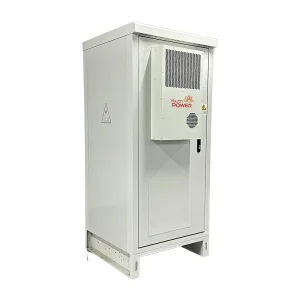
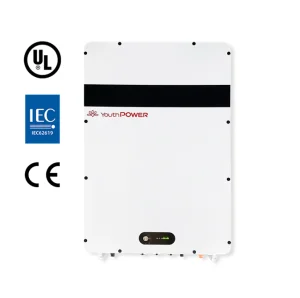
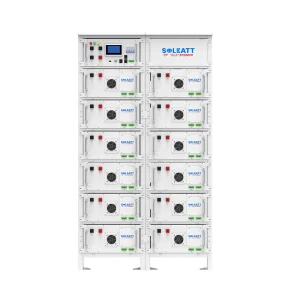
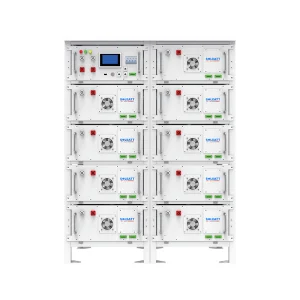
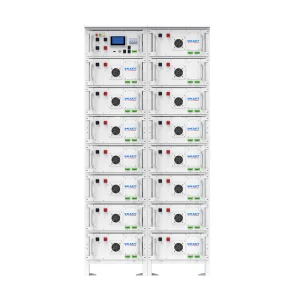
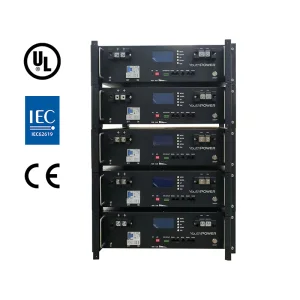
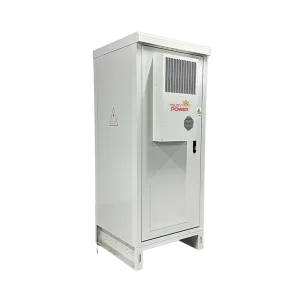
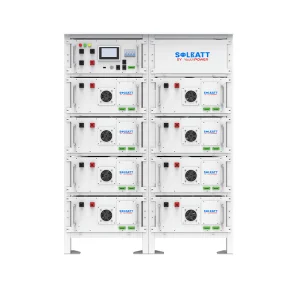
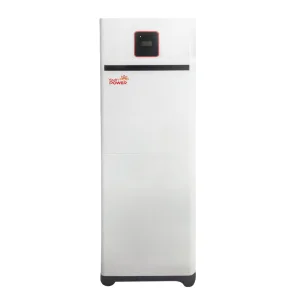
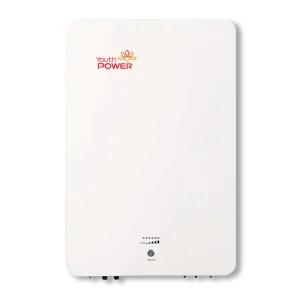
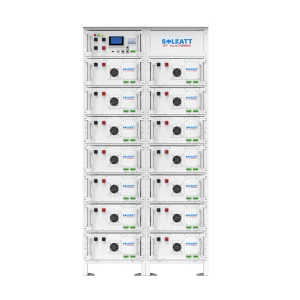
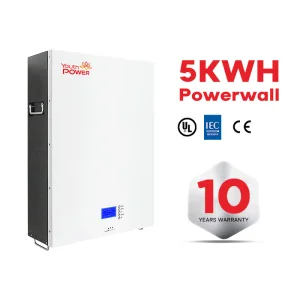
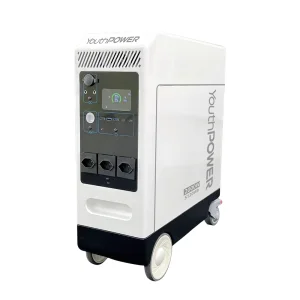
High-performance residential and commercial lifepo4 setups engineered for grid stability and scalability.
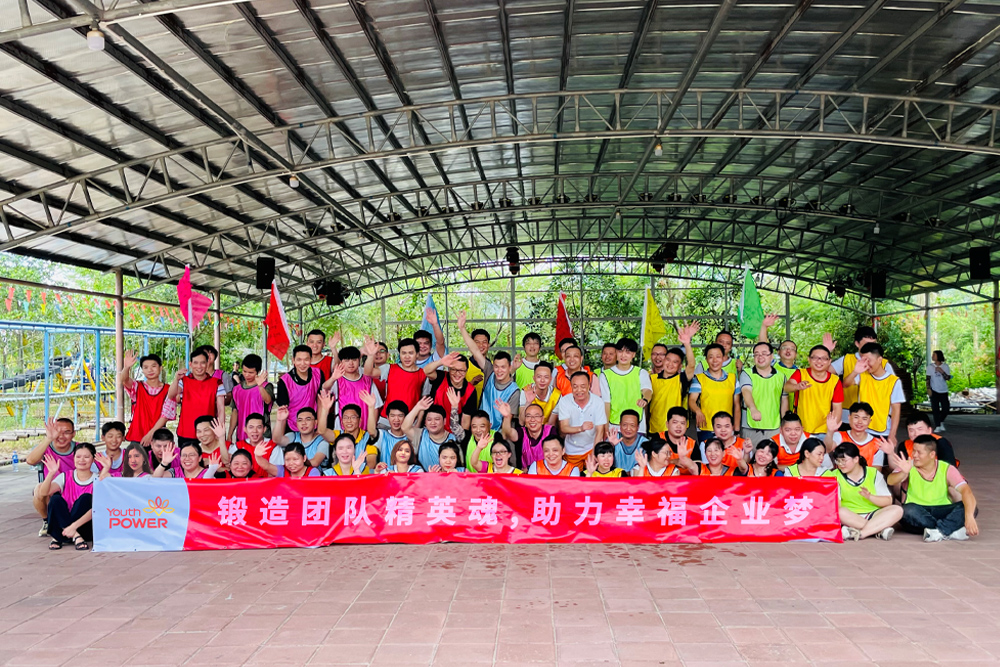
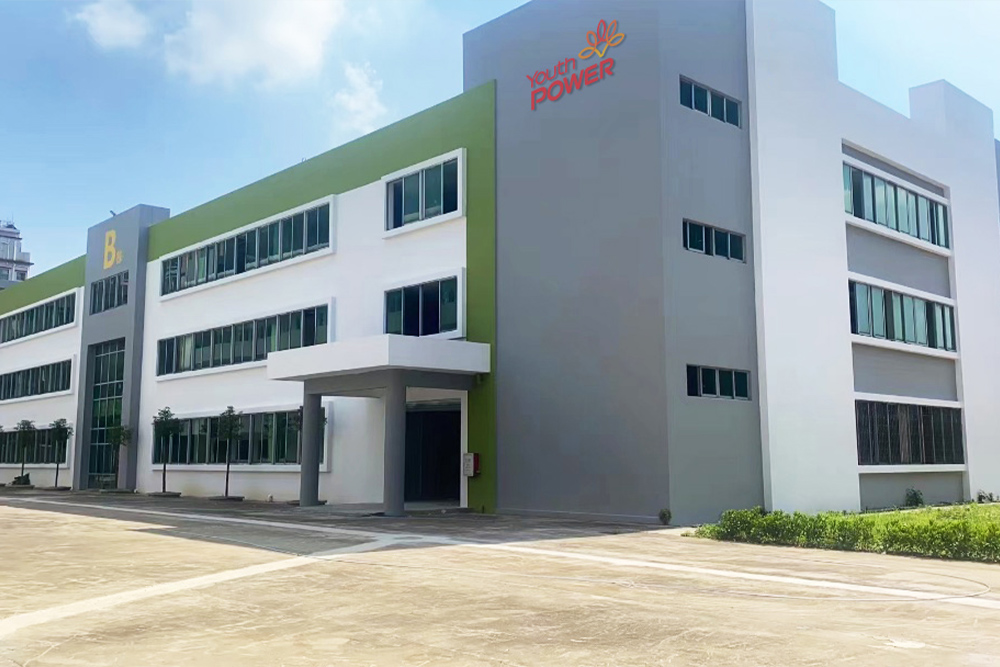
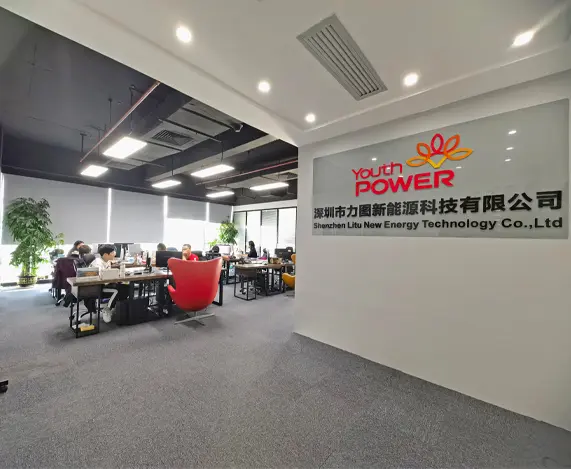
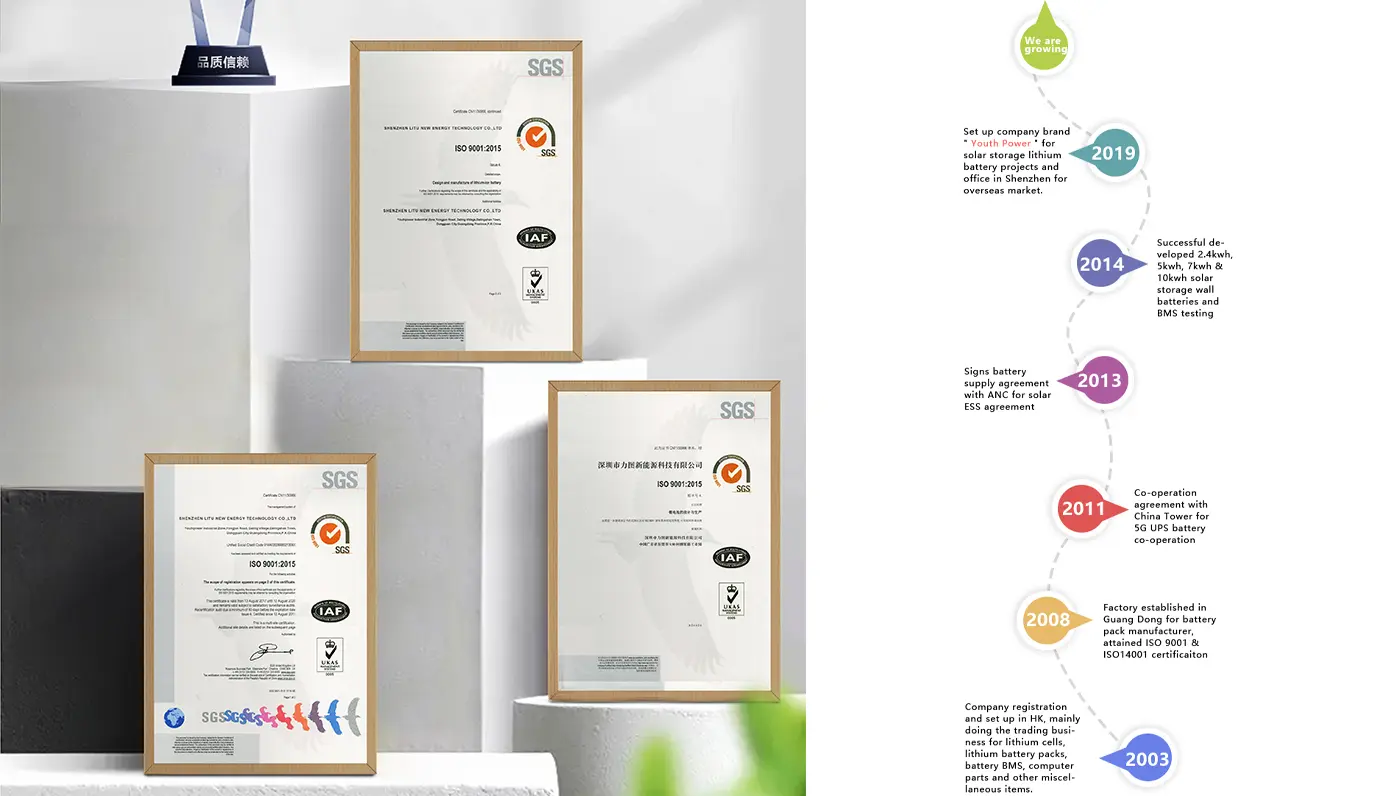
Founded in 2003, YouthPOWER has established itself as one of the leading global suppliers of solar storage lithium batteries. Over the past 20 years, our team has accumulated deep domain knowledge in cell integration, Battery Management Systems (BMS), and system thermal dynamics. We cover a broad array of scalable energy solutions, including low-voltage 24V, 48V, and highly demanding high-voltage battery cabinets for industrial deployment.
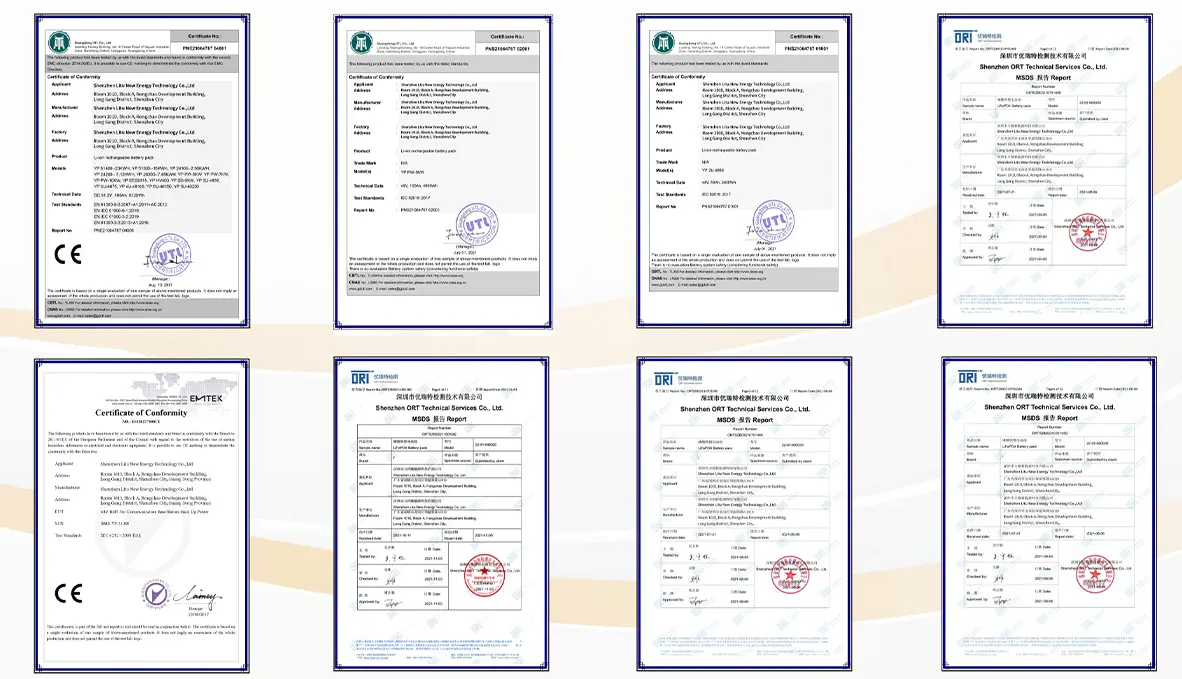
By prioritizing raw material security, strict QA/QC testing, and continuous investment in new product R&D, YouthPOWER has built an unmatched reputation for durability and performance. In 2019, we introduced our proprietary global brand, "YouthPOWER", allowing us to work directly with energy contractors, system integrators, and distributors to optimize system architectures while offering factory-direct prices. Today, we are proud to say that YouthPOWER has supplied reliable solar storage solutions to over 1,000,000 families worldwide.
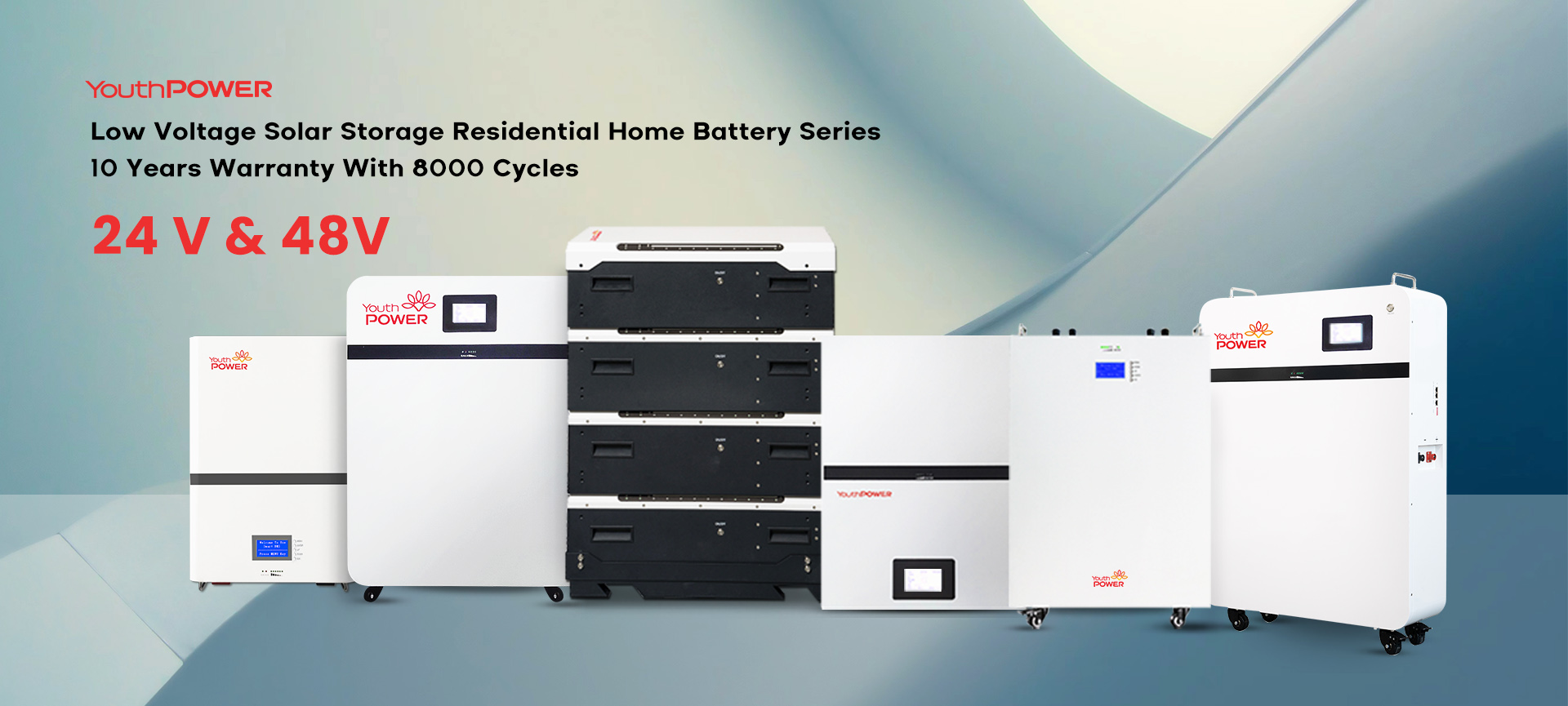
For residential solar energy systems, the 5kWh battery capacity represents the ideal foundational building block. Whether configured as a single unit or combined in parallel to create a larger 10kWh to 30kWh array, it is critical to select systems with reliable chemical matrices and intelligent safety protection layers.
A standard 5kWh lithium-ion battery consists of a 51.2V nominal voltage and 100Ah charge capacity. Unlike older 12V or 24V architectures, a 48V/51.2V system minimizes transmission losses, operates at higher system efficiencies, and maintains compatibility with major global inverter brands like Growatt, Victron, GoodWe, Solis, and Deye.
When sourcing 5kWh battery packs from Chinese manufacturers, buyers must choose the correct chemical compound. At YouthPOWER, we build exclusively with Lithium Iron Phosphate (LiFePO4) due to its superior stability and extended lifecycle:
| Technical Parameters | YouthPOWER standard 5.12kWh Brick System | Industry Standard Generic System |
|---|---|---|
| Nominal Capacity | 100Ah / 5.12 kWh | 100Ah / 4.8 kWh |
| Nominal Voltage | 51.2 V | 48.0 V |
| Cell Chemistry | Grade A Prismatic LiFePO4 | Re-graded or Cylindrical LFP |
| Max Charge/Discharge | 100A (1C Rate) | 50A (0.5C Rate) |
| Parallel Capability | Up to 15 Units (76.8kWh Total) | Up to 4 Units Max |
| BMS Protection | Dual Active Balance, Thermal Overload, Overcurrent | Basic Passive Balance |
China is home to over 75% of the world's lithium refining and manufacturing capacity. Sourcing directly from qualified Chinese battery factories provides critical commercial and technical advantages:
China controls the major supply lanes for key battery materials, including active cathode materials, synthetic graphite, cell separators, and specialized microchips for Battery Management Systems. Because our local vendor network is tightly clustered, YouthPOWER can source top-tier raw materials at reduced logistics costs, passing those savings directly to our global partners.
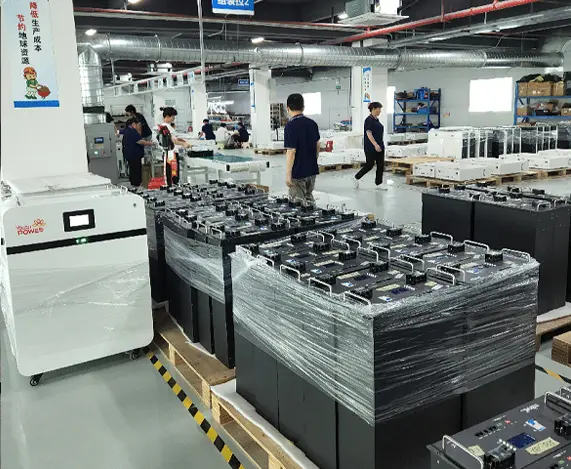
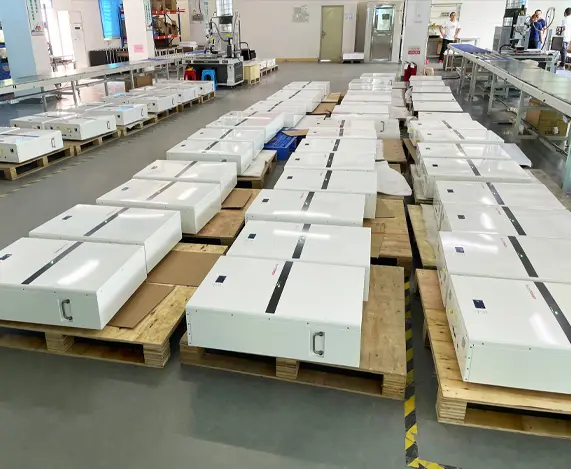
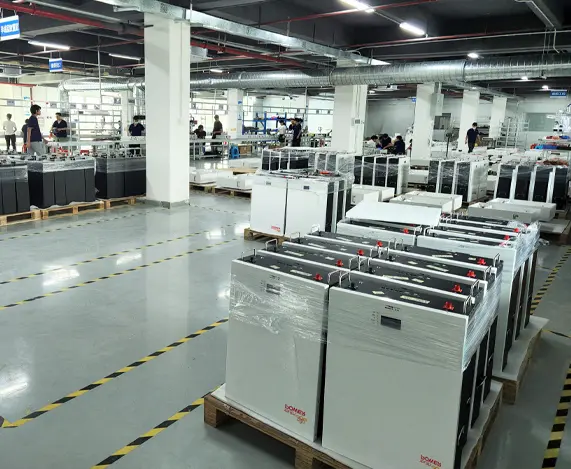
Our automated production facilities use state-of-the-art winding, stacking, electrolyte filling, and laser welding equipment. Modern automation guarantees unit-to-unit consistency, eliminating minor manufacturing defects that cause premature system failures in hand-assembled packs.
Working with YouthPOWER allows buyers to customize battery housing (e.g. wall-mounted, rack-mounted, stackable brick-style), program bespoke BMS communication protocols, and add private labeling. If you are an installer needing specific IP ratings (like our IP65 waterproof solar box range), Chinese factories can rapidly test and deploy specialized prototypes.
For procurement professionals, understanding how a factory quotes a 5kWh battery is vital to making sound investments. The final FOB or CIF price is composed of three primary variables:
Cells account for roughly 65% of the total manufacturing cost of a 5kWh system. "Grade A" cells are certified by the manufacturer to match nominal capacities and internal resistance tolerances perfectly. Cheap battery packs flooding the online consumer market often utilize "Grade B" or recycled EV cells. While these packs may look identical on the outside, they degrade quickly under heavy discharge loads and run a higher risk of cell swelling.
The Battery Management System is the brain of your energy storage system. A basic BMS only protects against basic overcharge/overdischarge scenarios. A smart, premium BMS supports dual communication buses (RS485 and CAN), enabling live data communication back to the hybrid inverter. This ensures that the inverter adjusts charge curves dynamically based on real-time cell temperatures and individual module state of charge (SoC).
Enclosures range from standard steel racking systems to fully sealed, outdoor-grade IP65 waterproof boxes. Selecting a standard 19-inch rack format keeps costs low for indoor server room installs. However, environments with high humidity or marine conditions require premium aluminum housings with specialized powder-coating, slightly increasing the base unit cost but ensuring a longer lifespan.
Depending on where you sit in the energy value chain, the implementation requirements for a 5kWh battery system change drastically:
In mature solar markets (such as Western Europe, Australia, and North America), homeowners want to maximize self-consumption of rooftop PV generation. Pairing a 5kWh stackable LFP module with a solar setup allows families to charge the battery during peak midday production and discharge it during high-tariff evening hours, reducing utility dependency.
In developing regions with unstable electrical grids, businesses rely on diesel generator back-up. Integrating modular 5kWh or 10kWh battery banks into the system stabilizes the power supply, cuts generator run-times, and reduces total fuel costs by up to 40%.
Remote telecom base stations require reliable backup power with low maintenance requirements. Because LiFePO4 chemistry performs reliably in high ambient temperatures, it is the ideal choice to replace heavy, toxic lead-acid batteries at remote sites, cutting operational maintenance costs (OPEX) by up to 60%.
Expert insights to help guide your procurement process when choosing a factory-direct 5kWh battery.
Explore additional specifications, rack designs, high-voltage cabinets, and portable wheeled solutions.
 YouthPOWER