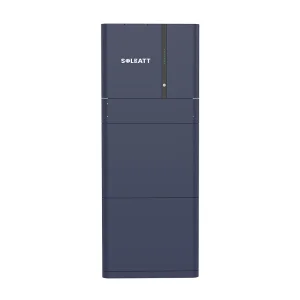
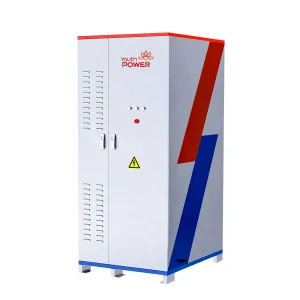
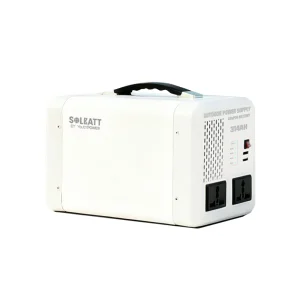
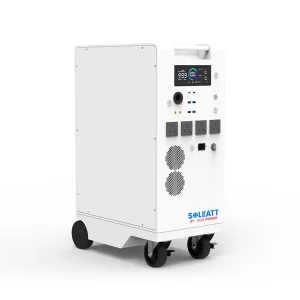
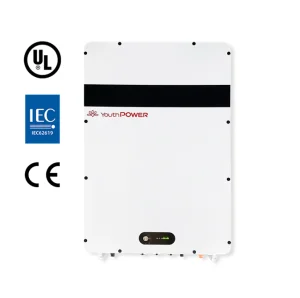
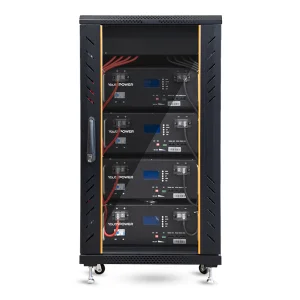
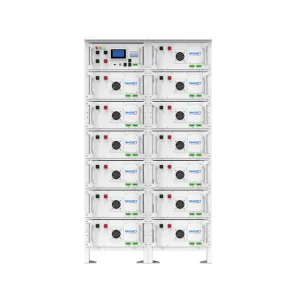
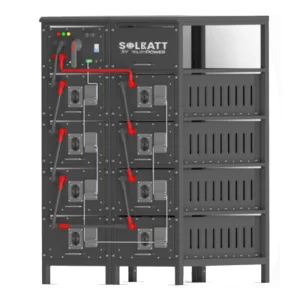
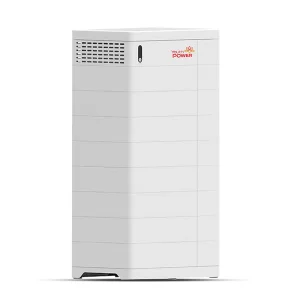
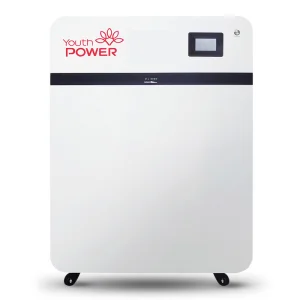
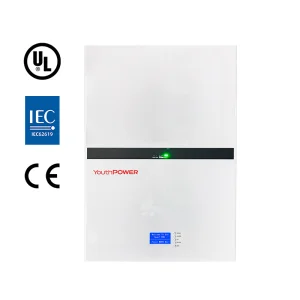
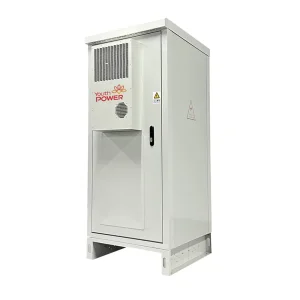
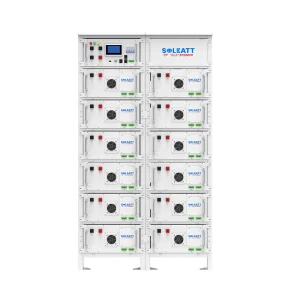
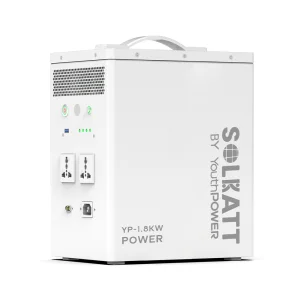
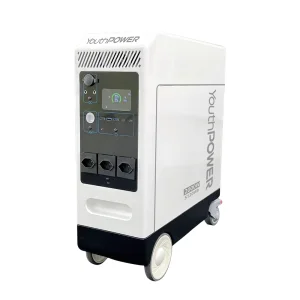
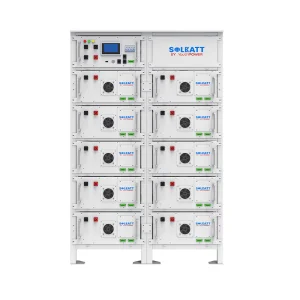
Explore our flagship high-voltage, stackable, and commercial-grade containerized energy storage units built for robust operational longevity.
Unpacking the engineering standards, operational safety paradigms, and economic catalysts of industrial and residential energy transition.
For modern homes, energy backup is no longer merely a temporary fail-safe against blackouts; it is an intelligent balancing act. Incorporating Smart ESS allows homeowners to offset Peak-Load tariffs, leverage micro-solar generation, and guarantee clean sine-wave output for delicate smart home networks.
Industrial machinery exhibits high inductive start-up loads. Sudden outages or voltage sags can induce terminal mechanical failure and interrupt batch cycles. Our containerized high-voltage battery cabinets provide instant transient response, offering sub-millisecond UPS switching to sustain massive hydraulic, pneumatic, and automated systems.
Multi-story commercial office complexes and corporate headquarters utilize Battery Energy Storage Systems (BESS) to meet stringent ESG mandates and mitigate demand-charge spikes. By automating peak-shaving protocols via advanced BMS firmware, enterprises reduce operational overhead while ensuring data center integrity.
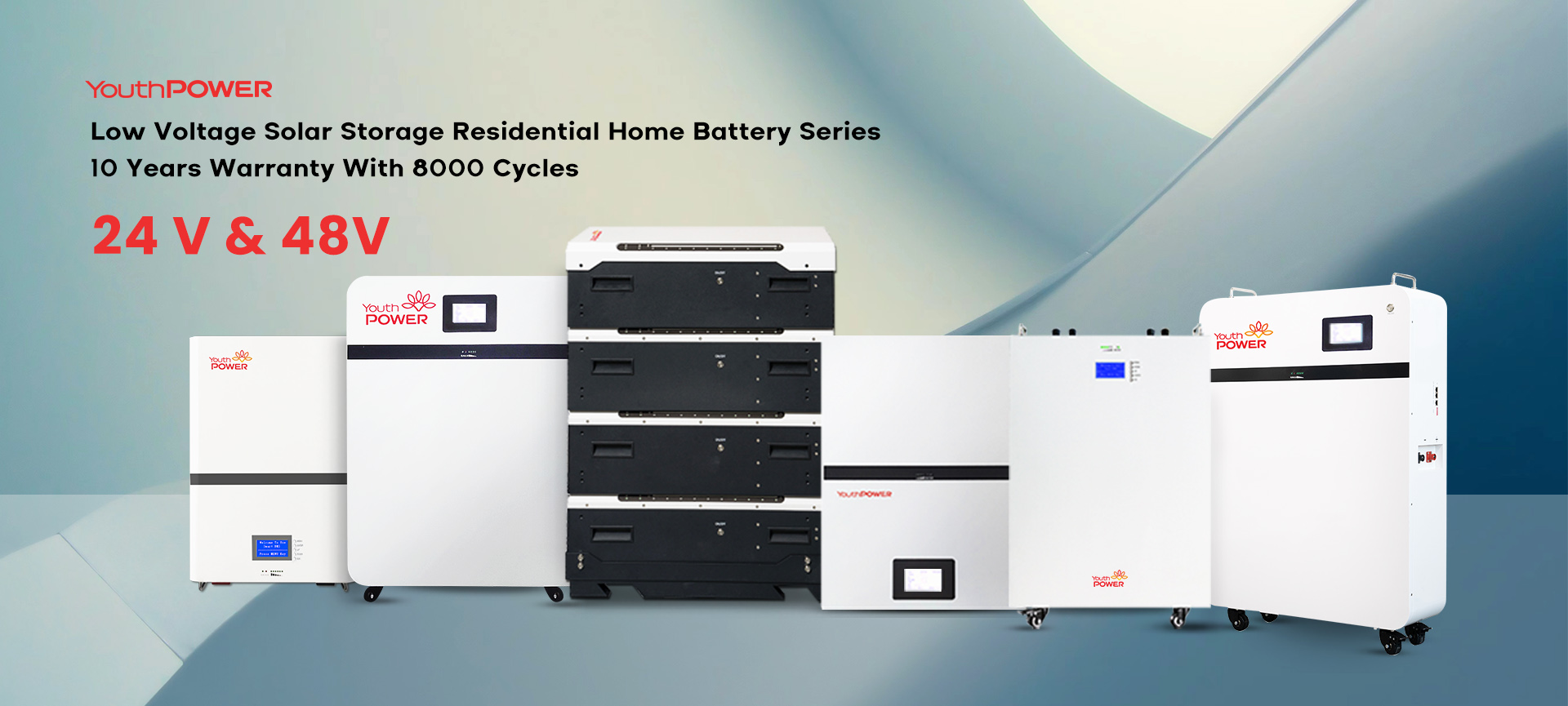
The energy storage sector is transitioning rapidly from basic low-voltage configurations to highly efficient, high-voltage stackable typologies. YouthPOWER's engineering teams are at the forefront of this evolution, optimizing the structural chemistry of Lithium Iron Phosphate (LiFePO4) cell matrices to guarantee safe operation, zero maintenance, and minimal degradation over 6,000+ complete cycles.
Looking ahead, future BESS solutions will integrate machine-learning algorithms directly into the Battery Management System (BMS). This enables real-time prognostic monitoring, dynamic cell balancing, and predictive load forecasting based on local weather models and historical usage data. In addition, high-voltage battery architecture minimizes losses during power conversion, boosting round-trip efficiency (RTE) up to 95.8% and paving the way for seamless Vehicle-to-Grid (V2G) interfaces.
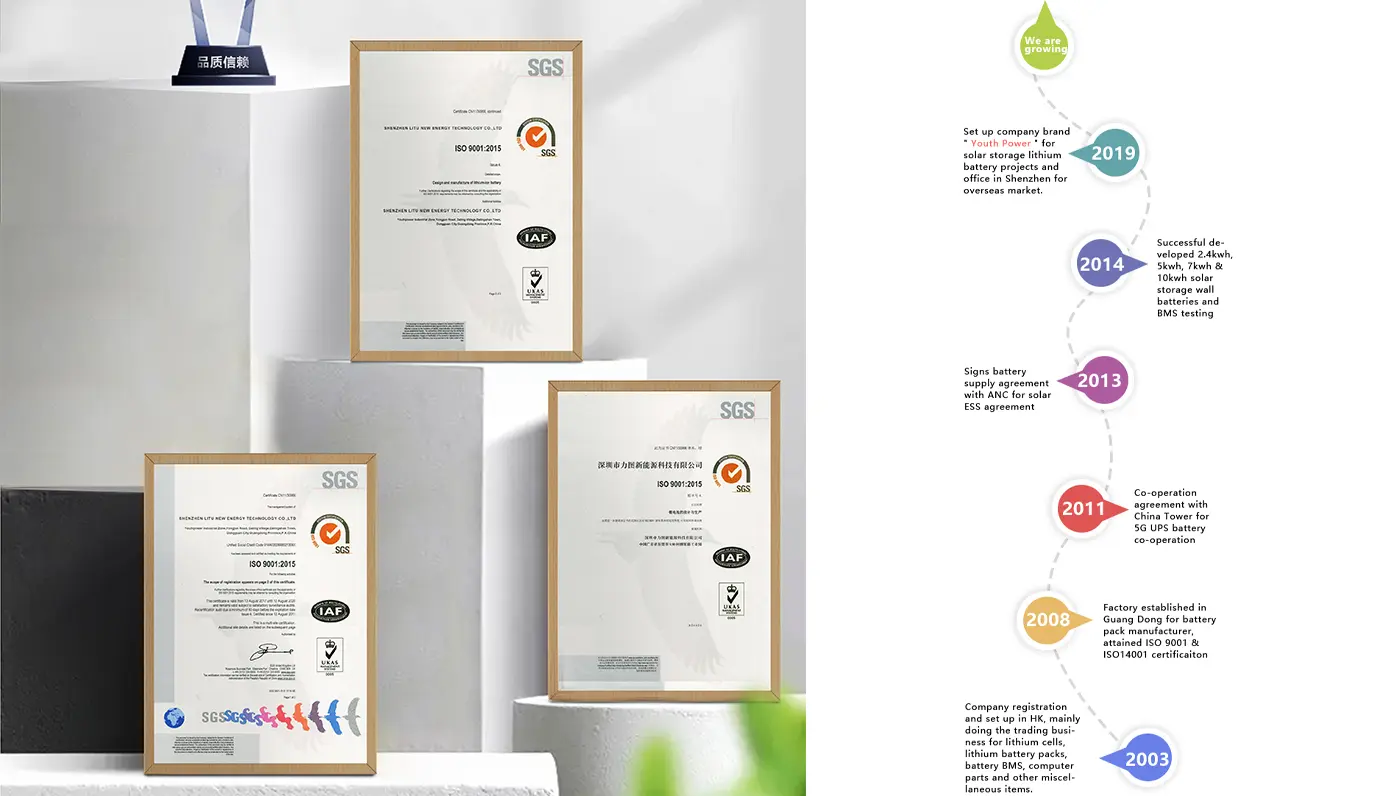
Our centralized manufacturing base in China implements state-of-the-art Factory 4.0 automation standards. This digital architecture links every production phase—from cell sorting and automated welding to module assembly and rigorous dynamic testing—into a unified data system. By automating raw material matching and structural assembly, we ensure uniform internal resistance and thermal characteristics across all LiFePO4 cells.
To withstand global supply chain volatility, we maintain strategic partnerships with premier domestic raw material suppliers. This secure vertical integration enables us to stabilize manufacturing costs, manage short-lead logistics, and deliver high-precision products at competitive price points. Our quality management protocols demand strict compliance with international standards, ensuring that every rack, stack, and cabinet leaving our facility is certified for long-term global deployments.

Nearly two decades of battery engineering mastery, serving over 1,000,000 families worldwide.
Founded in 2003, YouthPOWER has now become one of the leading suppliers of solar storage lithium batteries in the world. With a broad range of energy storage solutions, it covers a series of 24V, 48V and higher voltage lithium batteries solutions.
YouthPOWER has engaged in the battery technology and production for almost 20 years, with abundant manufacturing experience and strong new product R & D capability. Through many years of hard work and market promotion, we have created our own brand "YouthPOWER" in 2019.
With nearly 20 years’ experience in the battery industry, we have the capability to provide you with both the products you need and the most suitable products you want. We are always ready to supply the first-class products and meet the various needs of the customers.
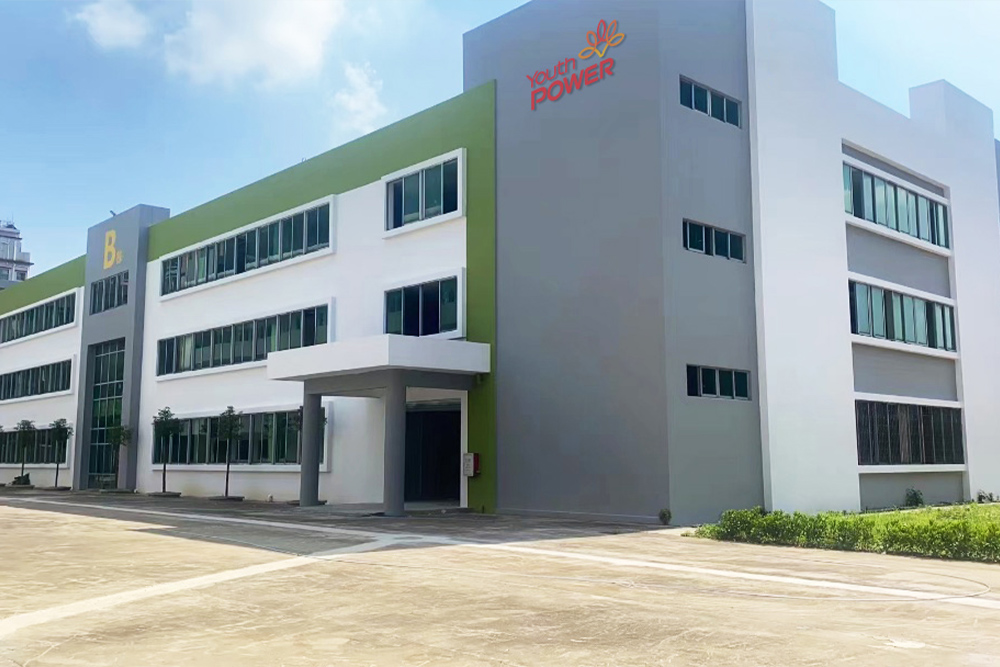
We have established good business relationships with our customers from all over the world. And we have a good cooperation with all our customers as well for many years running. Supported by our local vendors of raw materials, we can certainly offer you the best prices.
We are so proud that YouthPOWER has offered the reliable solar storage solution for over 1,000,000 families now in the world.
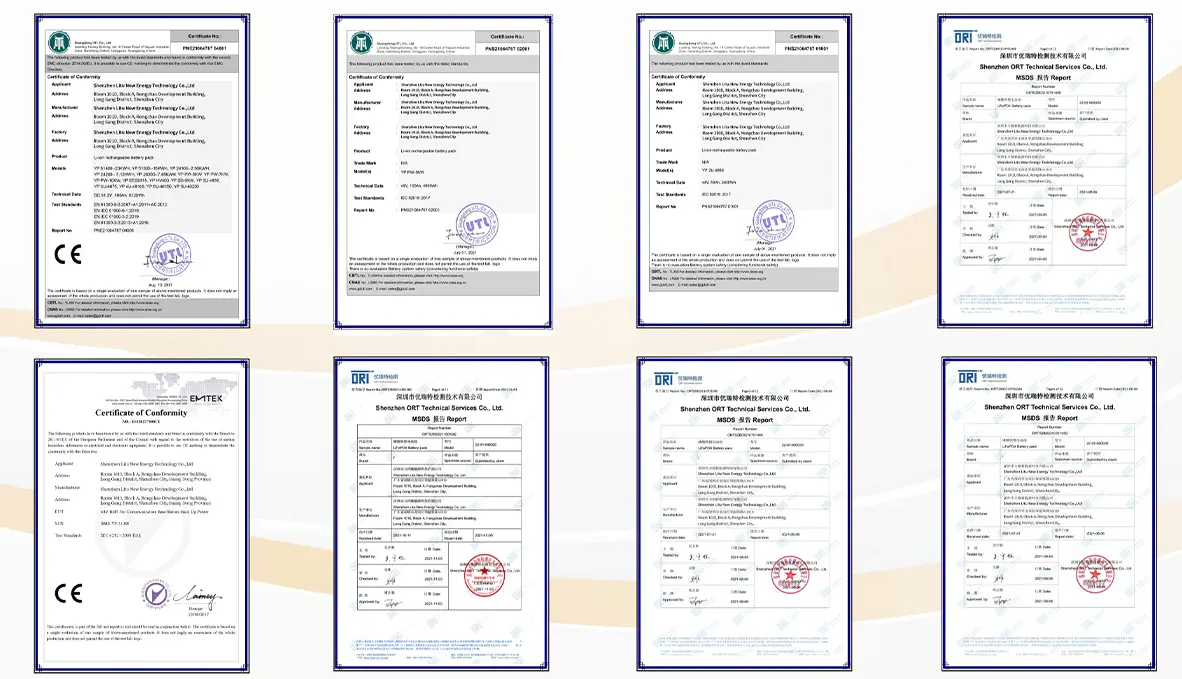
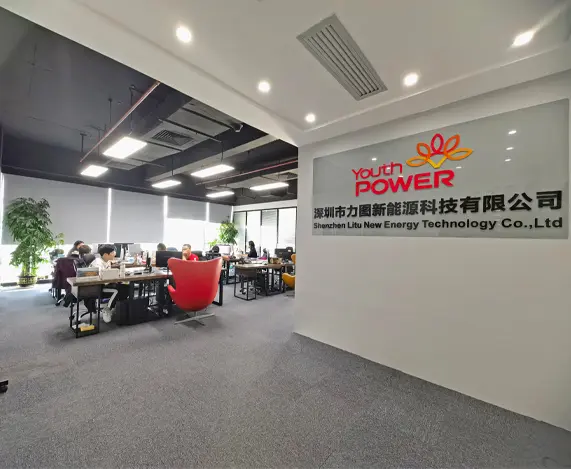
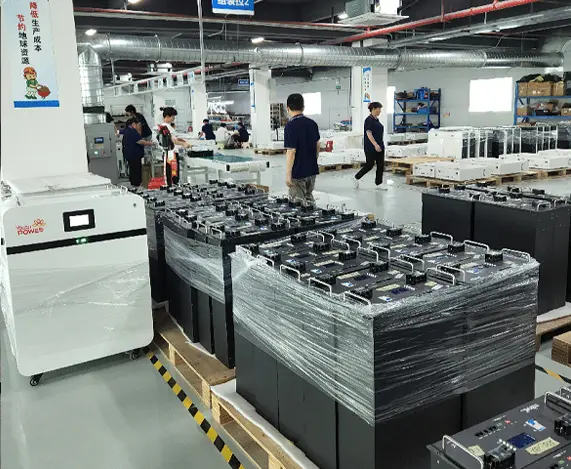
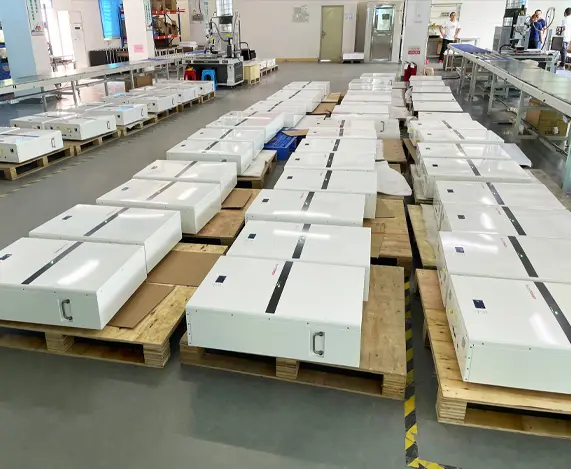
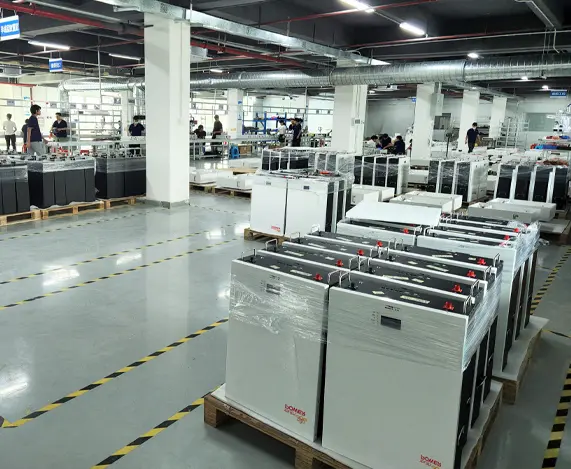
Quantifiable proof of our commitment to global energy independence and manufacturing excellence.
Aligning project feasibility with regulatory structures, electrical code compatibility, and local grid connection certificates.
For smooth utility interconnection, your BESS must meet strict international standards, including UL 1973 (battery packs), UL 9540 (complete systems), IEC 62619, and CE directives. Meeting these conditions guarantees system safety and simplifies regional grid connection permits.
Evaluating raw battery performance requires calculating cycle life and depth of discharge (DoD). While upfront procurement cost is vital, LFP batteries with a 90% DoD and a 6,000-cycle life offer a significantly lower Levelized Cost of Storage (LCOS) than cheaper lead-acid or standard ternary chemistries.
Modern commercial battery backups must integrate with existing Building Management Systems using protocols like Modbus TCP/RTU or CAN bus. This connection allows facility managers to monitor voltage levels, cell temperatures, and state-of-charge (SoC) parameters remotely, preventing thermal runaway.
Clear, direct, and technical answers addressing the core questions of buyers and engineering teams.
High-Voltage battery systems (typically starting at 200V up to over 700V) deliver higher round-trip conversion efficiency than traditional 48V low-voltage systems. Because they match the high DC voltage requirements of modern commercial inverters, they minimize step-up conversion losses. Additionally, higher voltage allows lower operating currents, which reduces thermal generation and permits thinner, more cost-effective cabling layouts across large-scale facilities.
Lithium Iron Phosphate (LiFePO4) offers superior safety, thermal stability, and operational life. Unlike Nickel Manganese Cobalt (NMC) chemistries, LFP presents no risk of thermal runaway under normal operation, even if punctured or subjected to moderate overcharging. Furthermore, LiFePO4 cells support a long lifecycle, typically yielding over 6,000 cycles at 80% Depth of Discharge (DoD), which significantly reduces the Total Cost of Ownership (TCO) for homes and businesses.
Peak-shaving involves discharging the battery backup system during intervals of high factory power demand to avoid exceeding utility-defined thresholds. The system monitors grid draw and automatically deploys stored battery power when consumption spikes. This reduces demand charges on the utility bill, which can represent a substantial portion of an industrial site's electricity expenses.
Yes. Our modular design allows our engineering team to scale capacity from 5kWh residential units up to multi-megawatt-hour containerized commercial solutions. We customize battery racking, voltage configurations, communications interfaces (Modbus, CAN, RS485), and enclosure IP ratings to match the environmental conditions and integration standards of your microgrid.
Commercial installations must conform to regional fire protection and electrical codes, such as NFPA 855 (Standard for the Installation of Stationary Energy Storage Systems) in North America, CE compliance directives in Europe, and local utility regulations. These standards require specific clearance distances, advanced thermal monitoring, ventilation safeguards, and dedicated fire suppression systems to ensure safe operation.
Discover our range of portable power systems, outdoor battery storage cabinets, and modular home energy setups.
 YouthPOWER