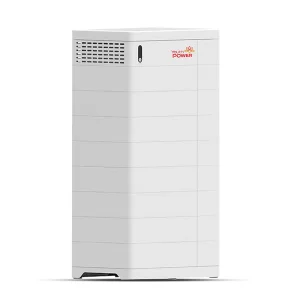
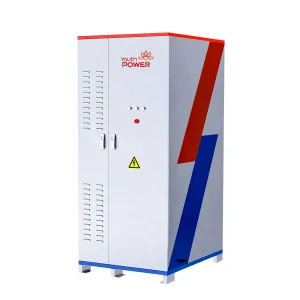
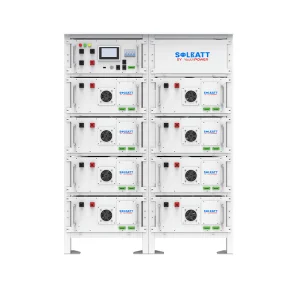
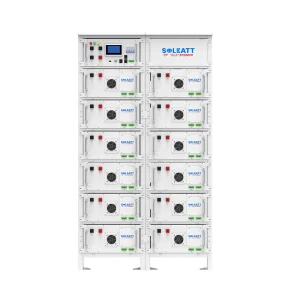
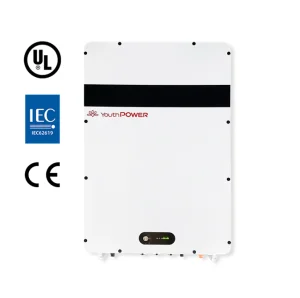
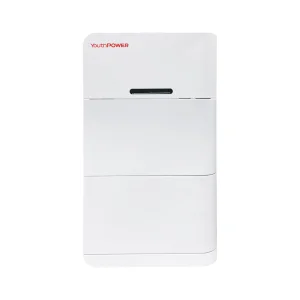
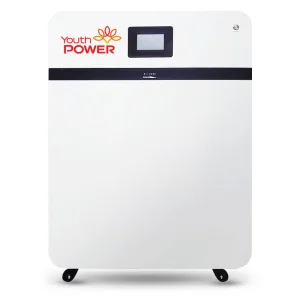
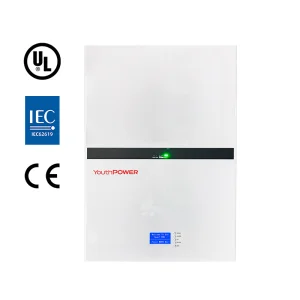
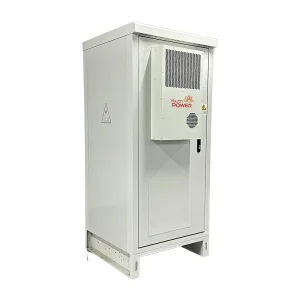
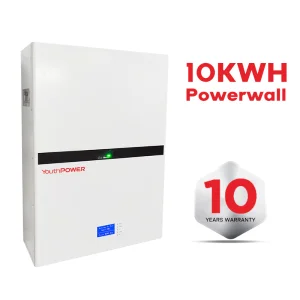
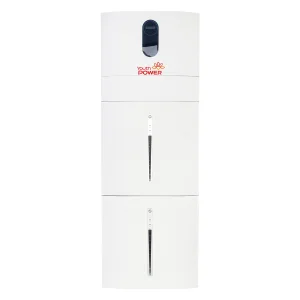
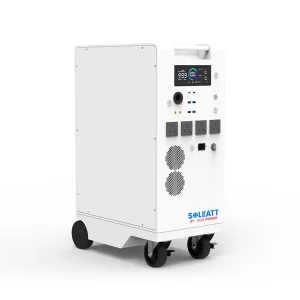
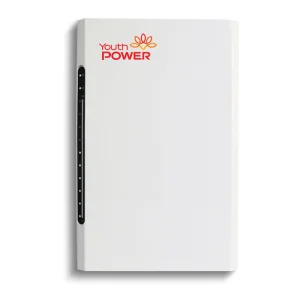
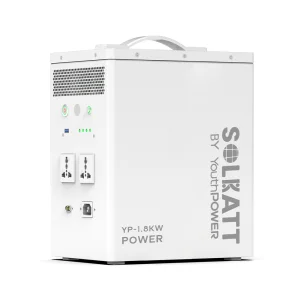
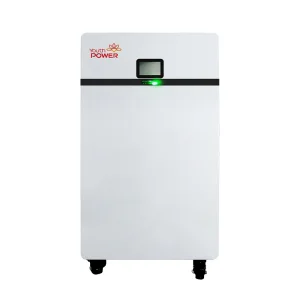
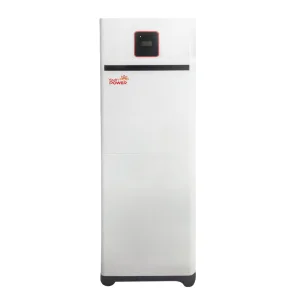
Engineered for high efficiency, scalability, and extreme thermal stability. Explore our signature product series below.
Global residential electricity grids face unprecedented strain. Extreme weather events, aging distribution networks, and the rapid retirement of baseload thermal plants have combined to degrade grid stability. Simultaneously, utility pricing structures are shifting away from flat-rate billing toward aggressive Time-of-Use (TOU) tariffs and reduced net-metering rewards (such as California's NEM 3.0). In this context, residential battery storage is no longer merely a backup utility; it has transformed into a critical economic engine and grid-independence controller.
Deploying a robust home battery storage system lets homeowners insulate themselves from price spikes, store surplus solar power, and keep critical systems running during blackouts. However, selecting the right energy storage partner requires evaluating technical design, raw material sourcing, factory automation, and true life-cycle cost structures.
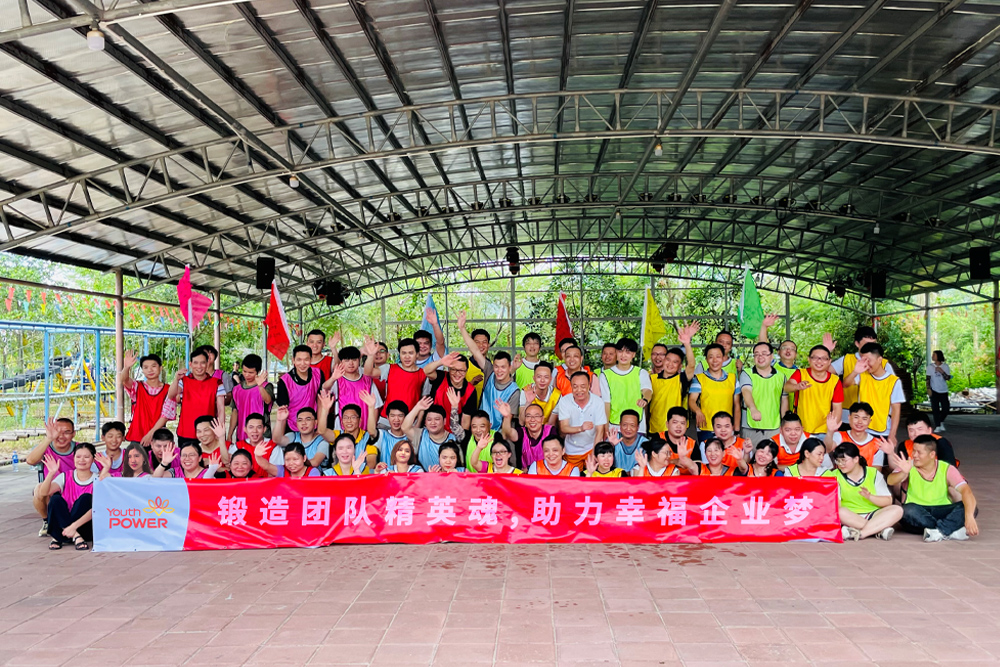
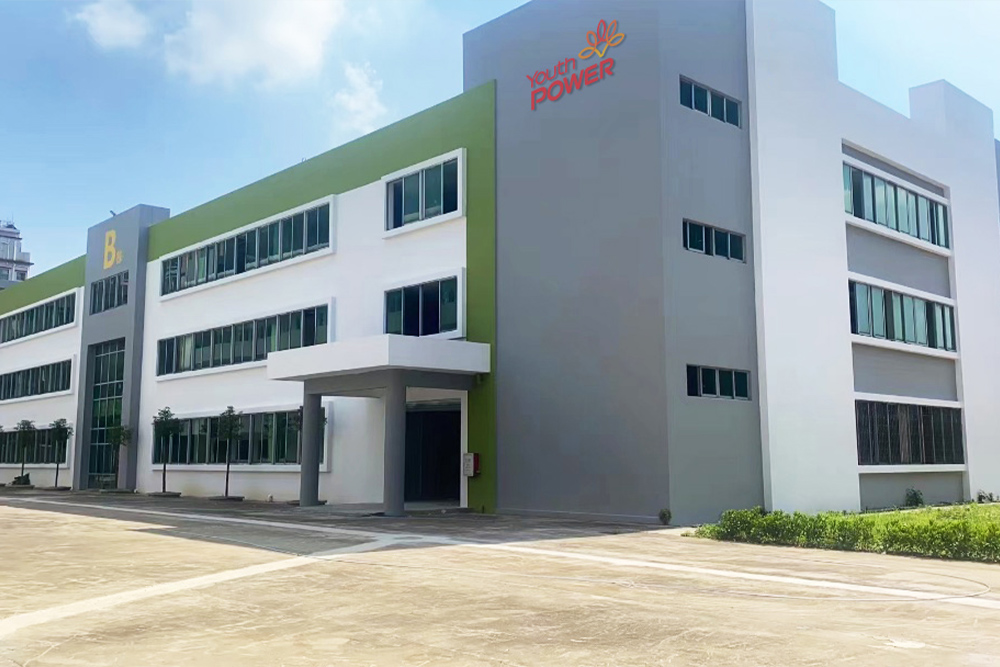
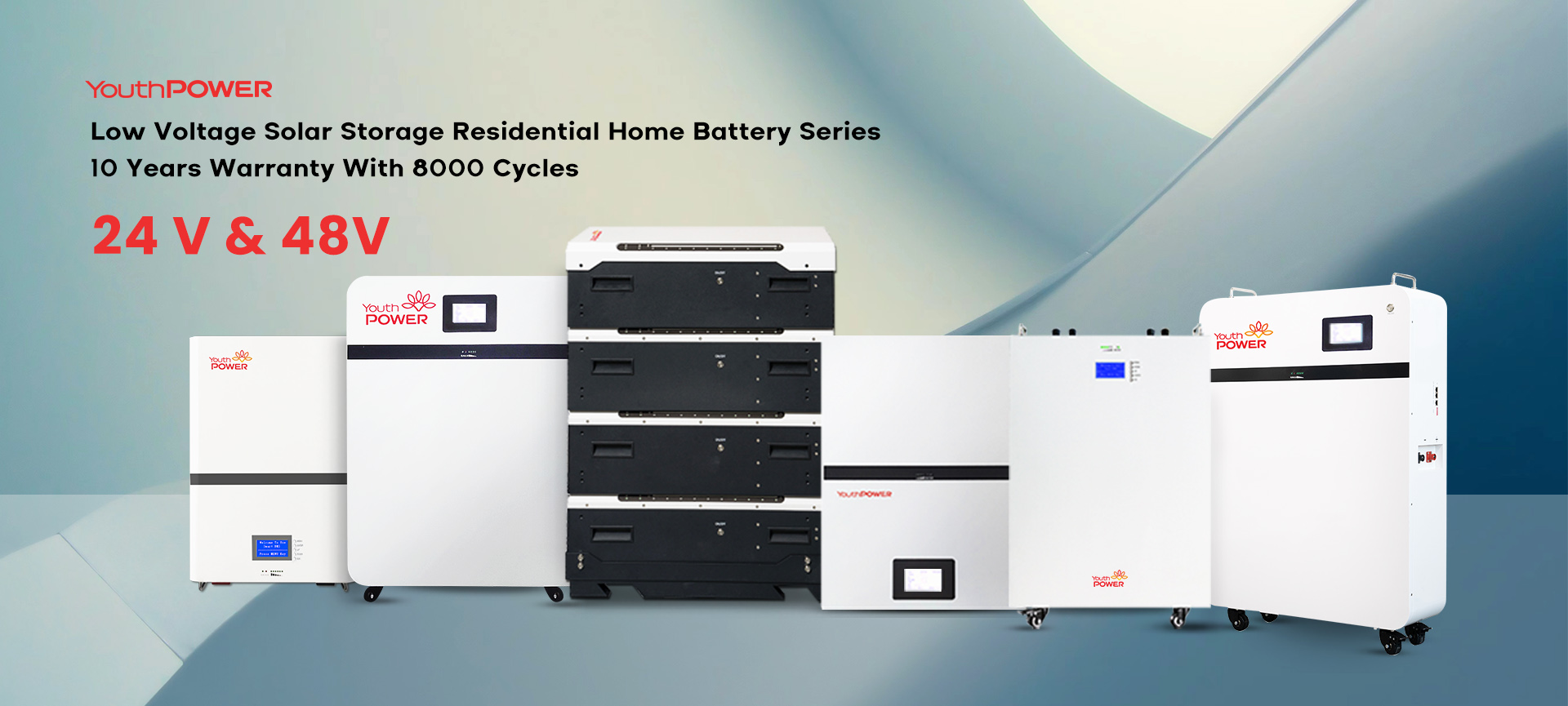
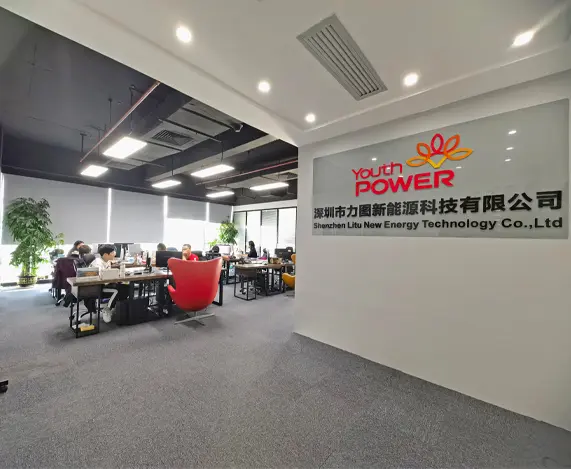
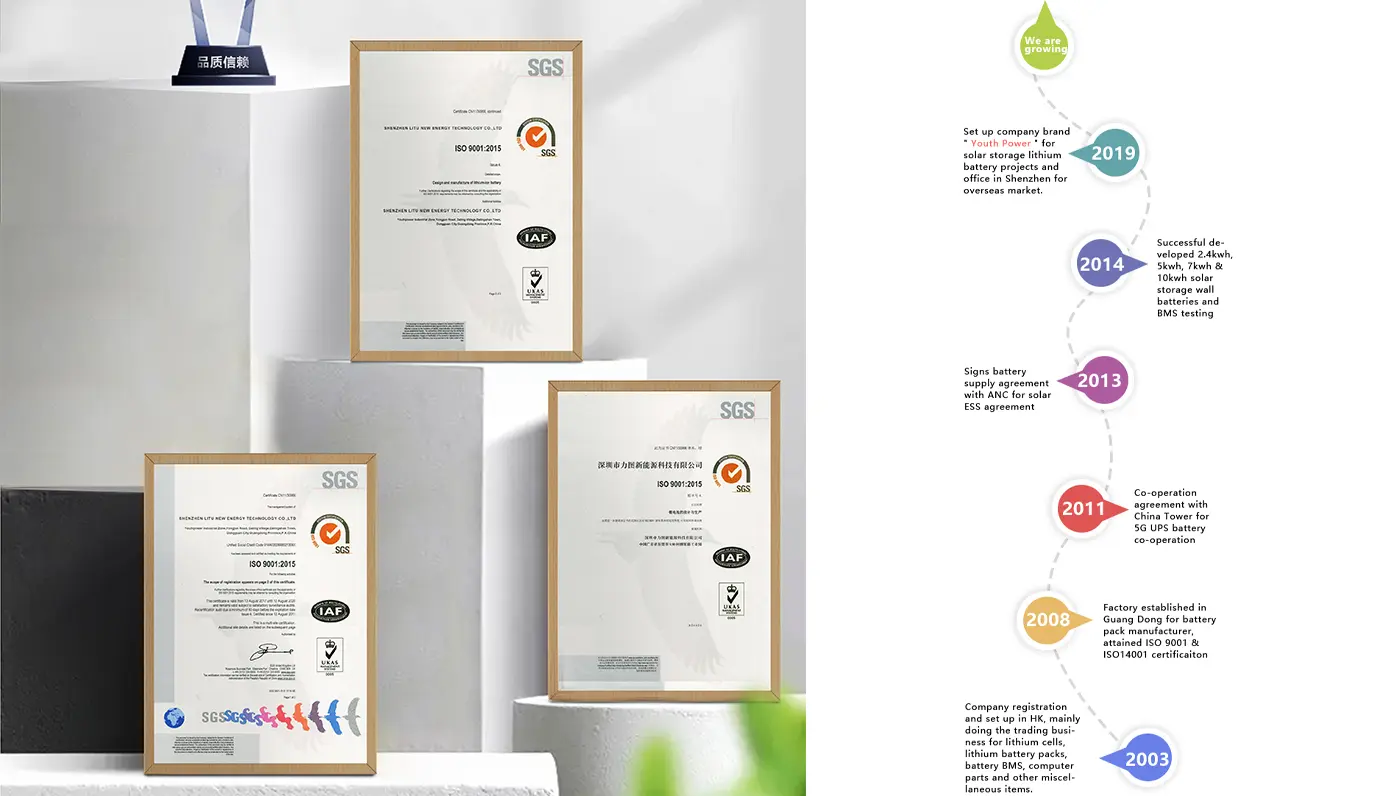
Founded in 2003, YouthPOWER has grown to become a premier global supplier of solar storage lithium batteries. Our comprehensive catalog ranges from 24V and 48V low-voltage applications to high-voltage, stackable residential energy storage solutions (ESS) designed to interface with advanced hybrid inverters.
With nearly 20 years of research and production expertise, we have developed deep capabilities in battery science, cell sorting, automated BMS calibration, and complex thermal management designs. After years of testing and growth, we consolidated our intellectual property and market position in 2019 by launching our dedicated brand, YouthPOWER.
Today, we leverage close relationships with raw material suppliers to keep manufacturing costs low and ensure access to premium components. We are proud that YouthPOWER has supplied robust, reliable solar storage solutions to over 1,000,000 families worldwide, giving them independence from unstable utility grids.
Understanding cell chemistry, architectural designs, and software management is vital when choosing a home battery storage system.
We manufacture exclusively with lithium iron phosphate (LiFePO4) chemistry. Unlike nickel manganese cobalt (NMC) batteries, LFP chemistry offers a much higher thermal runaway threshold (up to 270°C), zero toxic heavy metal emissions, and a lifespan exceeding 6,000 cycles at 80% Depth of Discharge (DoD). This ensures reliable operation for 15+ years of daily cycling.
Our modular, high-voltage stackable designs streamline installation. Homeowners can start with a 10kWh system and scale up to 25kWh or more without rewiring. High-voltage stackable platforms operate at 300V-800V DC, reducing line losses, improving round-trip efficiency (RTE) to over 95%, and simplifying matching with modern hybrid inverters.
The internal Battery Management System (BMS) acts as the brain of the battery. YouthPOWER's proprietary BMS monitors cell voltage, temperature, and current in real time. Our active cell balancing algorithm adjusts differences in cell capacity during charge and discharge cycles, preventing local degradation and extending the system's operational lifetime.
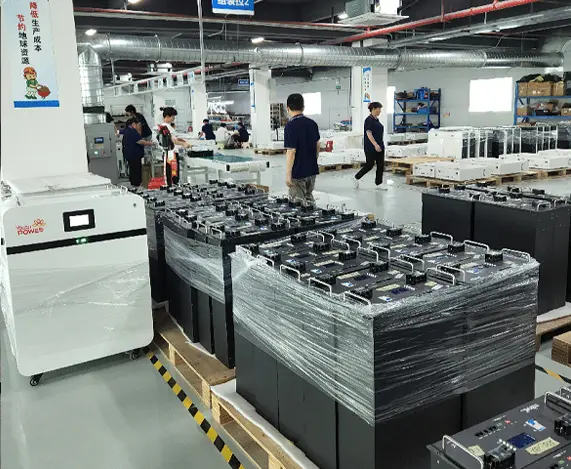
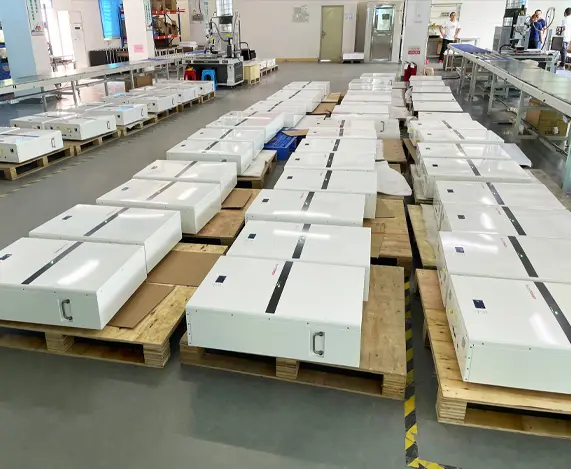
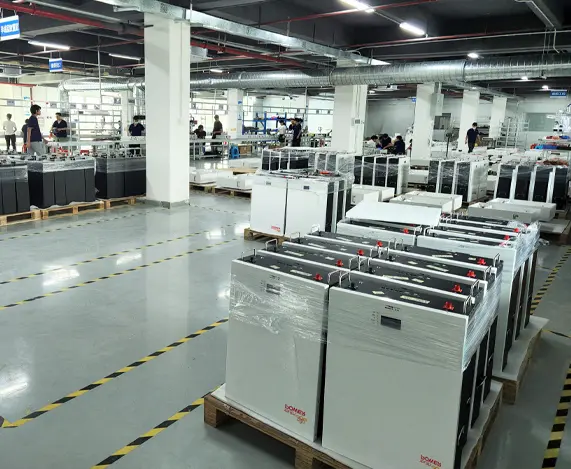
Our competitive pricing is built on manufacturing efficiency and direct supply chain integration. Our Factory 4.0 facilities in China leverage automation to ensure high product quality and performance consistency:
This automated approach reduces manufacturing waste and labor overhead. We pass these savings directly to our customers and distributors, delivering tier-1 quality at a lower cost per kilowatt-hour.
For distributors, system installers, and enterprise procurement managers, balancing performance parameters against unit costs is essential to maintaining profitability.
| System Type | Nominal Capacity Range | Target Application | Key Standard Approvals | Average Price Benchmark |
|---|---|---|---|---|
| Low-Voltage Wall Mount | 5.12kWh - 10.24kWh | Residential Off-Grid / Time-of-Use Shift | CE, UN38.3, IEC 62619 | Competitive / Contact Sales |
| High-Voltage Stackable | 10.24kWh - 25.6kWh | High-Load Residential Grid Independence | UL 1973, UL 9540A, CE | Factory Direct Wholesale |
| All-in-One Power Tower | 5.0kWh - 15.0kWh | Plug & Play Retrofits (Integrated Inverter) | CE, EN 50549, VDE-AR-N 4105 | Premium Integrated Value |
| Commercial Powerbox | 100kWh - 215kWh | Microgrids / Agricultural / Small Industrial | UL 9540A, IEC 62933, GB/T | Volume Contract Price |
Note: Final pricing depends on order volume, customized OEM branding, local compliance configurations, and current shipping rates. Contact our sales department to receive a formal RFQ (Request for Quote) package and technical drawings.
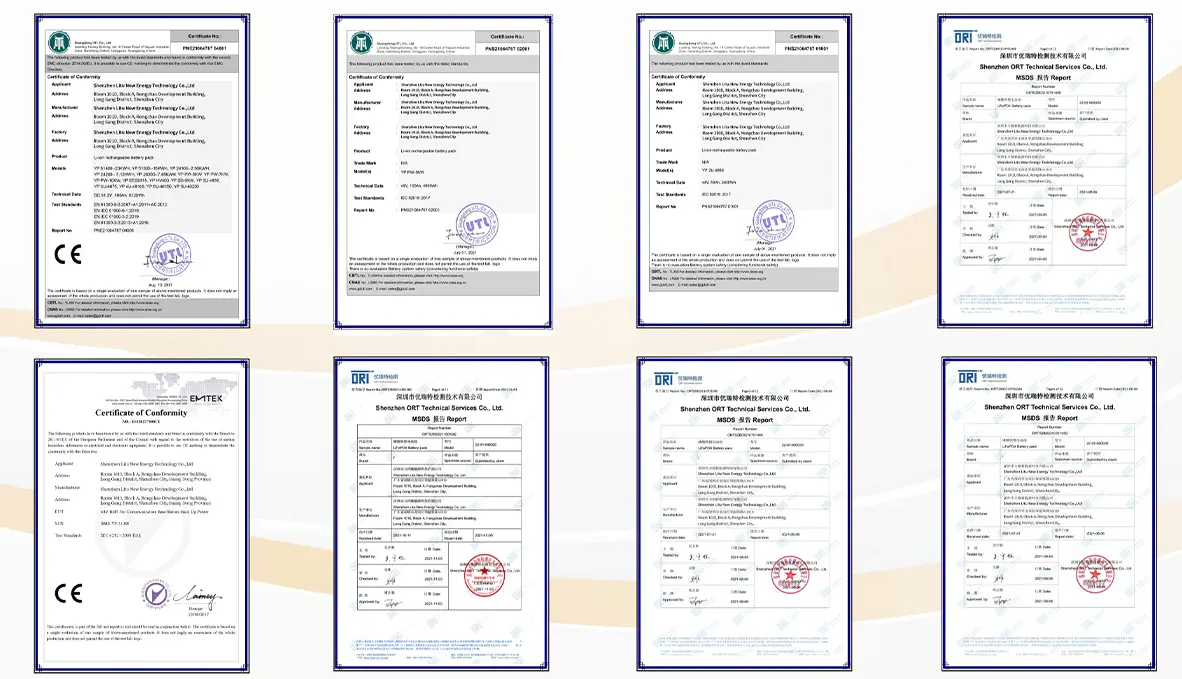
Importing and installing energy storage solutions requires meeting strict safety, environment, and grid integration guidelines. YouthPOWER batteries are designed to meet or exceed international safety standards, making import processes straightforward:
We work with regional distributors and installation teams to offer local warranty support, installation assistance, and simple replacement logistics, giving you reliable service throughout your system's life cycle.
From a components manufacturer to a global leader in integrated battery storage systems.
Technical and logistical insights for installers and procurement officers.
From portable backup power generators to large commercial battery banks.
 YouthPOWER